History feels a lot more powerful when it moves beyond famous names and textbook timelines. Across Michigan, museums are telling fuller stories about daily life, difficult choices, creative breakthroughs, shipwrecks, factory towns, tribal homelands, city neighborhoods, and communities that helped shape the state in lasting ways.
The appeal comes from seeing history up close, through real places, personal stories, artifacts, and perspectives that do not always get enough space in school lessons. These museums make the past feel more human, more complicated, and much easier to connect with.
For anyone who wants Michigan history with depth, surprise, and a lot more texture, this list is a smart place to start.
1. Sloan Museum of Discovery – Flint
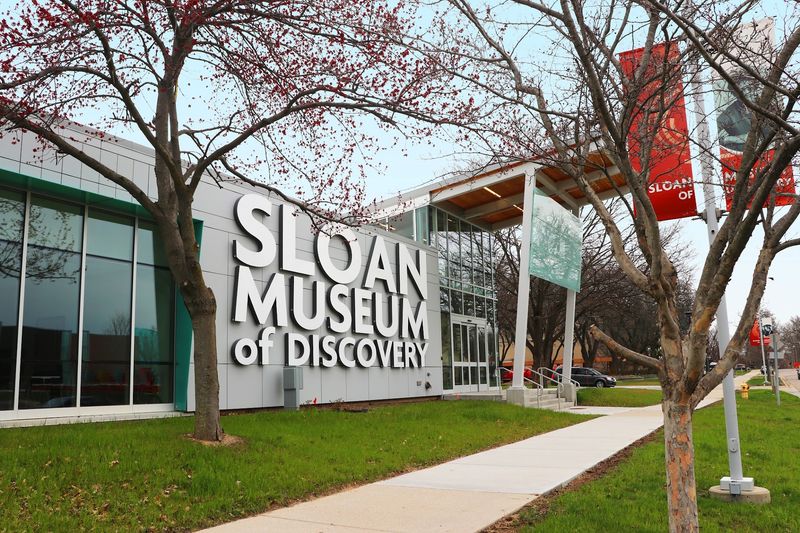
Flint history can get reduced to a few headlines, but a museum visit quickly widens the picture. At Sloan Museum of Discovery, you can explore how work, invention, neighborhood life, and local change all shaped the city in ways a short textbook chapter rarely captures.
Instead of treating Flint like a single-story place, the museum helps you notice layers. Exhibits often connect transportation, manufacturing, tools, and design with the lives of real households, which makes the past easier to picture and harder to oversimplify.
One of the most useful ways to approach Sloan is to slow down around everyday objects. A vehicle, a sign, a storefront display, or a household item can tell you plenty about who had power, who had opportunity, and how communities adapted when jobs and industries shifted.
Younger visitors usually latch onto the interactive side first, and that works in your favor. Hands-on spaces can open the door to bigger conversations about labor, migration, education, and the hopes families carried into a fast-changing city.
If you are visiting with kids, try asking simple questions as you move through the galleries. What kind of work do you think happened here?
What would be different about school, shopping, or travel at that time? Those small prompts keep the museum from turning into a blur of display cases.
Flint’s story also makes more sense when you connect local events to larger state and national changes. Sloan gives you enough context to do that without drowning you in jargon, so the visit stays clear and engaging.
By the time you leave, the city usually looks less like a symbol and more like a place filled with builders, workers, students, and families. That shift in perspective is exactly why this museum belongs on a list about overlooked history.
2. Great Lakes Shipwreck Museum – Paradise
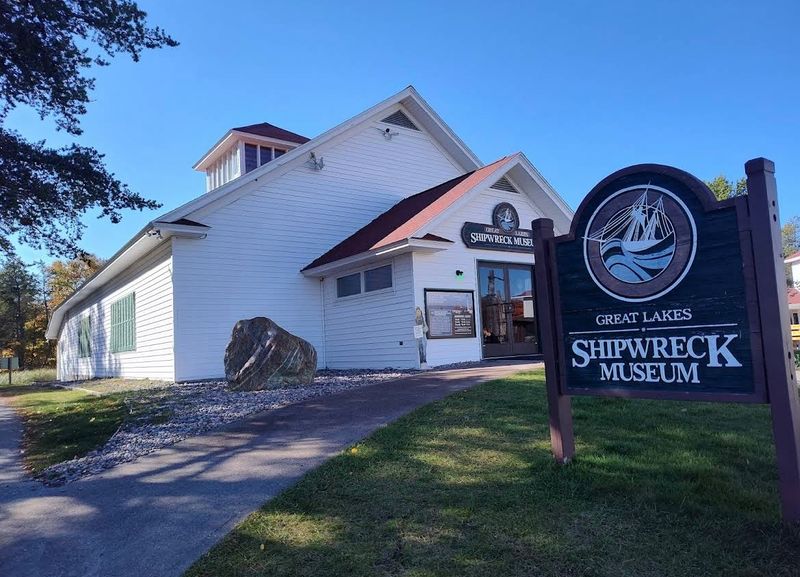
Lake Superior does not need much help creating drama, and this museum knows it. Near Whitefish Point, the Great Lakes Shipwreck Museum pulls you into a side of Michigan history built on weather, risk, rescue work, and the fragile line between routine travel and disaster.
Many history books mention shipping as part of trade and industry, then move on. Here, the human cost comes forward through wreck stories, navigation tools, lifesaving equipment, and personal details that make the Great Lakes feel less like a map feature and more like a working world.
You do not need to be a ship expert to connect with the exhibits. A worn object, a captain’s decision, or a report from rough water can quickly show how much depended on judgment, timing, and luck.
Plan to give yourself time outside as well as inside. The shoreline setting matters because it helps you understand distance, cold, wind, and isolation in a way no wall label can fully explain.
Standing near the lake adds weight to the stories without requiring big dramatic language.
Families often find that the rescue history sticks with them. Looking at lifesaving gear and station life opens up questions about who answered emergencies, how communication worked, and why some crews became local legends while many sailors stayed mostly anonymous.
A smart way to visit is to look for the ordinary tasks behind the famous wrecks. Ships carried cargo, workers followed schedules, and families waited for arrivals.
That everyday structure makes each loss more real, because it reminds you that these were not distant myths.
Michigan’s water history shaped jobs, towns, and travel routes across the region. This museum turns that broad idea into stories you can actually picture, which is why it leaves a stronger impression than a paragraph in a survey textbook usually can.
3. Charles H. Wright Museum of African American History – Detroit
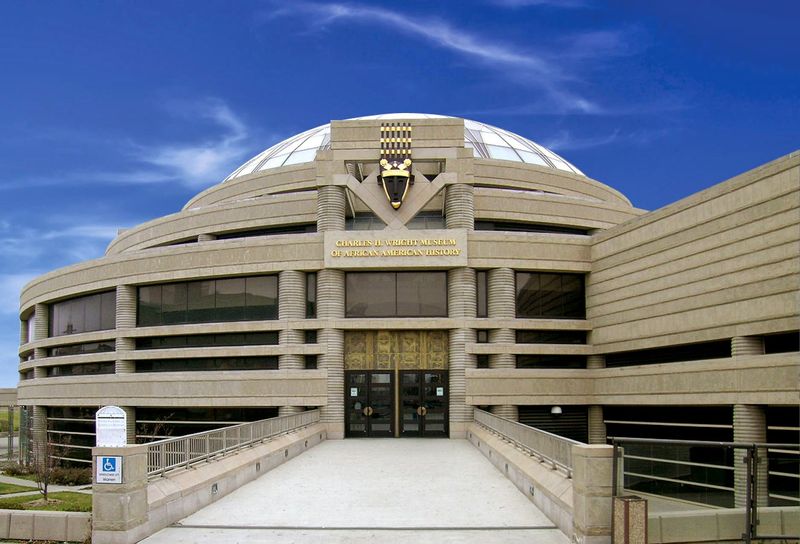
Detroit tells many American stories at once, and the Charles H. Wright Museum helps you see that clearly.
A visit here can connect national history with neighborhood life, movement, music, faith, labor, and the ongoing work of defining freedom in practical, everyday terms.
School lessons often rush through African American history by naming major figures and a few turning points. Inside this museum, broader themes become more grounded because the exhibits invite you to consider culture, resistance, migration, and achievement as lived experiences rather than distant milestones.
That shift matters. When you spend time with photographs, documents, artwork, and personal stories, the past stops looking neat and finished.
You start noticing how communities built institutions, responded to limits, and created spaces for education, celebration, and political action.
Detroit adds another layer because the city has long been shaped by movement and reinvention. The museum can help you connect local history to bigger patterns across the country, especially when you pay attention to work, housing, civic life, and creative expression.
If you want a stronger visit, do not rush toward only the biggest displays. Smaller pieces can spark some of the best conversations.
A church program, a family image, or a poster can reveal values, pressures, and ambitions that are easy to miss in more general histories.
This is also a good museum for intergenerational visits. Adults may notice political context, while younger visitors often connect first with sound, color, and personal storytelling.
Both routes lead to better understanding, and they often meet in the middle.
By the end, you are likely to carry away more than facts. You gain a fuller sense of how African American history shapes Michigan and the nation, not as a separate chapter, but as a central thread running through both.
4. Gilmore Car Museum – Hickory Corners
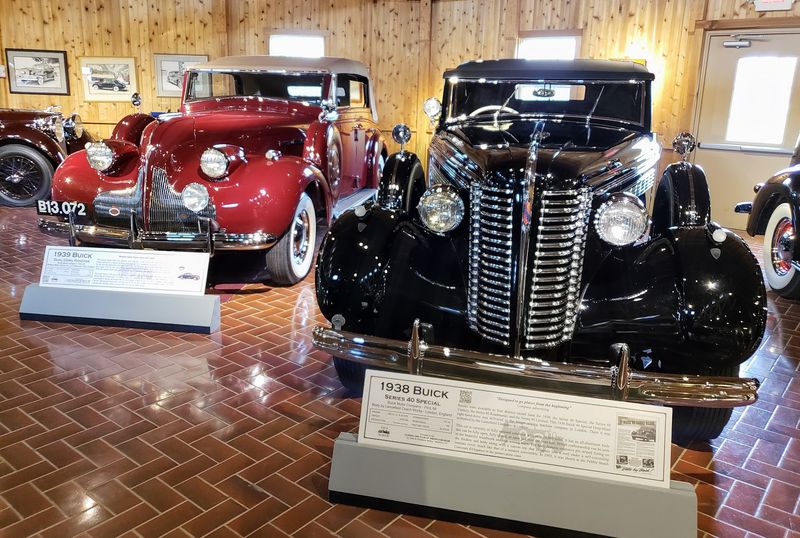
Chrome, curves, and old road signs grab attention fast, but the Gilmore Car Museum offers more than eye candy. In Hickory Corners, the collection can open up conversations about design, class, mobility, advertising, and the ways cars changed daily life across Michigan and the country.
Plenty of people walk in expecting a simple parade of cool vehicles. Then the bigger story starts to emerge.
Automobiles affected where people lived, how teenagers socialized, how goods moved, and which jobs grew or disappeared as roads and industries expanded.
That wider lens is where the museum becomes especially interesting. Looking at a car beside period details, brand material, or restored service spaces helps you picture the full world around it.
You are not only seeing transportation. You are seeing status, taste, marketing, and changing expectations.
Try pacing yourself by choosing a few vehicles to study closely instead of snapping quick photos of everything. Notice size, shape, dashboard design, seating, and accessories.
Those features can hint at who the car was made for and what kind of life it promised.
Families with mixed interests usually do well here because the site offers different entry points. One person may care about engineering, another about style, and another about local industry.
All three angles belong in the same conversation, which makes the visit surprisingly flexible.
The museum also works as a reminder that technology is never neutral. Cars brought convenience and freedom for many people, yet they also changed landscapes, spending habits, and community patterns.
A good visit leaves room for both excitement and questions.
Michigan’s identity is closely tied to the automobile, but that connection can sound flat when reduced to brand names and assembly lines. Here, the story gets texture.
You can see how machines became symbols, tools, dreams, and everyday necessities all at once.
5. Ziibiwing Center of Anishinabe Culture and Lifeways – Mount Pleasant
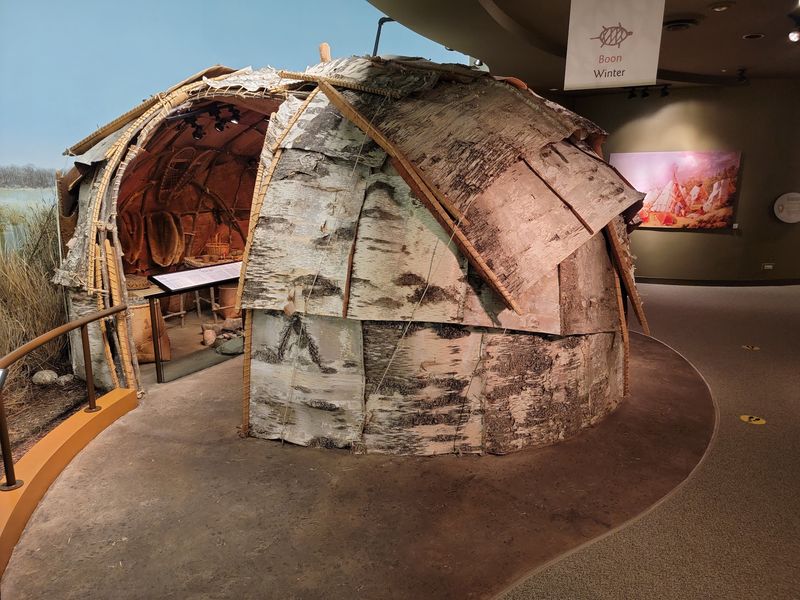
Some museums ask you to learn dates first. The Ziibiwing Center in Mount Pleasant works differently by centering living culture, memory, and community perspective.
That approach can change the way you think about Michigan history almost immediately.
Instead of treating Indigenous history as a brief starting chapter before the state became modern, the center presents Anishinabe culture and lifeways as ongoing and deeply rooted. Language, art, family knowledge, and relationships to land all help explain a history that did not stop in the distant past.
Take your time here. The exhibits often reward careful reading and quiet attention more than rushing.
Objects, images, and interpretation can guide you toward bigger ideas about identity, removal, adaptation, and continuity without losing the personal scale that makes the material accessible.
One helpful habit is to notice how the center frames voice. Ask who is telling the story and from what standpoint.
That simple question can sharpen your understanding of why some school narratives feel incomplete and why community-led spaces matter so much.
You may also find that the museum changes how you view the surrounding region. Place names, waterways, and local landscapes can start to look different once you understand they carry older meanings and connections that standard travel stops rarely explain well.
If you are visiting with children, focus on observation before interpretation. Invite them to describe patterns, materials, and symbols, then talk about what those details might communicate.
That keeps the experience active without flattening complex cultural topics into easy slogans.
Michigan history makes more sense when tribal nations are presented as central, not side notes. The Ziibiwing Center helps supply that missing structure with clarity and care.
You leave with more context, better questions, and a stronger sense that the state’s story is far older and richer than many books admit.
6. Detroit Historical Museum – Detroit
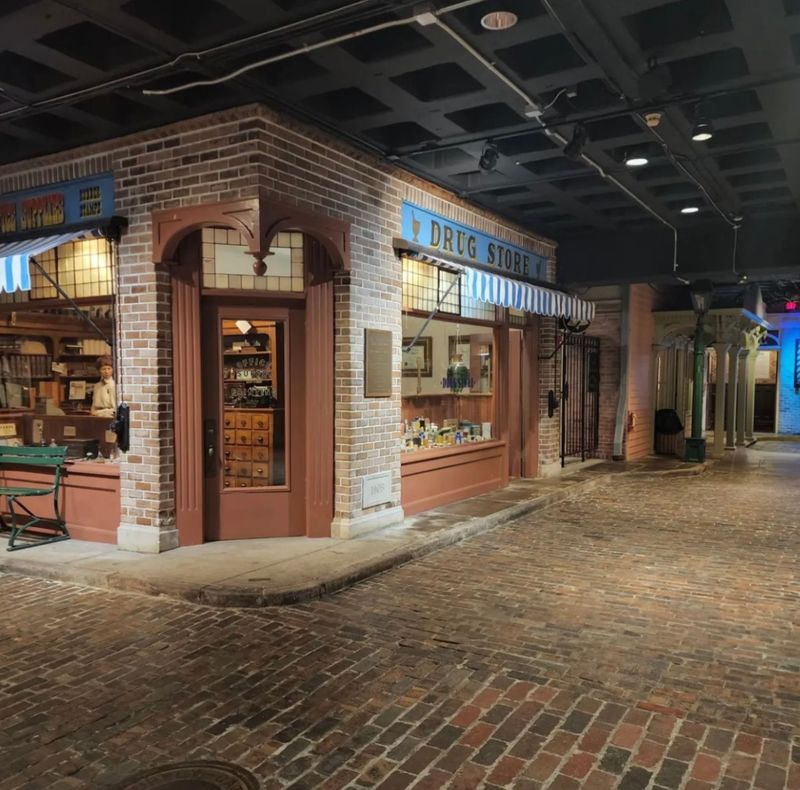
Detroit can overwhelm you with big themes, so a museum that breaks them into readable pieces is a gift. The Detroit Historical Museum does that well, showing how industry, migration, music, labor, sports, and neighborhood identity all helped shape the city.
Many people know the broad headlines. Cars.
Motown. booms and downturns. Those matter, but the museum gives them more texture by placing major changes alongside daily routines, local businesses, community spaces, and the many groups that built Detroit block by block.
One of the best ways to experience this museum is to follow a thread instead of trying to absorb everything. Pick work, housing, entertainment, or schools, then watch how that theme moves across time.
The city starts to look less chaotic and more connected.
Settings that recreate earlier streets or interiors can be especially useful for younger visitors. They make abstract history concrete.
Suddenly, local change is not just a chart or a date. It becomes a shop window, a workplace, a living room, or a tune playing in public life.
The museum also helps correct a common mistake: thinking Detroit history belongs only to a few famous industries or public figures. When you look closely, the city emerges through communities solving problems, creating culture, organizing for better conditions, and adapting through repeated waves of change.
You can get more from the visit by comparing eras as you go. Which jobs seem central?
Which groups are arriving? How do transportation and housing shape opportunity?
Those questions turn each gallery into part of a longer conversation instead of a standalone stop.
For anyone trying to understand Michigan beyond stereotypes, this museum is a strong anchor. It gives Detroit depth without asking you to memorize endless details, and it leaves you better prepared to notice the human stories tucked inside the city’s better-known legends.
7. Michigan Maritime Museum – South Haven
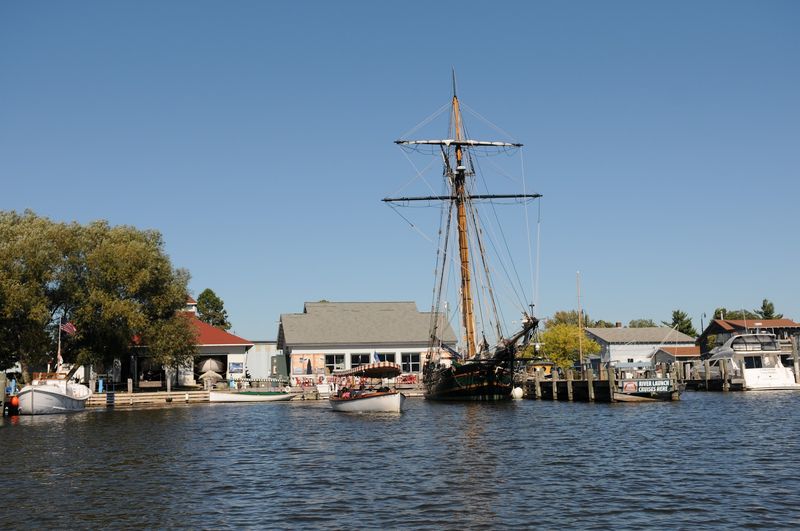
South Haven has the kind of lakeside setting that can tempt you to think only about vacations. The Michigan Maritime Museum adds another layer by focusing on work, water travel, boatbuilding, trade, and the skills needed to live with a shoreline that could be generous one day and demanding the next.
Smaller museums sometimes surprise people most because they narrow in on practical life. Here, maritime history becomes personal through vessels, tools, regional context, and stories that show how coastal communities functioned beyond postcard views of beaches and sunsets.
The museum is especially helpful if you want to understand how water connected towns before highways took over so much attention. Goods, passengers, news, and labor all moved through these routes, and that movement shaped business, safety needs, and seasonal rhythms along the lake.
Try paying attention to craftsmanship. Boats are impressive on their own, but construction details reveal problem solving.
Materials, repairs, and design choices can show how people responded to weather, cargo demands, and changing technology without needing a giant lecture.
For families, this stop can work well because there is a built-in sense of place. Looking from exhibits to the nearby harbor helps younger visitors connect objects to the real environment around them.
That jump from gallery to waterfront makes the learning stick.
You do not need deep nautical knowledge to enjoy the visit. Start with simple questions.
Who used this? What job did it help with?
What risks came with that work? Soon the lake stops being background scenery and becomes an active force in Michigan history.
Books often summarize maritime life in a sentence or two, then hurry onward. The museum slows things down just enough to show how shore towns depended on planning, labor, and experience.
That tighter focus reveals stories that are easy to miss when history stays too broad.
8. Arab American National Museum – Dearborn
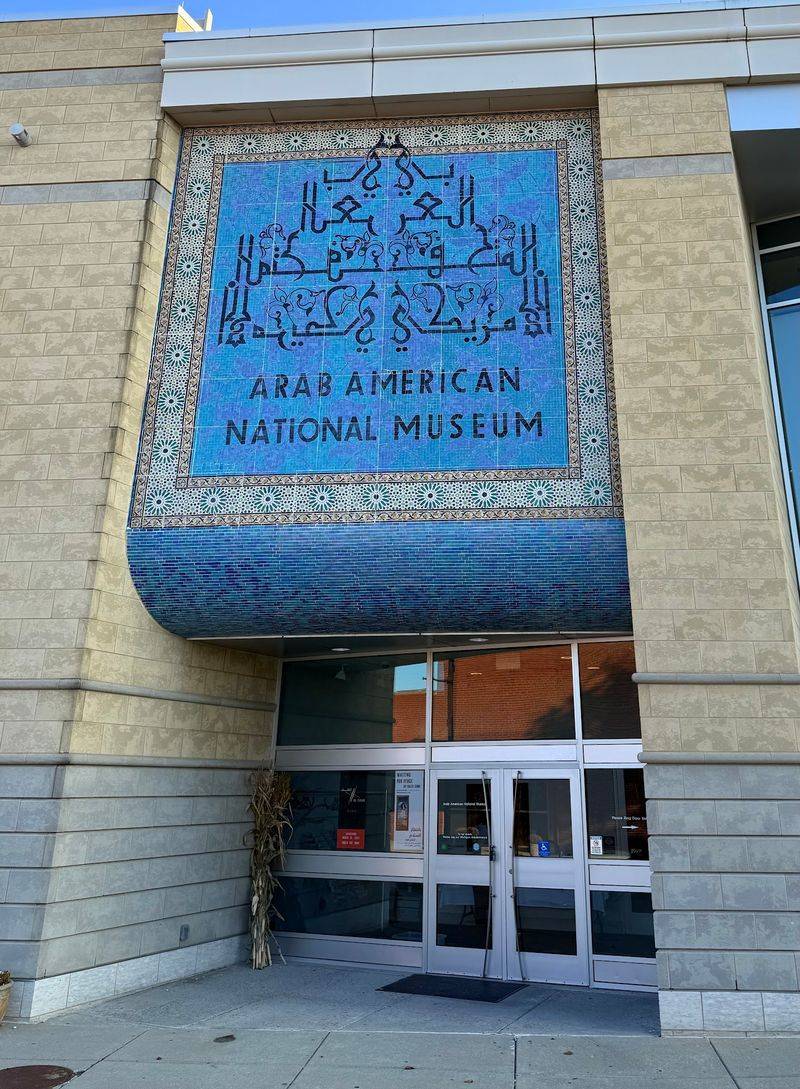
Dearborn is one of the best places in Michigan to see how national history and family history meet face to face. The Arab American National Museum brings that connection into focus through culture, migration, identity, language, and public life in ways many school materials barely touch.
Too often, Arab American stories appear only during discussions about foreign policy or moments of conflict. A museum setting allows for a fuller view.
You can encounter personal narratives, creative work, community building, and the long, ordinary process of making a life in the United States.
That ordinary process is exactly where many of the most interesting details live. Food traditions, music, letters, clothing, business history, and family photographs can reveal how heritage is carried, adjusted, defended, and celebrated across generations.
If you want to get more from the visit, notice how the exhibits handle belonging. Which stories show acceptance?
Which ones show misunderstanding or pressure? Which ones show pride in keeping roots visible?
Those tensions are part of American history, not side topics.
The museum also helps you think carefully about labels. Arab American identity includes many backgrounds and experiences, so it helps to resist flattening everything into one simple story.
The galleries often encourage that broader view by presenting multiple voices and perspectives.
Younger visitors may connect first through objects and art, while older visitors may gravitate toward policy, migration, or media representation. Both paths work.
They usually lead to the same useful realization: communities cannot be understood well when they are only discussed during crises.
Michigan’s story includes the neighborhoods, businesses, faith communities, and civic efforts shaped by Arab Americans. This museum gives those contributions room to breathe.
By doing so, it fills a gap left by many history books and replaces shorthand ideas with richer, more human context.
9. Air Zoo Aerospace and Science Museum – Portage

Aviation museums can look like pure machine territory, yet the Air Zoo has a wider story to tell. In Portage, aircraft and science exhibits can lead you toward questions about war, innovation, training, risk, and the human urge to test limits in the sky and beyond.
That bigger context matters because technology history often gets presented as a straight line of inventions. The museum format complicates that idea in a useful way.
Behind every plane are designers, pilots, mechanics, military decisions, public funding, and changing ideas about progress.
There is also a fun tension here between wonder and reflection. You can admire engineering and still ask what those machines were built to do, who benefited, and what kinds of pressure shaped their development.
That makes the visit more thoughtful without draining the excitement.
Interactive elements are a plus, especially for younger visitors who learn best by trying things out. Simulators and hands-on stations can turn abstract science into something immediate.
Once curiosity is awake, history details usually land much more easily.
A good strategy is to alternate between the large, dramatic objects and the smaller explanatory material. The aircraft pull your eyes upward, but labels, photos, and related displays often carry the most revealing information about training, missions, design changes, or cultural impact.
You can also treat the museum as a bridge between local and global history. Michigan may not be the first place some people connect with aerospace, but the state has long been part of manufacturing, technical education, and wartime production networks that fed larger efforts.
By the time you finish, the planes tend to represent more than speed or spectacle. They start to stand for teamwork, ambition, fear, and problem solving.
That richer view is why the Air Zoo fits so well in a list about museums that surface stories many textbooks only skim.
10. The Zekelman Holocaust Center – Farmington Hills
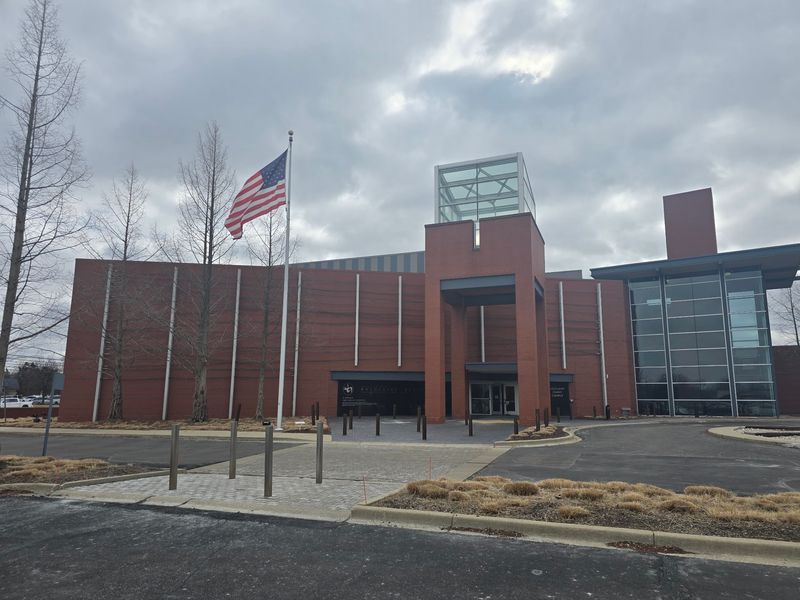
Some museum visits ask for a slower pace, and this is one of them. The Zekelman Holocaust Center in Farmington Hills tackles a history that is often summarized too quickly, turning huge events into personal, moral, and civic questions that stay with you long after the galleries end.
Reading about the Holocaust in a textbook can leave students with timelines but little grasp of how ordinary systems and daily choices were pulled into persecution. A museum setting helps close that gap.
Testimony, artifacts, and interpretation can make the consequences of hatred and indifference far more concrete.
This is not light material, so it helps to arrive ready to focus. Give yourself room to read carefully and pause when needed.
Rushing through can flatten the experience, while steady attention allows the historical and human details to connect.
One strength of a center like this is that it encourages you to think beyond distant geography. The lessons are not limited to Europe in the past.
They also speak to propaganda, civic responsibility, dehumanization, and the danger of letting lies become normal in any society.
If you are visiting with teens, plan a conversation afterward instead of ending at the exit. Ask which exhibit element hit hardest and why.
That follow-up can help process difficult material and move the visit from shock toward understanding.
The center also reminds visitors that memory work is active work. Preserving testimony, teaching context, and confronting denial all matter because history can be distorted when people grow careless, tired, or too comfortable with simple narratives.
Michigan’s museum landscape is stronger because this institution is part of it. It brings global history into local reach and shows why education must include moral complexity, not only facts.
That wider purpose makes it a powerful stop for anyone seeking deeper, less edited stories.
11. Michigan History Museum – Lansing
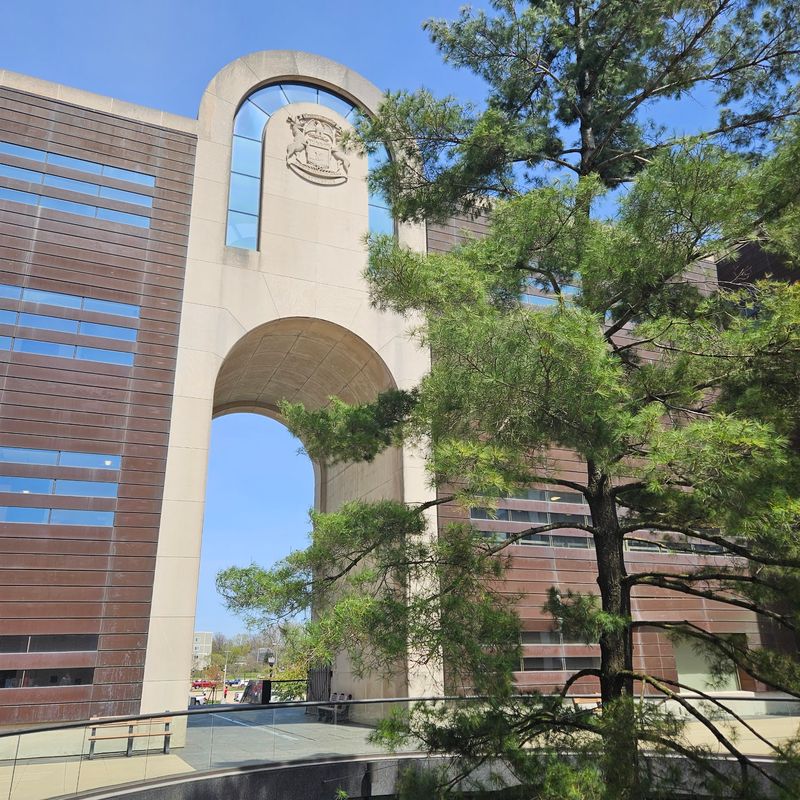
State museums can sometimes feel like giant storage rooms for facts, but Lansing’s Michigan History Museum is more useful than that. It gives you a broad sweep of Michigan’s past while still making room for the ordinary work, movement, conflict, and adaptation that shaped life across the state.
Because the scope is so wide, this museum works best when you treat it like a series of connected snapshots. Logging, mining, immigration, government, transportation, and domestic life all appear, and together they show how Michigan kept reinventing itself across different regions and eras.
The recreated spaces are especially helpful for younger visitors or anyone who learns best through scenes rather than timelines. A room, workshop, or street setting can quietly explain social class, available technology, and daily routines faster than a page of dates usually can.
One smart approach is to compare northern and southern Michigan as you move through the exhibits. Geography influenced jobs, settlement patterns, resources, and travel routes in big ways.
Seeing those differences side by side can make the state feel more varied and less like a single story.
You should also watch for who appears in the margins. Large survey museums naturally cover a lot of ground, so some of the most revealing moments come from noticing smaller labels, personal items, and local details that hint at groups or experiences often condensed in standard histories.
If you have limited time, do not worry about mastering everything. Pick a few eras and ask how people earned money, moved around, learned new skills, or responded to change.
Those basic questions create a framework that helps the whole museum click into place.
As an overview stop, this museum earns its place because it builds context for many of the others on this list. You leave with a stronger map of Michigan’s past, plus a better sense of where the quieter, less repeated stories fit within it.