Plant shopping feels more meaningful when the rows of green come with generations of history behind them. In Stockbridge, Michigan, Gee Farms Nursery & Greenhouse stretches across a huge piece of land where tree growing reaches back to a time before the Civil War, giving the stop a story much bigger than a typical garden errand.
The appeal comes from that blend of farming, landscape design, local family business, and acres of living color all growing together in one place. It is the kind of nursery where fresh air, history, and inspiration make browsing feel like part of the experience.
For anyone who loves Michigan stops with roots, beauty, and plenty to explore, Gee Farms deserves a closer look.
A Farm Size That Changes the Whole Experience
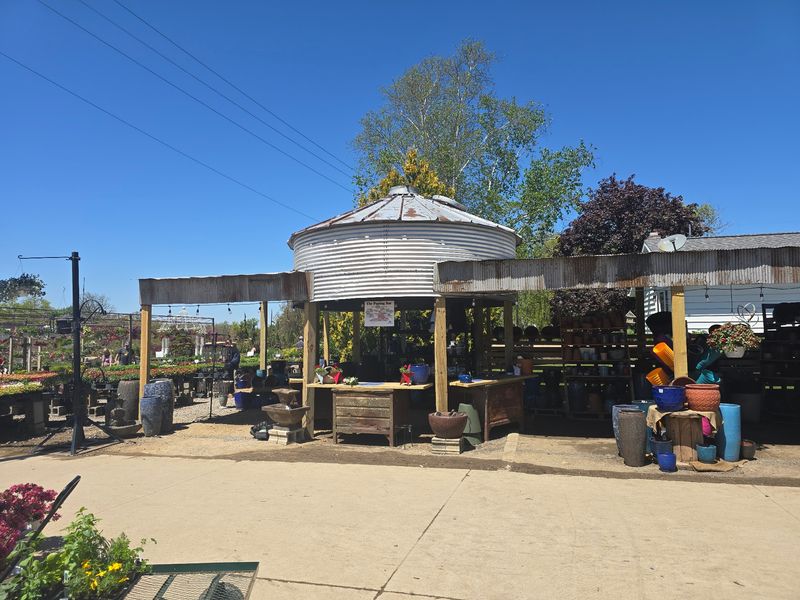
Big places move at a different pace, and Gee Farms makes that clear almost right away. The property covers 800 acres, which is not the kind of number that stays abstract once you are there.
Space shapes everything, from how plants are organized to how far the eye can travel across tree rows, fields, and growing areas.
Instead of squeezing a garden center into a small roadside stop, the farm stretches out and lets each area breathe. That creates a more relaxed visit because you are not just staring at packed shelves under a roof.
You are moving through a working landscape where trees, shrubs, flowers, produce, and seasonal goods all have room to exist in a larger setting.
For anyone shopping for a tree, that scale is especially useful. A young ornamental tree, a privacy screen evergreen, and a larger shade tree need different amounts of growing room, and a large farm can show those differences better than a cramped lot.
You get a clearer sense of size, shape, and spacing before bringing anything home.
The acreage also explains why help matters here. On a property this large, staff guidance saves time and turns a long search into a smoother experience.
Accounts of rides across the grounds in golf carts fit the layout perfectly, because covering distance is part of the day at Gee Farms.
If you are planning a first visit, give yourself more time than you would for a typical nursery run. Wear comfortable shoes, keep your phone charged for photos, and think of the trip as both shopping and exploring.
On an 800-acre farm, the size is not just a statistic in the background. It is one of the main attractions, and it changes how the entire place works.
Roots That Reach Back Before the Civil War
History gives a place extra weight, and Gee Farms carries that kind of depth in a quiet way. The land is tied to tree growing that dates to before the Civil War, which immediately sets it apart from newer garden centers built around quick seasonal traffic.
Even without turning the visit into a history lesson, that timeline changes how you look at the farm.
Older agricultural ground often has a different rhythm. Generations of planting, tending, harvesting, and replanting leave behind more than rows in a field.
They create habits, knowledge, and a sense that the land has been used carefully over a long stretch of American history.
For visitors, that means Gee Farms can be appreciated as more than a shopping stop. It stands as a living example of how Michigan farming landscapes evolve while still holding onto older purposes.
Trees were being grown here when the country looked very different, and that continuity gives present-day plant sales a deeper backdrop.
There is also a practical side to that long story. Tree growing is slow work, and patience is built into every stage, from selecting stock to understanding mature size.
A farm connected to generations of growth naturally suggests experience with long-term planting choices, not only short-lived impulse buys.
If local history interests you, walk the property with that timeline in mind. Notice the contrast between greenhouse color, market energy, and the older agricultural feel of open land beyond the busiest spots.
It helps you understand why the title of this story is not just catchy wording. At Gee Farms, the idea of trees growing since before the Civil War is central to the place itself, and that past still shapes the way the farm meets the present.
Michigan Tree Country in Full View
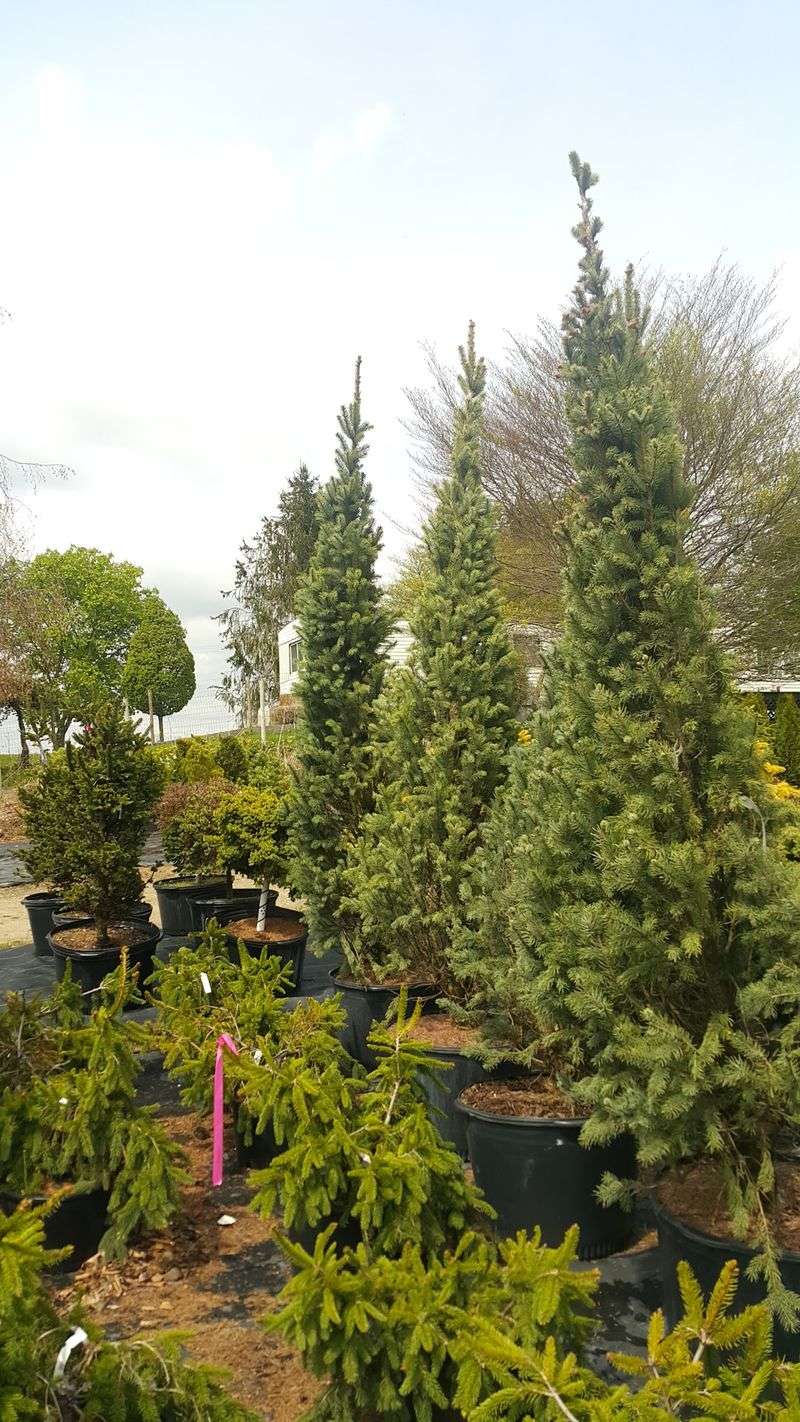
Rows of trees can be strangely exciting when they keep going farther than expected. At Gee Farms, the tree selection is part of the visual payoff, because the farm setting allows stock to spread out in a way that makes comparing options much easier.
Instead of guessing from a tag alone, you can look at form, height, branch pattern, and color in a more real-world setting.
That matters most when you are choosing a tree with a job to do. Maybe you need shade near a patio, an evergreen screen along a property line, or a statement tree that anchors the front yard.
Seeing many varieties in one place helps you avoid common mistakes, like picking something that will outgrow a tight space or choosing a shape that does not match your landscape.
Several accounts point to strong availability and uncommon finds, including notable evergreens. That suggests Gee Farms serves both casual home gardeners and shoppers with a more specific wish list.
A nursery with broad tree inventory can save you from driving from place to place hoping one location has the right fit.
When you visit, arrive with a few measurements written down. Bring the width of your planting area, how much sun the spot gets, and how close the tree will sit to buildings or driveways.
Those simple details make staff guidance far more useful, especially on a large property where options can quickly multiply.
Michigan landscapes ask a lot from trees, with wind, snow, hot summer stretches, and long seasonal swings. A nursery rooted in Michigan growing conditions can help connect beauty with practicality.
That is one reason the tree fields at Gee Farms are more than pretty scenery. They are a working guide for anyone trying to plant smarter and enjoy the result for years.
Greenhouses, Flowers, and the Color Break Between Fields
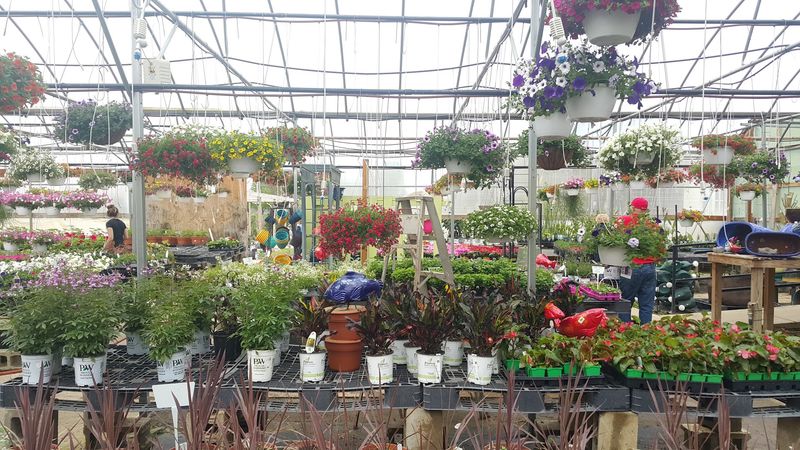
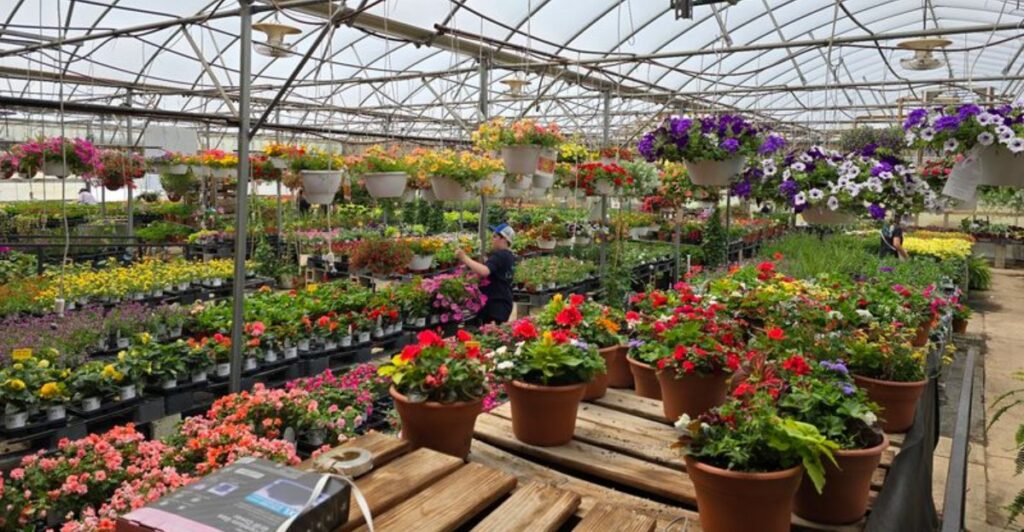
After the open scale of the tree areas, the greenhouse side brings a total change of mood. Color takes over.
Flowers, hanging baskets, vegetable starts, herbs, and other nursery staples create a denser, brighter part of the farm where browsing becomes slower and more detailed.
That contrast is one of the smartest things about Gee Farms. The wide outdoor acreage gives the place a sweeping agricultural character, while the greenhouse and retail growing spaces pull you into close-up textures and small decisions.
You might arrive thinking about one tree and leave comparing tomato starts, pollinator plants, patio flowers, and perennial beds for the side yard.
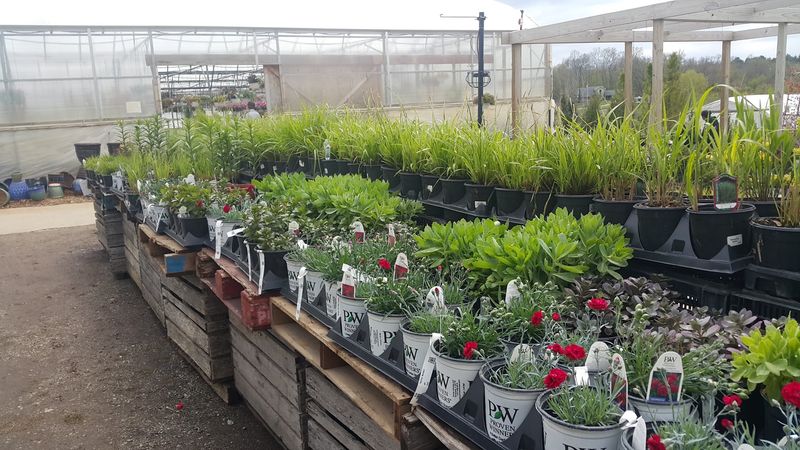
Plant variety shows up often in discussions of the nursery, especially for perennials and annuals. That broad mix is helpful because home gardeners are rarely solving just one problem at a time.
A front porch may need containers, the backyard may need native nectar plants, and the vegetable patch may need fresh starts all in the same trip.
If you tend to get overwhelmed in greenhouses, a quick plan helps. Start with your most important need first, then circle back for extras after that decision is made.
Taking photos of your garden beds before leaving home can also keep colors and sizes from blurring together once you are surrounded by choices.
Pay attention to how the greenhouse visit complements the larger farm story. The title may focus on trees, but the greenhouse proves that Gee Farms is not limited to one type of growing.
It expands the trip from a historic tree farm experience into a full garden outing, where practical shopping and visual enjoyment share the same path through the property.
Helpful Rides, Real Advice, and a Strong Family-Business Pulse
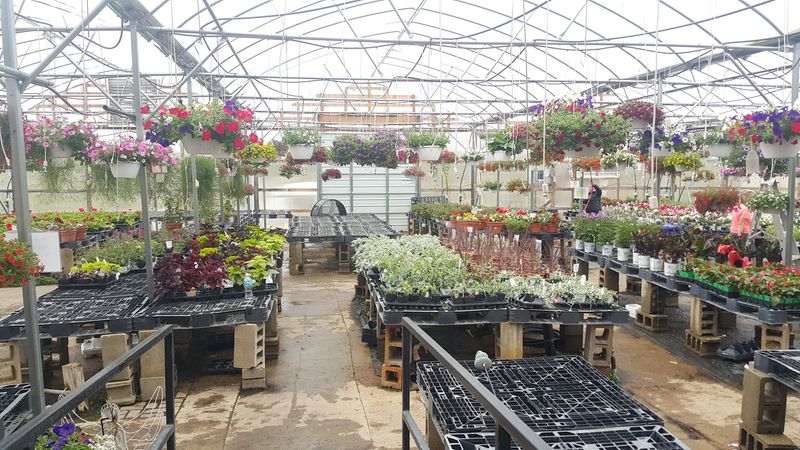
A huge nursery could easily feel impersonal, but Gee Farms seems to work hard against that problem. The property is large enough to require guidance, and the service style appears built around helping people navigate it without stress.
Golf cart rides, plant advice, loading help, and hands-on suggestions come up again and again for a reason.
Good nursery service is different from ordinary retail help. You are not choosing a shirt in one size and color.
You are making a decision that may change your yard for years, affect shade and drainage, or shape how your home looks from the road. That is why knowledgeable support matters so much in a place centered on living things.
Gee Farms also carries a family-owned energy that can make a large operation feel more approachable. Mentions of owner involvement and even a ride driven by Grandma Gee paint a picture of a business where personality still has room to show.
That sort of detail gives the farm texture and keeps it from feeling polished into sameness.
If you visit with a project in mind, do not be shy about asking direct questions. Share your sunlight conditions, soil concerns, budget, and the look you want.
Clear information helps staff steer you toward better choices, and on a property with many growing zones, good guidance can save a surprising amount of time.
There is also a simple comfort in knowing help may extend beyond pointing at a row. Loading a tree, locating a rare item, or warming up a bakery treat are small moments, but they shape the day.
At Gee Farms, service is part transportation, part education, and part welcome. On an 800-acre farm, that combination is not a bonus.
It is one of the reasons the place functions so well.
Bakery Treats, Produce Coolers, and the Surprise of Staying Longer
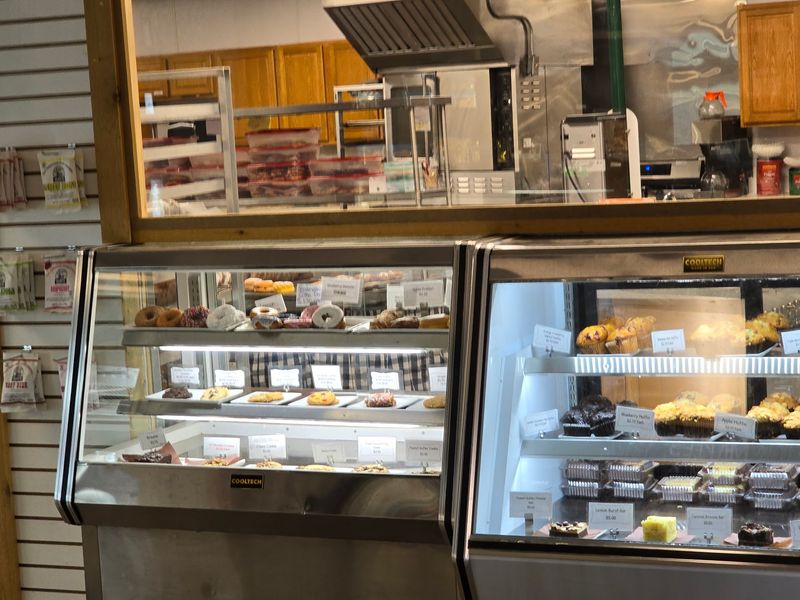
Here is where the visit takes a turn that many nurseries never manage. Gee Farms is not only about selecting plants and heading home.
Fresh produce, baked goods, ice cream, and market-style extras give the property a second life as a lingering kind of destination, the sort of place where a quick errand quietly turns into a longer stop.
That blend changes the energy of the farm. Shopping for perennials or a new tree can be practical, even a little technical, but a bakery case softens the pace.
Warm muffins, donuts, cookies, sweet treats, and ice cream add comfort and make the experience easier for families or anyone tagging along who did not arrive excited about shrubs.
The produce side matters too. Fresh fruit, vegetables, jams, and pantry items tie the nursery to the broader farm tradition of seasonal harvest.
Instead of separating ornamental gardening from food culture, Gee Farms places both in the same orbit, which makes the business feel rooted in the rhythms of Michigan growing seasons.
If you are planning a weekend visit, expect a little more than a plant pickup. Build in enough time to browse the market, look at the cooler, and check for seasonal specials.
A stop for a snack partway through can reset your attention, especially if you are making several planting decisions and walking a lot of ground.
This side of Gee Farms also makes the farm more approachable for mixed groups. One person can compare tomato starts while another heads toward donuts or ice cream, and everyone still leaves with part of the experience.
That is a clever use of the property’s strengths. The trees provide the long story, but the bakery and market give the visit an easy everyday joy that broadens the farm’s appeal.
How to Time the Trip for the Best Look Around
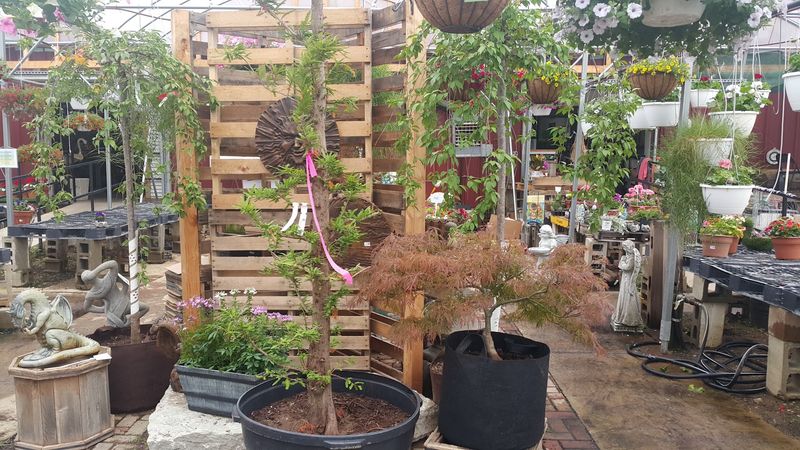
Timing shapes the visit more than many first-timers expect. Gee Farms is open daily from 8 AM to 6 PM, which gives you a generous window, but the best experience depends on what kind of trip you want.
A focused tree-shopping mission, a relaxed greenhouse browse, and a bakery-plus-market stop all work a little differently.
Morning is usually the smartest choice if you want room to think. Plants look fresh, the day feels less rushed, and staff may have more flexibility to answer detailed questions before heavier traffic builds.
Cooler temperatures also make outdoor walking more comfortable, especially if you plan to cover several parts of the property.
Afternoon can be better if your goal is a slower outing with treats and casual browsing mixed in. The market mood tends to fit that pace, and it can be a pleasant time to wander the greenhouse after handling major shopping needs.
Just remember that a big property rewards energy, so arriving too late may leave you wishing for more time.
Before leaving home, make a short list with your must-buy items at the top. Add basic measurements, sun conditions, and vehicle space if you hope to bring home larger plants or trees.
That small bit of planning keeps the visit fun without turning it into guesswork.
Dress for a real farm setting, not a quick indoor errand. Comfortable shoes, weather-ready clothes, and a little flexibility go a long way.
Gee Farms works best when you allow it to be both useful and enjoyable. With historic tree-growing land, greenhouse color, staff support, and a market worth browsing, the ideal visit is not rushed.
It is organized enough to be productive and open enough to let the place unfold.
Why This Stockbridge Farm Stands Out in a State Full of Garden Stops
Michigan has no shortage of garden centers, farm markets, and rural day-trip spots, so standing out takes more than good inventory. Gee Farms separates itself by combining unusual scale, deep agricultural history, broad plant selection, and a destination-style visit that goes beyond the checkout line.
The title about trees growing here since before the Civil War sounds dramatic, but on this property it matches the larger experience.
One reason the place works so well is that each piece supports the others. The long tree-growing story gives weight to the farm.
The 800-acre size makes that story visible rather than abstract. The greenhouse and flower areas keep the visit lively and colorful, while the market and bakery make it easy to settle in instead of rushing out.
That mix helps Gee Farms serve different kinds of visitors at once. Serious landscapers can come with measurements and leave with a plan.
Home gardeners can browse annuals, perennials, and vegetable starts. Families can stretch the outing with snacks, produce, and a little wandering.
Even someone with only a loose idea of needing a tree can leave better informed than when they arrived.
There is also a local-business strength here that matters. Helpful staff, hands-on assistance, and a family-business pulse keep the large property from becoming overwhelming.
On land this big, hospitality is not decorative. It is part of the structure that turns acreage into a usable, welcoming place.
If you are deciding whether to make the drive, think of Gee Farms as a layered stop rather than a single-purpose errand. It offers history, practical gardening help, and a fuller farm outing in one address.
That combination gives Stockbridge a place with real range. The trees may carry the oldest story, but the whole property is what makes the visit distinct.