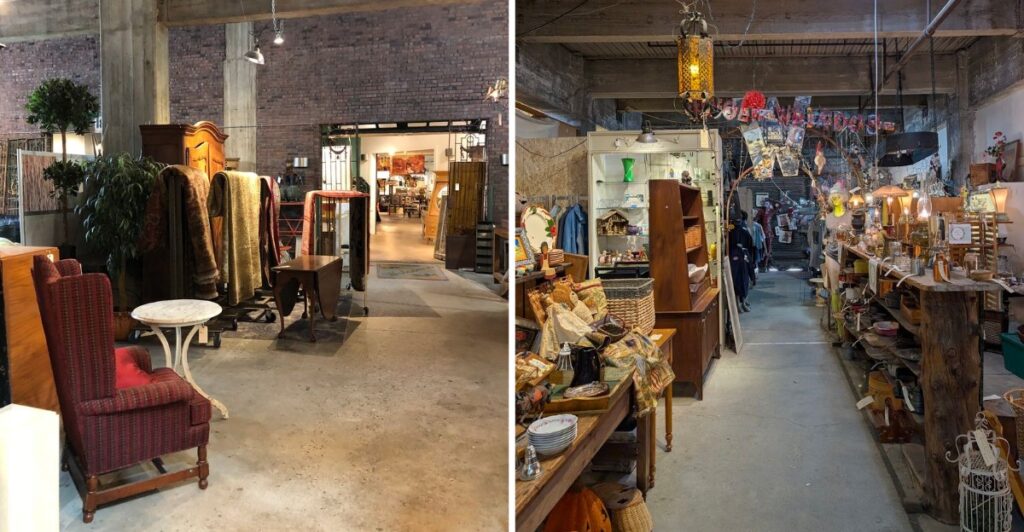
Going into Midland Arts & Antiques Market for a quick look might be easier said than done. Inside this sprawling Indianapolis destination, aisle after aisle reveals vintage furniture, quirky collectibles, decorative pieces, housewares, and objects whose original purpose might require a second glance.
There is no predictable path through the inventory, which makes wandering part of the appeal. Serious collectors can hunt for something specific, while casual browsers may have even more fun waiting for an unexpected treasure to appear. Give yourself an afternoon and some trunk space—Midland has a way of making “just looking” turn into something much more interesting.
A Warehouse Full of Curiosity
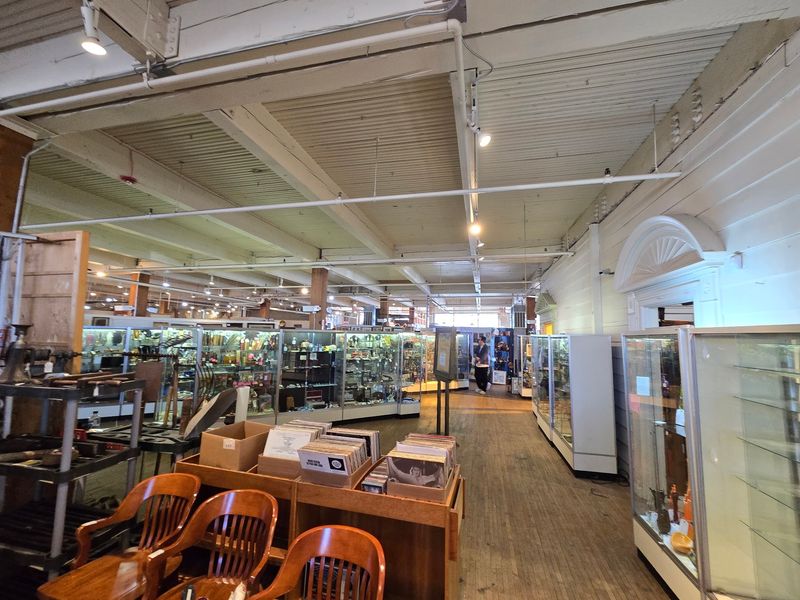
Even before the shopping starts, the building sets the mood. Midland Arts & Antiques Market sits inside a big old warehouse-style space, and that size changes the whole experience right away.
Instead of a tiny shop with a few neat shelves, this place opens up like a maze built for wandering, pausing, and spotting odd little details tucked between larger pieces.
The industrial setting gives the market character without needing any extra tricks. Tall rooms, sturdy floors, and a layout that stretches beyond what first-time visitors expect make the hunt more exciting.
One turn might bring a row of antique cabinets, while the next reveals lamps, framed art, dish sets, clocks, or a chair that looks ready for a second life in someone’s living room.
Because the building is so large, it helps to slow down and take in each area instead of rushing. Fast shoppers can miss half the fun here.
A market like this works best when there is time to look high, low, and around corners, since the most interesting pieces are not always front and center.
That giant scale also makes Midland stand out from smaller antique stores around town. It feels more like an indoor expedition than a quick stop.
Some spaces look polished and arranged, while others lean into the crowded treasure-hunt energy that antique fans often love. For new visitors, the smartest move is simple: do one full lap before making big decisions.
With two levels and booth after booth to explore, it is easy to find a lamp, table, sign, or collectible early on and then discover three more options later. The warehouse itself encourages browsing for hours, which is exactly the point.
Booths That Change the Story Every Few Steps
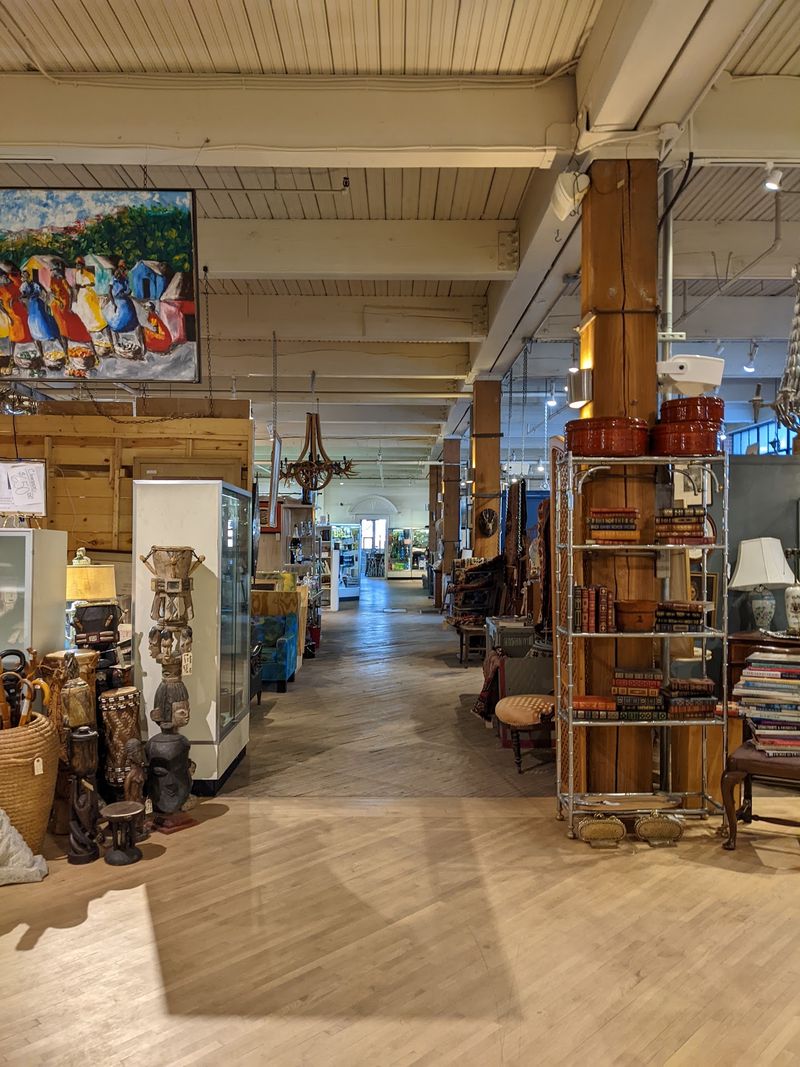
No two stretches of Midland Arts & Antiques Market seem to tell the same story. That is one of the biggest reasons the place holds attention so well.
Each vendor booth has its own style, pricing, and mix of pieces, so the market keeps changing as shoppers move through it.
One section may focus on polished furniture with strong shapes and rich wood tones. A few steps later, the mood shifts to shelves of old bottles, costume jewelry, postcards, toys, clocks, records, or kitchen tools from decades ago.
That variety gives the market a lively rhythm and makes it easier for different kinds of shoppers to find a corner that matches their taste.
Booth-style markets also create a more personal shopping experience. Instead of feeling like everything came from one source, the selection reflects many separate points of view.
Some displays are tightly arranged and tidy, while others are packed with small surprises that reward patient browsing.
Prices can vary too, which matters in a good way. A shopper may pass one higher-priced statement piece and then spot a smaller collectible at a much friendlier number in the next aisle.
That range makes Midland useful for serious antique buyers, casual decorators, and people who just want to leave with one interesting object under their arm.
The best strategy is to stay open-minded. Maybe the plan is to look for a side table, but then a set of vintage glasses or an unusual framed print steals the show. Markets like this are fun because the search often changes course.
That booth-to-booth variety is also why repeat visits make sense. Inventory shifts, displays evolve, and different treasures rise to the surface depending on the day. Midland does not hand out one single shopping mood. It gives a whole collection of them under one roof.
Indiana Finds for Decor Lovers and Serious Pickers
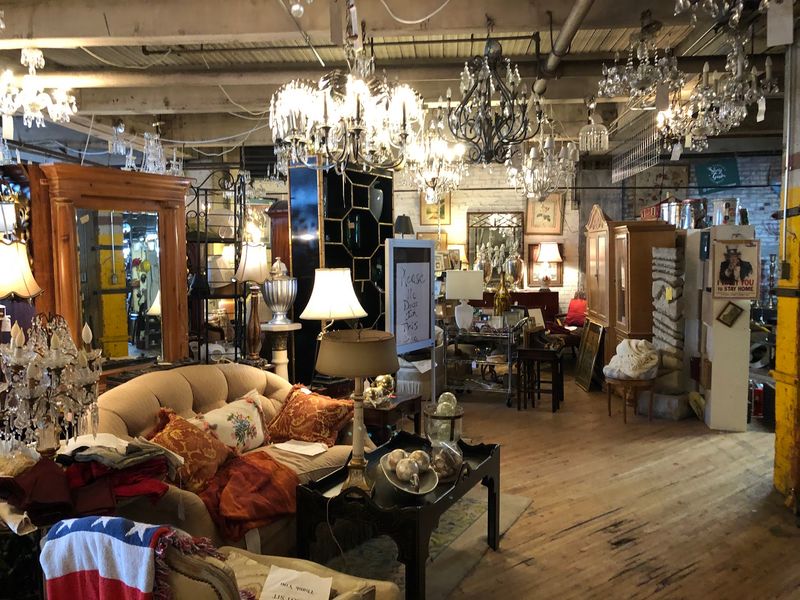
Some antique stores are best for tiny trinkets, while others shine when it comes to home pieces with real presence. Midland lands strongly in that second group.
Furniture, decor, and larger statement items play a major role here, which makes the market especially appealing for shoppers trying to shape a room instead of filling a single shelf.
A vintage loveseat, an old dining table, a tall cabinet, or a weathered mirror can change the whole look of a space. Midland gives shoppers a chance to compare styles in person rather than guessing from a photo online.
Seeing scale, wood tone, fabric, and condition up close makes a big difference when buying older pieces. The market also works well for people who decorate in layers.
A larger furniture piece can be paired with lamps, baskets, artwork, clocks, or smaller accents found nearby. That kind of mix-and-match browsing is hard to beat because ideas build naturally while walking the aisles.
Not every piece will fit every budget, and that is normal in a multi-vendor market. Some booths lean premium, especially with large furniture or uncommon collectibles.
Others offer smaller decor items at lower prices, which helps balance the experience for shoppers who want the antique look without making a major purchase.
Bringing measurements is a smart move. It is easy to get excited by a handsome dresser or one-of-a-kind chair and forget the size of a doorway, hallway, or car trunk.
Photos of home spaces can help too, especially when trying to picture how a piece will work with what is already there.
For Indiana shoppers who like decorating with history instead of flat-pack sameness, Midland offers a richer hunt. The stock is broad, the styles vary, and there is enough furniture on hand to turn casual browsing into a full room-planning session before anyone notices the time.
The Collectibles Case Gets Weird in the Best Way
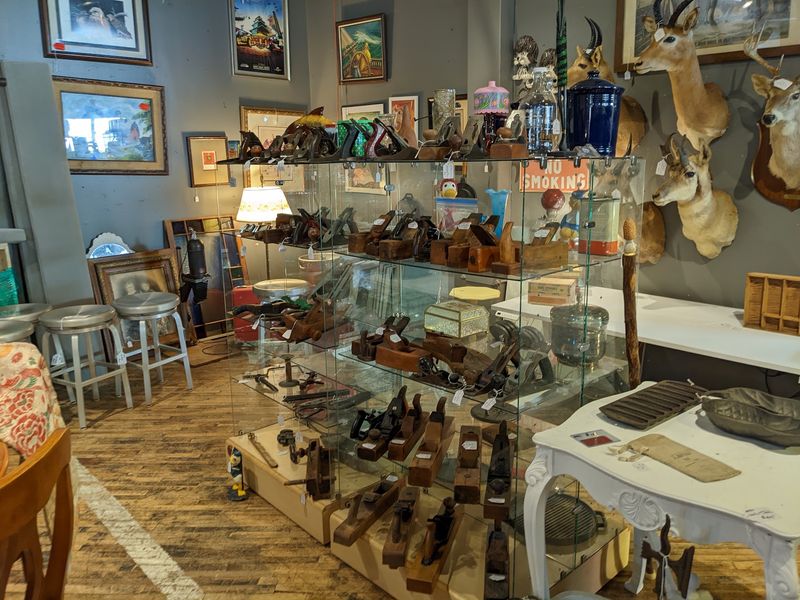
Here is where Midland gets especially fun. Beyond the expected furniture and housewares, the market has the kind of collectible mix that can stop shoppers in their tracks.
Strange, nostalgic, delicate, or downright quirky pieces show up in the same visit, turning a normal browse into a game of what on earth will appear next.
Display cases and packed shelves often hold the smaller treasures that collectors love. Old glassware, jewelry, vintage paper items, clocks, toys, bottles, and specialty pieces can sit side by side with objects many younger shoppers may have never seen before.
Popular mentions tied to the market include uranium glass and taxidermy, which says plenty about the range on hand.
That variety matters because collectors do not all chase the same thing. One person hunts for mid-century barware, another wants old advertising, and someone else lights up at the sight of antique pharmacy bottles or signed photos.
Midland gives those niche interests room to exist together without flattening them into one theme. Even shoppers with no collecting plan can have a good time here.
The unusual objects add a museum-like layer to the visit, except many of the items can actually go home with whoever falls for them. That makes the market entertaining even on a day when buying is not the main goal.
Patience pays off in these areas. Small labels, glass cases, and tightly arranged booths invite careful looking rather than quick scanning. A shelf that seems ordinary at first may hold the most interesting object of the entire trip.
Midland earns attention because it is willing to be a little odd. Not polished in a predictable way, not narrowed to one taste, and not afraid of eccentric inventory, the market leaves room for delightfully offbeat finds.
For collectible hunters, that unpredictability is half the thrill and often the reason a short visit turns into a long one.
Bring Time, Water, and a Game Plan
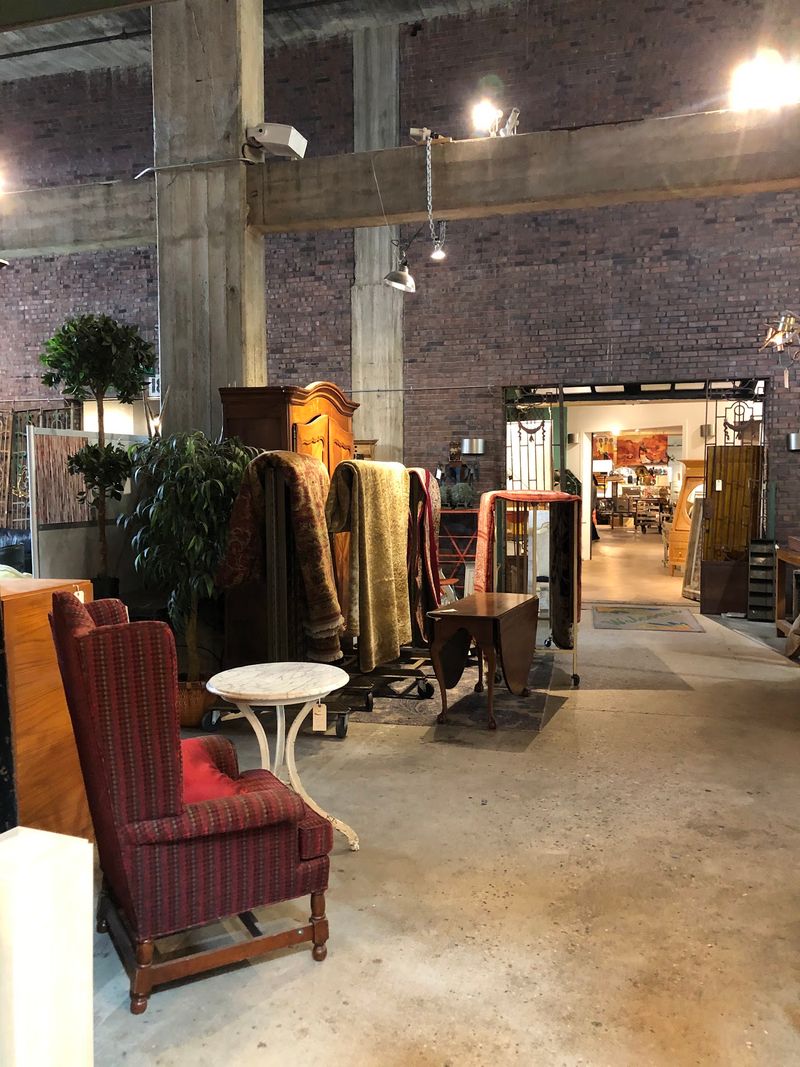
A quick in-and-out trip does not really match the size of Midland Arts & Antiques Market. The space is big enough that many shoppers should expect a longer browse, especially on a first visit.
Between two floors, many booths, and enough inventory to distract even focused buyers, time disappears fast inside this place.
That means a little planning can make the visit smoother. Comfortable shoes are a smart start because there is plenty of walking, standing, and doubling back after spotting something worth a second look.
Bringing water or visiting on a cooler day can help too, since the building has a warehouse setup and can run warm, even with large fans working to move the air.
A simple strategy works best. Start with one level, move steadily, and keep a phone handy for photos of booth numbers or items to compare later.
That helps prevent the classic antique-market problem of finding a great piece, wandering off, and then struggling to remember where it was an hour later.
Shoppers visiting with kids, older relatives, or anyone who tires easily should build in extra patience. The market is exciting, but the amount of walking can sneak up on people.
Restrooms on the main level are a useful detail in a place where browsing can stretch well beyond the original plan.
Weekends may feel tighter in the parking lot, so arriving a bit earlier can remove one small hassle before the hunt begins. Once inside, it also helps to keep an eye on stairs and layout changes, especially upstairs where navigation may take more attention than expected.
Midland rewards the prepared browser. Treat it less like a normal errand and more like a slow-moving treasure search.
With enough time, a little comfort planning, and a relaxed pace, the store shows far more of its personality than a rushed lap ever could.
Old-Building Charm With a Few Rough Edges
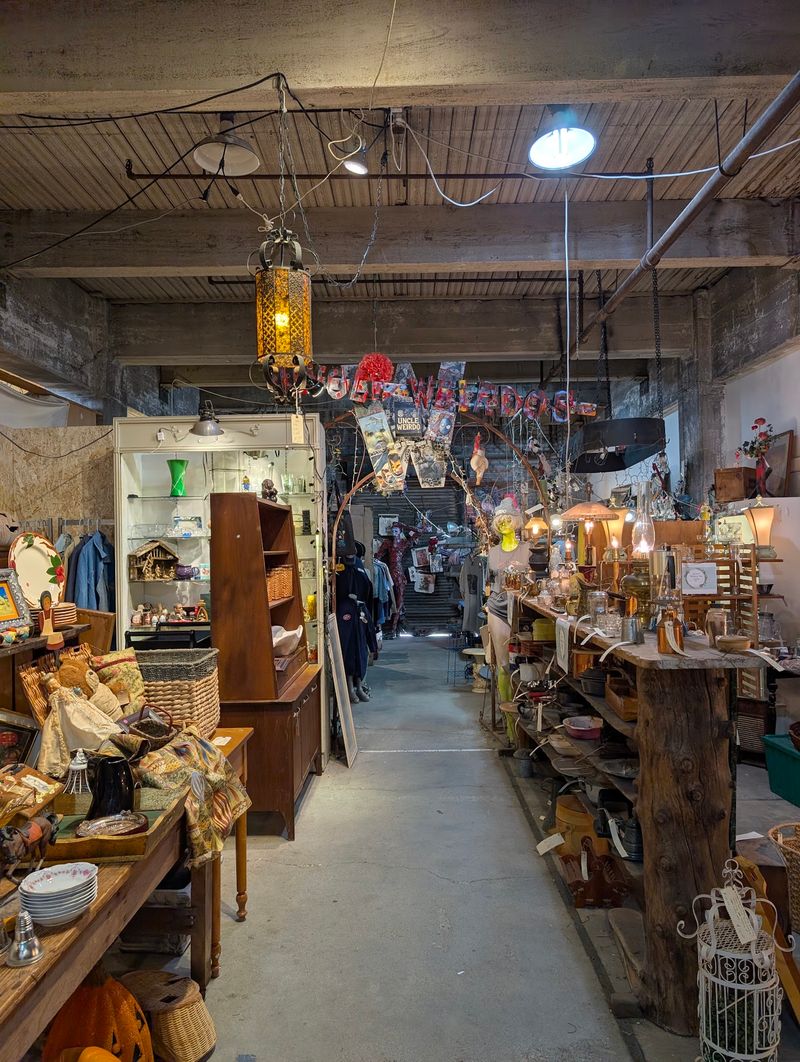
Midland does not try to smooth every edge, and that is part of its personality. The market sits in an older industrial building, so shoppers get texture, character, and a sense of age that fits the merchandise.
At the same time, that older setting comes with a few practical trade-offs that are helpful to know before arriving.
The charm is easy to spot in the structure itself. Warehouse proportions, mature materials, and floors with a little creak give the store a lived-in energy that suits antiques far better than a shiny modern box would.
Furniture looks right at home in that setting, and even small collectibles gain extra presence when displayed against old walls and sturdy fixtures.
Still, the experience is not perfectly tidy or perfectly direct at every turn. Some areas can feel more crowded or less organized than others, especially deeper into the market or upstairs.
For some shoppers, that clutter adds treasure-hunt excitement. For others, it means slowing down and accepting that browsing here may be more exploratory than streamlined.
Navigation deserves attention too. A large multi-level market can be harder to read than it first appears, and stair access is part of the layout.
Anyone with mobility concerns should plan ahead rather than assume the building will function like a newer retail space.
That honest mix of strengths and quirks is useful context, not a drawback list. Midland works best for people who enjoy the hunt and do not need every aisle to feel polished in the same way.
It offers scale, variety, and age in a form that can be a little rough around the edges. In many ways, that is the trade. The market gives shoppers a building with character, inventory with personality, and a browse that feels active instead of perfectly managed.
For antique fans, a little unpredictability often comes with the territory, and Midland leans into that reality rather than hiding it.
Why Midland Stands Out in Indianapolis
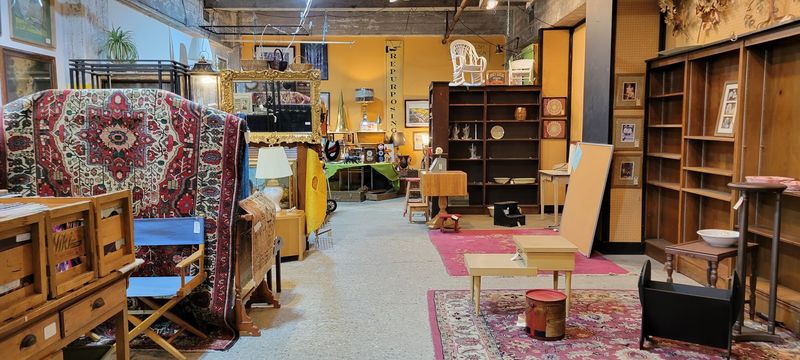
Some places sell old stuff. Midland builds a full afternoon around it. That difference is why the market stands apart in Indianapolis, especially for shoppers who want more than a quick browse through neatly edited vintage decor.
Scale is the first big reason. Two floors and a large warehouse footprint create a sense of abundance that smaller shops simply cannot match.
Instead of one narrow style or one seller’s eye, the market offers a broad, changing patchwork of furniture, collectibles, housewares, art, and oddball finds.
The second reason is range. Midland can work for the person searching for a statement sofa, the collector scanning shelves for a rare glass piece, the decorator chasing one unusual lamp, or the curious browser who mostly wants to explore.
That flexibility gives the place wider appeal without making it bland. There is also a social side to the experience. Big antique markets invite conversation almost automatically because strange objects, nostalgic pieces, and unexpected bargains make people stop and point things out.
A trip here is easier to enjoy with company, especially when comparing discoveries from different booths or debating whether a wild old chair is brilliant or ridiculous.
Practical details help the visit too. The market keeps regular daytime hours through most of the week, with a shorter Sunday schedule, and parking is available on site.
Those basics matter because they make a long, relaxed browse easier to fit into a weekend or a free afternoon in the city.
What finally lifts Midland above ordinary shopping is the sense that the inventory has room to surprise. A visit can begin with a simple decorating goal and turn into an unexpected hunt through decades of objects.
For anyone drawn to antiques, collectibles, and spaces with real visual texture, Midland Arts & Antiques Market offers the kind of browse that gladly eats up hours and never apologizes for it.