Property taxes have become a hot-button issue across Tennessee, and the numbers tell a compelling story. In communities large and small, residents are packing up and moving away as their tax bills climb higher each year.
From Memphis to tiny mountain towns, rising property values and changing tax rates are reshaping where Tennesseans choose to call home.
1. Memphis
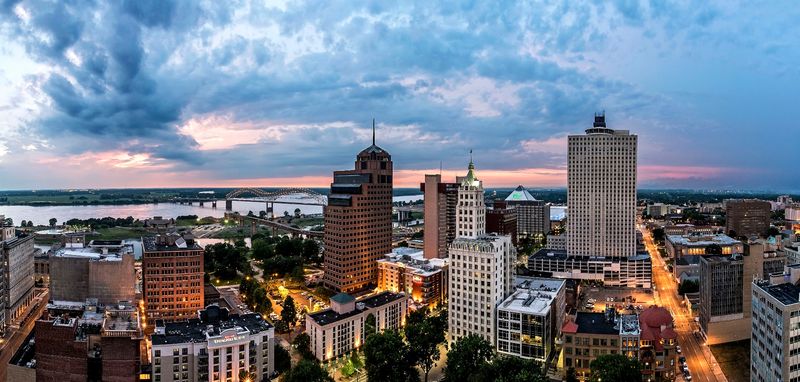
Shelby County has watched thousands of residents leave Memphis over the past few years, a trend that has city leaders scratching their heads. Property values in certain neighborhoods have jumped unexpectedly, leaving longtime homeowners with tax bills they never saw coming.
The city’s shifting real estate landscape means some folks are paying significantly more than they did just a couple of years ago.
Memphis remains Tennessee’s largest city, but that title comes with complications. Aging infrastructure, school funding debates, and municipal budget pressures have all contributed to property-tax concerns.
Homeowners in desirable neighborhoods have seen their assessed values climb, which sounds great on paper until the tax bill arrives in the mail.
The exodus has been steady rather than sudden. Families who once considered Memphis home for generations are now weighing their options. Suburban counties just outside Shelby offer lower tax rates and newer schools, making the decision to relocate easier for many.
Local officials have tried various approaches to slow the population decline. Economic development incentives, neighborhood revitalization projects, and downtown investment all aim to make Memphis more attractive. Yet property-tax sticker shock continues to drive conversations at kitchen tables across the city.
For those who remain, budgeting has become more challenging. Higher tax bills mean less money for everything else, from groceries to car repairs.
Some residents have refinanced their mortgages just to cover the increased property-tax portion of their monthly payments.
Memphis still offers plenty of reasons to stay, including rich cultural heritage, affordable housing compared to other major cities, and a thriving food scene. But when tax bills keep climbing and paychecks don’t, even the most loyal residents start looking at maps of nearby counties with fresh eyes.
2. Bartlett

Since 2020, Bartlett has quietly lost residents, a shift that surprised many who saw this Memphis suburb as a stable, family-friendly community. Property reappraisals have hit homeowners hard, with assessed values jumping in ways that don’t always match what people could actually sell their homes for.
The result has been tax bills that feel disconnected from reality.
Bartlett built its reputation on good schools and safe neighborhoods. Families moved here specifically to escape higher taxes and urban challenges.
Now those same families are discovering that suburban living comes with its own financial pressures, especially when property values get reassessed every few years.
The population dip isn’t dramatic, but it’s noticeable. Census estimates show fewer people calling Bartlett home than just a few years ago.
Real estate agents report that some sellers are motivated by tax concerns, looking to cash out while values are high and relocate somewhere with a lighter tax burden.
Local government faces a tricky balancing act. Maintaining the schools, parks, and services that attracted residents in the first place requires revenue.
Property taxes provide a major chunk of that funding. But push rates or assessments too high, and residents start voting with their feet.
Homeowners have organized to voice their concerns at city meetings. Some argue that reappraisals should happen less frequently or use different methodologies. Others simply want more transparency about how their tax dollars get spent and why their bills keep climbing.
Bartlett still attracts new residents, particularly those leaving Memphis proper. But the trend lines suggest that affordability concerns are reshaping this community.
What was once a refuge from high taxes is starting to feel expensive itself, prompting some residents to look even further out for their next home.
3. Germantown
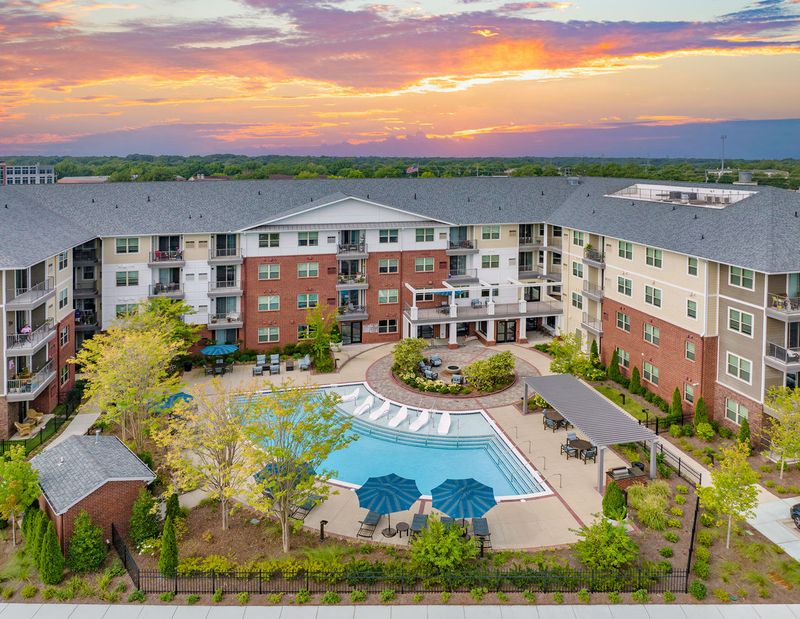
Germantown has long been known as one of Tennessee’s most affluent suburbs, where property values have always run high. Recently, though, even this well-heeled community has seen residents leave as rising home values translate directly into bigger tax bills.
Wealth doesn’t make anyone immune to sticker shock when the assessment notice arrives.
Population numbers tell an interesting story. Despite Germantown’s reputation for excellent schools and low crime, the headcount has edged downward.
Some of that reflects empty-nesters downsizing and leaving the area entirely. Others are families who simply can’t justify the tax expense anymore, even with healthy incomes.
Property values here have climbed steadily, which benefits sellers but creates challenges for those planning to stay put. A home assessed at a higher value means a proportionally higher tax bill, even if the homeowner has no intention of selling. For retirees on fixed incomes, that can be particularly painful.
Germantown’s municipal services justify some of the cost. The city maintains beautiful parks, funds top-tier schools, and keeps crime rates remarkably low.
Residents get what they pay for in many respects. But there’s a tipping point where even excellent services can’t offset the financial strain of ever-increasing taxes.
Local officials have discussed various relief measures, including tax freezes for seniors and adjusted assessment schedules. Implementation has been slow, though, and in the meantime, more residents are exploring their options.
Nearby counties offer similar amenities at lower tax rates, making relocation tempting.
The irony isn’t lost on longtime residents. Germantown’s success has made it expensive to live here.
Property values that were once a source of pride now feel like a burden. For a community that prided itself on stability, watching neighbors pack moving trucks has become an uncomfortable new normal.
4. Elizabethton
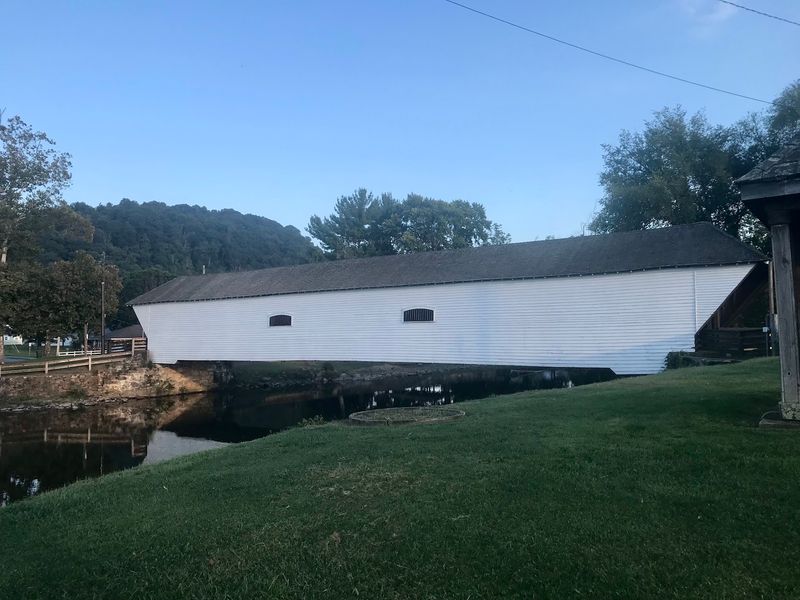
Nestled in the mountains of East Tennessee, Elizabethton has charm to spare. Unfortunately, charm doesn’t pay the bills, and residents have been leaving as financial pressures mount.
The city’s decision to raise property-tax rates added fuel to a fire that was already burning, pushing household budgets past their breaking point for many families.
Elizabethton’s population decline reflects broader challenges facing small Tennessee cities. Jobs can be scarce, wages lag behind the cost of living, and when property taxes increase, there’s simply less money to go around.
For families already stretched thin, a tax hike can be the final straw that prompts a move.
The city council faced tough choices when approving the rate increase. Infrastructure needs repairs, schools need funding, and municipal services cost money. But residents struggling to make ends meet don’t always care about budget constraints when their own finances are tight.
The tax increase felt like a betrayal to some longtime residents.
Real estate agents in the area report mixed signals. Some homes sell quickly to buyers attracted by Elizabethton’s mountain scenery and small-town feel. Others sit on the market for months, with sellers unable to find buyers willing to take on the property-tax burden. The market has become unpredictable.
Younger residents seem particularly eager to leave. Job opportunities in nearby cities like Johnson City and Kingsport offer better wages without significantly higher living costs.
Commuting is an option, but many young professionals would rather just relocate entirely and skip the daily drive.
Elizabethton isn’t giving up without a fight. Economic development efforts aim to attract new businesses and create jobs. Downtown revitalization projects hope to draw tourists and new residents. But reversing population loss takes time, and in the meantime, property-tax concerns continue driving people away from this mountain community.
5. Brownsville
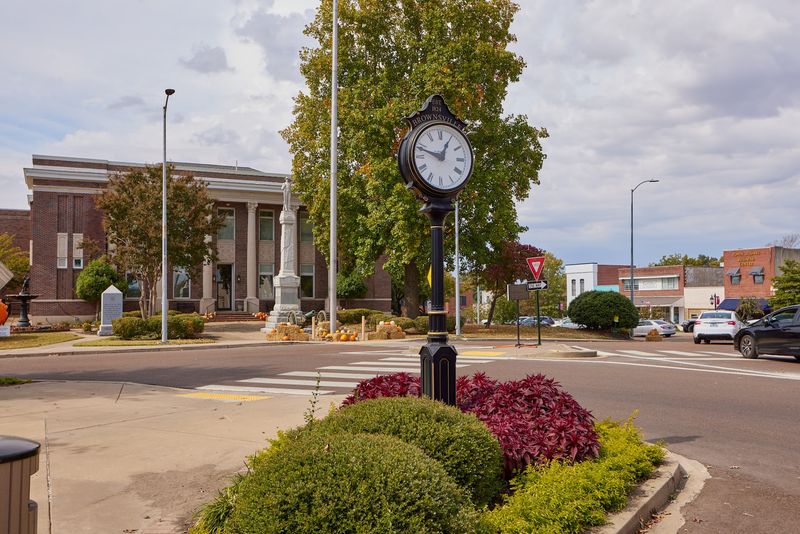
Brownsville’s population decline stands out even among Tennessee’s struggling small cities. The numbers have dropped sharply, reflecting deep challenges that go beyond just property taxes.
Affordability remains a central concern, though, as residents try to balance housing costs with limited job opportunities and stagnant wages.
Small-town Tennessee can be affordable compared to big cities, but that’s relative. When local incomes are low and property taxes take a significant bite, affordability becomes questionable.
Brownsville residents have felt this squeeze acutely, with many choosing to relocate to areas offering better economic prospects.
The city’s tax base has shrunk along with its population, creating a vicious cycle. Fewer residents mean less tax revenue, which can lead to service cuts or rate increases to maintain existing services.
Either option makes the community less attractive to potential new residents and gives current ones more reasons to consider leaving.
Brownsville’s location in West Tennessee doesn’t help. The region lacks the tourism draw of the Smokies or the economic engines of Nashville and Memphis.
Job opportunities are limited, and young people often leave for college and never return. Those who stay find themselves in a community with an aging population and declining services.
Property taxes might not be the primary driver of Brownsville’s exodus, but they’re certainly a factor. Homeowners who could potentially hang on despite limited job prospects find it harder to justify staying when their tax bills consume an outsized portion of their income.
Every dollar matters when money is tight.
Local leaders have explored various strategies to reverse the trend. Attracting new industry, improving schools, and enhancing quality of life all feature in economic development plans.
Progress has been slow, though, and the population continues to shrink. For many residents, the question isn’t whether to leave, but when.
6. Ripley
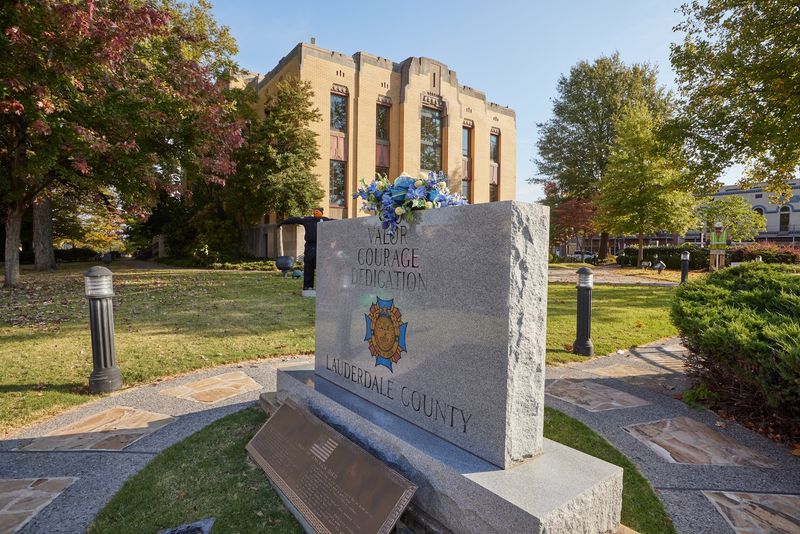
Ripley keeps getting smaller, a trend that has local officials worried and residents frustrated. Lauderdale County homeowners deal with property taxes that feel disproportionate to the services they receive, and rising everyday expenses make the total cost of living harder to manage.
The combination has proven too much for many families.
This small West Tennessee city faces challenges common to rural communities across the state. Young people leave for better opportunities, businesses close or relocate, and the tax base erodes.
Property taxes become a larger burden for those who remain, even if rates stay technically stable, because there are fewer people sharing the load.
Ripley’s population decline has been gradual but persistent. Census data shows steady losses over recent years, with no obvious reversal in sight.
Real estate markets reflect this reality, with home prices staying relatively flat or declining in some neighborhoods. Sellers often struggle to find buyers willing to relocate to a shrinking community.
Everyday expenses add to the pressure. Groceries, utilities, gas, and healthcare all cost money, and when wages don’t keep pace with inflation, something has to give. Property taxes represent a fixed cost that homeowners can’t easily reduce, making them a frequent target of frustration even when rates haven’t technically increased.
Local government operates with limited resources, trying to maintain roads, schools, and emergency services with a shrinking budget. Cuts have been necessary in some areas, which makes residents question why their taxes haven’t decreased proportionally.
The disconnect between services received and taxes paid fuels resentment and motivates some to leave.
Ripley isn’t without assets. The community has history, friendly people, and a slower pace of life that some find appealing. But practical concerns often trump sentimental attachments.
When families calculate whether they can afford to stay, property taxes and rising household costs frequently tip the scales toward moving elsewhere.
7. La Follette
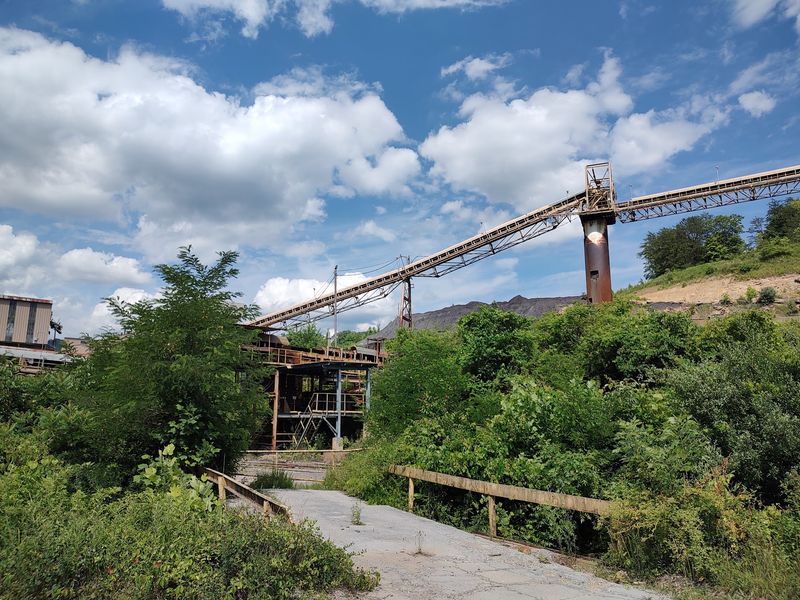
La Follette sits in the mountains of East Tennessee, where natural beauty surrounds a community facing serious economic headwinds. Population decline since 2020 reflects challenges that many small Tennessee cities share, from limited job opportunities to aging infrastructure.
Property taxes add another layer of financial pressure that residents increasingly find difficult to bear.
Small cities across Tennessee have struggled to retain residents, and La Follette fits that pattern. Young people leave for college or better jobs and rarely return. Older residents pass away or move to be closer to family.
The result is a shrinking, aging population that makes economic revitalization extremely difficult.
Property taxes in La Follette might seem modest compared to urban areas, but they’re significant relative to local incomes. When job opportunities are scarce and wages are low, even moderate tax bills can strain household budgets.
Residents have to prioritize, and sometimes that means relocating to areas with better economic prospects.
The city’s location presents both opportunities and challenges. Nearby natural attractions draw tourists, but La Follette hasn’t fully capitalized on that potential.
Industrial jobs that once sustained the community have largely disappeared, leaving service-sector work and limited alternatives. Property-tax revenue supports basic services, but there’s little left over for growth initiatives.
Local officials recognize the problem but face limited options. Lowering taxes would reduce already-tight budgets, potentially forcing service cuts that make the community even less attractive.
Maintaining current rates risks driving more residents away. There’s no easy answer, and population continues to decline.
La Follette’s story mirrors that of many Appalachian communities. Rich in natural resources and scenic beauty, but struggling economically and losing population.
Property taxes represent just one piece of a complex puzzle, but they’re a piece that affects every homeowner’s bottom line and factors into every family’s decision about whether to stay or go.
8. Union City
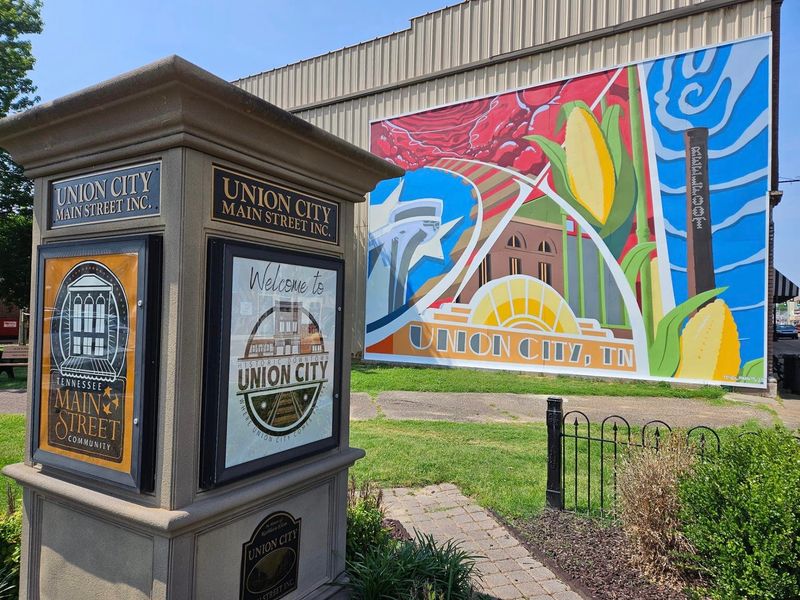
Union City has watched its population shrink in recent years, joining the ranks of Tennessee small cities losing residents to larger metro areas. Property taxes remain a persistent concern for homeowners trying to balance their budgets against rising costs for everything from groceries to insurance.
The financial squeeze has motivated many families to explore options elsewhere.
Located in Northwest Tennessee, Union City lacks the geographic advantages of cities near major metros or tourist destinations. Job opportunities are limited, and many residents commute to nearby Kentucky or other Tennessee cities for work.
When property taxes and other housing costs are factored in, living here becomes less economically attractive than relocating closer to employment centers.
Homeowners in Union City face a familiar dilemma. Property taxes fund essential services like schools, police, and road maintenance.
Nobody wants to see those services cut. But when household budgets are tight and wages aren’t growing, tax bills that seemed manageable a few years ago now feel burdensome.
The city’s population decline creates additional challenges. Fewer residents mean a smaller tax base, which puts pressure on local government to either cut services or maintain rates that feel high relative to what’s provided.
Either choice risks accelerating the exodus as current residents lose confidence in the community’s future.
Union City has assets worth preserving. The downtown area features historic buildings and local businesses that give the community character.
Schools serve students adequately despite funding challenges. But practical economic concerns often outweigh sentimental attachments when families decide where to live.
Real estate markets reflect the uncertainty. Some homes sell quickly to buyers attracted by low prices, but others languish unsold for months.
Sellers sometimes have to reduce asking prices significantly to attract buyers, which erodes home equity and makes property taxes feel even more burdensome relative to actual home values. For a community already losing population, that’s a troubling trend.
9. Dyersburg
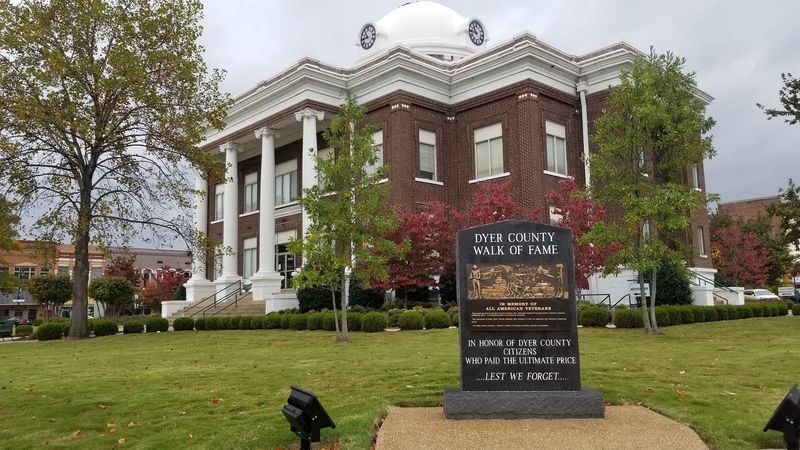
Dyersburg’s population has declined since 2020, a worrying trend for this West Tennessee city that once served as a regional hub. The municipal property-tax rate adds a recurring expense that homeowners factor into their overall cost of living, and for many families, the total package has become less appealing than options in nearby areas or other states.
West Tennessee cities face particular challenges in retaining residents. The region lacks the economic dynamism of Nashville or the cultural attractions of Memphis.
Jobs can be hard to find, especially high-paying positions that make homeownership comfortable. Property taxes represent a fixed cost that doesn’t adjust based on a family’s financial situation, making them particularly burdensome during tough economic times.
Dyersburg’s tax rate isn’t extraordinarily high by Tennessee standards, but it’s not negligible either. Homeowners pay this expense annually, and it compounds other housing costs like insurance, maintenance, and utilities.
When all these expenses are totaled, living in Dyersburg can feel expensive relative to local wage levels.
The city has tried to attract new residents and businesses through various incentive programs. Industrial parks, downtown revitalization efforts, and quality-of-life improvements all aim to make Dyersburg more competitive.
Results have been mixed, though, and population numbers continue to trend downward.
Young professionals seem especially likely to leave. College graduates often settle in larger cities with more career opportunities and cultural amenities. Those who grew up in Dyersburg may visit family but choose to build their lives elsewhere. The result is an aging population with fewer taxpayers to support municipal services.
Property-tax concerns intersect with broader economic anxieties in Dyersburg. Residents worry about job security, healthcare costs, and their children’s futures.
Property taxes might not be the sole reason people leave, but they’re definitely part of the calculation. When families sit down to budget and plan their futures, recurring tax bills factor prominently into decisions about whether to stay or go.
10. Covington
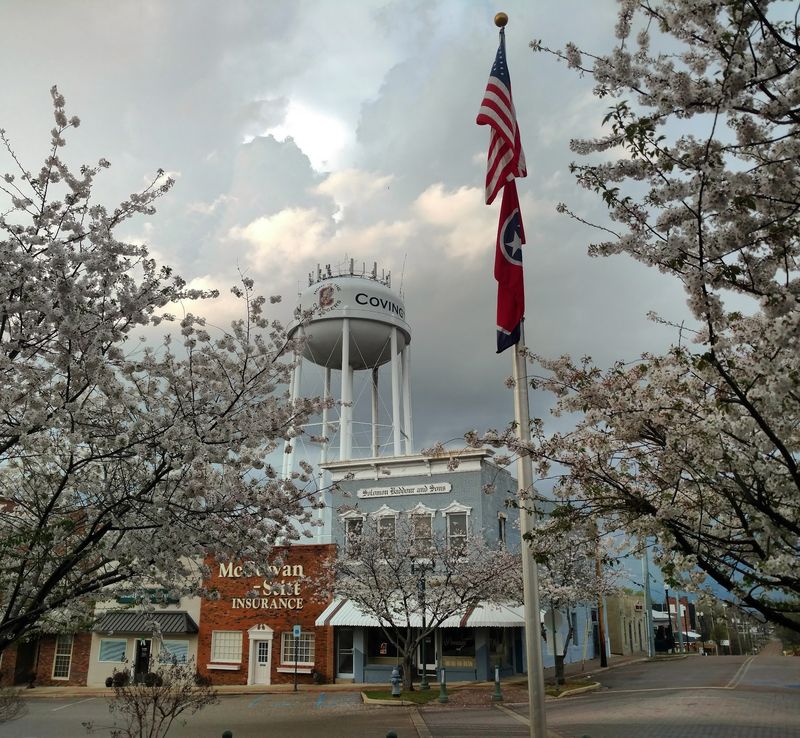
Covington has experienced a smaller but still noticeable population decline, reflecting pressures that affect communities throughout Tennessee. Property taxes and higher housing-related costs continue to impact local budgets, forcing families to make difficult choices about where they can afford to live.
The trend may be modest compared to some cities, but it’s real and concerning for local leaders.
Located in Tipton County, Covington sits within commuting distance of Memphis but maintains its own distinct identity. That proximity to a major city offers employment opportunities that help sustain the local economy.
However, it also means residents can easily compare Covington’s property taxes and cost of living to nearby alternatives, and sometimes those comparisons don’t favor staying put.
Property taxes in Covington fund schools, infrastructure, and municipal services that residents depend on daily. Nobody disputes the need for these services, but questions arise about whether the tax burden is distributed fairly and whether spending is efficient.
When budgets are tight at home, taxpayers scrutinize government spending more carefully.
Housing-related costs extend beyond just property taxes. Insurance rates have climbed across Tennessee, maintenance expenses never stop, and utilities keep getting pricier.
For homeowners, the total monthly cost of keeping a roof over their heads has increased significantly in recent years. Property taxes represent just one line item, but it’s a big one that can’t be easily reduced.
Covington’s population decline hasn’t reached crisis levels, but the direction is troubling. A healthy community needs new families moving in to balance those moving out or aging in place.
When the trend tilts toward net losses, it raises questions about the community’s long-term viability and attractiveness.
Local officials are working to reverse the trend through economic development and quality-of-life improvements. New businesses, better parks, and enhanced services all aim to make Covington more appealing. But until property taxes and housing costs feel more manageable relative to local incomes, some residents will keep looking elsewhere for their next home.