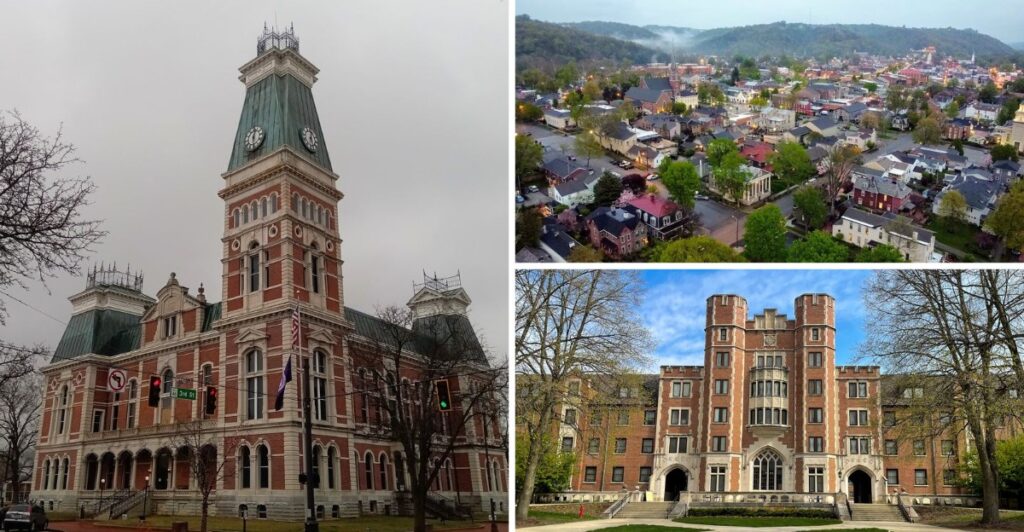
There is a comfortable middle ground between knowing every face on Main Street and spending half the day stuck in city traffic. Indiana has cities that occupy that space surprisingly well, combining restaurants, local shops, parks, events, and everyday conveniences without the constant rush of a major metro.
They are lively enough to keep weekends interesting but manageable enough that getting across town does not become an expedition. For residents and travelers alike, that balance can be remarkably appealing. These 11 Indiana cities show that sometimes the ideal size is simply enough of everything without too much of anything.
1. Richmond
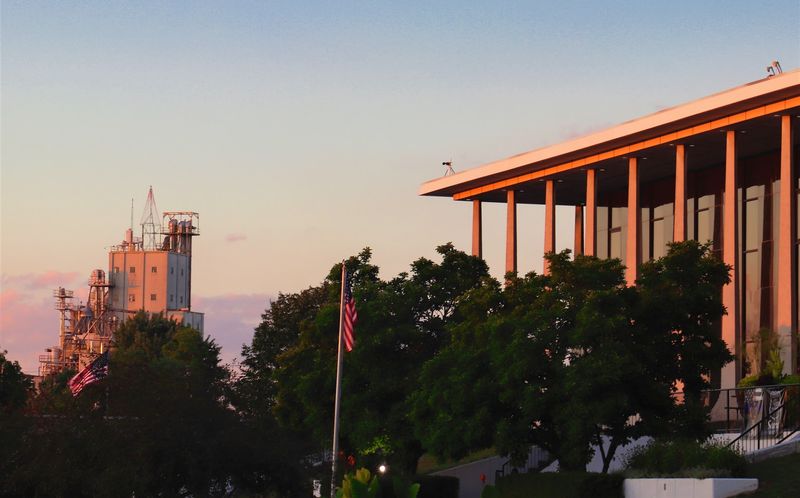
Richmond knows how to stay active without wearing people out. Spend a little time downtown and the mix becomes clear: local restaurants, older storefronts, cultural spots, and the kind of street activity that gives a city energy without the nonstop rush found in much larger places.
Earlham College adds an extra layer that helps Richmond punch above its size. College influence often means more talks, performances, coffee shop conversations, and a broader range of people moving through town.
That makes everyday life more interesting, yet the city still keeps a grounded, neighborly character. Another plus is how manageable the city can be for daily routines. Running errands, meeting friends for dinner, or heading to an event does not have to turn into a long, draining trip across town.
That ease matters more than people sometimes realize, especially for families, retirees, and anyone tired of traffic eating up the day.
Richmond also works well for people who want variety without constant noise. One evening can center on dinner downtown, another on a local arts stop, and another on a quieter pace closer to home.
There is enough going on to avoid boredom, but not so much that the city loses its shape or sense of identity. For anyone searching for the middle ground between tiny-town limits and big-city overload, Richmond makes a strong case. It offers a real downtown, community pride, and a little extra spark from campus life.
That combination gives it broader appeal than a small town, while still staying comfortable, reachable, and easy to understand for newcomers and longtime residents alike today.
2. Zionsville
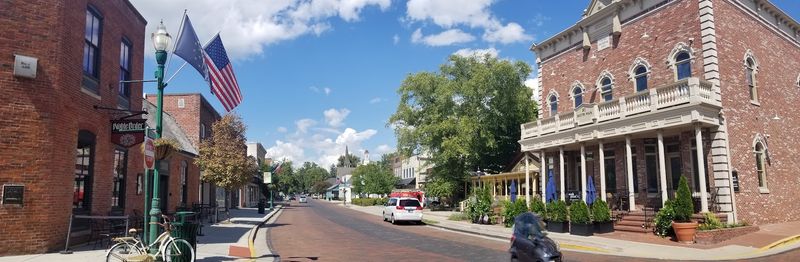
Brick streets give Zionsville an immediate sense of place, and that first impression holds up. The downtown area pairs boutiques, restaurants, and polished storefronts with a pace that stays calm enough for a stroll, making it easy to see why the town stands out in central Indiana.
Location plays a big role in its appeal. Sitting northwest of Indianapolis means residents can reach major-city jobs, airport access, and large entertainment options without giving up a more relaxed home base.
That balance is a huge advantage for people who want convenience during the week and a quieter setting when the day is done.
Main Street is the obvious star, but the town works because the charm is backed by useful amenities. Green spaces, everyday services, and a walkable layout help the community function as more than a pretty destination.
A place can look nice in photos and still be hard to live in, but Zionsville tends to avoid that problem. Another reason it lands in the sweet spot is scale. There is enough size here to support shopping and dining choices beyond the basics, yet the town still preserves a close-knit rhythm.
People can enjoy community events, casual meetups, and local favorites without the feeling that they are getting lost in a giant suburban spread.
Zionsville suits readers who want polish without chaos. It brings together small-town character, strong curb appeal, and the practical benefits of being near Indianapolis.
Plenty of Indiana communities offer one side of that equation, but fewer manage both at once. Here, walkability and modern comforts share the same space, which is exactly why the town fits this list so comfortably for many different kinds of residents.
3. Chesterton
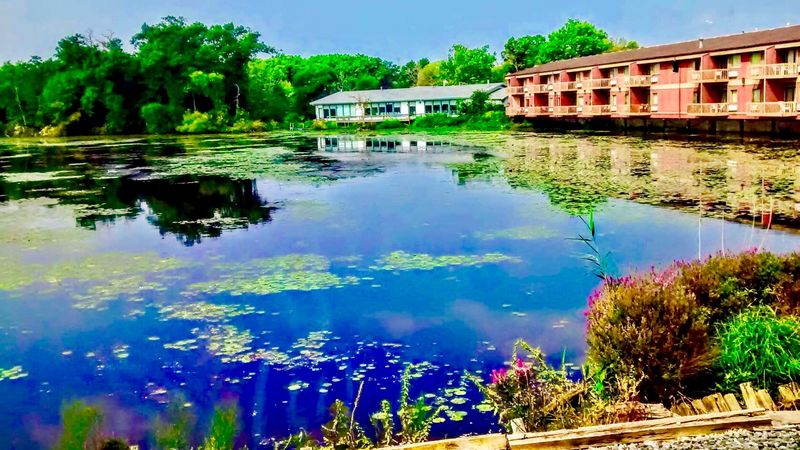
Chesterton has the kind of setup that makes a weekend plan come together fast. A historic downtown, independent restaurants, local shops, and an active arts presence give the town more range than many places its size, yet the overall mood stays relaxed instead of crowded.
Its location near Indiana Dunes State Park and Indiana Dunes National Park changes the equation in a big way. Residents and visitors get access to major outdoor attractions without dealing with the noise and intensity that often surround bigger tourism hubs.
That means hiking, beach time, and scenic views can be part of normal life rather than a major production. Downtown adds another layer by giving Chesterton a center with personality. Instead of relying only on chains or pass-through traffic, the town has independent spots that help it stand on its own.
That local flavor matters because it creates a stronger day-to-day experience, whether someone is grabbing lunch, browsing shops, or checking out a community event.
Chesterton also works for people who want options but not overload. You can have a morning outdoors, an afternoon in town, and a simple evening meal without spending half the day commuting between them. That kind of convenience is easy to overlook until it disappears.
For readers trying to picture the in-between size that really works, Chesterton makes it easy. There is enough activity to keep the calendar interesting and enough breathing room to avoid the headaches of larger urban areas.
Add in the arts scene and the dunes nearby, and the result is a town that offers variety in a very usable package, one that fits daily life just as well as it fits a short getaway or casual weekend visit.
4. Madison
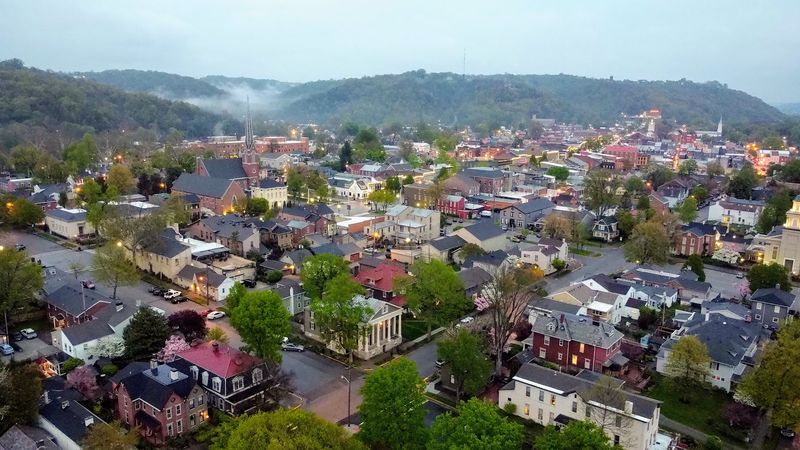
Madison packs a lot into a small footprint, and that is part of its charm. Restaurants, shops, striking historic architecture, and Ohio River scenery all come together in a way that makes the city easy to explore without making it feel limited or sleepy.
One of the biggest draws is its historic district, which gives Madison a sense of depth far beyond what many people expect from a modest-sized city. Walking through older blocks can turn an ordinary afternoon into a full outing, especially when storefronts, river views, and preserved buildings keep revealing new details around the next corner.
Then there is Clifty Falls State Park nearby, which adds another dimension entirely. A city with strong downtown appeal is already a win, but pairing that with access to rugged trails and dramatic scenery makes Madison more versatile.
Some places lean hard into history, while others focus on outdoor fun. Madison gets to play both sides. The city also succeeds because it stays approachable. Visitors can cover a lot in one day, and residents do not need to battle oversized sprawl to enjoy the best parts of town.
That ease makes dining out, meeting friends, or taking a quick riverfront walk much simpler than in larger cities where every plan can become an all-evening project.
Madison is a good pick for people who want character without complication. It has visual appeal, local businesses, and enough nearby recreation to keep routines from getting stale.
While some small cities run out of things to do quickly, Madison stretches well beyond first impressions. Between the historic core and the natural scenery around it, the city offers an experience that feels fuller than its size suggests, while still staying comfortable, navigable, and easy to enjoy on a regular basis for both locals and weekend visitors.
5. Columbus
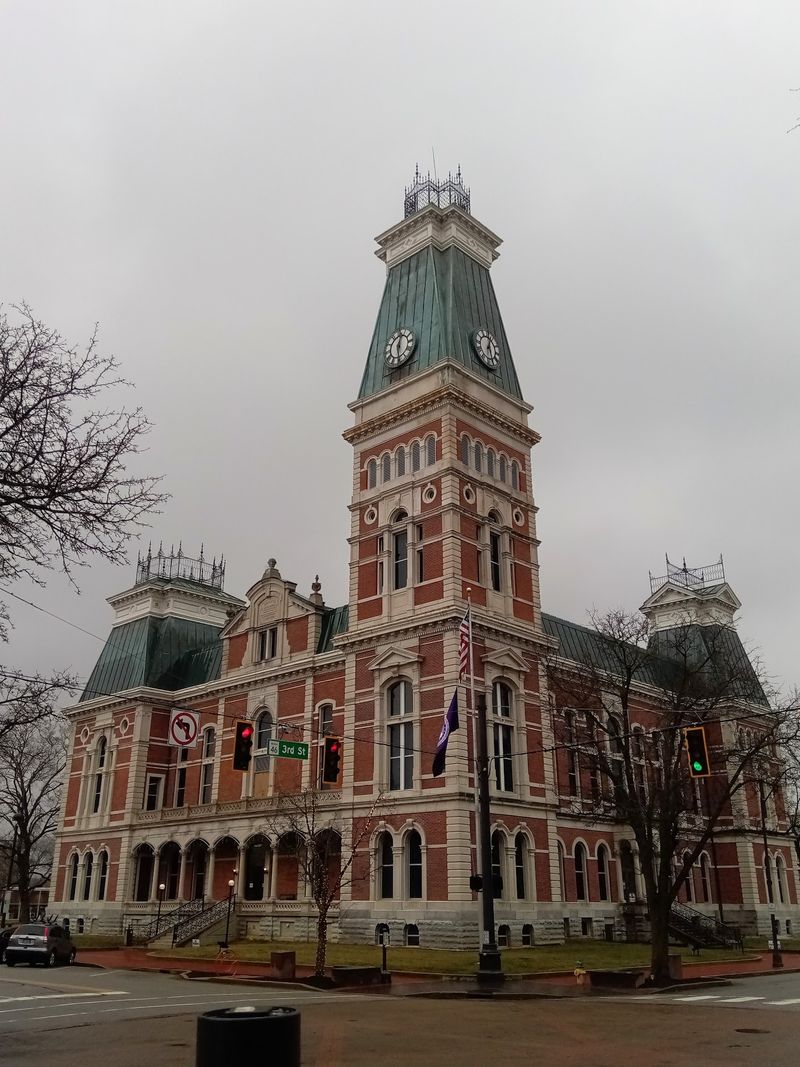
Columbus pulls off a rare trick. It offers standout architecture, public art, local dining, shopping, and a lively downtown in a city of around 50,000 residents, creating a mix that feels much more layered than the population number might lead people to expect.
Architecture is the headline, and for good reason. Even casual visitors notice that the built environment gives Columbus a polished identity that is unusual for a city this size.
Public spaces and buildings add visual interest to ordinary errands, which changes how a place feels day to day. Instead of one main attraction, the city spreads its appeal across streets, blocks, and civic spaces.
That sophistication would mean less if the city were hard to navigate, but Columbus stays accessible. A person can enjoy dinner downtown, browse shops, or seek out public art without dealing with major-city headaches.
Parking, travel time, and general logistics remain much easier here than in Indiana’s largest urban centers. Columbus also avoids the trap of feeling overly polished but thin on personality.
Local dining and a walkable center help ground the city, making it pleasant not only for architecture fans but also for people who simply want a useful, enjoyable place to live. The cultural side adds interest, while the smaller scale keeps life practical.
For readers hunting for the clearest example of Indiana’s middle ground, Columbus belongs near the top. Few places combine design credibility, city conveniences, and a manageable footprint so effectively.
It can support an afternoon of sightseeing or a long-term routine with equal ease. That balance is hard to manufacture, and even harder to maintain, which is why Columbus continues to stand out as a place where cultural ambition and small-city accessibility share the same map without crowding each other out in everyday life for residents and visitors.
6. Elkhart
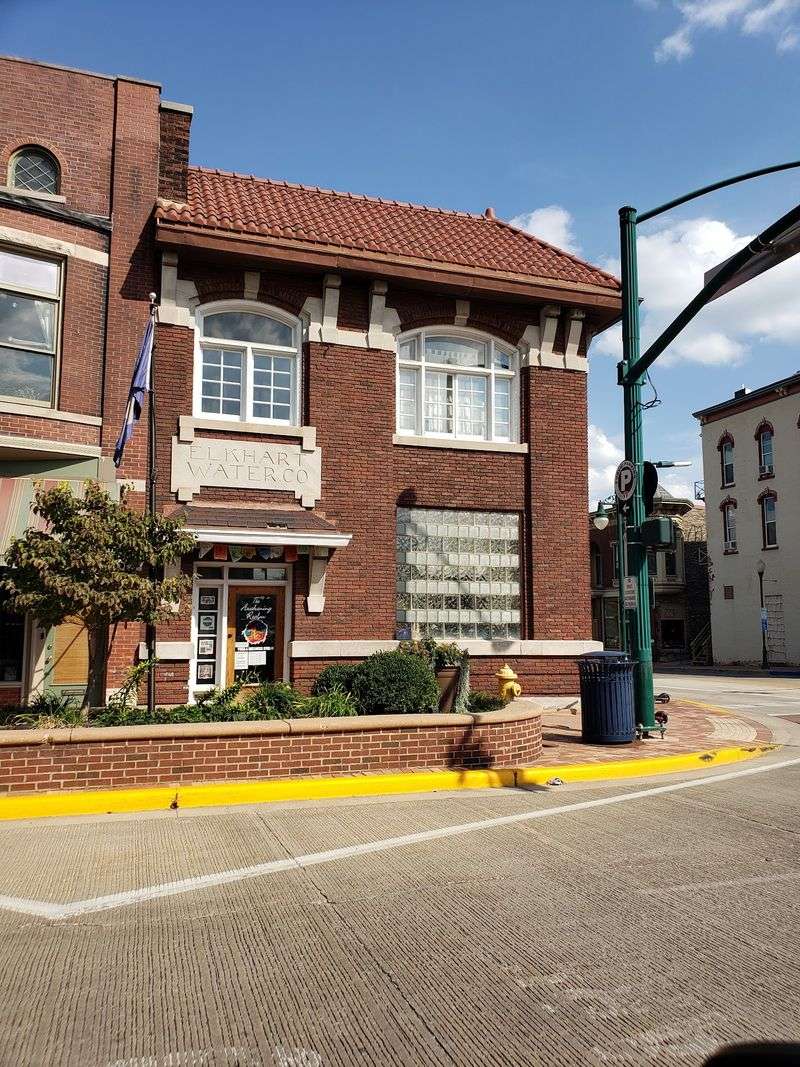
Elkhart has a personality that does not blend into the background. An active downtown and cultural attractions give it movement, while the city’s connection to the RV industry adds a distinctive identity that separates it from many other small and mid-sized places in northern Indiana.
That industry tie matters because it gives Elkhart a practical story and a recognizable niche. Attractions such as the RV/MH Hall of Fame add a point of interest that visitors are unlikely to find in an ordinary smaller community.
A city with its own lane tends to be more memorable, and Elkhart benefits from that in a big way. At the same time, the city keeps an approachable scale. Daily life does not require navigating endless neighborhoods or spending large chunks of time in traffic.
People can enjoy downtown, attend events, and explore local spots without turning every outing into a complicated plan. That ease supports a more livable rhythm.
Elkhart also fits well for people who want a place with substance but not sprawl. There is enough built-in variety to make weekends and evenings more interesting, yet the city still reads as a community rather than a massive urban machine.
Cultural offerings help round out the picture, giving residents more than the basics. Another strength is balance. Elkhart can appeal to curious travelers, industry-minded visitors, and locals who simply want reliable dining, community activity, and a downtown that shows signs of life.
It is not trying to imitate a giant metro area, and that may be the point. By leaning into its own character while keeping things manageable, Elkhart lands squarely in the middle ground many people are looking for.
It offers enough attraction to stay engaging, enough identity to be memorable, and enough simplicity to keep everyday routines from becoming more complicated than they need to be at all.
7. West Lafayette
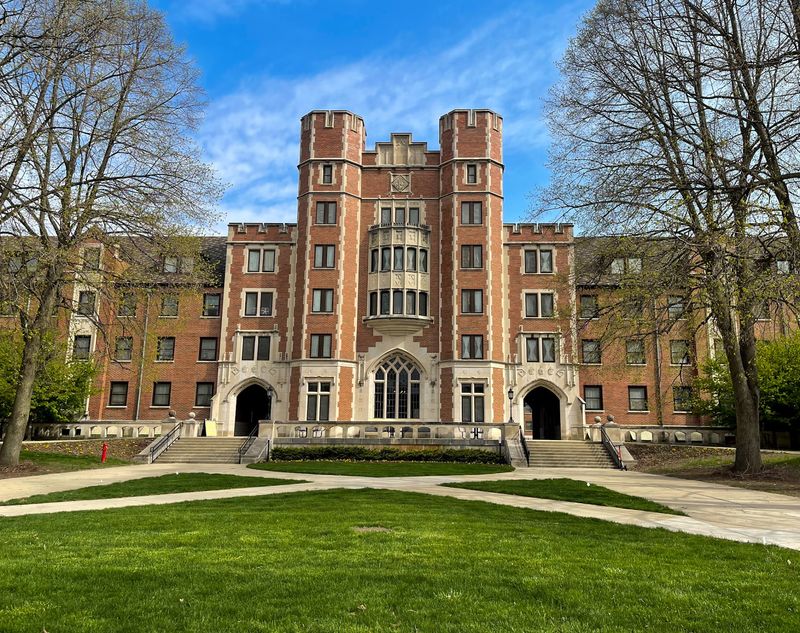
West Lafayette gets its spark from Purdue University, and the effect reaches far beyond campus. Restaurants, cultural events, college athletics, and an international mix of people give the city a bigger personality than its footprint suggests, while the overall layout still stays compact and usable.
College towns can sometimes feel chaotic or overly narrow, but West Lafayette benefits from variety. A basketball game, a lecture, a global food stop, or a community event can all fit into the same week.
That constant flow brings fresh energy without automatically turning the place into a sprawling metropolis. Lafayette, sitting directly across the Wabash River, expands the options even more.
Together, the two cities offer a broader menu of dining, entertainment, and services than West Lafayette could provide alone.
Even with that combined strength, the area remains easier to handle than Indiana’s largest urban centers, which is a major reason it belongs on this list.
West Lafayette also works well for readers who like access to ideas and activity. University influence can mean more than sports and student life.
It often shows up in bookstores, performances, visiting speakers, and a wider range of food and community experiences. That can make ordinary weekends more interesting without requiring a long drive.
There is also a practical side to the appeal. Because the city is relatively compact, getting from one part of life to another can be straightforward.
Work, school, dining, and entertainment sit closer together than they do in many larger metros. That saves time and lowers stress in ways people notice quickly.
West Lafayette lands in a very comfortable middle zone: intellectually lively, socially varied, and connected to a larger neighboring city, yet still compact enough to navigate with ease. For many Indiana residents, that is exactly the right amount of city, especially when daily convenience matters as much as culture and excitement.
8. Greencastle
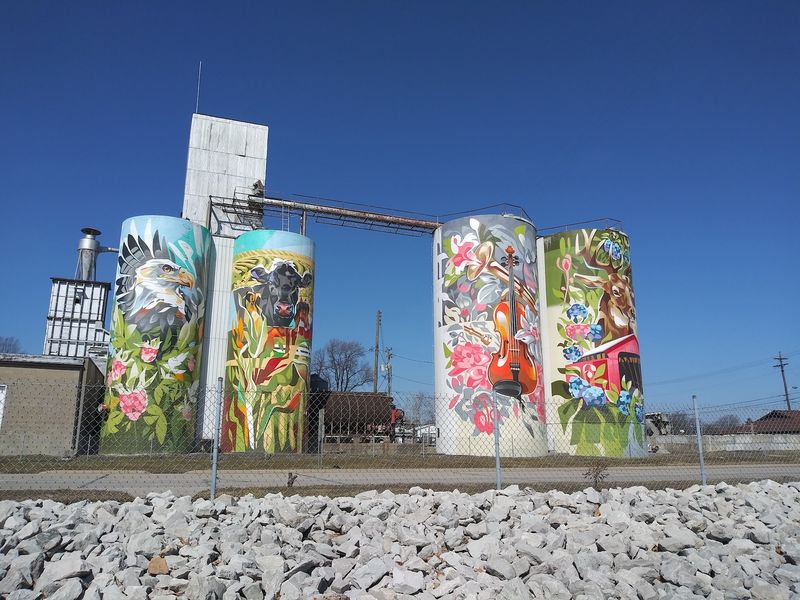
Greencastle is the kind of place that surprises people once they spend a little time there. A traditional courthouse-square downtown gives it an instantly familiar center, while DePauw University adds arts, events, and academic energy that lift the city beyond the usual expectations for a smaller Indiana community.
That university presence helps in subtle ways as well as obvious ones. Yes, it can bring performances and campus activity, but it also tends to support a livelier conversation around town, more event options, and a wider range of people passing through.
Small cities often struggle to create momentum. Greencastle gets a boost without sacrificing its calm pace. The downtown setup matters too. A courthouse square naturally encourages walking, browsing, and casual stop-ins, which makes the city easier to enjoy in short bursts.
You do not need a packed itinerary to appreciate the place. A coffee, a quick look around the square, and a local event can be enough to show why it works so well.
Greencastle also makes a strong case for manageable living. It remains easygoing, and the scale never tips into stressful.
That can be especially appealing for people who want culture and community but do not need giant shopping districts or endless traffic lanes to feel entertained. Plenty of towns are pleasant. Fewer manage to be pleasant and unexpectedly active at the same time.
Greencastle lands there because the university influence and the traditional downtown support each other so well. One brings motion, the other brings structure.
The result is a city that offers more than first impressions suggest while staying simple enough for everyday life. For readers searching for that middle-sized sweet spot, Greencastle proves that a smaller setting can still deliver arts, events, and local character in a package that stays practical, walkable, and easy to enjoy throughout the year for visitors and residents alike.
9. Jasper
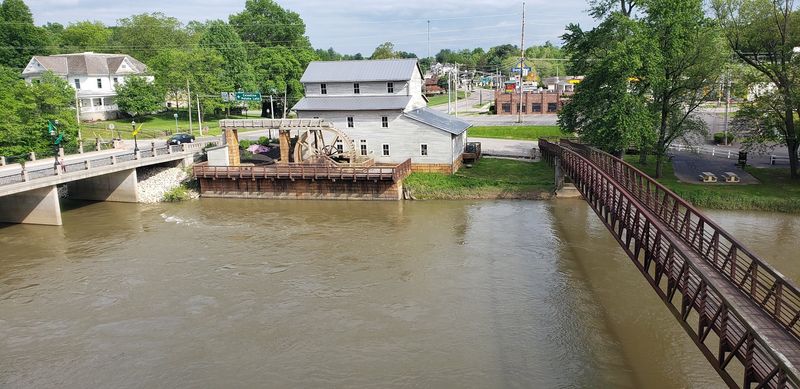
Jasper strikes a smart balance between tradition and everyday convenience. A well-kept downtown, strong German heritage, local businesses, and community events give the city plenty of identity, while nearby access to recreation around Patoka Lake keeps the experience from staying limited to one kind of outing.
Heritage plays a visible role here, and that helps Jasper stand apart. Community traditions and a sense of local pride can make a place more memorable than sheer size ever could.
Instead of chasing the feel of a larger city, Jasper leans into what it already does well, which creates a steadier and more grounded appeal.
The downtown area adds practical value too. Having local businesses and restaurants in a tidy, easy-to-use center means residents do not have to choose between charm and usefulness.
A city can be pleasant to look at but hard to rely on. Jasper’s setup suggests both can exist together. Then there is the outdoor side. Patoka Lake expands the city’s reach by giving people an easy path to recreation, whether the goal is a quieter break from routine or a full day outside.
That matters because a balanced city often needs more than just shops and meals. It also needs ways to change the pace.
Jasper fits readers who want enough going on to avoid monotony but who still prefer a friendlier, more measured rhythm. Events, dining, and local traditions provide activity across the year, while the city remains easy to navigate and easy to know.
That combination can be especially attractive for families and anyone tired of places that are either too sleepy or too demanding. Jasper does not overreach, and it does not undersell itself.
It simply offers a broad enough lifestyle menu in a smaller southern Indiana setting, which is exactly why it belongs among the state’s best examples of a city that lands neatly between too big and too small.
10. Muncie
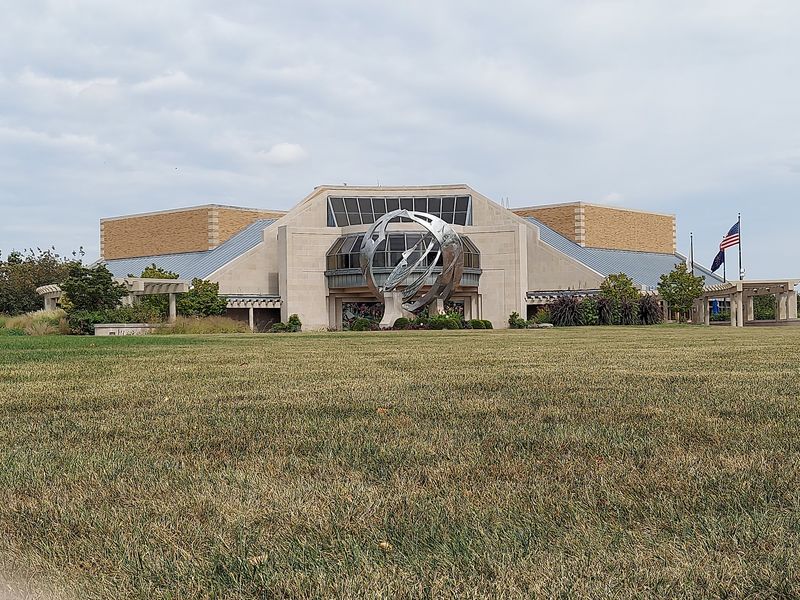
Muncie carries more variety than many people expect at first glance. Ball State University brings energy and movement, while downtown attractions, arts and culture, Minnetrista, and access to the Cardinal Greenway give the city several different ways to spend time without needing a giant metro footprint.
That range is one of Muncie’s strongest points. Some Indiana cities lean heavily on one district or one attraction, but Muncie spreads its interest around.
A day might include a campus-area meal, a stop tied to the arts, a visit to Minnetrista, or time on the Greenway. Having those choices gives the city flexibility.
Ball State’s presence helps keep things active. Universities often support performances, dining options, sports, and a steady flow of people, and Muncie benefits from that pulse.
The city gains variety and momentum without reaching the intensity level of Indianapolis or other much larger urban centers.
The Cardinal Greenway adds another useful layer by opening up outdoor access close to city life. That is part of the sweet spot many people want.
They do not want to choose between local culture and fresh air. In Muncie, both can fit into the same week with relative ease.
There is also a practical comfort in the city’s scale. Even with enough going on to keep things interesting, Muncie remains far more manageable than Indiana’s biggest population centers.
Routine errands, local entertainment, and community life can all happen without the drag of oversized sprawl. For people who want options but still care about simplicity, that balance matters.
Muncie may not always be the first place outsiders mention, but it checks a lot of boxes: education, arts, trails, downtown activity, and recognizable local institutions.
Put together, those elements create a city that offers real variety while still staying approachable, making it a solid middle-ground choice in Indiana for residents, students, and visitors who want more without overwhelm.
11. Valparaiso
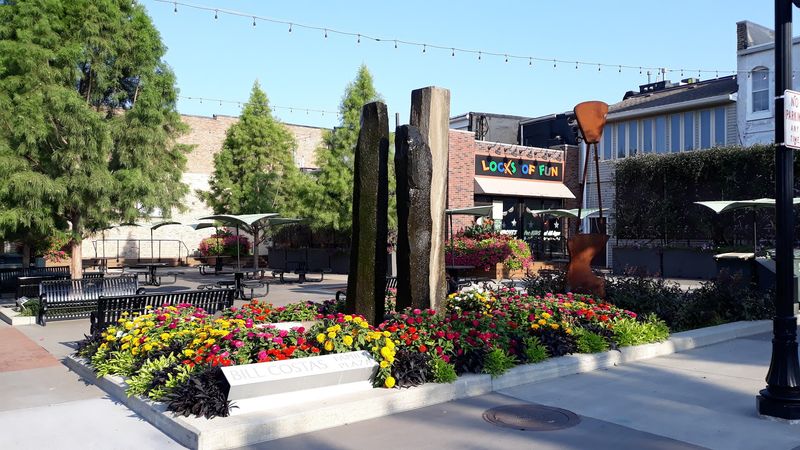
Valparaiso closes out the list with a downtown that knows how to stay busy without turning hectic. Restaurants, shops, events, and community gathering spaces create real energy in the center of town, but the city still offers the approachable scale that makes everyday life easier.
That balance shows up quickly when comparing Valparaiso to both smaller towns and larger cities. It has more conveniences and entertainment options than many quieter communities, yet it avoids the constant strain that can come with major urban areas.
People can enjoy a full evening out without planning around serious congestion or oversized distances. The downtown area is a major reason the city works so well. A strong central district gives people a natural place to meet, eat, browse, and attend events.
That kind of shared civic space helps a city feel active in a practical way, not just on paper. It supports routine life as much as special occasions.
Valparaiso also benefits from being broad enough to serve different kinds of residents. Some may value dining and shopping variety, while others care more about community events and easy access to everyday needs.
The city can meet both interests without losing its shape or becoming so large that convenience disappears. For readers looking for a place that offers many of the things people want from a city while keeping a friendlier, more manageable tone, Valparaiso makes a strong final pick.
It proves that an energetic downtown does not have to come with urban overload. The city offers movement, options, and a sense of local connection in one package.
That is the sweet spot this list is all about: enough size to keep life interesting, enough structure to keep it functional, and enough warmth to make the place comfortable for regular living rather than only occasional visits or quick first impressions from people passing through.