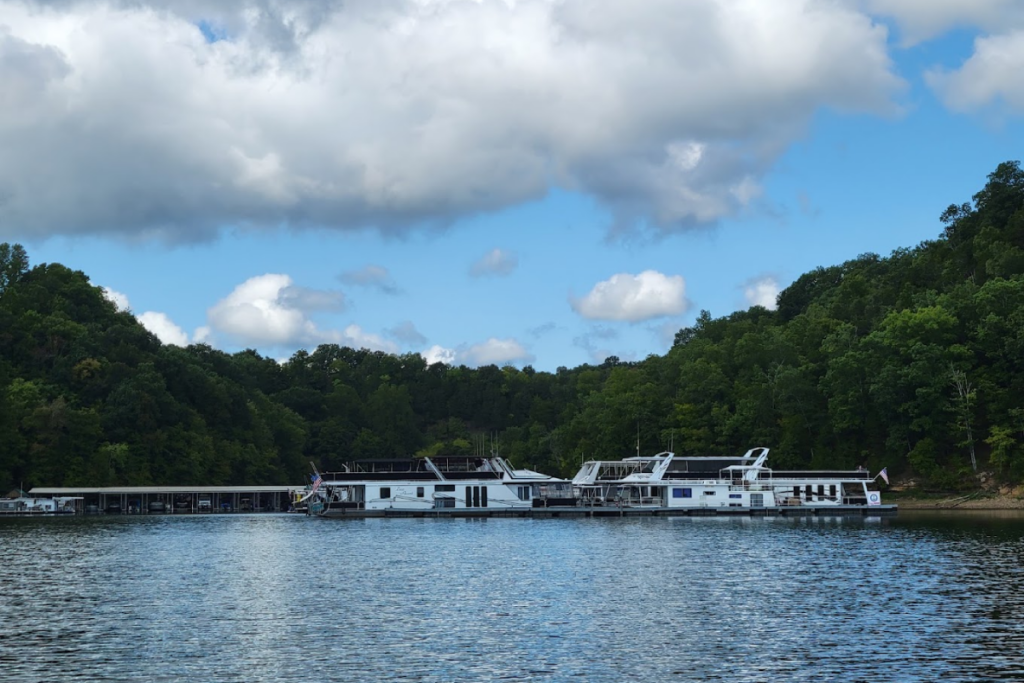
Tennessee hides a secret that outdoor lovers dream about: lakes that look and feel like wilderness escapes but sit close enough to civilization that you can grab dinner in town afterward. You get stunning mountain views, quiet coves, and that peaceful sense of being far away without actually driving hours into the backcountry.
Whether you want a weekend camping trip or just an afternoon paddle, these lakes deliver serious scenery while keeping grocery stores, restaurants, and real beds within easy reach.
1. Watauga Lake – Elizabethton
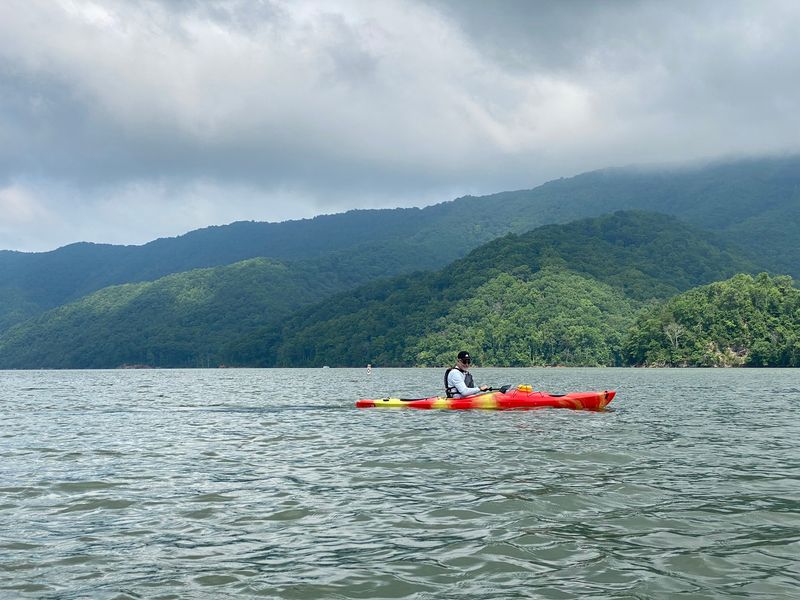
Watauga sits tucked between ridges so steep and green that your brain might trick you into thinking you drove halfway to Montana. The Appalachian terrain here doesn’t mess around.
Thick forests blanket every slope, and when fog rolls in during early morning, the whole scene turns into something you’d expect to find hours away from the nearest paved road.
Elizabethton and Johnson City both sit close enough that you can leave the lake, hit a restaurant for lunch, and be back on the water before the afternoon sun peaks. That convenience matters when you realize you forgot sunscreen or want actual ice cream instead of the melted puddle in your cooler.
The contrast between wild-looking shoreline and nearby amenities makes this lake especially practical for families or anyone who likes adventure but also likes showers.
Fishing here pulls in walleye, smallmouth bass, and trout, which gives you plenty of reasons to bring a rod even if you’re mainly there for the views. The water stays cool enough that summer swimming feels refreshing instead of like jumping into bathwater.
Paddling the coves reveals little pockets of shoreline that look untouched, even though a convenience store sits just a few miles down the highway.
Campgrounds around Watauga range from developed spots with hookups to more rustic sites where you can pretend you’re truly off-grid. Either way, you wake up to mountain ridges reflected in glassy water, which beats staring at a hotel ceiling.
The Cherokee National Forest wraps around much of the lake, adding hiking trails and wildlife sightings to the list of reasons to visit.
Boat ramps stay accessible year-round, and the lake doesn’t get as crowded as some of the more famous Tennessee reservoirs. You can find quiet water even on holiday weekends if you explore beyond the main access points.
Watauga proves you don’t have to sacrifice scenery for convenience or drive until your gas light comes on to feel like you’ve escaped.
2. Douglas Lake – Dandridge
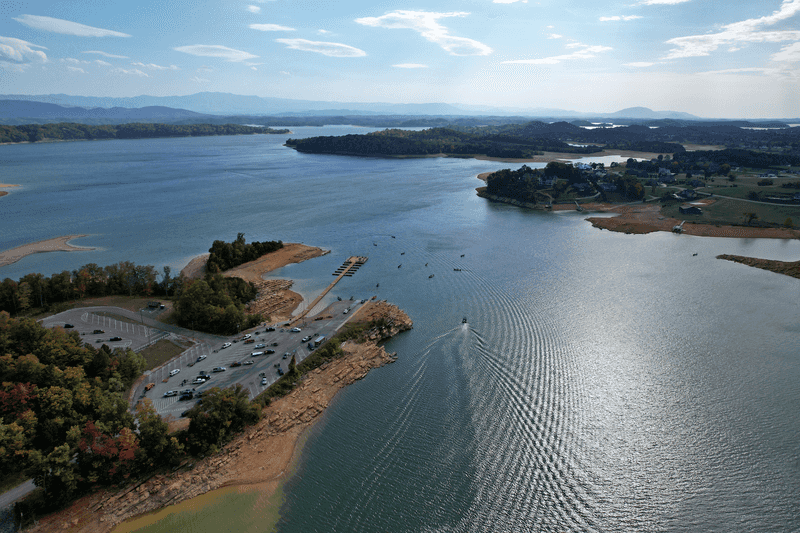
Douglas spreads out wide with the Great Smoky Mountains rising beyond the far shore like a postcard someone forgot to mail. Those peaks create the illusion that you’re much farther into the wilderness than you actually are.
Historic Dandridge sits right beside the water, offering everything from hardware stores to barbecue joints without requiring a long drive.
The lake formed decades ago when TVA dammed the French Broad River, and it still holds onto that mix of working reservoir and recreational playground. You’ll see fishing boats, pontoons, and kayaks all sharing the water on busy weekends.
Crappie fishing draws serious anglers, especially in spring when the fish move shallow and bite like they’re mad at the world.
Dandridge itself carries enough history to keep you entertained when you’re off the water. It’s one of the oldest towns in Tennessee, and the downtown area has that worn-in charm that newer lake towns can’t fake.
Grab breakfast before you launch your boat, and you’ll be on the water by the time the morning mist burns off.
Multiple marinas and public ramps make access easy, which matters when you’re hauling gear or trying to wrangle kids and coolers at the same time. The shoreline varies from developed neighborhoods to stretches that look wild and overgrown.
Finding a quiet cove for swimming or a picnic doesn’t require insider knowledge, just a willingness to explore a bit.
The Smoky Mountains backdrop changes character depending on weather and season. Clear days show every ridge in sharp detail, while stormy afternoons turn the peaks into moody silhouettes.
Fall brings color to the surrounding hills, and the reflection on the water doubles the visual impact. Winter visits feel especially remote when the tourist crowds disappear and the mountains look closer somehow.
Douglas manages to feel both accessible and isolated, which is exactly the combination people search for when they want a mountain lake experience without the mountain drive.
3. Norris Lake – Norris
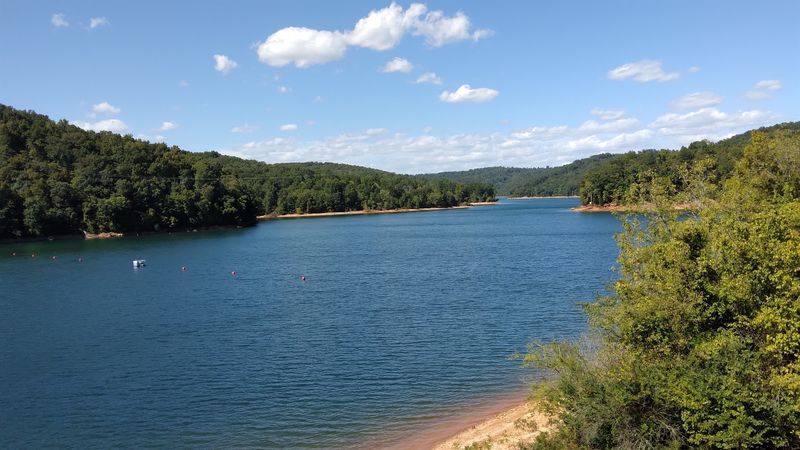
Norris earned its reputation as one of the clearest lakes in Tennessee, and that reputation holds up when you see the bottom in fifteen feet of water. The Cumberland Mountains provide the backdrop, and the lake’s many coves twist and turn through heavily wooded terrain that hides most signs of development.
From the right spot on the water, you could convince yourself that no one else knows this place exists.
The tiny town of Norris sits nearby, along with Clinton, so you’re never truly stranded if you need supplies or forget something important. That proximity to civilization doesn’t diminish the lake’s ability to feel secluded.
Long fingers of water push deep into forested hillsides, creating dozens of quiet spots perfect for anchoring a boat or setting up a kayak camp.
Water clarity here makes swimming more appealing because you can actually see where you’re putting your feet. Snorkeling becomes worth the effort, and kids enjoy searching for fish and rocks on the bottom.
The lake’s depth and the surrounding topography also create microclimates where fog settles into valleys on cool mornings, adding drama to the scenery.
Houseboating culture thrives on Norris, with rental operations offering everything from basic floating cabins to luxury barges with water slides. Spending a few days drifting between coves lets you explore areas that land-based visitors never see.
You can tie up in a different spot each night and wake up to new views without packing and unpacking a tent.
Fishing pressure stays moderate compared to lakes closer to Knoxville, which means striped bass, walleye, and smallmouth still bite with decent regularity. Bank fishing works along some of the public access areas, though a boat opens up far more options.
The mix of deep channels and shallow flats gives different species places to thrive, which keeps the fishing interesting year-round. Norris delivers that rare combination of mountain aesthetics and practical access that makes repeat visits inevitable.
4. Parksville Lake – Benton
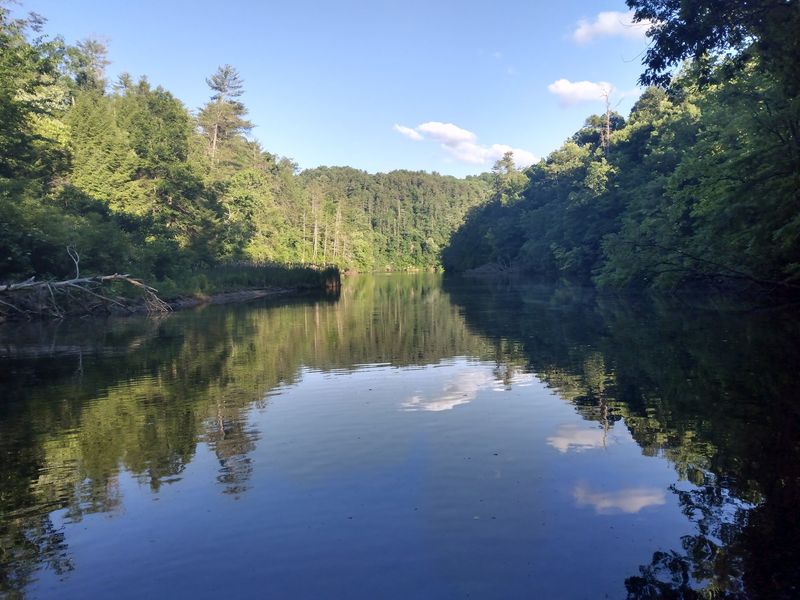
Parksville goes by two names depending on who you ask, with locals often calling it Lake Ocoee after the river that feeds it. Either way, the Cherokee National Forest wraps around the water like a blanket, creating a setting that feels genuinely wild.
Mountains rise on all sides, and the forest comes right down to the shoreline in most places, leaving little room for development or crowds.
Benton and Cleveland both sit close enough for quick trips to restock or grab a meal, but once you’re on the water, those towns fade from your mind. The Ocoee River above the lake has a reputation for whitewater rafting, and some of that adventurous energy carries downstream.
You’ll see paddlers, anglers, and the occasional swimmer all taking advantage of water that stays cool even in August.
The lake’s relatively small size compared to giants like Douglas or Norris makes it easier to explore in a single day. You can paddle from one end to the other without feeling like you need a GPS or a support crew.
That intimacy also means you’re more likely to spot wildlife, from herons fishing the shallows to deer coming down to drink at dawn.
Camping options range from primitive sites along the shore to developed campgrounds with amenities. Waking up here feels different than waking up at lakes with marinas and jet ski rentals.
The quiet runs deeper, and the sense of being somewhere remote settles in before your coffee finishes brewing. Mornings often bring mist rising off the water, and the surrounding peaks catch early light in ways that make you reach for a camera.
Fishing focuses mainly on bass and panfish, with some trout moving into the cooler sections during certain times of year. The forest setting keeps water temperatures lower than at more exposed reservoirs, which fish appreciate during summer heat.
Access points stay manageable without being overbuilt, striking that balance between convenience and maintaining a backcountry vibe. Parksville rewards visitors who want mountain scenery without driving deep into the wilderness or giving up easy access to supplies.
5. Cherokee Lake – Morristown
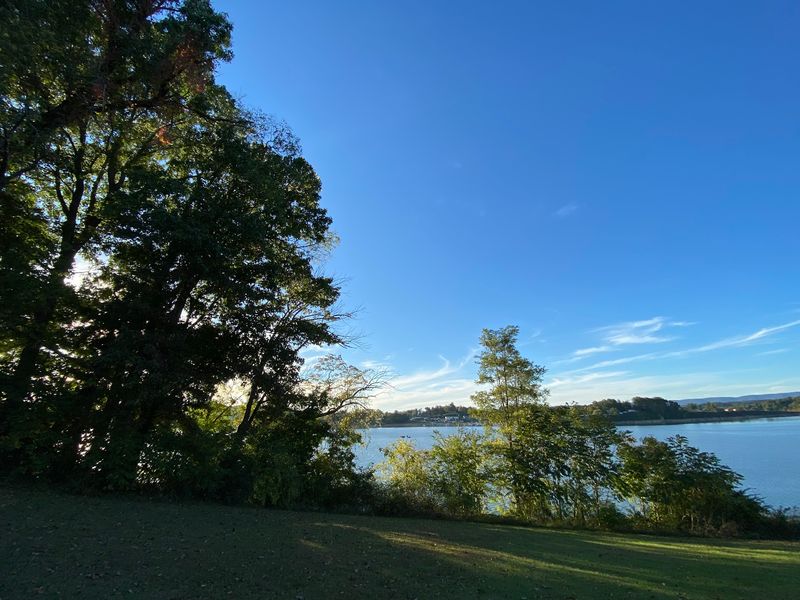
Cherokee combines elements that other lakes struggle to deliver all at once: quiet coves, limestone bluffs, rolling hills, and genuine mountain views. Morristown and Jefferson City keep the lake accessible without turning the shoreline into a strip mall.
Panther Creek State Park anchors one section of the lake, offering hiking trails and campsites that make the mountain atmosphere especially convincing.
The park’s trails wind through forests and along ridges that overlook the water, giving you perspectives you can’t get from a boat. Wildflowers bloom in spring, and fall colors paint the hillsides in shades that photographs never quite capture.
Even when the campground fills up on summer weekends, the trails stay relatively uncrowded, offering pockets of solitude just minutes from your tent.
On the water, Cherokee’s geography creates variety. Some sections open up into wide expanses where wind can kick up waves, while others narrow into protected coves where the surface stays glassy.
That variety keeps paddling and boating interesting because the scenery and conditions change as you move around. Anglers appreciate the mix of habitat, which supports everything from crappie and bass to catfish and walleye.
Development along Cherokee stays moderate, with enough marinas and ramps to make access easy but not so many that the lake feels overdone. You can find waterfront cabins and vacation rentals if camping isn’t your style, and several outfitters rent kayaks and pontoons for visitors who don’t own their own gear.
The proximity to Morristown means restaurants, grocery stores, and emergency services stay close without encroaching on the lake’s natural feel.
Winter visits reveal a different side of Cherokee, with bare trees exposing limestone outcrops and the water taking on a steely blue-gray color. Eagle sightings become more common as the birds move in to fish the open water.
The lack of summer crowds turns the lake into a peaceful retreat where you might not see another boat for hours. Cherokee proves that accessibility and seclusion aren’t mutually exclusive, delivering both without compromise.
6. Nickajack Lake – Jasper
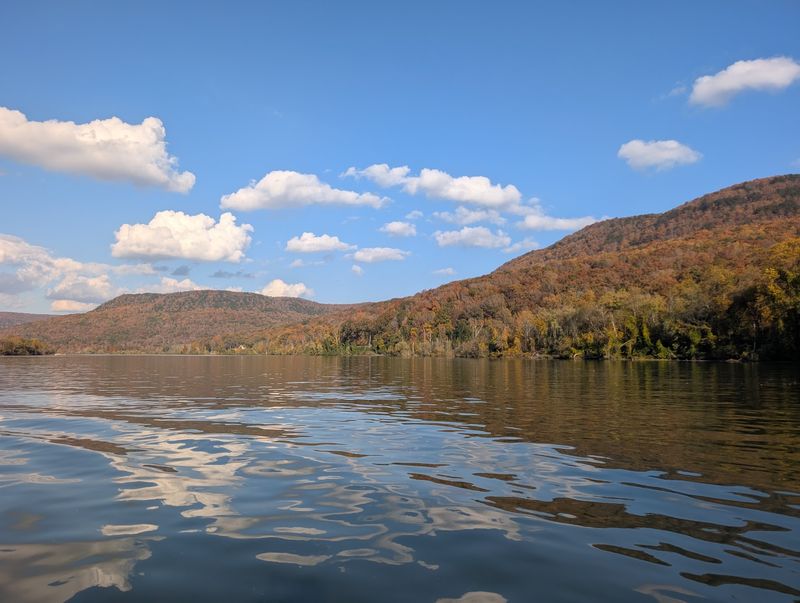
Nickajack follows the Tennessee River through a landscape where mountains and ridges rise dramatically from the water’s edge. Certain stretches feel surprisingly secluded despite Jasper sitting nearby and Chattanooga close enough for an easy day trip.
The contrast between the wild-looking terrain and nearby amenities makes this lake a smart choice for people who want scenery without sacrificing convenience.
The river’s current still flows through Nickajack, which keeps the water moving and adds a dynamic element that static reservoirs lack. That flow also means the lake stays cleaner than some impoundments, with less stagnation and fewer algae blooms.
Paddling here requires awareness of current, especially near the dam, but the reward is water that feels more alive than typical flatwater lakes.
Fishing on Nickajack targets species that thrive in river environments, including catfish, bass, and sauger. The current creates feeding lanes where fish stack up, and experienced anglers know to work these spots carefully.
Bank fishing works along some access points, though a boat opens up far more water and better opportunities. The lake’s connection to the broader Tennessee River system means fish move through seasonally, keeping the fishing dynamic.
Jasper provides a convenient base with restaurants, lodging, and supplies all within a short drive of the lake. Chattanooga’s proximity adds options for entertainment, shopping, or just a change of scenery when you need a break from the water.
That accessibility matters for weekend trips or family outings where not everyone wants to rough it completely.
The surrounding ridges create dramatic scenery that changes with the light and weather. Morning sun catches the peaks and casts long shadows across the water, while afternoon storms turn the landscape moody and atmospheric.
Fall colors climb the hillsides in waves, and winter reveals the bones of the terrain when leaves drop. Nickajack’s beauty comes from its topography and the way the river carves through the mountains, creating a setting that feels remote even when civilization sits just around the bend.
7. Center Hill Lake – Smithville
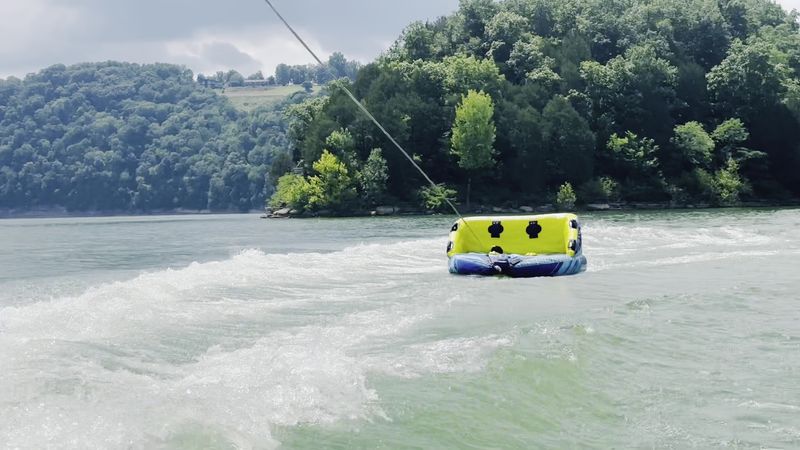
Center Hill carves deep into the hills southeast of Nashville, creating a shoreline so convoluted that you could spend days exploring and still miss half the coves. Cliffs rise straight from the water in some spots, while other sections feature wooded slopes that look like no one has touched them in decades.
Smithville sits just minutes from popular access points, but the lake’s geography hides that proximity well.
The water’s depth and clarity make swimming appealing, and the cooler temperatures that come from deep reservoirs keep things refreshing even during August heat. Cliff jumping attracts thrill-seekers at certain spots, though you need to know the water and check depths carefully.
Families stick to gentler shorelines where kids can wade without worrying about sudden drop-offs.
Houseboating culture thrives here, with rental operations offering vessels that range from basic to luxurious. Spending a few days on the water lets you explore remote coves that day-trippers never reach.
You can anchor in a different spot each night, swim off the back deck, and wake up to sunrise views that change daily. The lake’s size and the number of coves mean you can usually find solitude even on busy weekends.
Smithville’s downtown offers restaurants, shops, and that small-town atmosphere that makes stopping for supplies feel less like a chore and more like part of the experience. Local outfitters rent kayaks and paddleboards for visitors who want to explore under their own power, and several marinas provide boat rentals for those who didn’t trailer their own.
The infrastructure supports tourism without overwhelming the lake’s natural character.
Fishing on Center Hill targets bass, crappie, and walleye, with the deep water providing habitat that supports healthy populations. The lake’s structure, with underwater ledges, creek channels, and submerged timber, gives fish plenty of places to hide and anglers plenty of spots to try.
Guide services operate year-round, which helps if you’re new to the lake or just want to maximize your time on the water. Center Hill delivers that tucked-away feeling while keeping practical concerns like food, gas, and lodging within easy reach.
8. Dale Hollow Lake – Byrdstown
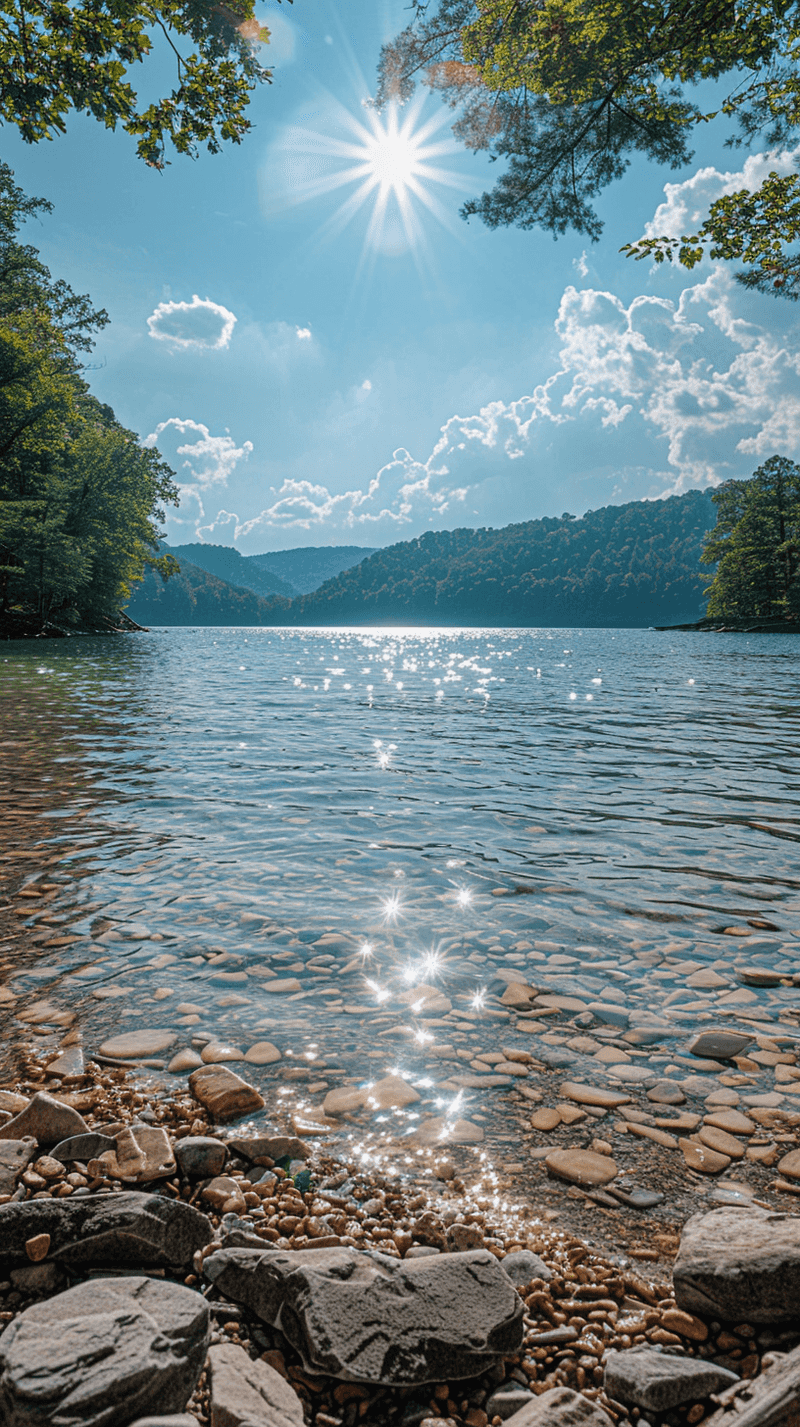
Dale Hollow earned fame for water clarity that rivals natural mountain lakes, and that reputation isn’t exaggerated. You can see the bottom in twenty feet of water on calm days, and the blue-green color looks more like something from a postcard than a Tennessee reservoir.
Forested hills surround the lake, creating a backcountry atmosphere that feels genuine rather than manufactured.
Byrdstown sits close enough that you can grab breakfast in town before launching your boat, then spend the day pretending civilization doesn’t exist. That balance between access and seclusion makes Dale Hollow popular with people who want adventure without hardship.
You can camp in primitive spots along the shore or stay in cabins and lodges that offer real beds and hot showers.
The lake’s reputation for smallmouth bass fishing draws anglers from across the country. Dale Hollow produced a world-record smallmouth decades ago, and while that fish has been topped since, the lake still grows bass that make your reel scream.
The clear water and rocky structure create ideal habitat, and the fish population stays healthy thanks to catch-and-release practices and careful management.
Scuba diving attracts enthusiasts who appreciate the visibility and the chance to explore underwater terrain that includes rock formations and submerged trees. The water stays cool even in summer, which means a wetsuit is usually necessary, but the clarity makes the effort worthwhile.
You can spot fish, turtles, and the occasional beaver swimming past as you explore.
Byrdstown provides restaurants, groceries, and lodging without turning the area into a tourist trap. The town maintains that quiet, rural character that makes you slow down and relax.
Several marinas around the lake offer boat rentals, fuel, and supplies, keeping logistics simple for visitors who didn’t bring their own gear. The surrounding hills provide hiking opportunities when you need a break from the water, and fall colors turn the landscape into a patchwork of reds, oranges, and yellows.
Dale Hollow proves you don’t have to sacrifice beauty for convenience or drive until your phone loses signal to feel like you’ve escaped into the wilderness.
9. Tellico Lake – Vonore
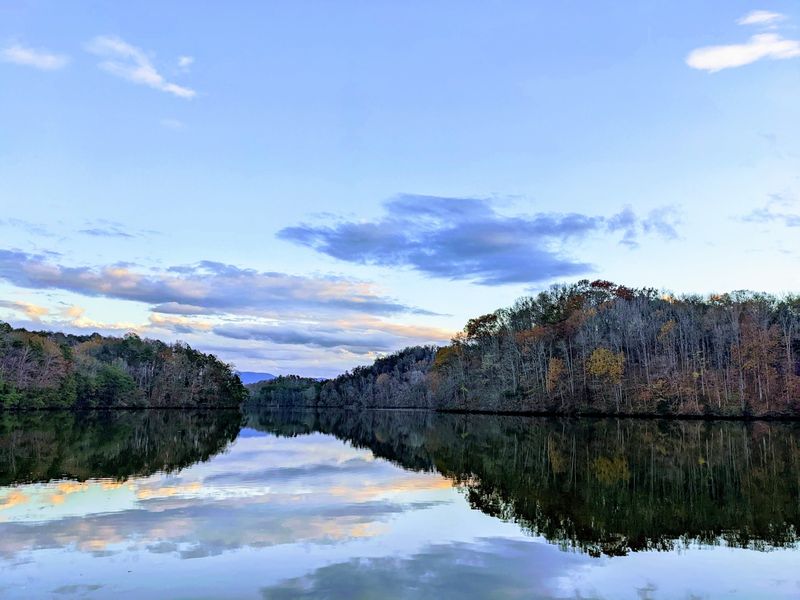
Tellico spreads out broad and blue with the foothills and Unicoi Mountains providing a backdrop that shifts from soft and rolling to dramatic and peaked depending on where you look. Vonore and Lenoir City both sit within easy reach, but the lake’s size and the mountain views create that sense of being somewhere farther removed.
The water here connects to the Little Tennessee River, adding a sense of flow and history to the landscape.
Fort Loudoun State Historic Area sits on the shore, offering a glimpse into the region’s past and hiking trails that provide elevated views of the lake and mountains. The combination of history and natural beauty makes this area worth exploring even if you’re mainly there for the water.
Interpretive signs explain the fort’s role in colonial conflicts, and the reconstructed walls give you a sense of what the place looked like centuries ago.
Fishing on Tellico targets species that thrive in river-fed reservoirs, including bass, crappie, and catfish. The lake’s connection to the river system means fish move through seasonally, and experienced anglers time their trips to match spawning runs and feeding patterns.
Guide services operate year-round, and several marinas rent boats for visitors who didn’t bring their own.
The Cherokee National Forest lies nearby, adding hiking, camping, and wildlife viewing to the list of reasons to visit. You can spend mornings on the water and afternoons on the trails, or vice versa, depending on weather and mood.
The variety of activities makes Tellico a good choice for groups with mixed interests or families where not everyone wants to fish or swim all day.
Development along Tellico stays moderate, with enough infrastructure to keep things convenient but not so much that the lake feels crowded or overdone. You can find waterfront rentals, campgrounds, and marinas without driving endlessly or navigating confusing back roads.
The mountain scenery provides that sense of escape that people search for when they want to feel like they’ve left everyday life behind, even if they’re only an hour from home. Tellico delivers mountain views and easy access in equal measure, proving you don’t have to choose between scenery and convenience.