
Grocery shopping feels a lot more tempting when the deli case, bakery shelves, and imported goods can turn one quick errand into a full food stop. In Troy, Michigan, Polish Market gives shoppers a place to load up on hearty favorites, hard-to-find imports, fresh breads, sweets, prepared dishes, and the kind of comfort food people are happy to bring home.
The appeal comes from how focused the whole place feels, with Polish flavors shaping everything from the shelves to the counter. It matters because busy suburban shoppers do not always get this mix of convenience, tradition, and serious food personality in one trip.
For anyone curious why this Michigan market stays so active, the answer starts with what is behind the glass and continues through every aisle.
A Soft Start With Pierogies That Do Not Need Explaining
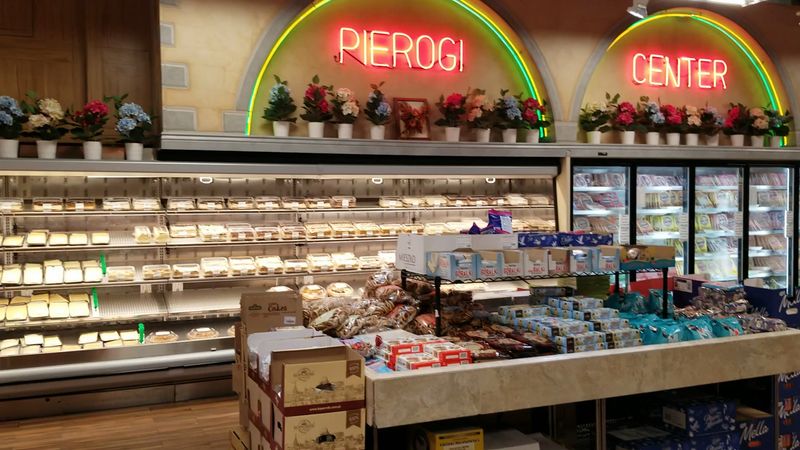
Comfort food usually announces itself without much effort, and pierogies do exactly that here. At Polish Market in Troy, they work as an easy entry point for first-time shoppers because you do not need a long lesson to understand why stuffed dumplings draw attention.
Some are bought cold for later, while others show up in the prepared food area ready for lunch or dinner. That split matters because the store serves two kinds of trips at once: the planned grocery run and the hungry stop where you want something filling before getting back in the car.
The appeal starts with how flexible pierogies are. They can be a side dish, the center of a meal, or a comfort snack reheated at home when the day runs long.
Fillings linked to Polish cooking, especially potato, cheese, or sauerkraut styles, give shoppers choices without making the case confusing. If you are still learning the differences between products in the market, pierogies are a smart place to begin because they are familiar enough for cautious eaters and interesting enough for curious ones.
They also connect the deli and grocery sides of the store. You can pick up bread, sausage, or a soup to go with them, which turns one package into a full meal plan instead of a single impulse buy.
That is part of why this section of the market stays busy. Pierogies fit weeknight schedules, freezer habits, holiday tables, and quick lunches, all without asking much from the person buying them.
If you are visiting for the first time, adding pierogies to the basket is the simplest way to understand the place. They show how Polish Market balances tradition, convenience, and plain old hunger in one very practical package.
Kielbasa Steals the Deli Case in Troy, Michigan
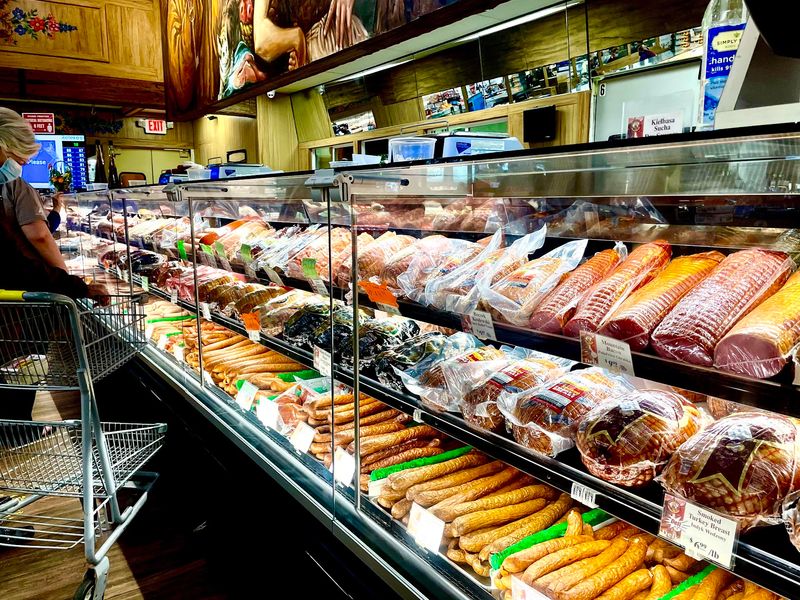
The deli case brings the strongest first signal that Polish Market is more than a standard grocery stop. Kielbasa lines up as one of the store’s clearest signatures, giving the market a bold, savory center that is hard to miss.
Fresh versions, smoked options, and different regional styles turn the meat counter into a place where shoppers pause instead of pass by. Even if you came in mainly for bread or sweets, the sausage selection can easily reset the whole plan.
Kielbasa matters here because it bridges special-occasion cooking and everyday eating. It can anchor an Easter spread, slide into a weeknight skillet with sauerkraut, or become the main event in a quick hot meal picked up on the way home.
That range keeps the counter busy with both experienced cooks and newer shoppers. A market does not need fancy language to sell sausage when the visual itself does the work: loops, links, smoked color, and a lineup that suggests real choice rather than a token display.
Polish Market also benefits from carrying foods from a wider Eastern European range, but kielbasa stays near the front of the story because it is familiar to many Michigan shoppers already. The difference is that here it is not treated like a side item tucked into one shelf.
Instead, sausage helps define the store’s identity. It tells you the market takes meat seriously, understands festive food traditions, and gives customers practical options for both old family recipes and simple dinners.
If you are building a meal, kielbasa is the easiest way to make it substantial fast. Add rye bread, mustard, pickles, or prepared cabbage, and the shopping trip suddenly looks less like a grocery errand and more like a ready-made feast.
Fresh Bread Changes the Pace of the Whole Store
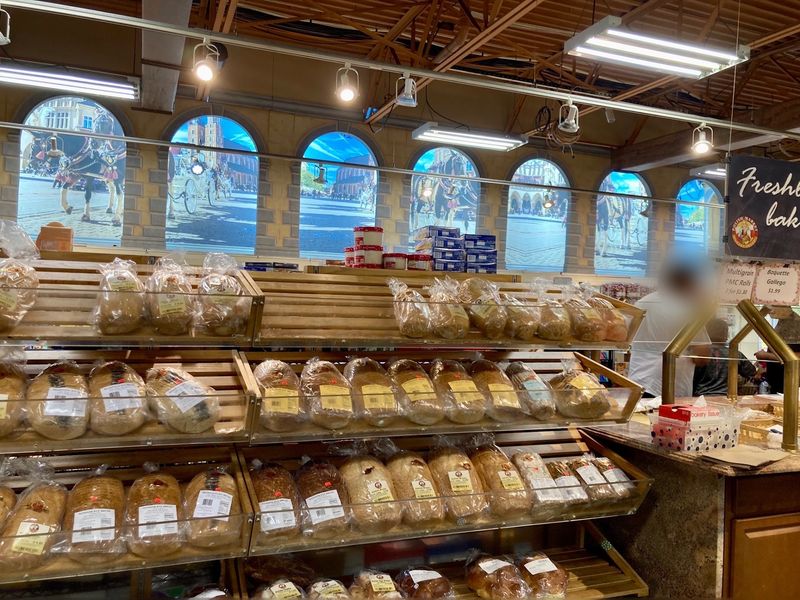
Nothing slows down a rushed shopper faster than the smell of warm bread. At Polish Market, bread is not background filler near the register.
It acts more like a signal that the store wants you to notice freshness before you even finish the first lap through the aisles.
Rye loaves, crusty rolls, and other baked staples help explain why the market attracts repeat visits instead of rare specialty runs. Bread gets used up quickly at home, so a strong bakery section gives people a reason to return often.
That repeat rhythm matters in a place built around both tradition and routine. Imported pantry goods may last a while, but fresh bread creates urgency in the nicest possible way.
It also helps tie many other parts of the market together. A shopper can grab farmer cheese, ham, sausage, butter, or soup and already picture how the meal will land once a loaf is sliced.
Good bread has a job beyond taste here. It lowers the barrier for anyone who is curious about Polish foods but unsure where to start, because bread is simple, useful, and easy to pair with almost anything in the store.
There is also a visual advantage. Stacks of rustic loaves and firm rolls make the bakery feel active and practical, more like a working food shop than a themed novelty stop.
If you are planning a first visit, bread is one of the smartest buys because it stretches the rest of your shopping. It can support breakfast sandwiches, deli lunches, soup nights, and weekend snacks without much effort.
That is why bread helps keep this market busy. It turns specialty shopping into everyday shopping, and that shift is a big reason Polish Market fits so naturally into life in Troy.
Pastries Bring the Brightest Color to the Trip
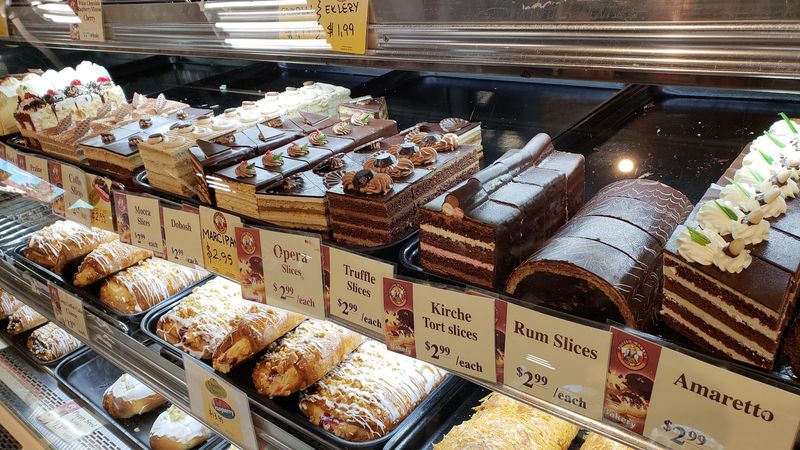
A grocery trip can suddenly turn cheerful when pastries enter the picture. At Polish Market, the sweets case adds color, variety, and a sense of reward that balances the heavier foods found at the deli and meat counter.
Paczki, rolls, cakes, cookies, and other baked treats give the market a different kind of energy. Instead of focusing only on dinner ingredients, the bakery suggests celebration, holiday habits, and the small pleasure of taking home dessert just because it looked too good to leave behind.
That shift matters for the overall experience. A store that sells strong savory staples is useful, but a store that also handles sweets well becomes easier to visit for birthdays, family weekends, church gatherings, and seasonal traditions.
Pastries also help new shoppers feel welcome. You do not need deep knowledge of Polish cooking to understand a powdered pastry, a nut-filled roll, or a creamy dessert slice waiting in the case.
At the same time, longtime fans of Eastern European baking can look for favorites with more purpose. That mix of comfort and discovery makes the pastry section one of the liveliest parts of the store.
There is a practical angle too. Desserts round out the basket without much planning, especially if you are already buying hot food, bread, or deli meats and want one last item that makes the meal feel complete.
For many shoppers, pastries are also the easiest excuse to come back soon. Bread is necessary, sausage is strategic, but sweets often ride home because they sound fun right now.
That playful ending works in the market’s favor. A place with strong pastries does more than feed people.
It gives the shopping trip a final spark, and sometimes that is the detail that turns a routine stop into a regular habit.
Beyond the Title, the Market Runs Like a Full Food System
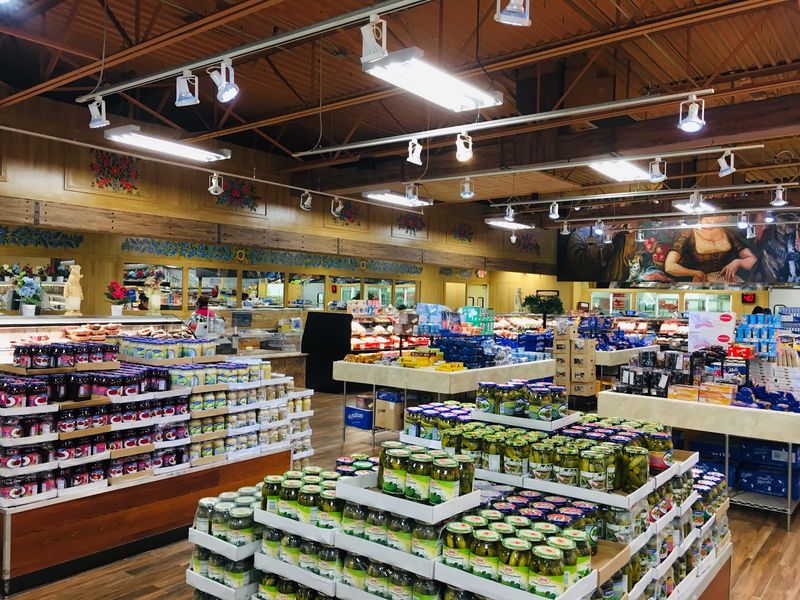
After the headline foods grab your attention, the bigger story becomes clear. Polish Market works because pierogies, kielbasa, bread, and pastries are supported by a much wider setup that makes the store useful for complete shopping, not just selective cravings.
The market format matters. A full deli, grocery aisles, dairy items, pickled goods, imported pantry staples, soups, and prepared foods create a system where one purchase naturally leads to three more that actually make sense together.
That is different from a small specialty shop where you leave with a treat and still need another stop for dinner. Here, a shopper can build meals across categories without breaking the flow of the trip.
It also helps explain the store’s steady pace. Bread pulls people in, sausage keeps them browsing, and then the shelves of condiments, canned foods, cheeses, crackers, and sweets extend the visit.
Even the hot food area strengthens that rhythm. If you are unsure about a product name on the shelf, you can try prepared versions of related dishes and learn by eating first, which is a very practical kind of introduction.
The range of Eastern European products adds depth without changing the market’s Polish identity. Instead, it broadens what the store can do for households that cook across neighboring traditions or want ingredients not easy to find in a standard supermarket.
That wider selection also gives the place momentum during holidays and family gatherings. One stop can cover meat, bread, sides, dessert, and pantry support instead of sending shoppers across town.
So while the title foods may be the stars, the full-market design is the engine. It is what turns interest into baskets, baskets into meals, and meals into repeat visits throughout the week.
How to Shop Smart When the Cases and Shelves Keep Pulling You Around
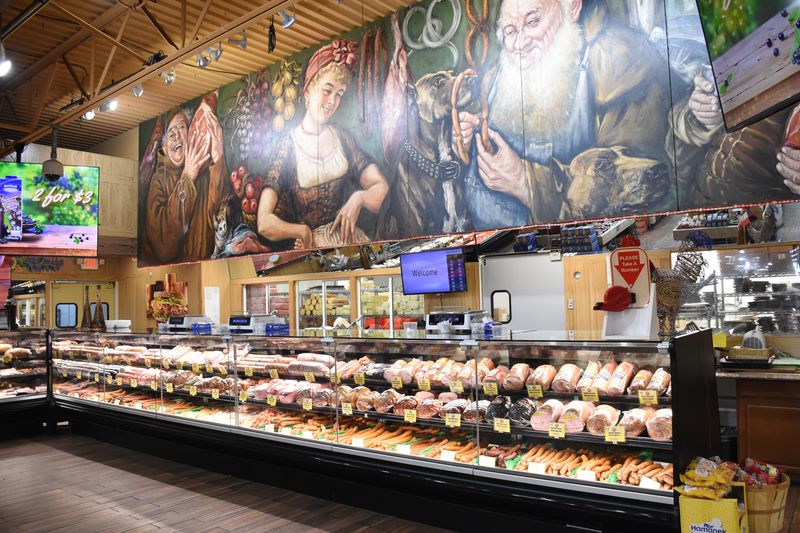
First visits here can get expensive in a hurry, and that is not hard to understand. Polish Market packs enough visual temptation into one building that a quick peek can turn into a loaded basket before you have mapped out dinner.
The smartest approach is to shop in layers. Start with one anchor item, such as pierogies or kielbasa, then add the supporting pieces that make a complete meal instead of collecting random specialties with no plan.
Bread is usually the easiest second move because it works with almost everything. After that, a side like sauerkraut, pickles, soup, or cheese can round things out without pushing the trip into guesswork.
If you are curious but unsure about labels or unfamiliar names, the prepared food area can help guide the rest of your shopping. Tasting a dish ready-made often makes it easier to choose similar ingredients from the shelves and deli counter.
Save pastries for the end of the trip. That simple move keeps dessert from distracting you before the main food decisions are done, which is useful in a market where the sweets case can hijack your attention.
Timing matters too. Since the market opens at 9 AM most days and 10 AM on Sunday, earlier visits can make browsing easier if you want space to look closely rather than rush through busy periods.
The place is also well suited for stocking up. Bread, deli meats, sausages, and prepared foods can build several meals at once, so think ahead about lunches and leftovers before you reach checkout.
That kind of strategy lets you enjoy the abundance without getting overwhelmed. Instead of treating the market like a puzzle, you can move through it like a smart eater with a plan and still leave room for one bakery surprise.
Why This Troy Address Stays Busy Long After the Novelty Wears Off

Plenty of specialty markets attract one curious visit. The harder trick is staying relevant after the first wave of discovery, and Polish Market appears to manage that by being useful in several different ways at once.
It serves households looking for familiar Polish staples, nearby shoppers who want better bread and deli options, and food explorers chasing imported flavors beyond a normal chain store lineup. That mix gives the market staying power because it does not rely on one narrow audience.
The location on East Maple Road also places it within the rhythm of everyday suburban errands. A market becomes more valuable when it can fit between work, school pickup, lunch plans, and weekend grocery runs without needing a special occasion to justify the stop.
Hours support that practical role too, with six days opening at 9 AM and Sunday opening at 10 AM. Those are useful retail hours for a place that handles both quick prepared-food pickups and longer browse-heavy visits.
Inside, the combination of hot foods, deli meats, breads, pastries, and imported groceries creates repeat reasons to return. One week you may come for sausage, the next for fresh bread, and another time because holiday cooking suddenly needs items that ordinary supermarkets may not carry.
That layered usefulness is more important than novelty. A market stays busy when it helps with Tuesday lunch as well as Easter dinner, and when both first-time visitors and longtime regulars can find something immediate to take home.
Polish Market’s strength is not one dramatic feature. It is the steady overlap of comfort, specialty shopping, prepared food convenience, and bakery appeal all working from the same address.
That is why the title rings true. Pierogies, kielbasa, bread, and pastries may grab the headline, but the real story is how those foods anchor a market built to stay part of everyday life in Troy.