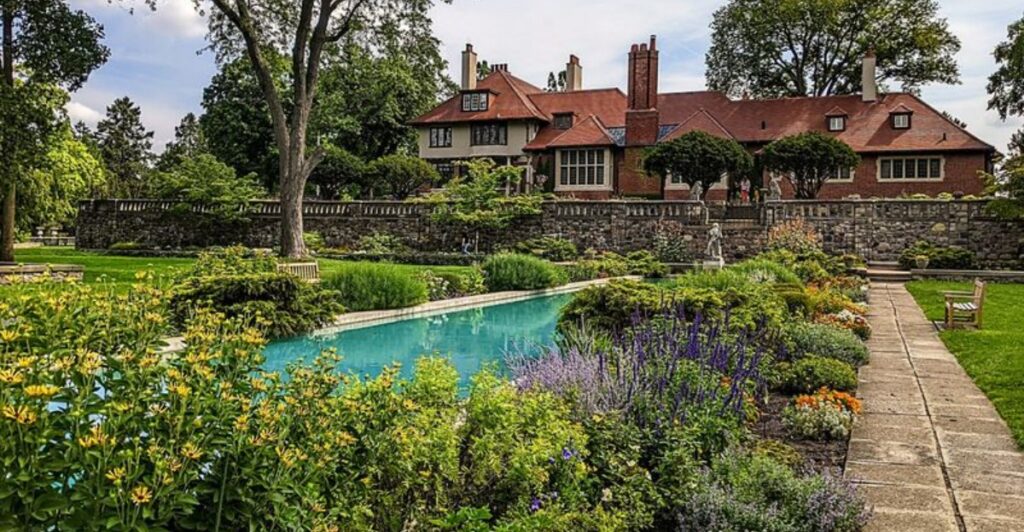
Quiet places feel even more special when every path, fountain, and stone detail seems to slow the day down. In Bloomfield Hills, Michigan, Cranbrook House & Gardens gives visitors 40 acres of gardens, historic architecture, and peaceful walking spaces tied to an estate that began in 1908.
The appeal comes from how naturally the grounds blend beauty, local history, and that early 20th-century character still visible throughout the property. It is the kind of place where a simple walk can turn into a slower look at design, nature, and Michigan heritage.
For anyone who loves gardens with atmosphere and room to wander, Cranbrook offers plenty to explore.
A Gate That Changes the Pace
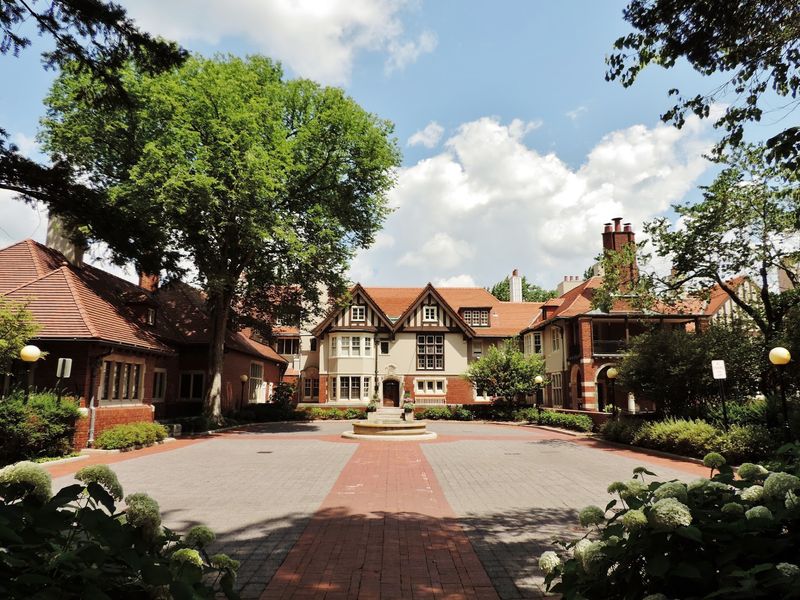
Busy roads and errands can make a day feel rushed, so the entrance to Cranbrook House & Gardens hits differently. Once you pass through the gate, the setting grows quieter, and the property begins to unfold in a slower, more careful way.
Tall trees, open lawn, and old architectural touches set the tone before you even reach the main garden spaces.
That first stretch matters because Cranbrook is not built around loud attractions or one single lookout point. The estate works by layering details.
Curving paths, trimmed hedges, and formal layout choices guide your eyes forward while still leaving room to wander. You are not pushed along.
Instead, the grounds invite you to notice how land, garden design, and buildings were arranged to feel orderly, graceful, and lived in.
There is also a strong sense of age here, especially in the materials. Stone, brick, iron, and carved elements give the landscape a settled look that newer public gardens often lack.
Nothing about the approach feels rushed or temporary. That old-world structure helps explain why the property connects so strongly with people who come for a walk, a sketching session, or an afternoon of photography.
If you visit for the first time, give yourself a few minutes right near the entrance instead of hurrying ahead. Let your eyes adjust to the scale of the grounds and the spacing between garden rooms.
Comfortable shoes help because the property encourages exploring beyond the obvious route.
By the time the house and major gardens come into view, the gate has already done its job. It separates ordinary suburbia from a landscape shaped with patience, symmetry, and the kind of care that still reads clearly more than a century after 1908.
Where the House Anchors the Whole Scene
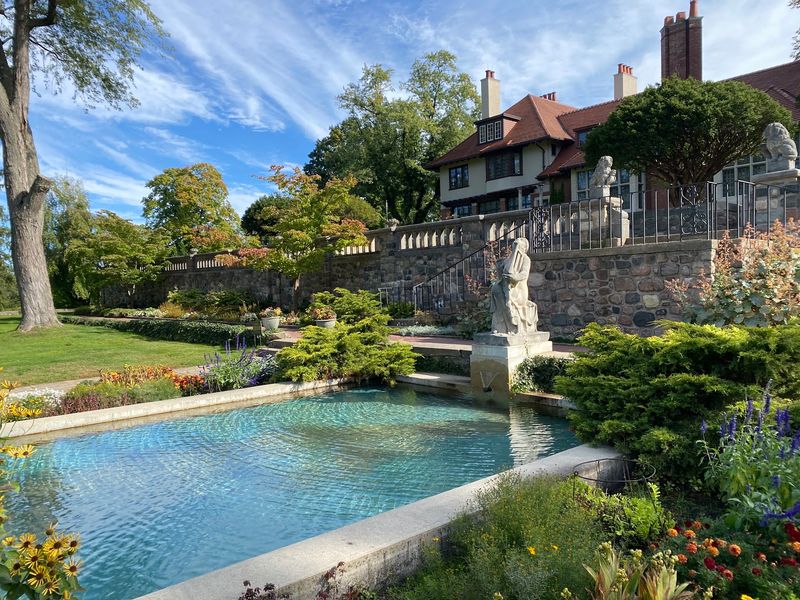
Some gardens have pretty flowers but no real center. Cranbrook House & Gardens has a clear anchor, and that is the 1908 estate home itself.
The house gives the surrounding land a sense of purpose, almost like every path and planting was planned to support a larger composition instead of standing alone as decoration.
The architecture adds weight to the experience. With its Arts and Crafts character, the building brings texture, proportion, and craftsmanship into the outdoor setting.
You notice rooflines, stone surfaces, and carefully placed windows, then look back at the lawns and garden beds and see how the two were meant to work together. That connection is a big reason the property carries such a strong historic mood.
Even if you do not take a house tour, the exterior still shapes your visit. The home rises above the gardens in a way that makes nearby fountains, walls, and terraces feel more formal.
Instead of a park with random points of interest, the estate reads like a complete environment. That gives every photo a stronger background and every walk a bit more structure.
For anyone planning a visit between May and October, checking whether tours are offered can add another layer to the day. Several people come for the grounds and end up glad they also looked inside, since the house helps explain the level of detail visible outdoors.
If tours are not available when you arrive, the garden visit still stands on its own.
A smart way to explore is to circle the house slowly and notice how the views shift. One angle frames flower beds.
Another picks up broad lawn. Then a turn reveals stonework against sky and trees, and suddenly the whole estate starts making visual sense.
Sunken Gardens, Fountains, and Corners Meant for Wandering
Not every part of Cranbrook House & Gardens asks for the same kind of attention. Some spaces are broad and formal, while others pull you in with smaller details.
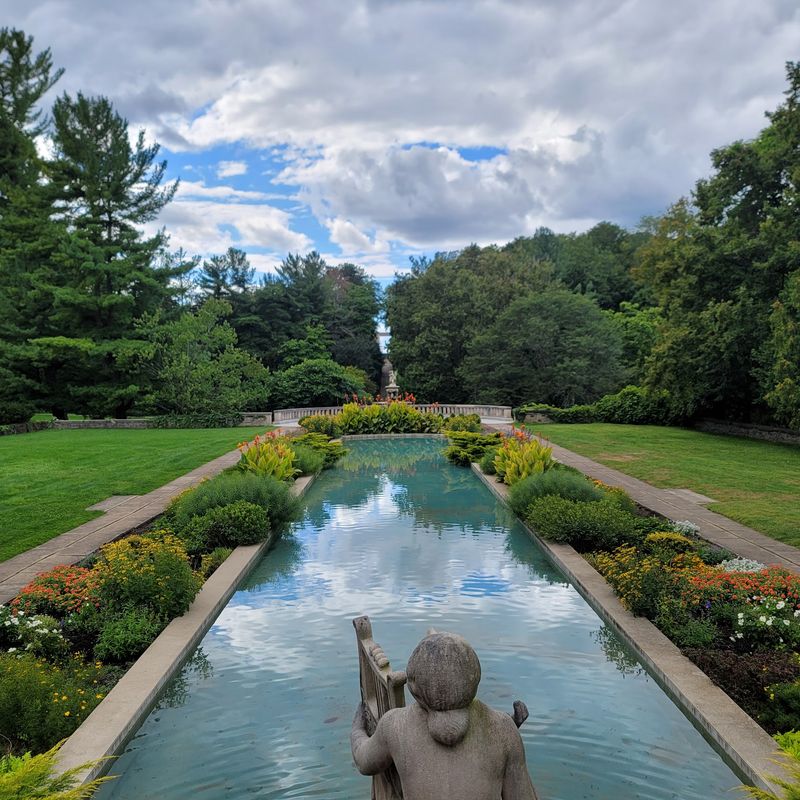
That variety keeps a walk here interesting, especially around the sunken garden areas, fountains, statues, and tucked-away corners that reward a slower pace.
The sunken garden stands out because it changes your viewpoint. Looking down into a lower garden level creates a stronger sense of design than a flat lawn can offer.
Beds appear more organized, stone edges become more noticeable, and the symmetry feels sharper. Add moving water from fountains, and the whole section gains sound as well as shape.
Statues and decorative features help break up the walk. They act like visual pauses between stretches of path, giving you reasons to stop rather than simply pass through.
For families, that can make the visit easier because younger walkers have frequent points of interest. For photographers and artists, these details offer framing opportunities that go beyond simple flower pictures.
A useful tip is to resist the urge to speed toward one famous spot and leave. Cranbrook works best when you allow for detours.
Read plaques when you see them, sit on a bench for a few minutes, and notice how one garden room leads into another. The property is large enough that a casual visit can still miss entire sections.
Season matters, too. In warm months, blooming beds and active fountains bring extra color and movement.
In colder weather, some features may be covered or quiet, but stone forms and layout become easier to study. Either way, the design still comes through.
That is one of the strongest signs of a garden planned with real staying power.
Michigan History Written in Stone and Pathways
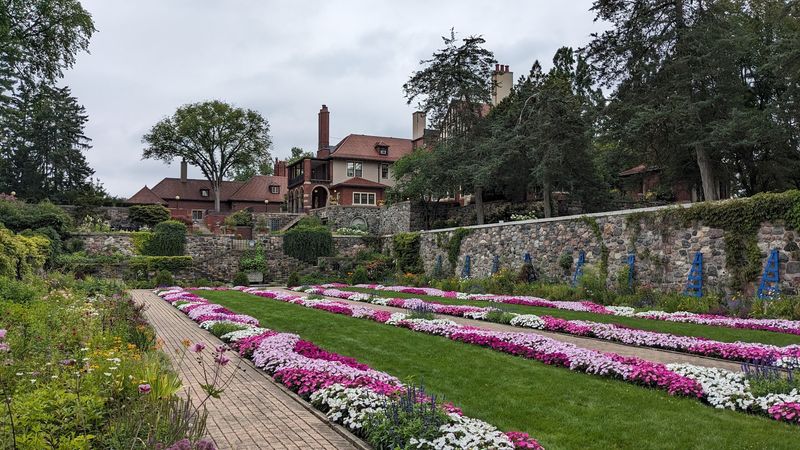
A lot of historic places rely on signs to explain why they matter. Cranbrook House & Gardens tells much of its story through layout, building materials, and the relationship between the house and land.
The estate began in 1908, and that date matters because the grounds still reflect design ideas from a time when homes and gardens were planned as one connected work.
You can see that history in the formal paths, the stone features, and the way garden spaces open in stages rather than all at once. There is a deliberate rhythm here.
Views are framed. Corners reveal themselves gradually.
Even when flowers are not at peak bloom, the bones of the place remain strong enough to carry the experience. That is a big part of why the grounds seem tied to an earlier era.
The house deepens that effect, but the landscape does plenty on its own. This is not a blank park with one old building dropped into it.
Instead, the grounds carry craftsmanship in their edges, walls, stairs, and water features. If you enjoy places where design choices still feel visible long after they were made, Cranbrook gives you clear evidence all over the property.
For students, families, or anyone curious about local heritage, it helps to treat the visit as more than a flower outing. Slow down enough to connect the garden structure with the estate’s age.
Plaques can add context, but careful looking goes a long way. Notice what materials were chosen and how they hold the setting together.
That is where the place becomes more than pretty scenery. The gardens show how a historic estate can remain active and accessible while still carrying the visual language of its original period, right there in Bloomfield Hills.
The Long Walk Pays Off Here
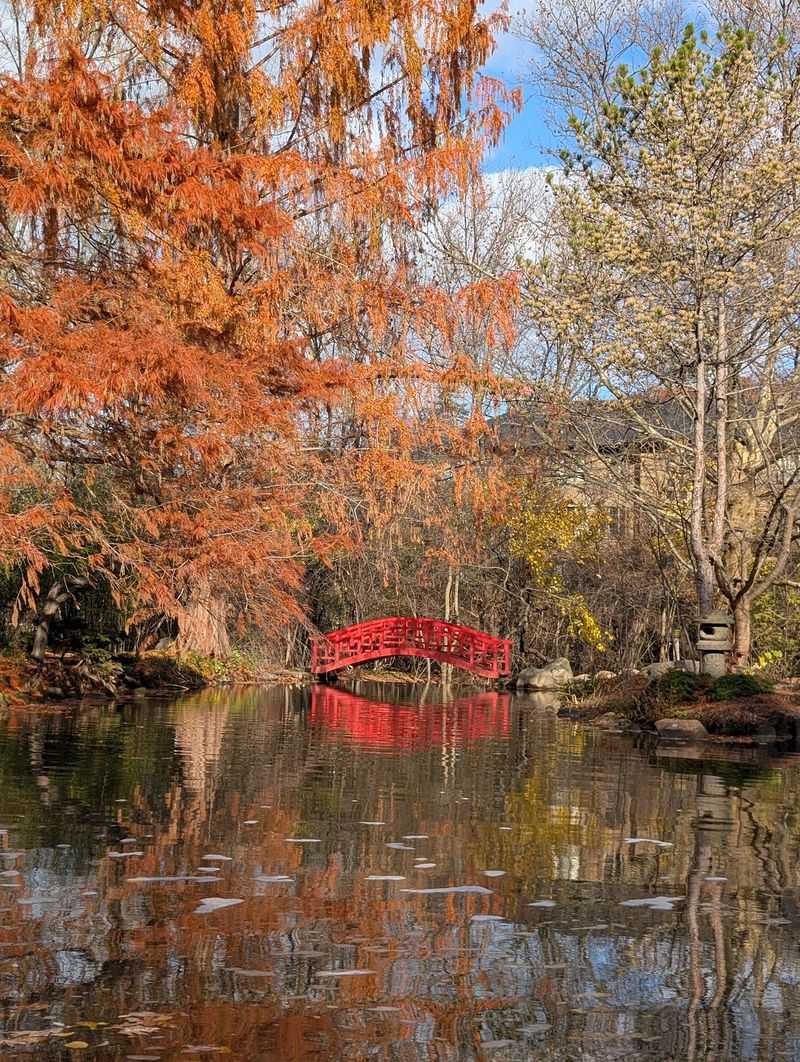
Some destinations are best seen in ten minutes. Cranbrook House & Gardens is not one of them.
The property rewards walking, and not the rushed kind where you snap a few photos and head back to the car. With 40 acres to explore, distance becomes part of the appeal, giving each section room to breathe.
The paths encourage movement without feeling like a hard hike. You can wander through formal garden areas, pass architectural features, and keep going toward quieter edges of the grounds.
Along the way, benches offer easy stopping points, which makes the visit friendly for mixed-age groups or anyone who wants a slower outing. The scale is large enough to feel expansive but still organized enough that you rarely feel lost.
That walking rhythm changes how you experience the estate. Instead of taking in everything at once, you collect the place in pieces.
A fountain appears after a turn. A new view of the house opens from farther back.
Tree cover gives way to bright lawn. Those shifts make the property engaging for people who like simple walks with visual variety rather than a single destination.
If you are planning time here, bring water, wear solid shoes, and allow longer than you think you need. Uneven paths can show up in parts of the grounds, so comfort matters more than dressing for photos.
Morning and late afternoon are especially nice for a quieter pace and softer light.
Walking also helps you understand why Cranbrook attracts repeat visits. Not every corner reveals itself on the first loop.
One trip might focus on the central gardens, while another might stretch farther toward nearby features on the larger campus. That built-in range keeps the estate interesting without requiring any big event or special program.
When to Go for Flowers, Snow, and the Quietest Views
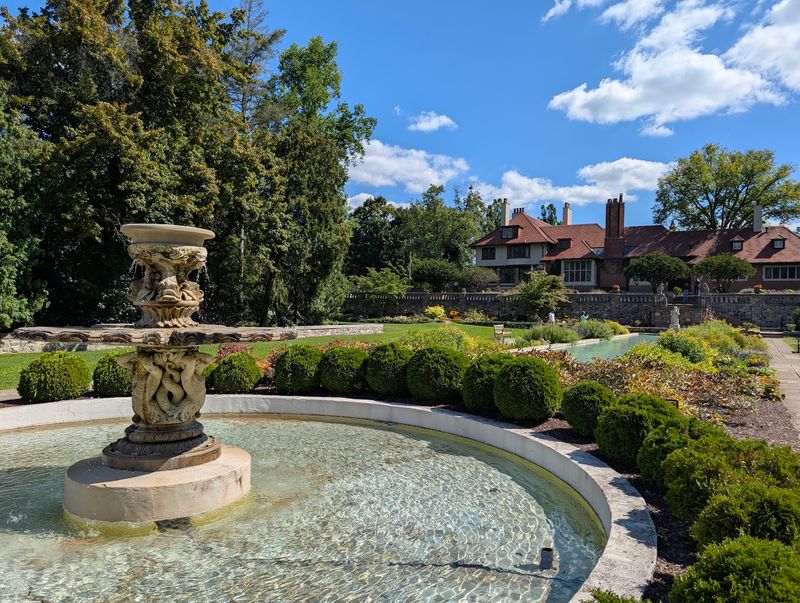
Timing changes Cranbrook House & Gardens more than you might expect. A summer visit highlights flowers, active fountains, and fuller color across the formal beds.
A winter visit strips the grounds back, letting stonework, tree lines, and the house itself take over. Both versions are strong, but they tell different stories.
From late spring through early fall, the gardens are at their most layered. Blooming sections bring contrast to the estate’s gray stone and trimmed greenery.
This is also the period when tours are commonly offered, which makes it easier to combine landscape time with a look inside the historic home. If you want the fullest version of Cranbrook, this is the season to aim for.
That said, colder months offer their own reward. Snow can simplify the property in a dramatic way, covering lawns and quieting the decorative features.
Fountains and statues may be closed off or covered, but the architecture becomes even more noticeable. A frozen or wintry backdrop gives the grounds a completely different mood, one that many people miss by only thinking of gardens as summer places.
Daily planning is simple because the grounds generally open at 8 AM and close at 5 PM. Earlier hours are a smart choice if you want softer light, fewer distractions, and cooler temperatures for walking.
Midday can still be enjoyable, but broad sun tends to flatten some of the visual depth in photos.
For the best balance, consider what you want most. Choose warm months for blossoms, water features, and the fullest range of color.
Pick fall for changing leaves and a richer mix of tones. Go in winter if bare branches, quiet paths, and the estate’s structural beauty sound more appealing than flower beds.
Why Cranbrook Stands Apart in Metro Detroit
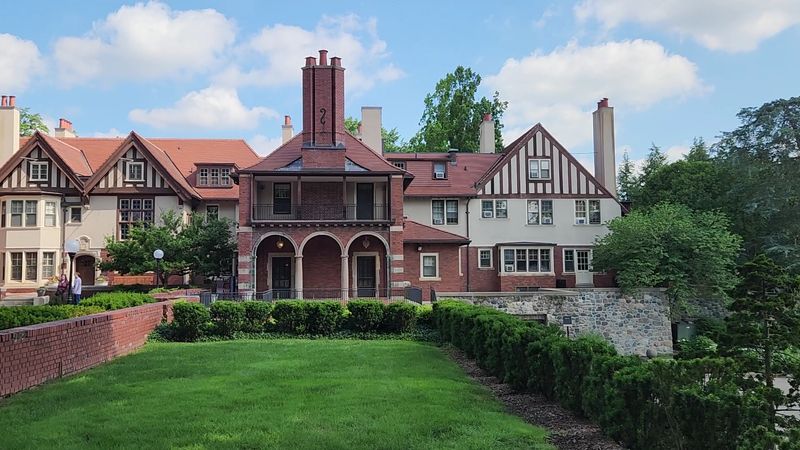
Plenty of places around Metro Detroit offer a decent walk or a nice photo background. Cranbrook House & Gardens stands apart because it combines several experiences in one setting without feeling cluttered.
You get history, design, architecture, and room to roam, all arranged on a scale that still feels calm instead of overwhelming.
The estate’s biggest strength is balance. Formal gardens create structure, but the grounds do not feel stiff.
Historic architecture gives the place identity, yet the outdoor areas remain welcoming for everyday visitors. You can come here to take pictures, meet a friend for a walk, sketch, read on a bench, or simply slow down for an hour.
That flexibility makes the property useful in a way many landmark sites are not.
Another advantage is accessibility in the basic sense of enjoying the space. Self-guided visits to the grounds are a draw for people who want a rewarding outing without complicated planning.
Parking and walking access help keep the day straightforward. Still, the setting never loses its sense of occasion.
Even a casual visit can feel more refined than a standard park stop.
If you are trying to decide whether Cranbrook deserves a spot on your list, think about what kind of place rarely gets built now. Forty acres tied to a 1908 estate, shaped by formal garden design, and still open for wandering is not common.
The property offers visual richness without depending on rides, events, or constant programming.
That is the sharpest reason it stands out. Cranbrook House & Gardens gives you a historic landscape that still works in the present tense.
You do not need expert knowledge to enjoy it. You just need time to walk, look closely, and let the grounds show how much character can fit inside one Bloomfield Hills address.