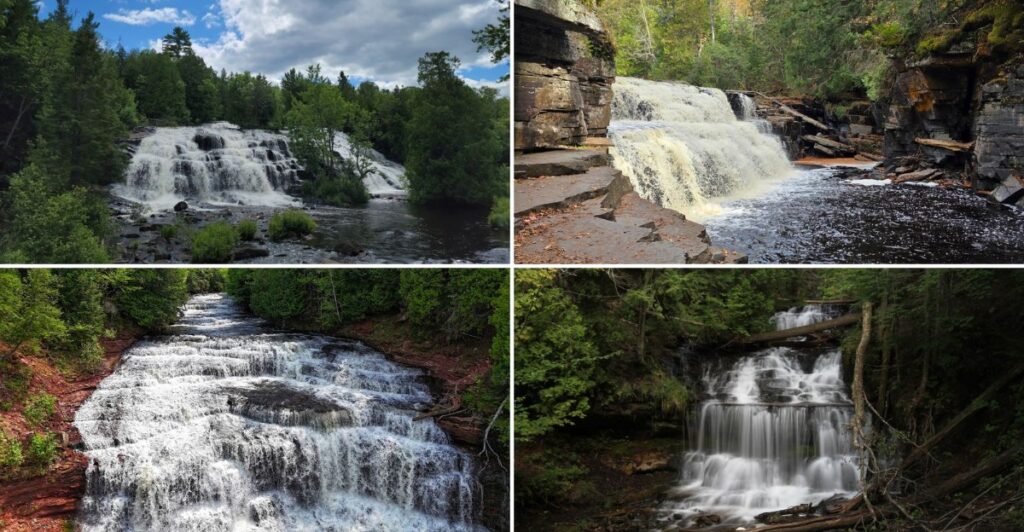
Rushing water has a way of making Michigan feel wilder, louder, and more dramatic with every stop. Across the state, waterfalls thunder through forests, tumble over rocky ledges, spill through gorges, and hide near lakeshore trails that show just how varied the landscape can be.
Some are easy to reach with a short walk, while others reward extra effort with bigger views and quieter surroundings. The appeal comes from the chase itself: sturdy shoes, a camera, fresh air, and the sound of water getting louder as you get closer.
For anyone ready to see Michigan at its most scenic, these waterfalls deserve a spot on the list.
1. Bond Falls, Near Paulding
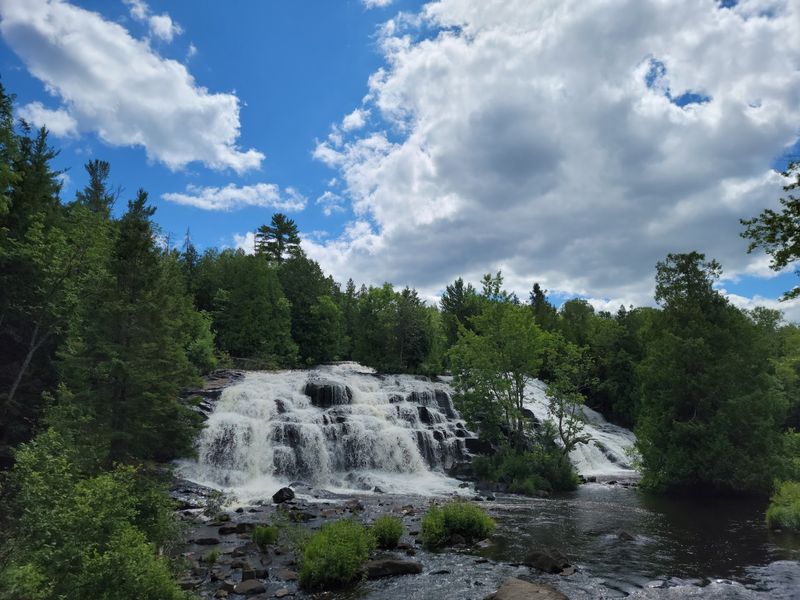
Few waterfalls in Michigan make a first impression quite like Bond Falls. Water spreads wide across dark rock shelves here, creating a layered curtain that looks powerful without being hard to enjoy up close.
The best part for many travelers is how easy it is to take in the scene. A boardwalk and viewing areas help you get strong views without a long, rough hike, which makes this stop friendly for mixed-age groups and anyone who wants big scenery with less effort.
Because the water fans out over several levels, you will notice something different from each angle. One spot highlights the width, another shows the drop, and another lets you hear the steady roar echoing through the trees.
Morning and late afternoon light can bring out extra color in the rocks and water. If you like photos, walk slowly and pause often, because Bond Falls changes character as you move along the path.
Footwear still matters, even on a more accessible outing. Boardwalks can be damp, railings can be cool and slick, and the ground near overlooks may hold mud after rain.
This is also a smart waterfall for a relaxed travel day. You can spend a short visit here and still leave satisfied, or you can linger, read the water, and enjoy the sound carrying through the forest.
During stronger flow periods, the falls can seem louder and fuller, while quieter times show more of the rock underneath. That variety is part of the fun, so if you return in another season, the scene may look surprisingly different.
Bond Falls proves a waterfall does not need a difficult trail to feel memorable. It simply delivers a broad, confident rush of water in a setting that invites you to slow down and watch.
2. Mosquito Falls, Pictured Rocks, Near Munising
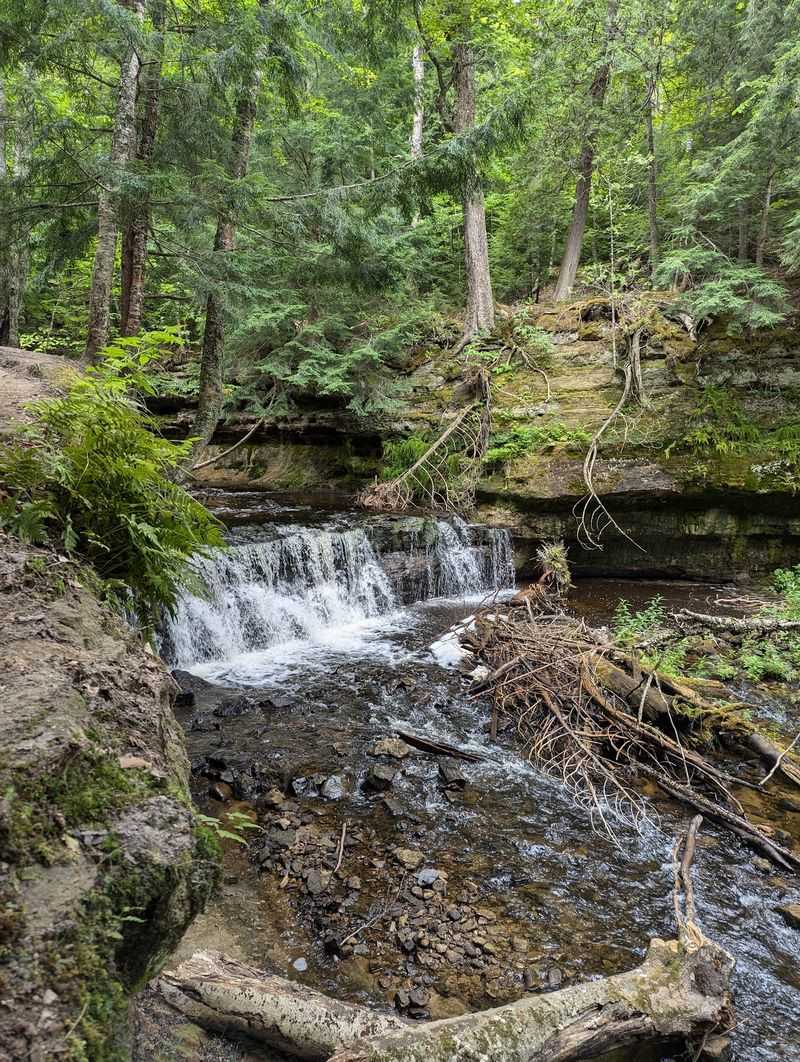
Names can be misleading, and Mosquito Falls is a good example. The waterfall itself is a calm, pretty reward tucked into a wooded part of Pictured Rocks, with water sliding over rock in a way that draws you in quietly rather than loudly.
Reaching it usually feels like part of the experience, not just the setup. The trail gives you forest views, changing light, and that nice moment when the sound of moving water starts to rise before the falls come into view.
Compared with some of Michigan’s bigger drops, this one works on a smaller scale. That is exactly why many people enjoy it.
The setting feels more tucked away, and the rocky channel gives the stream a neat, sculpted look.
You will want to pay attention to trail conditions before heading out. Wet roots, uneven ground, and muddy patches can slow you down, especially after rain or during spring melt.
Bug spray is a smart addition in warm months, and the name alone should remind you not to forget it. Even so, plenty of visitors decide the walk is absolutely manageable with the right prep.
For photos, soft light under the trees often works better than harsh midday sun. A steady hand helps too, since shaded waterfall spots can be dimmer than expected.
Mosquito Falls fits best into a day when you want to mix a modest hike with a scenic payoff. You are not coming here for giant drama.
You are coming for a cooler, quieter corner of Pictured Rocks where the stream, rocks, and woods come together nicely.
That smaller scale can actually make the stop stand out. Instead of racing in and out, you may find yourself listening longer than planned, watching the water work its way through the gorge.
3. Ocqueoc Falls, Near Rogers City
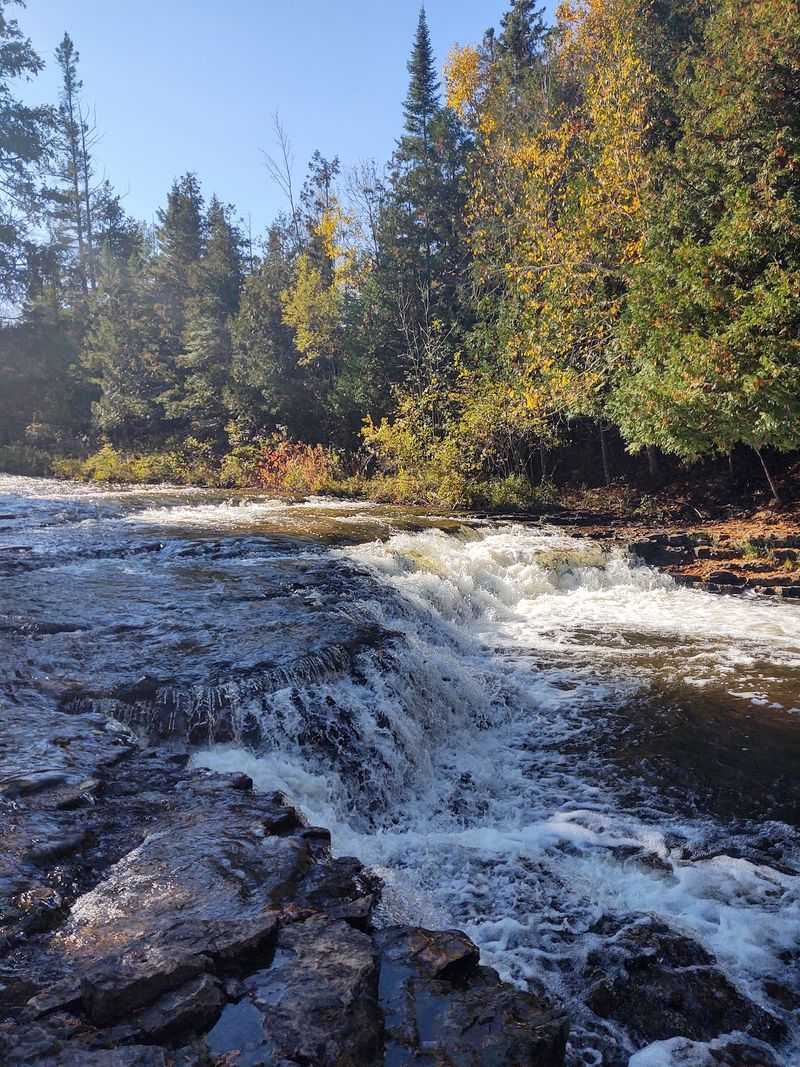
Ocqueoc Falls has a different personality right away. Instead of a towering plunge, you get a wide, low waterfall that spreads across rock and creates a lively stretch of river that is easy to appreciate from several points nearby.
One reason this stop stands out is its approachable layout. The area is known for being easier to access than many waterfall sites, so it works well if you want scenic water without committing to a long hike or tricky terrain.
Because the drop is lower, you notice the movement across the rocks more than a dramatic vertical fall. That gives the scene a playful, active quality, especially when the water level is strong and the current pushes through with extra speed.
Warmer months can make this area especially inviting for a longer pause. Some travelers treat it like a quick scenic stop, while others bring snacks, explore the nearby park space, and enjoy a slower afternoon around the river.
You should still be cautious around wet rock. Smooth surfaces near moving water can surprise you, and sandals with poor grip can turn an easy outing into an uncomfortable one fast.
Families often appreciate a place like this because the payoff comes quickly. There is no need to save energy for a major climb back out, and the waterfall is visible enough to keep younger visitors interested.
Photographers can play with different angles here, since the broad shape changes depending on where you stand. Closer views emphasize the texture of the water.
Wider shots show how the river spreads across the ledge.
Ocqueoc Falls may not be the tallest name on this list, but height is not the whole story. The accessible setting, broad rocky spill, and relaxed pace give it a style all its own, and that makes it a memorable northern Michigan stop.
4. Potawatomi Falls, Black River Scenic Byway, Near Bessemer
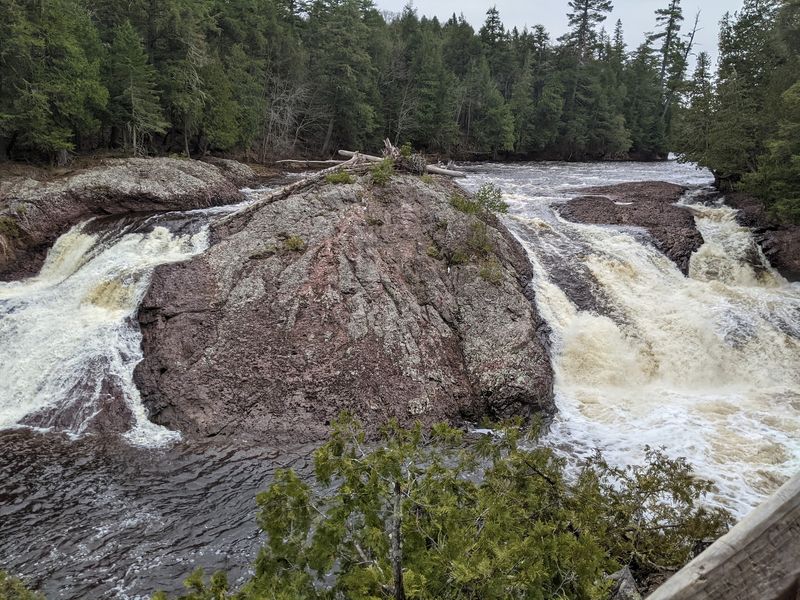
Potawatomi Falls brings a little extra edge to a waterfall outing. Set along the Black River Scenic Byway, it pairs rushing water with rugged terrain, and the result is a stop that feels energetic before you even reach the overlook.
The Black River area is known for serving up several waterfall experiences in one corridor, which makes planning simple. You can build a whole outing around the byway and still give each stop enough time to enjoy the changing shape of the river.
At Potawatomi Falls, the drop and surrounding gorge give the scene more punch than a gentle stream crossing. The water looks focused here, driving through rock with a force that catches your attention fast.
Stairs and paths in this area can be part of the adventure, so bring shoes that grip well and expect some effort. That little bit of work improves the payoff, especially when you reach a vantage point and hear the river pushing below.
Because the setting is more rugged, you will want to keep a close eye on footing. Wet leaves, exposed roots, and changing elevation can make the route more demanding than a basic roadside stop.
If you are traveling with a camera, take time to frame both the falls and the surrounding landscape. The gorge, trees, and dark rock often add as much drama as the water itself.
Cloudy days can actually help here by softening the light and reducing glare on the moving water. After rain, the river may appear even more forceful, though trails can also turn slicker, so pace yourself.
Potawatomi Falls works well for travelers who want scenery with a little grit. It is not only about seeing a waterfall.
It is about following the river through a wilder stretch of the Upper Peninsula and earning a better look with each careful step.
5. Sable Falls, Pictured Rocks, Grand Marais
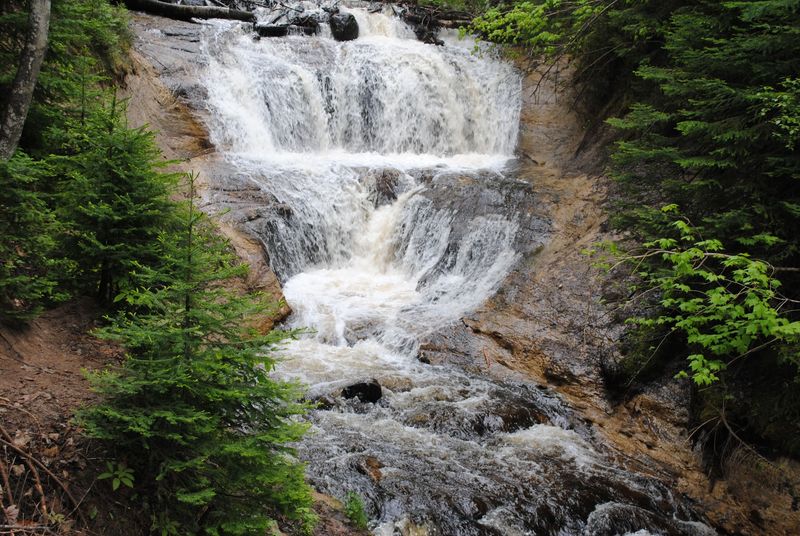
Sable Falls knows how to make an entrance. Reached by a stair-filled route through the woods, this waterfall drops in a series that gives you a satisfying mix of movement, sound, and changing viewpoints as you go.
The path down is a key part of the visit, so be ready for steps in both directions. Going down feels easy enough, but the climb back up can sneak up on you, especially on a warm day.
What you get in return is a waterfall with shape and texture. Instead of one plain sheet of water, Sable Falls breaks over rock in a way that creates several visual layers, making the scene more interesting the longer you look.
Trees crowd the area, which helps keep the setting cool and shaded. That can be a relief in summer, though it also means the ground may stay damp and a little slippery.
You will want to move carefully near overlooks and avoid rushing the stairs. A small pause on the way back up is a good idea, not only for comfort, but also because the forest surroundings deserve a second look.
Travelers often pair Sable Falls with other nearby Pictured Rocks sights, and that is a smart plan. The area offers plenty of scenic variety, so this stop can be one chapter in a day filled with shoreline views, trails, and other water features.
For pictures, the falling water contrasts nicely with the darker rock and greenery around it. Overcast weather can help bring out detail, while bright midday sun may create strong shadows in the trees.
Sable Falls is a nice reminder that a little stair climbing can lead to a strong reward. It gives you a tucked-in forest setting, a lively cascade, and just enough effort to make the visit feel active without becoming a major expedition.
6. Canyon Falls, Canyon Falls Roadside Park, Near L’Anse
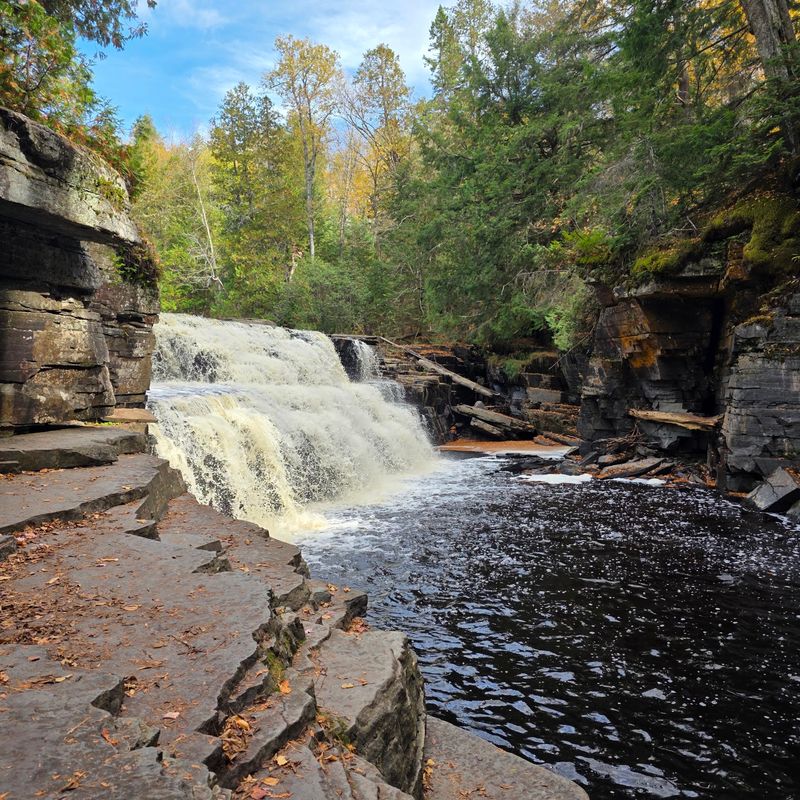
Canyon Falls offers a name that tells you exactly where to look. The river cuts through a rocky channel here, and the draw is not only the falling water but also the canyon-like setting that gives the whole stop extra texture.
Even though it starts from a roadside park, this is not just a step-out-and-done attraction. The trail can involve roots, uneven surfaces, and sections that ask you to watch every foot placement, so a little focus goes a long way.
That effort pays off with a stronger sense of discovery. As the sound builds and the gorge begins to open, the area feels wilder than many quick roadside labels suggest.
The falls themselves are part of a broader scene shaped by rock, current, and tree cover. Depending on water levels, you may find your attention shifting between the main drop and the way the river threads through the canyon around it.
Good shoes matter here more than fashion. Sneakers with worn soles are not the best pick for a trail that may include slick patches, exposed roots, and damp earth.
It helps to leave extra time for the walk back, especially if you are taking photos or moving carefully. Rushing through this site misses much of its appeal, because the route and the surroundings are tied closely to the experience.
If you enjoy variety in a waterfall stop, Canyon Falls gives you more than one thing to notice. The sound bounces differently off rock walls, the stream narrows and widens, and the forest frames everything in a way that changes from turn to turn.
Bring water, stay aware near edges, and expect a more natural trail than a polished park path. Canyon Falls rewards that extra bit of readiness with a scene that blends moving water and rugged terrain in a way that feels lively and memorable.
7. Scott Falls, Near Au Train
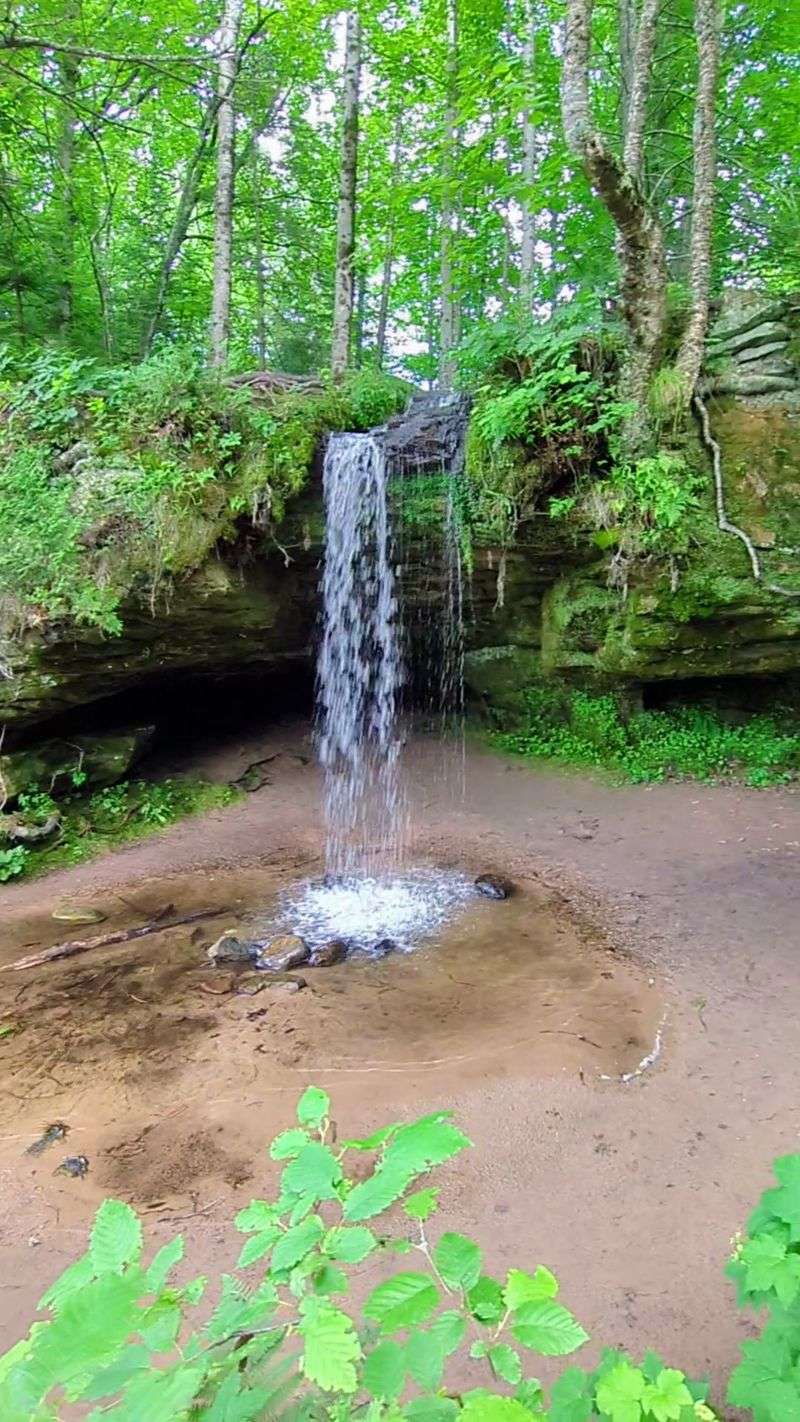
Scott Falls is the kind of place that catches attention fast. Its roadside location makes it one of the easier waterfalls to add to a travel day, and that quick access gives it a fun, almost unexpected charm.
You do not need a major hike to enjoy the view here, which is a big advantage when time is tight or the weather looks uncertain. For road trippers, that convenience can be the difference between talking about seeing a waterfall and actually stopping for one.
The waterfall itself drops over a rock face framed by greenery, giving it a neat, compact appearance. It is not oversized, but its setting does plenty of work, especially when the surrounding plants are lush and the water is flowing steadily.
Because it sits near the road, staying alert matters. Traffic, pull-off conditions, and slippery areas near the base can all affect the visit, so a little caution helps keep the stop simple and enjoyable.
Scott Falls works nicely for travelers who appreciate efficient scenery. You can take photos, listen to the water, and stretch your legs without turning the outing into a full trail project.
That does not mean it should be rushed. Short visits often become better when you slow down enough to notice details like the moss on the rock, the way the water separates as it falls, or the contrast between the roadside and the natural setting.
Cloudy weather often flatters this waterfall by reducing harsh glare. In brighter sun, the water can sparkle, but shadows may shift quickly depending on the time of day and tree cover.
Scott Falls proves that easy to reach does not mean forgettable. It offers a quick scenic reward with very little planning, which makes it a smart choice for families, casual explorers, or anyone threading several Upper Peninsula stops into one well-packed day.
8. Upper Tahquamenon Falls, Tahquamenon Falls State Park, Near Paradise
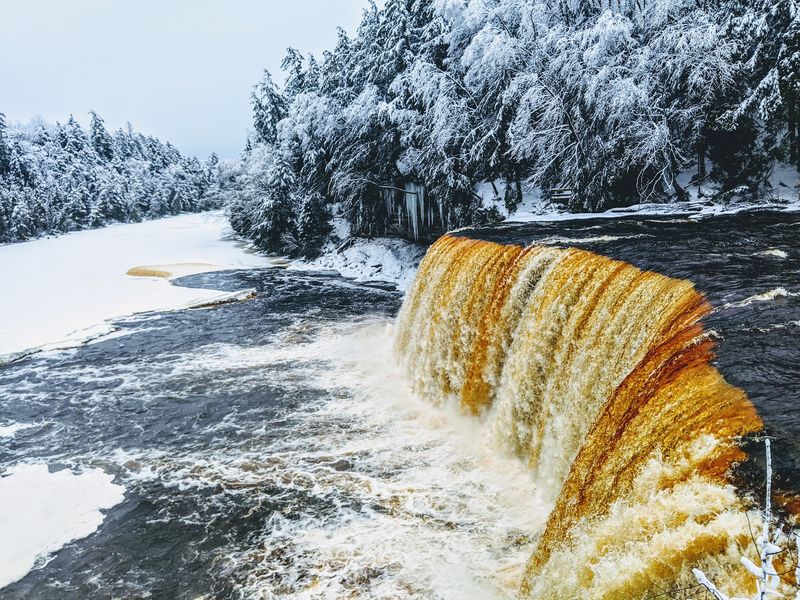
Big water changes the mood of a place, and Upper Tahquamenon Falls proves it quickly. This is one of Michigan’s most famous waterfall sights, known for its impressive width, strong flow, and the kind of sound that reaches you before the full view does.
Seeing it in person helps explain why so many travelers build a trip around it. The river pushes over the drop with serious force, creating a broad wall of movement that looks different from narrow, delicate cascades elsewhere in the state.
Viewing platforms and park infrastructure make the experience easier to navigate, but the falls still carry a wild scale. You are not looking at a tiny ribbon tucked in the woods.
You are facing a major river feature with real presence.
The water can appear darker or tea-colored, which adds character to the scene. That color often stands out in photos and makes the falls instantly recognizable compared with clearer or paler streams.
This park can attract plenty of visitors, so timing matters if you want a quieter look. Earlier hours or shoulder seasons may offer a little more breathing room on overlooks and trails.
You should still bring practical gear for a simple state park outing. Comfortable shoes, a light layer, and water are smart choices, especially if you plan to pair the main overlook with extra walking in the area.
For families, this is an easy pick because the scale feels exciting without requiring a remote backcountry effort. For photographers, the challenge is fitting that wide rush of water into a frame that also captures the surrounding forest and river.
Upper Tahquamenon Falls does not need fancy buildup. It succeeds through size, power, and a setting that gives you room to stop, watch, and understand why this waterfall is often one of the first names mentioned in any Michigan waterfall conversation.
9. Laughing Whitefish Falls, Near Sundell
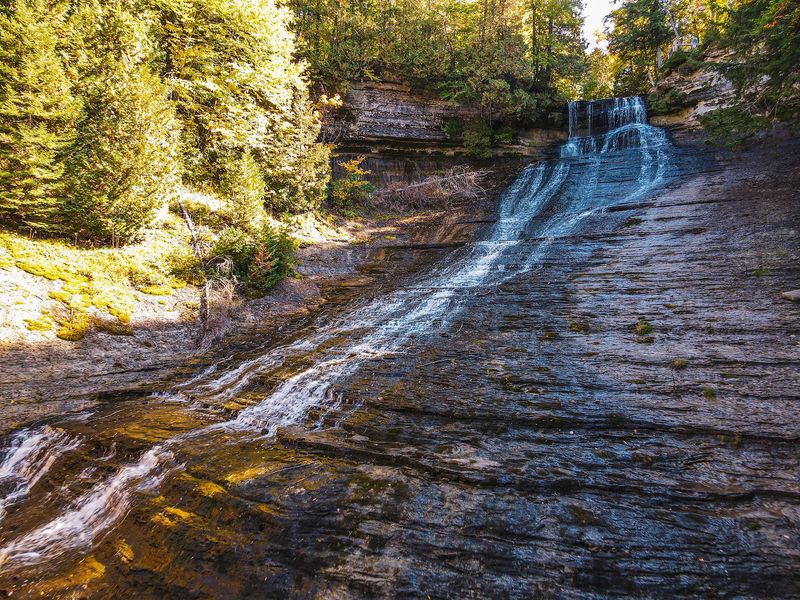
Laughing Whitefish Falls sounds cheerful, but the scene carries a more dramatic side too. This tall waterfall drops through a forested setting that gives you height, sound, and a long view shaped by layered rock and thick trees.
The approach often includes stairs and overlooks, so pacing yourself is a good move. On the way down, it is easy to focus on getting to the view.
On the way back up, those same steps can suddenly feel much longer.
Once the falls come into full sight, the vertical drop becomes the star. Instead of spreading wide, the water descends in a narrower line, which pulls your eyes downward and highlights the cliff-like setting around it.
The name may grab attention first, but the structure of the landscape is what tends to stay with people. Forest, elevation, and open sightlines work together nicely here, giving the waterfall a strong stage.
If you are visiting in cooler months, an extra layer can make the stop more comfortable, especially if wind moves through the overlook area. During wet conditions, the stairs and nearby surfaces deserve extra care.
This site can be especially rewarding for anyone who enjoys taking their time at a viewpoint. A taller waterfall asks you to look differently.
First at the top, then along the drop, then at the base where the water regroups and continues on.
Photographs often work best when they include some surrounding trees or railing for scale. Without those details, it can be harder to show how tall and steep the scene really is.
Laughing Whitefish Falls combines a memorable name with a striking shape. If your ideal waterfall stop includes a bit of effort, a strong overlook, and a vertical drop that commands attention, this one earns a solid place on the route.
10. Agate Falls, Near Trout Creek
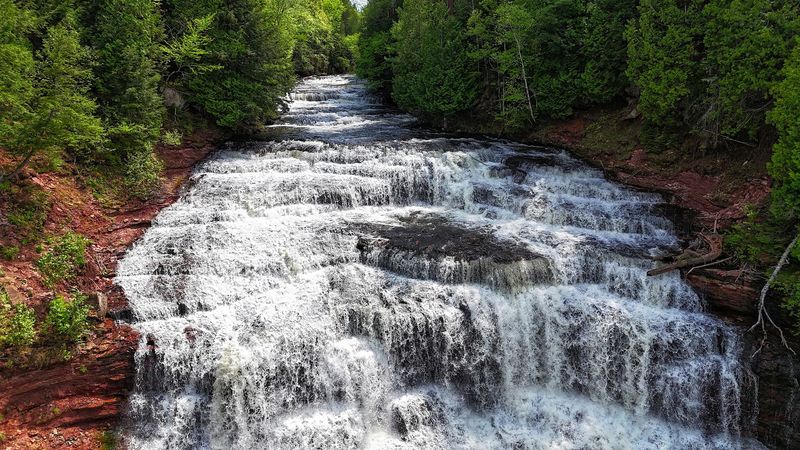
Agate Falls has a bold look that sticks with you. Water moves through rocky breaks here with a strong, churning style, creating a scene that feels rougher and more muscular than many softer woodland cascades.
The surrounding area adds to that mood. Forest and river corridor come together in a way that makes the waterfall seem anchored in a larger landscape, not isolated as a single photo stop.
Depending on your viewing point, the water may appear divided by rock features, which gives the falls extra shape. That broken, forceful flow is a big part of its visual punch and one reason the scene holds your attention.
You will want to check trail conditions and move carefully near any overlooks. Places with strong moving water and uneven natural surfaces deserve patience, even when the route itself seems manageable.
Agate Falls works well for travelers who like a waterfall with a little grit in its appearance. The charm here is not delicate detail.
It is the heavier rush of water colliding with rock and driving forward.
Bring a camera if you can, but expect it to take a few tries to capture the full effect. The falls have enough motion and texture that a single quick snapshot may miss the layered look of the current and rock.
Cloud cover can help reveal details in the water, while brighter conditions may add sparkle but also stronger contrast. In either case, a steady pause at the overlook usually rewards you with more than a glance can deliver.
Agate Falls fits best into a trip where you want variety among your stops. After smaller or quieter sites, this one can bring a welcome jolt of power.
It shows another side of Michigan waterfall country, one defined by rock, current, and a tougher river personality.
11. Chapel Falls, Pictured Rocks, Near Munising
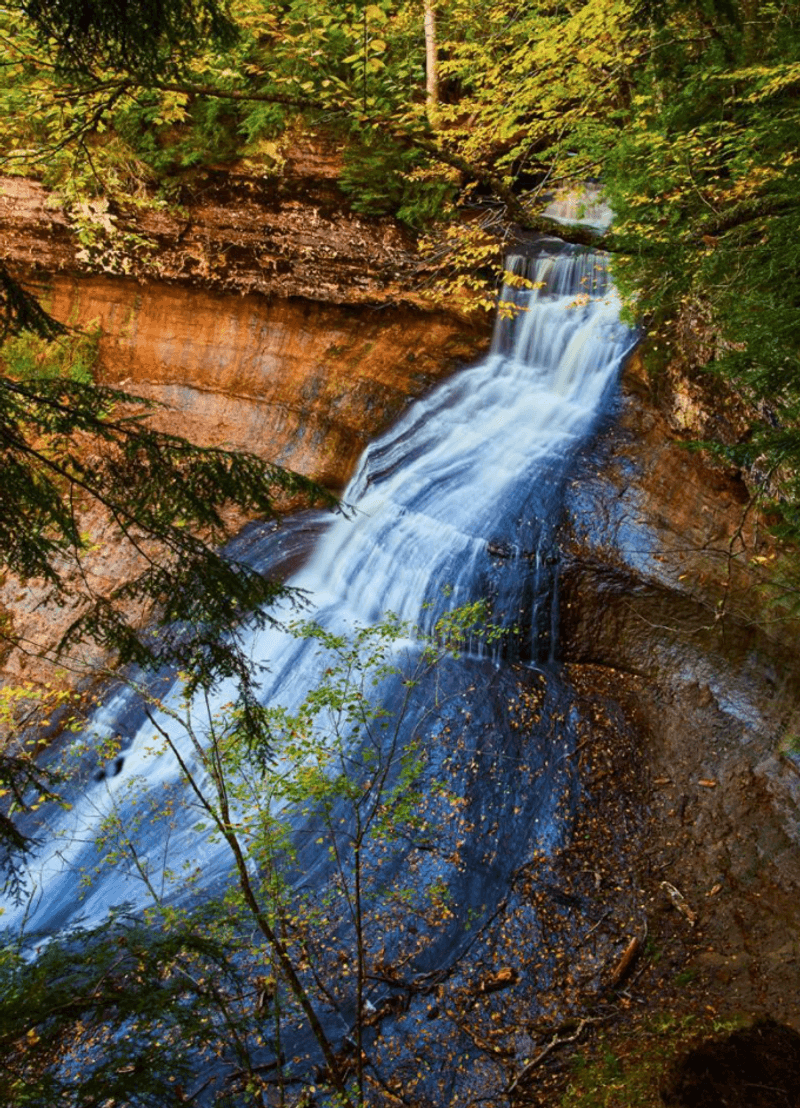
Chapel Falls asks for a bit more commitment, and that is part of its appeal. Reaching it usually means setting out on a trail rather than pulling into a quick overlook, so the waterfall arrives as a reward earned step by step.
The walk through Pictured Rocks country gives the outing its own rhythm. Trees, changing light, and the sound of the river slowly building all help create a stronger sense of arrival once the falls appear.
Chapel Falls is not only about the drop itself. The broader setting matters, with the river moving through forest and rock in a way that makes the whole area feel tied together rather than staged around one photo point.
Because the hike can take time, preparation makes a clear difference. Water, comfortable shoes, bug spray, and a simple trail plan can turn the outing from tiring guesswork into a much smoother day.
If you are exploring on a warmer afternoon, pacing matters. It is easy to spend energy early, especially if you are eager to reach the falls, but saving a little for the return walk is the smarter move.
At the viewing area, pause long enough to let the scene settle in. The falls may not hit with the sheer scale of a giant state park icon, yet the quieter woodland setting can make the stop more absorbing in a different way.
Photos tend to benefit from patience here. Forest light shifts, shadows move, and small changes in angle can help capture the shape of the water against darker rock and surrounding greenery.
Chapel Falls is a strong choice for travelers who enjoy making the route part of the memory. Instead of a simple roadside checkmark, you get a fuller outing with trail time, river sounds, and a waterfall that arrives naturally within the woods of Pictured Rocks.
12. Manabezho Falls, Porcupine Mountains Wilderness State Park
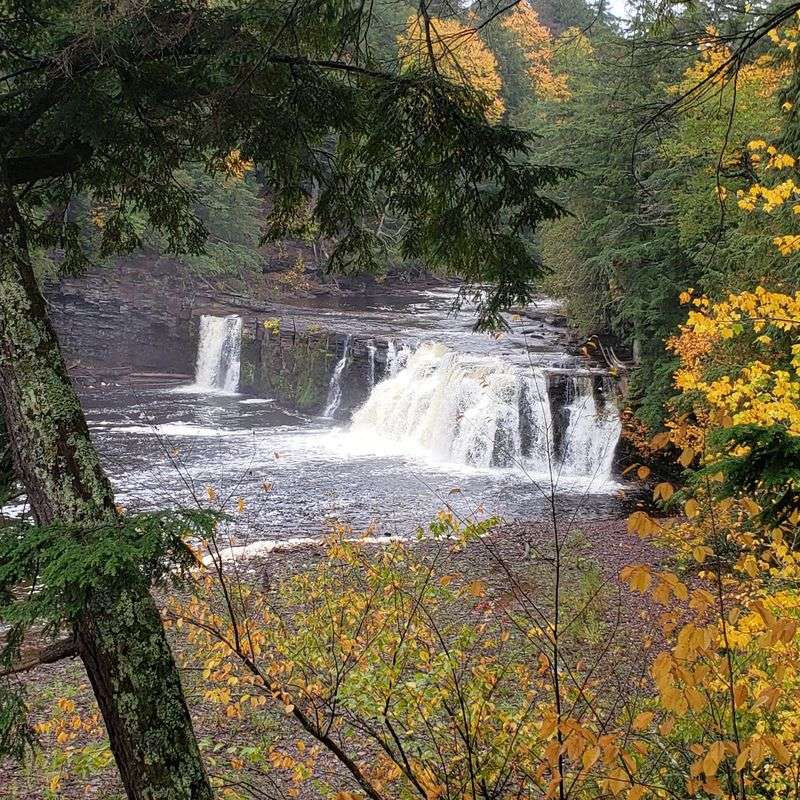
Manabezho Falls has a sturdy, rugged look that matches the Porcupine Mountains well. The river spreads and tumbles over rock ledges here, giving you a broad, active waterfall framed by one of Michigan’s most storied wilderness parks.
The setting does a lot of heavy lifting. In the Porkies, as many locals call the area, forests, rivers, and changing terrain combine to make even short stops feel tied to a bigger outdoor landscape.
At the falls, the water does not simply drop and disappear. It moves across uneven rock with texture and speed, creating a fuller scene that rewards a few extra minutes of watching from different angles.
If you are already exploring the park, Manabezho Falls is an easy place to understand. It reflects the area’s wilder side without demanding a grand speech about it.
Rock, current, and forest handle the job.
Trails and viewing spots may be damp, especially after rain, so decent shoes help. The more natural the route, the more useful steady footing becomes, particularly when roots and slick patches enter the picture.
This is a good stop for anyone who likes seeing how water shapes a river channel instead of focusing only on vertical height. The width and broken flow create movement across the whole scene, not just at one central drop.
Camera users may want both wide and tighter shots. A wide frame shows the relationship between the falls and the surrounding woods.
A closer one can capture the rough texture of the current over rock ledges.
Manabezho Falls fits naturally into a Porcupine Mountains trip because it shares the park’s practical beauty. Nothing about it needs overstatement.
You show up, hear the river working, and get a clear sense of why this corner of the Upper Peninsula has such a strong reputation among waterfall fans.
13. Wagner Falls, Near Munising
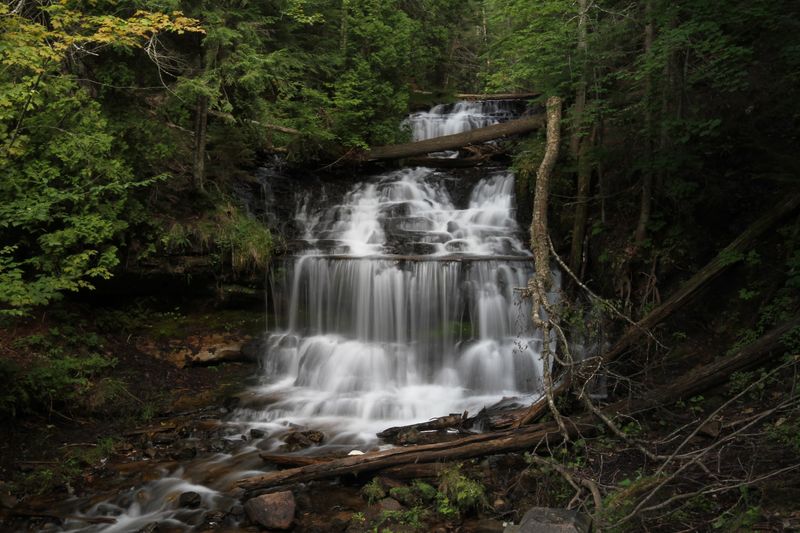
Wagner Falls has a quieter style, and that works in its favor. Instead of trying to overwhelm you with size, it draws attention through graceful flow, mossy surroundings, and an easy boardwalk approach that keeps the outing simple.
The walk in is short, which makes this a smart stop when you want scenery without a major time commitment. Families, casual travelers, and anyone stacking several Munising-area sights into one day often appreciate that convenience.
Once you reach the viewing area, the waterfall shows off a pleasing shape. Water slips over rock in a fan-like pattern, and the green setting around it adds softness without making the scene feel dull.
Because access is easier here, Wagner Falls can be a nice contrast to longer hikes nearby. You still get the sound of moving water and a strong visual reward, just without the same level of planning or physical effort.
That said, easy does not mean careless. Boardwalks can be slick when wet, and crowded moments call for patience if several people are trying to take photos at once.
For picture taking, this site can be especially friendly because the composition is so balanced. The waterfall, rock, and surrounding plant life naturally fit together in a way that often looks good even in a quick phone shot.
Soft, cloudy weather can make the greens richer and the water easier to photograph. In brighter conditions, the shade from surrounding trees may still help keep the scene from looking washed out.
Wagner Falls suits travelers who enjoy a calmer waterfall experience with very little hassle. It is polished by nature rather than by size, and that gives it a different kind of appeal.
When you want a shorter stop that still delivers strong visual charm, this Munising-area favorite handles the job well.
14. Miners Falls, Pictured Rocks, Near Munising
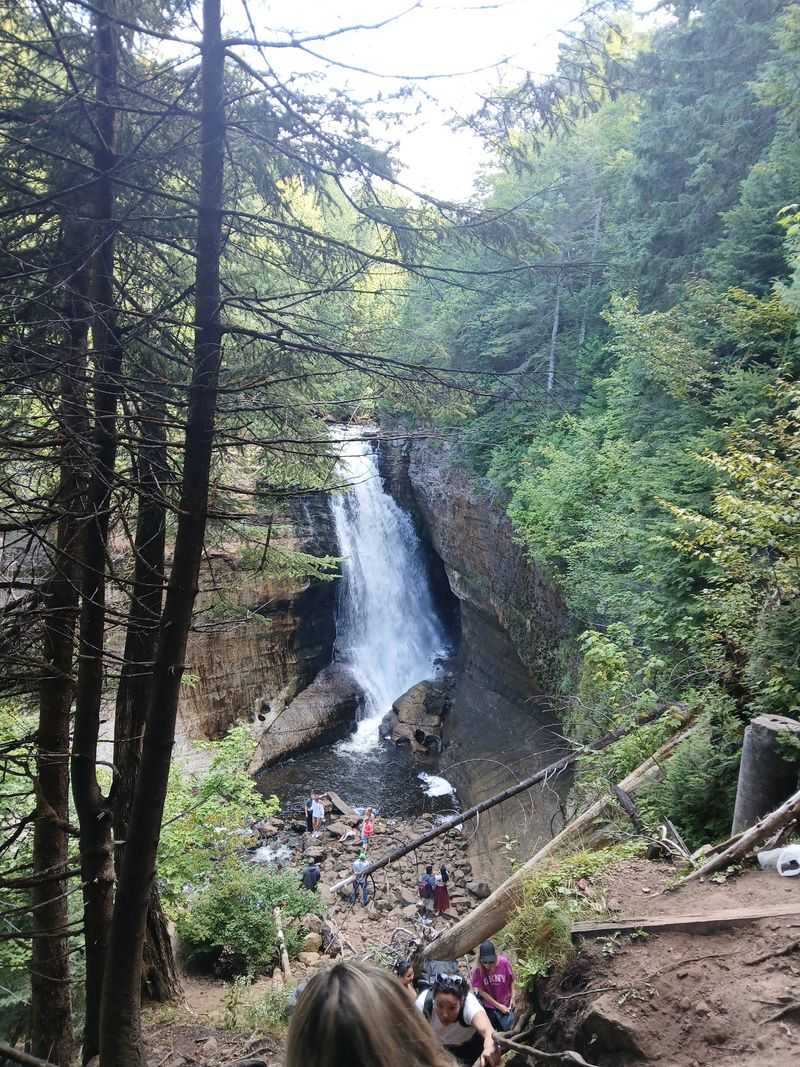
Miners Falls combines a satisfying trail with a waterfall that delivers clear drama at the end. Tucked within Pictured Rocks country, it gives you a taller drop and a strong overlook view that makes the walk feel well spent.
The trail is often considered manageable for many visitors, which helps make this site popular. You get enough distance to enjoy being in the woods, but not so much that the outing turns into an all-day challenge.
When the waterfall comes into view, the vertical drop takes over the scene. Water plunges into a gorge below, and the framing from the overlook helps emphasize both height and the darker rock around it.
Because this is a well-known stop, timing can shape the experience. Visiting earlier in the day or outside peak travel periods may give you a little more room to enjoy the platform and take photos without waiting.
The trail can still hold mud or damp spots, so comfortable shoes remain the smart choice. Bug spray and water also make sense, especially in warmer months when a short hike can feel longer in humid forest air.
Miners Falls is a good example of why the Munising area attracts so much attention from waterfall fans. It offers a strong balance: enough trail to feel active, enough access to stay widely appealing, and enough visual impact to stand out in a region full of scenic competition.
For photography, the overlook gives you a classic composition, but do not ignore the surrounding woods. Including trees, gorge walls, or railings can add scale and make the drop look even more impressive.
Miners Falls works for first-time waterfall hunters and seasoned Michigan explorers alike. It has the kind of straightforward scenic payoff that rarely disappoints, and it closes a Pictured Rocks waterfall day with the crisp, rushing finish many travelers hope to find.