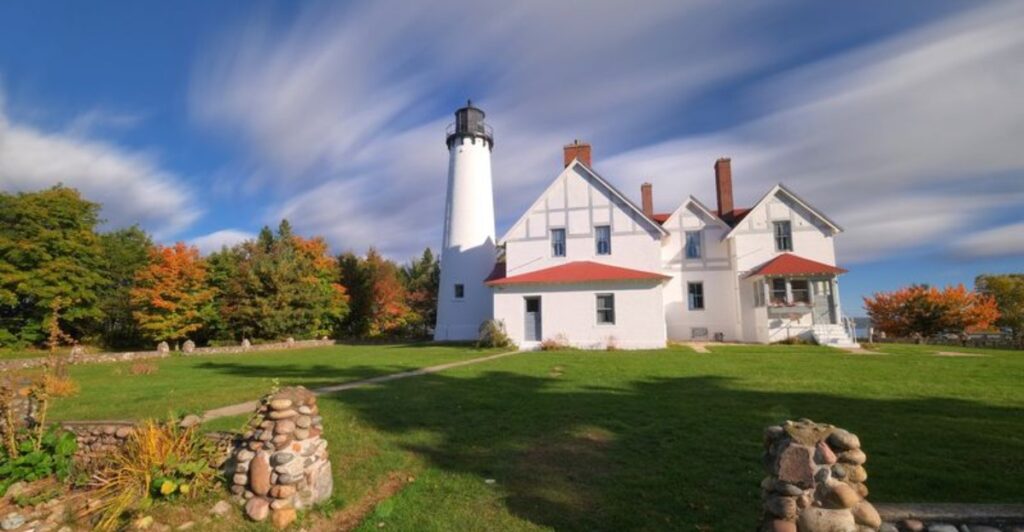
Peaceful places can feel even more powerful when the view comes with a story that reaches far beyond the shoreline. Along Lake Superior in Michigan’s Upper Peninsula, Point Iroquois Light Station stands above a rocky stretch of coast with big-water scenery, lighthouse history, and a name tied to older conflict and loss.
The appeal comes from that layered feeling, where a beautiful stop also invites visitors to think about the people, ships, and events connected to the land. It is quiet, scenic, and easy to explore, but not empty of meaning.
For anyone drawn to Michigan places where natural beauty and deep history meet, Point Iroquois deserves a closer look.
White walls above a hard blue lake
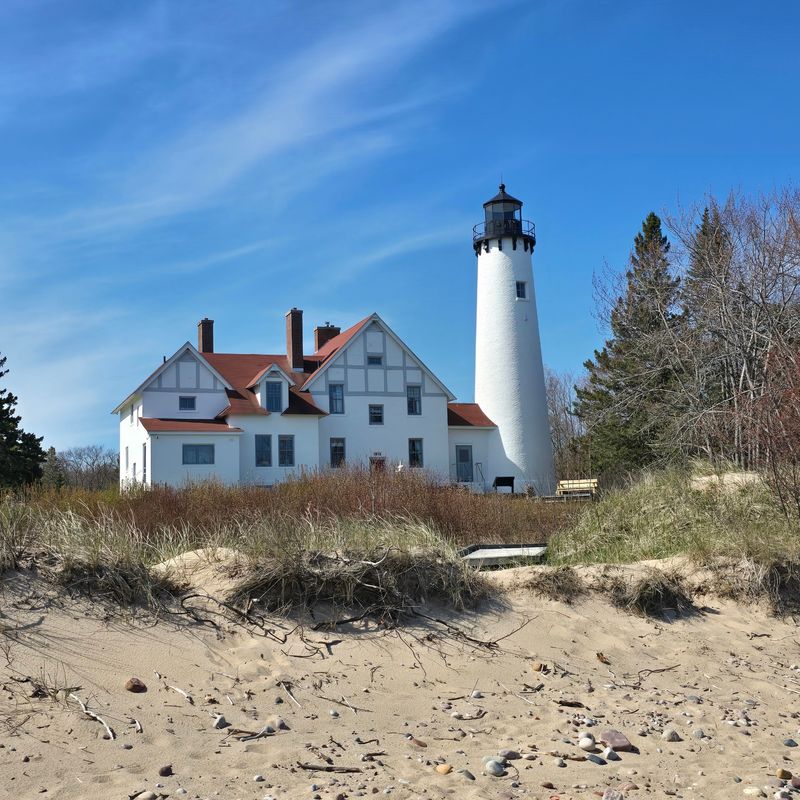
The first thing that grabs you here is the clean white lighthouse rising over one of the roughest, coldest lakes in North America. Against Lake Superior’s deep blue water, the building looks almost simple, but that plain shape is exactly why it stands out.
You do not need a grand gate or crowded entrance to know you have arrived somewhere important.
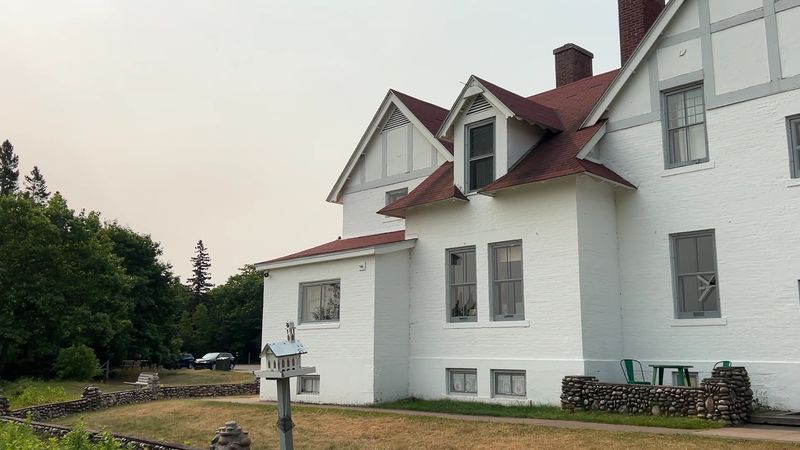
Set on a bluff near Whitefish Bay, Point Iroquois Light Station has a neat, cared-for look that sharpens the natural drama around it. Grass, trees, and tidy paths frame the station, while the shoreline below reminds you that this lake does not play around.
On windy days, the contrast gets even stronger, with whitecaps flashing far beyond the beach.
Photographers get a lot to work with in a small area. The tower gives you height, the keeper’s quarters add balance, and the lake provides a moving backdrop that changes by the minute.
Morning light makes the building glow softly, while later in the day the water can turn silver, steel, or dark navy.
If you are arriving by car, give yourself a minute before rushing toward the museum or beach path. Stand back and take in the full scene first.
That wider view helps you understand why this station mattered so much to ships entering and leaving this part of Lake Superior.
Even when the tower is closed, the grounds still deliver a strong sense of place. You can walk the paths, sit on a bench, and study the way the lighthouse watches the shore.
Plenty of lakeside landmarks are attractive, but this one has a clear visual logic. It was built to be seen, and it still is.
Seventy two steps to the working view
Climbing a lighthouse sounds romantic until the stairs start circling under your feet. At Point Iroquois, the tower climb is short enough for many visitors to manage, but it still gives you that tight, twisty feeling that makes the top seem earned.
By the time you reach the viewing level, the payoff is immediate.
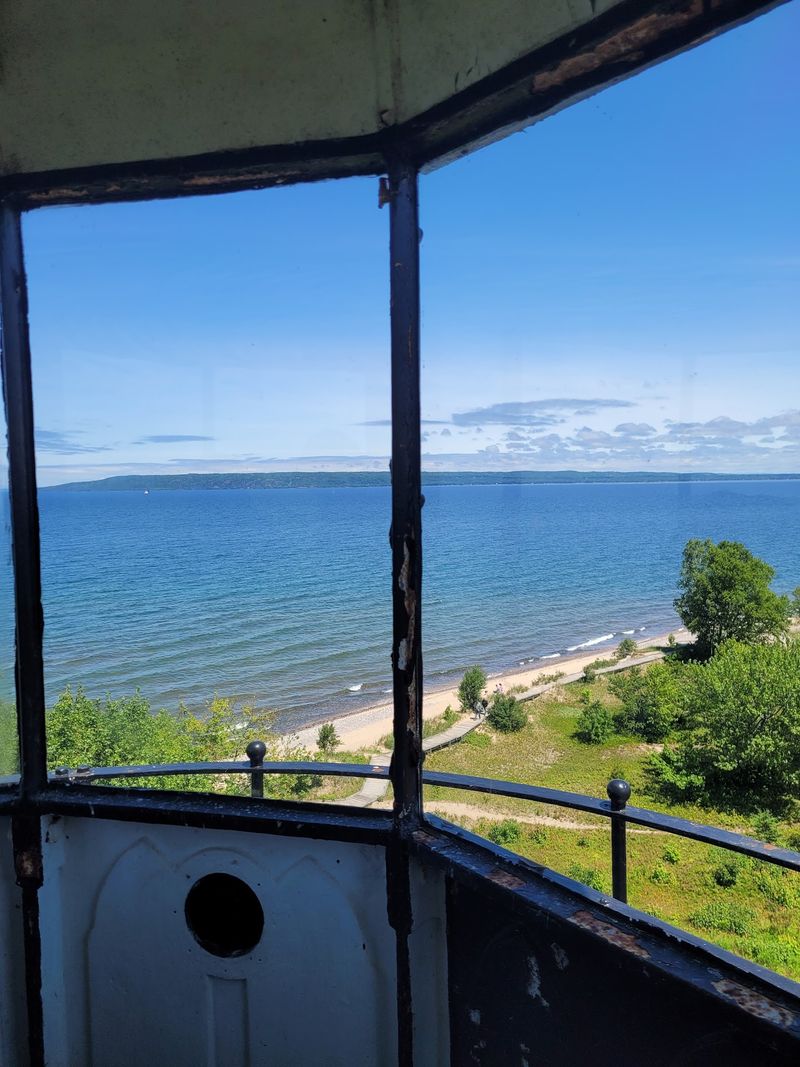
Lake Superior spreads out in a huge sweep, and the shoreline suddenly makes sense from above. You can see how the station was positioned to watch over traffic near Whitefish Bay and the approach toward the St. Marys River.
Forest presses in behind the buildings, while open water takes over everything ahead.
The view is not flashy in a theme-park way. It is practical, wide, and a little stern, which fits the history of the place.
A keeper standing here needed to read weather, waves, and distance fast, because ships depended on clear signals in a region known for fog, storms, and cold.
If heights make you uneasy, move slowly and keep one hand free for the railing. Wear shoes with grip, especially on wet days, and expect the upper space to feel warmer in summer.
Families with children can turn the climb into a simple lesson about how lighthouse work depended on both stamina and attention.
Best of all, the top changes how you read the whole property once you come back down. The boardwalk looks more purposeful.
The beach seems broader. Even the tower itself gains character after you have stood where the light once did its job.
You stop seeing only a historic building and start seeing a machine for guidance, built for a difficult shore and still explaining itself one step at a time.
A museum that turns the lighthouse into a real home
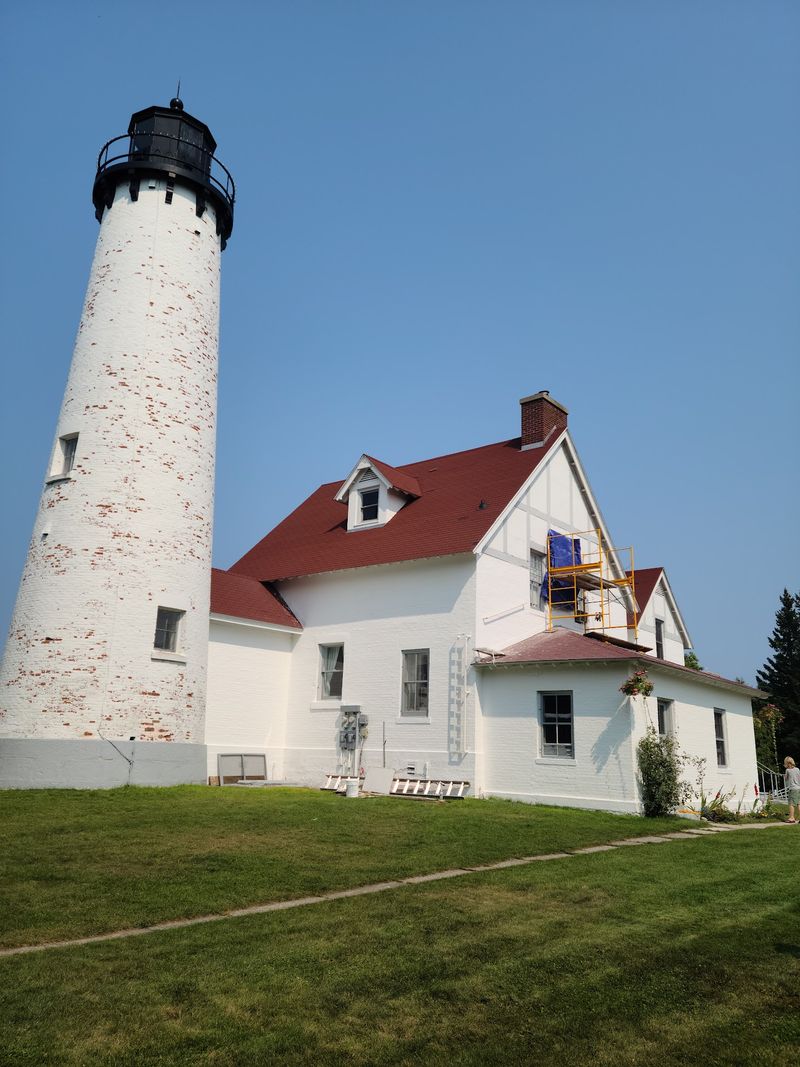
Plenty of lighthouse stops give you a quick photo and not much else. Point Iroquois goes further by letting the keeper’s quarters and museum add human scale to the story.
Once you step inside, the site stops being only a landmark and starts acting like a small history lesson with windows facing a giant lake.
Exhibits here help connect maritime history to everyday life. Instead of treating lighthouse work like a distant legend, the museum shows that real people cooked meals, climbed stairs, cleaned spaces, watched weather, and kept routines in an isolated place.
That domestic side matters because it explains how the light stayed dependable year after year.
The rooms also help younger visitors stay interested. A tower can be exciting for five minutes, but household objects, photos, and displays make the past easier to picture.
If you are traveling with kids, slow down and let them notice details such as room layouts, period furnishings, and tools connected to life on the station grounds.
Because the museum is modest in size, it works well even for travelers on a road trip schedule. You can learn something useful without committing half a day.
The pace stays manageable, which is helpful after time on the beach or after climbing the tower.
When staff are available, the visit often gets better. Questions about shipping, local geography, and lighthouse duties make more sense here than out by the parking area, because the setting gives each answer context.
Nearby displays, books, and interpretive material can point you toward the larger story of Great Lakes navigation.
If the interior is closed, do not write the place off. Read the outdoor panels and study the building closely from outside.
Still, when the museum is open, take advantage of it. The lake supplies the spectacle, but these rooms provide the missing layer that turns a scenic stop into a fuller understanding of life at Point Iroquois.
Why the shore carries a name linked to battle
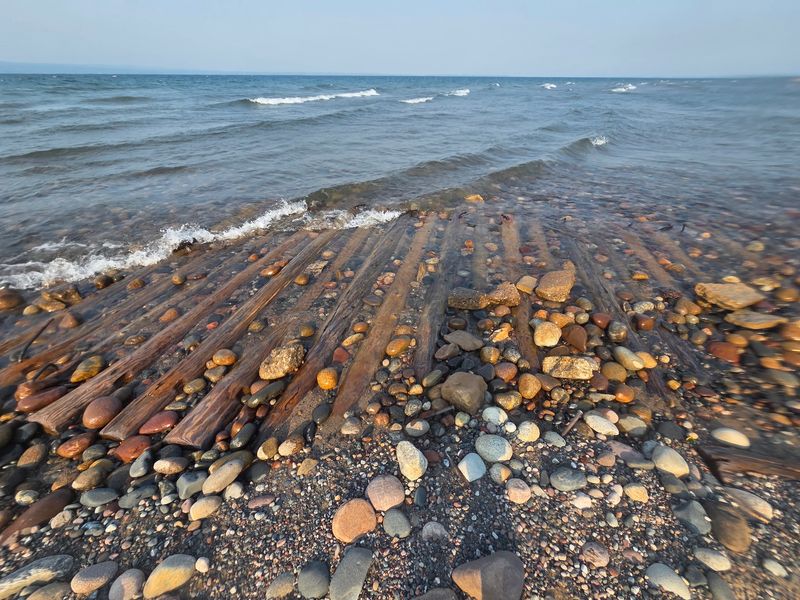
Names can tell you when a peaceful place has a rough backstory. Point Iroquois is one of those names.
Long before tourists came for photos, local history connected this point to conflict between Native groups, and that memory stayed attached to the shoreline.
Accounts commonly explain the name through a battle in the area involving Ojibwe people and attacking Iroquois warriors. Over time, the point took on the label Point Iroquois, turning an old clash into a permanent map marker.
Even if you arrive expecting only lake views, the name itself nudges you toward a deeper story.
That history matters because it changes how you understand the lighthouse setting. The station was built in a place already loaded with meaning, not on empty scenery waiting for a landmark.
Lake Superior coasts often get described as wild and untouched, yet many of them hold layers of travel, trade, conflict, and survival that go back far before the lighthouse era.
If you are exploring with children or curious friends, keep the explanation simple and respectful. A good approach is to say that the point remembers a time of danger and struggle, and later the lighthouse became another chapter in the story of people trying to move safely through this area.
That keeps the focus on learning rather than turning violence into drama.
Outdoor signs and museum material can help you place the lighthouse within the wider history of the eastern Upper Peninsula. Reading those details before walking to the beach makes the whole site more meaningful.
The land stops being background and starts acting like the first subject.
You do not need every answer before visiting. In fact, some of the power comes from seeing how a calm lawn, a white tower, and a blue horizon can stand over a place whose very name points back to conflict.
Few roadside landmarks ask you to hold beauty and history together quite so clearly.
Bones, burials, and the uneasy layer beneath the view
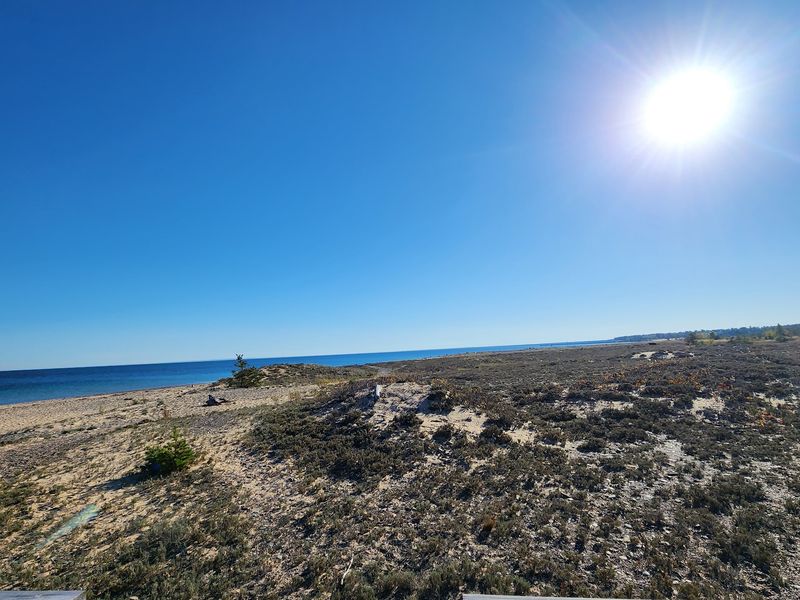
Not every beautiful shoreline comes with a comfortable story. Around Point Iroquois, local tradition has long connected the area not only with battle but also with bones, a reminder that death and burial were part of this coast’s past.
That does not mean the ground is presented as a spectacle. It means the place asks for a little humility.
Older accounts tied the point and nearby shoreline to human remains found in the area or to burial traditions remembered in local history. Details can vary depending on the source, so it is smartest not to repeat dramatic claims as if every version were settled fact.
A careful visitor treats the idea as part of the region’s historical memory and Indigenous past, not as campfire material.
That caution actually improves the visit. Instead of chasing a shocking story, you begin to notice how the land itself feels older than the lighthouse sitting above it.
The rocky beach, the cold water, and the steady wind create a setting where life was never casual, and where death would have been taken seriously.
If you head down to the shore, keep your focus on observation rather than collecting every possible object. Rock hunting is popular here, and the beach is excellent for it, but respect the site and leave anything that seems unusual or historically sensitive alone.
Good travel habits matter most in places layered with both natural and cultural significance.
For families, this section of the story can be handled in a calm, age-appropriate way. You can explain that some places remember sad parts of history and that being respectful is part of visiting well.
That lesson fits Point Iroquois better than any spooky retelling.
The result is a site with uncommon depth. You get the lighthouse, the lake, and the boardwalk, but you also get a reminder that the shore was meaningful long before it became scenic.
Under the bright sky and open water, older histories remain close to the surface.
Michigan boardwalk, rocky beach, and the best slow walk on site
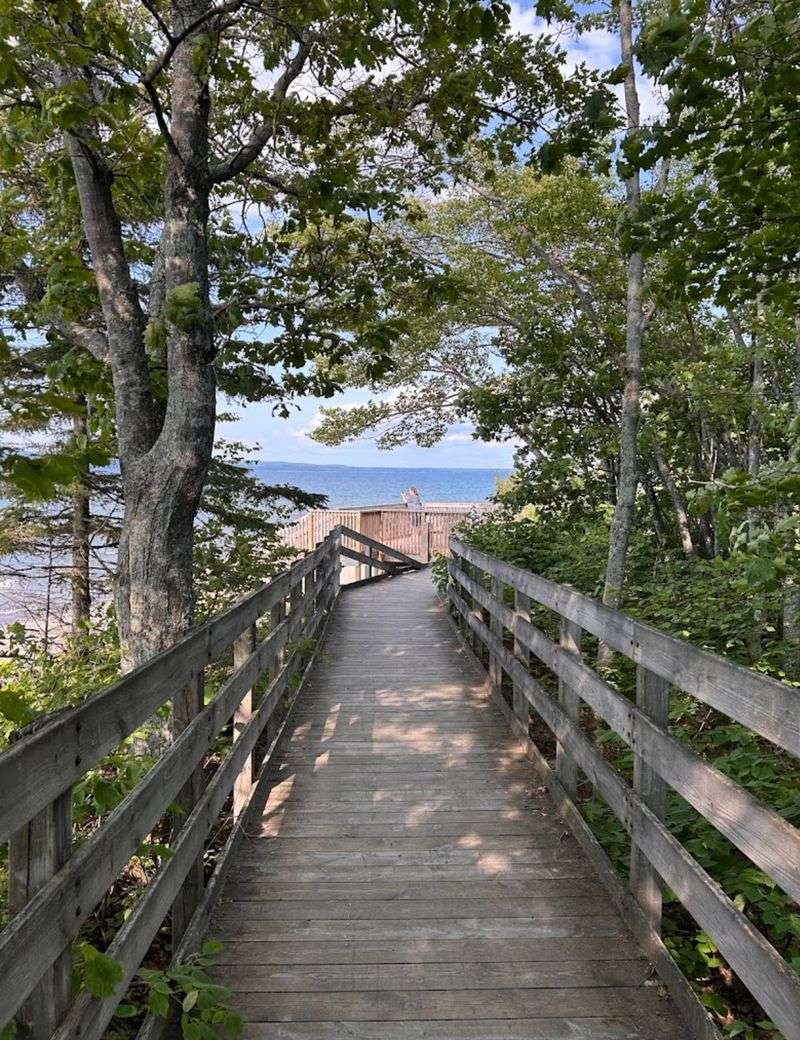
If the tower gives you the big picture, the boardwalk gives you the texture. Point Iroquois has a well-kept path that leads toward the Lake Superior shore, and it turns a simple visit into a layered one.
You move from lawn and buildings into trees, then out toward rock, water, and wind.
One of the best things about this route is how usable it is for different kinds of travelers. The accessible walkway makes the site more welcoming for visitors who want a scenic stretch without scrambling over uneven ground right away.
Benches along the way also make it easier to pause, look around, and notice how quickly the mood changes as the lake gets closer.
Down at the beach, the stones become part of the attraction. Rock hunting is a major reason people linger here, and the shoreline is full of rounded shapes, shifting colors, and the chance to spot something interesting among ordinary gray pieces.
Water shoes are a smart move because the beach is rocky, and the water stays very cold even in warmer months.
This is also a strong place for simple observation. Freighters may pass in the distance, waves can build fast on windy days, and the shoreline offers clean sightlines for photos without needing a long hike.
If the tower is closed, the beach walk still makes the stop worthwhile because it brings you into direct contact with the lake the lighthouse once monitored.
Try not to rush through this part. The best experience often comes from moving slowly, scanning the stones, listening to the water, and turning back now and then to see the lighthouse above the bluff.
That reverse view matters. It shows the station as sailors would have understood it, a marker raised above a difficult shore, calm in posture and practical in purpose.
How to time your stop so the site works for you
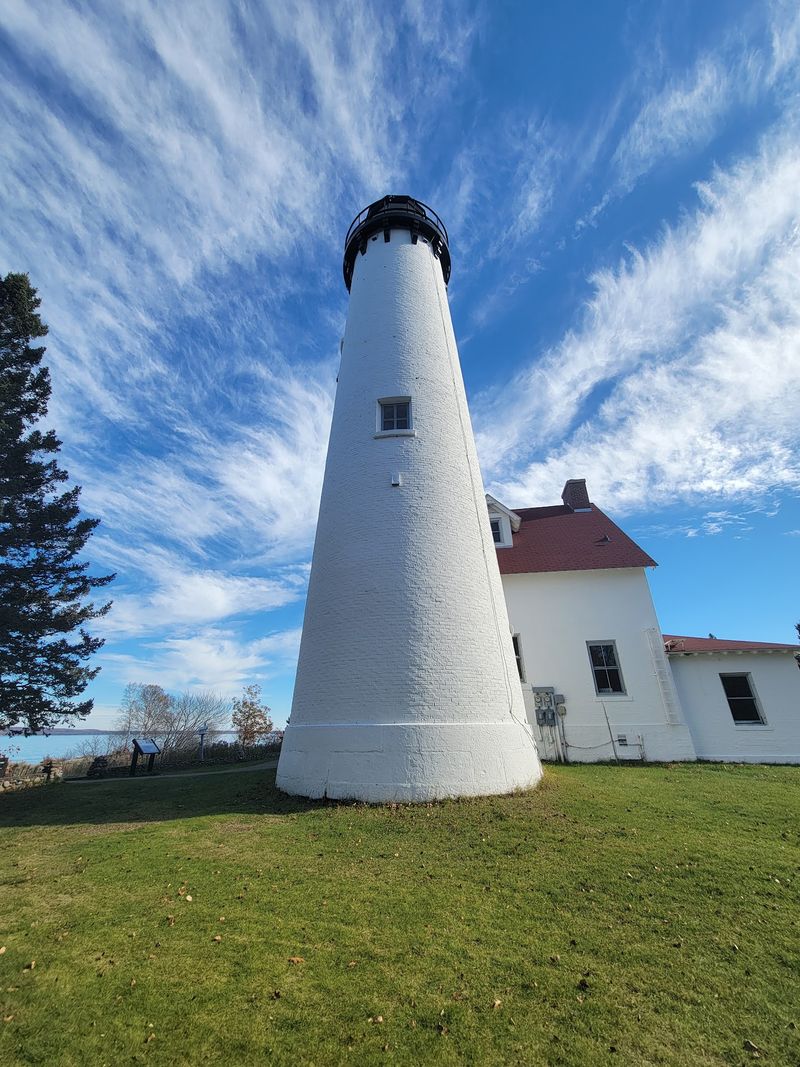
A little planning goes a long way at Point Iroquois because the grounds and the interior do not always offer the same experience. The site is often easiest to enjoy when you treat it as two visits in one.
First comes the outdoor setting, then, if open, the museum and tower.
Current operating hours usually center on late morning through afternoon on select days, with closures on some days of the week. That means an early arrival can be great for beach walking and photos, but not for going inside right away.
If you want the full package, check timing before you go and build in enough room for both the outdoor loop and the interior exhibits.
Weather shapes the stop more than many travelers expect. Bright sun can make the grounds sparkle, but wind off Lake Superior changes comfort fast.
Bring a light layer even on warmer days, and keep in mind that the tower can feel hot at the top while the beach stays chilly.
Good shoes help more than fancy gear. A paved or boardwalk section makes access easier near the main grounds, but the rocky beach calls for steady footing.
Families may want snacks, water, and a small bag for extra layers, especially if children plan to spend a long time hunting for stones.
Parking and site layout are friendly enough for a short roadside break, yet the stop rewards anyone who gives it more than fifteen rushed minutes. Restrooms may be available during open hours, and the grounds themselves are tidy and straightforward to navigate.
That ease makes Point Iroquois a smart addition to a Whitefish Bay scenic drive.
If the day turns gray, do not cancel too quickly. Moody weather suits this lighthouse.
Mist, wind, and colder light can make the history of the place easier to imagine. Just adjust your expectations, dress for the lake, and let the site show its practical side instead of waiting for a perfect beach afternoon.
Why this overlooked station still matters on Lake Superior
Some lighthouses win attention through size, fame, or dramatic legends. Point Iroquois works differently.
Its strength comes from balance, with enough beauty to pull you in and enough history to keep the visit from turning into only another scenic stop.
Start adding up the pieces and the station becomes unusually complete. You get a restored lighthouse, a climbable tower when open, a museum inside the keeper’s quarters, a boardwalk that improves access, and a rocky Lake Superior shore that is interesting on its own.
Very few elements feel decorative. Each one helps explain why this place functioned the way it did.
Then there is the title story hanging over the visit. A lighthouse that still guards a shore associated with battle and bones carries a different weight than one standing in a purely postcard setting.
The peaceful lawn is real, but so are the older human stories tied to the point. That contrast gives the station substance.
For road trippers in the eastern Upper Peninsula, the location also fills an important gap. It offers direct contact with Lake Superior without demanding a long backcountry effort, and it does so in a format that works for history fans, casual sightseers, and families alike.
You can make the stop short and satisfying, or stretch it into a deeper visit by combining the tower, museum, shoreline walk, and quiet time on a bench.
What finally sets Point Iroquois apart is clarity. The site shows exactly where you are, what the lake can be, and why this stretch of coast mattered.
No oversized entertainment layer is needed. The bluff, the building, and the water do the explaining. That is why the station still deserves attention. It may be less famous than other Great Lakes lights, but it tells a fuller story than many bigger attractions.
At Point Iroquois, the view is only the beginning, and the shore beneath it refuses to be simple.