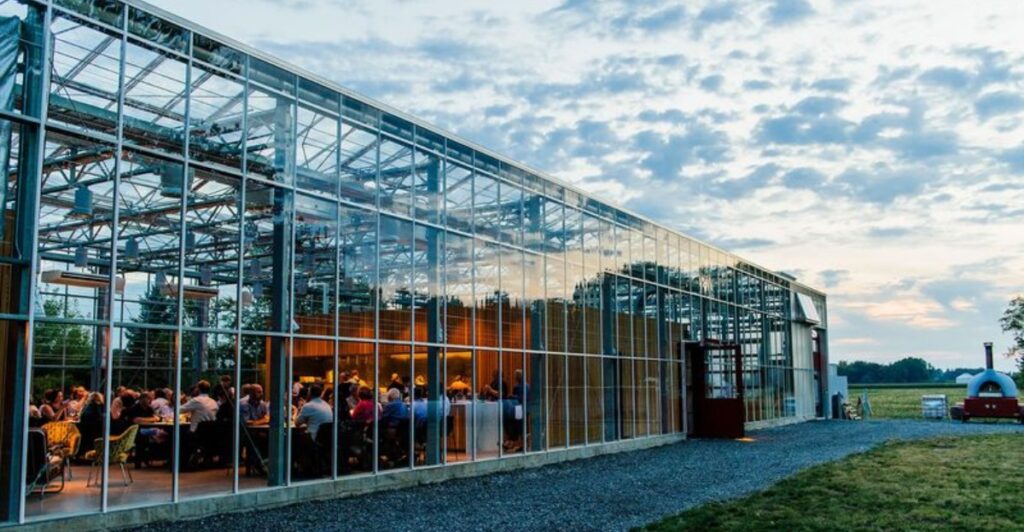
Dinner feels more memorable when the farm is not just behind the menu, but all around the table. In southwest Michigan, Granor Farm turns a reservation into a full setting with multi-course meals served in a striking glass greenhouse surrounded by the fields that help shape what appears on the plate.
The appeal comes from that close connection between fresh food, thoughtful design, and the working farm itself. It is the kind of meal that feels beautiful without losing sight of where the ingredients begin.
For anyone drawn to Michigan dining experiences with scenery, seasonality, and a deeper sense of place, Granor Farm stands out fast.
A Greenhouse Dining Room That Stops You Cold
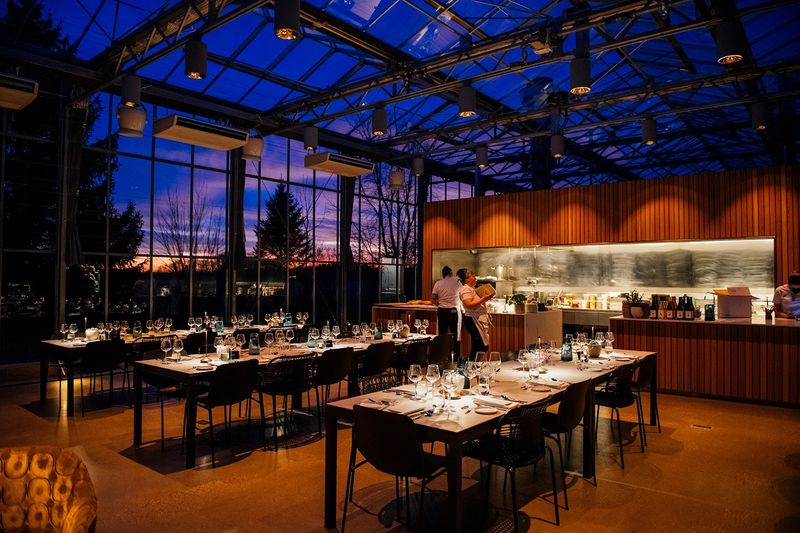
At some restaurants, the room fades into the background. Here, the room is part of the event.
Granor Farm uses a glass greenhouse as its dining space, and that choice changes the mood before the first plate even arrives.
Light moves through the structure in a way that regular walls never could. During the day, the greenhouse picks up the soft colors of the farm, and later it glows with a polished, candlelit warmth that makes dinner feel special without becoming stiff or formal.
You are still on a working farm, yet the setting has a clean, carefully arranged look that lifts the whole evening.
That contrast is a big reason the place catches attention. A greenhouse usually suggests seedlings, watering cans, and rows of young plants.
At Granor Farm, it also becomes a dining room where glasses shine, plates are presented with care, and conversation fits the space instead of fighting it.
Even the structure itself tells part of the story. Transparent walls keep you connected to the land outside, so dinner never feels separated from the source of the meal.
Instead of blocking out the farm, the greenhouse frames it. Trees, fields, and changing skies remain part of what you see while you eat.
If you are planning a visit, arrive ready to notice the details. Look at how the tables are placed, how the glass catches late light, and how the farm remains visible around the edges of the meal.
Plenty of places serve good food. Far fewer let the building explain the whole idea in one glance, and Granor Farm does exactly that in a way that is both simple and striking.
Multi-Course Meals Built Around the Farm
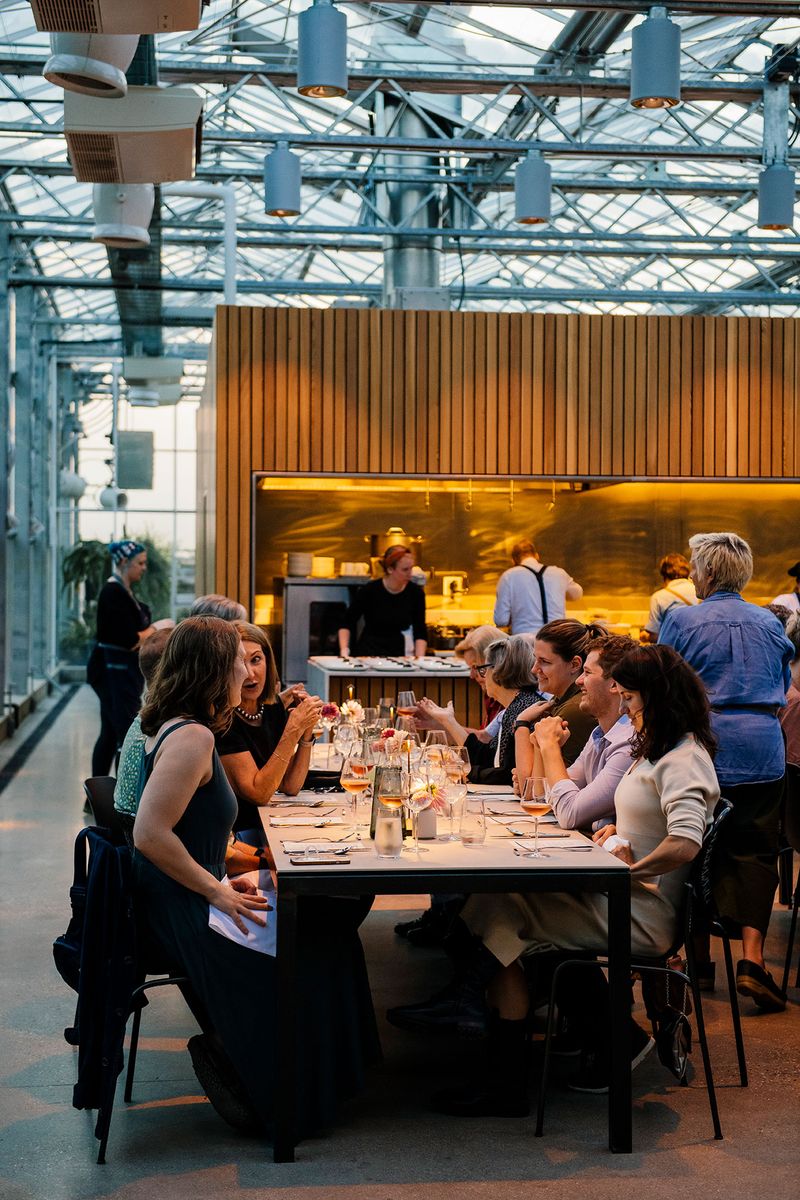
Forget the usual dinner pattern of appetizer, entree, dessert, and done. At Granor Farm, the meal is built as a longer experience, often with several courses that unfold slowly and give the kitchen room to show range.
That matters because the farm itself supplies much of the inspiration.
Seasonal produce takes a leading role here. Reviews point again and again to the freshness of the ingredients, and the menu appears to shift with what is being grown, harvested, or highlighted at that time.
Some dinners have featured oysters, salad, white fish, chicken, breads, dips, chowder, or desserts, while other evenings have leaned more heavily into vegetables and creative combinations.
That variety is worth knowing before you book. A multi-course farm dinner does not always mean a giant steak in the center of the plate.
Instead, you can expect a progression of smaller courses, thoughtful presentation, and flavors that are arranged to tell a story about the season. If you enjoy trying new ingredients or seeing familiar ones used in sharper, more inventive ways, this format plays to that curiosity.
Drink pairings also show up as part of the experience, including wine and other welcome beverages on some evenings. Those pairings help shape the pace of the meal and make each course feel intentional rather than random.
For diners who skip alcohol, it is smart to check what the nonalcoholic option includes before reserving.
The best approach is to arrive hungry, open-minded, and ready for a meal that values detail over sheer size. Granor Farm is not chasing the standard restaurant formula.
It is using a greenhouse supper to spotlight ingredients, timing, and the full arc of a carefully planned dinner.
Before the First Bite, the Farm Tour Sets the Stage
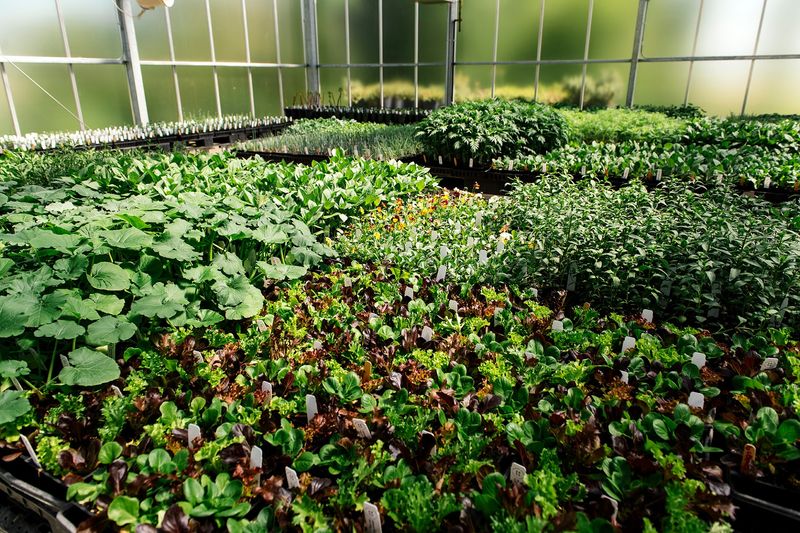
One of the smartest parts of the Granor Farm experience happens before anyone sits down. Several dinners begin with a farm tour, and that simple step changes dinner from a nice night out into something more grounded and clear.
You are not just handed a plate. You are shown the place behind it.
Walking the property gives context to the meal in a way menus alone cannot. Fields, growing areas, and farm operations help explain why the food tastes connected to the season instead of pulled from a generic restaurant supply chain.
By the time dinner starts, ingredients are no longer abstract words on a printed card. They belong to a real landscape you just moved through.
The tour also adds an educational layer without making the evening feel like a school lecture. Information about produce, growing methods, and daily farm work naturally deepens the meal.
When a carrot, herb, or leafy green shows up later in a course, it carries more meaning because you have already seen the setting that supports it.
That structure works especially well for diners who enjoy learning while they eat. It also helps groups, couples, and first-time visitors settle into the evening.
Instead of everyone arriving and going straight to a table, the tour gives people time to look around, ask questions, and ease into the rhythm of the event.
If you are heading there for dinner, wear shoes that can handle a little walking across farm ground. Arriving a bit early is a good idea too, since the tour is part of the experience, not a side extra.
Plenty of places tell you their ingredients are local. Granor Farm shows you the rows, the land, and the work first, then serves the meal with that picture already in your head.
Southwest Michigan Flavor With a Strong Local Backbone
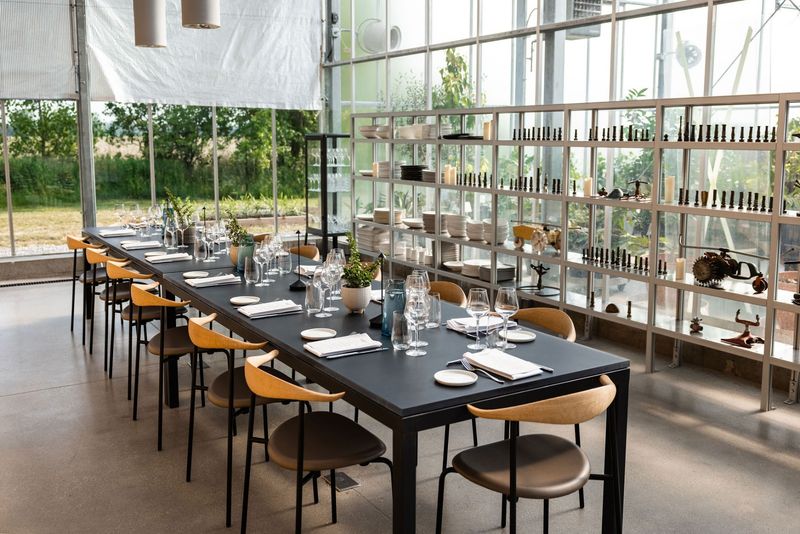
Granor Farm sits in a part of Michigan where farming, food culture, and weekend travel all overlap. That location matters.
Three Oaks is already known as a stop for people exploring Harbor Country and the southwest corner of the state, so Granor fits into a region where visitors are often looking for food that reflects the land around them.
The farm side of the business strengthens that connection. Beyond the greenhouse dinners, Granor Farm is known as a farm shop with fresh produce, flowers, prepared items, and locally sourced goods.
Reviews also mention cheeses, meats, cocktail ingredients, and a produce pickup model, which suggests the place serves both destination diners and regular local shoppers. That mix gives the property a fuller identity than a dinner venue alone.
There is also a practical benefit to that setup. A farm with a public-facing shop tends to stay rooted in everyday food life, not only special occasion dining.
So when the greenhouse hosts a ticketed meal, it draws energy from a place that already handles vegetables, seasonal products, and on-site food culture in a real, working way.
For travelers, that means Granor can be part of a bigger day rather than a single stop. You might explore nearby roads, art spots, or lakeshore towns, then make the farm dinner the main event in the evening.
If you are local, the farm shop offers another reason to keep the place on your radar even when there is no dinner reservation on the calendar.
At its best, southwest Michigan offers more than scenery. It gives you food with a clear local accent.
Granor Farm captures that by pairing a polished greenhouse meal with the daily work of growing, stocking, and sharing ingredients from the region around Three Oaks.
Hospitality That Keeps the Evening Personal
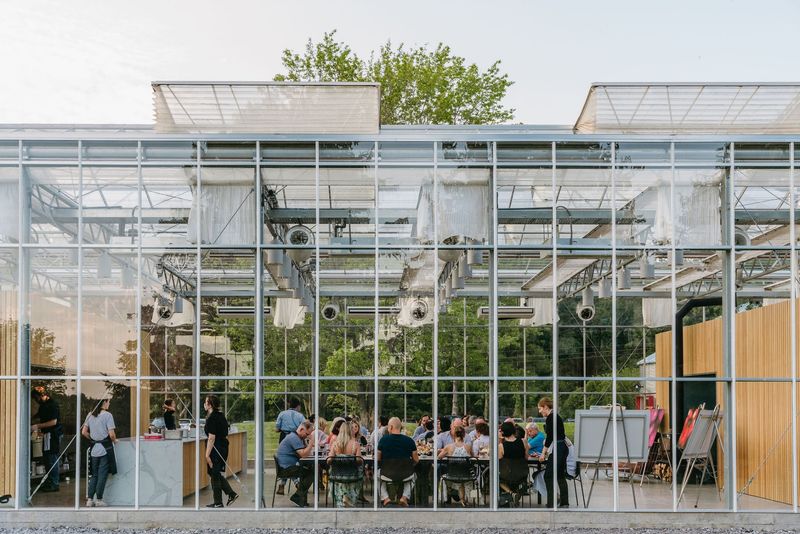
Fancy settings can sometimes create distance. Granor Farm seems to work in the opposite direction.
Even with its polished greenhouse dinners and carefully plated courses, the service comes across as warm, informed, and personal, which keeps the evening from feeling too formal or hard to relax into.
That balance matters more than people often realize. A multi-course dinner can feel intimidating if the staff acts guarded or overly scripted.
At Granor, reviews consistently point to knowledgeable hosts, cheerful team members, and thoughtful touches that help guests settle in. A handwritten card for a celebration, a friendly welcome drink, or clear explanations during dinner all make the experience feel more human.
Hospitality also shapes how the educational side lands. When staff members explain the farm, the ingredients, or the preparation with confidence and ease, the evening becomes more engaging.
You are not left guessing why a course matters or how it connects to the land. The service helps bridge the gap between the field and the table.
That personal style is especially useful for special occasions. Birthdays, date nights, bachelorette gatherings, and group dinners need more than attractive plates.
They need pacing, comfort, and staff who can read the room. A greenhouse dinner only works if the people guiding it know when to inform, when to step back, and when to add a little extra care.
If you are booking for an occasion, mention it ahead of time and arrive ready to enjoy the full flow of the night. Granor Farm appears strongest when guests treat dinner as an event rather than a quick meal.
The service seems built for that pace. Instead of rushing you through courses, it supports the evening with enough warmth and attention to make a refined setting feel welcoming from start to finish.
When to Go and How to Plan the Experience
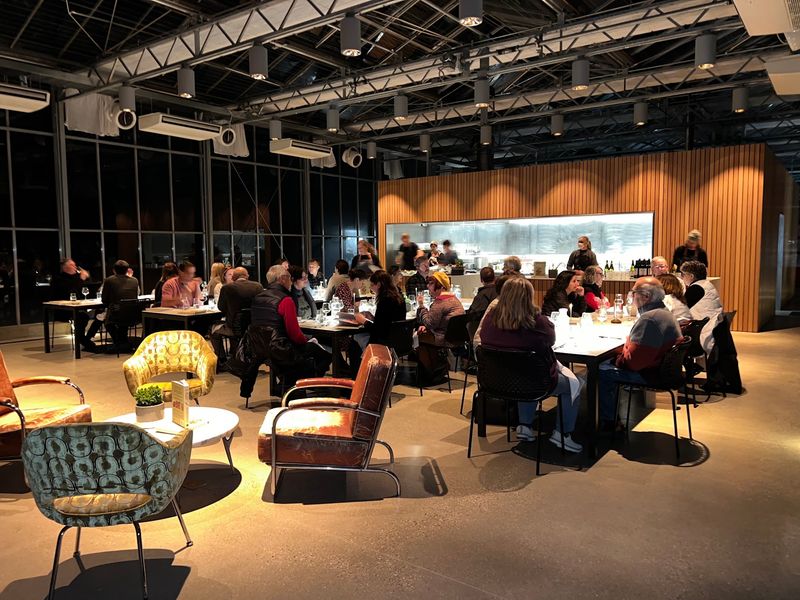
Good planning makes a place like Granor Farm much easier to enjoy. This is not the kind of spot where you simply wander in expecting a greenhouse dinner that same night.
The farm shop has limited public hours, and the dining events are ticketed experiences, so timing matters from the start.
According to the available business details, the farm shop is open on Friday and Saturday from 9 AM to 5 PM, while the rest of the week is closed. Dinner events operate on their own schedule, which means you should treat them more like a special program than a standard restaurant reservation.
Checking dates well ahead is the safest move, especially if you want a seasonal dinner or a weekend slot.
Because the evening can include a farm tour before the meal, give yourself extra travel time. Granor Farm is in Three Oaks, not in the middle of a dense downtown packed with backup options a few doors away.
If you are coming from elsewhere in Michigan, from the Indiana side, or from the Chicago area, build your route carefully and plan for a relaxed arrival.
Clothing choices matter too. You will want something comfortable enough for walking outdoors yet neat enough for a special dinner setting.
Shoes that can handle uneven ground are smarter than anything delicate. Since the greenhouse is part of the draw, seasonal weather may shape the feel of the night even though dinner is served inside.
One more tip helps set expectations. Granor Farm dinners appear to focus on the full experience, not fast service or oversized portions.
If you go in looking for a long, staged evening centered on seasonal food and setting, you will understand the rhythm better. The best nights here likely begin with patience, curiosity, and a reservation made before everyone else has the same idea.
Why Granor Farm Stands Out in a Crowded Food Scene
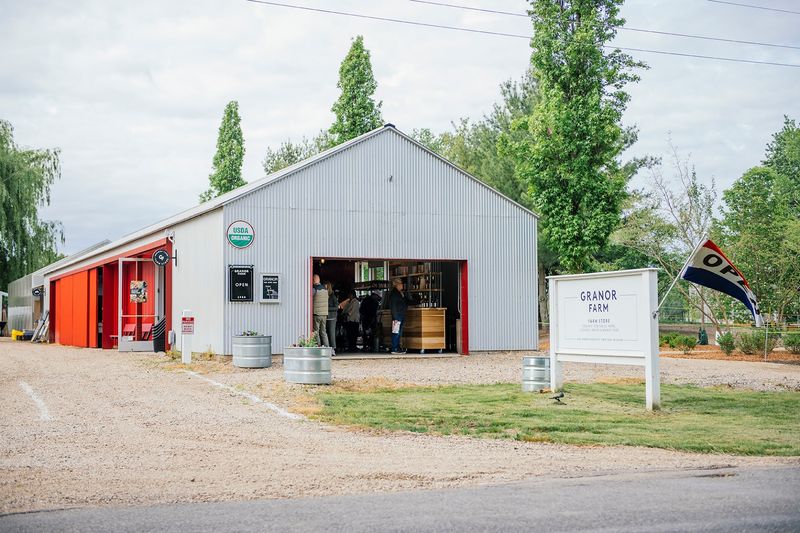
Plenty of places use phrases like farm-to-table. Granor Farm backs that idea up with a setting, a structure, and a full evening that make the phrase easier to believe.
The greenhouse is not decoration added after the fact. It is the visual center of an experience tied closely to the land around it.
That is why the place stands apart from standard destination dining. You have the farm itself, the produce, the tour, the multi-course pacing, and the sense that dinner belongs exactly where it is being served.
Remove any one of those pieces and the night would be different. Together, they give Granor Farm a clearer identity than many restaurants that rely only on stylish interiors or ambitious menus.
There is also a nice tension here between polish and earthiness. Meals are presented with care, pairings may be included, and the greenhouse has a dramatic look.
Still, the roots of the evening stay visible. You are in Three Oaks on a working farm, not in a themed dining room trying to imitate rural charm.
For anyone deciding whether the trip is the right fit, the answer depends on what kind of dining you enjoy. If your ideal night means speed, predictability, and a giant plate, this may not be your best match.
If you like slow meals, changing menus, and places where the environment matters as much as the recipe, Granor Farm offers a stronger payoff.
Michigan has no shortage of beautiful food destinations, especially in its southwest corner. Granor Farm separates itself by making the greenhouse dinner the headline while still supporting it with real farm work, local products, and an educational layer that adds substance.
That combination is hard to copy. It turns a meal into a place-based event, and that is exactly why people keep talking about the glass greenhouse.