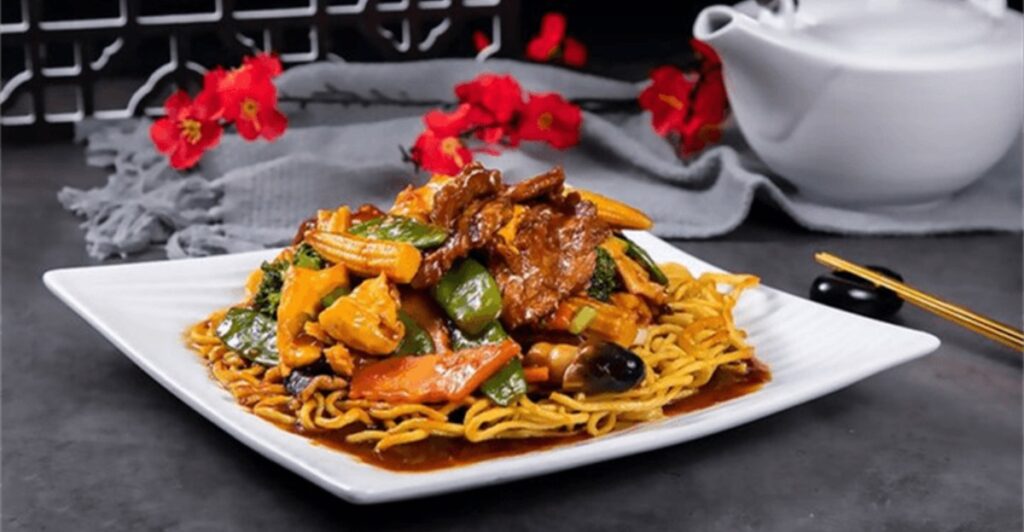
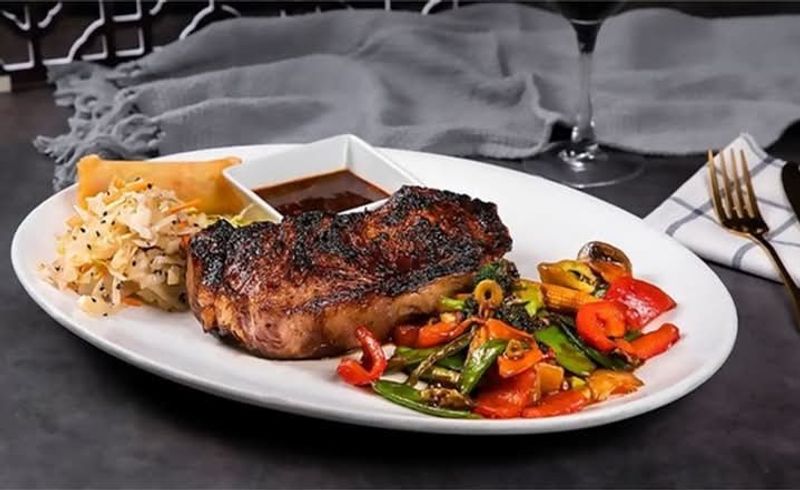
A lacquered duck arrives at the table, its skin crackling as a server begins carving with practiced precision. Nearby, filet mignon sizzles against a heated stone, while colossal prawns gleam beneath a citrusy Grand Marnier glaze.
This is not the kind of Chinese restaurant built around paper cartons and a hurried pickup counter. Peking Pavilion has spent more than four decades turning dinner into an occasion, first in Virginia and later along Route 33 in Manalapan.
Its polished dining room, tableside presentations, ambitious seafood, and familiar staff have made it a reliable choice for birthdays, business dinners, and family celebrations. Yet the restaurant has never survived on appearances alone.
Longstanding signatures share the menu with monthly specials, giving loyal customers reasons to break from their usual orders. Plenty has changed since the doors opened in New Jersey in the 1980s, but the combination of confident cooking and thoughtful hospitality still makes Peking Pavilion feel relevant.
Peking Pavilion Has Been a Manalapan Favorite Since 1985
Before Peking Pavilion became a Monmouth County institution, it had already developed a following several states away. Michael and Corrina Kuo established the original restaurant in Richmond, Virginia, in 1975.
After operating there through 1983, they relocated to New Jersey and eventually opened the Manalapan restaurant in 1985. The move brought a decade of experience north, along with a more polished vision of what a suburban Chinese restaurant could be.
On Route 33, the Kuos created a place where Chinese traditions met the pacing, presentation, and sense of occasion associated with an upscale American dining room. That approach proved especially well suited to the area.
Peking Pavilion could host a business lunch in the afternoon, welcome a multigenerational family for dinner, and handle an anniversary celebration later that evening without feeling like three different restaurants. The menu followed the same broad idea.
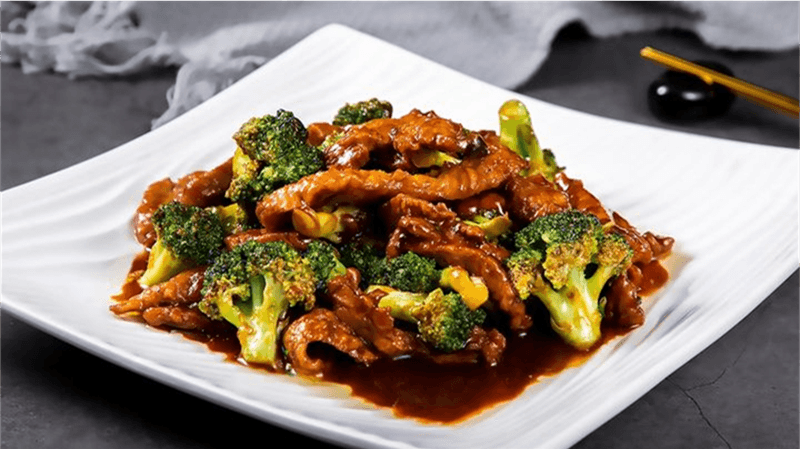
Familiar choices such as wonton soup, beef with broccoli, sesame chicken, and lo mein made newcomers comfortable, while whole crispy fish, live lobster, Peking Imperial, and tableside filet mignon offered considerably more room to explore. Even lunch feels substantial rather than stripped down.
Weekday combinations include vegetable fried rice, a spring roll, and a choice of soup alongside entrées such as Chicken Imperial, crispy tangerine steak, or shrimp with lobster sauce. More than 40 years after the New Jersey chapter began, that range remains one of the restaurant’s greatest strengths.
Regulars can return to the plate they have ordered for decades, while someone at the same table tries a dish that arrives sizzling, carved, or dramatically arranged. Peking Pavilion did not become a Manalapan favorite by chasing every dining trend.
It built a recognizable identity, learned what its customers valued, and then kept giving them enough novelty to make the next reservation interesting.
A Dramatic Rebuild Gave the Restaurant Its Unforgettable Look
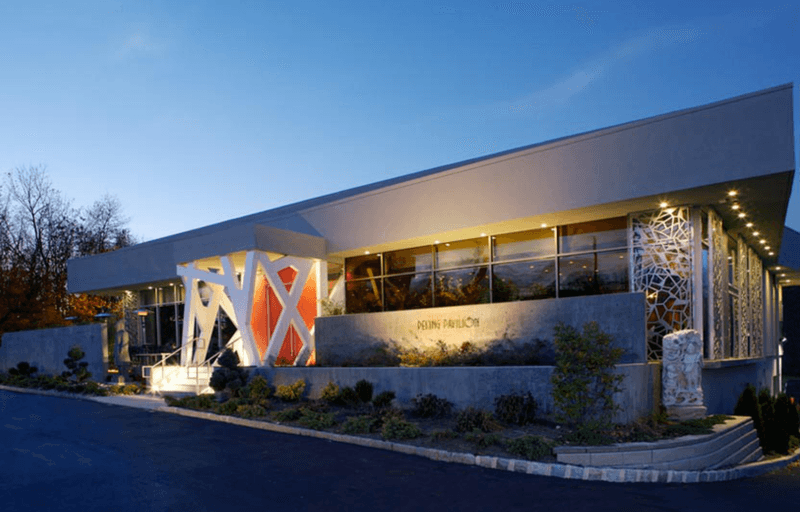
A serious fire in 2004 could have reduced the restaurant to a fond local memory. Instead, the damage led to an ambitious reconstruction that gave Peking Pavilion one of the most distinctive dining rooms along Route 33.
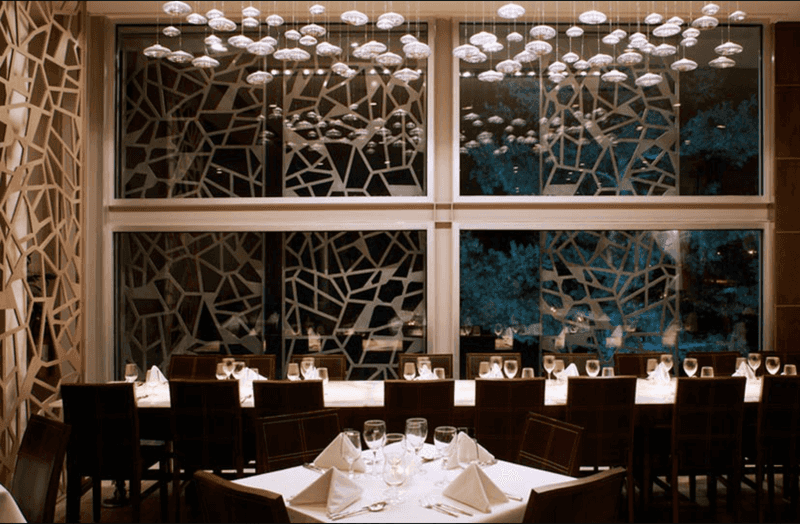
Rather than recreate the old space piece by piece, the restaurant returned with a contemporary design that draws from Chinese symbolism without turning the interior into a theme park. The effect begins at the entrance.
An approximately 11-foot Corian installation incorporates deconstructed Chinese characters representing luck and prosperity, with a glowing red door immediately beyond it. Glass, stone, and tile add texture throughout the building, while a restrained palette of white, brown, and red keeps the room polished without making it feel overly formal.
The feature most likely to stop first-time visitors in their tracks hangs above a communal table. Roughly 250 glass vessels form a large chandelier, with Chinese zodiac imagery incorporated into the design.
It is unusual enough to invite a second look, yet it also serves a practical purpose by drawing attention toward the shared center of the dining room. That balance between spectacle and comfort appears throughout the restaurant.
Soft lighting suits a date night or anniversary, but the room still works for families passing dishes across the table. The spacious layout lets elaborate plates and tableside preparations have their moment without turning every meal into a performance.
Most importantly, the redesign helped Peking Pavilion avoid the time-capsule feeling that can settle over a decades-old restaurant. There is history here, but it is carried through symbols, signature dishes, and familiar hospitality rather than faded décor.
The rebuild allowed the restaurant to preserve its identity while presenting it in a way that still feels purposeful. Surviving a fire was one achievement; returning with a dining room people would remember was another.
Tableside Peking Duck Turns Dinner Into a Show
The first sound is often the knife meeting crisp skin. Then come the thin steamed crêpes, finely sliced scallions, cool cucumber, and house-made plum sauce, all waiting to become the most carefully assembled bite at the table.
Peking Pavilion’s namesake duck is slowly roasted until the outside develops a deep lacquered finish while the meat beneath remains juicy. It is presented whole and carved for diners, giving the restaurant’s signature entrée exactly the amount of ceremony it deserves.
At $52 on the current dinner menu, the duck is designed for sharing rather than guarding with your elbows. Each person can build a crêpe by adding a slice of duck, a few vegetables, and a restrained swipe of sauce.
Going easy on the plum sauce is a smart first move because it allows the contrast between crisp skin and tender meat to lead. The dish also creates a natural rhythm at the table.
Everyone pauses to watch the carving, compares wrapping techniques, and inevitably reaches for another crêpe just as the remaining entrées begin arriving. Diners who like the presentation but prefer poultry with a milder flavor can order the Bell & Evans organic Peking chicken.
It receives similar treatment, complete with hoisin sauce, scallions, cucumbers, and steamed pancakes. Still, the duck carries the history and identity of the restaurant in a way few other dishes can.
It reflects careful preparation in the kitchen, polished service in the dining room, and the idea that a meal should contain at least one memorable moment. Peking duck is available at plenty of restaurants, but tableside service changes the experience.
The carving is not a gimmick added to distract from the food; it shows off the crispness, protects the texture, and turns a classic preparation into something communal. Long after the plates are cleared, this is usually the part of dinner everyone remembers.
Grand Marnier Prawns and Chung King Beef Keep Regulars Returning
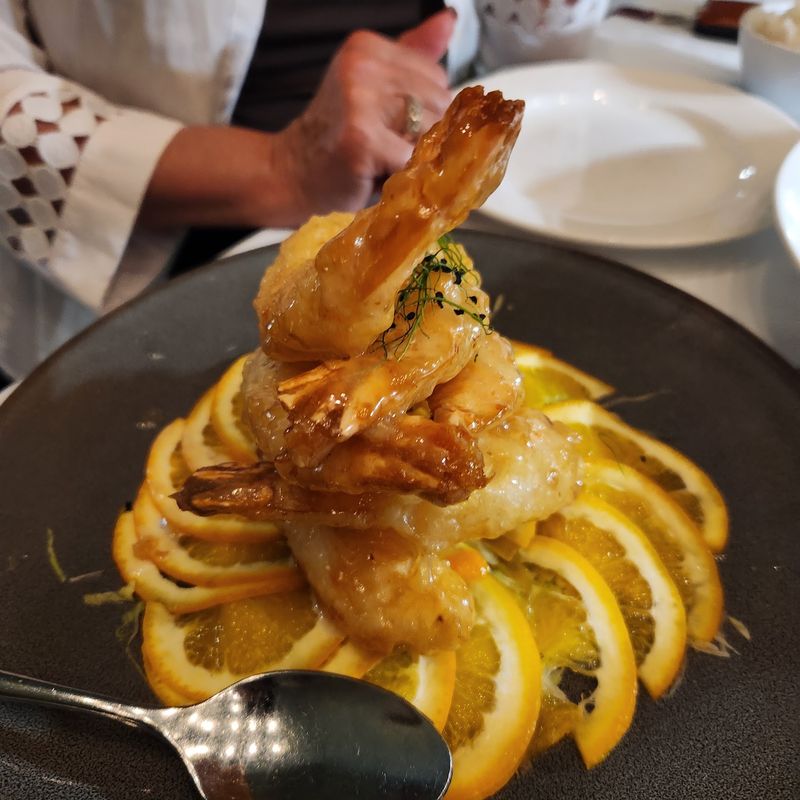
Ask a table of longtime customers what to order, and the conversation can quickly become a debate between something sweet and citrusy and something rich and deeply savory. Grand Marnier Prawns represent the first camp.
The kitchen quick-fries colossal prawns, then coats them in its signature Grand Marnier sauce. The crisp exterior prevents the glaze from overwhelming the texture, while citrus cuts through the richness and keeps the dish from becoming heavy after two bites.
At $33, it is one of those entrées that tends to migrate around the table, even when the person who ordered it had no intention of sharing. Chung King Beef makes a very different argument.
Wok-seared pieces of filet mignon and mushrooms arrive over fresh spinach, allowing the greens to soften beneath the meat and absorb its savory juices. Also priced at $33 on the current menu, it delivers the bold flavor of a classic beef entrée with the tenderness expected from a more expensive cut.
Plain rice is particularly useful here because leaving the sauce behind would be a minor tragedy. These two signatures help explain how Peking Pavilion balances familiarity with distinction.
Neither requires diners to decode an unfamiliar ingredient list, but both contain a detail that separates them from the standard neighborhood rotation: orange liqueur in one case and filet mignon over market spinach in the other. The rest of the menu offers plenty of supporting characters.
Crispy steak comes with tangy tangerine-peel sauce, Pavilion’s Three Delicacies combines chicken, beef, and shrimp in garlic sauce on a sizzling skillet, and Peking Imperial pairs live Maine lobster with filet mignon for the restaurant’s take on surf and turf.
Groups have the advantage because ordering several entrées transforms dinner into a proper survey. Just remember that the prawns have a habit of disappearing before the serving plate completes its first lap.
Creative Specials Help a Decades-Old Menu Stay Fresh
There is a particular challenge facing any restaurant with beloved signature dishes. Change too much, and regulars wonder what happened to the place they loved.
Change too little, and younger diners begin treating it like somewhere their parents used to go. Peking Pavilion handles that tension with rotating chef specials that give the kitchen room to experiment while keeping staples such as Peking duck, Grand Marnier Prawns, and Chung King Beef firmly in place.
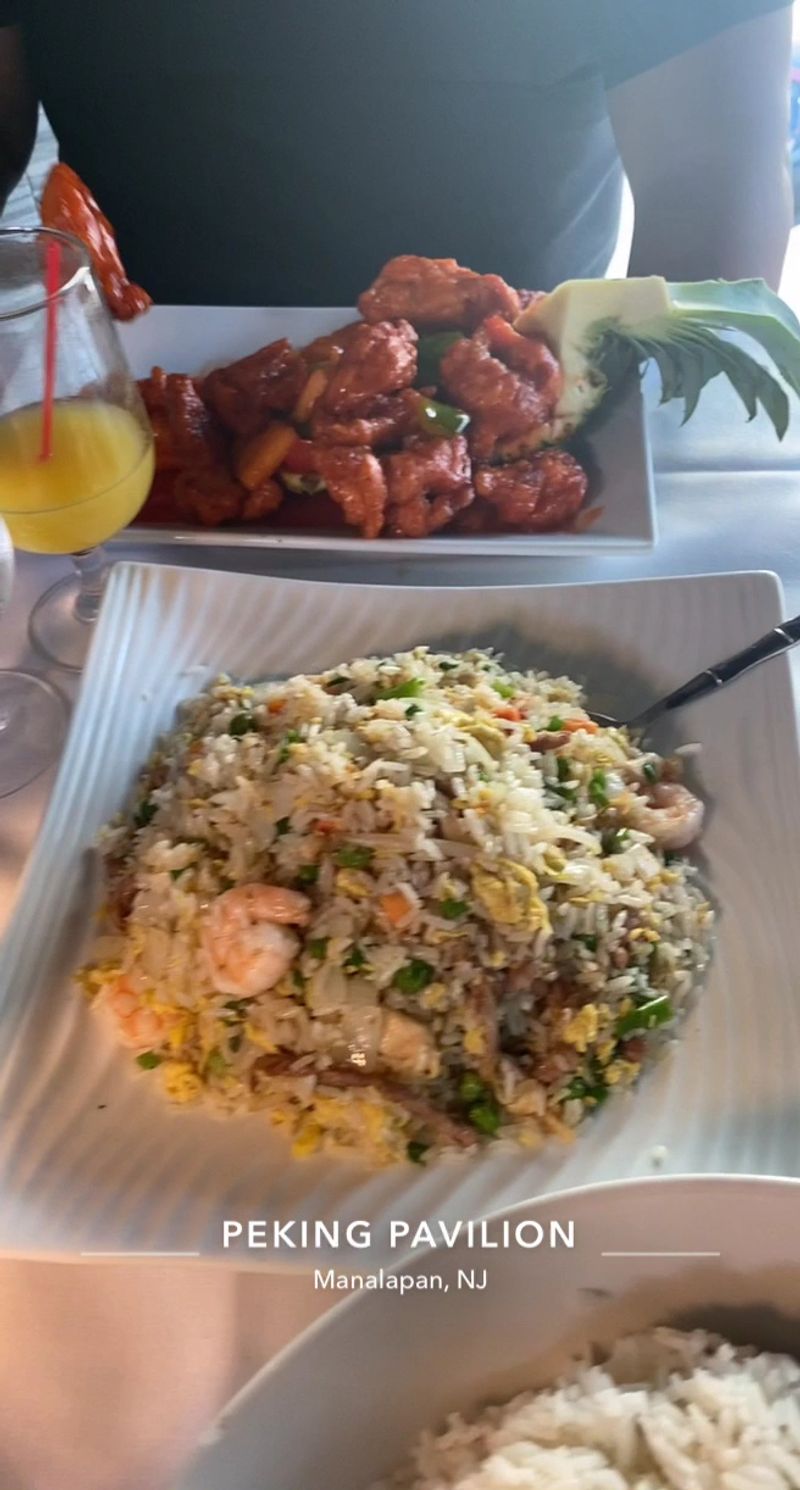
The September 2026 selection shows how wide that experimental lane can be. House-made soup dumplings arrive as a trio of flavors, with black truffle pork, spicy mala pork, and crab with pork represented in each six-piece order.
Cantonese-style barbecue pork buns offer a softer, sweeter opening, with fluffy steamed dough enclosing a savory house-made filling. Among the entrées, shredded chicken in XO sauce comes with scallions, bean sprouts, and Mandarin pancakes for wrapping.
Peking-style lamb takes a bolder route, pairing thin slices of lamb leg with scallions, onions, ginger, garlic, and soy. Roasted garlic Kung Pao jumbo shrimp combines toasted cashews, bell peppers, dried chilies, and whole roasted garlic cloves in a sauce that is tangy and mildly spicy.
Even cauliflower gets some theater, wok-tossed with aromatics and finished in a hot clay pot. These temporary additions do more than pad the menu.
They encourage loyal customers to ask what is new instead of ordering on autopilot, and they let the kitchen work with different regional techniques, seasonal ingredients, and modern preferences.
Vegetarian diners, for example, may find a rotating noodle or clay-pot dish alongside established choices such as ma-po tofu, baby eggplant in garlic sauce, and dry-sautéed string beans.
Because the core menu remains recognizable, trying a special never feels like gambling the entire meal. Order one familiar favorite, add one newcomer for the table, and suddenly a restaurant visited for decades offers something no one has tasted there before.
Longtime Staff and Remarkable Consistency Explain Its Staying Power
Longevity becomes easier to understand when the person guiding the kitchen has known its rhythms for most of his working life. Peking Pavilion’s executive chef began at the restaurant as a kitchen helper in 1989 and rose to lead the kitchen in 2007.
That kind of continuity preserves details that cannot be reduced to a printed recipe: how crisp a prawn should remain beneath its glaze, when a whole fish is ready for sauce, and how to keep filet mignon tender under intense wok heat. Experience also shows in the dining room.
Servers handle tableside preparations without interrupting conversation, steer first-time guests toward manageable combinations, and understand that a party celebrating a birthday needs a different pace from two people stopping in for lunch. Consistency does not mean every plate is frozen in 1985.
It means the restaurant knows which promises cannot be broken while continuing to refine everything around them. Guests still find the established signatures, but they also encounter monthly specials, contemporary cocktails, dietary accommodations, online ordering, and reservations through Resy.
The Original Mai Tai follows a recipe developed decades ago, while newer drinks such as the Peking Mule and a jalapeño-spiked tequila cocktail called The Heat keep the bar from leaning entirely on nostalgia. Practical details are equally straightforward.
Peking Pavilion is located at 110 Route 33 in Manalapan. It serves from noon until 10 p.m.
Sunday through Thursday, noon until 11 p.m.; Friday, 4 to 11 p.m.
Saturday. Larger parties should reserve ahead, especially on weekend evenings, and a private dining room is available for celebrations.
None of those conveniences alone accounts for more than four decades of loyalty. Together, however, they reveal a restaurant that pays attention.
The décor has evolved, ownership has changed, and new dishes continue to appear, but the standards connecting the kitchen, dining room, and guest experience have remained remarkably steady. That reliability is the quiet ingredient behind Peking Pavilion’s long run.
Share this story