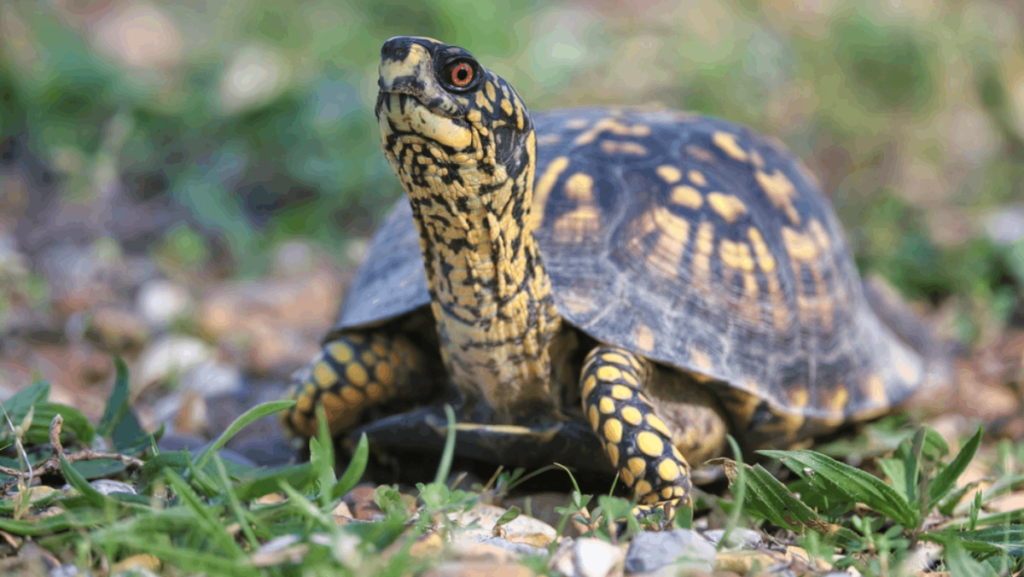
Spring is around the corner, and Tennessee’s turtles are getting ready to emerge from their winter hiding spots. As temperatures warm up, these shelled creatures will be crawling out to bask on logs, rocks, and sunny riverbanks across the state.
Whether you’re a nature lover, a family looking for an outdoor adventure, or just curious about local wildlife, Tennessee offers some fantastic spots to observe these fascinating reptiles in their natural habitat.
1. Great Smoky Mountains National Park
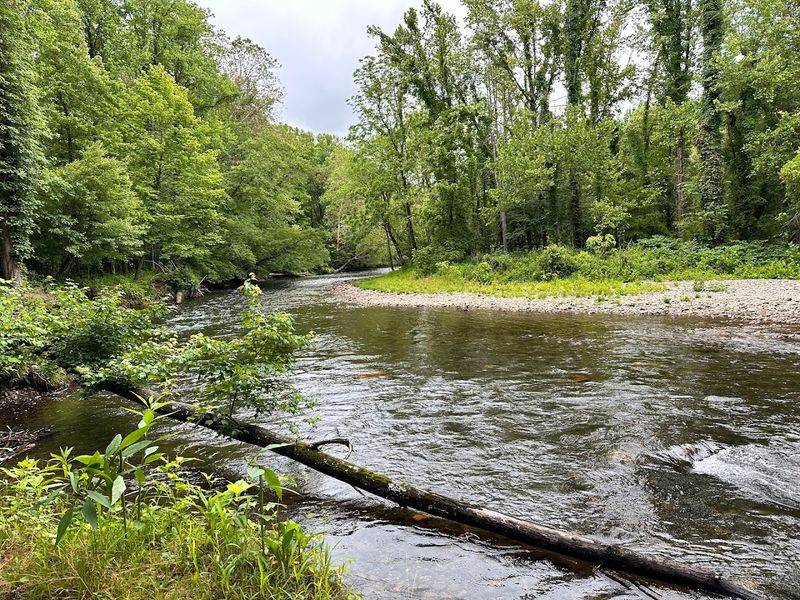
Picture yourself hiking through misty mountain trails when suddenly you spot a colorful dome moving through the leaves. That’s likely an eastern box turtle, one of the park’s most charming residents. The Smokies provide perfect turtle territory with countless streams, quiet ponds, and sun-dappled forest edges where these creatures love to hang out.
Snapping turtles also call this park home, preferring the deeper, slower waters where they can hunt for fish and aquatic plants. If you’re lucky enough to see one, keep your distance—these guys have powerful jaws and aren’t afraid to use them when threatened.
Your best bet for turtle sightings is near Cades Cove or along any of the park’s low-elevation streams. Visit during mid-morning or early afternoon when the sun is strongest. Turtles are cold-blooded, so they need that warmth to get their bodies moving after cool nights.
2. Reelfoot Lake State Park (Tiptonville)
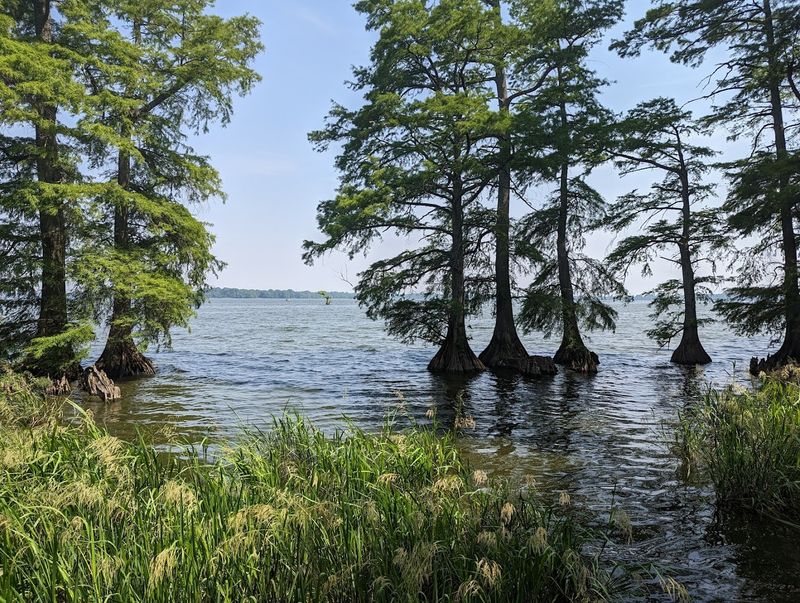
Up in Tennessee’s northwest corner sits a lake that shouldn’t even exist—at least not naturally. Reelfoot Lake was formed by earthquakes in the early 1800s, creating a shallow, sprawling wetland that turtles absolutely adore.
Walk along the boardwalks or rent a kayak, and you’ll likely see dozens of turtles stacked on top of each other on half-submerged logs. It’s almost comical how they pile up, fighting for the sunniest spot. Red-eared sliders are particularly common here, easily identified by the red stripe behind their eyes.
The shallow water and abundance of aquatic plants make this an ideal feeding ground. Turtles munch on everything from algae to small fish, keeping the ecosystem balanced.
3. Tennessee River (Chattanooga area)
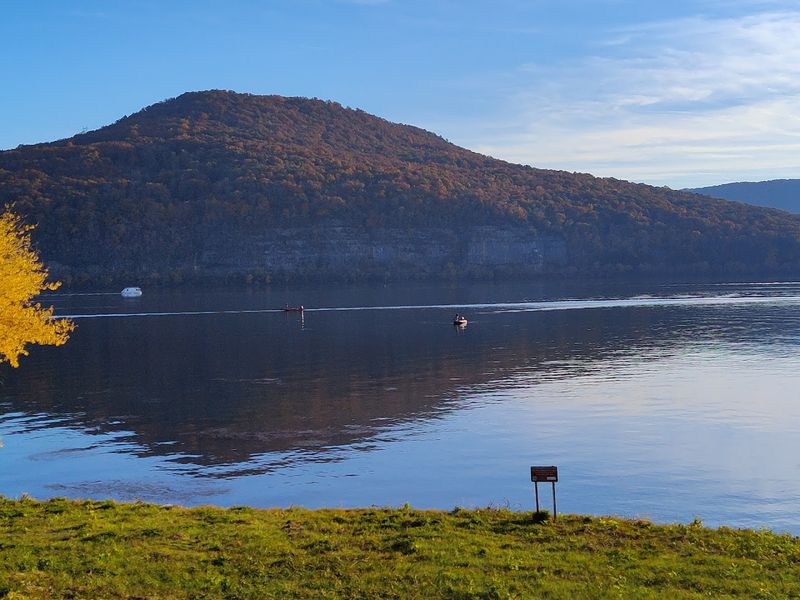
The Tennessee River winds through Chattanooga like a liquid highway, and its banks serve as prime real estate for local turtles. Painted turtles are the stars here—their shells decorated with yellow and red markings that look almost hand-painted. When the sun hits just right, these turtles glow like little jewels perched on riverside rocks.
Map turtles share the same sunbathing spots, named for the map-like patterns on their shells. They’re slightly smaller and more skittish than painted turtles, so you’ll need patience to observe them. Both species prefer quieter inlets away from boat traffic, where driftwood collects and creates natural basking platforms.
Coolidge Park and the Tennessee Riverwalk offer excellent viewing opportunities without needing a boat. Turtles need several hours of sun exposure to regulate their body temperature and synthesize vitamin D. Just remember to give them space—approaching too quickly will send them diving for cover, and they may not resurface for quite some time.
4. Radnor Lake State Park (Nashville)
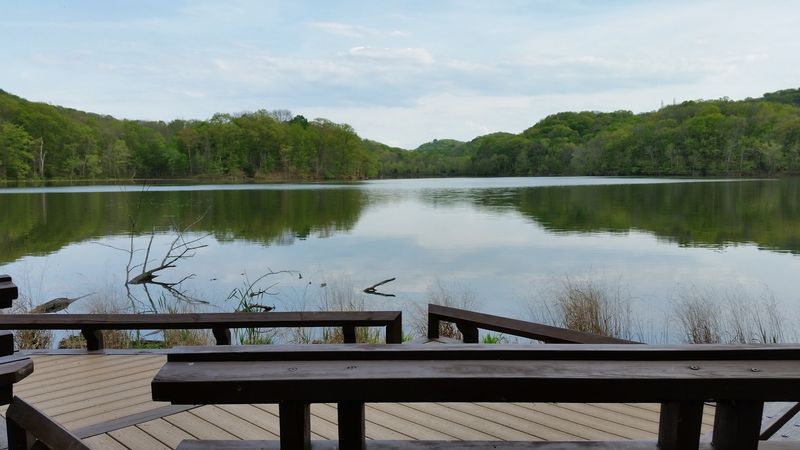
Right in Nashville’s backyard lies a nature sanctuary where turtles have become local celebrities. Radnor Lake remains undeveloped and peaceful, making it a refuge for wildlife seeking escape from urban sprawl. The lake’s calm waters and abundance of fallen logs create a turtle paradise, especially when temperatures climb.
Visitors walking the paved trail around the lake often stop at certain spots known for turtle gatherings. These reptiles seem to have favorite logs where they return day after day, sometimes in groups of ten or more.
Yellow-bellied sliders dominate here, and if you’re patient, you might catch them extending their necks skyward to maximize sun exposure. This behavior helps them warm up faster after cool nights spent buried in mud at the lake bottom.
Early morning or late afternoon visits work best, as midday crowds can make turtles nervous. The park prohibits dogs and bicycles, keeping the environment quiet and turtle-friendly.
5. Shelby Farms Park (Memphis)
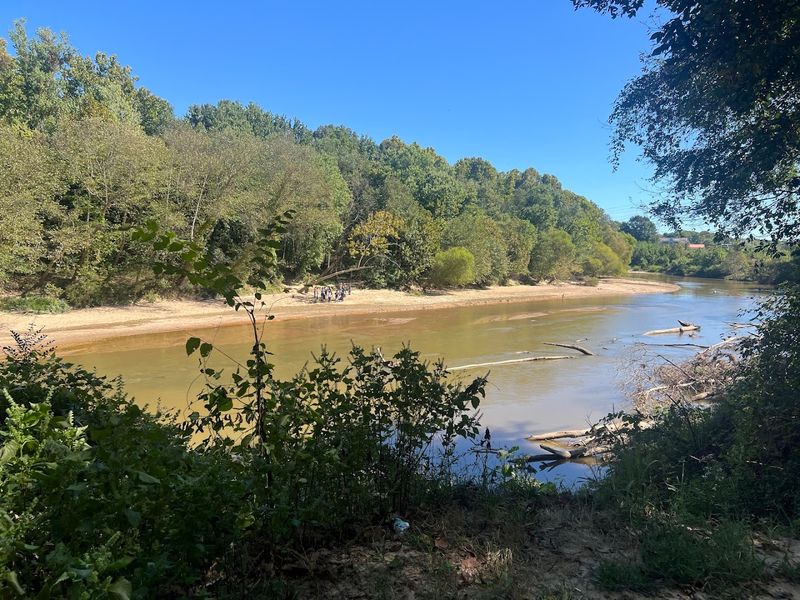
Who says you need to leave the city to see wildlife? Shelby Farms Park proves that urban green spaces can support thriving turtle populations. This massive park—one of the largest urban parks in America—features multiple lakes and ponds that turtles have claimed as their own.
Families love this spot because it’s accessible, free, and offers guaranteed turtle sightings during warm weather. The park’s most popular turtle-watching spots include Patriot Lake and Pine Lake, where shallow edges and plenty of vegetation attract various species.
Common snapping turtles, red-eared sliders, and occasionally river cooters make appearances here. The park’s popularity means these turtles are somewhat used to people, though you should still observe from a respectful distance.
The park offers bike rentals and paddleboard rentals if you want to explore from the water. Pack a picnic and make a day of it—there’s plenty more to explore beyond turtle watching.
6. Cummins Falls State Park (Cookeville)
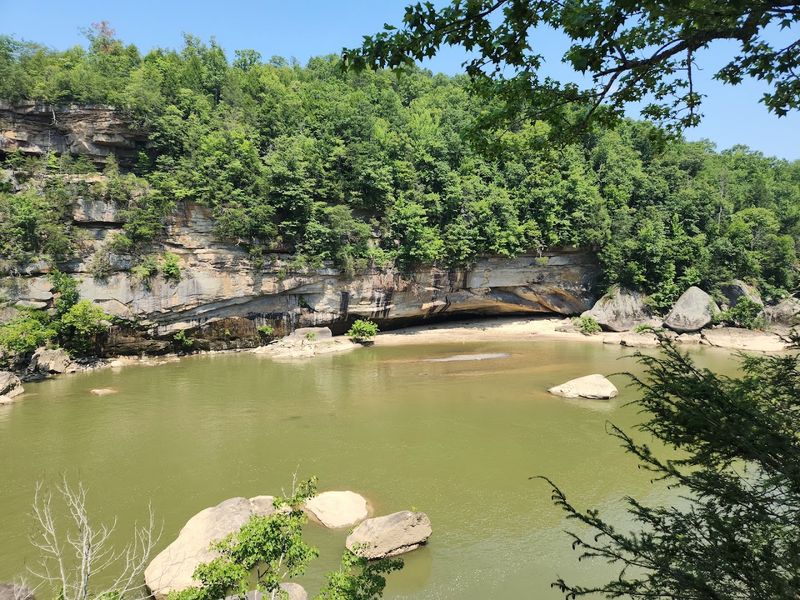
Everyone comes to Cummins Falls for the stunning 75-foot waterfall, but smart wildlife watchers know the real show happens in the calmer sections of the Blackburn Fork River. While hikers splash around the falls, turtles prefer the quieter stretches upstream and downstream where rocks warm in the sun and food is plentiful.
The hike to the falls takes you through beautiful gorge scenery, and along the way, you’ll cross the river multiple times. These crossing points are excellent for turtle spotting. Look for flat rocks just above the waterline where turtles climb out to dry off and soak up rays.
Common map turtles and eastern river cooters frequent these waters, feeding on aquatic insects and plants. The clear water makes underwater viewing possible too—sometimes you can spot turtles swimming below the surface, their legs paddling rhythmically as they navigate the current.
This park requires more effort than others on this list. The trail involves scrambling over rocks and wading through water, so wear appropriate footwear and be prepared to get wet.