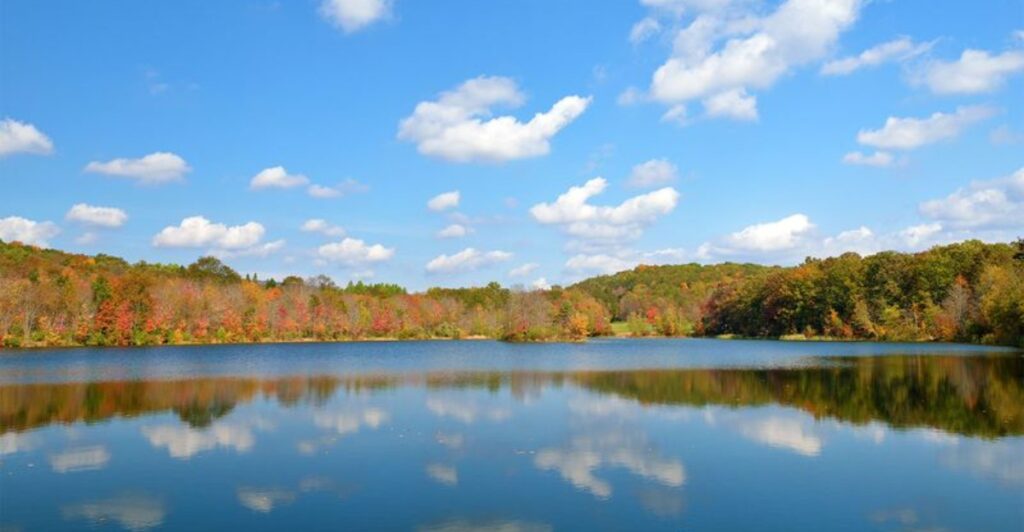
Pennsylvania trails can feel like secret doorways into a wilder world, especially when a deer steps quietly from the trees, a hawk circles overhead, or a frog suddenly plops into a quiet pond. With forests, ridges, wetlands, waterfalls, lakes, and winding paths spread across the state, hikers have plenty of opportunities to see wildlife without traveling far from home. Every trail can bring something different, from birds singing above the treetops to squirrels, turtles, and other small creatures moving through the undergrowth.
Watching wildlife also teaches patience, respect, and care for the places we explore, because every bird call, paw print, and rustling leaf belongs to a living part of the trail. The best encounters are often the unexpected ones, when you pause for a moment and simply notice what is happening around you. Pack water, keep a safe distance from animals, stay on marked paths, and get ready for hikes where nature may surprise you around any bend.
1. Susquehannock State Park – Drumore
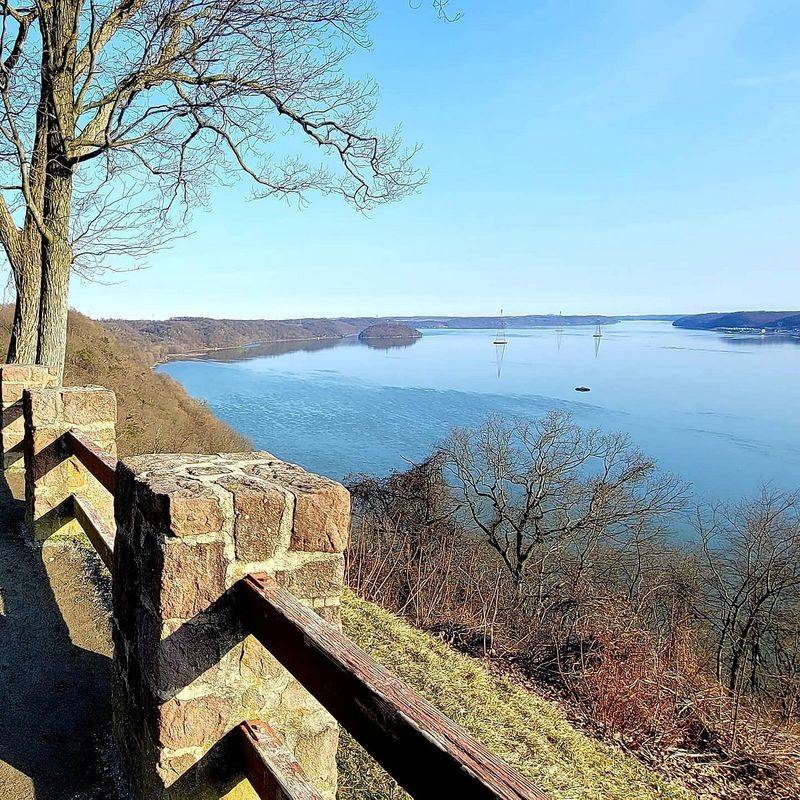
A quiet overlook can turn into a front-row seat for wild drama here.
High above the Susquehanna River, hikers often pause at the viewpoints and suddenly notice movement below, such as turkey vultures riding warm air, deer feeding near the woods, or a bald eagle tracing the river like a dark kite.
Susquehannock State Park in Drumore is not the longest hiking destination in Pennsylvania, but it has a strong sense of place.
The trails move through hardwood forest, open picnic areas, and overlooks where the river bends through a wide green valley.
For wildlife watchers, early morning and late afternoon are the best times to walk slowly and listen.
Bring binoculars if you have them, because the magic often happens at a distance.
Birds of prey may be far above the water, and songbirds can hide in leaves before you ever spot their colors.
In spring, look for warblers flitting through branches.
In fall, migrating raptors add extra excitement to the sky.
Families will like that many views are reached without a huge climb.
Still, roots, wet leaves, and rocky edges deserve care, especially near overlooks.
Stay behind barriers and keep children close when the trail nears steep ground.
The best wildlife moments here are usually quiet ones.
A squirrel freezes on a log, a woodpecker drums from a dead tree, or a fox slips away before anyone can point.
Give animals space, do not feed them, and let the river valley do what it does best, make an ordinary walk feel wonderfully alive.
2. Lehigh Gorge State Park – Weatherly
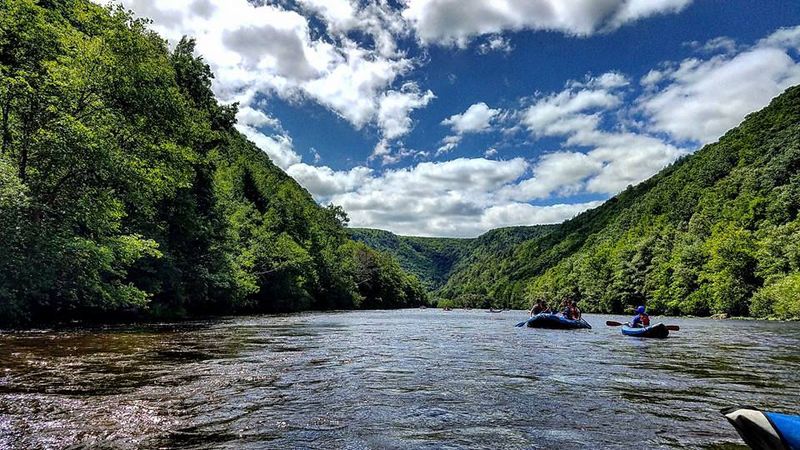
The sound of rushing water follows you like trail music in this gorge.
Along the Lehigh River, wildlife often appears in quick flashes, a heron lifting from the bank, a mink slipping near rocks, or a hawk gliding between steep wooded walls.
Lehigh Gorge State Park near Weatherly is famous for its river scenery and the popular rail trail.
The path is broad compared with many woodland hikes, which makes it friendly for walkers, cyclists, and families.
Because the route follows the water, it offers steady chances to watch animals that depend on riverside habitat.
Look for signs before you look for the animal itself.
Tracks in mud, chewed sticks, splashes, and sudden bird calls can tell you something is nearby.
Great blue herons may stand so still they look like gray branches.
Belted kingfishers often chatter as they zip over the river.
Autumn adds a special layer to the hike.
Bright leaves cover the gorge slopes, and cooler air can make animals more active during the day.
Spring is lively too, with birds nesting and wildflowers brightening the trail edges.
After rain, waterfalls and small streams can be stronger, but the path may be slick in places.
Plan for changing weather, since gorge areas can feel cooler and damp.
Wear sturdy shoes, carry water, and share the trail kindly with bikes.
If you stop for photos, step to the side so others can pass safely.
Wildlife here does not need to be rare to feel magical.
Even a line of turtles sunning on a log can make the whole walk feel like a moving nature lesson beside one of Pennsylvania’s most beautiful rivers.
3. Middle Creek Wildlife Management Area – Kleinfeltersville
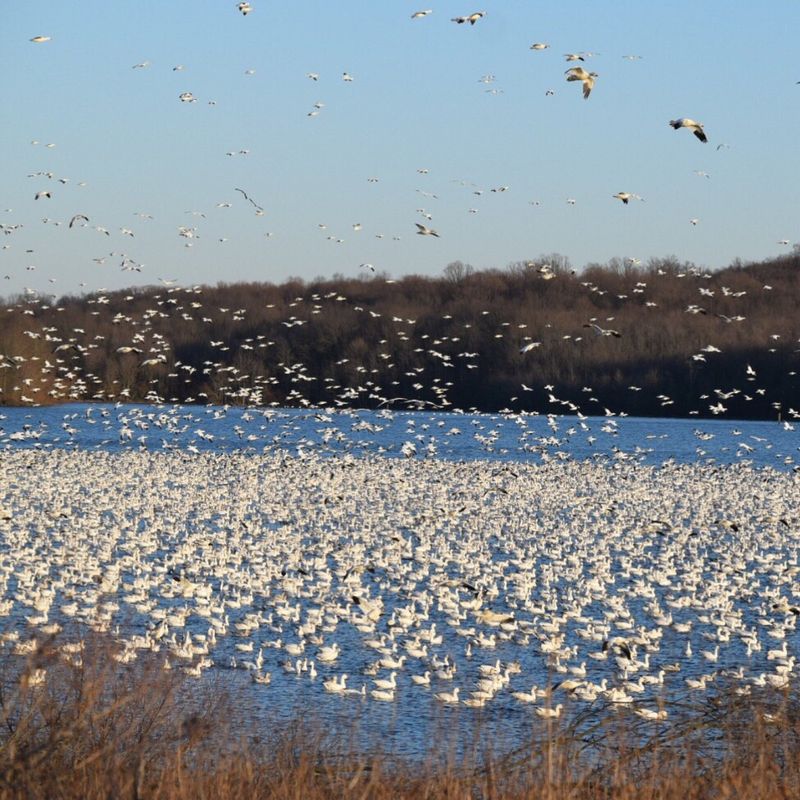
Some trails whisper, but Middle Creek can roar with wings.
When snow geese gather by the thousands, the sky seems to move, and even the calmest hiker may stop talking just to hear the wild chorus over the water.
Middle Creek Wildlife Management Area near Kleinfeltersville is one of Pennsylvania’s best places for bird watching.
The area has trails, viewing spots, fields, wetlands, and a large lake that attracts migrating birds.
Late winter and early spring are especially famous because snow geese and tundra swans often stop here during migration.
Timing matters a lot.
Wildlife numbers change with weather, food, ice, and migration patterns, so check current updates before you go.
If the main lake is busy with birds, bring binoculars and arrive early.
Sunrise can be cold, but it may reward you with huge flocks lifting off together.
The trails around Middle Creek are also good for seeing deer, rabbits, hawks, songbirds, and waterfowl.
Move slowly near brushy edges, because small animals often hide there.
Keep voices low at viewing areas, since sudden noise can disturb birds that need energy for long trips.
Visitors should remember that this is managed for wildlife first.
Some areas may close seasonally to protect birds and habitats.
Follow posted signs, stay on open paths, and use designated viewing spots.
A camera with a zoom is better than trying to get close.
For kids and first-time birders, Middle Creek can be unforgettable.
Counting geese is nearly impossible, which is part of the fun.
The lesson is simple and powerful, Pennsylvania sits on important travel routes for wildlife, and a short hike can connect you to journeys that stretch across continents.
4. Blue Knob State Park – Pavia
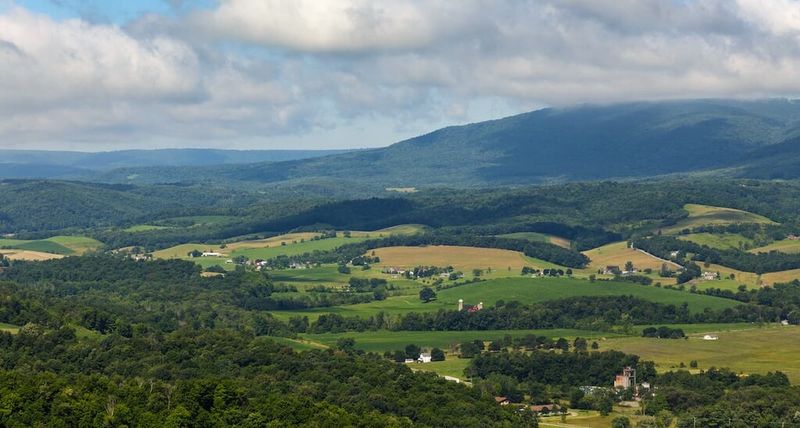
Up on Blue Knob, the air can feel a little cooler and wilder than the valleys below.
A turkey may strut across the path, a deer may vanish between mountain laurel, and a raven’s call can make the forest seem larger than it already is.
Blue Knob State Park near Pavia covers high ground in the Allegheny Mountains.
Its trails can be more challenging than a flat lakeside walk, so hikers should expect climbs, rocks, and changing weather.
That extra effort brings a strong reward, with deep woods, wide views, and habitat for animals that enjoy quieter mountain areas.
Black bears live in this region, though seeing one is never guaranteed.
If you do spot a bear, stay calm, give it plenty of room, and never approach for a photo.
Make noise while hiking through thick brush so animals are not surprised.
Keep snacks sealed and carry out every crumb of trash.
Birdlife adds personality to the park.
Watch for wild turkeys, pileated woodpeckers, hawks, and smaller forest birds.
In warmer months, butterflies visit sunny trail openings, while salamanders may appear near damp logs after rain.
Each season changes what you might notice.
Good footwear matters here.
Trails can be muddy, snowy, or rocky depending on the month.
Dress in layers, because mountain weather can shift quickly.
Tell someone your plan if you choose a longer route, and bring a map rather than relying only on phone service.
Blue Knob feels magical because it asks hikers to pay attention.
The forest does not always reveal animals loudly.
Sometimes the best moment is just a fresh track in soft mud, proof that something wild passed through minutes before you did.
5. Raccoon Creek State Park – Clinton
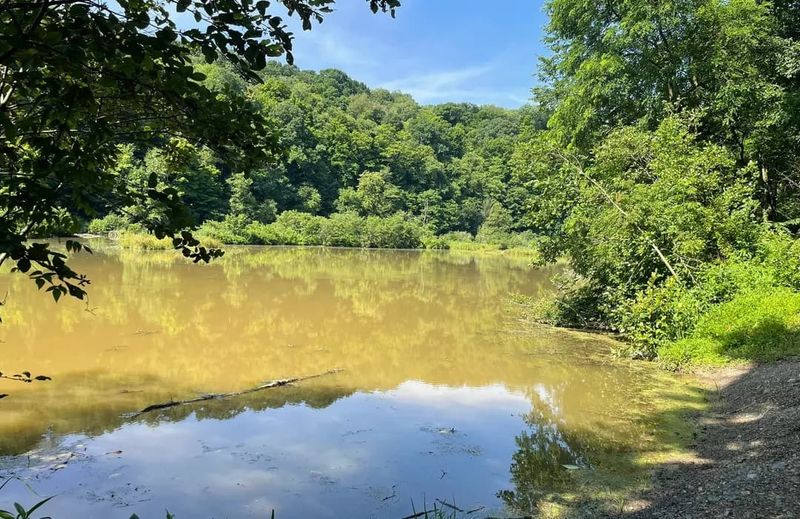
A park with raccoon in its name already sounds like it should hold a few surprises.
Around the lake, creek bottoms, meadows, and woods, hikers may find muddy tracks, hear frogs calling, or spot birds moving through the wildflower areas.
Raccoon Creek State Park near Clinton is one of western Pennsylvania’s largest and most varied state parks.
Its trail system reaches forests, fields, streams, and a well-known wildflower reserve.
That mix of habitats helps many animals find food and shelter, so the hike can feel different from one mile to the next.
Spring is a favorite season for many visitors.
Wildflowers bloom, birds sing loudly, and amphibians become active near wet places.
Walk carefully after rain because small frogs and salamanders may be crossing damp sections of trail.
Seeing them is exciting, but they should never be picked up or moved unless they are in direct danger.
Near the lake, watch for ducks, geese, turtles, and possibly herons.
In the woods, listen for woodpeckers and rustling leaves.
White-tailed deer are common, especially near edges where forest meets open land.
Raccoons are mostly active at night, but their paw prints may appear in soft mud by water.
Trail choices range from easy strolls to longer loops, so match the route to your group’s energy.
Carry water, use insect repellent in warm months, and check for ticks after walking through grassy areas.
The wildflower reserve has special rules, so stay on marked paths to protect fragile plants.
The charm of Raccoon Creek comes from variety.
One hike might feel like a bird walk, another like a frog hunt, and another like a peaceful forest escape.
That changing character keeps local hikers coming back.
6. Ricketts Glen State Park – Benton
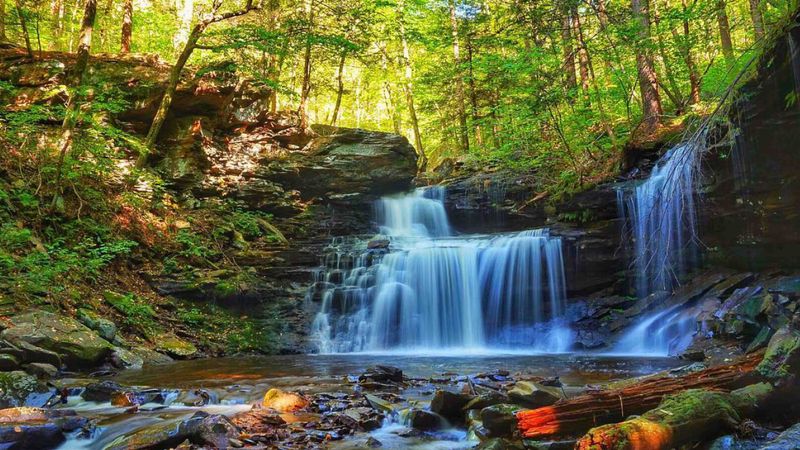
Waterfalls are the stars at Ricketts Glen, but tiny creatures often steal the show.
A red-spotted newt crossing the trail or a bird darting through mist can make the famous Falls Trail feel like a storybook forest.
Ricketts Glen State Park near Benton is known for its many waterfalls, deep woods, and rugged beauty.
The Falls Trail is popular, but it is also steep and slippery in places.
Hikers should wear sturdy shoes, take their time, and avoid climbing on wet rocks.
Wildlife watching is best when you slow down anyway.
The cool, moist areas near streams support salamanders, frogs, mosses, and insects that feed birds and other animals.
Look near logs and leaf litter, but do not roll rocks or disturb hiding places.
These small habitats are homes, not decorations.
If a newt is on the trail, admire it from a safe distance and let it continue.
Birders may hear thrushes, warblers, woodpeckers, and ravens depending on the season.
Deer often move through quieter parts of the park.
Black bears also live in the region, so food should be packed securely and trash should never be left behind.
Because Ricketts Glen draws many visitors, an early start can make the hike calmer.
Weekdays may feel more peaceful than busy weekends.
Bring water and snacks, but plan breaks in safe, dry spots away from narrow trail sections.
Part of the magic here is how sound shapes the hike.
Falling water hides footsteps, cool mist hangs in the air, and wildlife appears in small, sudden moments.
The waterfalls may bring you to Ricketts Glen, but the living details make the memory last.
7. Bald Eagle State Park – Howard
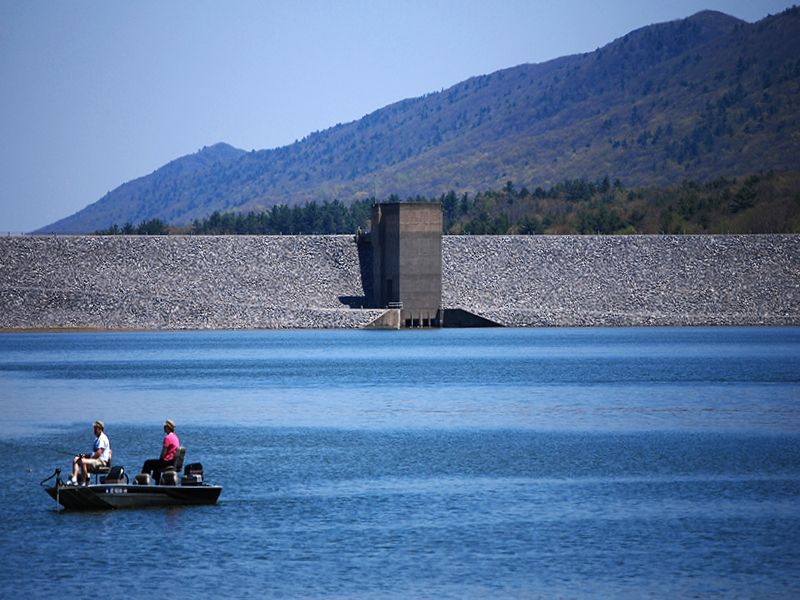
Here, the name feels like a promise.
When a bald eagle sweeps over the lake, the whole shoreline seems to pause, and hikers suddenly understand why watching the sky can be just as exciting as watching the trail.
Bald Eagle State Park near Howard centers around Foster Joseph Sayers Reservoir, a large body of water that attracts birds, fish, and mammals.
Trails near the lake and surrounding woods give visitors many chances to see wildlife.
Open water, marshy edges, fields, and forest all sit close together, which makes the park especially rich for animal sightings.
Bald eagles are a major highlight, but they are not the only birds to watch for.
Ospreys, herons, ducks, geese, swallows, and songbirds may appear during different seasons.
Bring binoculars for scanning dead trees, shorelines, and open sky.
Eagles often perch high, so a patient eye helps.
Morning is a smart time to visit if you want quieter trails and active animals.
Fish may ripple near the surface, rabbits may feed near grassy edges, and deer may step out before the day gets busy.
During migration seasons, the lake can host traveling waterfowl that add variety to each trip.
Stay respectful around nesting or resting birds.
If an animal changes its behavior because of you, you are too close.
Keep dogs leashed where allowed, and avoid letting pets chase geese or other wildlife.
Shoreline areas can be muddy, so waterproof shoes are useful after rain.
Bald Eagle State Park works well for hikers who like open views along with woodland paths.
The wildlife feels easy to notice because the lake creates natural gathering places.
One quiet bench, one patient wait, and the next magical moment may glide right over the water.
8. French Creek State Park – Elverson
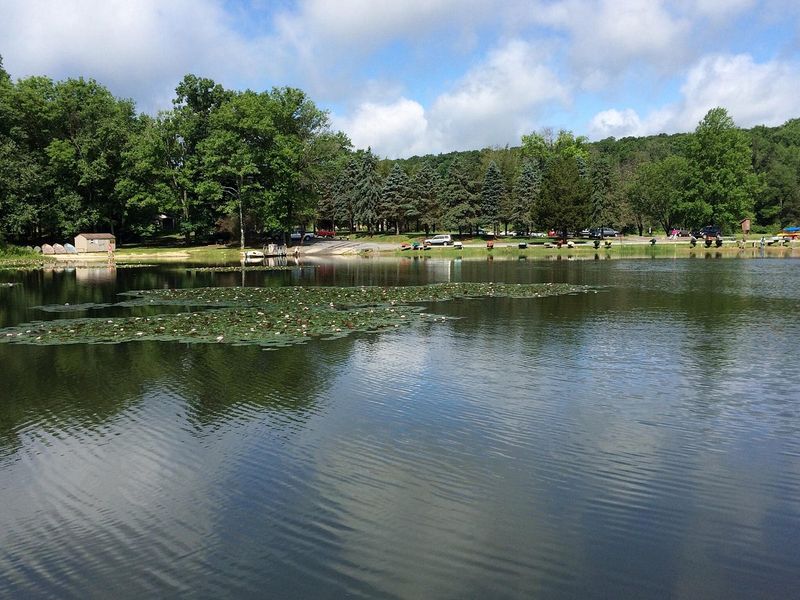
French Creek has the kind of woods where every snap of a twig makes you look twice.
Maybe it is a squirrel, maybe it is a deer, or maybe a barred owl is watching from a branch while you search the shadows below.
French Creek State Park near Elverson protects a large stretch of forest, lakes, wetlands, and historic countryside.
It is one of southeastern Pennsylvania’s best places to feel surrounded by woods without being far from towns.
The trails vary in length and difficulty, giving both casual walkers and stronger hikers good options.
Wildlife here often rewards people who listen.
Owls may call near dusk, woodpeckers tap in tall trees, and frogs sing from wet areas in warm months.
Around Hopewell Lake and Scotts Run Lake, turtles bask on logs, ducks paddle near coves, and herons may hunt in shallow water.
The park is also part of an important bird area, so birders have plenty to enjoy.
Spring and fall migration can bring extra species through the forest.
A simple field guide or birding app can turn the hike into a fun guessing game, especially for families.
Because the trail network is large, check a map before starting.
Some paths are rocky, and intersections can be confusing if you are not paying attention.
Wear bright colors during hunting seasons in areas where hunting is permitted, and always follow posted signs.
French Creek feels magical in a patient, old-woods way.
It may not show every animal at once, but it surrounds you with clues, calls, ripples, feathers, and tracks.
By the end of the walk, the forest can feel less like scenery and more like a busy neighborhood you were lucky to visit.
9. Hawk Mountain Sanctuary – Kempton
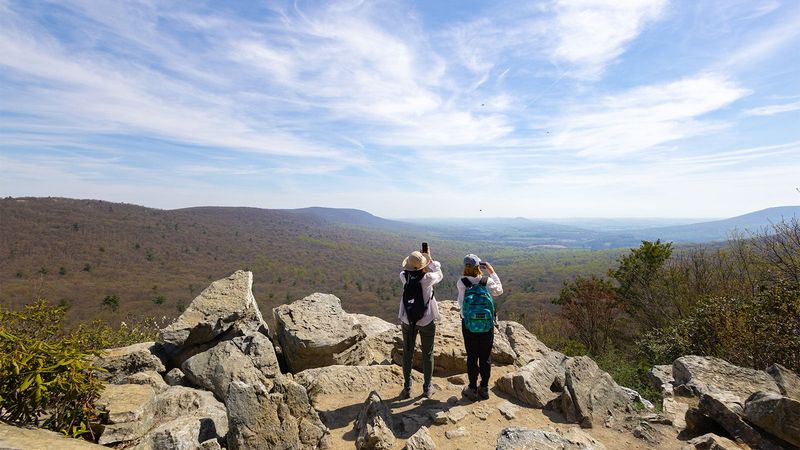
At Hawk Mountain, the trail can make you look up more than down.
One moment the sky seems empty, and the next a sharp-eyed spotter calls out a hawk, sending everyone at the lookout searching the blue.
Hawk Mountain Sanctuary near Kempton is one of Pennsylvania’s most famous places for watching raptors.
Hawks, eagles, falcons, and vultures use the ridge during migration, especially in fall.
The sanctuary has trails and overlooks that turn hiking into a sky-watching adventure.
The climb to the lookouts can be rocky, so sturdy shoes are a good idea.
Some trails are easier than others, and visitors should choose a route that matches their comfort level.
Once at a viewpoint, sit quietly and give your eyes time to adjust.
Birds may appear as tiny specks before their shapes become clear.
Autumn is the classic season, but wildlife interest continues through the year.
Songbirds move through the forest, chipmunks scurry around rocks, and snakes may sun themselves in warm weather.
Stay on marked trails and never disturb reptiles.
They are part of the ridge community, even if they surprise you.
Bring binoculars, water, and a layer for windy overlooks.
A notebook can make the visit more fun, since you can record which birds you saw and how many passed.
Sanctuary staff and volunteers often help visitors identify raptors, which makes the experience friendly for beginners.
What makes Hawk Mountain special is the feeling of joining a long tradition of watching migration.
People come from many places to see birds follow ancient routes along the Appalachians.
When a broad-winged hawk tilts in the wind above you, the hike suddenly feels connected to a much bigger journey.
10. Nescopeck State Park – Drums
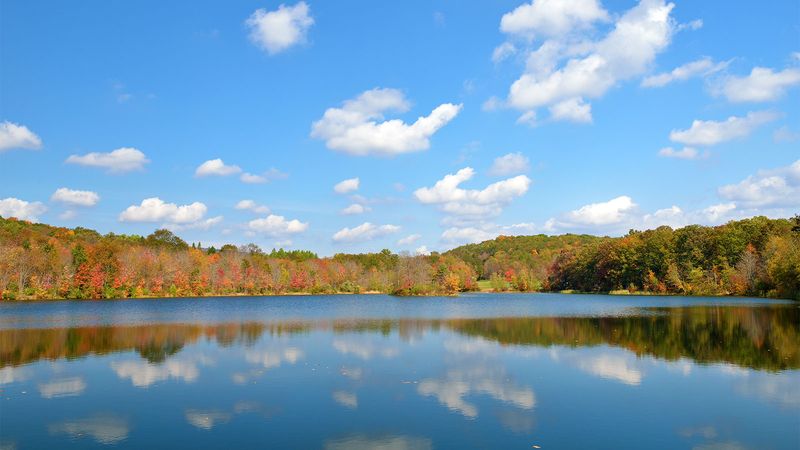
Nescopeck feels like a place where small sounds matter.
A dragonfly buzzes over wetland plants, a deer lifts its head near the trees, and a creek slides quietly beside the trail as if it is trying not to scare anything away.
Nescopeck State Park near Drums offers a peaceful mix of forests, fields, wetlands, and streamside paths.
It is not as dramatic as a waterfall gorge or high mountain overlook, but that is part of its charm.
The park invites hikers to slow down and notice details that busy trails sometimes hide.
Nescopeck Creek and the park’s wet areas are good places to watch for frogs, turtles, insects, and birds.
In summer, dragonflies patrol the sunny edges like tiny helicopters.
Red-winged blackbirds may call from marsh plants, while woodpeckers and songbirds work the surrounding forest.
Deer are common in the area, especially early or late in the day.
You might also see rabbits, squirrels, hawks, and tracks from nighttime visitors.
The best approach is to walk softly, pause often, and scan ahead instead of rushing around corners.
Trails here can be approachable for many hikers, though conditions change with weather.
Wet spots may be muddy, and insects can be active in warmer months.
Wear comfortable shoes, bring bug spray, and carry water.
A pair of binoculars can make even a short walk more interesting.
Nescopeck is a reminder that magical wildlife moments do not always need a famous animal.
Sometimes the wonder is a frog hidden in plain sight or a bird call you finally learn to recognize.
This quiet Pennsylvania park gives patient hikers a chance to feel like careful guests in a living, breathing landscape.