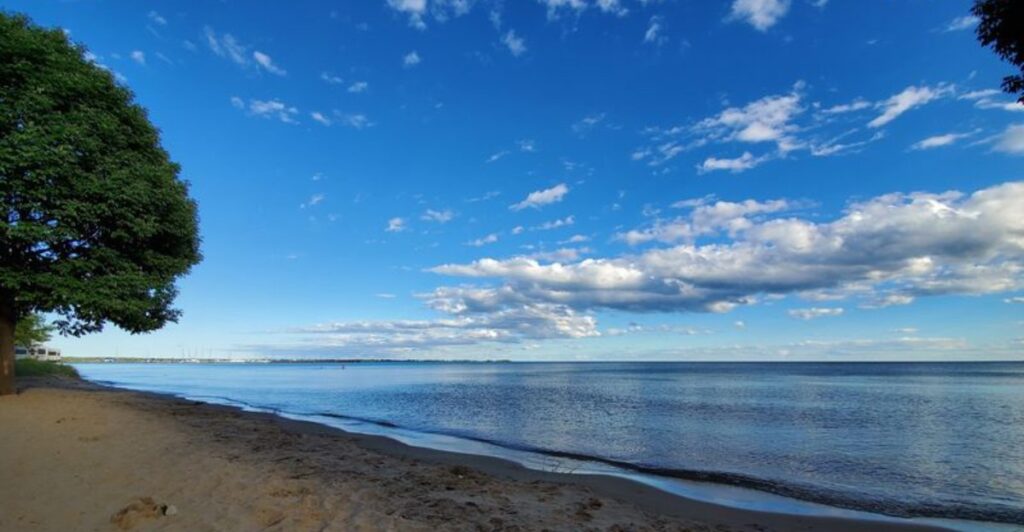
Shoreline walks feel more exciting when the land narrows until Lake Huron seems to wrap around nearly every side. At Tawas Point State Park in Michigan, a sandy finger stretches into the water, giving visitors beach views, wild scenery, and one of the state’s most beautiful lighthouse settings in one easy stop.
The appeal comes from how simple the place feels at first, then how surprising it becomes once the water opens up around you. It is relaxed enough for a casual beach day, but distinctive enough to feel like a real discovery.
For anyone who loves Michigan places with sand, scenery, and a little natural drama, this Lake Huron shoreline deserves a spot on the list.
Where the Sand Reaches Into the Lake
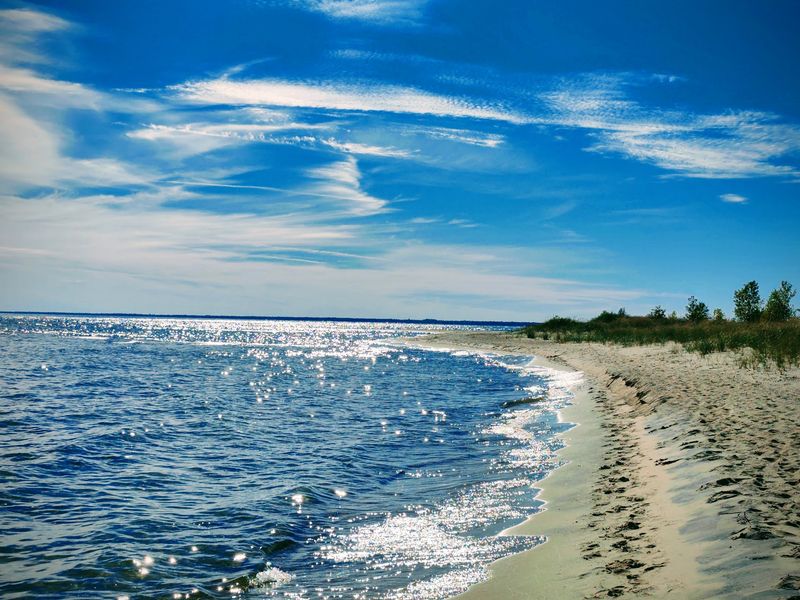
The first few steps can catch you off guard in a fun way. At Tawas Point State Park, the land grows thinner and thinner until it turns into a sandy reach surrounded by Lake Huron, giving you a rare chance to walk a strip of beach with water on both sides.
That shape changes the whole outing. Instead of standing on a normal shoreline and facing one direction, you keep glancing left, then right, noticing how the light, waves, and wind can look different just a few yards apart.
One side may appear calmer while the other side shows more motion. Kids usually notice it fast, and adults do too, because the point makes the lake look bigger and more open than a standard beach ever could.
The sand itself is part of the story. Tawas Point is not a fixed stone edge.
It is a living shoreline, built and reshaped by water, weather, and shifting lake conditions, which gives the walk a sense of motion even on a quiet day.
If you go expecting a long wilderness trek, reset that idea. The pleasure here comes from simple movement, slow exploring, and stopping often enough to enjoy the changing view instead of rushing toward a finish line.
Comfort matters more than speed on this kind of outing. Wear shoes that can handle sand, bring water, and keep a light jacket nearby because breezes off Lake Huron can make a warm day feel cooler near the tip.
Try visiting when the sun is lower if you want the most striking colors. Morning light sharpens the water, while later light can soften the shoreline and make the whole sand spit glow as it stretches into the lake.
A Lighthouse That Anchors the Whole Scene
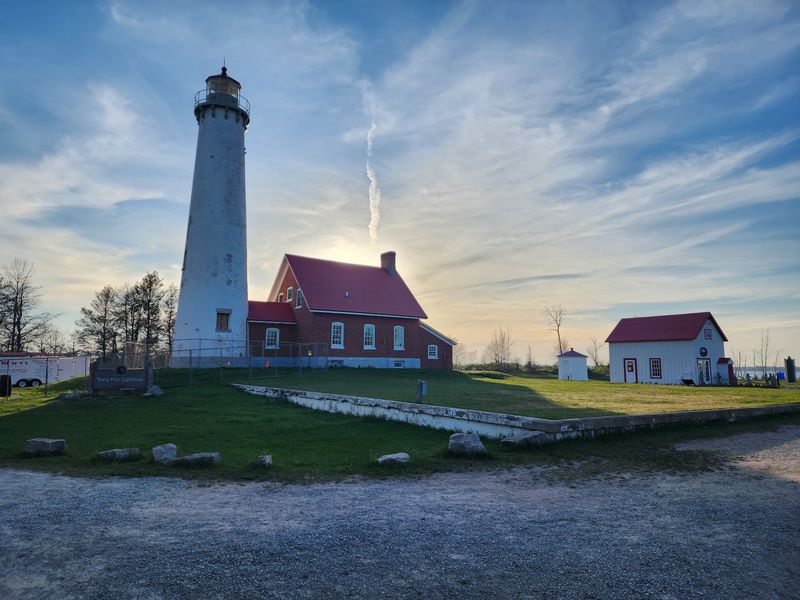
Nothing gives the point its classic identity faster than the lighthouse. Set near the sandy shoreline, Tawas Point Lighthouse adds a clean, bright landmark to a landscape that might otherwise seem all sky, water, and shifting beach.
The building helps you understand the place at a glance. This is not only a swimming beach or a campground stop.
It is also a piece of working Great Lakes history, shaped by the needs of navigation on a coast known for changing weather and tricky shallows.
Even if you never go inside, the lighthouse improves the entire visit. It gives your walk a destination, creates a strong photo backdrop, and adds scale to the broad open view around the point.
Closer up, the details matter. The tidy structure, the nearby grounds, and the contrast between human design and loose natural shoreline make the area more interesting than a plain beach park with no focal point.
If tours are available during your visit, they can add another layer to the day. A climb or guided look around gives context to everything outside, because the lake stops being just scenery and starts reading as a route that ships once depended on.
For families, the lighthouse works especially well because it breaks up the outing naturally. Swim for a while, walk a trail, then head over to see the tower and return to the beach with a stronger sense of place.
Bring closed-toe shoes if you hope to explore beyond the sand-focused parts of the park. The point may look soft and easy from a distance, but the lighthouse area reminds you that this shoreline is both playful and practical.
Michigan Water on Two Very Different Sides
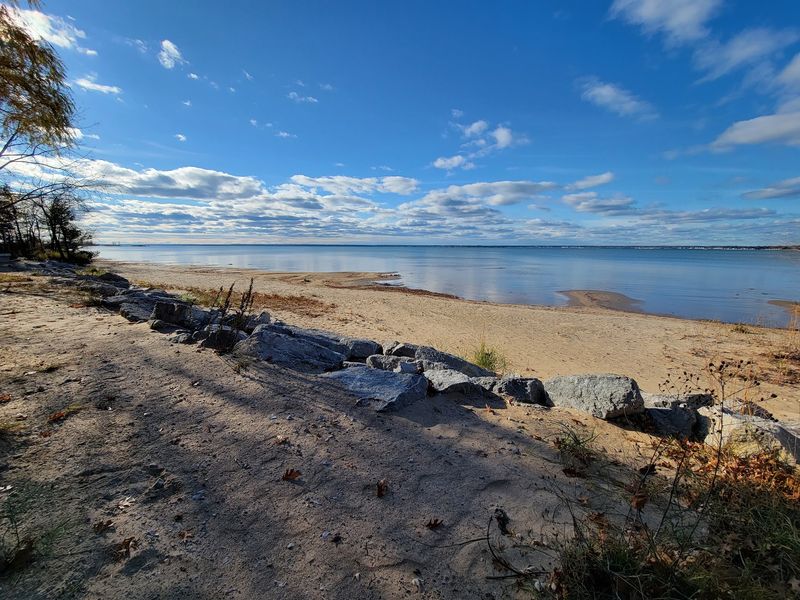
Here is the clever part of Tawas Point. Because the park sits between more open Lake Huron water and the more sheltered bay side, you can often choose the beach that best matches the weather instead of settling for one fixed shoreline.
That flexibility makes a big difference during a real summer day. If the open lake side feels windy or rough, the bay side may offer gentler water and a calmer place to wade, float, or let younger kids splash close to shore.
On another day, the opposite mood might be the draw. Bigger motion, cooler breeze, and a wider horizon can make the Lake Huron side more exciting if you want that fresh, open-coast feeling.
Water depth is one reason families like the park so much. Shallow areas are common, which gives swimmers more room to ease into the lake rather than stepping straight into deep water after just a few paces.
Still, it helps to stay alert. Great Lakes beaches can change with wind, current, and underwater contours, so watch posted signs and avoid assuming all calm-looking water behaves the same across the entire point.
The side-by-side contrast also keeps the scenery interesting. One stretch may frame sailboats in the bay, while another shows longer waves and a more rugged edge, all within a walkable park that never feels too complicated to navigate.
If you are visiting with a mixed group, this setup is hard to beat. Swimmers, beach walkers, photographers, and people who just want a chair near the water can spread out a bit and still feel like they are sharing the same outing.
Bird Wings, Beach Grass, and the Wild Side of the Point
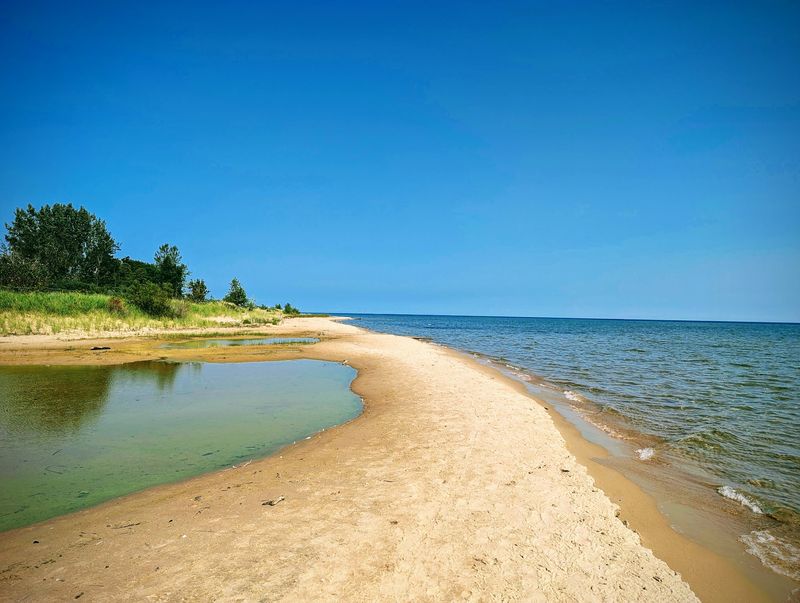
Sand and swimming get most of the attention, but the point has a quieter side that rewards slower eyes. Trails, beach grass, and viewing spots open up a different experience, one built around birds, changing habitats, and the meeting line between shore and wetland.
Tawas Point is well known as a place to watch migration, and that adds real excitement even for casual nature fans. You do not need to be an expert with a checklist to enjoy the movement overhead or the chance of spotting unusual shorebirds along the way.
The setting helps. Narrow landforms like this can guide bird traffic, which means a simple walk might include quick flashes of color, calls from the brush, or a patient stop at an observation area with binoculars in hand.
Look down as much as you look up. Plants, dune edges, and protected areas explain how delicate the point can be, especially where habitat supports species that need room to nest or rest during migration.
That is why sticking to marked paths matters here. It protects the landscape, but it also helps you see more clearly because trails lead through the places designed for safe viewing rather than random wandering through sensitive ground.
If mosquitoes and ticks are active, a little planning goes a long way. Bring spray, wear practical shoes, and consider a morning or evening walk only if you are prepared for changing bugs and changing breezes.
Nature watching also gives the park a completely different tempo from the beach. One hour can be full of swims and chatter, then the next can turn quiet except for wind in the grass and wings moving above the point.
Best Times to Catch the Point at Its Most Striking
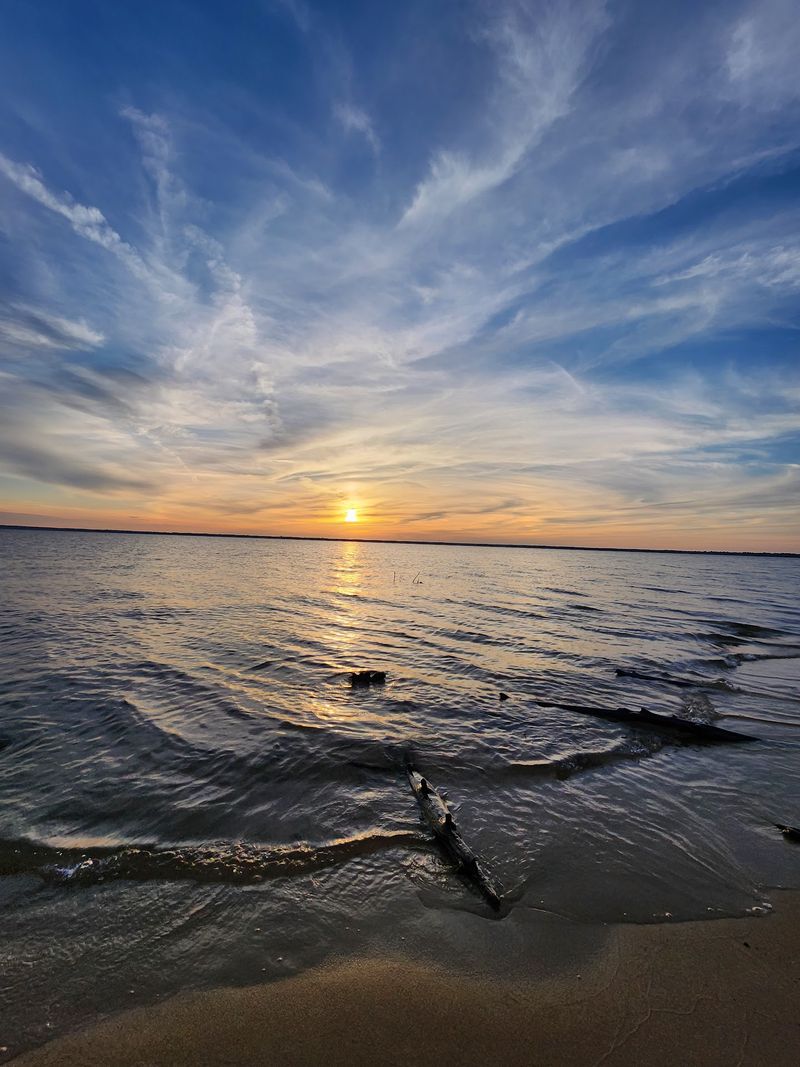
Timing changes everything at Tawas Point, and not in a small way. Because the park sits between broad water views and a narrow run of sand, light and wind can transform the same walk from bright and breezy to calm, glowing, and almost dreamlike.
Early morning is a strong pick if you want space and cleaner light. The shoreline often looks sharper then, and the lake can appear smoother, making the point feel longer and more delicate as it reaches into the water.
Later in the day brings a different energy. Families settle onto the beaches, swimmers spread out in the shallows, and the park feels more social without losing its scenic pull.
Sunrise gets a lot of attention for good reason, especially on the Lake Huron side. If skies cooperate, the color shifts can turn pale sand and blue water into a layered scene that barely needs editing to look impressive in photos.
Sunset has its own role too, especially around the bay side where evening light can soften the park and make a slower stroll feel just right after a busy afternoon. Staying late also gives you a better chance to enjoy cooler air in summer.
Weather should help you choose your window. Hot afternoons can be wonderful for swimming, but windier periods may be better for walking, watching waves, or simply changing sides of the park to find the conditions you like best.
If you can manage two visits in one day, do it. A morning pass shows the point in its crisp, open form, while an evening return reveals a calmer, more settled side that proves the same sand spit can tell two very different stories.
How to Spend a Full Day Without Getting Bored
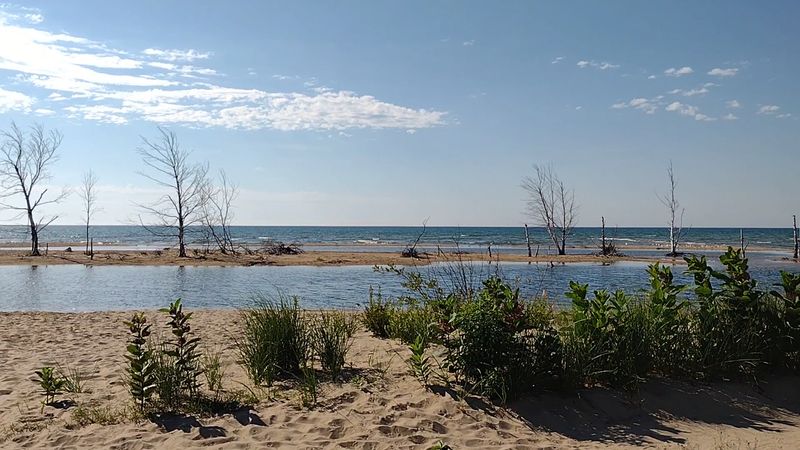
A lot of parks give you one main activity and hope that is enough. Tawas Point does better because the shape of the land and the mix of features let you build a full day in easy stages without needing to leave once you settle in.
Start with the beach while energy is high. The shallow water invites wading, sand play, and low-stress swimming, which works well for families or anyone who wants a relaxed start instead of a demanding hike.
After that, shift gears and head toward the point itself. A walk out along the narrowing sand gives the day a sense of movement and discovery, especially when the lake looks different on each side of your path.
Midday is a good time for a picnic or a break in the campground area if you are staying overnight. The park is popular for camping, and that matters even to day users because it supports a fuller setup with useful facilities and a lived-in summer rhythm.
Later on, add one focused activity rather than trying to do everything at once. Maybe it is checking out the lighthouse, trying a birding trail, watching sailboats in the bay, or simply claiming a quieter stretch of shoreline with a book and a chair.
Families with kids often appreciate how close the attractions sit to one another. There is enough variety to prevent restlessness, but not so much distance that the day turns into constant loading, unloading, and driving between stops.
If your group includes a dog, the designated dog beach is another practical bonus worth planning around. By sunset, you can end with one more shoreline walk and realize the point did exactly what a good state park should do, keep the day simple while still giving it shape.
The Sharp Reason This East Tawas Park Stands Out
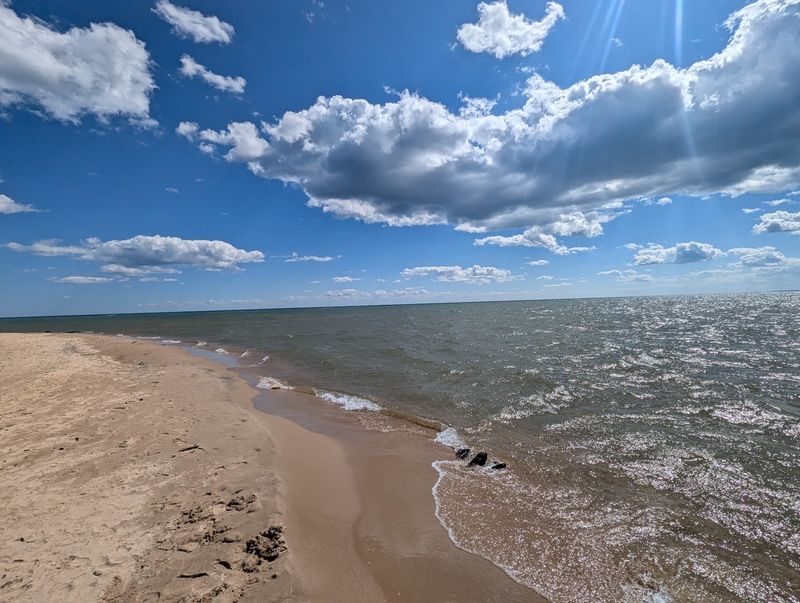
Some shore destinations win you over with size. Tawas Point stands out for shape.
The park turns a simple walk into an unusual Great Lakes experience by letting you move out onto a narrow strip of land where water keeps showing up on both sides.
That single feature would already be enough to make the place memorable, but the park does not stop there. It adds a lighthouse, shallow swimming areas, bird habitat, campground access, and flexible beach choices that respond well to changing wind and weather.
Plenty of beach parks offer one or two of those things. Very few arrange them so neatly in one compact setting, where a family can swim, a photographer can chase light, and a nature watcher can scan the sky all within the same visit.
The point also has a clean sense of identity. It does not feel confused about what it is trying to be.
Every part of the landscape supports the main idea of standing at the edge of Michigan and stepping farther into Lake Huron than you expect.
That makes it easy to recommend to all kinds of travelers. If you want a classic summer beach day, it delivers.
If you prefer a scenic walk with stronger visual drama than a flat shoreline usually gives, it handles that too.
Practical details help seal the deal. Regular park hours, maintained facilities, and the option to adjust your outing based on breeze, crowds, or swimming conditions mean the experience stays approachable even for first-time visitors.
In the end, the strongest reason to go is simple. Tawas Point State Park offers a rare kind of shoreline perspective, one where the land narrows, the horizon widens, and Lake Huron seems to wrap around your walk almost the entire way out.