Lunch feels a lot more memorable when every part of the meal brings something different to the table. In Ann Arbor, Michigan, El Harissa Market Cafe turns an easygoing stop into a flavorful experience with richly seasoned chicken tagine, bold lamb meatballs, and gelato flavors that make dessert feel like part of the main event.
The appeal comes from that mix of comfort, spice, and surprise, where the menu keeps your attention from the first bite to the last spoonful. It is casual enough for a simple meal, but distinctive enough to feel like a discovery.
For anyone craving a Michigan cafe with character, warmth, and flavor that does not fade into the background, El Harissa deserves a closer look.
A tagine that brings slow-cooked comfort to the table
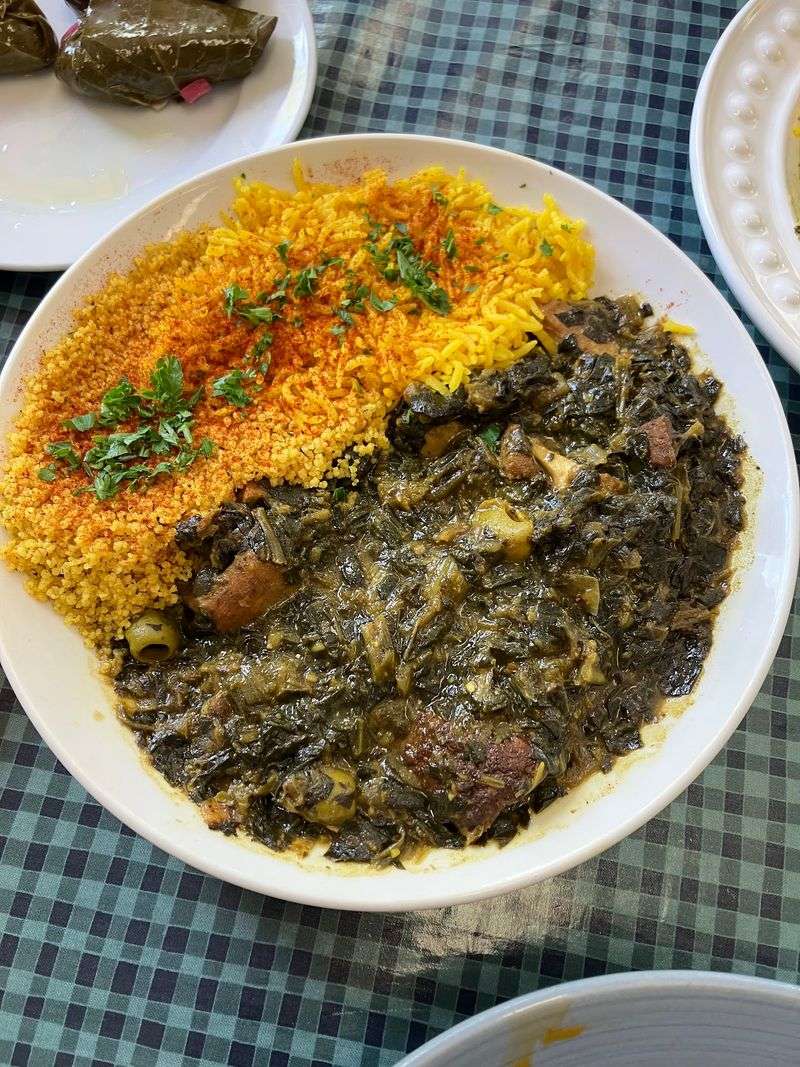
One warm dish can tell you a lot about a restaurant, and the chicken tagine does that job here. It arrives as the kind of meal built on patience, with tender chicken, deep seasoning, and a savory richness that fits a cafe known for North African cooking.
Instead of chasing flashy presentation, it wins by offering steady, layered flavor.
At El Harissa Market Cafe, the tagine helps explain why the menu catches attention beyond standard lunch options in Ann Arbor. North African food often leans on spice blends, herbs, and slow cooking, and this dish shows how those parts work together in a way that feels filling without becoming heavy.
If you usually order grilled chicken and move on, this is the plate that may nudge you into trying something more complex.
The best approach is simple. Give the first few bites your full attention, especially the way the sauce settles into the rice or couscous and how the seasoning opens up as the dish cools slightly.
Warm bread on the side can turn every last bit of sauce into part of the meal instead of something left behind.
Families and cautious eaters can also start here because chicken is familiar, even when the seasonings are new. That makes the tagine a smart bridge dish for anyone curious about Tunisian and Maghrebi flavors but not ready to jump into the spiciest or most unusual choice on the menu.
It feels approachable, but never plain.
Timing matters a little, too. Since the cafe opens at noon and keeps afternoon-to-early-evening hours, the tagine fits nicely as a relaxed lunch, an early dinner, or a takeout order for a picnic or quiet meal at home.
In a place full of tempting dishes, this one gives the menu a calm, confident center.
Lamb meatballs with enough spice to hold your attention
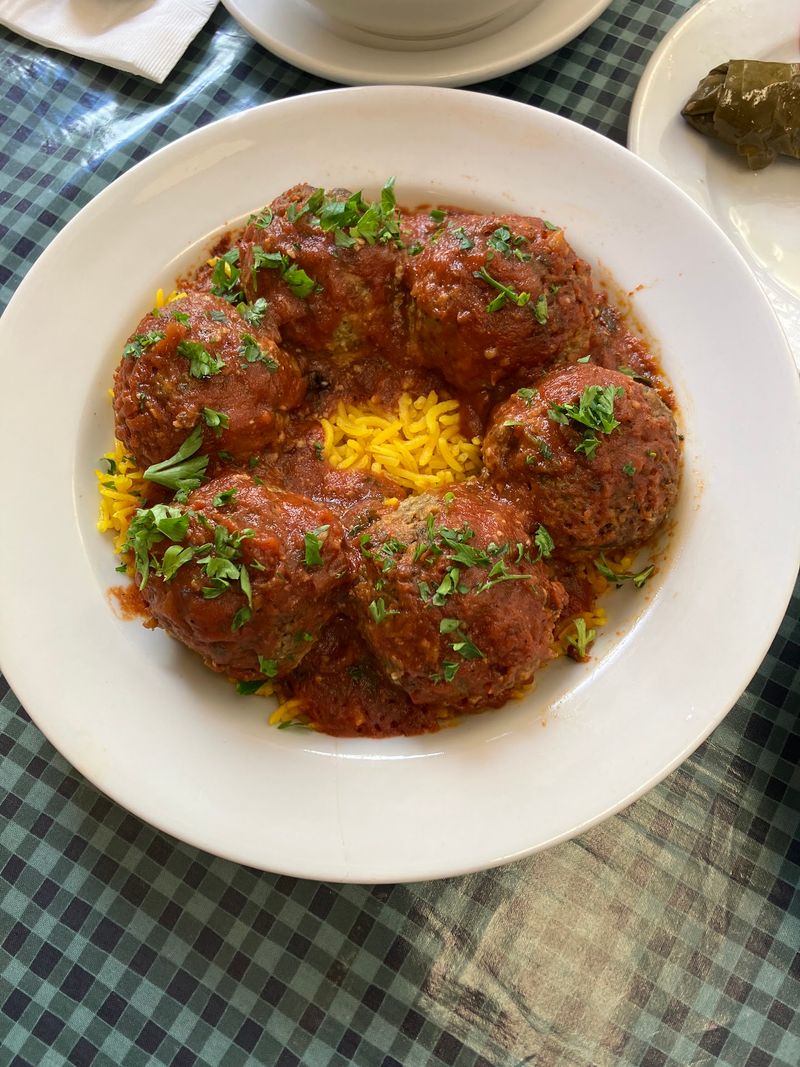
Few menu items sound as cheerful as meatballs, yet the lamb version here carries much more personality than that friendly name suggests. A good lamb meatball should be savory, well seasoned, and a little bolder than beef, and El Harissa Market Cafe uses that built-in richness to create one of the cafe’s most talked-about savory plates.
The result lands somewhere between comfort food and a flavor lesson.
Lamb matters because it changes the whole pace of a meal. Chicken can be soft and easygoing, but lamb brings depth right away, especially when paired with spices, herbs, and a side like couscous that catches every bit of sauce.
If you are deciding between playing it safe and trying something more expressive, this is often the plate that rewards the risk.
The meatballs also show how the cafe works across different tastes. Someone new to Tunisian or broader North African cooking can recognize the form instantly, while more adventurous diners can focus on the seasoning and how it compares with other regional dishes on the menu.
That balance makes the plate useful for shared meals, because one order can start conversations across the table instead of ending them.
Texture plays a big role here as well. A successful meatball needs a tender interior, enough structure to hold together, and a sauce or accompaniment that keeps the dish from feeling dry.
Pairing it with a dip, soup, or a vegetable side turns it into a fuller spread without making the meal overly formal.
If you visit with a group, the lamb meatballs are one of the smartest anchors for an order made to sample around the menu. They connect easily with couscous, pita, dips, and even a later dessert run to the gelato case.
In a cafe that offers many tempting directions, this dish adds savory focus and a little swagger.
Gelato that changes dessert from an afterthought into a destination
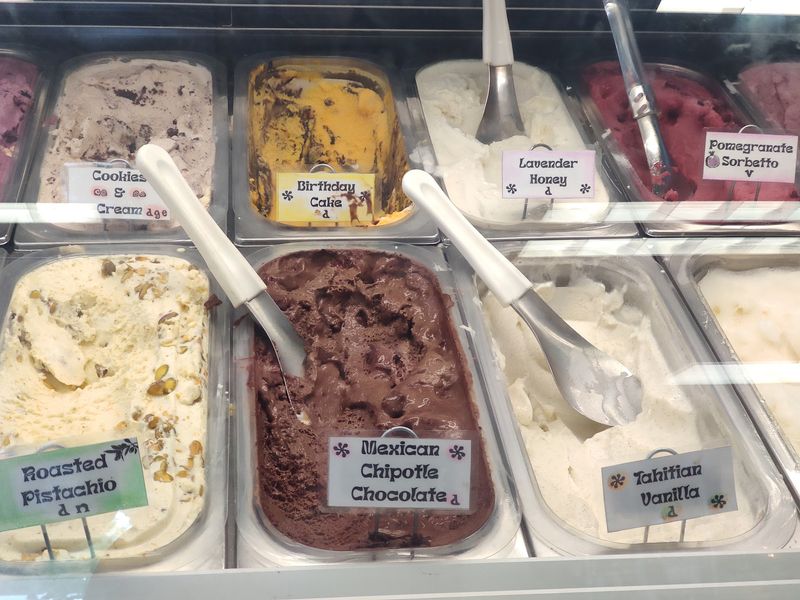
Dessert can be a polite ending, or it can completely steal the show. At El Harissa Market Cafe, gelato often takes the second route, with a range of flavors that pushes the meal past standard cake-or-cookie territory and into something more playful.
That matters because the cafe is not only serving lunch and dinner, it is building curiosity right up to the final bite.
Several flavors mentioned around the cafe lean into ingredients that already fit the restaurant’s wider style, including spices, nuts, fruit, and floral notes. Instead of feeling random, the gelato case extends the same spirit as the savory menu, where flavor is expected to have detail and a bit of surprise.
If you usually skip dessert, this is the part of the room most likely to change your mind.
A smart move is to treat the gelato as part of the plan instead of an impulse at the register. Order lighter on the front end if you want room to sample more than one flavor, especially since combinations can be half the fun.
Rich options like chocolate, pistachio, baklava-inspired blends, or date-based flavors can sit next to brighter picks with fruit, citrus, mint, or spice.
That variety gives the cafe unusual range. A family can end the meal happily even when everyone wants something different, and a pair of friends can compare scoops without one person getting stuck with the boring choice.
For newcomers, gelato also offers an easy, low-pressure entry point to the cafe’s flavor style.
In practical terms, the dessert case makes El Harissa useful outside normal meal logic. You can stop in after lunch elsewhere, swing by for a sweet finish to take home, or turn an early evening visit into a full meal capped by dessert.
Plenty of restaurants serve good food. Fewer make dessert feel like part of their identity.
On North Maple Road, the market-cafe setup adds extra intrigue
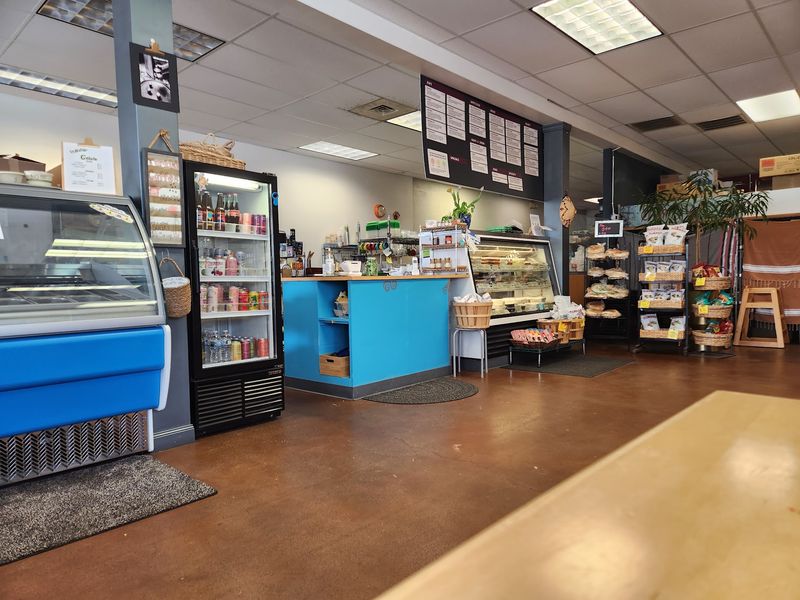
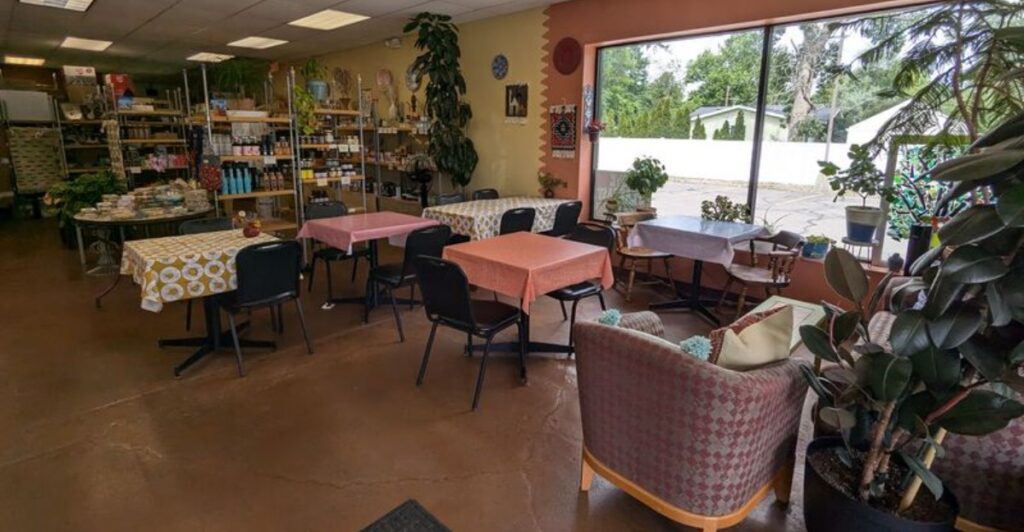
Some restaurants ask you to sit down, order, and leave. El Harissa Market Cafe gives you more to look at, because the space blends a cafe with a market stocked with items that support the wider food story.
That setup changes the visit right away, turning a meal into a browse, a browse into a small discovery, and a quick stop into extra time spent looking around.
Shelves with spices, pantry goods, and giftable items help explain the menu without a lecture. You can connect a dish on the plate to ingredients nearby, which makes the cafe feel less separated from the cooking traditions it draws from.
For anyone curious about Tunisian and North African flavors, that physical connection is useful and inviting.
The room also helps if you are dining with people who move at different speeds. One person can study the prepared food options while another looks at jars, books, pottery, or specialty ingredients, and nobody has to pretend the wait is boring.
In a city where many lunch spots are purely functional, that little bit of wandering room adds personality.
There is also a practical advantage to the counter-style format noted by many diners. Prepared dishes displayed near the register can make ordering easier when the menu is unfamiliar, since seeing the food often removes hesitation.
If names like zalouk, chermoula, or terrine are new to you, visual cues can make the whole experience more comfortable.
North Maple Road is not the kind of location that depends on downtown bustle to create appeal, so the cafe needs its own internal energy. The market-cafe design provides that by giving you more than a chair and a plate.
It supports takeout, quick visits, longer browsing, and casual meals without making the place feel scattered. For a neighborhood stop, that flexibility is one of its smartest strengths.
Why this Ann Arbor, Michigan cafe works for both cautious eaters and curious ones
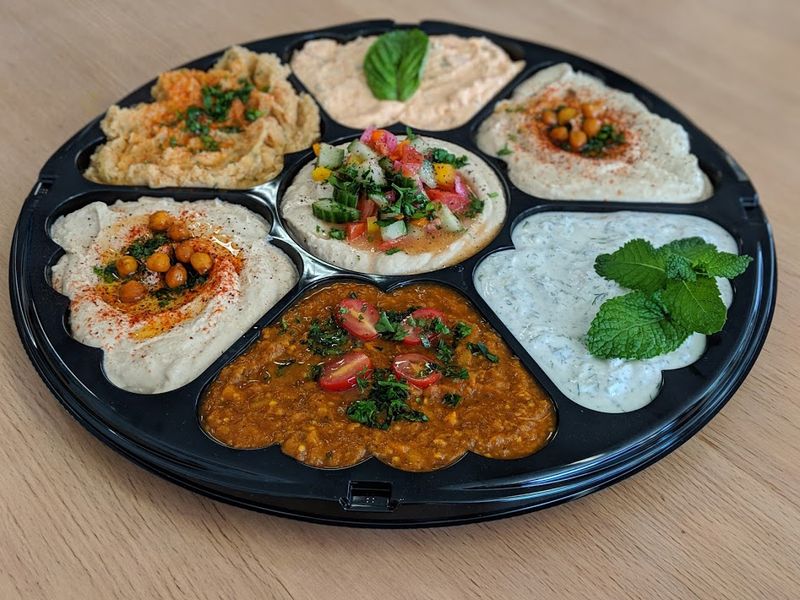
Plenty of places are either easy for cautious eaters or exciting for adventurous ones. El Harissa Market Cafe manages to serve both, which is a big reason it stands out in Ann Arbor, Michigan.
You can walk in wanting a familiar chicken dish, a comforting meatball plate, or a scoop of dessert, then leave having tried a flavor combination you would not have chosen elsewhere.
That balance matters when a group is ordering together. One person may want a direct, recognizable meal, while another wants to sample dips, spice blends, or less common dishes from the case.
Because the menu stretches from approachable staples to more distinctive North African options, the table does not have to split between safe and bold. It can do both at once.
The cafe’s strongest bridge foods are right in the article title. Chicken tagine sounds special but still reassuring, lamb meatballs are familiar in shape even when the seasoning shifts, and gelato offers a fun finish that lowers the stakes of trying something new earlier in the meal.
If you are bringing kids, out-of-town relatives, or a friend who claims to be picky, those three choices form an easy game plan.
Order in layers if you want the fullest experience. Start with one stable anchor, add a side or dip that stretches your taste a bit, then save room for dessert.
That pattern helps the menu feel accessible rather than overwhelming, especially during a first visit.
There is also value in how the cafe avoids turning unfamiliar food into a formal event. The setting stays casual, the service style can be straightforward, and the display-case format helps remove guesswork.
Instead of demanding expertise, the place invites curiosity. For many diners, that is the exact difference between admiring a menu and actually ordering from it.
Best way to plan your visit so the meal lands just right
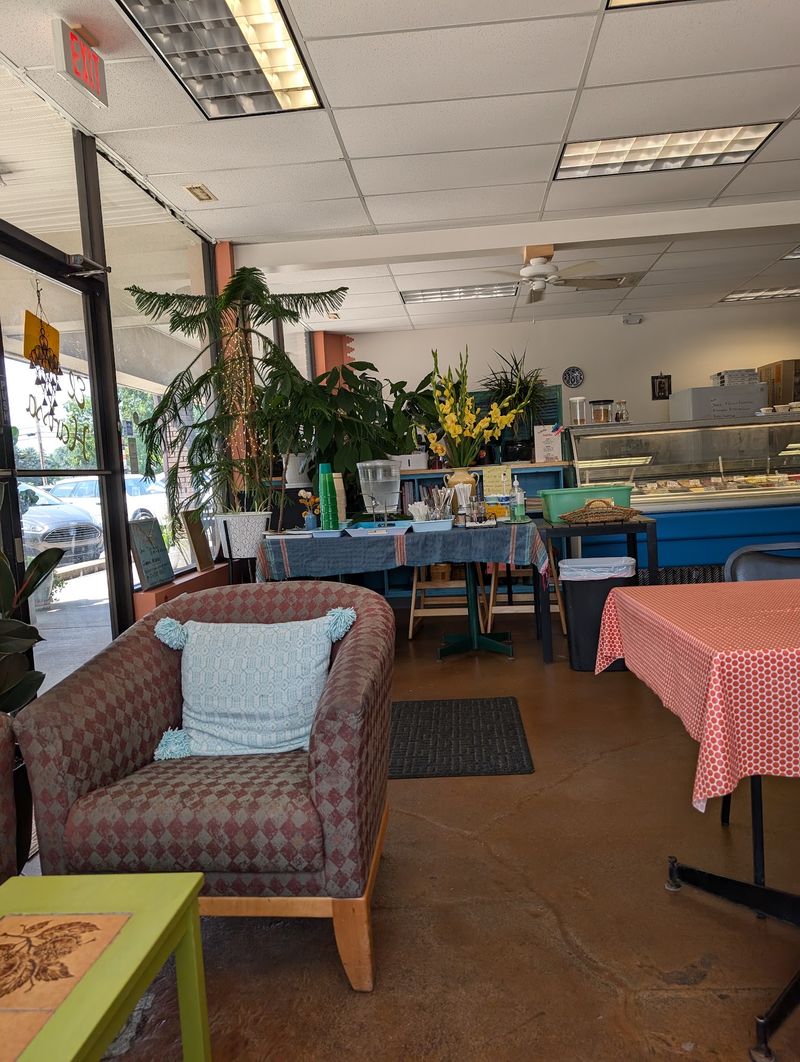
A little planning goes a long way here, mostly because El Harissa Market Cafe keeps a tighter schedule than an all-day restaurant. It is closed on Monday and operates from noon to 7 PM on the other days, which places it squarely in the lunch, late lunch, and early dinner zone.
Knowing that shape helps you build the visit around the cafe instead of arriving too early or expecting a long night menu.
Midday is a smart time for a first trip. You can look over the prepared foods with less pressure than a packed dinner rush, ask a few questions, and give yourself room for dessert without feeling rushed out the door.
Since the menu has enough variety to tempt over-ordering, an earlier visit also makes it easier to turn the meal into a slower, more curious stop.
Takeout is another strong option, especially if the weather is pleasant and you want to turn lunch into a picnic. Several diners have treated the food that way, and the cafe’s spread-friendly style works well outside the dining room.
Chicken, meatballs, dips, rice, and bread all travel more naturally than fragile plated entrees from finer dining spots.
If it is your first order, keep the structure simple. Pick one main, add one or two sides that sound interesting, then save room for gelato or a coffee-based finish.
That rhythm lets you understand the cafe’s flavor range without turning the table into a crowded tasting puzzle.
The other useful tip is to leave a few extra minutes for the market shelves. This is not the kind of place where you want to bolt out as soon as the food is done.
A jar of spices, a pantry item, or a small gift can extend the experience past the meal and give the visit a more complete sense of place.