
Tennessee packs more memorable experiences per dollar than just about anywhere in the country. From world-class museums to quirky roadside stops, you can fill entire weekends with adventure without emptying your wallet.
These 14 picks prove you don’t need deep pockets to discover what makes the Volunteer State special.
1. Drive Through Tennessee Safari Park in Alamo

Your car becomes a safari vehicle the moment you roll through the gates of this 7.5-mile adventure. Zebras wander close enough to see their stripes in detail, camels peer through windows with curious expressions, and bison move across the landscape like they own the place.
At $24 for adult admission, you get access to one of the most interactive wildlife experiences in West Tennessee.
The real magic happens when a giraffe’s long neck stretches toward your vehicle. These towering animals approach with surprising gentleness, and you can purchase feed cups separately if you want them even closer.
The drive takes about an hour if you move steadily, but most visitors spend closer to two hours pausing for photos and animal encounters.
Keeping windows up is optional but not recommended unless you prefer watching from a distance. Animals recognize vehicles as sources of attention and sometimes treats, so they approach without hesitation.
Kids love the up-close encounters, and adults appreciate not having to walk miles in the Tennessee heat.
The park’s layout winds through varied terrain, giving different animals their preferred habitats. You might spot emus strutting near the entrance, then encounter llamas and alpacas in a separate section.
The variety keeps the drive interesting from start to finish.
Visiting during cooler morning hours often means more active animals. Summer afternoons can send some creatures seeking shade, though the drive remains worthwhile year-round.
This is one of those experiences that feels far more expensive than it actually is, delivering genuine excitement without requiring a vacation-sized budget.
2. Spend the Day at Discovery Park of America in Union City

West Tennessee’s answer to major metropolitan museums sits in Union City, combining scale and variety that rivals institutions in much larger cities. Discovery Park sprawls across indoor galleries and outdoor heritage areas, packing dinosaurs, vintage aircraft, earthquake simulators, and historic buildings into a single $29.99 admission.
The price barely hints at how much ground you’ll cover.
Inside the main building, exhibits shift from natural history to military artifacts to hands-on science stations. A full-size T-rex skeleton commands attention in one gallery while Civil War collections occupy another.
The transportation section displays everything from antique cars to military vehicles, and the energy hall lets visitors experiment with physics concepts through interactive displays.
Step outside and the experience continues through reconstructed historic buildings. A one-room schoolhouse, general store, and pioneer cabin offer glimpses into Tennessee’s past.
Gardens, walking paths, and additional outdoor exhibits mean you’re not stuck inside all day, which matters during pleasant weather.
Families with kids can easily spend five or six hours here without anyone getting bored. Adults traveling without children still find plenty to engage them, especially in the military history and transportation sections.
The museum doesn’t talk down to visitors or oversimplify complex topics.
For just under $30, you get access to rotating special exhibits along with permanent collections. The facility itself impresses with modern architecture and thoughtful layout.
Parking is free, bathrooms are plentiful, and the cafe offers reasonable prices. This is exactly the kind of place that makes you wonder why more people don’t know about it.
3. Step Inside Casey Jones’ Historic Home and Railroad Museum in Jackson
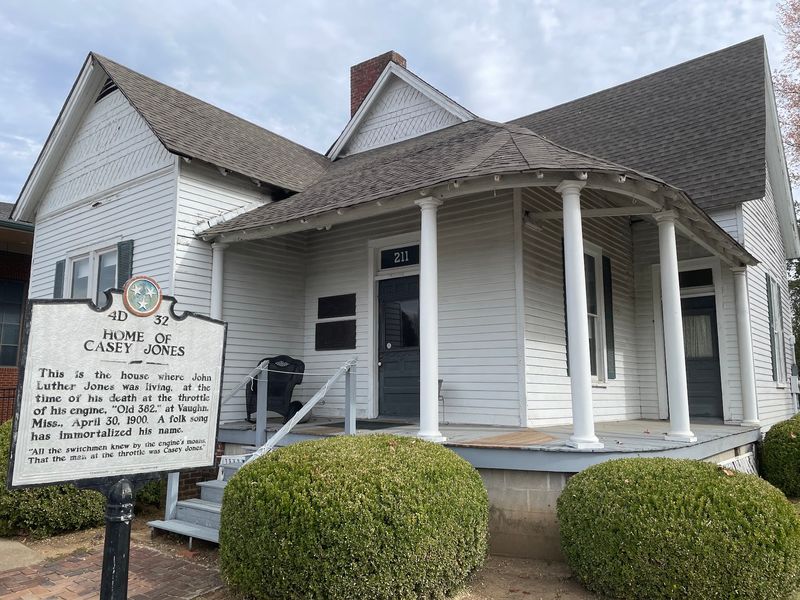
The name Casey Jones carries weight in railroad history, and his actual home still stands in Jackson as a portal to America’s steam era. For $12, visitors walk through the rooms where the legendary engineer lived before his fatal 1900 crash made him a folk hero.
The house preserves period details and personal belongings that make the story feel immediate rather than distant.
Railroad exhibits extend beyond the house into dedicated museum space. Vintage lanterns, telegraph equipment, conductor uniforms, and track tools illustrate what working on the rails actually involved.
The crown jewel sits outside: a 35-ton locomotive visitors can climb aboard. Standing in the cab where engineers once controlled these massive machines gives you perspective on their skill and courage.
The scale alone impresses, but touching the controls and levers makes it tangible.
This isn’t a massive destination requiring half a day. Most visitors spend 60 to 90 minutes exploring the house, exhibits, and locomotive.
That compact timeframe makes it perfect for breaking up a road trip or combining with other Jackson attractions. The staff knows their railroad history and happily answers questions.
Kids who love trains find this place captivating, but adults appreciate the historical depth. The museum doesn’t sensationalize Jones’ story or turn it into pure entertainment.
Instead, it presents a real person who made a split-second decision that saved passengers’ lives while costing his own. That human element, combined with authentic artifacts and the impressive locomotive, makes twelve dollars feel like a bargain.
4. Explore the Story of the Tennessee River at the Tennessee River Museum in Savannah
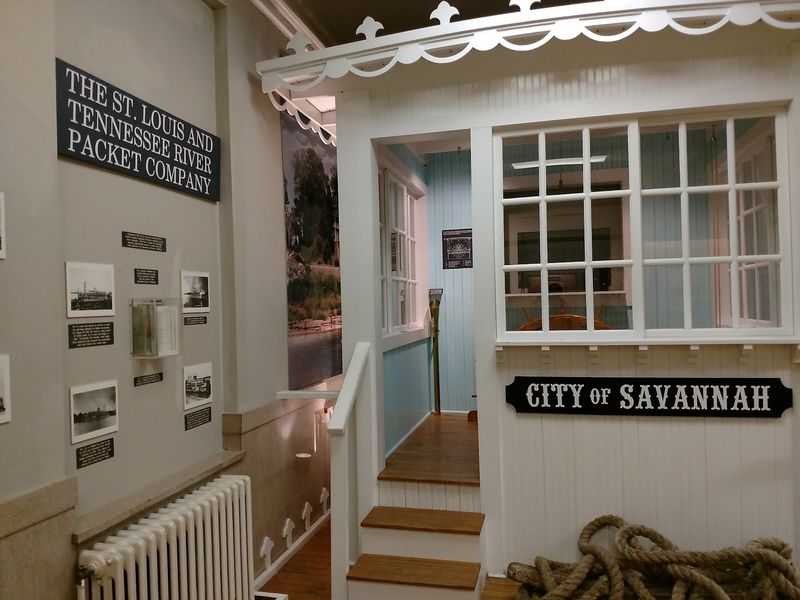
At just $5, the Tennessee River Museum in Savannah ranks as one of Tennessee’s best museum values. The river shaped this region’s entire history, and these exhibits trace that influence from prehistoric times through modern navigation.
You’ll learn about Native American settlements, steamboat commerce, mussel harvesting, and Civil War river crossings without feeling like you’re slogging through a textbook.
The mussel exhibits surprise most visitors. Tennessee rivers once supported a thriving button industry, with workers harvesting freshwater mussels by the ton. Displays show the tools, techniques, and economics of this forgotten trade.
It’s the kind of specific regional history that major museums often overlook.
Civil War content focuses on river strategy and local battles. Maps show how controlling the Tennessee River meant controlling supply lines and troop movements.
Personal accounts from soldiers and civilians add human perspectives to military history. The museum doesn’t glorify war but presents it as a defining period for the region.
Steamboat exhibits include models, photographs, and artifacts from the era when river travel dominated transportation. Before railroads and highways, the Tennessee River served as the region’s main commercial artery.
Understanding that context helps visitors grasp how dramatically transportation changes have reshaped American life.
The museum occupies a modest building and won’t consume your entire afternoon. An hour to ninety minutes covers most exhibits thoroughly.
Staff members often have deep local knowledge and can recommend nearby historic sites or river access points. For five dollars, you get a solid education in regional history presented clearly and without pretension.
This is exactly the kind of small-town museum that deserves more recognition.
5. Walk Through the Story of Memphis Music at the Rock ‘n’ Soul Museum
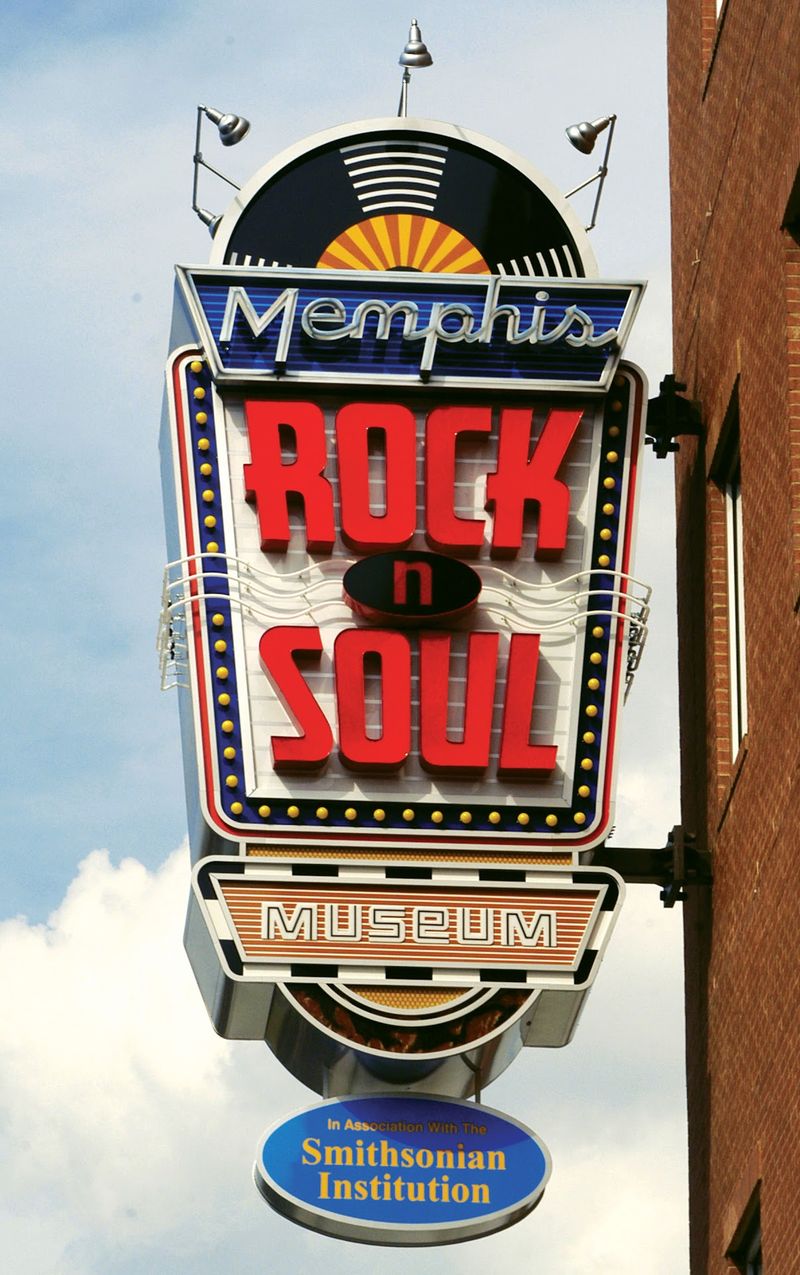
Memphis music didn’t emerge from nowhere. It grew from cotton fields, river towns, church pews, and juke joints, then exploded into cultural force that changed American sound forever.
The Rock ‘n’ Soul Museum, developed with the Smithsonian, traces that evolution for $16 admission. Audio guides included with entry let musicians and historians explain the journey in their own voices.
Exhibits begin in rural Tennessee and Mississippi, where blues took shape from work songs and spiritual traditions. Photographs show sharecroppers and early musicians who laid groundwork for everything that followed.
The progression moves through Memphis’ Beale Street, where blues went electric and urban, then into the studios where rock and soul crystallized.
Costumes, instruments, and recording equipment bring different eras to life. You’ll see actual clothes worn by Memphis legends, guitars that shaped signature sounds, and vintage microphones that captured historic performances.
The artifacts aren’t just displayed, they’re contextualized within larger musical and social movements.
What sets this museum apart is its refusal to oversimplify. The exhibits acknowledge racial dynamics, economic pressures, and cultural exchanges that made Memphis music possible.
This wasn’t just talented people making great sounds, it was specific historical conditions creating space for innovation. Understanding that context makes the music mean more.
The audio guide deserves special mention. Rather than reading wall text, you hear interviews, music clips, and expert commentary synchronized to exhibits.
This approach keeps the experience moving and engaging.
Most visitors spend two hours inside, though music enthusiasts can easily stretch that longer. Sixteen dollars buys access to one of the clearest explanations of American music’s roots you’ll find anywhere.
6. Stand Inside the Story of Stax Records in Memphis
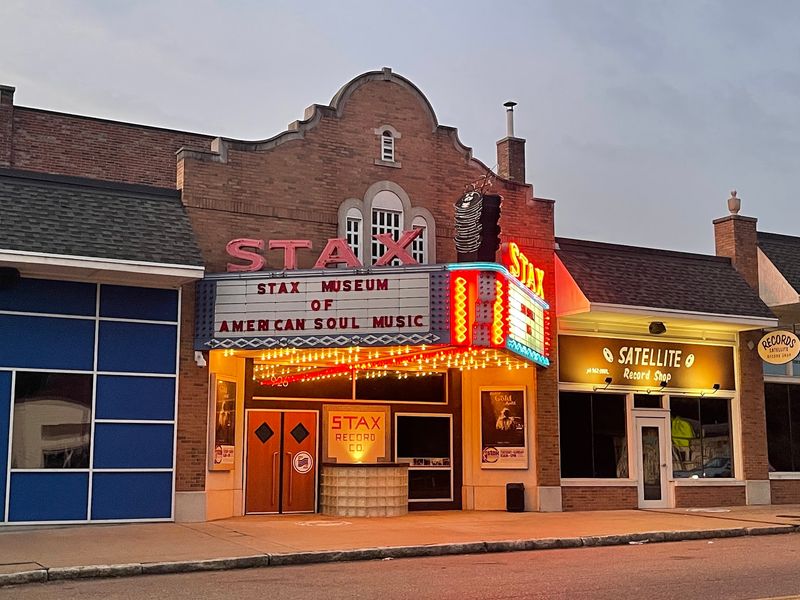
Stax Records didn’t just release hit songs, it created a sound that defined an era. The museum dedicated to this legendary label occupies the actual site where the studio once stood, rebuilt to honor Memphis soul’s golden age.
Twenty dollars gets you inside a world of music history that still influences artists today.
The building itself recreates the original studio’s exterior, complete with the distinctive marquee. Inside, you’ll find Isaac Hayes’ gold-plated Cadillac, a vehicle so extravagant it became part of his legend.
Stage costumes worn by Otis Redding, the Staple Singers, and other Stax artists hang in climate-controlled cases, their sequins and fabrics still vibrant.
A reconstructed recording studio shows where the magic happened. Vintage microphones, mixing boards, and instruments fill the space, arranged as they would have been during actual sessions.
You can almost hear Booker T. and the M.G.’s laying down tracks or feel the energy when Wilson Pickett stepped up to record.
Exhibits explain Stax’s integrated approach during segregation, when Black and white musicians collaborated in ways that challenged Southern norms. The label’s story intertwines with civil rights history, showing how music sometimes led social change.
This context adds weight without becoming preachy or heavy-handed.
The museum also covers Stax’s business side, including its eventual bankruptcy and the loss of its master recordings. These harder chapters don’t diminish the achievements but show the real challenges independent labels faced.
Visitors leave understanding both the artistic triumphs and the industry realities. For anyone who cares about soul music, R&B, or Memphis culture, this $20 admission opens essential territory.
7. See Nashville’s Full-Scale Parthenon
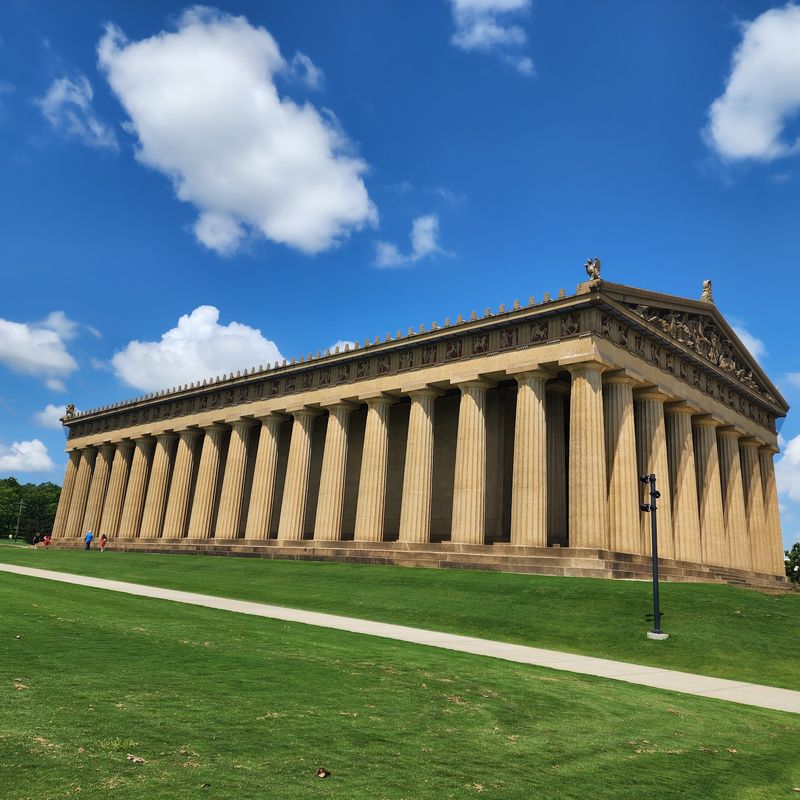
Nashville calls itself the Athens of the South, and someone took that nickname seriously enough to build a full-scale Parthenon. This isn’t a miniature or an approximation.
It’s a concrete recreation matching the original’s dimensions, complete with classical Greek architecture and a 42-foot statue of Athena covered in gold leaf. Current adult admission is $15.
The building sits in Centennial Park, where it was originally constructed for Tennessee’s 1897 Centennial Exposition. That temporary plaster structure proved so popular that Nashville rebuilt it permanently in concrete during the 1920s.
Today it serves as both monument and art museum, housing 63 paintings from American artists.
Inside the main chamber, Athena towers overhead in full ancient glory. The statue represents the best scholarly understanding of how Phidias’ original might have looked, incorporating gold, ivory colors, and intricate details.
Standing beneath her creates a visceral sense of scale that photographs can’t capture. This is how ancient Greeks experienced their gods: overwhelming and immediate.
The art galleries occupy the lower level, featuring 19th and 20th century American paintings. The collection isn’t enormous, but it’s thoughtfully curated and provides context beyond the Greek architecture.
Rotating exhibits bring in additional works throughout the year.
Architecture enthusiasts can spend considerable time examining the building’s details. The exterior sculptures reproduce the original Parthenon’s pediments and friezes, depicting Greek mythology in marble.
The columns, proportions, and overall design follow ancient specifications as closely as modern research allows.
Fifteen dollars might seem steep for a building, but this is Tennessee’s most unusual landmark. Where else can you experience ancient Greek architecture without leaving the South?
The combination of accurate recreation, impressive scale, and genuine art collection makes this more than just a novelty.
8. See Some of the Strangest Cars in America at Lane Motor Museum

Most car museums showcase Ferraris, Corvettes, and other predictable classics. Lane Motor Museum in Nashville takes a different route, collecting the weird, the experimental, and the wonderfully impractical.
For $15, you’ll see vehicles that make you question everything you thought you knew about automotive design.
Microcars dominate several sections, tiny vehicles built for European cities where space and fuel efficiency mattered more than American-style comfort. Some barely qualify as cars at all, looking more like motorized phone booths or enclosed scooters.
Others show surprising sophistication, with clever engineering packed into impossibly small frames.
The amphibious vehicle collection deserves its own mention. These machines were designed to transition from road to water, and the museum displays multiple approaches to that challenge.
Some look like boats with wheels, others like cars with propellers. The engineering solutions range from elegant to absurd, but all share an optimistic faith in versatility.
Prototypes and failed production models fill other spaces. These are vehicles that manufacturers tested but never released, or produced in such tiny numbers that most people never knew they existed.
Each one represents someone’s vision of automotive future that never quite arrived. The stories behind these failures often prove more interesting than successful production cars.
Motorcycles and military vehicles round out the collection. The museum doesn’t limit itself to four-wheeled passenger cars, instead embracing anything with mechanical transportation.
This breadth keeps the experience varied and surprising. Just when you think you’ve seen the strangest exhibit, you turn a corner and find something even more peculiar.
Lane Motor Museum succeeds because it celebrates automotive oddity rather than mainstream achievement. Fifteen dollars buys admission to a collection that values innovation and experimentation over commercial success.
You’ll leave with a new appreciation for the roads not taken in automotive history.
9. Explore Tennessee History for Free at the Tennessee State Museum

Free admission to a major state museum sounds too good to be true, but the Tennessee State Museum delivers exactly that. The facility opened in its current location in 2018, offering modern galleries filled with artifacts spanning Tennessee’s entire history.
You won’t pay a cent to walk through exhibits that would cost $15 or $20 at comparable institutions.
The museum covers ground chronologically, beginning with Native American cultures that inhabited the region for thousands of years. Stone tools, pottery, and ceremonial objects illustrate sophisticated societies that predated European contact.
The exhibits avoid romanticizing or oversimplifying, instead presenting archaeological evidence and scholarly interpretation.
Frontier and settlement sections display the tools, weapons, and household items that pioneers used while pushing west. A Conestoga wagon sits among cabin furnishings and farming equipment.
These artifacts show the material reality of expansion, the physical objects that made survival possible in unfamiliar territory.
Civil War galleries examine Tennessee’s divided loyalties and strategic importance. The state saw more battles than any except Virginia, and the museum presents military artifacts alongside civilian experiences.
Uniforms, weapons, flags, and personal letters bring the conflict down to human scale. The exhibits acknowledge complexity rather than picking sides. Later galleries cover industrialization, civil rights, and Tennessee’s musical heritage.
The museum doesn’t ignore difficult subjects or controversial periods. Instead, it presents documented history with enough context for visitors to understand what happened and why it mattered.
The building itself impresses with natural light, clear sight lines, and accessible design. You could spend three or four hours here without seeing everything.
The fact that admission costs nothing makes this one of Tennessee’s best cultural values. Donations are accepted but not required, truly opening the museum to everyone regardless of budget.
10. Tour the Bell Witch Cave in Adams
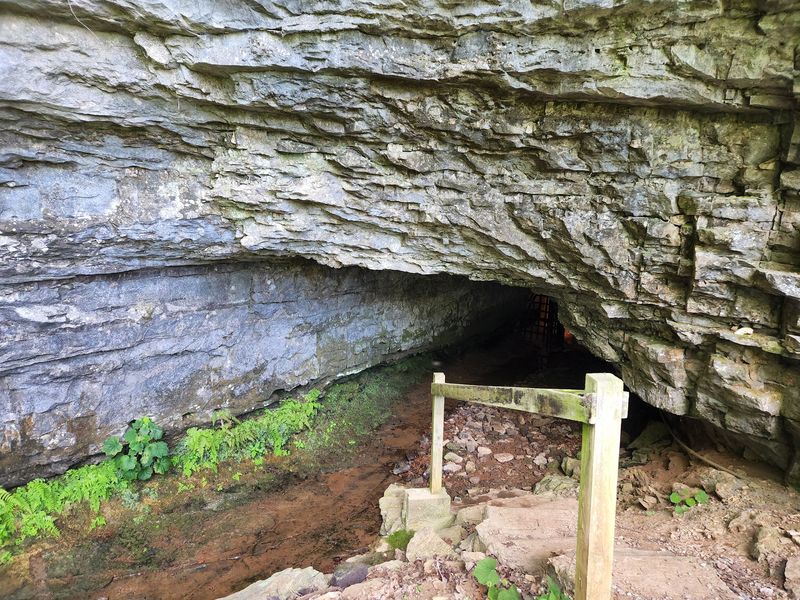
Tennessee’s most famous ghost story centers on the Bell family and the entity that allegedly tormented them in the early 1800s. The cave on their former property remains a pilgrimage site for paranormal enthusiasts and history buffs alike.
Standard tours run under $30 and include both the cave and a replica of the Bell cabin.
The Bell Witch legend involves unexplained phenomena, physical attacks, and a disembodied voice that supposedly spoke to the family and their visitors. Andrew Jackson himself allegedly encountered the witch during a visit, though that story may be apocryphal.
The cave became associated with the haunting when family members reported strange occurrences there.
Descending into the cave creates immediate atmosphere. Limestone formations, narrow passages, and underground darkness provide the perfect setting for supernatural tales.
Guides share the Bell Witch story while leading visitors through the cavern, pointing out features mentioned in historical accounts. Whether you believe in ghosts or not, the cave itself impresses as a natural formation.
Above ground, the cabin replica shows how the Bell family would have lived. Period furnishings and household tools fill the space, giving context to the story.
Understanding their daily life makes the haunting accounts more vivid, whether you interpret them as paranormal events or psychological phenomena.
The tour doesn’t require athletic ability, but the cave sections involve uneven surfaces and dim lighting. Most visitors complete the experience in about an hour.
The guides know the legend thoroughly and can answer questions about different versions of the story that have emerged over two centuries.
This attraction works because it combines genuine history with Tennessee’s most enduring ghost story. The cave is real, the Bell family existed, and something strange enough to generate lasting folklore definitely occurred.
Spending an afternoon here means engaging with regional legend in its actual setting.
11. Walk Through an Appalachian Village at the Museum of Appalachia
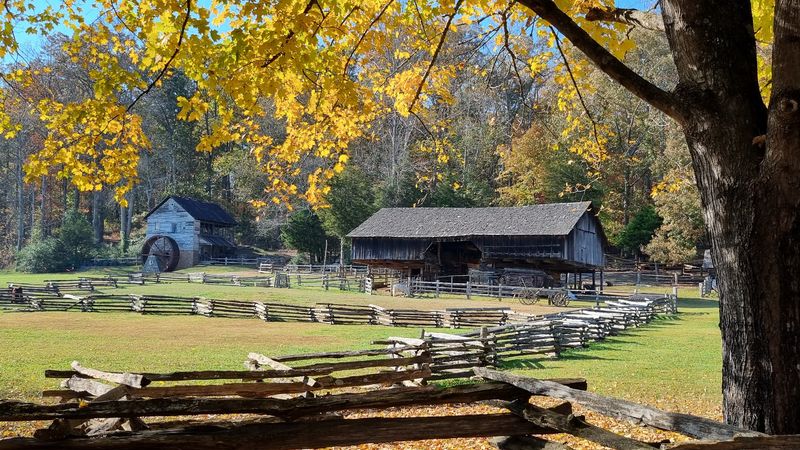
Step through the entrance of the Museum of Appalachia in Clinton and you’re walking into a preserved mountain settlement. This isn’t a building full of displays behind glass.
It’s an open-air collection of historic structures, authentic artifacts, and Appalachian culture spread across 65 acres. Twenty dollars grants access to a world that feels more like time travel than museum visit.
Log cabins, barns, churches, and outbuildings dot the property, each filled with period-appropriate tools, furniture, and personal belongings. These aren’t reconstructions or replicas.
The structures were moved from their original locations and reassembled here, bringing actual Appalachian buildings together in one place. Walking between them creates a sense of how mountain communities once functioned.
The artifact collection staggers in its scope. Thousands of items fill the buildings and display areas: hand tools, kitchen implements, musical instruments, toys, farm equipment, and personal possessions.
Each object represents someone’s daily life, the things mountain families used and valued. The sheer volume prevents any sense of sterility or museum distance.
Seasonal events bring traditional music, crafts, and skills demonstrations to the museum. These programs show living culture rather than just preserved artifacts.
You might see blacksmithing, weaving, or folk music performances depending on when you visit. The museum recognizes that Appalachian culture remains alive, not just historical.
Wandering the property takes several hours if you explore thoroughly. There’s no single path or prescribed route, just meandering between buildings and stopping wherever something catches your interest.
This freedom makes the experience feel personal rather than guided. You discover things at your own pace, creating your own understanding of mountain life.
For twenty dollars, the Museum of Appalachia delivers depth and authenticity that larger institutions struggle to match. This is Tennessee heritage presented without commercialization or oversimplification.
12. See Thousands of Salt and Pepper Shakers in Gatlinburg

Gatlinburg specializes in tourist attractions, but few match the pure quirky charm of the Salt and Pepper Shaker Museum. For just $3, you enter a world where table seasoning containers become art, history, and obsession.
Over 20,000 shakers from around the globe fill the space, arranged in displays that range from elegant to bizarre.
The collection spans decades and continents. Vintage ceramic sets from the 1930s sit near modern novelty shakers shaped like animals, vehicles, or cartoon characters.
Some qualify as genuine antiques with historical significance, while others simply celebrate the weird creativity people apply to functional objects. The variety prevents any sense of monotony despite the focused subject matter.
Walking through the museum reveals unexpected depths to something most people never think about. You’ll see shakers commemorating historical events, advertising products, representing cultural traditions, or pushing boundaries of good taste.
The collection doesn’t discriminate, embracing both refined craftsmanship and kitschy humor. This democratic approach makes the museum more interesting than if it only displayed “important” pieces.
The owner’s passion shows in the organization and presentation. Labels provide context about origins, dates, and significance where known.
The museum takes its subject seriously without becoming pretentious, acknowledging that salt and pepper shakers occupy a humble place in material culture while still deserving attention and preservation.
Three dollars makes this one of Tennessee’s cheapest attractions, but the value exceeds the price. You’ll spend 30 to 45 minutes inside, enough time to appreciate the scope without feeling rushed.
Kids find it entertaining, adults appreciate the nostalgia and oddity, and everyone leaves with a new perspective on everyday objects. This is exactly the kind of roadside attraction that makes American travel memorable.
Gatlinburg offers plenty of ways to spend money, but few deliver as much genuine charm per dollar as this peculiar museum.
13. Spend an Afternoon Exploring Muse Knoxville

Science museums aimed at kids often feel dumbed down or overly simplistic. Muse Knoxville avoids that trap by creating genuinely engaging exhibits that work for multiple age groups.
At $12 for adults, admission includes planetarium shows and access to both indoor galleries and outdoor exploration areas. The price makes it accessible for families without feeling like a budget compromise.
Hands-on exhibits dominate the indoor space. Kids can experiment with physics concepts, explore human anatomy, investigate ecosystems, and engage with technology through interactive stations.
The exhibits encourage active participation rather than passive observation. This approach keeps children engaged while sneaking in actual learning.
The planetarium adds significant value to admission. Shows rotate seasonally, covering astronomy topics appropriate for different age groups.
Sitting under the dome while stars wheel overhead creates the kind of immersive experience that makes concepts stick. The planetarium alone would justify the admission price at many facilities.
Outdoor areas extend the museum into nature. A tree canopy walk, stream exploration zone, and garden spaces let kids engage with the environment directly.
These outdoor sections matter especially during pleasant weather, providing physical activity alongside indoor exhibits. The combination prevents the museum visit from feeling confined or repetitive.
Muse Knoxville succeeds because it respects children’s intelligence while maintaining fun. Exhibits challenge kids to think, experiment, and problem-solve rather than just pushing buttons for flashy effects.
Most families spend two to three hours here, enough time to explore thoroughly without exhausting young attention spans. The facility size feels manageable rather than overwhelming.
Twelve dollars for adults represents fair value for the experience quality and variety. This is East Tennessee’s strongest science museum option for families, delivering education and entertainment without compromising either.
14. Spend the Day at Chattanooga Zoo

Chattanooga Zoo packs impressive variety into a relatively compact footprint. General admission stays comfortably under $30, and the zoo’s manageable size means you can see everything in a single afternoon without marathon walking.
This combination makes it especially appealing for families with young children or anyone who finds massive zoos exhausting.
Red pandas rank among the zoo’s star attractions. These adorable creatures climb, play, and occasionally sleep in their exhibit, providing entertainment whether they’re active or resting.
Their reddish fur and expressive faces make them visitor favorites, and the zoo’s habitat gives them space to display natural behaviors. Watching red pandas navigate their environment beats staring at animals in cramped enclosures.
The giraffe exhibit allows close viewing of these towering animals. Standing near the fence as giraffes move past emphasizes their incredible height and graceful movement.
The zoo occasionally offers feeding opportunities, bringing visitors even closer to these gentle giants. Even without feeding, the exhibit design provides excellent sight lines and photo opportunities.
Chimpanzees occupy a substantial exhibit with climbing structures, ropes, and enrichment features. These intelligent primates interact with each other and their environment in ways that reveal their complex social dynamics.
Watching chimps problem-solve or play offers glimpses into primate behavior that static displays can’t match. The exhibit encourages extended observation rather than quick glances.
Additional animals include jaguars, cougars, lemurs, and various reptiles and birds. The zoo doesn’t try to represent every continent or ecosystem, instead focusing on creating quality habitats for the species it houses.
This approach results in better animal welfare and more engaging visitor experiences.
The zoo’s compact layout means less time walking between exhibits and more time actually observing animals. You won’t need a full day here, but three or four hours covers everything comfortably.
For under $30, Chattanooga Zoo delivers a solid animal experience without overwhelming visitors or demanding extensive time commitment.