Finding a place that is affordable and still close to good medical care can feel tricky, especially for retirees, families, and anyone watching a budget. Pennsylvania has many smaller towns where housing costs are often lower than in big cities, yet hospitals, clinics, pharmacies, and specialists are still within reach. These communities can be especially appealing to people who want a quieter pace of life and everyday comfort without feeling far from care when they need it.
Lower housing costs can also leave more room in the budget for groceries, transportation, prescriptions, and other everyday expenses. From old river towns and historic communities to college towns and county seats, the state offers plenty of options for people who want to stretch their money further without giving up access to essential services. For those balancing affordability with peace of mind, these towns can provide a practical combination of manageable living costs, local conveniences, and medical resources within a reasonable distance.
1. Oil City
A walk along the Allegheny River can make daily life feel slower in the best possible way.
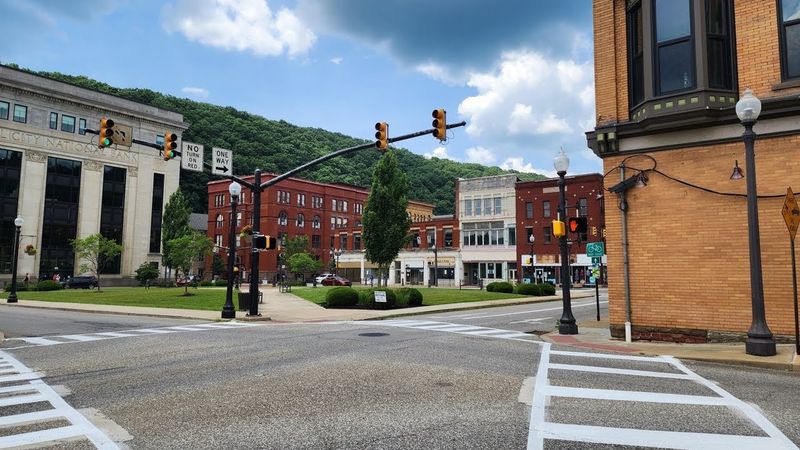
Oil City has an old Pennsylvania charm, with historic buildings, wooded hills, and prices that are often easier on the wallet than those in larger metro areas.
People looking to save money may notice that home prices and rents in Oil City tend to be modest compared with many parts of the state.
Groceries, local services, and simple entertainment can also feel manageable, especially if you enjoy parks, trails, community events, and library programs instead of costly outings.
Healthcare is still a serious part of the picture.
UPMC Northwest in nearby Seneca is only a short drive away for many residents, giving the area access to emergency care, primary care, imaging, rehabilitation, and other services.
Local clinics and family doctors help with regular checkups, medicine refills, and ongoing health needs.
Older adults may like that Oil City has a slower pace without being completely cut off.
Pharmacies, senior services, and nearby medical offices make routine care easier to plan.
For bigger specialist visits, Erie and Pittsburgh can be reached for more advanced options, though travel time should be considered.
A smart move is to compare neighborhoods near main roads, pharmacies, and grocery stores.
Lower prices are helpful, but easy transportation matters too, especially during winter weather.
If you want a budget-friendly town with river views, history, and realistic healthcare access, Oil City deserves a close look.
2. Meadville
College towns often have a little extra energy, and Meadville brings that feeling without the high prices found in many bigger university areas.
Its mix of students, families, retirees, and longtime residents gives the town a friendly, lived-in feel.
For people trying to save money, Meadville can be appealing because housing is usually more affordable than in larger Pennsylvania cities.
You can find older homes, apartments, and quiet neighborhoods that may fit a careful budget.
Local restaurants, parks, and community events add value without demanding big spending.
Healthcare access is one of Meadville’s strongest points.
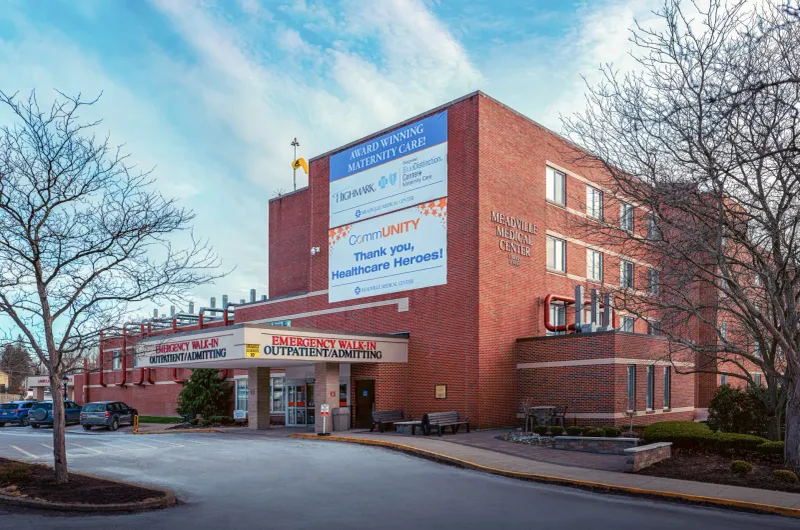
Meadville Medical Center serves the region with emergency care, primary care, heart services, surgery, cancer care, rehabilitation, and other important medical support.
Having a hospital right in town can reduce the stress and cost of long drives for common health needs.
Families may appreciate the mix of medical offices, dental care, pharmacies, and school-related services.
Retirees may like that the town is big enough to offer choices, but small enough that errands do not feel overwhelming.
Allegheny College also adds cultural events, lectures, music, and a sense of activity.
One practical tip is to look closely at transportation.
Meadville is walkable in some areas, but many people will still want a car for appointments, shopping, and winter travel.
If you choose a home near Route 322, Route 6, or major service areas, daily life may be simpler.
Meadville is a good fit for people who want lower living costs, solid local healthcare, and a town that feels active without feeling crowded.
3. Lewistown
Tucked in the Juniata River Valley, Lewistown has the kind of setting that makes errands feel a little more scenic.
Rolling hills, older homes, and a compact downtown help give the town a practical, down-to-earth personality.
Many people consider Lewistown because everyday costs can be lower than in larger areas like State College, Harrisburg, or the Philadelphia suburbs.
Housing is often the biggest money saver.
Buyers and renters may find more room for the price, especially if they are open to older properties or nearby boroughs.
Good healthcare access is a major reason Lewistown belongs on this list.
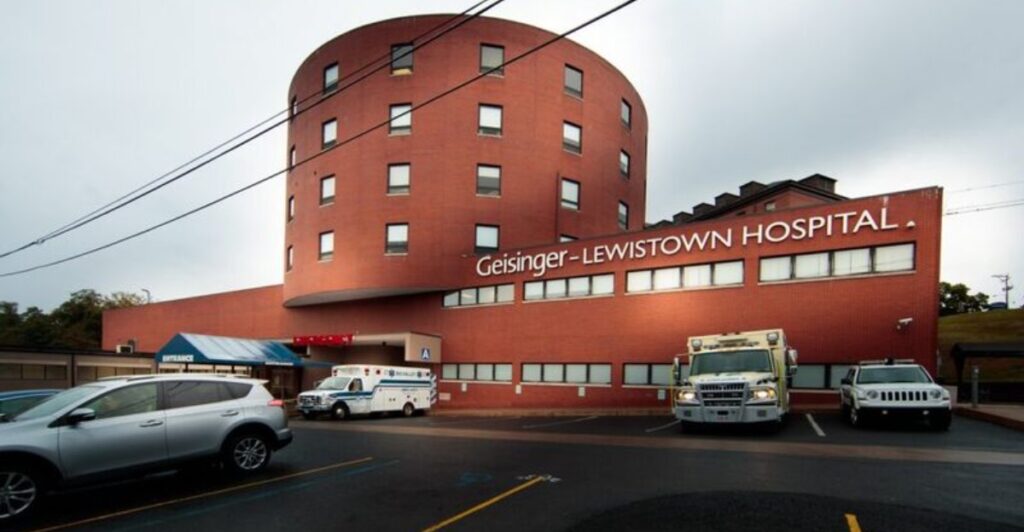
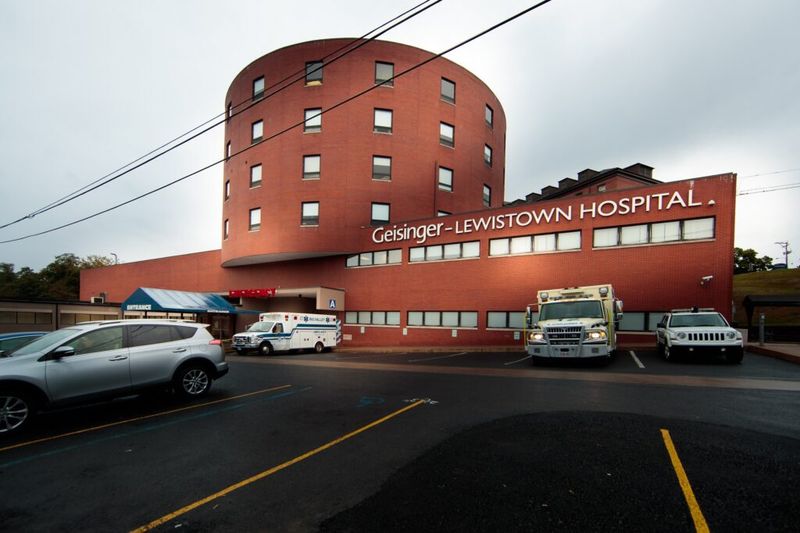
Geisinger Lewistown Hospital provides emergency services, inpatient care, surgery, imaging, lab work, and specialty support.
Geisinger clinics in the area also help residents keep up with primary care, chronic conditions, and follow-up visits.
That matters for people who do not want to spend hours driving for routine care.
A nearby hospital can make a big difference after a fall, during an illness, or when a child needs quick attention.
Specialists may sometimes require travel, but the local system gives residents a strong starting point.
Lewistown also has a useful location in central Pennsylvania.
State College and Harrisburg are reachable for larger medical networks, shopping, and entertainment.
At the same time, staying local for most needs can help protect your budget.
Before moving, check flood maps, road access, and distance to the hospital or clinics.
Some valley homes may be cheaper for a reason, so a careful look is wise.
For people who want small-town prices with a known healthcare system nearby, Lewistown offers a sensible balance.
4. Pottsville
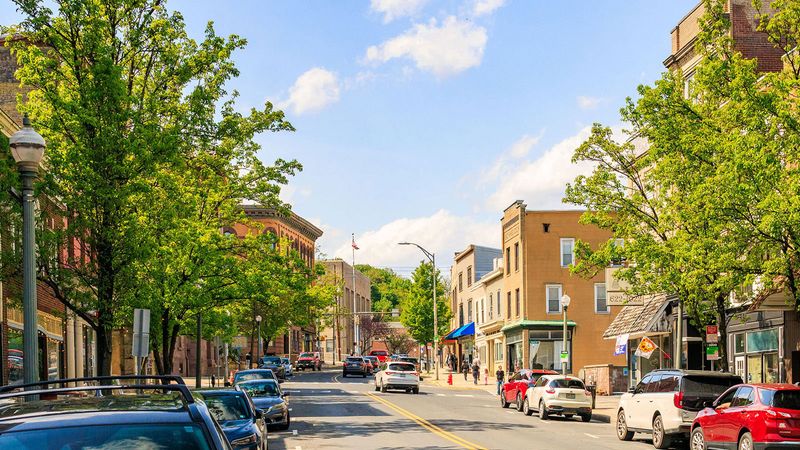
Coal region towns have stories in their bricks, sidewalks, and steep streets.
Pottsville, known for its deep history and Yuengling brewery, also gives budget-minded residents a chance to live near important services without paying big-city prices.
Housing is often the first thing people notice.
Pottsville has rowhomes, twins, apartments, and single-family houses that may cost less than homes in Lehigh Valley, Lancaster County, or suburban Philadelphia.
Older housing can need repairs, so savings work best when buyers budget for maintenance.
Healthcare access is better than many expect from a smaller city.
Lehigh Valley Hospital-Schuylkill serves the Pottsville area with emergency care, inpatient care, surgery, imaging, and other services.
Nearby physician practices, urgent care options, pharmacies, and dental offices help residents manage regular needs.
For people with ongoing health concerns, being close to a hospital is a major plus.
It can mean shorter drives for lab work, follow-up appointments, and sudden problems.
For advanced specialty care, the larger Lehigh Valley Health Network gives residents more options within a reasonable driving distance.
Pottsville is also practical for daily life.
Grocery stores, county offices, restaurants, parks, and community programs are close at hand.
The hills can be challenging for walking, so choose a neighborhood that matches your mobility and driving comfort.
A helpful tip is to compare total costs, not just rent or mortgage payments.
Heating older homes, parking, taxes, and repairs should be part of the decision.
Still, Pottsville can be a strong choice for people who like historic character, want to spend less, and need healthcare nearby.
5. Chambersburg
Some towns feel like a bridge between quiet country life and busy regional services.
Chambersburg fits that role well, offering a comfortable Franklin County base with shopping, jobs, history, and healthcare close by.
Compared with many larger Pennsylvania markets, Chambersburg can offer more value for people who want space without moving too far from services.
Housing costs vary by neighborhood, but many buyers and renters find options that are more reasonable than those near Harrisburg, Frederick, or the Washington, D.C. commuter belt.
WellSpan Chambersburg Hospital is an important local anchor.
It provides emergency care, surgery, maternity care, imaging, heart services, rehabilitation, and many outpatient services.
WellSpan medical offices throughout the area also make it easier to schedule primary care, pediatric visits, and specialist appointments.
That local access is useful for families and older adults.
A parent may need quick care for a sick child, while a retiree may need regular checks for blood pressure, diabetes, or heart health.
Staying close to care can save time, fuel, and stress.
Chambersburg also has good everyday convenience.
Major roads like Interstate 81 and Route 30 help residents reach nearby towns, medical centers, and larger shopping areas.
Parks, farmers markets, local history sites, and community events give people low-cost ways to enjoy weekends.
The main tradeoff is growth.
Some areas can feel busier than a small rural town, and traffic near shopping corridors can build up.
Visit at different times of day before choosing a neighborhood.
For many households, Chambersburg hits a useful middle point: not too expensive, not too remote, and well connected to healthcare.
6. Indiana
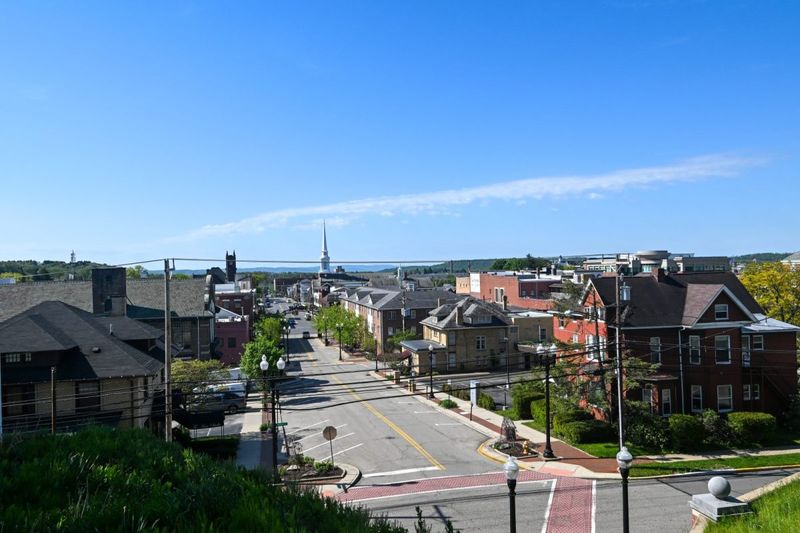
There is a cheerful college-town rhythm in Indiana, Pennsylvania, and it gives the community more life than its size might suggest.
Coffee shops, campus events, local festivals, and tree-lined streets help make the town feel welcoming.
Budget-conscious residents may find Indiana attractive because it often costs less than larger university towns.
Rentals can vary because of the student market, but patient shoppers can still find reasonable apartments, small homes, and nearby rural properties.
Everyday spending can stay lower if you use local parks, free campus events, and community activities.
Healthcare access is a key strength.
Indiana Regional Medical Center offers emergency care, surgery, imaging, heart care, orthopedics, cancer services, rehabilitation, and primary care connections.
Having a regional medical center in town is helpful for residents who want dependable care without driving to Pittsburgh for every concern.
People with chronic health needs should look at insurance networks before moving.
Some specialists may be available locally, while others may require trips to larger medical centers.
Still, local hospital services and outpatient offices cover many common needs.
Indiana also offers benefits beyond medical care.
Indiana University of Pennsylvania brings arts programs, sports, lectures, and a younger energy to the area.
The town is known as the hometown of actor Jimmy Stewart, and that bit of history adds a fun local pride.
If you are considering Indiana, compare areas near downtown, campus, and the hospital.
Some neighborhoods are quieter, while others have more student activity.
For someone who wants a lively but affordable place with solid healthcare close by, Indiana can be a smart and enjoyable pick.
7. Lock Haven
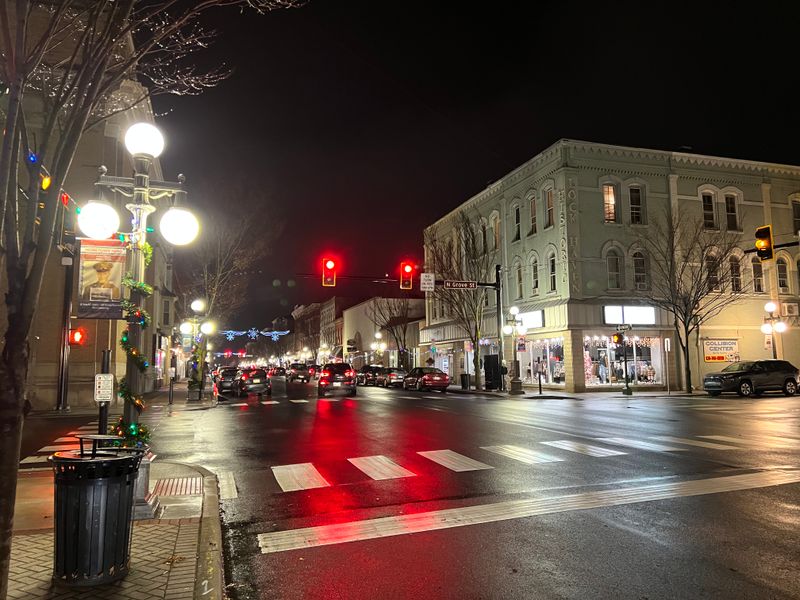
River views, mountain edges, and a small campus atmosphere give Lock Haven a peaceful kind of beauty.
It is the sort of town where outdoor lovers can find low-cost fun almost right outside the door.
For people watching expenses, Lock Haven may offer lower housing costs than many larger Pennsylvania communities.
Renters and buyers can look at apartments, older homes, and nearby small towns in Clinton County.
The area is especially appealing if hiking, biking, fishing, and river walks sound better than expensive entertainment.
Healthcare access is more limited than in a large city, but it is still workable for many residents.
UPMC Lock Haven provides outpatient services, emergency-related access in the region, and connections to broader UPMC care.
Nearby medical offices, clinics, pharmacies, and the larger UPMC system help support routine and follow-up care.
For more advanced hospital services, residents may travel to places like Williamsport or State College, depending on the need and insurance plan.
That means Lock Haven works best for people who value savings and scenery but are comfortable planning ahead for specialist visits.
Daily life has its own rewards.
Lock Haven University adds activity, and the downtown area has local shops, eateries, and community events.
The Susquehanna River and nearby state parks give residents plenty of ways to stay active without spending much.
Before settling in, think carefully about transportation and winter driving.
Living close to downtown, pharmacies, and main routes can make life easier.
Lock Haven is a strong choice for people who want a quieter budget-friendly town and are willing to use nearby regional healthcare when needed.
8. Huntingdon
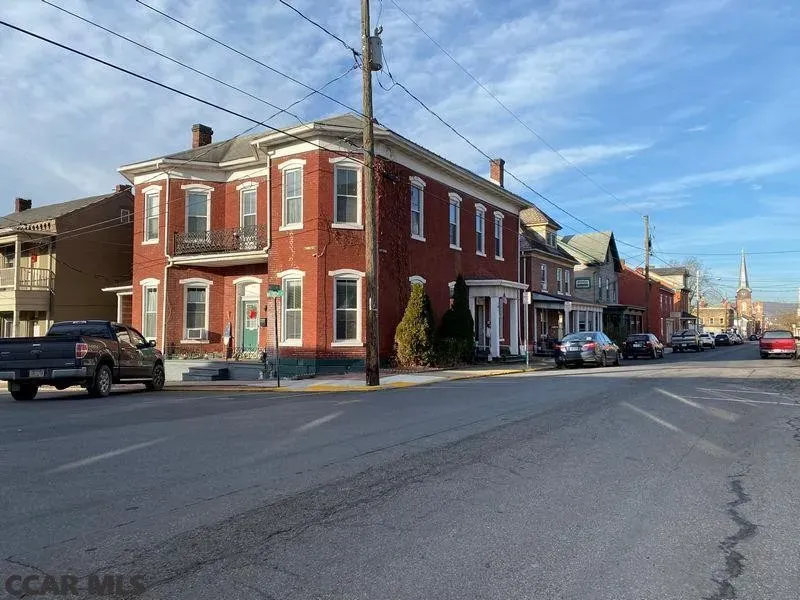
Small towns near lakes and mountains can feel like hidden bargains, and Huntingdon has that quiet appeal.
With Raystown Lake nearby and a historic downtown at its center, the town gives residents outdoor beauty without resort-town prices.
Housing in Huntingdon is often more affordable than in larger Pennsylvania cities.
Older homes, modest rentals, and nearby rural properties can help people stretch their income.
The savings can be meaningful for retirees, remote workers, or families who do not need a big-city address.
Healthcare is supported by Penn Highlands Huntingdon, which provides emergency care, inpatient services, imaging, lab work, rehabilitation, and connections to other Penn Highlands services.
Local primary care offices and pharmacies help with routine needs like checkups, prescriptions, vaccines, and follow-up visits.
Being in a smaller town means some specialty care may require travel.
State College and Altoona are reachable options for larger medical networks and advanced services.
That said, having a local hospital gives Huntingdon an advantage over more remote communities.
The lifestyle can also support wellness in simple ways.
Walking trails, fishing spots, boating, parks, and quiet streets make it easier to stay active.
Juniata College adds educational and cultural events, giving the town more variety than its size suggests.
Anyone considering Huntingdon should check internet service, road access, and distance to medical offices.
Rural homes may offer peace and lower prices, but they can add driving time.
If you want a place where healthcare is nearby, nature is close, and monthly costs can stay reasonable, Huntingdon is worth putting on your list.
9. Greensburg
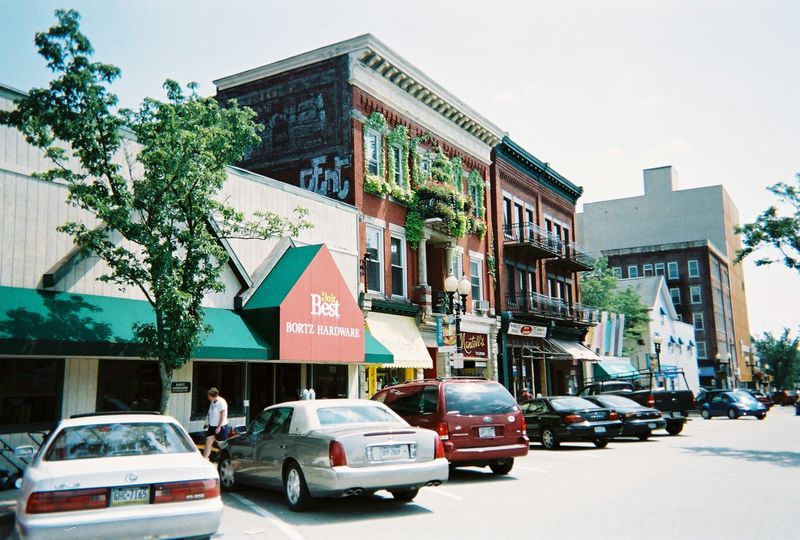
Greensburg feels a bit bigger than many towns on this list, but that can be a benefit.
It has county-seat energy, shopping centers, arts venues, colleges, and healthcare choices while still offering more affordable options than many Pittsburgh suburbs.
Cost savings depend on the neighborhood, yet Greensburg often gives residents a good mix of value and convenience.
Apartments, townhomes, older houses, and nearby boroughs can fit different budgets.
People who want access to stores, transit options, restaurants, and services may find that they spend less on long drives.
Healthcare access is one of Greensburg’s biggest advantages.
Independence Health System, including Westmoreland Hospital, provides emergency care, surgery, heart care, cancer services, imaging, rehabilitation, and many outpatient options.
Residents are also within driving distance of major Pittsburgh hospitals for highly specialized treatment.
That combination is helpful for people who want both local care and backup choices.
Routine appointments may be handled close to home, while complex needs can be referred to larger systems in the region.
Pharmacies, urgent care centers, dentists, eye doctors, and therapy offices are widely available.
Greensburg also offers low-cost quality-of-life perks.
The Palace Theatre, local museums, parks, and community festivals give people ways to enjoy the area without always spending big.
Seton Hill University adds a campus presence, and the Westmoreland County Courthouse gives downtown a classic Pennsylvania look.
Traffic and higher demand can push some costs up compared with smaller towns, so shop carefully.
Look at taxes, parking, commute routes, and healthcare network coverage.
For many people, Greensburg offers a strong trade: manageable living costs with some of the best medical access on this list.
10. Bradford
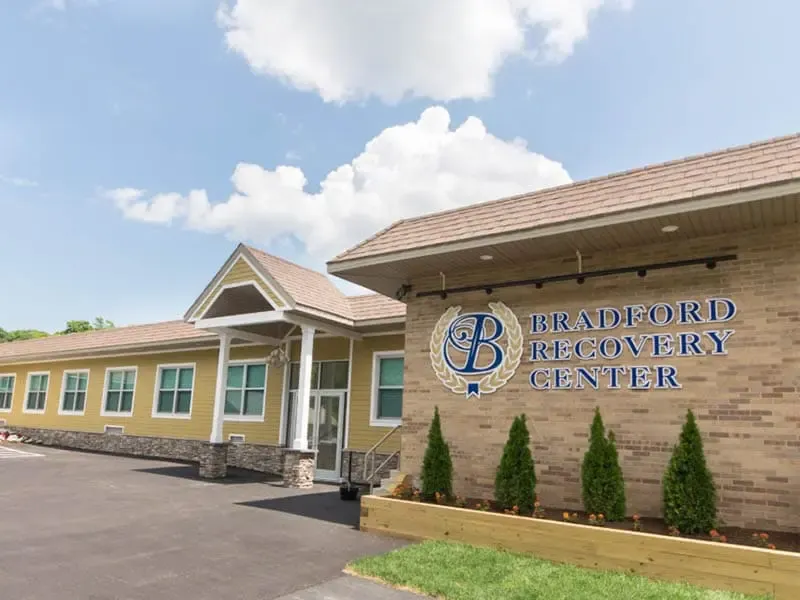
Up near the New York border, Bradford has a rugged northern Pennsylvania feel.
Forests, colder winters, and a proud local history make it different from towns closer to the state’s busy middle and southeast.
Affordability is a major draw.
Bradford often has lower housing costs than many parts of Pennsylvania, especially for people willing to consider older homes.
That can help retirees, first-time buyers, and workers on fixed incomes keep monthly bills under control.
Healthcare access comes through Bradford Regional Medical Center, part of Upper Allegheny Health System.
The hospital provides emergency care, inpatient services, imaging, lab services, rehabilitation, and other medical support for the surrounding area.
Local clinics and primary care offices help residents manage everyday health needs.
Because Bradford is more remote, planning matters.
Some specialty appointments may require travel to Olean, Erie, Buffalo, or other larger medical centers.
For people with serious ongoing conditions, it is wise to map out doctors, insurance networks, and travel times before making a move.
The town has some helpful lifestyle benefits.
The University of Pittsburgh at Bradford adds educational and cultural activity.
Nearby Allegheny National Forest offers hiking, camping, scenic drives, and fresh air, which can make weekends affordable and refreshing.
Winter weather is the big reality check.
Snow, ice, and cold temperatures can affect driving to appointments and errands.
Choosing a home near main roads, pharmacies, and medical offices may make life safer and easier.
Bradford is not the best match for everyone, but it can work well for people who value low housing costs, outdoor living, and basic hospital access close to home.
With careful planning, the savings can be real.
11. Sharon
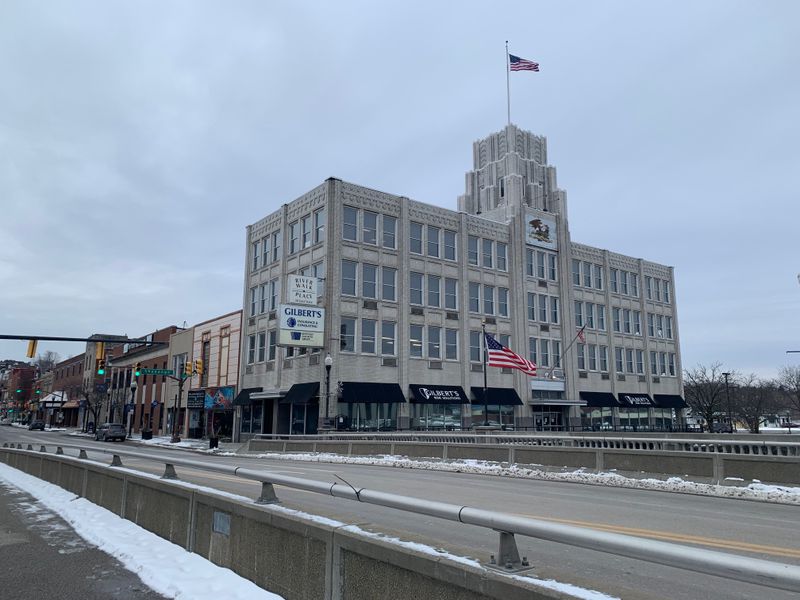
Near the Ohio line, Sharon has a practical, hardworking personality shaped by the Shenango Valley.
It is a place where people can often find lower prices while still staying close to both Pennsylvania and Ohio services.
Housing costs are one of Sharon’s strongest selling points.
Compared with many larger markets, buyers and renters may find homes and apartments that leave more room in the budget for food, medicine, transportation, and savings.
Older properties are common, so inspections and repair budgets are important.
Sharon Regional Medical Center provides local access to emergency care, surgery, imaging, heart services, rehabilitation, and other hospital-based care.
Primary care offices, specialists, urgent care options, and pharmacies in the area help residents handle regular appointments and treatment plans.
The location adds another advantage.
Residents can reach nearby Hermitage, Farrell, New Castle, Youngstown, and other communities for more shopping, jobs, and healthcare choices.
For certain specialty needs, larger hospital systems in western Pennsylvania or northeast Ohio may be within driving distance.
Daily life can be affordable if you use what the area already offers.
Buhl Park, local diners, community events, and nearby shopping centers give residents simple ways to enjoy themselves.
The region’s mix of small-town streets and regional services can be useful for families and retirees alike.
A good strategy is to compare neighborhoods based on road condition, safety, distance to care, and grocery access.
The lowest-priced home is not always the best value if it adds stress or transportation costs.
Sharon can be a smart choice for people who want to save money, stay near healthcare, and keep regional options open.