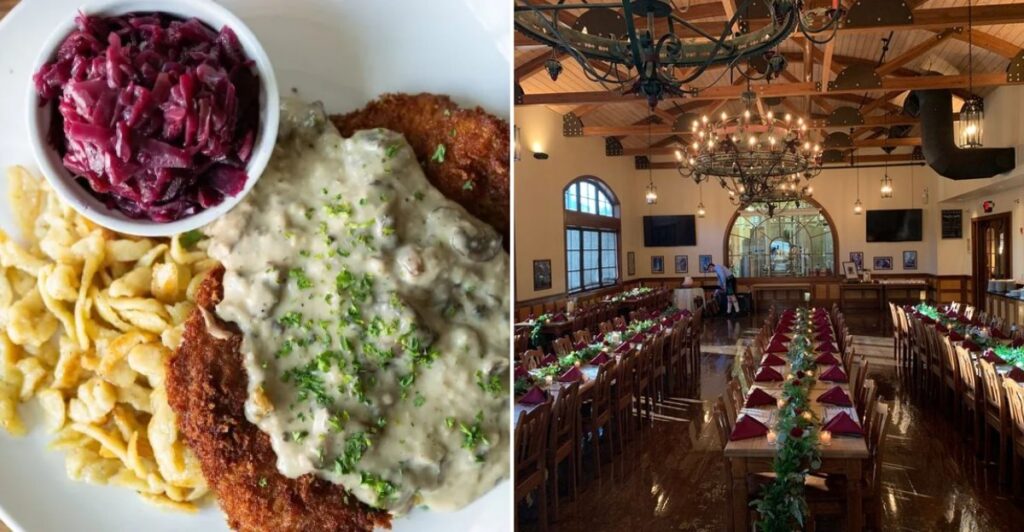
Pennsylvania has deep German roots, from old farming towns to busy city neighborhoods where pretzels, sausages, and hearty bread have long been part of daily life. Across the state, many restaurants keep that history alive with schnitzel, spaetzle, bratwurst, beer halls, deli counters, and friendly dining rooms that feel warm and familiar. Some places are quiet country stops, while others are lively gathering halls filled with music, clinking glasses, and big plates meant for sharing. You may find traditional recipes passed down through generations alongside modern takes on classic German dishes, giving each restaurant its own personality and sense of place.
For travelers and local families, these Pennsylvania favorites offer more than a meal—they offer a tasty way to understand the state’s culture, communities, and long love for German cooking. Whether you are craving a hearty dinner, a freshly baked pretzel, or simply a welcoming place to gather, these restaurants make it easy to experience a little piece of Pennsylvania’s German heritage.
1. Der Jaeger – Lakeville
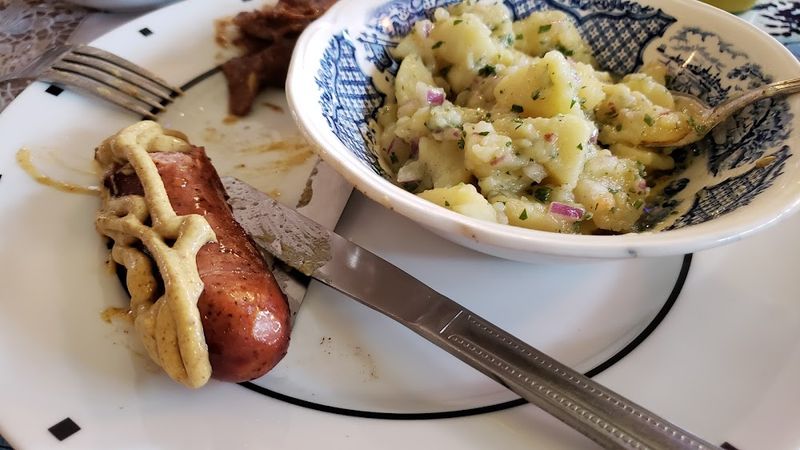
A meal near the lake always feels a little more special when it comes with crisp schnitzel, rich gravy, and a dining room that seems made for slowing down.
Der Jaeger in Lakeville gives visitors a taste of old-style German comfort in the Pocono region of Pennsylvania.
The name points to hunting traditions, and the setting fits that feeling well.
Guests often look for hearty dishes after a day of driving country roads, visiting nearby lakes, or exploring the wooded hills around northeastern Pennsylvania.
German restaurants like this matter because they connect food with place.
Pennsylvania has a long history of German settlers, and menus filled with pork, cabbage, potatoes, and dumplings echo meals once cooked in farm kitchens across the state.
At Der Jaeger, a good plan is to arrive hungry and take time with the menu.
Schnitzel is usually a smart choice for first-time visitors because it shows how simple ingredients can become something crisp, filling, and memorable.
Side dishes can be just as important as the main plate.
Red cabbage adds sweet and sour flavor, while potatoes or spaetzle bring the cozy texture people expect from German cooking.
Families, couples, and road trippers can all enjoy the relaxed pace.
Instead of rushing, treat the stop as part of the trip, especially if Lakeville is only one point on a Pocono weekend.
For anyone planning ahead, check hours before driving out, since smaller destination restaurants can change schedules by season.
If you love calm places, mountain air, and food with a strong sense of tradition, Der Jaeger is a Pennsylvania favorite worth remembering.
2. Cabbage Hill Schnitzel Haus – Lancaster
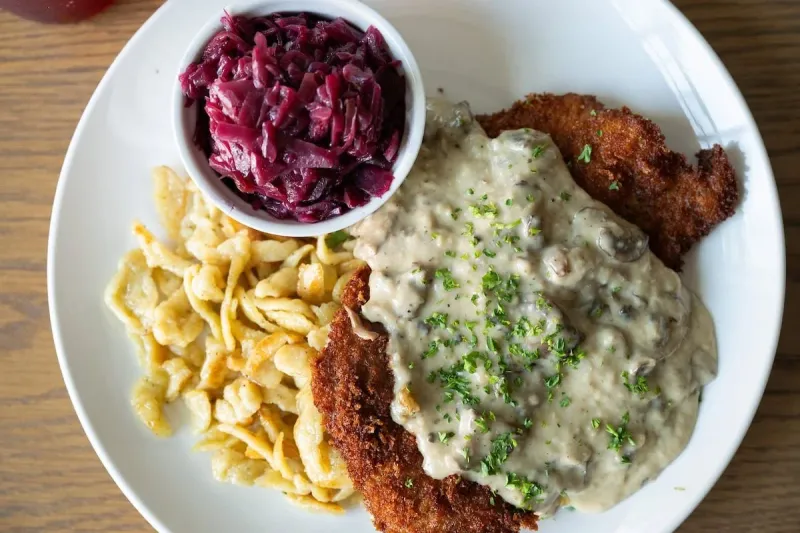
In Lancaster, even the name Cabbage Hill Schnitzel Haus sounds like a promise of a full plate and a happy appetite.
This spot sits in a region where German and Pennsylvania Dutch traditions are woven into markets, bakeries, farms, and family meals.
Lancaster County is one of the best places in Pennsylvania to understand how German food became local food.
Visitors may come for rolling farmland and covered bridges, but many leave talking about noodles, cabbage, sausages, and desserts.
A schnitzel house keeps the focus clear.
Thin meat, breaded and fried until golden, becomes the kind of dish that pleases both picky eaters and serious food fans.
At Cabbage Hill Schnitzel Haus, the best approach is to build a balanced meal.
Pair schnitzel with a tangy cabbage side, add a potato dish, and consider a sauce if you like deeper flavor.
The restaurant also fits well into a Lancaster day trip.
You can visit Central Market, explore small shops, see farmland outside the city, then sit down for a meal that matches the area’s heritage.
German food can seem heavy, but good sides brighten the plate.
Sweet and sour cabbage, pickles, mustard, and salads help cut through fried items and make the meal more lively.
Ask about specials if you enjoy trying something beyond the usual order.
Smaller restaurants often show their personality through soups, seasonal plates, or family-style touches.
For travelers who want Pennsylvania on a plate, this Lancaster favorite is a strong choice.
It offers comfort, local history, and the kind of simple cooking that keeps people coming back.
3. Nurnberger Bierhaus – Lake Ariel
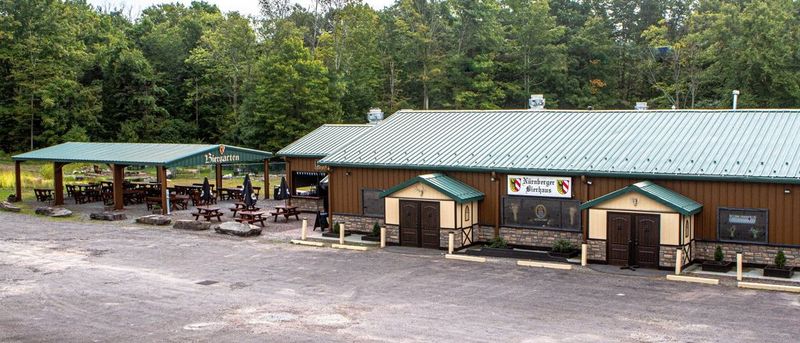
There is something cheerful about a bierhaus in the hills, especially when the table is crowded with pretzels, sausages, mustard, and cold drinks.
Nurnberger Bierhaus in Lake Ariel brings that festive German feeling to a quiet corner of northeastern Pennsylvania.
The name suggests Nuremberg, a German city famous for small sausages and strong food traditions.
That connection gives diners a clue about what to expect, bold flavors, casual comfort, and meals that feel made for sharing.
Lake Ariel is close to the Pocono and lake country that draws families, cabin owners, and weekend travelers.
After a day outdoors, German food can be especially satisfying because it is warm, filling, and easy to enjoy with a group.
Start with a pretzel if one is available.
It is a simple test of a German-style kitchen, since the right pretzel should be chewy, salty, and even better with mustard or cheese.
Sausage plates are another smart pick.
Bratwurst, knockwurst, or similar links can show off smoky, savory flavors, especially when served with sauerkraut or potatoes.
A bierhaus is also about mood, not just the menu.
Look for long conversations, laughter, and a slower pace than a quick fast-food stop.
If you are visiting with children or friends who are new to German food, share a few dishes.
Sampling takes away the pressure of ordering one unfamiliar plate and turns the meal into a small food adventure.
Nurnberger Bierhaus stands out because it brings a bit of Bavaria to Pennsylvania lake country.
For anyone staying near Lake Ariel, it can turn an ordinary dinner into a memorable stop.
4. Fraulie’s German Delicatessen – Lemoyne
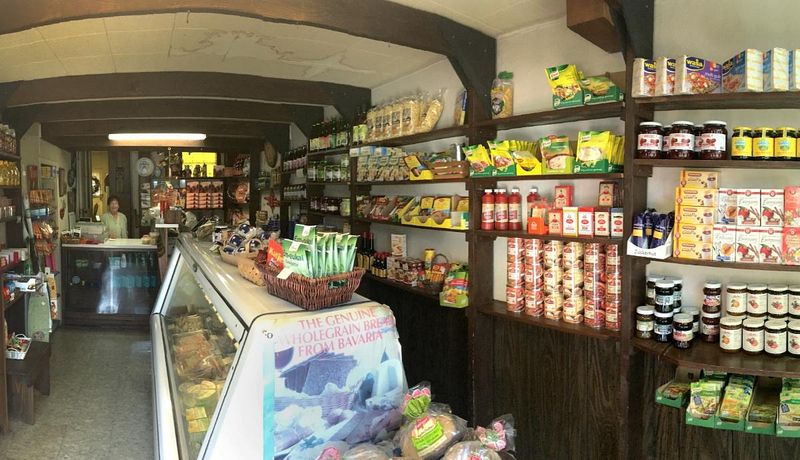
A good deli can feel like a treasure chest, especially when the case is filled with sausages, cold cuts, salads, cheeses, and breads that are not found everywhere.
Fraulie’s German Delicatessen in Lemoyne gives central Pennsylvania shoppers a tasty link to German food traditions.
Lemoyne sits near Harrisburg, so this stop is handy for people crossing the Susquehanna River or exploring the capital region.
Instead of a long sit-down dinner, a deli visit can be quick, practical, and still full of character.
German delicatessens are important because they preserve everyday foods.
Not every German meal is a big beer hall feast, since many families grew up with sandwiches, smoked meats, pickles, mustard, and bakery items.
At Fraulie’s, take time to look through the cases before ordering.
You might find lunch meats for a sandwich, sausages to cook at home, or prepared sides that make an easy family meal.
If you are unsure where to start, ask for a recommendation.
Deli staff often know what regulars love and can guide you toward a mild sausage, a sharper mustard, or a popular salad.
This is also a useful stop before a picnic or road trip.
Pick up rye bread, meats, cheese, and something sweet, then enjoy a simple meal along the river or at a nearby park.
Imported treats can make the visit extra fun.
German chocolates, cookies, noodles, or condiments are easy souvenirs because they fit in a bag and bring the experience home.
Fraulie’s shows that Pennsylvania’s German food scene is not limited to restaurants.
Sometimes the most loved places are neighborhood counters where tradition is sliced, wrapped, and carried out the door.
5. Dunderbak’s Market Cafe – Whitehall
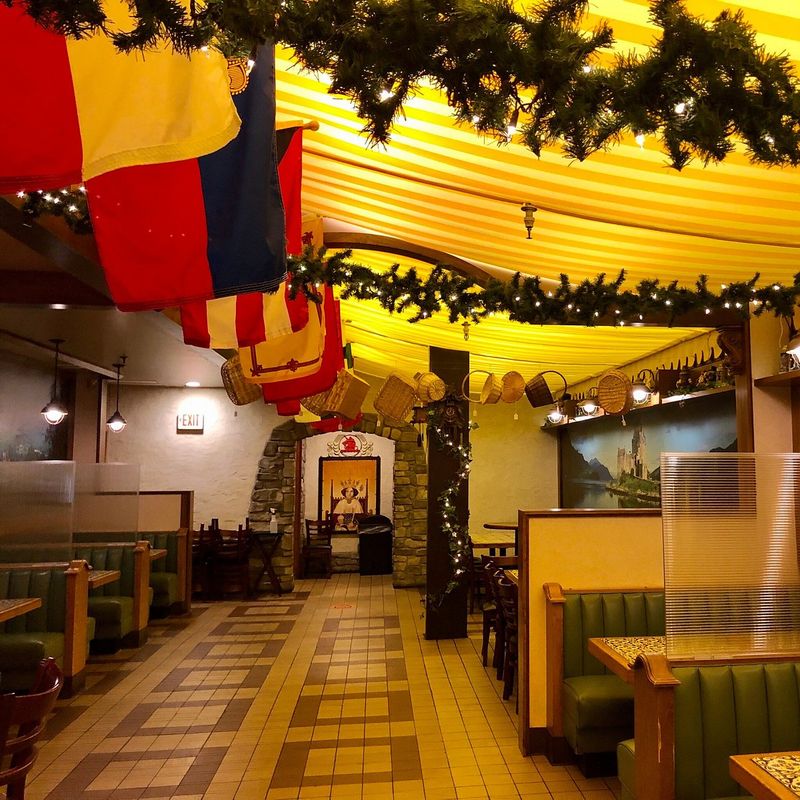
Market cafes have a special kind of charm because you can eat lunch, browse shelves, and discover snacks you did not know you needed.
Dunderbak’s Market Cafe in Whitehall has become a Lehigh Valley favorite for people who enjoy German flavors with a casual shopping twist.
Whitehall is part of the busy Allentown area, where old immigrant communities helped shape local food habits.
German, Pennsylvania Dutch, and central European tastes still show up in bakeries, butcher shops, festivals, and family kitchens.
Dunderbak’s blends a cafe experience with a market feel.
That means diners can enjoy a sandwich, sausage, soup, or pretzel, then look for imported groceries to take home.
For a first visit, order something familiar with one new side.
A bratwurst with sauerkraut is friendly for beginners, while spaetzle, red cabbage, or German potato salad can add a fresh surprise.
The market side is worth exploring slowly.
Mustards, jams, candy, noodles, pickles, and cookies can help you recreate part of the meal later in your own kitchen.
This kind of place is great for mixed groups.
One person may want a hearty German plate, while another may prefer a sandwich or snack, and both can leave happy.
If you are planning a themed dinner at home, Dunderbak’s can be a helpful stop.
Buy sausages, mustard, bread, and sweets, then add a simple cabbage or potato dish.
The cafe also makes German food feel approachable.
Instead of being formal, the experience is playful and easy, with shelves to browse and plenty to taste.
For shoppers and hungry travelers in Whitehall, Dunderbak’s is a reminder that Pennsylvania favorites often grow where food, community, and curiosity meet.
6. Max’s Allegheny Tavern – Pittsburgh
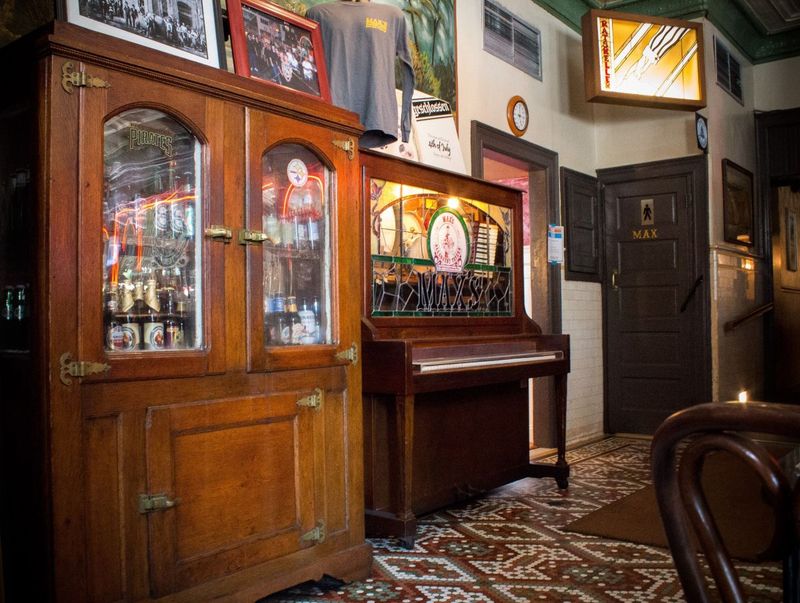
Old taverns carry stories in their walls, and Max’s Allegheny Tavern in Pittsburgh feels like the kind of place where dinner comes with a side of local history.
Located on the city’s North Side, it has long been tied to the German heritage of the neighborhood.
Pittsburgh grew through waves of immigrants who worked in mills, shops, breweries, and family businesses.
German residents helped shape the city’s food culture, especially through taverns where people gathered after long days.
Max’s keeps that spirit alive with hearty plates and a welcoming pub feel.
Visitors can expect the kind of menu that pairs well with conversation, including sausages, schnitzel, cabbage, potatoes, and beer.
A smart order here is something classic and filling.
If you choose a sausage platter, pay attention to the different flavors, since each style can be smoky, garlicky, mild, or spicy.
The tavern setting makes it a good stop before or after exploring Pittsburgh attractions.
The North Side is near museums, sports venues, riverfront paths, and historic streets.
German food in Pittsburgh often feels a little different from German food in farm country.
It carries a city tavern personality, with bigger noise, stronger neighborhood pride, and a blue-collar sense of comfort.
Bring friends if you can, because shared appetizers and varied plates make the table more fun.
A pretzel, a sausage sampler, or sides of red cabbage and spaetzle can turn dinner into a tasting session.
Max’s Allegheny Tavern remains a Pennsylvania favorite because it blends old Pittsburgh character with German cooking that feels honest and satisfying.
It is not just a meal, it is a small window into the city’s immigrant past.
7. Erwin’s Country Kitchen – Feasterville-Trevose
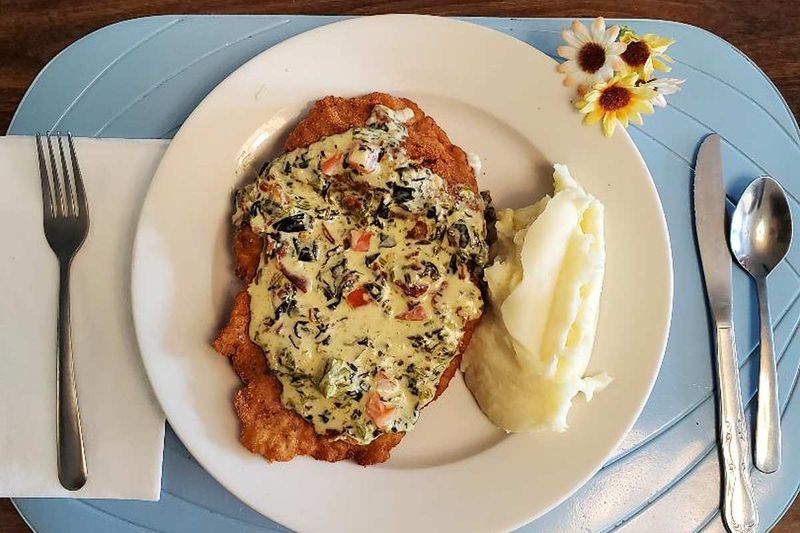
Some restaurants win people over by feeling like a meal at a relative’s house, where the plates are full and nobody leaves hungry.
Erwin’s Country Kitchen in Feasterville-Trevose has that kind of down-to-earth appeal in Bucks County.
This part of southeastern Pennsylvania sits close to Philadelphia but still has many neighborhood dining spots with loyal local followings.
A German country kitchen fits well here because it offers comfort without fuss.
The phrase country kitchen suggests simple cooking, generous portions, and familiar service.
For German food, that often means schnitzel, roasts, dumplings, noodles, cabbage, soups, and homemade-style desserts.
When visiting, think about what kind of meal you want.
A breaded cutlet can be crisp and satisfying, while a stew or roast may feel better on a cold Pennsylvania evening.
Side dishes deserve attention because they often tell the real story.
German potato salad, spaetzle, cucumber salad, or sauerkraut can change the whole mood of the plate.
Erwin’s is a good choice for people who prefer a quieter meal over a loud beer hall.
Families, older diners, and anyone who likes simple service may feel especially comfortable.
If you are new to German cooking, do not worry about ordering perfectly.
Choose one main dish you understand, then add a traditional side to learn something new.
The location also makes it useful for travelers moving through Lower Bucks County.
It can be a pleasant break from chain restaurants and busy highways.
What makes places like Erwin’s special is their everyday charm.
Pennsylvania favorites are not always famous statewide, but they become important because local people trust them for warm meals, steady flavors, and a friendly table close to home.
8. The Village Haus – Reinholds
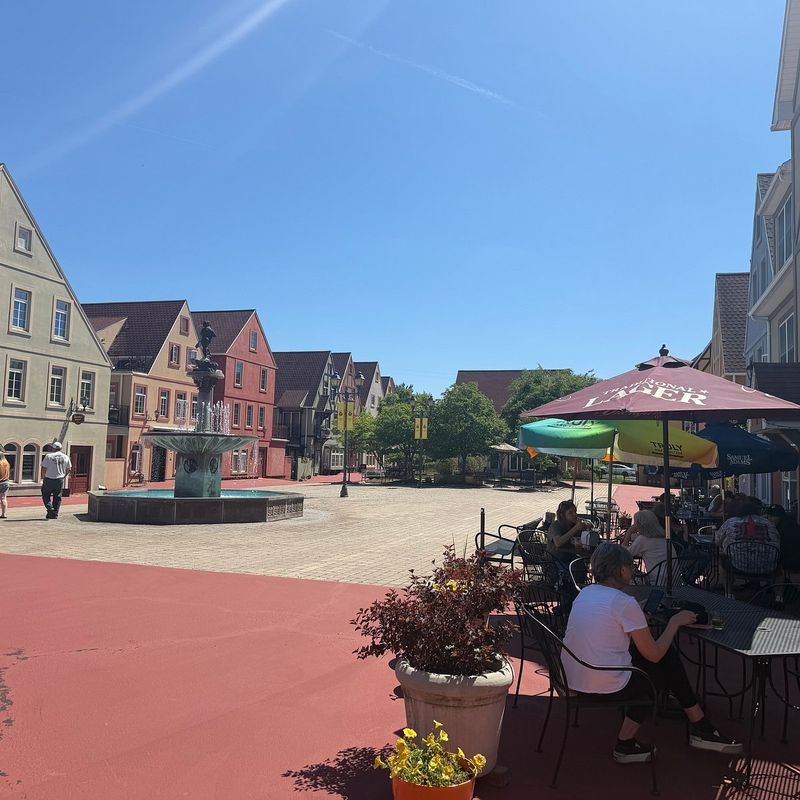
A small-town restaurant can make a traveler feel welcome before the first bite, especially when the name sounds like it belongs in a village square.
The Village Haus in Reinholds brings German-inspired comfort to a quiet part of Lancaster County.
Reinholds sits in an area where Pennsylvania Dutch culture has deep roots.
The surrounding countryside includes farms, churches, back roads, and communities where old food traditions still matter.
A village-style dining room is about warmth and ease.
Guests usually come for familiar plates, friendly service, and food that feels steady rather than flashy.
German favorites fit that mood beautifully.
Schnitzel, sausage, cabbage, noodles, and potatoes are not complicated, but they can be deeply satisfying when prepared with care.
If you visit The Village Haus, consider timing your meal around a slow country drive.
Lancaster County is best enjoyed without rushing, and a relaxed lunch or dinner matches the pace of the area.
For families, this kind of restaurant can be a helpful choice.
The food is filling, the setting is usually calm, and many dishes are easy for children to understand.
Travelers looking for local flavor should pay attention to specials.
In Pennsylvania Dutch country, soups, pies, seasonal vegetables, or old family recipes may appear beside German standards.
A fun way to order is to compare textures.
Pick something crisp, such as schnitzel, then add something soft, such as spaetzle or mashed potatoes, and something tangy, such as cabbage.
The Village Haus stands out because it reflects the quieter side of Pennsylvania’s German food story.
It is less about big-city energy and more about country roads, generous plates, and the comfort of a meal that feels close to home.
9. Hofbräuhaus Pittsburgh – Pittsburgh
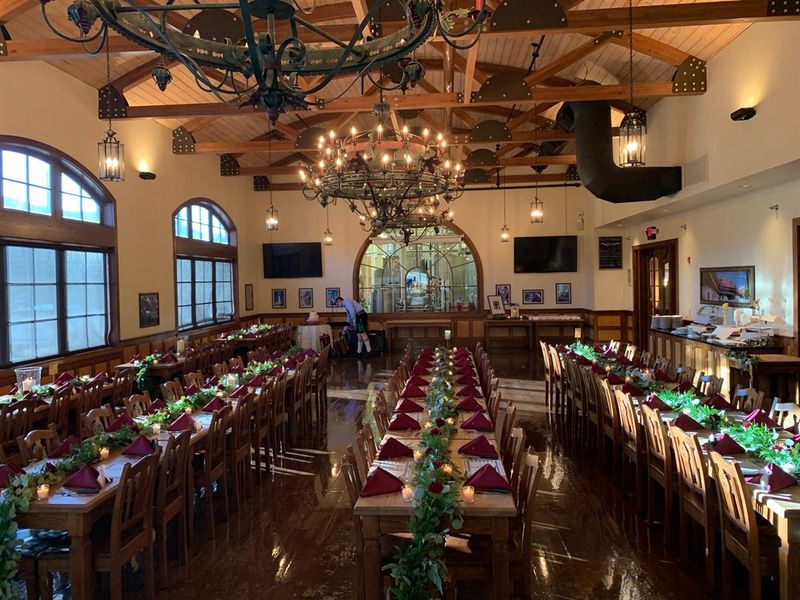
When a room full of people raises steins and sings together, dinner suddenly feels like a celebration.
Hofbräuhaus Pittsburgh brings a large Bavarian beer hall experience to the city, complete with communal tables, big pretzels, and plenty of energy.
Located in Pittsburgh’s SouthSide Works area, it offers a different style from the city’s older taverns.
The mood is brighter, louder, and more festive, which makes it popular for birthdays, group outings, and weekend plans.
The restaurant is inspired by Munich beer hall traditions.
That means long tables, hearty food, German-style beer, and a social atmosphere where strangers may sit nearby.
First-time visitors should be ready for noise and fun.
This is not the best pick for a silent dinner, but it is a strong choice when the goal is laughter and shared plates.
Classic orders include pretzels, sausages, schnitzel, roast meats, sauerkraut, and potato sides.
If you are with a group, order several items and pass plates around.
The location adds to the experience.
Before or after eating, guests can walk around the South Side, see river views, or connect the meal with a bigger Pittsburgh outing.
For people curious about German beer culture, this restaurant makes the lesson easy.
Staff can often explain styles, and the menu usually gives helpful clues about lighter or darker choices.
Non-drinkers can still enjoy the food and atmosphere.
The big pretzels, desserts, and comfort dishes are enough reason to visit.
Hofbräuhaus Pittsburgh has become a Pennsylvania favorite because it turns German dining into an event.
It may feel touristy to some, but for many guests, that playful spirit is exactly the point.
10. Brauhaus Schmitz – Philadelphia
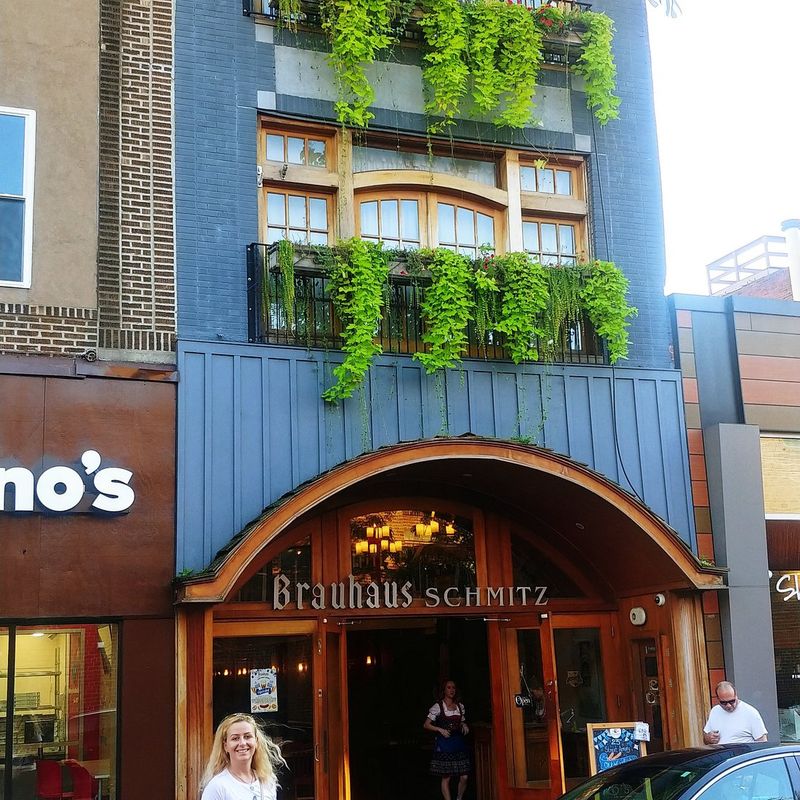
Philadelphia has no shortage of bold restaurants, but Brauhaus Schmitz stands out by bringing serious German flavor to one of the city’s most colorful streets.
Its South Street location gives it a lively, urban personality that matches the menu’s confidence.
This is a strong choice for diners who want German food with polish.
The restaurant honors classic dishes while also feeling current, social, and carefully planned.
Brauhaus Schmitz is known for beer, sausages, schnitzel, and festive events.
The experience can feel like a bridge between a traditional Bavarian hall and a modern Philadelphia dining room.
For a first visit, start with a pretzel or sausage board if available.
Sharing small bites helps everyone at the table explore the menu without committing to one large plate right away.
Schnitzel lovers should pay attention to toppings and sauces.
A simple cutlet can change completely with mushroom gravy, lemon, egg, or other classic additions.
Because the restaurant is in Philadelphia, it works well as part of a bigger city plan.
You can visit nearby shops, walk along South Street, or pair dinner with a show or night out.
Reservations are wise during busy times.
Popular city restaurants can fill quickly, especially on weekends or during German-themed events.
The atmosphere may be lively, so expect conversation and movement around you.
That energy is part of the charm and helps make the meal feel like an occasion.
Brauhaus Schmitz has earned its place among Pennsylvania favorites by treating German food with pride and excitement.
It gives Philadelphia diners a place to enjoy tradition without feeling stuck in the past.
11. Lancaster Liederkranz – Manheim
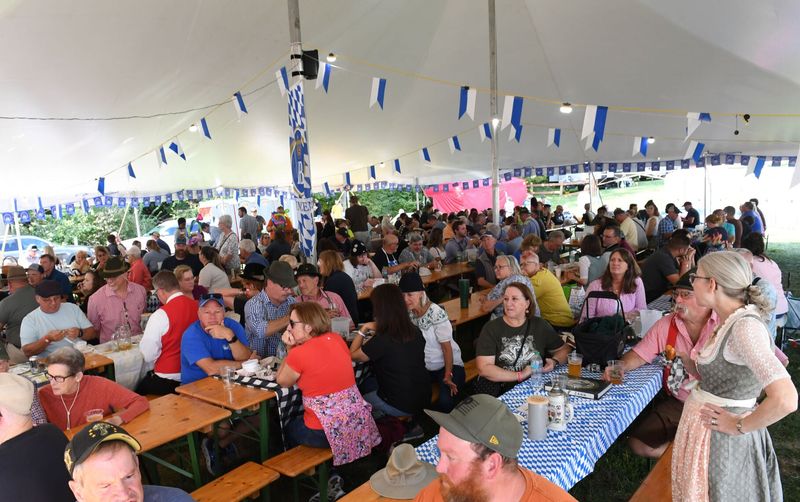
Music, food, and friendship often tell a community’s story better than a history book.
Lancaster Liederkranz in Manheim is not just a place to eat, it is a German cultural club that helps keep old traditions active in Lancaster County.
The word Liederkranz refers to a singing society, and groups like this were important among German immigrants in America.
They gave people a place to sing, gather, speak their language, and celebrate familiar customs.
Today, the Lancaster Liederkranz is known for events, festivals, and German food that brings members and visitors together.
Its meals are often tied to culture rather than simple restaurant service.
That makes planning important.
Before visiting, check whether the club is hosting a public event, dinner, or festival, since access and schedules may differ from a regular restaurant.
When food is served, expect crowd-pleasing favorites like bratwurst, schnitzel, sauerkraut, potato dishes, pretzels, and desserts.
The setting adds meaning because the meal is connected to music, dancing, and heritage.
Families can learn a lot here.
Children may hear German songs, see traditional clothing, or notice how food helps people remember where their ancestors came from.
For visitors to Lancaster County, this is a different kind of dining experience.
It feels more like joining a community gathering than simply ordering from a menu.
Bring cash if event details suggest it, arrive early for popular festivals, and be patient with crowds.
Cultural food events are often busiest when the music starts and grills are running.
Lancaster Liederkranz remains a Pennsylvania favorite because it protects living tradition.
The food matters, but the bigger reward is seeing German heritage shared with pride, warmth, and plenty of good cheer.
12. Penn Brewery – Pittsburgh
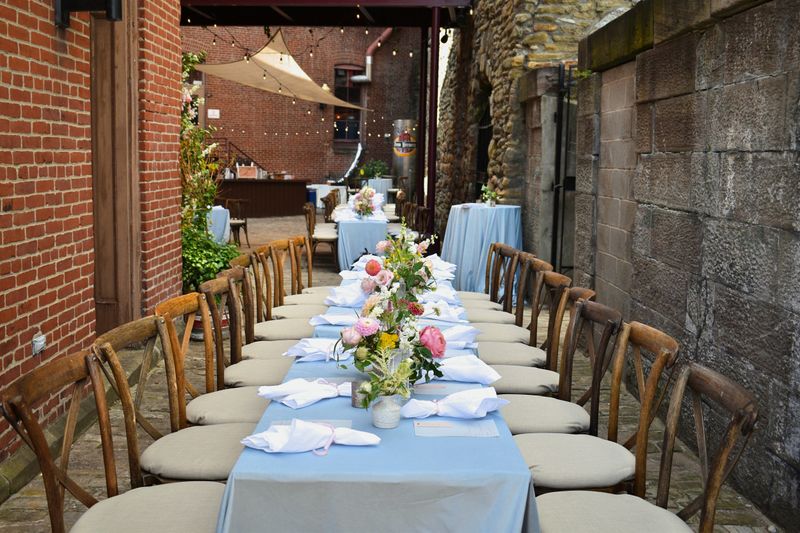
Few places connect Pittsburgh’s brewing past and German food traditions as clearly as Penn Brewery.
Set in a historic area on the North Side, it gives visitors beer, hearty plates, and a strong sense of place.
Pittsburgh’s German immigrants helped build the city’s beer culture.
Breweries were once neighborhood anchors, and Penn Brewery continues that story in a way that feels both old and fresh.
The menu often fits naturally beside the beer.
Pretzels, wursts, schnitzel, pierogies, and other comfort foods make it easy for groups to find something satisfying.
One helpful tip is to think about pairings.
A lighter beer can work well with salty pretzels or sausage, while a darker style may match richer meat dishes.
The setting is part of the fun.
Historic brick, brewing equipment, and beer garden energy make the meal feel different from a standard restaurant stop.
Penn Brewery also shows how Pennsylvania food cultures overlap.
Pittsburgh has German roots, but it also has Polish, Slovak, Irish, Italian, and many other influences, and local menus often reflect that mix.
If you are visiting during warmer months, ask about outdoor seating or seasonal events.
A beer garden meal can be one of the most pleasant ways to enjoy the city.
Groups should consider sharing starters before choosing main dishes.
Pretzels, dips, and sausage plates help set the tone without making anyone choose too quickly.
For travelers, Penn Brewery works well with a North Side outing.
Museums, sports stadiums, and river views are close enough to build a full day around the visit.
This Pennsylvania favorite succeeds because it is more than a brewery and more than a restaurant.
It is a flavorful piece of Pittsburgh history that still feels alive.
13. Frankford Hall – Philadelphia
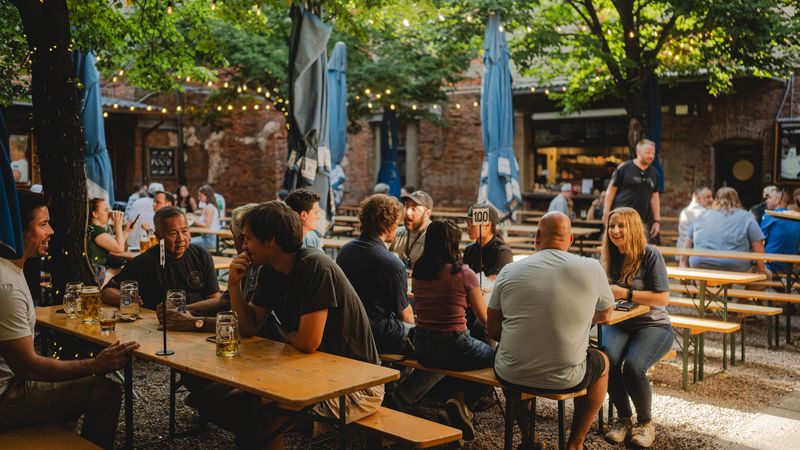
Frankford Hall feels like Philadelphia took a German beer garden, opened the doors wide, and invited the neighborhood to play.
Located in Fishtown, it is casual, roomy, and built for groups that want food with a side of fun.
The open-air setup is a big part of its appeal.
Picnic tables, games, and a lively crowd make the space feel more like a social hangout than a formal restaurant.
German-inspired favorites fit the mood perfectly.
Pretzels, sausages, burgers, fries, and beer give guests easy choices without making the meal feel too serious.
This is a smart pick for friends who cannot agree on a fancy dinner plan.
The menu is approachable, the seating works for groups, and the atmosphere encourages people to relax.
Families may enjoy earlier hours, while adults looking for a busier scene may prefer evenings.
Like many popular Philadelphia spots, timing can shape the whole experience.
For first-timers, a giant pretzel is almost a must.
It is shareable, photogenic, and exactly the kind of snack that belongs in a beer garden setting.
The Fishtown location adds modern city energy.
Nearby streets have music venues, coffee shops, restaurants, and murals, so Frankford Hall can be one stop in a larger neighborhood visit.
German tradition here is less old-world and more playful.
Instead of quiet heritage dining, guests get a bright, active space where the food supports the social scene.
If you want deep, formal German cooking, another restaurant may fit better.
If you want a relaxed Philadelphia favorite with pretzels, sausages, games, and outdoor buzz, Frankford Hall is hard to beat.
14. Reading Liederkranz – Reading
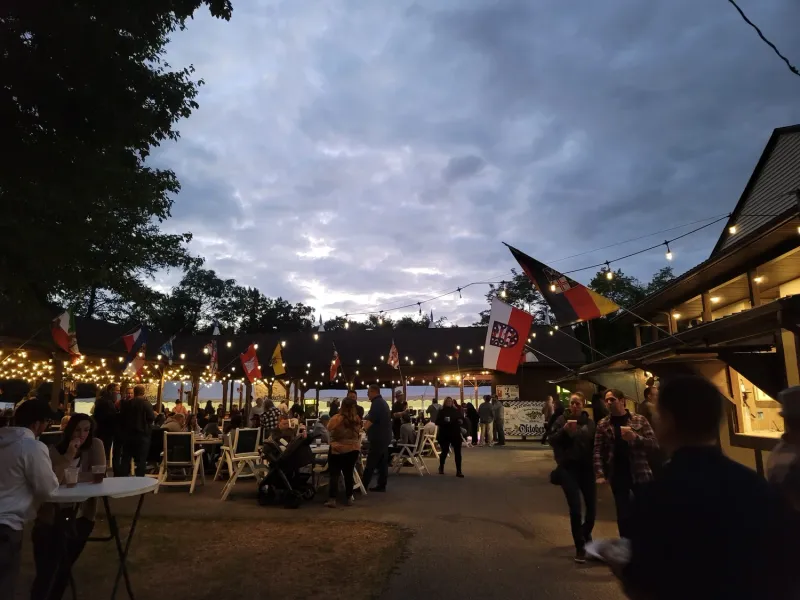
In Reading, German heritage is not only remembered, it is celebrated with music, food, and a strong sense of community.
Reading Liederkranz is a cultural club that has become a favorite for people who enjoy German festivals and traditional meals.
Berks County has deep Pennsylvania German roots.
From old farm recipes to local festivals, the region carries a history shaped by German-speaking settlers and their descendants.
Like other Liederkranz clubs, this place grew from the idea of bringing people together through song and culture.
Food became part of that gathering because meals help traditions feel real and welcoming.
Visitors should check the event calendar before going.
Public dinners, Oktoberfest celebrations, and special gatherings may offer the best chance to enjoy the club’s food and atmosphere.
Popular festival items often include bratwurst, schnitzel, sauerkraut, potato pancakes, pretzels, and German desserts.
Eating them in a festival setting makes the flavors even more enjoyable.
Music is a major part of the experience.
Polka bands, singing, dancing, or cultural performances can turn a simple plate of food into a memory.
For families, Reading Liederkranz can be both fun and educational.
Children can see that heritage is not just something written on paper, but something people cook, sing, wear, and share.
Arrive early for big events because parking and seating can get busy.
A little planning helps the day feel smooth instead of rushed.
This favorite stands out because it offers belonging as much as dinner.
In a state where German culture helped shape towns and tastes, Reading Liederkranz keeps that story active through joyful gatherings and plates full of familiar comfort.
15. Newportville Inn – Levittown
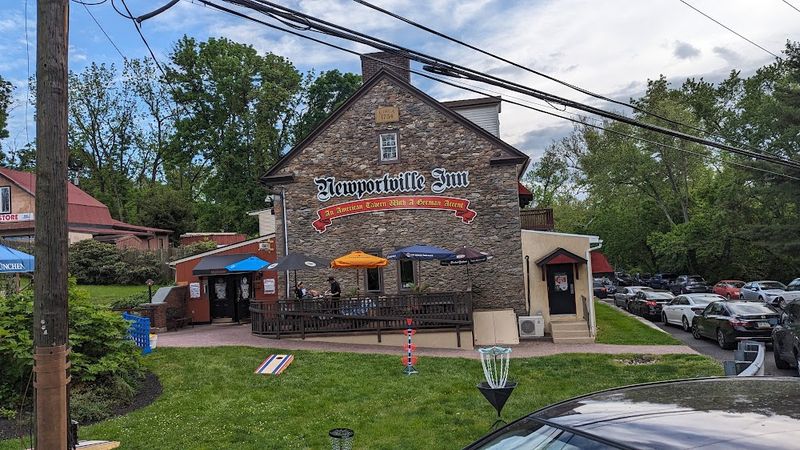
A historic inn has a way of making dinner feel like a small trip back in time.
Newportville Inn in Levittown combines German cooking, an old building atmosphere, and a Bucks County location that has made it a long-running local favorite.
Levittown is often known for its postwar neighborhoods, but the wider area also has older roads, inns, and communities with deep roots.
A German restaurant inside that setting feels both surprising and fitting.
The menu usually appeals to people who want a hearty meal.
Schnitzel, sausages, roast meats, cabbage, potatoes, and rich sauces are the kinds of dishes that make cold evenings feel warmer.
Outdoor seating or beer garden space can make the visit even better when the weather is mild.
German food may be filling, but fresh air and a relaxed setting keep the meal comfortable.
For a first visit, consider ordering one classic dish and one shared starter.
A pretzel or sausage appetizer can help the table settle in before larger plates arrive.
The inn atmosphere is part of the draw.
Low ceilings, rustic details, or historic touches can give the meal more character than a newer dining room.
Couples may enjoy it for a cozy dinner, while families can appreciate the familiar comfort of breaded meats and potato sides.
Groups should check ahead if they need larger seating.
Because it has a destination feel, reservations are a good idea during busy nights.
That small step can save a long wait.
Newportville Inn has become a Pennsylvania favorite by mixing history, hospitality, and satisfying German food.
It reminds diners that great meals are often found in places with stories as rich as the sauces on the plate.