Tucked away on the Cumberland Plateau in northern Tennessee, Pickett CCC Memorial State Park is a place most people drive right past without knowing what they’re missing. This hidden gem near Jamestown offers something truly special: dense forests, stunning rock formations, and some of the darkest skies in the state.
Once you visit this peaceful sanctuary, you’ll understand why it earns praise and why visitors keep coming back year after year.
A Hidden Escape in Tennessee You’ll Want To See for Yourself
Most travelers zoom past Jamestown on their way to bigger destinations, completely unaware that one of Tennessee’s best-kept secrets sits just off the main road. Pickett CCC Memorial State Park covers over 19,000 acres of untouched wilderness on the Cumberland Plateau, right next to the Big South Fork National River and Recreation Area.
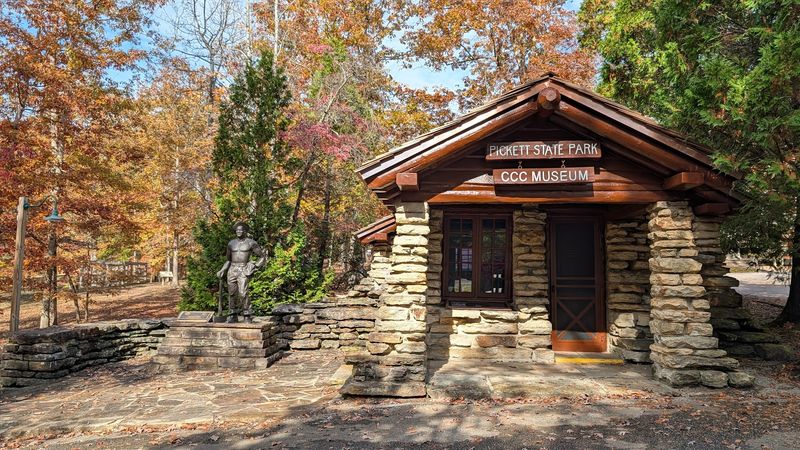
The park earned its name from the Civilian Conservation Corps workers who built much of its infrastructure during the 1930s and 1940s. Their craftsmanship still stands today in the form of beautiful stone cabins and sturdy trails.
What makes this place truly special is how it manages to feel worlds away from modern life. Dense forests blanket rolling hills, while massive sandstone bluffs tower above peaceful valleys. Cell phone reception basically disappears once you enter, which visitors actually appreciate as a chance to disconnect.
The park sits far enough from major cities that light pollution barely touches it, earning recognition as an International Dark Sky Park. On clear nights, the Milky Way stretches across the sky in breathtaking detail. Whether you’re looking for outdoor adventure or simply a quiet place to recharge, this tucked-away treasure delivers experiences you won’t find at more crowded Tennessee destinations.
Inside Pickett CCC Memorial State Park’s Peaceful, Remote Setting
Stepping into Pickett feels like traveling back in time to when forests stretched endlessly and silence was golden. The park’s remote location on the Cumberland Plateau means you’re surrounded by thick woodlands in every direction, creating a sense of complete isolation from everyday stress.
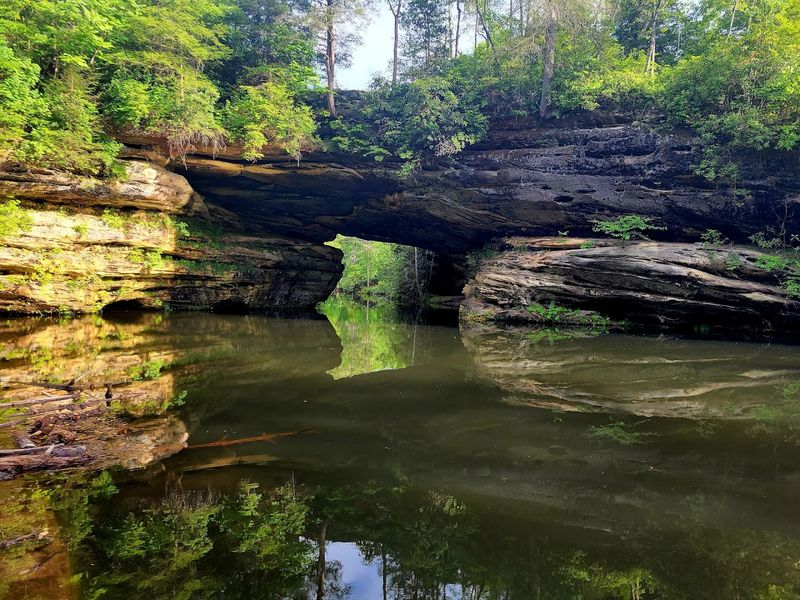
At the heart of the park lies a beautiful 12-acre lake called Arch Lake. Its calm waters reflect the surrounding trees, creating picture-perfect scenes that change with every season. Visitors love kayaking across the smooth surface, paddling under a natural bridge, and exploring small caves and rock shelters along the shoreline.
The designated swimming area and beach provide refreshing summer fun, though the water stays pretty chilly even when temperatures climb. Fishing enthusiasts cast lines hoping to catch bass and bluegill, while others simply sit on the shore enjoying the tranquility.
Trails wind through the forest connecting various features, from towering rock formations to hidden waterfalls. The landscape showcases unique geological features formed over millions of years, including massive rock shelters that once provided refuge for early inhabitants.
Everything about this setting encourages you to slow down, breathe deeply, and appreciate nature’s quiet beauty without distractions.
What Sets This Park Apart From Other Tennessee Getaways
While Tennessee boasts many excellent state parks, Pickett stands out for several remarkable reasons that keep visitors returning year after year. Its designation as an International Dark Sky Park puts it in rare company, offering stargazing opportunities that rival professional observatories.
The nearby astronomy field provides an ideal spot for watching meteor showers and spotting constellations invisible in light-polluted areas. Visitors plan trips specifically around celestial events, knowing they’ll witness nature’s light shows in stunning clarity.
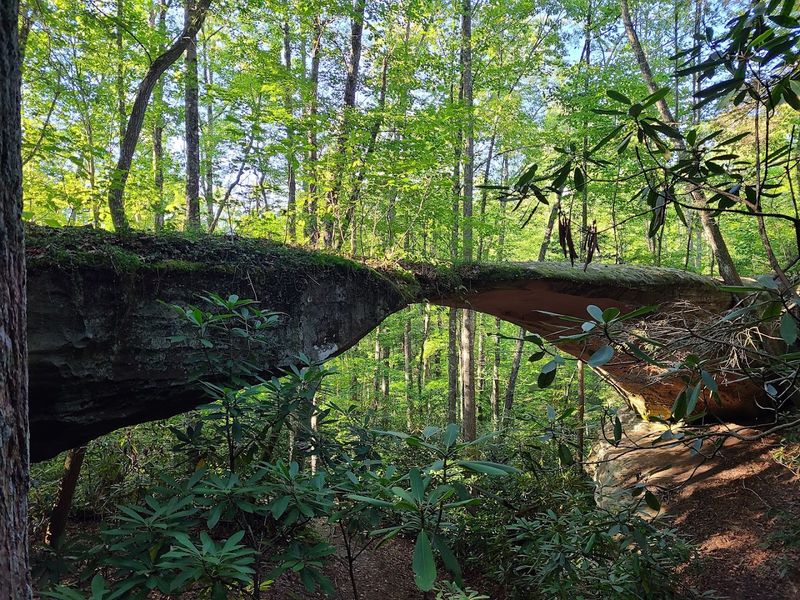
Beyond the incredible night skies, the park’s geological features create an outdoor classroom of natural wonders. Hazard Cave, a massive rock shelter with beautiful afternoon light, impresses even seasoned hikers. Natural Bridge, Indian Rockhouse, and numerous other formations demonstrate the power of water and time shaping solid stone.
The historical significance adds another layer of interest. The Civilian Conservation Corps Museum tells stories of young men who built park structures during the Great Depression, their legacy visible in every stone cabin and carefully constructed trail. Ranger Grant brings these stories to life with passionate tours that make history feel immediate and personal.
This combination of natural beauty, astronomical excellence, and rich heritage creates an experience unavailable at typical recreational areas.
The Trails, Views, and Outdoor Fun Worth Exploring
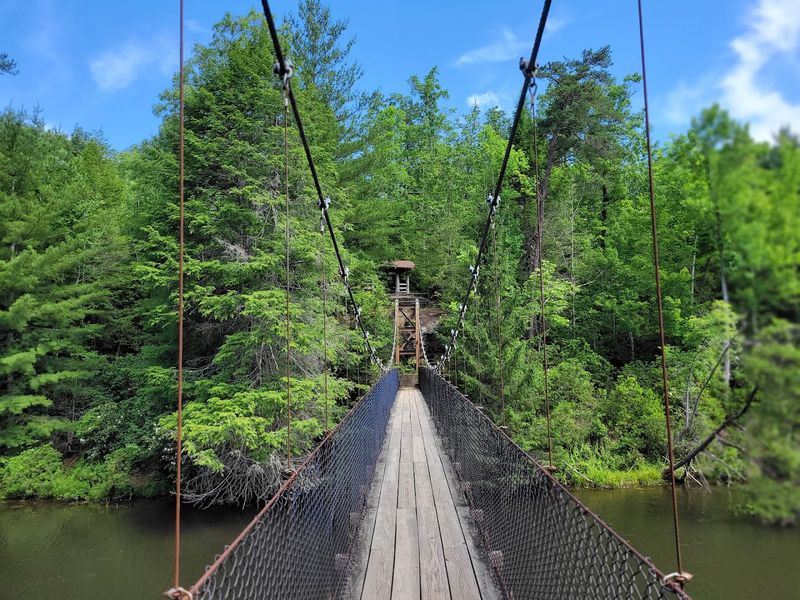
Adventure seekers discover endless possibilities on Pickett’s varied trail system, ranging from easy strolls to challenging scrambles. The Lake Trail ranks among visitor favorites, circling Arch Lake with moderate terrain and spectacular scenery at every turn.
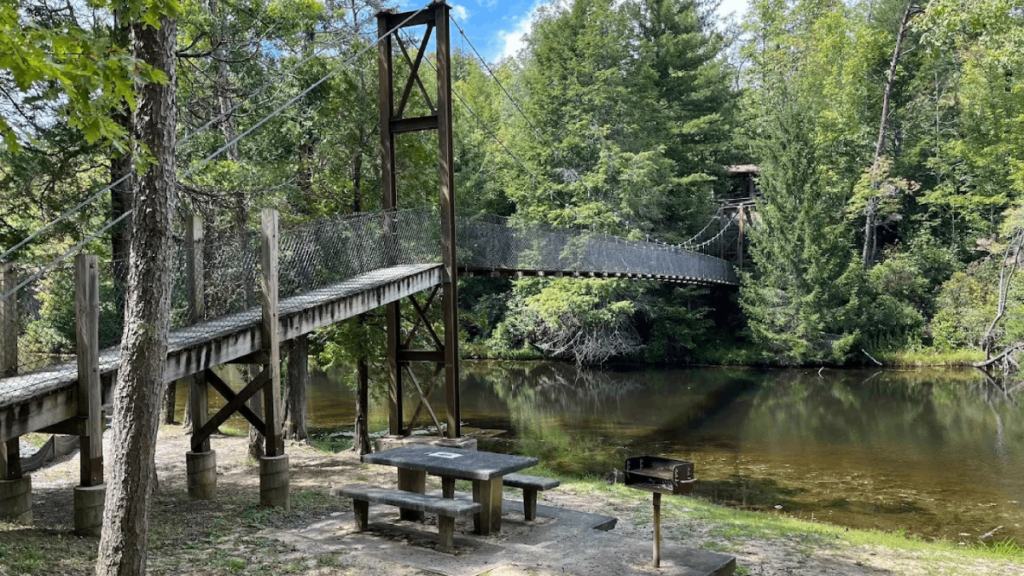
One highlight involves crossing a swinging suspension bridge to reach a small island, providing thrills and fantastic photo opportunities. However, parts of this trail demand caution, especially near the bridge where steep, potentially slippery rocks require careful navigation. Some visitors with larger dogs actually carry their pets down the trickiest sections.
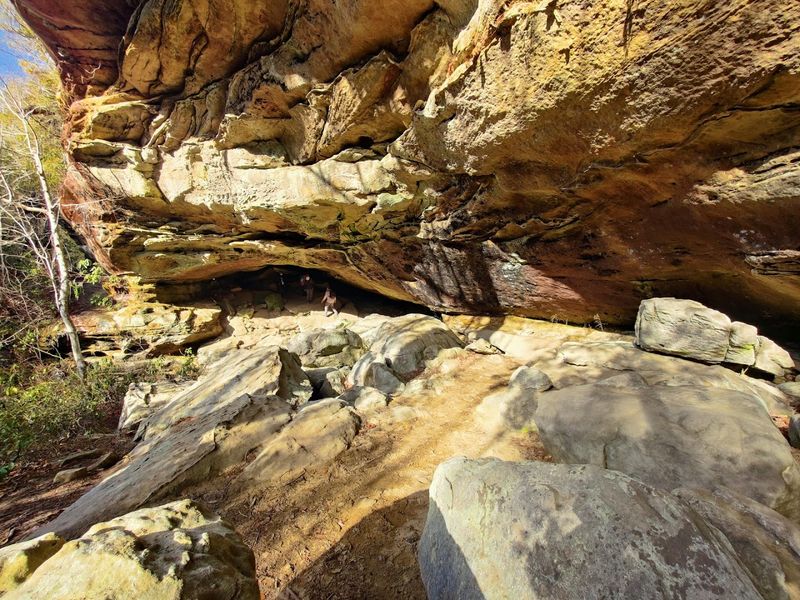
Hazard Cave Trail offers a moderately easy hike leading to an enormous rock shelter where filtered sunlight creates magical afternoon atmospheres. Even toddlers manage this trail successfully, making it perfect for families. Indian Rockhouse and other formations sit close to roads, allowing less mobile visitors to experience geological wonders without extensive hiking.
Twin Arches, located nearby in the Big South Fork area, provides another must-see destination accessible from the park. Water activities complement hiking perfectly, with kayaking and canoeing allowing exploration from different perspectives. The calm lake suits beginners while offering experienced paddlers interesting routes through natural features.
Fishing, swimming, and simply relaxing on the beach round out the recreational options available throughout warmer months.
Why It’s a Favorite for Camping and Unplugging
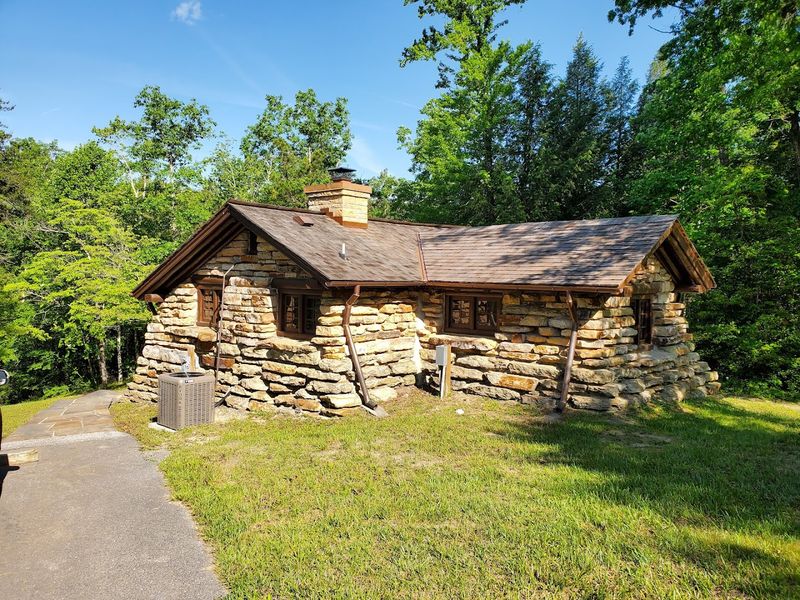
Campers and cabin enthusiasts find Pickett particularly appealing because it genuinely facilitates disconnection from digital distractions.
The park offers three distinct cabin styles catering to different preferences and budgets. Original CCC-era stone cabins built in the 1930s and 1940s feature historical charm with working fireplaces and rustic appeal. Mid-century modern options provide updated amenities while maintaining a connection to nature.
Newer home-style cabins offer more contemporary comforts for those wanting additional conveniences.
Cabins come well-equipped with kitchen utensils, comfortable beds, and everything needed for enjoyable stays. Many feature front porches overlooking wooded areas, perfect for morning coffee while watching wildlife. Pet-friendly options allow four-legged family members to join adventures.
The campground suits tent campers and smaller RVs, though sites work better for pop-ups than large rigs due to terrain and spacing. Amenities include electricity, water hookups, and clean bathroom facilities. Some adventurous souls camp during winter months, bundling up to enjoy stunning starry nights and peaceful frozen landscapes.
Bears occasionally wander through, reminding visitors to store food properly and respect wildlife. This combination of comfortable lodging and genuine wilderness experience creates the perfect unplugging destination.
Tips for Planning a Visit to Pickett CCC Memorial State Park

Smart planning ensures you maximize your Pickett experience and avoid potential disappointments. The park office operates Monday through Sunday from 8 AM to 4:30 PM, making it your first stop for trail maps, activity suggestions, and current conditions. Staff members are incredibly helpful and knowledgeable about optimizing your visit.
Download trail maps and any needed information before arriving since cell service essentially vanishes within the park. This preparation prevents frustration when you can’t access online resources.
Book cabins well in advance, especially during peak seasons and meteor shower events when astronomy enthusiasts fill available accommodations. Cabin 20 receives particularly high praise for reliable Wi-Fi, though most visitors appreciate the digital detox opportunity. Rates remain reasonable, typically ranging from budget-friendly to moderate pricing.
Pack appropriate gear for your planned activities, remembering that weather can change quickly on the plateau. Bring headlamps or flashlights for nighttime stargazing walks. The small museum and nature center deserve time on your itinerary, offering educational experiences that enhance appreciation for the area.
During summer, the nature center provides hands-on opportunities like holding snakes.
The Reason This Jamestown Park Leaves Such a Lasting Impression
Something magical happens at Pickett that transforms casual visitors into devoted fans who return repeatedly. Perhaps it’s the way ancient rock formations whisper stories of millennia past, or how the Milky Way sprawls across unpolluted skies in breathtaking glory.
Maybe the lasting impression comes from genuine moments of peace found while paddling across glassy lake water or standing inside Hazard Cave as afternoon light filters through. The park’s ability to make you feel simultaneously small and connected to something larger creates powerful memories.
Families bond over shared adventures crossing swinging bridges and spotting wildlife, creating stories they’ll retell for years. Couples find romance under star-filled skies, impossible to see anywhere else. Solo travelers discover the rejuvenation that comes from true solitude and natural beauty.
The dedication of park staff, particularly passionate rangers who bring history alive, adds personal touches that elevate visits beyond simple recreation. Their enthusiasm proves contagious, inspiring deeper appreciation for conservation efforts and natural wonders.
That emotional connection, that sense of having discovered something precious and worth protecting, explains why Pickett isn’t just visited but genuinely loved by those fortunate enough to find it.