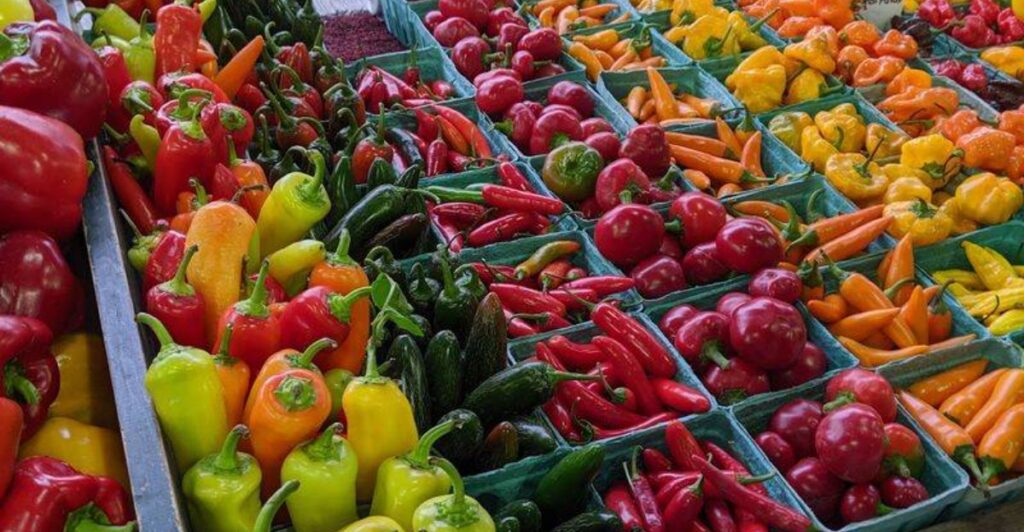
Fresh food feels even more important when families are trying to stretch their budgets without giving up quality. In Grand Rapids, Michigan, Fulton Street Market grew from that practical need, giving local growers a direct place to sell and neighbors a closer way to shop for produce, bread, flowers, and seasonal goods.
The appeal comes from how much the market still does at once: it preserves history, supports local farms, and brings everyday community energy to a busy Midtown block. It is useful, lively, and rooted in a purpose that still feels relevant.
For anyone curious why this Michigan market has lasted, the answer starts with its mix of affordability, local connection, and real neighborhood life.
Price Pressure Lit the Spark
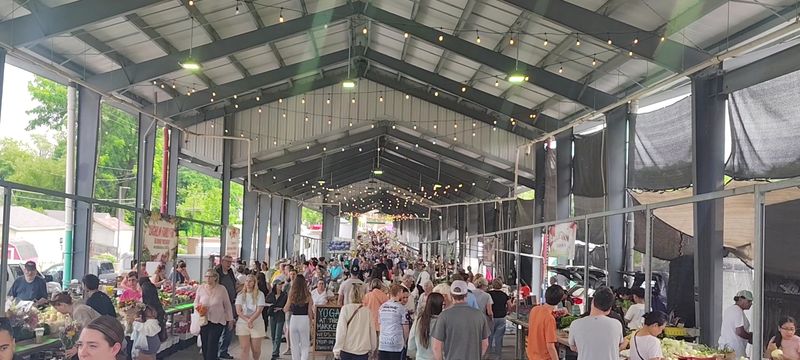
Long before rising grocery bills became a daily complaint, Grand Rapids had already learned a hard lesson about food costs. Fulton Street Market grew out of a simple need: families wanted fresh food at prices that made sense, and farmers needed a direct place to sell what they raised.
That basic exchange still explains why the market matters.
Buying straight from growers cuts out some of the steps that can push prices higher in traditional retail chains. At a market like this, the connection is shorter and clearer.
You can ask what is in season, compare sizes and quality, and often leave with food that was harvested much more recently than store produce.
The market’s staying power comes from that practical purpose, not from trendiness. When food budgets feel tight, a place built around local exchange becomes more than a pleasant weekend stop.
It becomes a working system that helps people stretch dollars while keeping nearby farms in business.
That history also gives the market a stronger identity than a pop-up event that appears and disappears with the weather. Fulton Street Market has the look of a neighborhood institution because it is one.
The covered setup, regular vendor rhythm, and steady customer habits all point to a place designed to solve an ongoing problem.
If you shop carefully, markets can reward attention in ways supermarkets rarely do. Seasonal peaks often bring better flavor and sharper value at the same time.
Fulton Street Market stands as a reminder that high food prices did not just create frustration. In Midtown Grand Rapids, they also helped launch a community answer that still works, still feeds people, and still gives local agriculture a visible home in the middle of the city.
A Midtown Block That Moves Like a Small Town
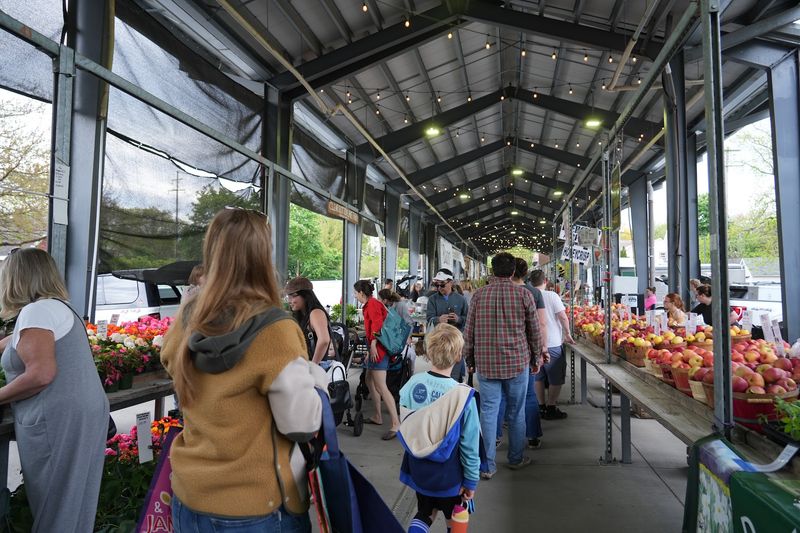
At street level, Fulton Street Market turns a stretch of Midtown into a lively public room. The market runs along a long, covered corridor where color does half the talking.
Tomatoes, greens, flowers, breads, and handmade goods break up the concrete with bright, useful beauty.
You do not need a grand entrance to know you have arrived somewhere active. Movement gives it away first.
Shoppers drift from table to table, pause for a better look, then tuck bags closer as they head toward the next stand.
That steady motion matters because the market works as more than a row of sales booths. It helps anchor the neighborhood by giving people a regular reason to gather in one place at the same time.
Midtown can feel residential, institutional, and busy all at once, and the market ties those pieces together with an easy public rhythm.
The layout also helps newer visitors settle in quickly. A long central path keeps the experience simple, so you can browse without guessing where to go next.
Covered sections offer relief when weather shifts, which makes the market more dependable than a setup that fully relies on clear skies.
Look closer and the market’s role becomes even clearer. It draws families, students, longtime residents, and first-time shoppers into the same shared space without asking them to do anything fancy.
You show up, walk, notice, compare, and talk.
For Midtown, that kind of repeated, low-pressure gathering place is valuable. Coffee shops and restaurants can be social, but they usually require a longer stop and a bigger bill.
Fulton Street Market asks much less. It gives the neighborhood a visible center of activity, one that changes with the harvest but stays rooted in the same block, week after week, season after season.
The Tables That Make Grocery Runs More Interesting
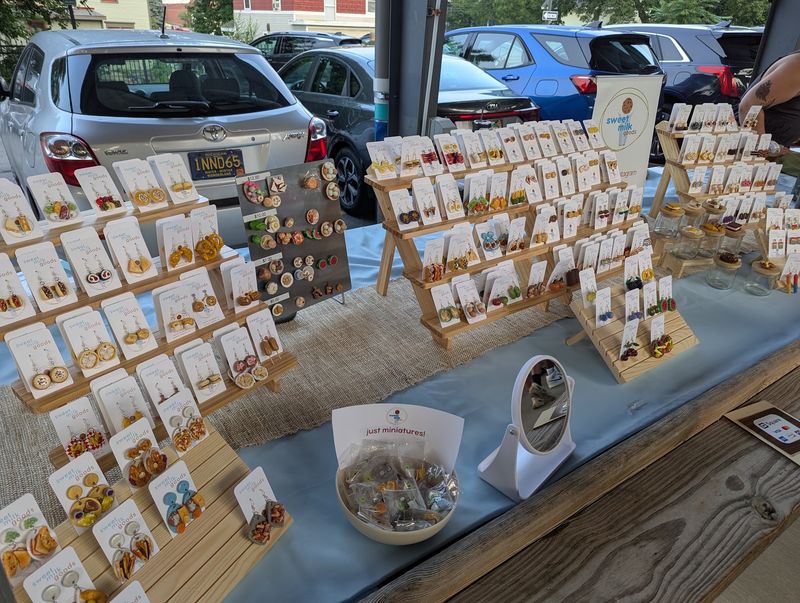
One of the easiest ways to understand Fulton Street Market is to look at the tables themselves. A single trip can include leafy greens, meat, bread, plants, honey, flowers, baked goods, and handmade extras that turn a basic food errand into a fuller neighborhood outing.
Variety is part of the market’s strength.
Fresh produce still sits at the center of the experience. Stands often lead with the bright, practical staples people actually cook with, not novelty items meant only for photos.
That focus gives the market real day-to-day use, especially if you are planning meals around what is in season.
Then the supporting cast starts to matter. Bread can become breakfast and dinner in the same day.
Honey, jams, flowers, and herbs make the bags feel a little more personal. Meat vendors broaden the market from a produce stop into a serious shopping option.
There is also a pleasure in seeing food before it is standardized by store shelves. Carrots may be different sizes.
Greens may look less polished and more alive. A loaf might sell out before noon, which quietly tells you it was made to be eaten, not displayed for days.
If you are trying to shop smart, start with a loop before buying anything. Compare prices, note which produce looks best, and decide what can carry several meals.
That small pause can help you avoid impulse spending while still enjoying the browse.
Craft vendors and seasonal extras add range without taking over the market’s core purpose. The point is not to turn farming into a sideshow.
The point is to give local producers room to sell useful goods in one concentrated place. At Fulton Street Market, the mix works because food remains the anchor and everything around it supports a longer, richer stop.
Michigan Mornings Work Best When You Arrive Early
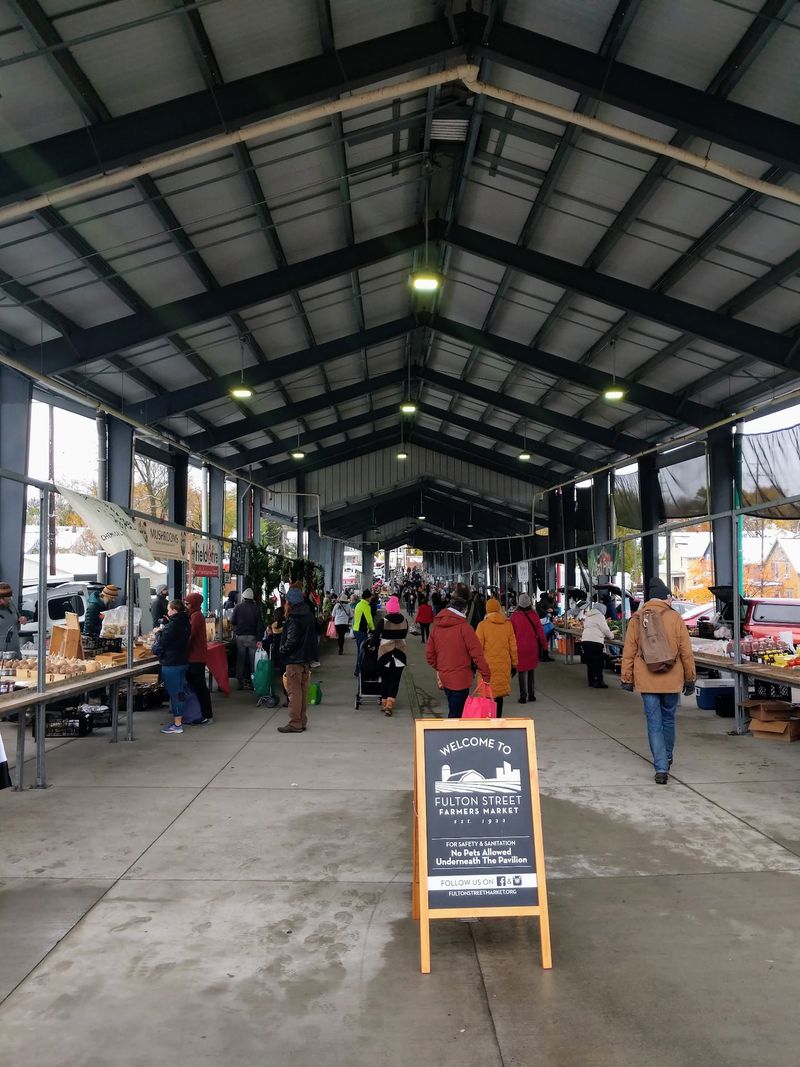
Early arrival changes the whole tone of Fulton Street Market. The first stretch of the day tends to bring cooler air, fuller tables, and a calmer pace before the busiest rush takes over.
If you want first choice on produce or bread, morning is the smart move.
The official schedule also rewards planning. The market operates on Wednesday, Friday, and Saturday, generally from 8 AM to 2 PM, with other days closed.
That limited window gives each market day a stronger sense of purpose, but it also means casual timing can leave you with fewer options.
Parking is one practical detail worth taking seriously. Nearby spaces can feel tighter when the market is busy, especially on popular days.
Showing up early does not just help with selection. It can also make the start of your visit less stressful.
Once inside, a simple strategy works well. Walk the full length first, note produce that looks especially fresh or limited, then circle back for the items that matter most.
That keeps you from filling bags too quickly and missing a better version of the same item farther down.
Weather matters in Michigan, of course, but the covered design helps. Light rain or shifting skies do not erase the experience the way they might at a fully open lot.
Bring cash and a reusable bag if you can, wear shoes built for standing and walking, and keep a little room in your plans for an extra stop at a bakery table or food stand.
If you are shopping for a week instead of a snack, think in layers. Buy delicate greens and bread first, then sturdier produce that lasts longer.
Fulton Street Market rewards a bit of game plan, and the payoff is simple: less scrambling, better selection, and a smoother start to the kind of market morning Midtown does especially well.
More Than Shopping, It Teaches a Local Food Habit
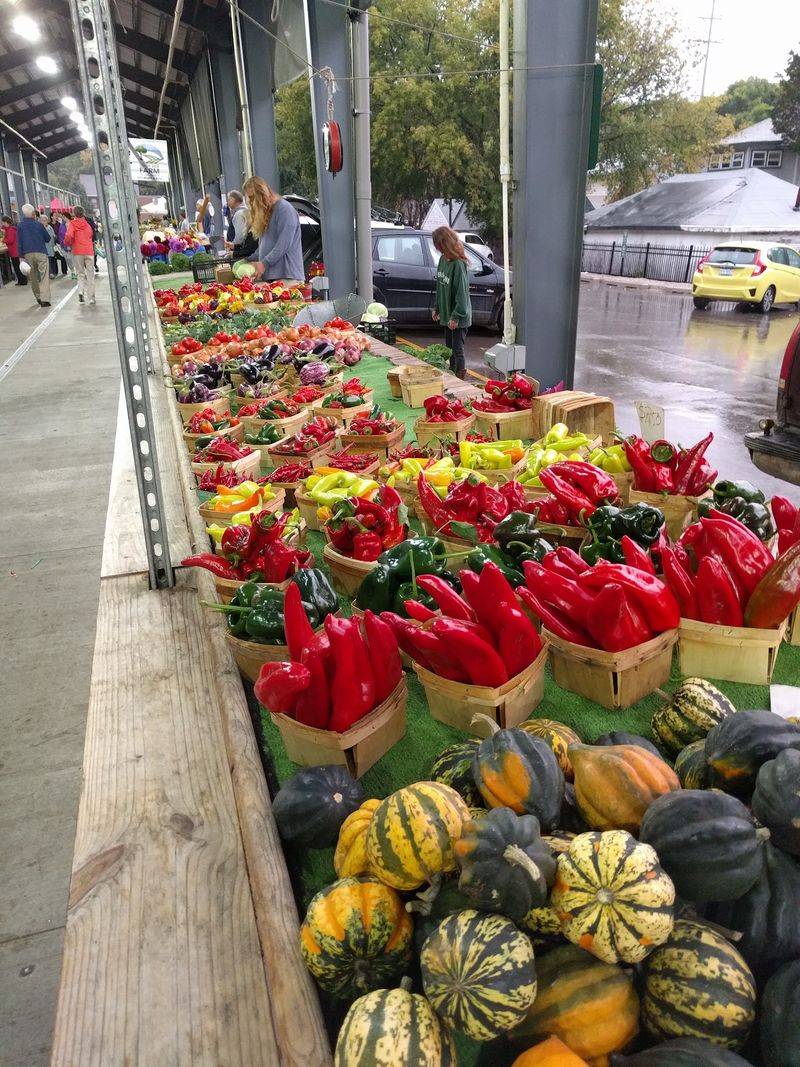
Some markets sell food. Fulton Street Market also teaches a pattern of living.
By putting growers, makers, and shoppers face to face, it turns basic buying into a small lesson about seasonality, neighborhood connection, and where meals begin.
That educational side shows up in quiet ways. A child sees carrots with dirt still clinging to them.
A shopper learns why strawberries are abundant one month and scarce the next. A quick question about storage or ripeness can shape the next several dinners at home.
The market’s welcoming setup also helps different kinds of visitors participate. Families can browse without needing a formal plan.
Students and field trip groups can move through the aisles and absorb the place through sight, smell, and conversation. Newcomers who do not know much about local food usually find enough visual clues to start learning fast.
There is an important difference between reading about local agriculture and standing in the middle of it, even in a city setting. You notice the labor behind the product.
You notice that seasons are not marketing themes. They are the timetable farmers actually work under.
For Midtown, that creates a useful civic space, not just a commercial one. The market gives urban residents a regular chance to reconnect with regional farming without driving far outside Grand Rapids.
That link can shape habits over time, from trying unfamiliar vegetables to prioritizing local purchases when budgets allow.
If you are bringing kids, let them choose one new fruit, herb, or baked item to try at home. If you are new to farmers markets, ask one vendor what is best that day and build a meal around the answer.
Fulton Street Market works well because it does not demand expertise before you arrive. It gives you enough context to leave a little smarter, a little better stocked, and more tuned in to the local food system around you.
A Market That Tries to Keep Local in the Center
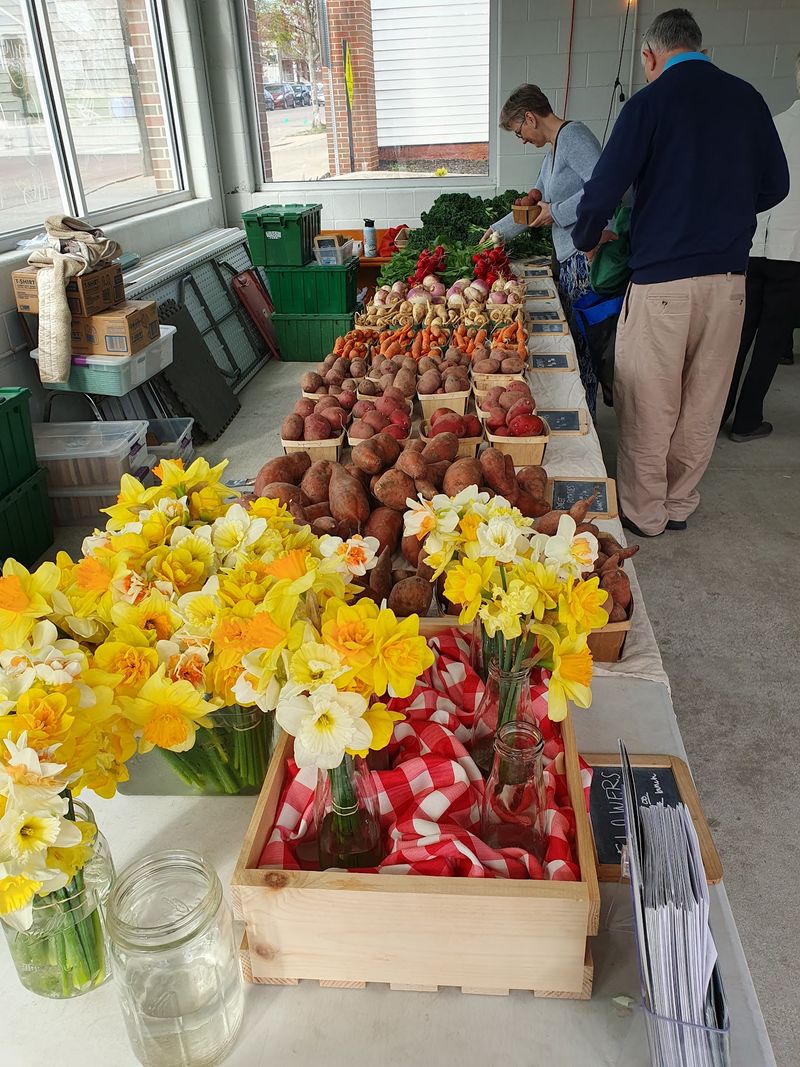
Plenty of places use the word local as decoration. Fulton Street Market depends on it as structure.
The reason the market continues to anchor Midtown is not just that people like strolling past produce. It is that the place gives real value to nearby farmers and makers by putting them in direct contact with buyers.
That direct setup changes the transaction in practical ways. Questions can be answered on the spot.
A grower can explain how an item was raised, what is peaking right now, or how long something will keep once you get it home. The exchange becomes more informed and often more personal without slipping into a sales speech.
It also helps explain why some prices may run higher than bargain chain options. Small-scale agriculture faces pressure from fuel, supplies, land costs, and labor.
Buying here is not the same as buying from a system built on huge volume and long distribution lines. You are paying for shorter distance, smaller scale, and visible accountability.
Even with that reality, the market remains important because it broadens access to fresh food and makes local commerce visible in the city. The value is not just symbolic.
It is physical, immediate, and edible. A market anchored by vegetables, meats, bread, and plants creates a stronger daily-use connection than a space built mostly around souvenirs.
If budget matters, focus on items in peak season and compare similar booths before choosing. Sometimes the best deal is not the cheapest sticker price, but the food that lasts longer, tastes better, and gets fully used at home.
Fulton Street Market does not hide the economics of local food. It puts them in front of you, where community support and practical shopping meet on the same table.
Why Fulton Street Market Still Holds the Block
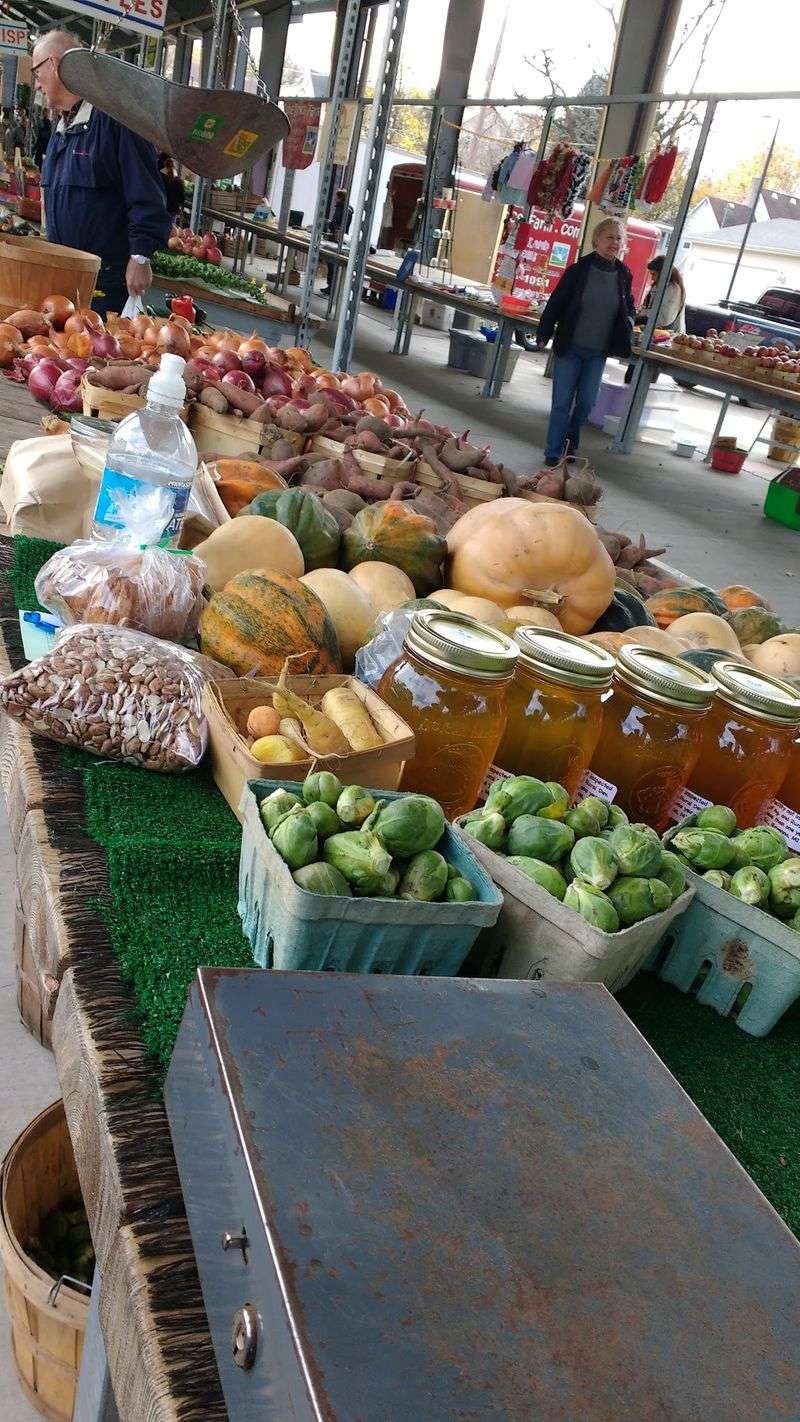
Some places survive because they are fashionable for a while. Fulton Street Market has lasted because it stays useful.
High food prices helped launch the need for a direct market here, but the deeper reason it still anchors Midtown is that it continues solving everyday problems in a visible, lively way.
You can read that success in the details. The market keeps a regular operating rhythm instead of appearing only for special events.
It offers produce at the center, then builds outward with meats, baked goods, flowers, plants, and handmade goods that fit naturally around food shopping. The covered setting adds reliability, and the long aisle makes browsing easy for both quick stops and slower visits.
Its role in Midtown also goes beyond transactions. The market gives the neighborhood a recurring pulse, a place where errands and public life overlap.
On any given market day, the block functions as a source of food, a social connector, and a visual reminder that local agriculture still has a place inside city life.
That combination is hard to replace. Grocery stores may offer convenience.
Festivals may offer excitement. Fulton Street Market sits in a different lane, where routine and character meet.
It provides enough variety to keep visits interesting and enough purpose to keep them grounded.
If you are deciding whether to go, the best reason is simple: it shows how a city neighborhood can stay connected to the region that feeds it. You leave with groceries, but also with a clearer picture of seasonality, labor, and local exchange.
In Grand Rapids, Fulton Street Market remains more than a pleasant stop. It is a practical civic fixture, shaped by economic pressure, sustained by community habit, and still holding its Midtown block with the steady confidence of a place that knows exactly why it is there.