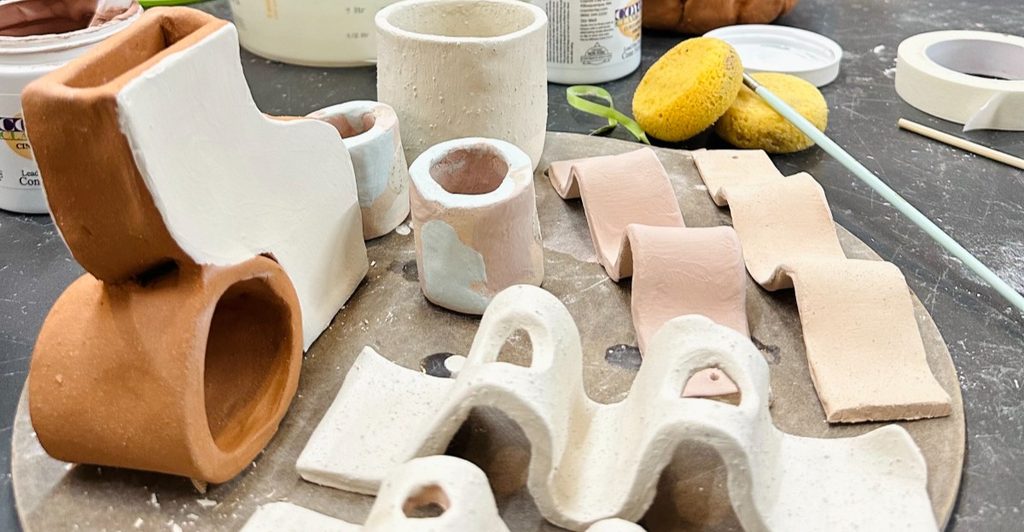
Weekend plans getting stale? Texas has a thriving craft scene that goes way beyond painting classes at the mall. From glassblowing studios where you can shape molten glass to blacksmithing workshops where sparks fly, the Lone Star State offers hands-on experiences that turn regular Saturdays into unforgettable creative adventures.
Whether you want to build furniture from scratch, throw clay on a pottery wheel, or learn ancient metalworking techniques, these craft schools welcome beginners and give you skills you’ll use for years.
1. SiNaCa Studios (Fort Worth)
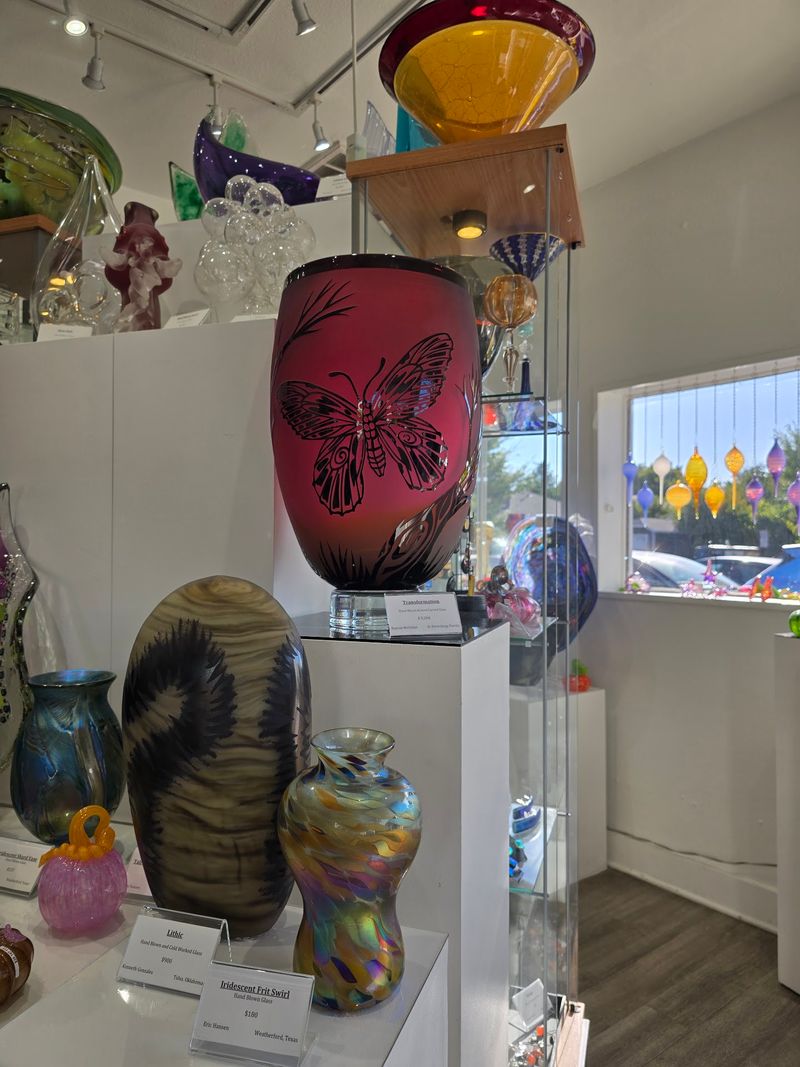
Walking into this Fort Worth pottery haven feels like stepping into a creative sanctuary where clay transforms under your hands. The studio specializes in wheel-throwing classes that take you from lump of clay to finished bowl in just a few sessions. Instructors here actually care about your progress, not just filling class slots.
Beginners appreciate how the teaching style breaks down intimidating techniques into manageable steps. You’ll learn centering, pulling walls, and trimming without feeling rushed or overwhelmed. The studio provides all materials, so you just show up ready to get messy.
Open studio time lets you practice between classes, which makes a huge difference in skill development. Many students start with a single workshop and end up booking monthly memberships because the creative bug bites hard. The community atmosphere means you’ll probably make friends who share your newfound obsession.
Classes run in six-week cycles covering everything from basic bowls to sculptural techniques. The glazing process becomes its own mini-adventure as you choose colors and finishes for your pieces. Watching your work emerge from the kiln never gets old.
Location matters here since Fort Worth’s cultural district surrounds the studio with galleries and restaurants. You can easily turn class night into a full evening out. Parking is straightforward, and the neighborhood feels safe and welcoming.
Pricing sits in the reasonable range for pottery instruction, especially considering kiln time and materials are included. Gift certificates make excellent presents for creative friends who keep saying they want to try something new. The studio also hosts private events if you want to plan a unique birthday celebration or team-building activity.
2. The Ploughshare Institute for Sustainable Culture (Waco)
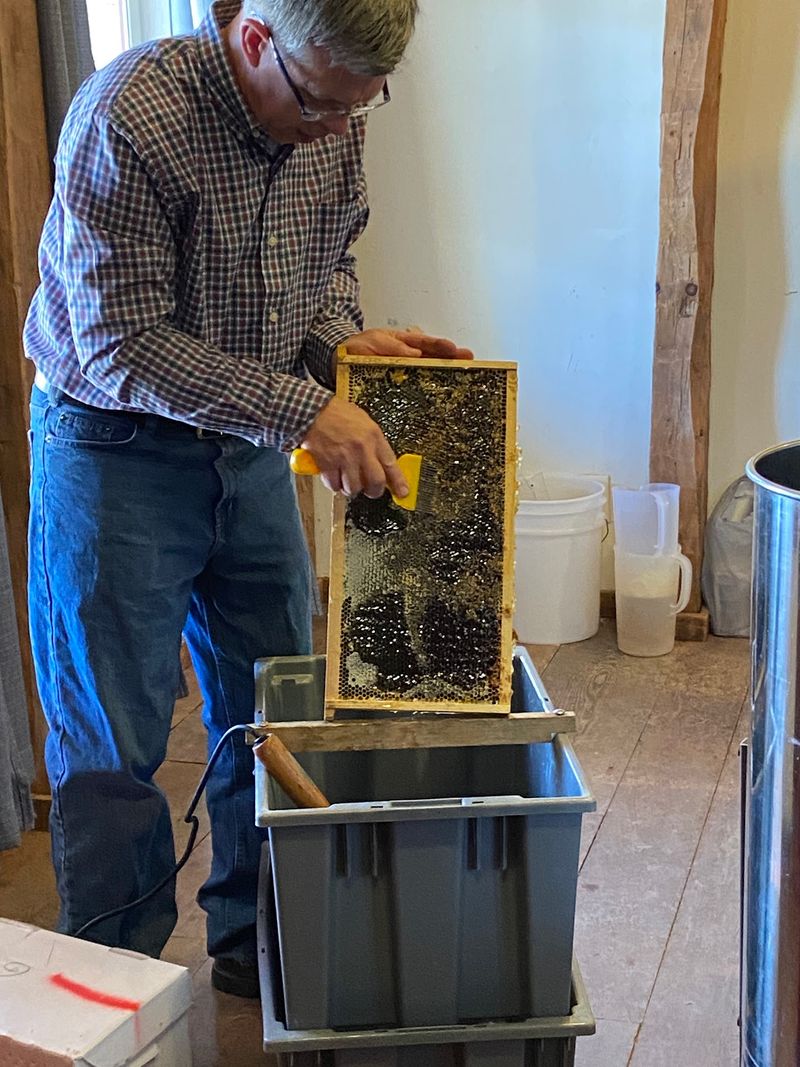
Out in the rolling hills near Waco, this institute teaches crafts the old-fashioned way, connecting traditional skills with sustainable living. Blacksmithing workshops here aren’t just about hammering hot metal but understanding how people made essential tools for centuries. The philosophy centers on self-reliance and preserving knowledge that modern life nearly erased.
Weekend intensives cover skills like timber framing, natural building, and traditional woodworking using hand tools. Instructors bring decades of experience and genuine passion for keeping these crafts alive. You’ll work with your hands in ways that feel both challenging and deeply satisfying.
The farm setting adds authenticity that city studios can’t match. Between sessions, you might see chickens wandering or smell bread baking in the outdoor oven. This immersive environment helps you understand how crafts fit into a broader lifestyle of making things yourself.
Classes intentionally stay small so everyone gets personalized attention and plenty of hands-on time. You won’t spend the day watching demonstrations from the back of a crowded room. Expect to leave with sore muscles, new skills, and probably some philosophical conversations about modern consumer culture.
The institute also offers longer residential programs for people seriously committed to learning traditional trades. But weekend workshops give curious beginners a solid introduction without major time commitments. Many students return repeatedly, slowly building a toolkit of practical skills.
Waco’s location makes this a reasonable drive from Austin, Dallas, or Houston for a weekend escape. The surrounding area offers cute small towns worth exploring if you make a full weekend of it. Accommodations range from camping on-site to nearby bed-and-breakfasts with country charm.
3. Trade Oak Cliff (Dallas)
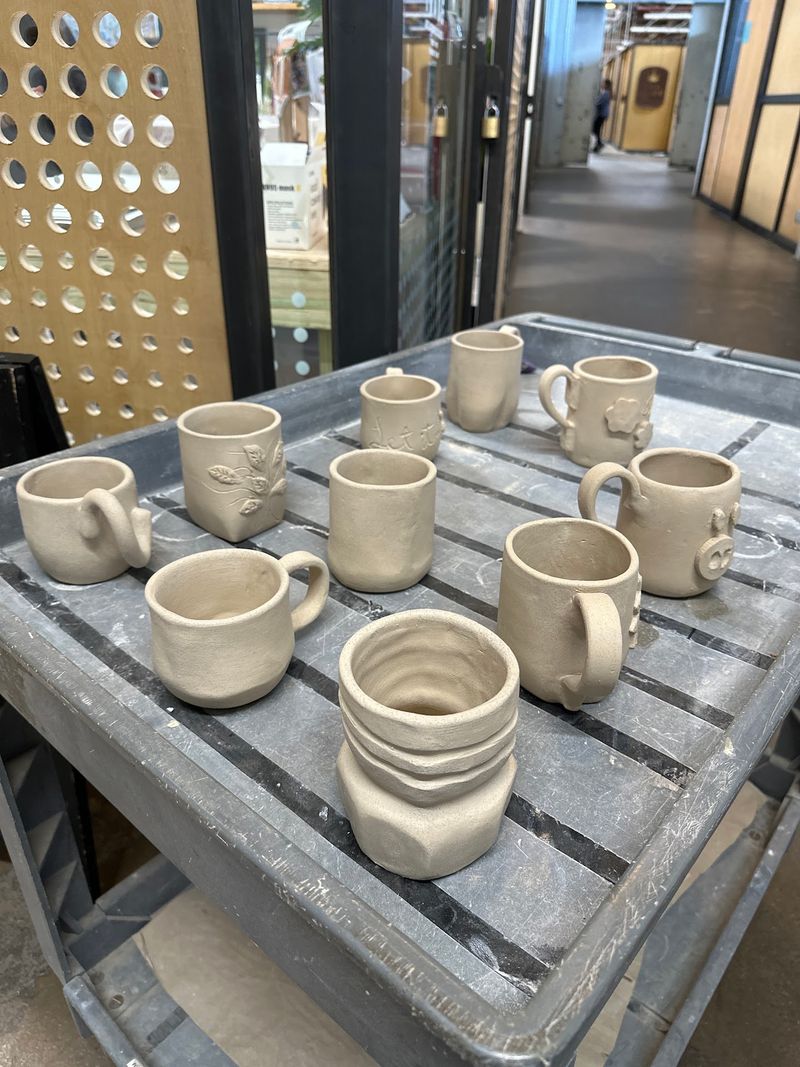
This Dallas maker space proves that learning new crafts doesn’t require leaving the city limits. Oak Cliff’s creative renaissance brought this community workshop where neighbors share tools, knowledge, and workspace. The vibe feels collaborative rather than competitive, with experienced makers genuinely excited to help newcomers.
Metalworking classes here introduce welding and fabrication techniques through practical projects. You might build a side table, garden sculpture, or custom shelf brackets during a weekend course. Instructors emphasize safety while keeping the atmosphere relaxed and encouraging.
Woodworking offerings range from basic joinery to furniture building, with classes structured for different skill levels. The shop contains professional-grade equipment that would cost thousands to buy individually. Membership options give you access to tools and workspace for ongoing projects beyond scheduled classes.
What makes this place special is how it functions as a creative hub for the neighborhood. You’ll meet architects experimenting with new materials, artists building installation pieces, and regular folks fixing things instead of throwing them away. That diversity of projects and people creates an inspiring environment.
Evening and weekend class schedules work for people with regular jobs who want creative outlets. Some courses meet weekly over several weeks, while others pack intensive learning into full-day Saturday sessions. The flexibility helps you fit skill-building into busy schedules.
Oak Cliff itself deserves exploration, with excellent restaurants, vintage shops, and coffee spots within walking distance. The neighborhood’s artistic character matches the maker space’s creative mission. Street parking can get tight during peak hours, but the area remains accessible.
Pricing stays reasonable compared to private lessons, and the community atmosphere adds value beyond just instruction. You’ll probably end up chatting with other students and getting ideas for your next project before you even finish your current one.
4. Salado Glassworks (Salado)
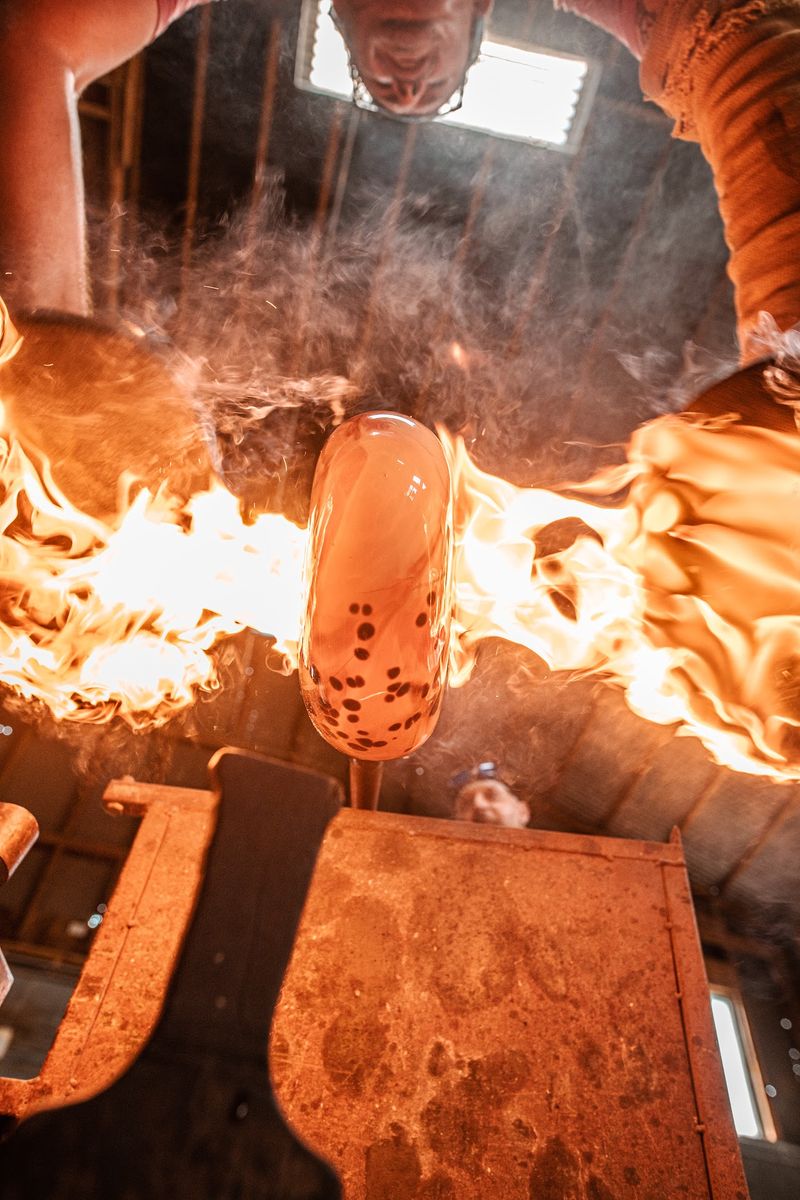
Hidden in the artistic village of Salado, this glassblowing studio lets you work with molten glass in ways that feel almost magical. The heat from the furnace hits you first, then the glow of glass heated to 2000 degrees captures your attention completely. Watching skilled artists shape flowing glass looks impossible until instructors break down each movement.
Beginner workshops focus on creating paperweights or small vessels, giving you realistic goals for your first attempt. You’ll learn to gather glass on a blowpipe, shape it with wooden tools, and add color through various techniques. The process requires concentration but doesn’t demand artistic talent or previous experience.
Safety protocols get emphasized without making you nervous since glassblowing does involve serious heat and sharp materials. Instructors stay close throughout your session, offering guidance and stepping in when needed. Most students feel surprised by how quickly they pick up basic techniques.
The studio also functions as a gallery showcasing beautiful glass art from local artists. Seeing finished pieces helps you understand what’s possible as skills develop. Many students get inspired to continue learning after seeing the stunning bowls, sculptures, and decorative objects on display.
Salado’s charm adds to the experience since the tiny town packs in galleries, antique shops, and good restaurants. Making a day trip means you can take a glassblowing class and explore the village’s creative offerings. The setting along Salado Creek provides natural beauty that feels worlds away from city stress.
Class sizes stay deliberately small because glassblowing requires individualized attention and equipment access. Book ahead since popular time slots fill quickly, especially on weekends. Private sessions work well for couples or small groups wanting exclusive instruction.
Taking home something you made from molten glass creates a unique souvenir and conversation starter. The experience sticks with you long after the weekend ends.
5. Austin School of Furniture (Austin)
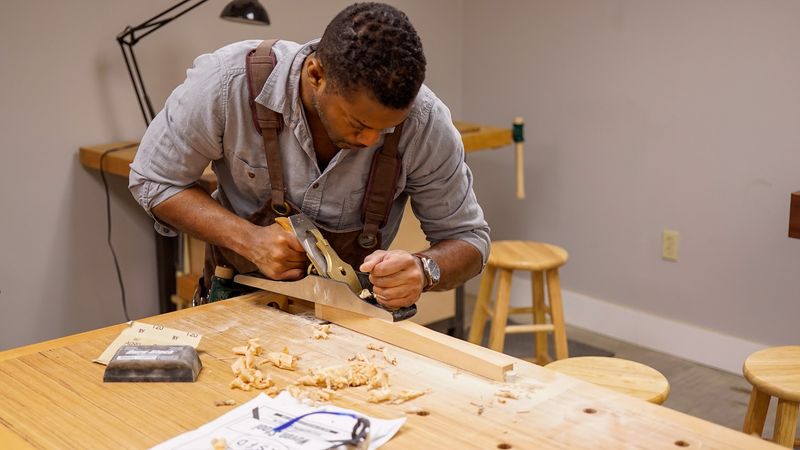
Serious furniture making happens here, where students learn techniques that produce heirloom-quality pieces. This isn’t about slapping together flat-pack furniture but understanding joinery, wood selection, and design principles that create lasting beauty. The school attracts both hobbyists wanting to build their own dining table and professionals switching careers into custom woodworking.
Foundation courses teach essential skills like using hand planes, cutting dovetails, and understanding wood movement. Instructors bring professional furniture-making backgrounds and teach methods used in high-end studios. You’ll work with quality hardwoods and learn why certain techniques matter for structural integrity.
Longer courses let you design and build complete furniture pieces under expert guidance. Students have created everything from Shaker-style tables to modern credenzas during these intensive programs. The satisfaction of completing a major furniture project exceeds what shorter craft classes can offer.
The workshop space contains professional equipment including jointers, planers, table saws, and extensive hand tool collections. Learning to use these tools properly and safely forms a crucial part of the curriculum. You’ll develop muscle memory and understanding that only comes from hands-on practice.
Austin’s creative culture supports this kind of specialized education, and the school connects students with the local woodworking community. Guest instructors sometimes teach specialized techniques like wood bending or marquetry. The network you build here can lead to collaborations and friendships centered on shared craft interests.
Tuition reflects the intensive nature and long duration of courses, positioning this as a serious investment in skill development. Financial aid and payment plans make programs more accessible to determined students. The school also offers shorter workshops for people wanting to sample furniture making before committing to longer courses.
Many graduates continue using the skills professionally or maintain woodworking as a deeply rewarding hobby. Either way, you’ll never look at furniture the same way after understanding what goes into quality construction.
6. FCS Clayworks (Garland)
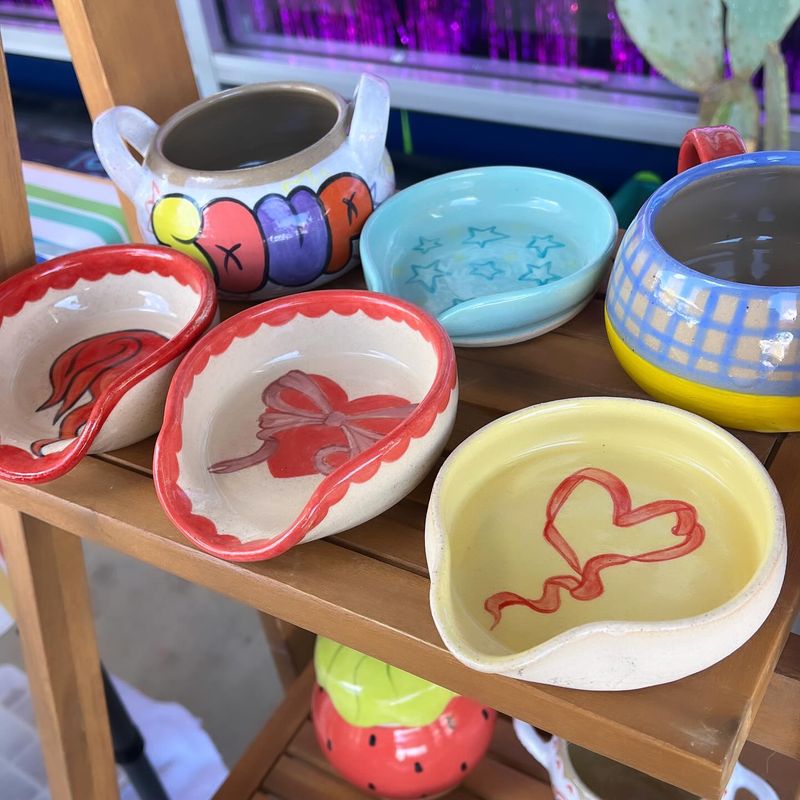
Garland might not scream artistic destination, but this pottery studio proves creative spaces thrive everywhere. The focus here lands squarely on functional pottery, teaching you to make bowls, mugs, and plates you’ll actually use daily. Instructors emphasize practical techniques over abstract sculpture, which appeals to people wanting useful skills.
Eight-week beginner series give you solid foundation in wheel throwing and hand-building methods. Classes meet weekly, letting you practice between sessions and see steady improvement. The progression feels natural as each week builds on previous lessons without overwhelming you with too much information.
Studio membership becomes worthwhile once you finish initial classes and want continued access to equipment and workspace. The community of regular members creates a supportive environment where people share glazing tips and troubleshoot problems together. You’ll find yourself looking forward to studio time as a creative outlet from work stress.
Glazing workshops deserve special mention since surface decoration can make or break a piece. Learning to mix custom glazes and understanding how different applications affect final results opens up creative possibilities. The studio maintains an extensive glaze library that members can use for experimentation.
Kids’ classes run during summer and after school, making this a family-friendly spot where multiple generations can learn together. Parent-child workshops offer bonding time while creating matching mug sets or decorative pieces. The relaxed atmosphere welcomes all ages and skill levels without pretension.
Garland’s location provides easy access from multiple Dallas suburbs without fighting downtown traffic. Ample parking and straightforward directions mean you won’t waste time circling blocks looking for spots. The neighborhood feels safe and the studio itself maintains a clean, organized workspace.
Pricing stays competitive with other pottery studios in the metro area, and frequent students appreciate punch-card options that reduce per-class costs. The studio occasionally hosts sales where members can sell finished work, giving you a venue to share your creations beyond your own kitchen cabinets.
7. Lost Pines Art Center (Bastrop)
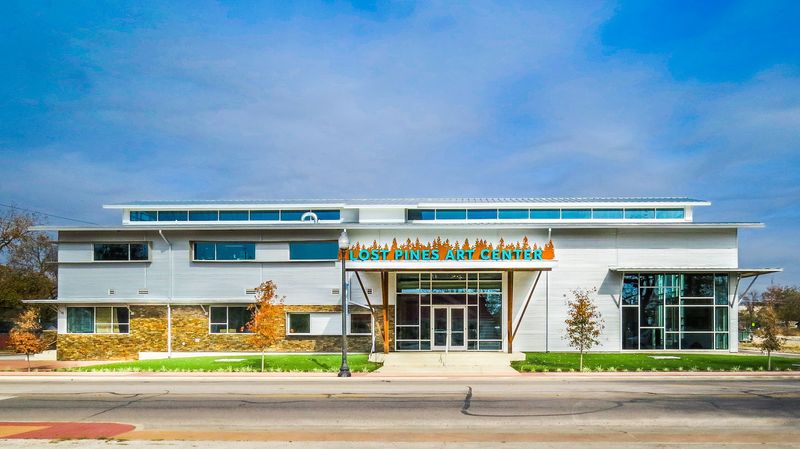
Bastrop’s artistic heart beats strong at this community center offering diverse craft classes under one roof. The variety means you can try metalsmithing one month, weaving the next, and still have options to explore. This breadth appeals to curious learners who want to sample different crafts before specializing.
Jewelry-making workshops teach soldering, stone setting, and metal forming techniques for creating wearable art. You’ll leave with finished pieces and knowledge to continue practicing at home with basic tools. Instructors cover both traditional silversmithing and contemporary mixed-media approaches.
Fiber arts classes include weaving, spinning, and natural dyeing using plants and minerals. These ancient crafts connect you to textile traditions while producing beautiful scarves, wall hangings, or yarn. The meditative quality of repetitive fiber work provides stress relief that many students find unexpectedly therapeutic.
The center also hosts visiting artists who teach specialized workshops not available elsewhere in the region. Past offerings included bookbinding, encaustic painting, and basket weaving with native materials. These special sessions bring fresh perspectives and techniques to the regular class lineup.
Bastrop’s recovery from devastating wildfires makes supporting this community arts center feel particularly meaningful. The organization plays a vital role in maintaining the town’s creative identity and providing gathering space for residents. Your class fees directly support arts programming and facility maintenance.
The surrounding Lost Pines area offers beautiful scenery worth exploring before or after classes. Bastrop State Park provides hiking trails through unique loblolly pine forests found nowhere else in Central Texas. The small-town atmosphere includes local restaurants and shops that make you want to linger.
Class sizes vary but generally stay small enough for individual attention. The center maintains a welcoming, non-intimidating vibe that encourages experimentation and learning. You won’t feel judged for being a complete beginner or making mistakes while learning new skills.
8. The Craft Guild of Dallas (Carrollton)
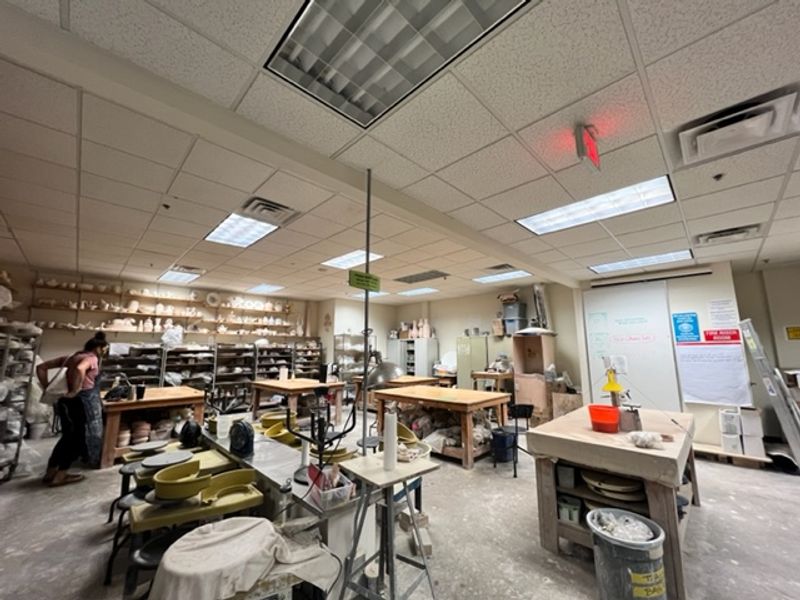
This Carrollton institution has been teaching traditional crafts for decades, maintaining standards and techniques that modern shortcuts often skip. The guild structure means experienced craftspeople pass down knowledge through formal instruction and mentorship. You’re learning from masters who’ve dedicated years to perfecting their crafts.
Woodcarving classes here go deep into technique, teaching relief carving, chip carving, and sculptural approaches. Students work on progressively challenging projects that build skills systematically. The patience required for detailed carving work attracts people wanting meditative creative practices.
Stained glass instruction covers traditional leaded glass methods and contemporary copper foil techniques. You’ll learn to cut glass accurately, grind edges smooth, and assemble panels that catch light beautifully. The studio maintains extensive glass inventory in colors and textures that inspire design ideas.
Metalsmithing offerings include both jewelry-scale work and larger decorative pieces. Classes teach forging, fabrication, and finishing techniques applicable to various projects. The fully equipped metal shop provides access to tools most hobbyists couldn’t justify purchasing individually.
Guild membership brings benefits beyond class access, including discounts, newsletter communications, and invitations to members-only events. The organization fosters a sense of belonging to a community that values handmade quality and artistic skill. Annual shows give members opportunities to display and sell their work.
The Carrollton location offers convenient access from multiple directions with plenty of parking. The facility itself feels purpose-built for craft education with dedicated spaces for different media. Natural lighting in studios creates pleasant working environments that commercial spaces often lack.
Instructors bring teaching experience and genuine enthusiasm for sharing their knowledge. They understand common beginner struggles and know how to explain techniques clearly. The supportive atmosphere encourages questions and experimentation without making students feel foolish for not knowing something.
Long-term students often progress from beginner classes to advanced workshops and eventually into teaching roles themselves. This progression shows the guild’s commitment to perpetuating craft traditions through generations.
9. Glassblowing Houston (Tomball)
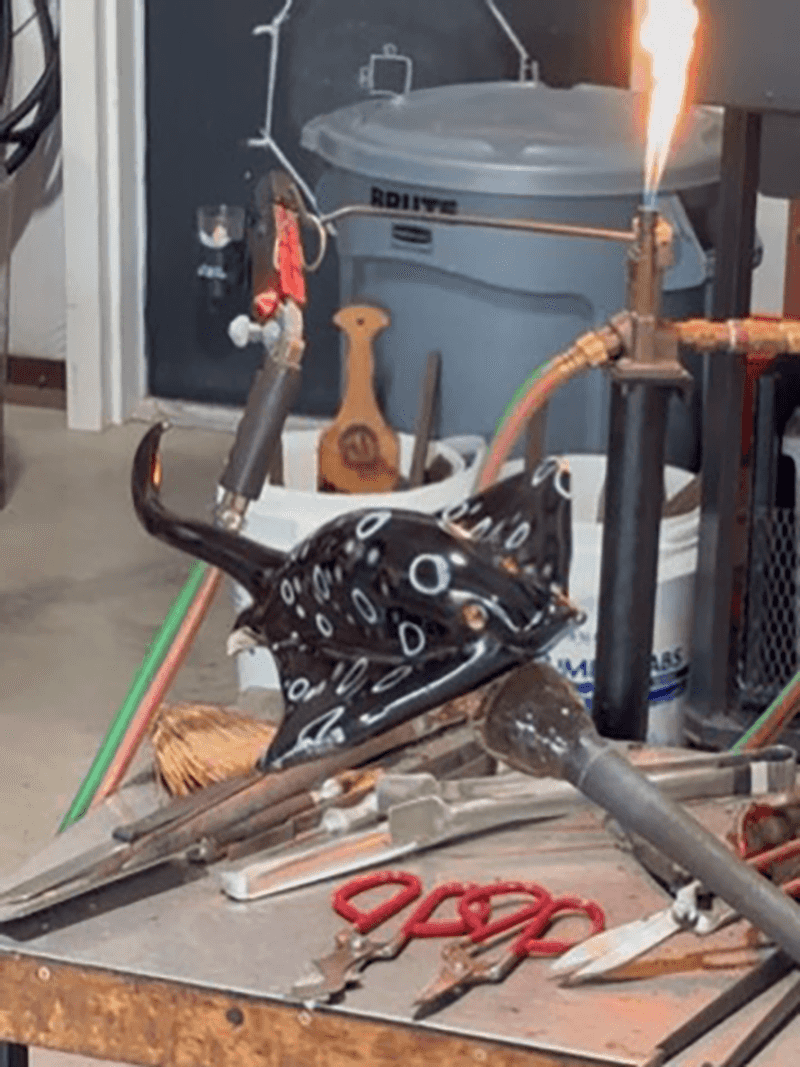
Houston-area residents don’t need to travel far for glassblowing experiences thanks to this Tomball studio. The facility features multiple furnaces, glory holes, and annealing ovens creating a professional production environment. Students work alongside practicing glass artists, seeing firsthand how studios operate beyond just taking classes.
Introductory sessions let you create your own glass piece with step-by-step guidance from experienced instructors. You’ll gather molten glass, shape it through blowing and hand tools, then add color and final touches. The entire process takes about 20 minutes of active work, but the memories last much longer.
More advanced classes teach specific techniques like making drinking glasses, bowls, or sculptural forms. These multi-week courses give you time to develop muscle memory and understanding of how glass behaves at different temperatures. Repetition matters in glassblowing, and these longer formats provide necessary practice time.
The studio also offers team-building events and private parties where groups can learn together. Watching friends attempt glassblowing creates entertaining moments and bonding experiences. Many people book these events for birthdays or corporate outings wanting something more memorable than typical party venues.
Tomball’s location north of Houston proper means less traffic congestion while remaining accessible to metro residents. The area maintains a small-town feel with local restaurants and shops worth exploring. Parking is plentiful and the studio sits in a safe, easy-to-find industrial area.
Pieces you create must cool slowly in annealing ovens overnight, so pickup happens a day or two after your class. This waiting period builds anticipation and gives you an excuse to return. The studio ships finished pieces if you can’t retrieve them in person.
Pricing varies by class length and complexity but remains competitive with other glassblowing studios. Gift certificates make excellent presents for creative friends, and the studio handles bookings efficiently through their website. Instructors maintain professional attitudes while keeping the atmosphere fun and encouraging rather than intimidating.
10. Stained Glass Crafters Workbench (San Antonio)
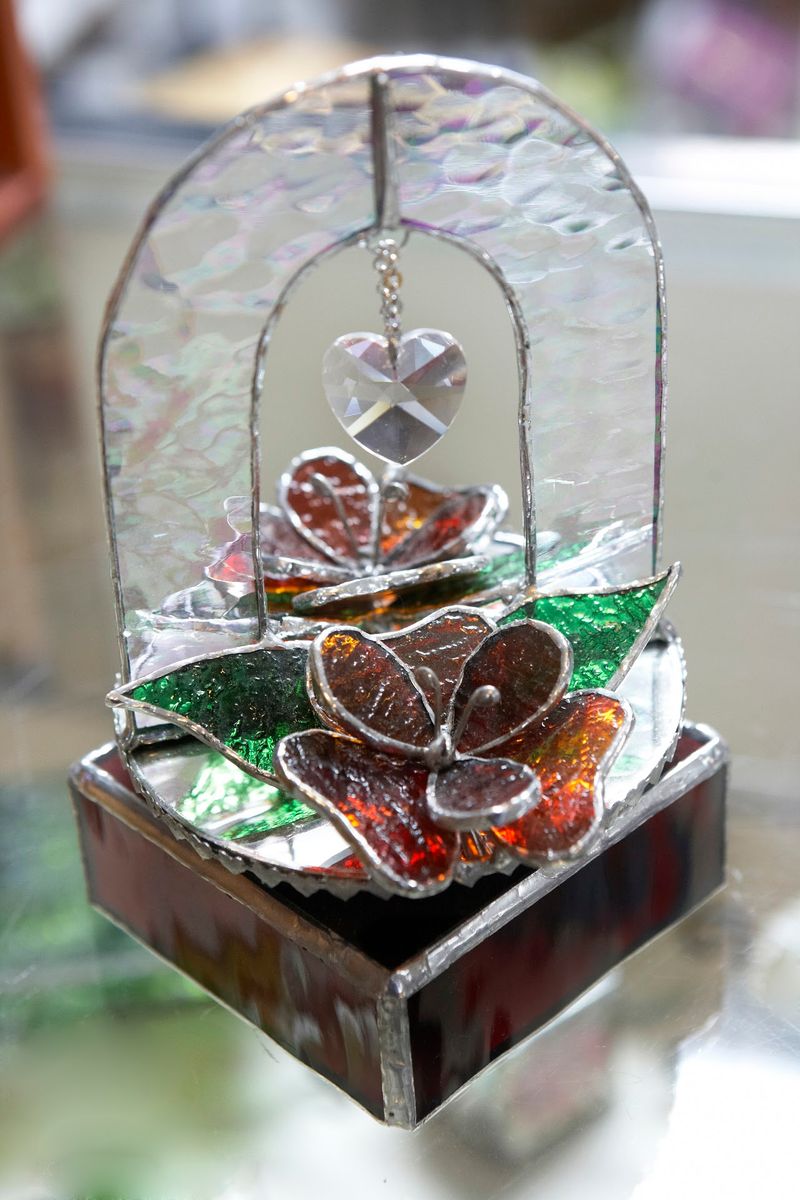
San Antonio’s stained glass tradition continues strong at this dedicated studio teaching both traditional and contemporary approaches. The craft requires precision, patience, and an eye for color, making it perfect for detail-oriented people. You’ll learn techniques used in church windows and Tiffany lamps, then apply them to your own designs.
Beginner classes start with simple geometric patterns that teach fundamental cutting, grinding, and foiling skills. You’ll complete a small panel or suncatcher during initial sessions, giving you a finished piece and foundation knowledge. Instructors emphasize accuracy since sloppy cutting creates problems in assembly and final appearance.
The studio maintains an impressive inventory of art glass in every color and texture imaginable. Choosing glass for your project becomes part of the creative process as you consider how light will interact with different surfaces. Opalescent, cathedral, and specialty glasses each create distinct effects in finished pieces.
Intermediate and advanced classes teach leading techniques, three-dimensional construction, and repair methods for antique panels. These skills open possibilities for larger projects and even professional work if you decide to pursue stained glass seriously. Some students have started their own studios after training here.
The studio also sells supplies and tools, making it a resource beyond just classes. Staff members offer advice on projects and troubleshooting problems you encounter in home workshops. This ongoing support helps students continue developing skills after formal instruction ends.
San Antonio’s rich architectural heritage includes many historic stained glass installations worth studying. The studio occasionally organizes field trips to view significant works and understand different artistic approaches. These outings provide inspiration and context for your own creative development.
Class scheduling includes daytime, evening, and weekend options accommodating different work schedules. The studio space feels comfortable and well-organized with proper ventilation and lighting. Students range from retirees filling their time to young professionals seeking creative outlets, creating a diverse and interesting community.
11. Homestead Craft Village (Waco)
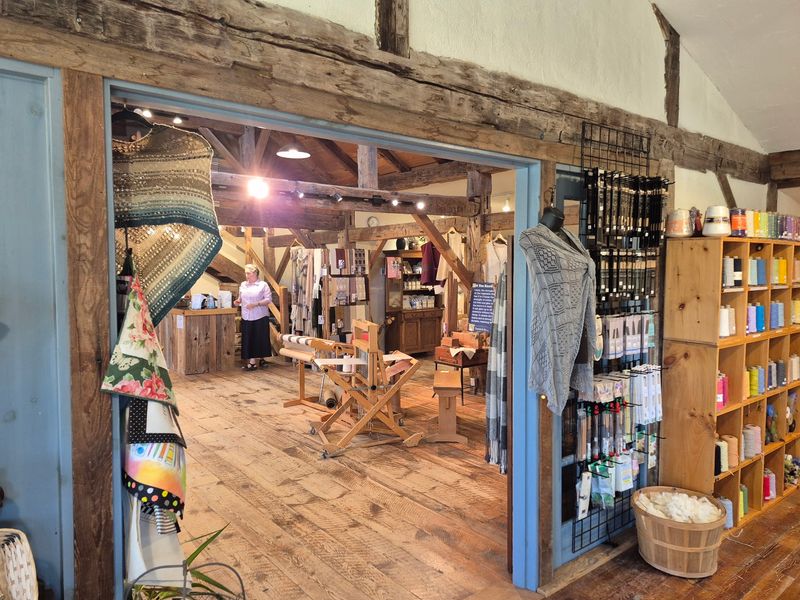
Step back in time at this living history village where traditional crafts are demonstrated and taught as they were practiced generations ago. The setting recreates a 19th-century Texas homestead with period buildings housing different craft workshops. You’ll learn skills that pioneers needed for self-sufficient living, from soap making to candle dipping.
Blacksmithing demonstrations happen regularly, showing how essential tools and hardware were forged before mass production. You can try your hand at the anvil during workshops, feeling the weight of the hammer and heat of the forge. The experience connects you to the physical labor that built early Texas communities.
Weaving and spinning workshops teach fiber processing from raw wool to finished cloth. You’ll card wool, spin it into yarn on drop spindles or spinning wheels, then weave simple patterns on floor looms. These time-intensive crafts give you profound appreciation for the textiles we take for granted today.
Woodworking classes focus on hand tool techniques using period-appropriate implements. You’ll shape wood with draw knives, planes, and chisels without electricity or power tools. The quiet focus and physical engagement create meditative working conditions quite different from modern shop environments.
The village also teaches food preservation methods like canning, pickling, and smoking that remain useful today. These practical skills appeal to homesteaders and preppers interested in food security. You’ll leave with both knowledge and actual preserved foods to take home.
Waco’s growing tourism scene makes this village part of larger itineraries including Magnolia Market and the Dr Pepper Museum. The craft village offers authentic experiences that contrast with commercial attractions. Families appreciate how the hands-on activities engage kids while teaching history through doing rather than just reading.
Seasonal events feature multiple crafts demonstrated simultaneously with opportunities to try different activities. Spring and fall bring the most comfortable weather for outdoor workshops. The village maintains historical authenticity while ensuring modern safety standards and accessibility.