You don’t need a passport or a ten-hour flight to experience authentic German culture, architecture, and hospitality. Right here in Texas, a handful of charming towns preserve their Bavarian roots with half-timbered buildings, biergartens, and traditions passed down through generations of German immigrants. These Hill Country gems and small-town treasures offer cobblestone streets, schnitzel dinners, and Old World charm just a short road trip away.
1. Fredericksburg
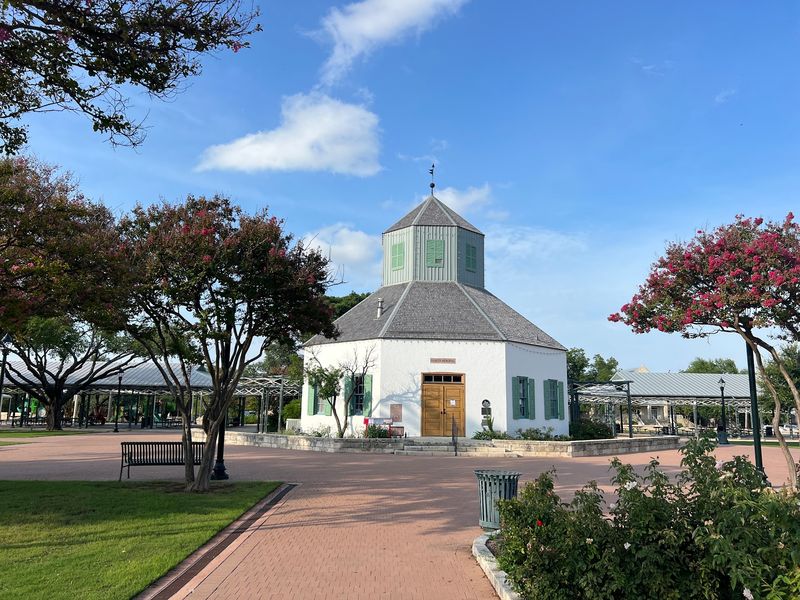
Founded in 1846 by German immigrants, this Hill Country town wears its heritage proudly on every corner. Main Street stretches for blocks lined with biergartens, German bakeries, and shops selling cuckoo clocks and nutcrackers. The architecture alone transports you straight to Bavaria, with gabled roofs and flower boxes bursting with geraniums.
Oktoberfest here rivals anything you’d find in Munich, minus the transatlantic airfare. Locals and visitors alike toast with steins of authentic German beer while polka bands keep feet tapping well into the evening. The celebration spans multiple weekends each fall, drawing crowds who come for bratwurst, pretzels, and that unmistakable gemütlichkeit atmosphere.
Beyond the festivals, everyday life here feels distinctly European. You can start your morning with fresh strudel from a family-owned bakery that’s been using the same recipes since the 1950s. Afternoon calls for wandering through the Pioneer Museum complex, where original Sunday Houses show how German settlers lived when they’d come to town for church and supplies.
The surrounding vineyards add another layer of Old World charm. German winemaking traditions merged beautifully with Texas terroir, creating award-winning bottles you can sample at dozens of tasting rooms. Many wineries occupy historic buildings or recreate Bavarian estate architecture, complete with stone walls and arched cellars.
Shopping here means discovering imports you won’t find anywhere else in Texas. Specialty stores stock everything from Steiff teddy bears to hand-painted beer steins, while Christmas shops keep the magic alive year-round with German ornaments and pyramid candles. Evening brings live accordion music drifting from restaurant patios, where schnitzel and spaetzle appear on nearly every menu alongside Texas barbecue.
2. New Braunfels
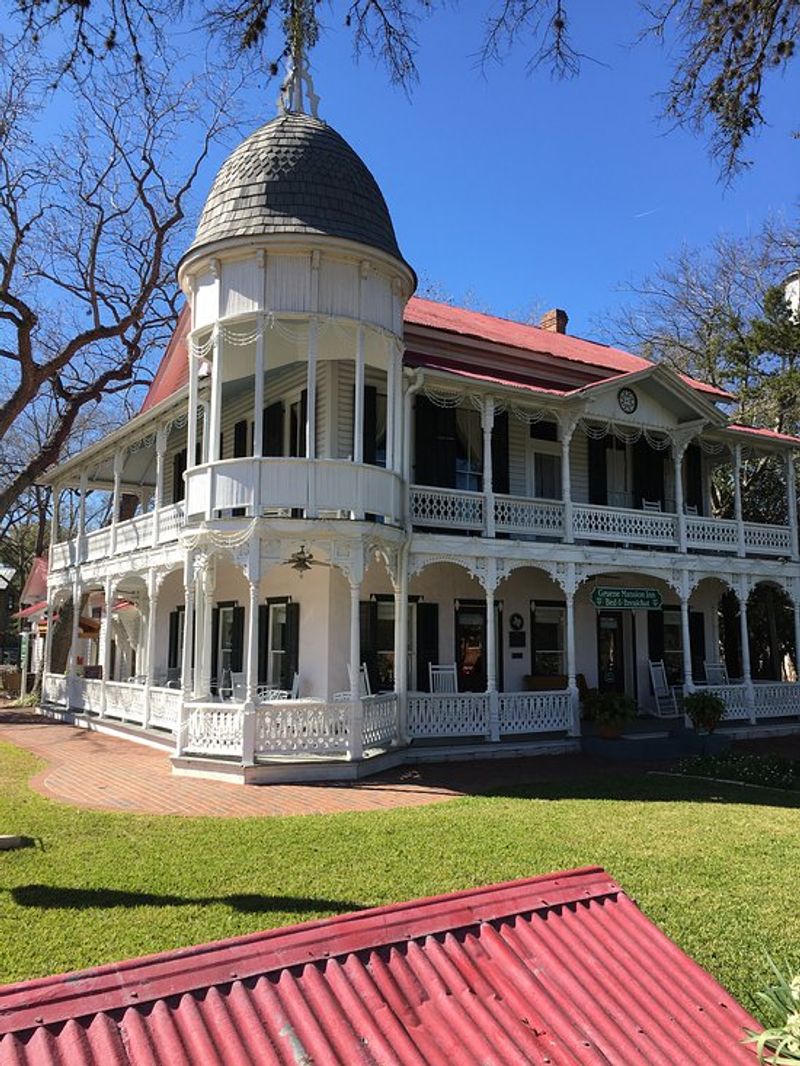
Prince Carl of Solms-Braunfels personally founded this riverside community in 1845, naming it after his hometown in Germany. That royal connection still influences the town’s character today, from street names to the annual Wurstfest celebration that draws over 100,000 sausage enthusiasts each November. The Comal and Guadalupe Rivers add a refreshing twist to the German theme, since Bavaria doesn’t typically offer tubing between biergarten visits.
Wurstfest alone justifies the drive from anywhere in Texas. Ten days of German music, dancing, and more sausage varieties than you knew existed create an atmosphere that feels authentically festive without being kitschy. The festival grounds transform into a temporary Bavarian village with decorated halls, oompah bands, and vendors selling everything from strudel to leather lederhosen.
Downtown’s historic district preserves buildings from the original settlement, including the Romanesque Revival-style Comal County Courthouse. Walking these streets, you’ll notice German inscriptions on cornerstones and architectural details borrowed directly from European designs. Several restaurants occupy structures over a century old, their thick limestone walls keeping diners cool during Texas summers just as they did for German pioneers.
The Sophienburg Museum documents the town’s German roots through artifacts, photographs, and personal stories of immigrant families. You’ll learn how these settlers adapted their traditions to Texas conditions, creating something uniquely German-Texan. Their descendants still run many local businesses, maintaining recipes and customs that would feel familiar in modern Germany.
Landa Park offers a surprisingly German experience with its spring-fed pool and miniature train winding through oak trees. German settlers chose this spot for its resemblance to homeland landscapes, and summer evenings here still feature families picnicking just as they might along the Rhine. The nearby Krause’s Cafe has served authentic German comfort food since 1938, with recipes unchanged and portions that would satisfy any homesick immigrant.
3. Boerne
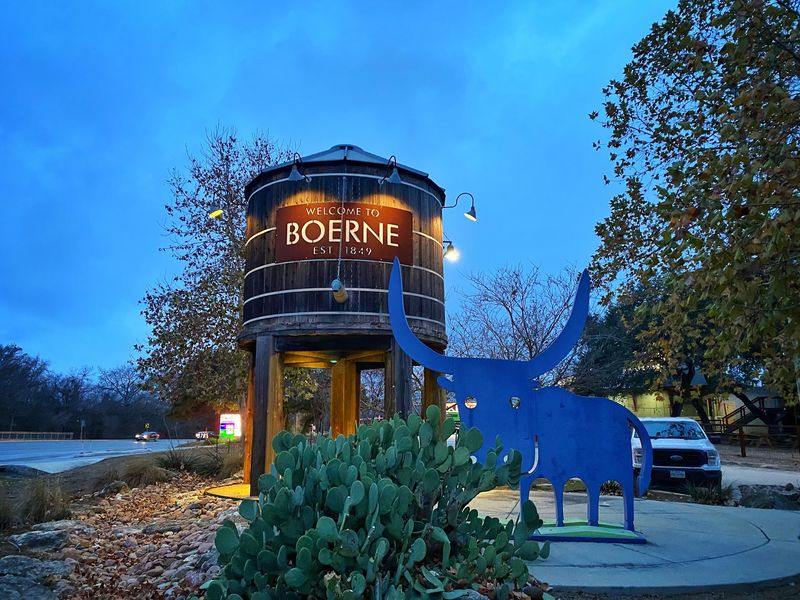
Nestled in the Cibolo Creek valley, this town takes its name from German author Ludwig Börne, and that literary connection hints at the cultured community German freethinkers established here in 1849. Unlike some Texas German towns that lean heavily into tourist-friendly Bavaria kitsch, Boerne maintains a more understated European elegance. Hill Country limestone buildings line the main plaza, their proportions and details echoing the architectural sensibilities immigrants brought from the old country.
The town square layout itself follows a distinctly German pattern, with commercial buildings radiating from a central gathering space. Weekend farmers markets here could easily be mistaken for a small German town’s Wochenmarkt, with vendors selling fresh sausages, homemade sauerkraut, and baked goods from generations-old recipes. Local families still speak a unique dialect called Texas German at home, though it’s becoming increasingly rare.
Berges Fest every June celebrates the town’s heritage without relying on clichéd lederhosen and beer steins. Instead, you’ll find craft demonstrations showing traditional German skills like woodworking and lace-making, alongside live music that ranges from polka to more contemporary German folk. The festival emphasizes the intellectual and artistic contributions of German immigrants rather than just beer and sausage stereotypes.
Several historic homes open for tours showcase how German building techniques adapted to Texas materials and climate. Thick stone walls, high ceilings, and strategic window placement kept interiors comfortable before air conditioning, combining Bavarian common sense with frontier practicality. The craftsmanship in these structures, from hand-hewn beams to mortise-and-tenon joinery, reflects Old World standards that many modern builders still admire.
Dining options include restaurants serving sauerbraten and rouladen alongside Texas favorites, often in buildings that housed German businesses over a century ago. The local brewing scene has revived German beer traditions, with taprooms offering authentic pilsners and hefeweizens that would pass muster in Munich. Sunday afternoons bring families to outdoor patios where conversations mix English, Spanish, and occasional German phrases.
4. Castroville
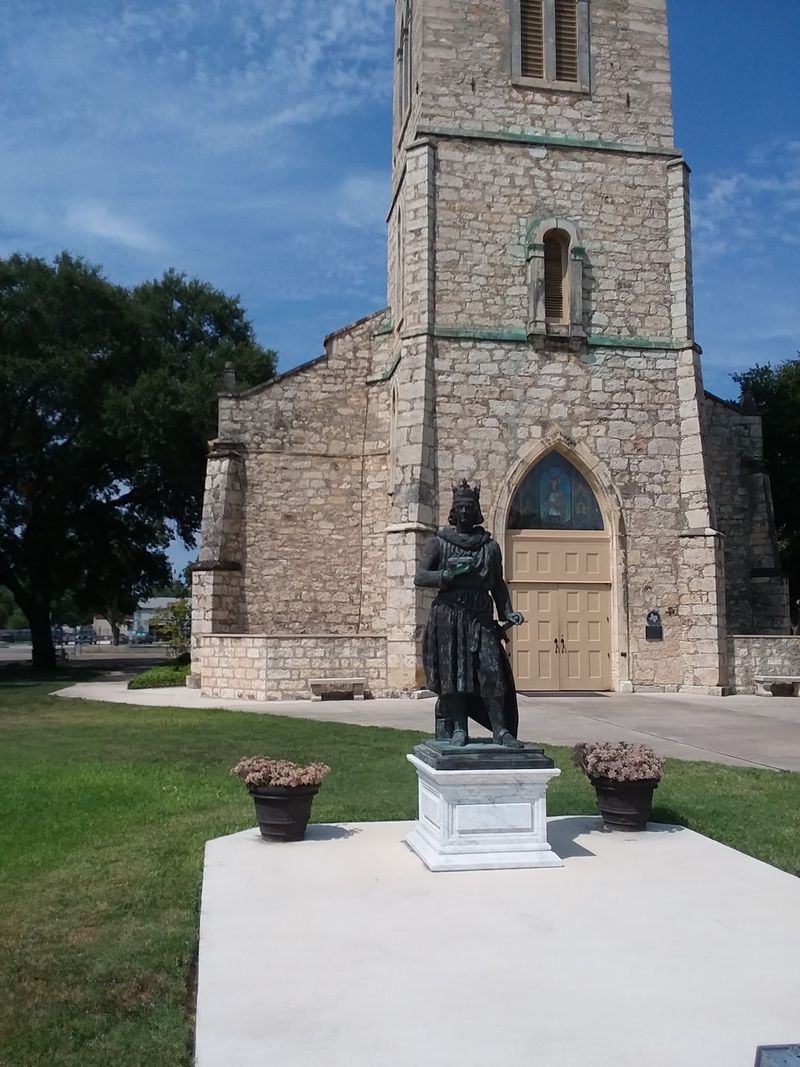
While technically Alsatian rather than purely German, this town’s Franco-Germanic heritage creates a European atmosphere distinct from anywhere else in Texas. Henri Castro brought settlers from the Alsace region in the 1840s, and their unique culture, caught between French and German influences, shaped everything from building styles to local cuisine. Stone cottages with steeply pitched roofs still line residential streets, looking like they were transported directly from the Rhine valley.
The Alsatian dialect once spoken here blended German and French in ways that confused outsiders but bonded the community. Though fewer residents speak it fluently now, you’ll still hear phrases at St. Louis Catholic Church, where services occasionally include hymns in the old language. The church itself, with its European design and hand-carved details, serves as the town’s spiritual and cultural anchor.
St. Louis Day in August brings out traditions maintained nowhere else in America. Women wear traditional Alsatian costumes with distinctive black bows, while men demonstrate crafts and skills their ancestors practiced. The festival includes a Catholic mass followed by a procession through town, then food booths serving specialties like tarte flambée and choucroute that reflect Alsace’s position between German and French culinary traditions.
Walking tours reveal architectural details that set Castroville apart from other German Texas settlements. The combination of French roof lines with German stone construction techniques creates a hybrid style found only in Alsace and this small Texas town. Many homes feature outdoor bread ovens where families still bake using methods and recipes carried across the Atlantic generations ago.
Local restaurants serve dishes you won’t find in purely German towns, like flammekueche alongside schnitzel. This culinary fusion reflects Alsace’s complicated history of shifting between German and French control. The Haby Settlement Store, operating since the 1840s, stocks European imports and locally made goods that maintain connections to the old country.
Spending an afternoon here feels like visiting a corner of Europe that somehow ended up in South Texas.
5. Comfort
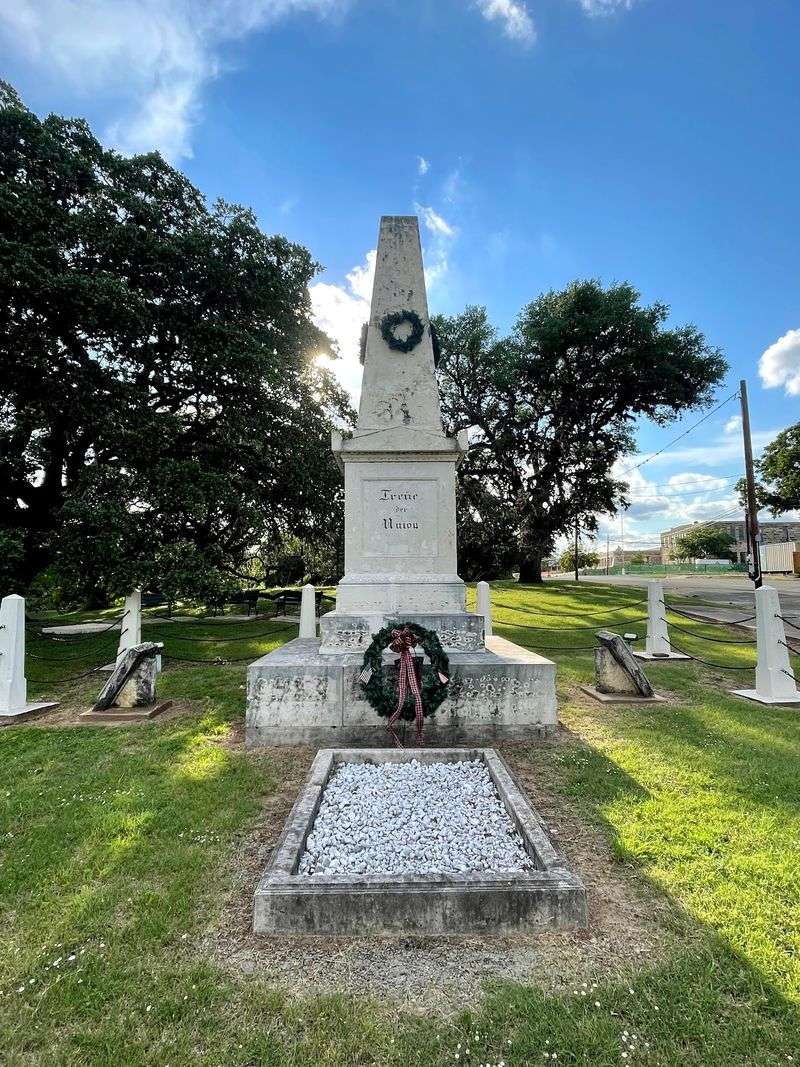
German freethinkers founded this town in 1854 specifically to escape religious persecution, and that independent spirit still defines the place. Unlike other German settlements that built churches first, Comfort prioritized schools and civic buildings, reflecting the founders’ secular humanist values. The result is a town that feels intellectually German rather than just culturally German, with a quiet sophistication that rewards visitors who take time to explore beyond surface-level attractions.
The Treue der Union Monument stands as the only monument to the Union located in the former Confederacy. German settlers here opposed slavery and secession, suffering violence for their principles during the Civil War. This memorial, inscribed in German, honors those who died for their beliefs and reminds visitors that German immigration brought progressive ideas as well as beer recipes and sausage-making skills.
Historic buildings along High Street maintain their 19th-century character without feeling like a theme park. Businesses occupy structures built by German craftsmen using limestone quarried from nearby hills and timber from surrounding forests. The attention to proportion and detail in these buildings reflects European training and standards that frontier construction often lacked.
Several have been continuously occupied by the same families for generations.
Comfort’s reputation as an antiques destination draws collectors from across the state, but the shops here offer more than just dusty collectibles. Many specialize in German imports and estate pieces from local families finally parting with great-grandmother’s furniture or china. You might find a hand-painted wardrobe from Bavaria or a set of beer steins with family crests, items with genuine provenance rather than reproduction tourist souvenirs.
The town’s restaurant scene emphasizes quality over quantity, with a handful of establishments serving German-inspired cuisine made from scratch. Local chefs incorporate Hill Country ingredients into traditional recipes, creating dishes that honor heritage while acknowledging Texas terroir. Weekend afternoons bring cyclists and motorcyclists who stop for German potato salad and cold beer before continuing their Hill Country rides.
The pace here encourages lingering, whether over a meal or while browsing shops that close whenever the owner feels like it.
6. Gruene
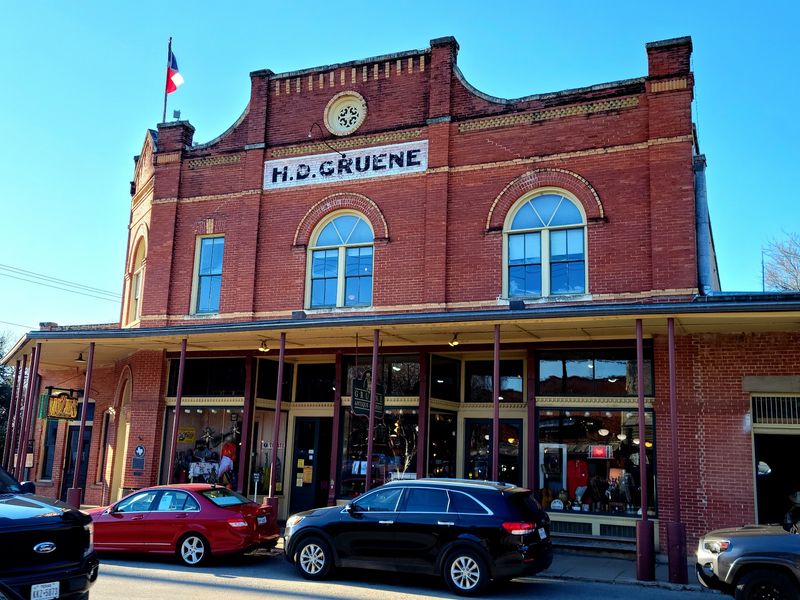
Technically a district of New Braunfels rather than a separate town, this riverside community preserves its German character so completely that it feels frozen in the 1870s. Henry D. Gruene built a cotton gin and general store here, creating a company town that prospered until the boll weevil devastation and Great Depression left it nearly abandoned.
That economic collapse paradoxically saved the historic buildings from modernization, leaving a remarkably intact German settlement for later generations to restore and enjoy.
Gruene Hall claims the title of Texas’s oldest dance hall, and stepping inside transports you to a time when German immigrants gathered for weekend dances and community celebrations. The building’s simple design, with its open sides and tin roof, adapted German beer garden traditions to Texas heat. Today it hosts nationally known musicians while maintaining the unpretentious atmosphere that’s made it legendary.
Locals still two-step across floors worn smooth by over a century of dancing boots.
The Guadalupe River adds a recreational element that German villages along the Rhine would recognize. Tubing culture here mixes Texas casualness with German appreciation for outdoor leisure, creating lazy summer days that feel both exotic and familiar. Outfitters rent tubes and shuttle visitors to launch points, then the river does the work while you float past cypress trees and limestone bluffs.
Shopping in Gruene means exploring buildings that once served German farmers and their families. The old mercantile now houses boutiques and galleries, but the architecture remains authentic, with thick walls and high ceilings designed to keep merchandise cool before refrigeration. Antique stores occupy structures built by German craftsmen, their mortise-and-tenon joinery and hand-forged hardware testament to Old World building standards.
Dining options range from casual river-view patios to more refined establishments, many serving German-influenced menus in historic settings. The Gristmill Restaurant operates in the ruins of Gruene’s original cotton gin, its stone walls and industrial remnants creating atmosphere you couldn’t replicate in a newer building. Weekend crowds can be intense, but visiting on weekday mornings reveals the quiet charm that makes this place special beyond its tourist appeal.
7. Muenster
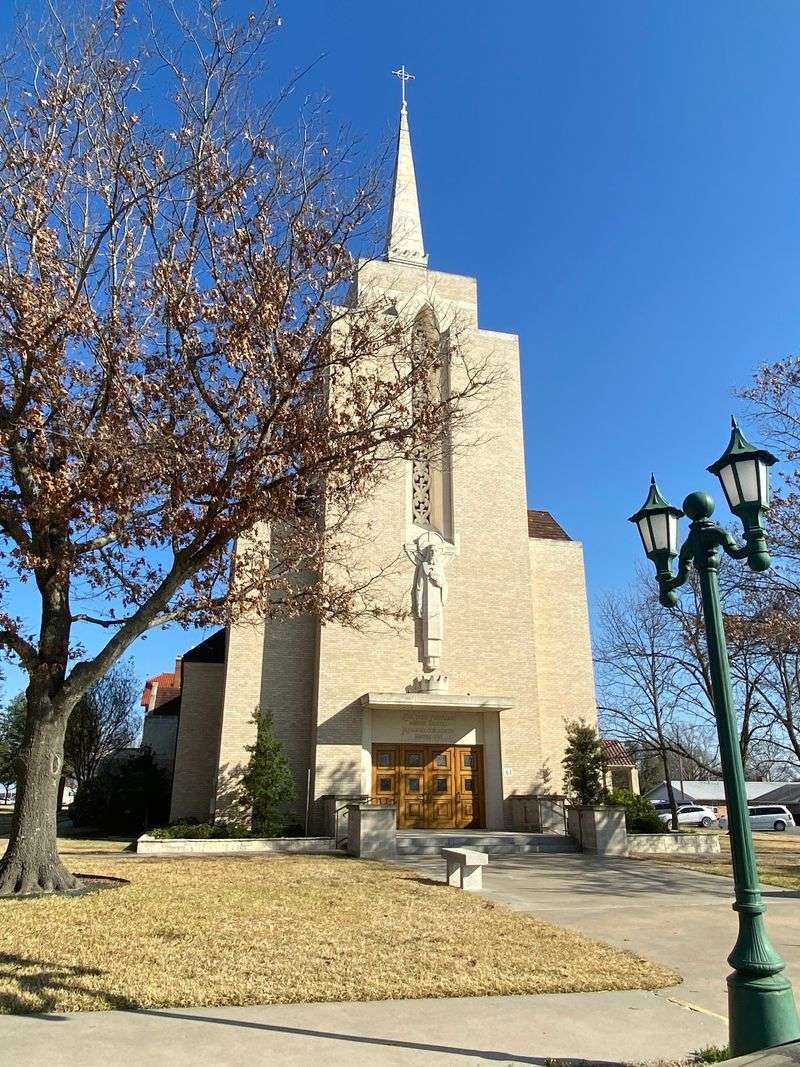
Way up in North Texas, far from the Hill Country German belt, this town proves that Bavarian culture took root across the state. German Catholic families from the Muenster region settled here in 1889, bringing religious devotion and farming expertise to the Blackland Prairie. The landscape couldn’t be more different from limestone hills and spring-fed rivers, but the community’s German character runs just as deep, maybe deeper for being more isolated from tourist influence.
Sacred Heart Catholic Church dominates the skyline with its twin Gothic Revival spires, a statement of faith that would fit perfectly in a Bavarian village. The interior features stained glass windows, carved woodwork, and religious art that German craftsmen created or imported from the homeland. Mass here still includes German hymns during special celebrations, and older parishioners remember when sermons were delivered entirely in German.
Germanfest every April brings the community together for celebrations that feel authentically local rather than performed for tourists. You’ll find homemade sausage from family recipes, not commercial products trucked in for the event. The beer flows freely, but the atmosphere emphasizes family and community over party-hearty excess.
Polka bands play while generations dance together, from toddlers to great-grandparents who remember when everyone spoke German at home.
The town’s meat markets and sausage makers maintain German butchering traditions that have nearly disappeared elsewhere. These aren’t trendy artisan operations but working businesses that have served local families for decades. The recipes and techniques came directly from Germany, adapted only slightly for Texas beef and pork.
You can watch whole animals being processed with skill and efficiency that reflects generations of accumulated knowledge.
Driving through the surrounding countryside reveals neat farmsteads that could be transplanted from Bavaria, with well-maintained buildings and fields that show German agricultural precision. Many farms have stayed in the same families since original settlement, passing from parents to children along with farming methods and Catholic faith. Sunday mornings see trucks streaming toward Sacred Heart Church, their occupants dressed in their best for services that remain the week’s social and spiritual highlight.
This isn’t a town that plays at being German for visitors but rather one that simply is German in its bones.
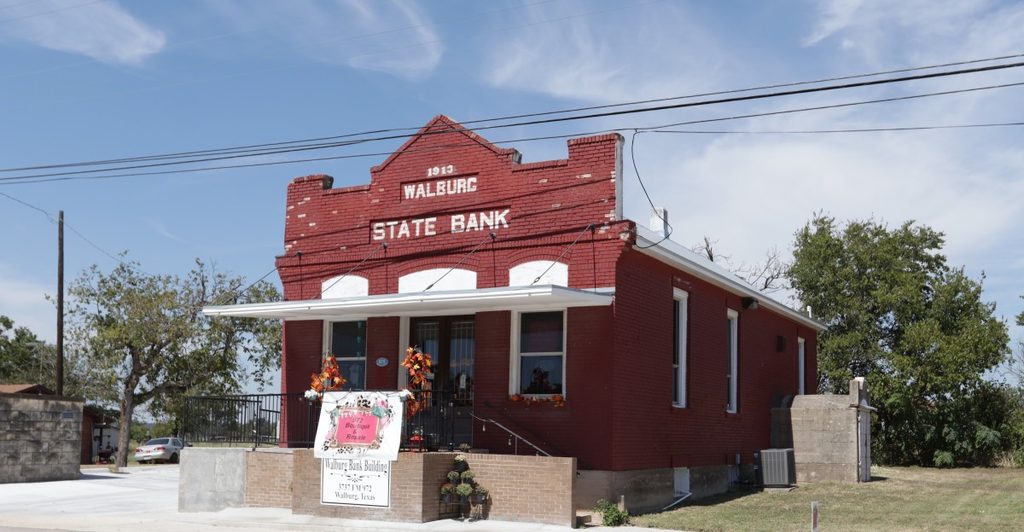
8. Walburg
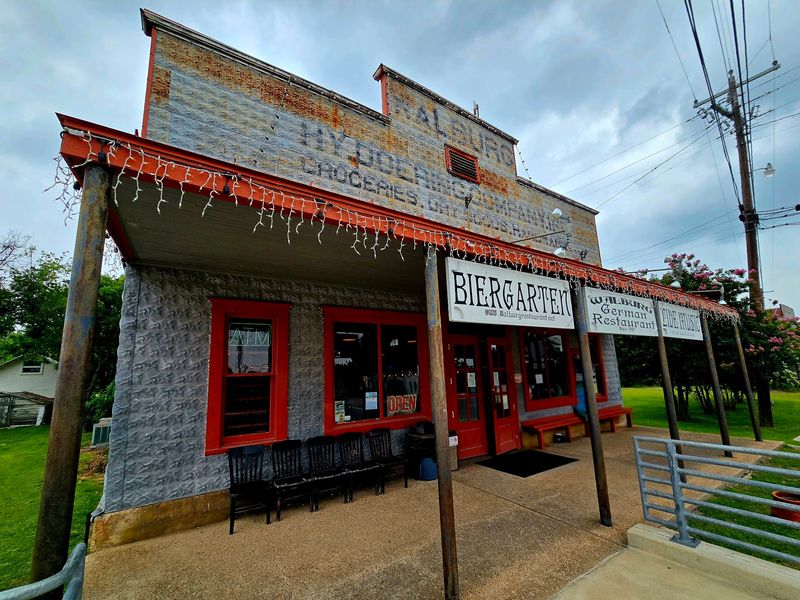
Blink while driving through and you’ll miss this tiny community, but that would be a mistake because Walburg Restaurant serves some of the most authentic German food in Texas. The town itself barely qualifies as a town, more of a rural crossroads where German farming families settled in the 1880s. What it lacks in size, it makes up for in concentrated German character, especially when you’re sitting in the biergarten with a cold Shiner and a plate of schnitzel.
Walburg Restaurant has anchored this community since the 1950s, though the building and biergarten feel much older. The original structure dates to 1882, and sitting under the oak trees out back, you can imagine German farmers gathering here after church or during harvest season. The menu hasn’t chased trends or tried to modernize, sticking instead with the classics: sausage plates, potato pancakes, red cabbage, and spaetzle made the way grandmothers taught their daughters.
The restaurant’s longevity speaks to both quality and community loyalty. Families drive from Austin and beyond for Sunday dinners that feel like visiting relatives in the old country. Service can be slow when crowds hit, but that’s partly because your server might stop to chat with regulars or help an elderly customer to their car.
This isn’t fast food or even fast casual but rather old-fashioned hospitality where relationships matter more than table turnover.
Beyond the restaurant, Walburg offers little in terms of attractions, and that’s precisely its charm. A few homes, a community center, fields of corn and cattle stretching to the horizon, this is rural German Texas without boutiques or wine-tasting rooms. The lack of commercial development means you see the bones of the original settlement, how German immigrants created prosperous farms from raw prairie through hard work and Old World agricultural knowledge.
St. Mary’s Catholic Church serves the surrounding German farming community, its cemetery filled with German surnames on headstones dating back to the 1880s. Visiting during a weekday afternoon, you’ll likely have the place to yourself, able to read inscriptions and imagine the lives of people who crossed an ocean to build something lasting. The church’s simple design and well-maintained grounds reflect German values of faith, community, and taking care of what you’ve been given.
Walburg won’t fill a whole day of sightseeing, but it offers an authentic taste of German Texas that more developed towns can’t quite replicate.
9. Industry
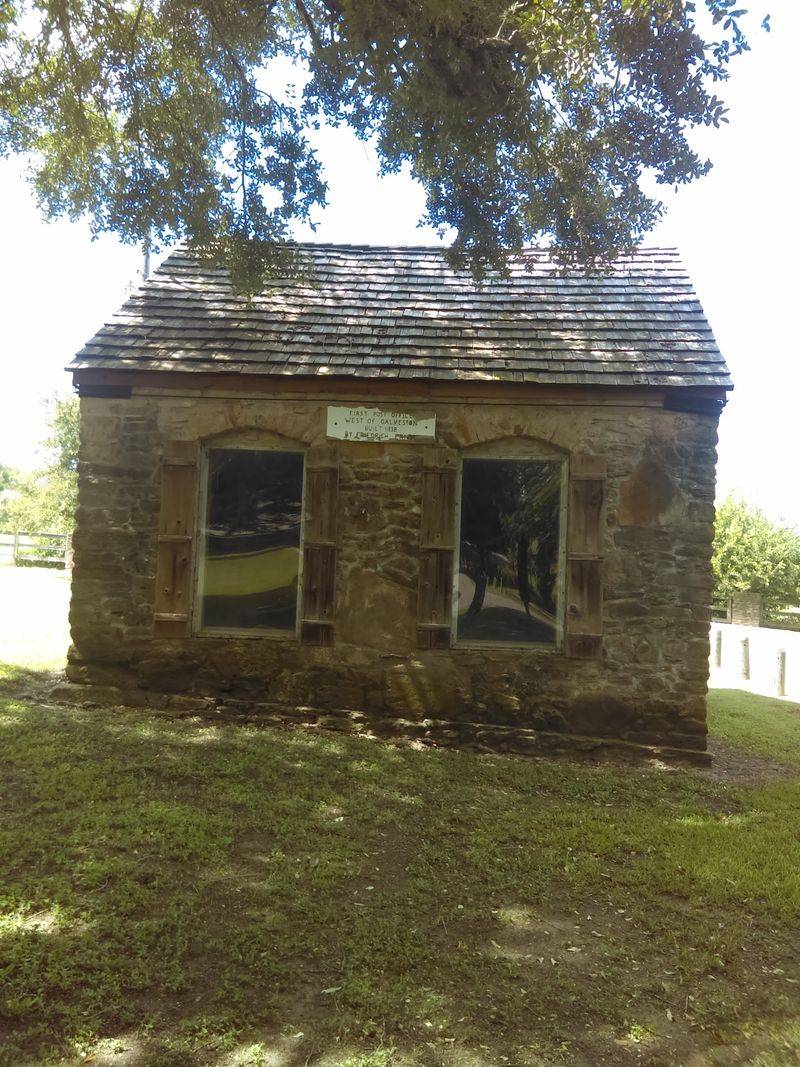
This tiny Austin County community claims the distinction of being the first German settlement in Texas, established in 1838 even before the famous Adelsverein colonies. Friedrich Ernst built a cabin here and wrote letters back to Germany describing Texas as a land of opportunity, essentially becoming the state’s first immigration promoter. His enthusiasm sparked a migration wave that would transform Texas culture, economy, and cuisine forever.
The Ernst-Coreth Homestead preserves the site where it all began, though the original cabin no longer stands. Walking these grounds, you’re at ground zero of German Texas, the spot that launched thousands of immigrants toward new lives. A historical marker tells Ernst’s story, but the real history lives in the surrounding countryside, where descendants of those early settlers still farm land their ancestors cleared and improved generations ago.
Industry never grew large, which paradoxically helped it maintain authentic character that bigger towns sometimes lose. No tourist shops or themed restaurants, just a handful of buildings and a strong sense of community among families whose roots go back to the 1840s. The local cemetery reads like a German phone book, with headstones marking generations of Ernsts, Kluges, and other pioneer families.
St. Paul Lutheran Church serves as the community’s heart, its congregation descended from Germany’s Protestant immigrants who sought religious freedom and economic opportunity. The church building itself reflects German design sensibilities adapted to Texas materials, with thick walls and careful craftsmanship that have kept it standing through over a century of Texas weather. Services still include German hymns during special occasions, sung by voices that carry echoes of the old country.
Visiting Industry requires intentionality since it’s not on the way to anywhere else and offers no commercial attractions. But for anyone interested in German Texas history, this is sacred ground, the place where it all started. The surrounding countryside shows what those immigrants accomplished, transforming raw frontier into productive farmland that still feeds Texas today.
Drive the back roads and you’ll see farmsteads that would look at home in rural Germany, their neat buildings and well-tended fields reflecting values and work ethics carried across the Atlantic. Industry might not make anyone’s top tourist destination list, but it deserves recognition as the birthplace of German Texas culture.
10. Schulenburg
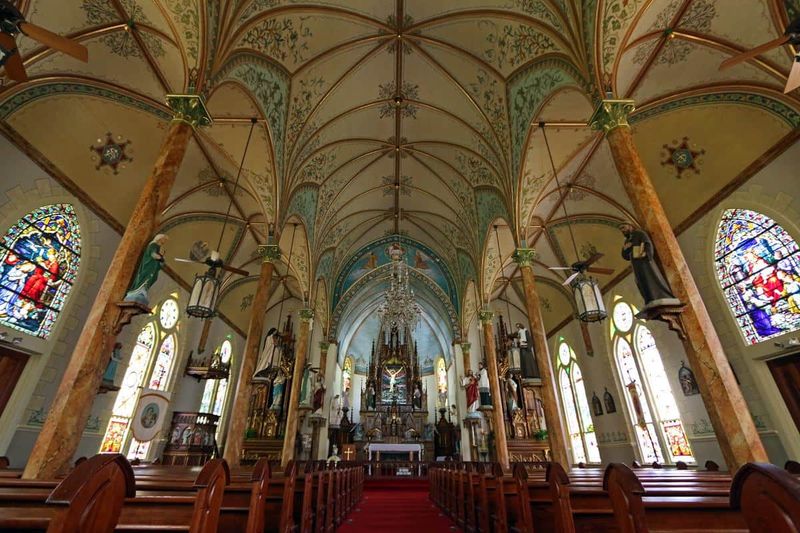
German and Czech immigrants mixed here in ways that created something culturally richer than either group alone. The town itself offers typical small-town Texas charm, but the real treasures lie in the surrounding countryside where elaborately painted churches serve tiny rural congregations. These sanctuaries, decorated by immigrant artists, rival European churches for beauty and craftsmanship, their ornate interiors hidden behind simple white exteriors that give no hint of the splendor within.
The Painted Churches tour has become a pilgrimage for architecture and art lovers who can’t believe such masterpieces exist in the middle of Texas nowhere. St. Mary’s Catholic Church in High Hill features intricate stenciling, faux marble columns, and a vaulted ceiling that transforms a simple wooden structure into something transcendent. German and Czech craftsmen worked for months creating these interiors, often accepting only modest payment because they saw their work as devotion rather than mere labor.
Each church tells its own story through architectural details and decorative choices that reflect the congregation’s ethnic heritage. Some lean more German, others more Czech, and a few blend both traditions into something uniquely Texan. The craftsmanship is extraordinary, hand-painted details covering every surface from floor to ceiling.
These weren’t wealthy communities, but they invested everything in creating beautiful spaces for worship, prioritizing spiritual life over material comfort.
Downtown Schulenburg maintains a pleasant historic district with buildings from the late 1800s, many constructed by German and Czech stonemasons whose skills had been honed in European apprenticeships. Several restaurants serve both German and Czech specialties, from schnitzel to kolaches, reflecting the town’s mixed heritage. The local museum documents how these two immigrant groups cooperated and occasionally competed, ultimately creating a community stronger than either alone could have built.
Visiting during the week means you’ll likely have the churches to yourself, able to sit quietly and absorb the atmosphere these spaces create. Volunteers from local parishes often serve as guides, sharing stories about the artists, the congregations, and the faith that motivated such extraordinary effort. These aren’t museum pieces but living churches where weddings, funerals, and regular services still happen.
The painted churches represent immigrant dreams made tangible, proof that even poor farmers could create lasting beauty when motivated by devotion and community pride.
11. Luckenbach
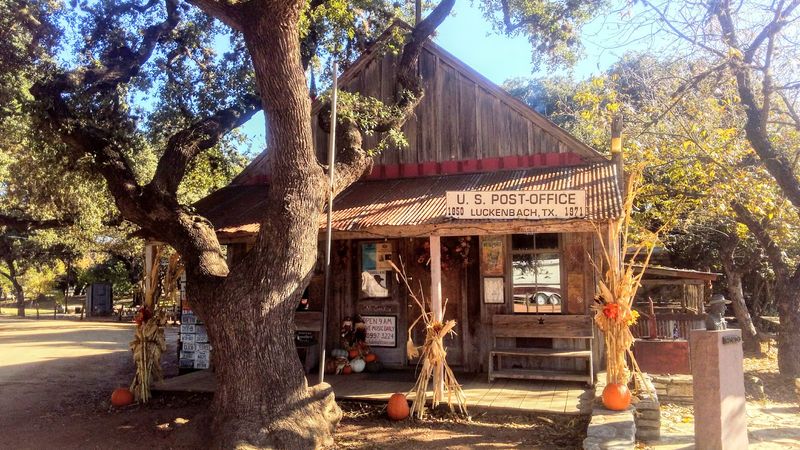
Willie Nelson and Waylon Jennings made this place famous, but German settlers established it back in 1849 as a farming community and trading post. The name comes from the Luckenbach family who ran the post office and general store, serving German immigrants scattered across the surrounding Hill Country. Today it’s more about Texas music than German heritage, but the bones of the original settlement remain visible if you look past the guitars and beer signs.
The entire town consists of a dance hall, general store, and post office, all within shouting distance of each other. This isn’t a place you visit for attractions but rather for atmosphere, especially on weekends when musicians gather under the oak trees for picking sessions that can last hours. The scene mixes German heritage with Texas country culture in ways that feel organic rather than forced, honky-tonk music played where German polka bands once performed.
The general store operates much as it did when German farmers stopped by for supplies, though now it stocks more beer and souvenirs than flour and nails. The building itself dates to the 1880s, its thick limestone walls and simple design reflecting German building traditions adapted to Texas materials. Old photographs on the walls show earlier incarnations when signs were in German and customers arrived by wagon rather than pickup truck.
Luckenbach’s resurrection as a music venue came after decades of decline when rural German communities faded as younger generations moved to cities. The current owners embraced both the German history and the outlaw country connection, creating a place that honors both without taking either too seriously. You’ll find as many locals as tourists, especially during weekday afternoons when the crowds thin and conversations flow easier.
The dance hall hosts concerts ranging from local pickers to nationally known acts, all in an intimate setting where performers and audience share the same dusty floor. The acoustics are terrible and the amenities minimal, but somehow that adds to the charm. This is music played for love rather than money, in a building that’s witnessed generations of celebrations from German harvest dances to modern country concerts.
Visiting Luckenbach means accepting it on its own terms, a quirky survivor that blends German roots with Texas independence into something that shouldn’t work but somehow does perfectly.