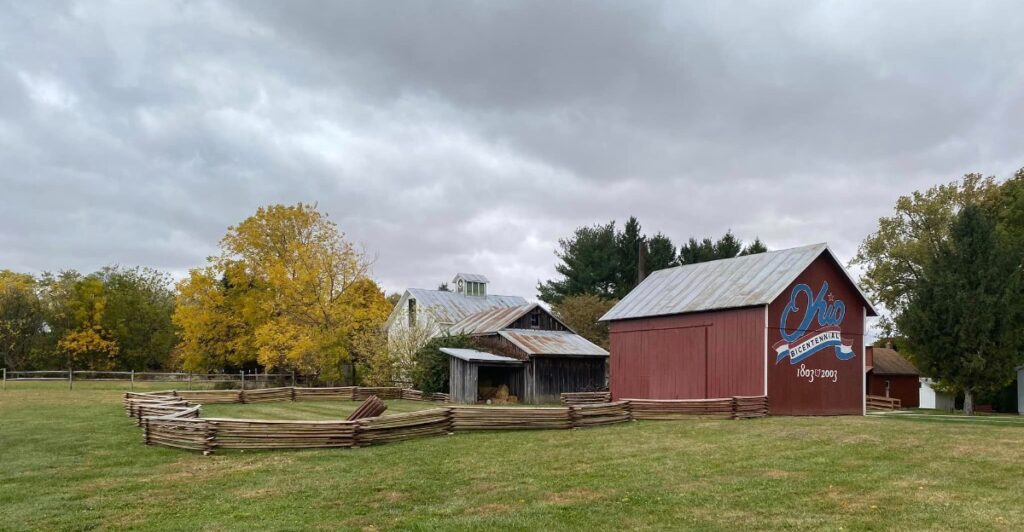
Historic Lyme Village in Bellevue, Ohio, gives visitors a chance to see what daily life looked like in the late 1800s. Set around the John Wright Victorian Mansion and a collection of historic buildings, this living history site turns school lessons and old photographs into something you can actually walk through.
Families, history fans, and curious travelers can find stories about homes, work, faith, travel, and community all in one place. If you have ever wondered how people cooked, studied, celebrated holidays, or moved around before modern life took over, this village makes the past feel close, real, and surprisingly fun.
1. A Grand Welcome at the John Wright Victorian Mansion
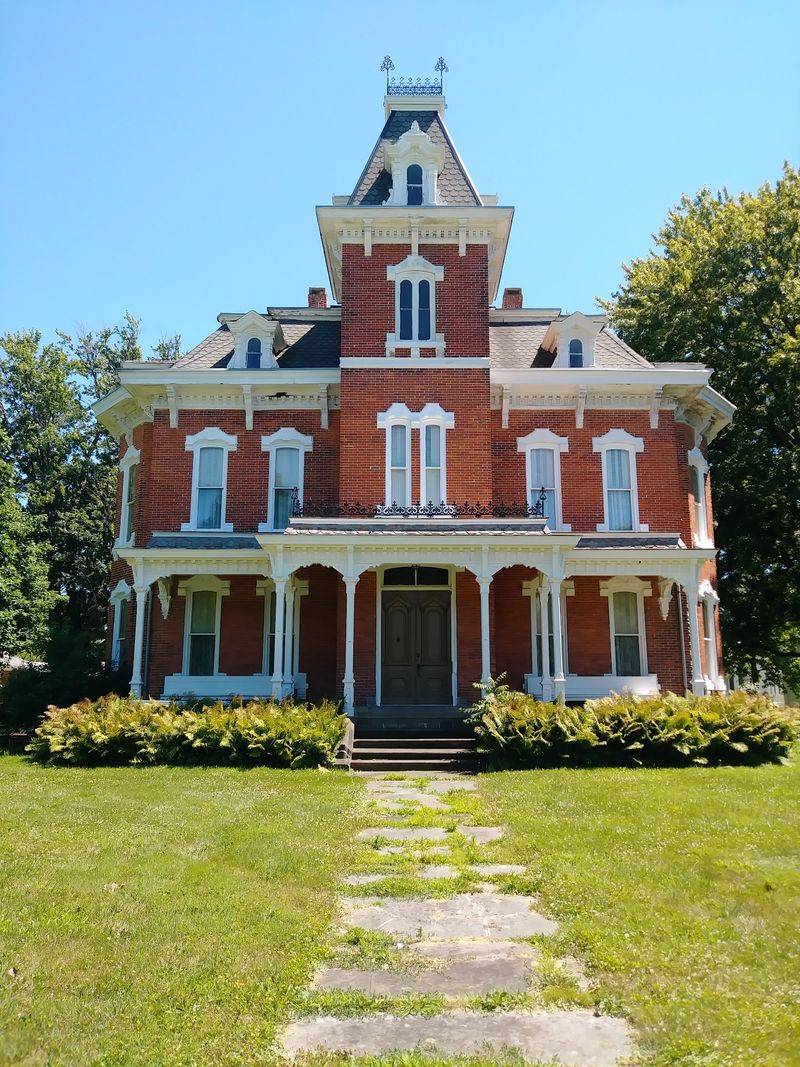
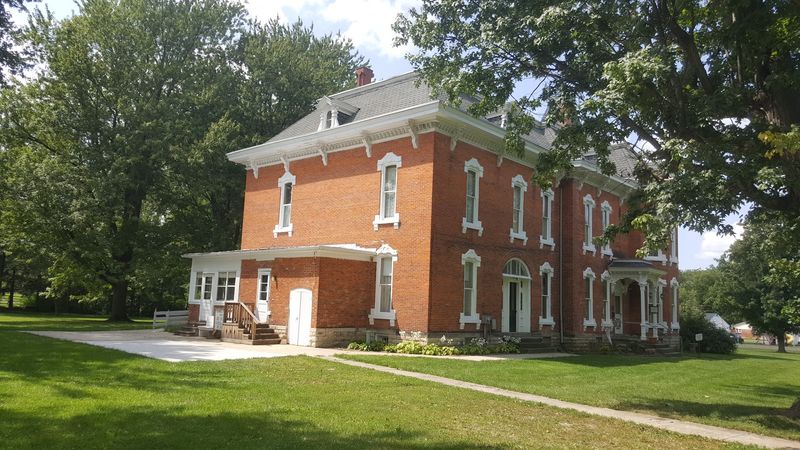
Nothing sets the mood faster than a big Victorian mansion, and the John Wright home does that the moment you see it. Built in 1892, it shows how wealth, style, and new ideas came together during the late nineteenth century in northern Ohio.
Inside, visitors can look for fine furniture, decorative details, and rooms arranged to feel true to the period. Some guests have especially enjoyed special mansion tours and seasonal dinners, where guides explain how families lived, entertained friends, and used new technology in a changing world.
Take your time here instead of rushing from room to room. Ask questions, look closely at the woodwork, and notice how the house mixes beauty with comfort.
Even younger visitors can connect with it by imagining meals, music, and holiday gatherings taking place under the same roof long ago.
2. Stroll Through a Village Built From Real History
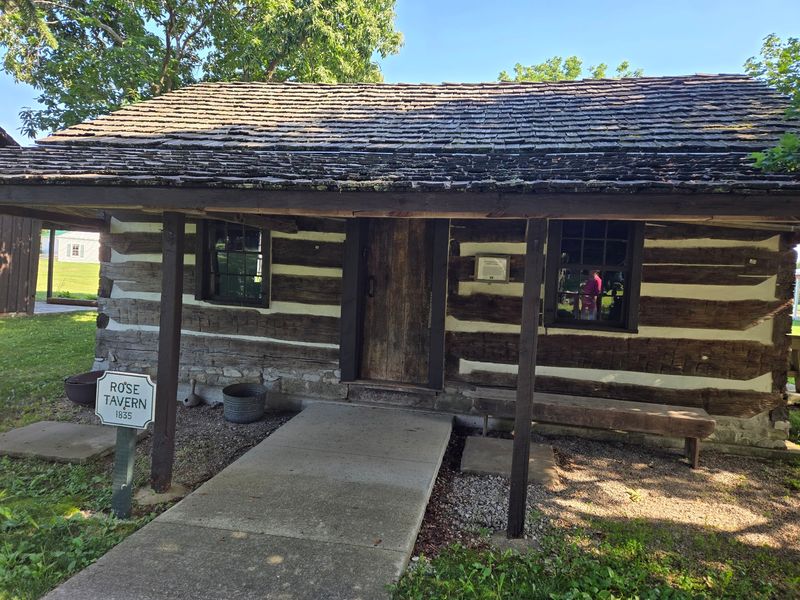
Walking the grounds feels a little like stepping onto a movie set, except the buildings here carry real Ohio history. Historic Lyme Village brings together structures from the 1800s so visitors can move from one chapter of the past to the next in a single afternoon.
Instead of reading one sign and leaving, you can compare how different spaces were used by families and neighbors. Cabins, work areas, and community buildings help show what mattered most in earlier times, from shelter and chores to worship and learning.
Comfortable shoes make a big difference, since the fun comes from exploring at a steady pace. Plan for at least a couple of hours if you want to notice small details and enjoy the scenery.
Reviews often mention that the village may be small, but there is still a lot to see once you start wandering slowly.
3. Guided Tours Bring the Past to Life
A good guide can turn old rooms into living stories, and many visitors say that is exactly what happens here. At Historic Lyme Village, guided tours often explain who lived in each building, how daily tasks were done, and why the site matters to Ohio history.
Strong tours help visitors connect facts with everyday life. Instead of hearing only dates, you might learn how children studied, how families heated their homes, or how travel and trade shaped the region.
Several reviews praise guides who answered questions carefully and shared extra details that made the visit more meaningful.
Because experiences can vary, it helps to arrive with patience and curiosity. If you want the best visit, ask about tour options when you check in and choose a less crowded day if possible.
Friendly questions can open the door to richer stories and a more personal look at the village.
4. The Underground Railroad Story Adds Real Depth
Not every powerful story in the village is about furniture or fancy rooms. One of the more meaningful parts of the site is its connection to the Underground Railroad, a subject that adds courage, danger, and moral choice to the visitor experience.
Learning about this history helps people see that Ohio was part of bigger national struggles. The village offers a chance to think about the lives of freedom seekers and the people who risked helping them.
Even a brief mention can leave a strong impression because it ties local places to events that shaped the country.
When you visit, slow down during these parts of the tour and let younger readers ask simple questions. It is a good topic for families because it shows that history is not only about buildings.
It is also about brave decisions, community action, and the human cost of injustice during an earlier era.
5. A Church and Schoolhouse Tell Everyday Stories
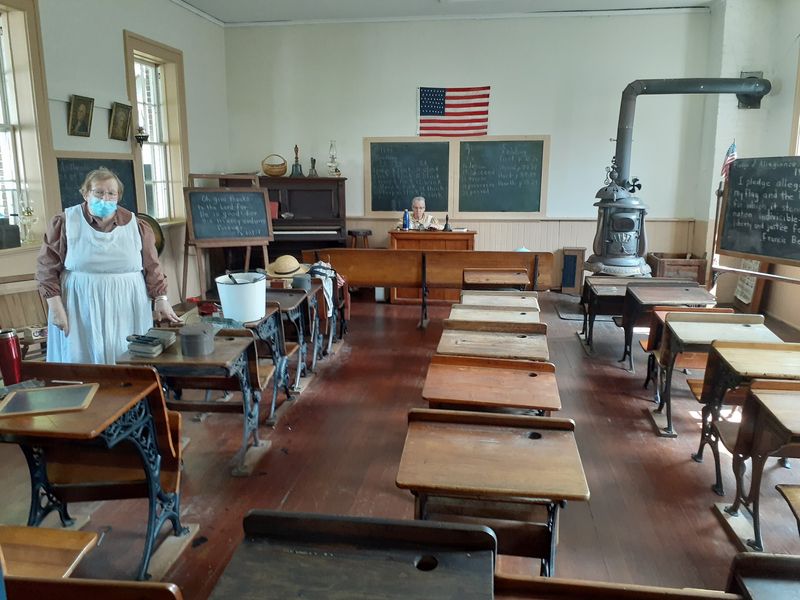
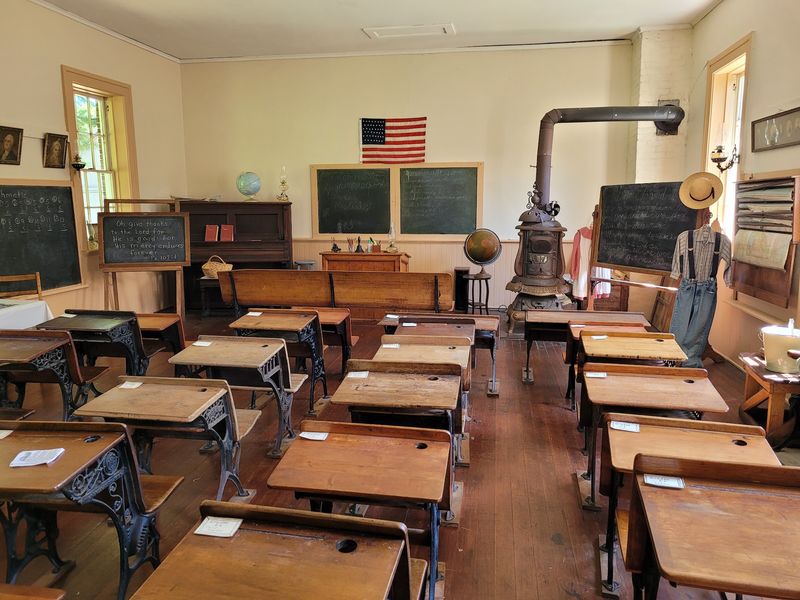
Some of the most memorable parts of the village are not the fanciest ones. The church and schoolhouse show the simple places where people gathered, learned lessons, celebrated milestones, and built the rhythm of community life during the nineteenth century.
In the schoolhouse, it is easy to picture students sitting at old desks, repeating spelling words, or writing on slates. The church adds another side of village life by showing where families worshipped, marked weddings, and came together in hard times as well as happy ones.
Parents can use these spaces to start easy conversations with children about how school and family traditions have changed. Ask them what feels familiar and what seems surprising.
Reviews from past visitors mention how much kids enjoyed seeing old buildings up close, which makes these stops especially useful for turning history into something visual and personal.
6. Barns and Carriage Spaces Show How Work Got Done
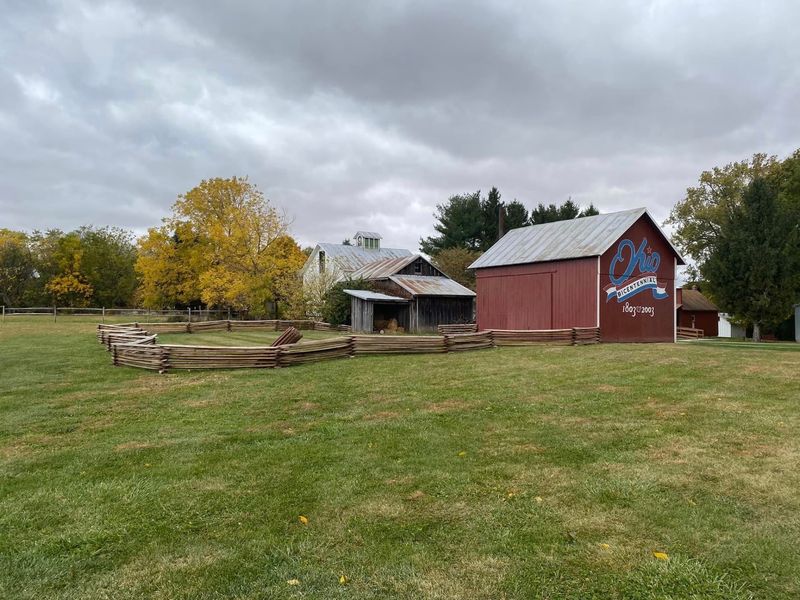
Life in the Victorian era was not all parlors and polished silver. The barn and carriage related spaces at Historic Lyme Village help show the physical labor behind daily life, from farming and hauling goods to caring for animals and storing equipment.
These buildings remind visitors that communities depended on steady work and practical skills. A carriage house can spark conversations about travel before cars, while farm displays help children understand how food production required muscle, planning, and teamwork.
Reviews from special events mention hand crank equipment and other working tools that made history feel active instead of distant.
Spend a little extra time here if you enjoy the hands on side of the past. Looking at tools and transport spaces makes the fancy mansion easier to understand because it shows the broader world around it.
Real history becomes clearer when work spaces and home spaces are seen together on one visit.
7. Festivals Turn the Village Into a Lively Time Capsule
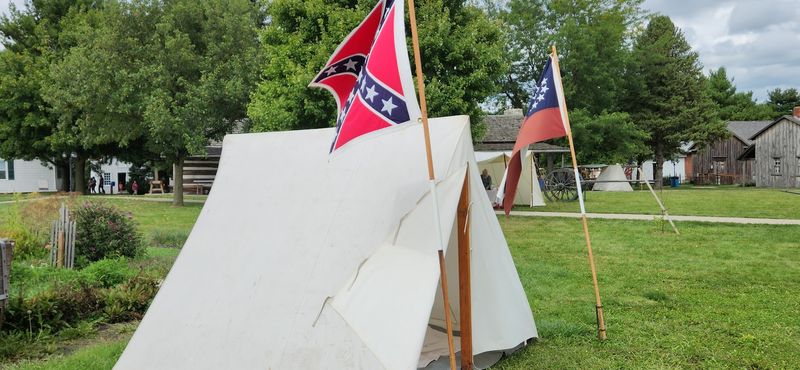
On an ordinary day, the village is quiet and thoughtful. During festivals, it can feel like the past has woken up and decided to throw a party, with historic dress, special foods, demonstrations, and extra energy spread across the grounds.
Several visitors recommend going during an event because there is more to see and do. Seasonal programs can include old fashioned games, shopping, costumed interpreters, and themed tours that help the site feel less like a museum and more like a living community from another century.
If you like movement and variety, check the calendar before planning your trip. Festival days may offer stronger photo opportunities and more reasons for children to stay engaged.
They can also be busier, so arriving earlier is smart. For travelers who want both learning and fun, these events often provide the most memorable way to experience Historic Lyme Village.
8. Reenactments Add Sound, Motion, and Drama
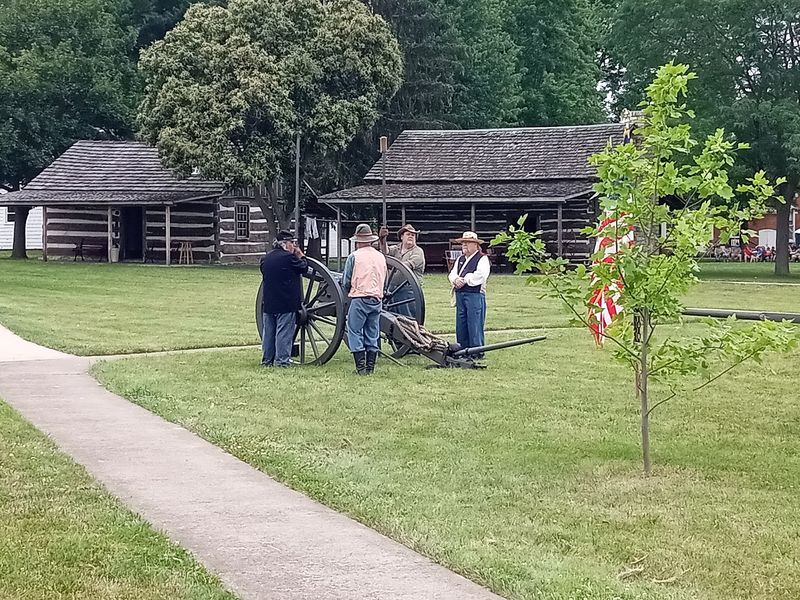
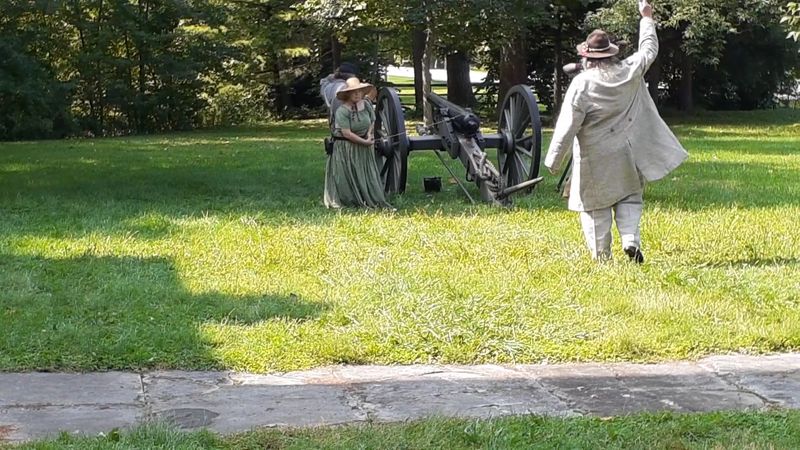
Some places teach history through labels, but reenactments let you hear boots on the ground and see the past in motion. At Historic Lyme Village, special events have included living history scenes that give the grounds a dramatic and immersive feeling.
Visitors have described the site as a strong backdrop for reenactments because the authentic buildings make photos look convincing and memorable. Whether the focus is pioneer life, military impressions, or period demonstrations, these programs can help people picture real bodies, voices, and routines instead of flat textbook facts.
For families with older kids, reenactments are a useful bridge between entertainment and learning. They make good conversation starters after the visit because children often remember action more easily than dates.
Bring a camera, stay aware of event schedules, and leave room in your plan to watch a full demonstration rather than just passing by on the way to the next building.
9. Pioneer Days and Kid-Friendly Activities Make History Stick
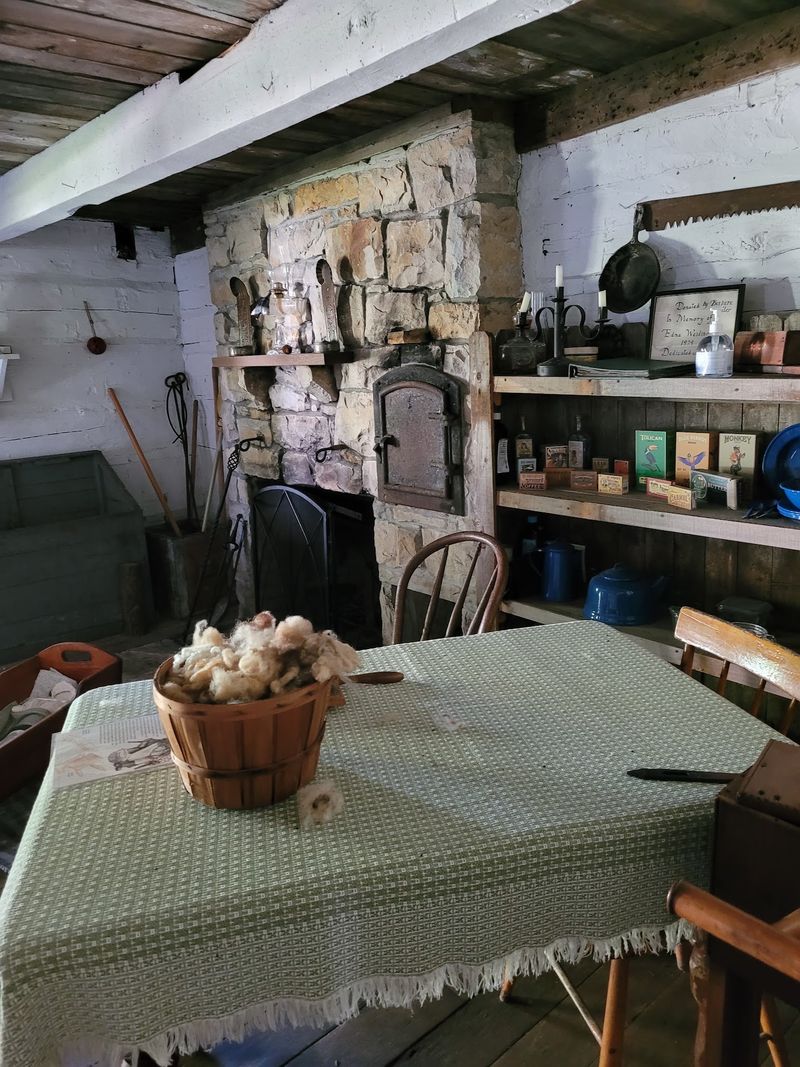
Children often learn best when their hands are busy, and Pioneer Days style activities can make that happen. Historic Lyme Village has earned praise for experiences that go beyond standing still, including period toys, games, and demonstrations that help younger visitors join the story.
Instead of only listening, kids may see tools in action or try simple old fashioned play. Reviews mention hoops, stilts, ropes, rings, pegs, and even farm equipment demonstrations, all of which give children a clearer idea of how fun and work looked before screens and batteries were everywhere.
Families should use these moments to compare past and present. Ask which toys seem hardest, which chores look tiring, and what parts of village life would be exciting or frustrating today.
A visit feels much richer when children are invited to notice, touch, and imagine. That kind of active learning tends to stay with them longer.
10. A Beautiful Setting for Weddings and Special Events
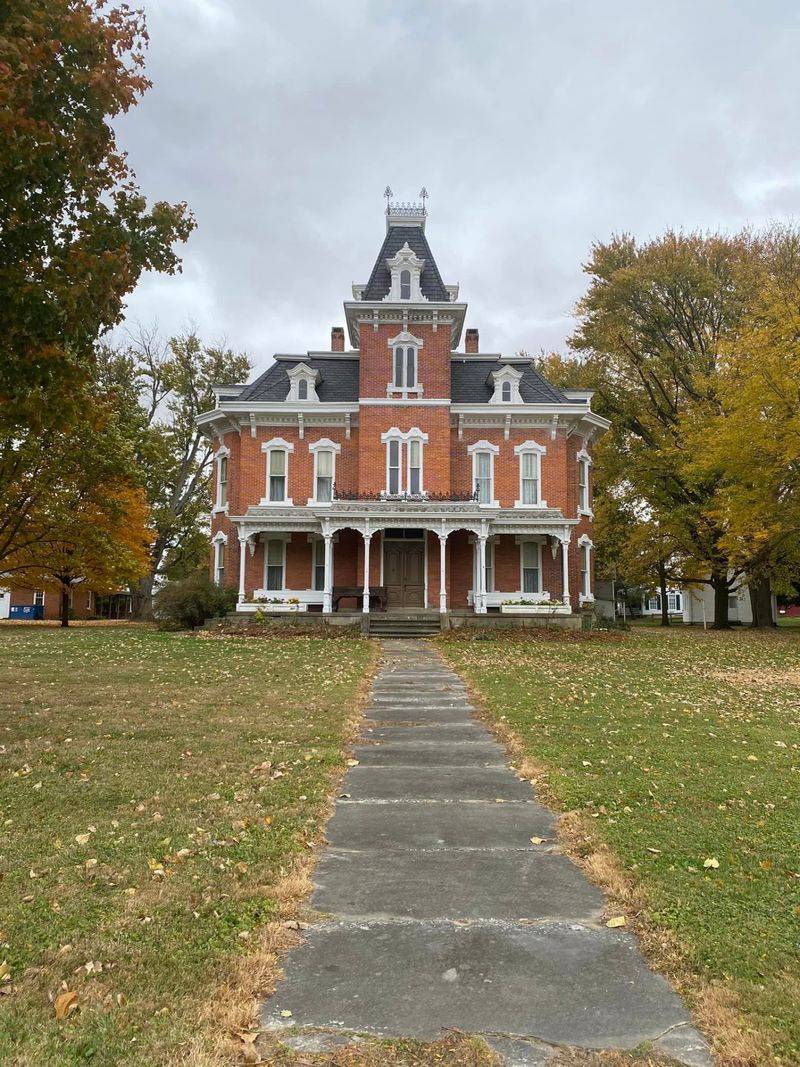
History does not have to stay behind a velvet rope. At Historic Lyme Village, the grounds also serve as a wedding and event venue, which gives people a chance to celebrate in a place filled with texture, charm, and memorable backdrops.
Reviews highlight the barn, church, mansion, carriage house, and welcome center as useful event spaces. Couples have praised the value, the scenic setting, and the helpful staff support during important moments.
That mix of practical use and historic atmosphere makes the site stand out from more standard banquet halls.
Even if you are not planning a wedding, this tells you something important about the village. The buildings are not just display pieces.
They still function as gathering places, much like they did in the past. For photographers and event planners, the variety of settings offers rustic, elegant, and classic options in one location just outside Bellevue.
11. Teachers and Curious Families Can Use It as an Outdoor Classroom
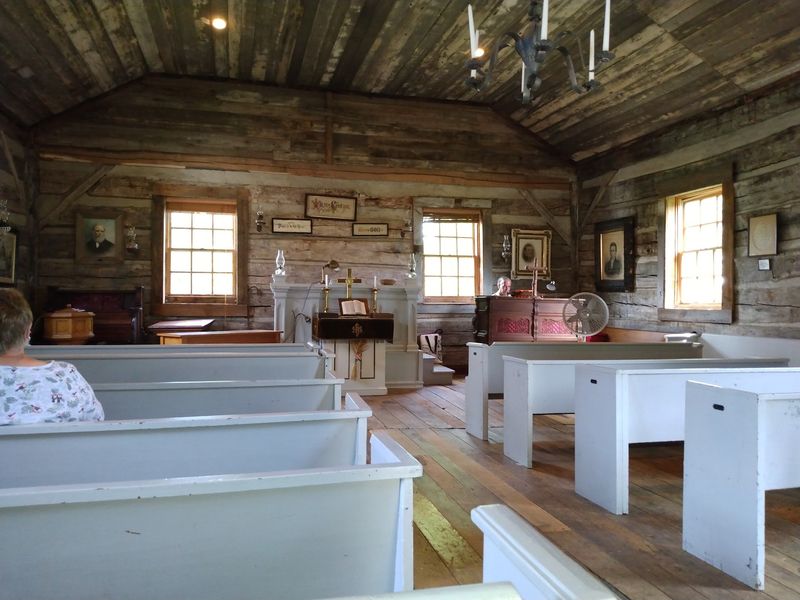
There is something refreshing about learning history outside a regular classroom. Historic Lyme Village works well as an educational stop because students can connect lessons about the nineteenth century to real buildings, objects, and spaces instead of just reading short paragraphs in a book.
Families can borrow that same approach during a weekend visit. Pick one theme before you go, such as travel, home life, farming, or school, and challenge children to find examples around the grounds.
Doing that turns the trip into a treasure hunt for ideas and details.
Like many educational sites, experiences may depend on staffing, timing, and group size, so planning ahead helps. Smaller visits may feel calmer and easier to manage than large field trips.
Bring water, wear weather friendly clothes, and leave time for discussion after the tour. The best learning often happens when children can talk through what surprised them most.
12. Plan Ahead for the Best Visit
A little planning can make the day much smoother. Historic Lyme Village is located at 5001 OH-4 in Bellevue and is generally open Wednesday through Saturday from 11 a.m. to 5 p.m., while Sunday through Tuesday are closed, so checking the latest schedule is a smart first step.
Because tours, events, and building access can vary, it helps to call ahead or visit the official website before you go. Some reviews suggest that special programs offer the fullest experience, while others remind visitors that certain areas may not always be open during every visit.
Give yourself at least a couple of hours, especially if you want to explore the mansion and village at a relaxed pace. Comfortable shoes, weather ready clothing, and a flexible attitude will go a long way.
If you enjoy quiet learning, choose a regular tour day. If you want extra excitement, aim for a festival or seasonal event instead.