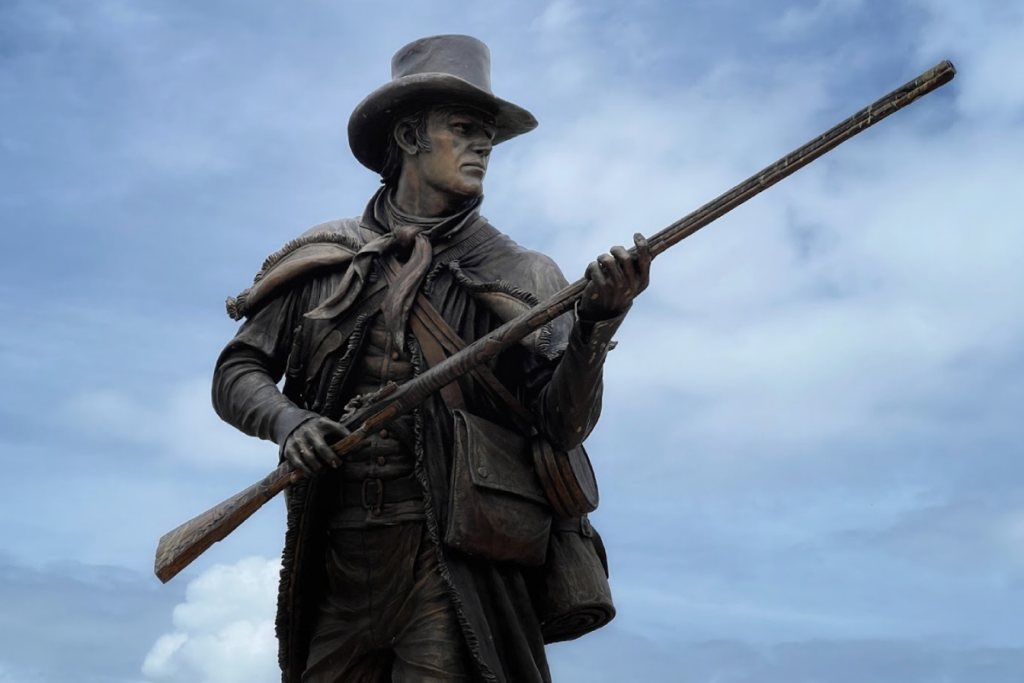
Tennessee is packed with famous spots like the Smoky Mountains and Graceland, but some of the most fascinating places fly completely under the radar. Scattered across the state are quiet archaeological parks, preserved frontier homes, and historic sites that tell incredible stories about ancient civilizations, early settlers, and pivotal moments in American history.
If you’re tired of crowded tourist traps and want to experience Tennessee’s hidden gems, these ten lesser-known parks and historic sites offer a perfect mix of natural beauty, intriguing history, and peaceful exploration.
1. Pinson Mounds State Archaeological Park
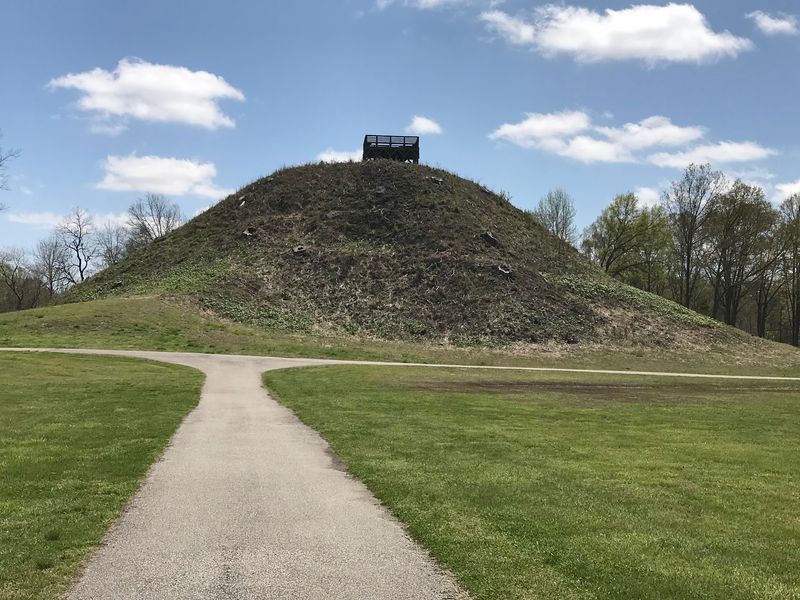
Picture enormous earthen pyramids rising from the forest floor, built over a thousand years ago by hands that shaped the landscape long before written history. Pinson Mounds protects one of the largest Middle Woodland period ceremonial centers in the United States, with at least 17 mounds spread across more than 400 acres.
Walking among these ancient structures feels like stepping into a completely different world.
The tallest mound, Sauls Mound, towers 72 feet high and offers sweeping views of the surrounding countryside once you climb to the top. Archaeologists believe these earthworks served as gathering places for ceremonies, burials, and community events for Native peoples between roughly 1 BC and 500 AD.
The sheer scale of the construction is mind-blowing when you consider every basket of dirt was carried and placed by hand.
A modern museum on-site displays artifacts unearthed from the mounds, including pottery, tools, and ceremonial objects that reveal daily life and spiritual practices of the Woodland culture. Interactive exhibits help visitors understand how these communities thrived, what they ate, and how they organized their society.
Kids especially love the hands-on activities that bring archaeology to life.
Miles of peaceful trails wind through hardwood forests connecting the various mounds, making it easy to spend hours exploring without seeing another soul. Spring wildflowers carpet the forest floor, while fall foliage turns the canopy into a riot of color.
Birdwatchers often spot woodpeckers, warblers, and hawks gliding overhead.
Because Pinson Mounds sits off the beaten path near the small town of Pinson, it rarely gets crowded even on weekends. You can wander the trails, contemplate ancient history, and enjoy the tranquility without fighting for parking or jostling through tour groups.
For anyone curious about Tennessee’s deep roots or simply craving a quiet nature walk with a fascinating backstory, this archaeological treasure delivers both.
2. Old Stone Fort State Archaeological Park
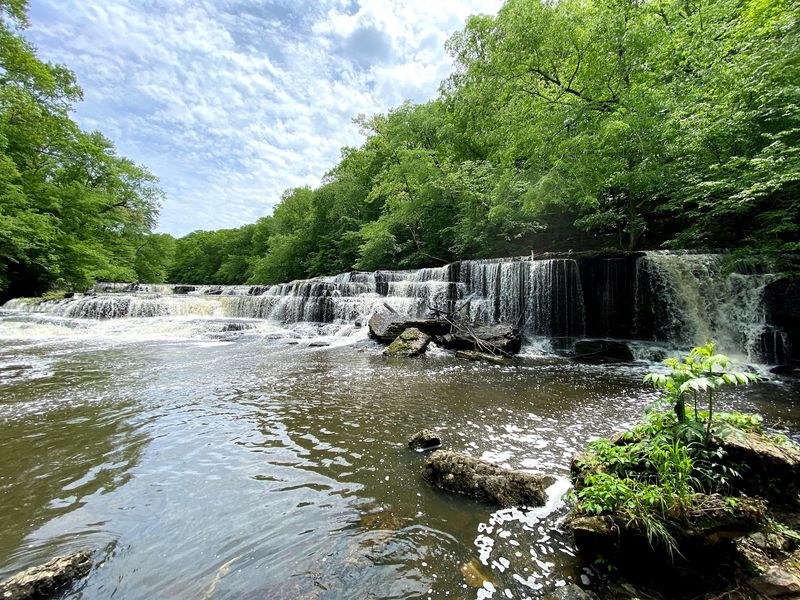
Perched on a limestone bluff where two rivers meet, Old Stone Fort isn’t actually a fort at all despite its name. Early European settlers mistook the stone and earthen walls for military defenses, but archaeologists now know this 50-acre enclosure was built by Native Americans around 2,000 years ago for ceremonial purposes.
The mystery surrounding its true function only adds to the site’s allure.
Massive stone walls still stand in sections, snaking along the cliff edges and enclosing a sacred space that once drew people from across the region. Walking the perimeter, you can see how builders used the natural landscape, incorporating steep bluffs and river gorges into the design.
The engineering skill required to construct these walls without modern tools or equipment is absolutely impressive.
Beyond the archaeological intrigue, the park dazzles with natural beauty. The Duck River and Little Duck River converge here, creating dramatic waterfalls that thunder over rock ledges and carve deep pools below.
Trails loop through dense hardwood forest, crossing wooden bridges and offering overlooks where you can watch water tumble into misty gorges. It’s a photographer’s dream, especially after spring rains when the falls run high.
A small museum near the entrance provides context about the Woodland people who built the enclosure, displaying pottery shards, projectile points, and other artifacts found during excavations. Rangers lead occasional programs explaining the site’s significance and the ongoing research that continues to unlock its secrets.
Even without a guided tour, informative signs along the trails help visitors piece together the story.
Pack a picnic and claim one of the tables near the river, where you can eat lunch surrounded by ancient history and rushing water. The park sees far fewer visitors than Tennessee’s blockbuster attractions, so you’ll likely have stretches of trail entirely to yourself.
Whether you’re drawn by archaeology, geology, or just gorgeous scenery, Old Stone Fort offers a rare combination that’s hard to find anywhere else.
3. Burra Burra Mines
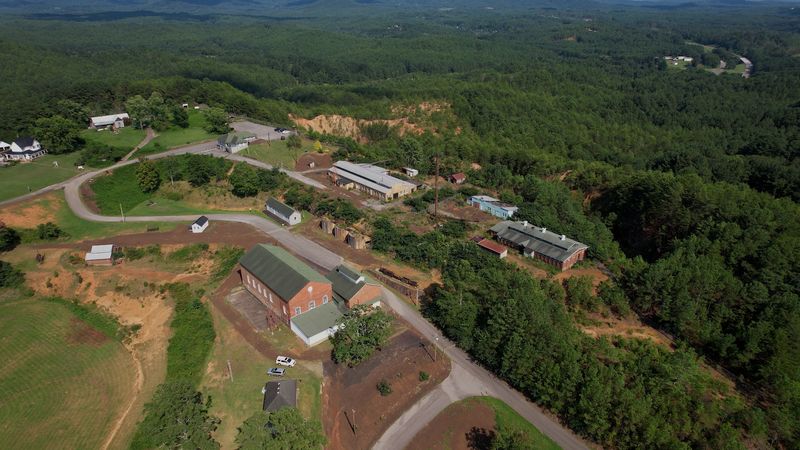
Copper mining transformed the landscape around Copperhill into something that looks more like another planet than Tennessee. Burra Burra Mines operated for decades during the late 1800s and early 1900s, extracting massive quantities of copper ore that fueled America’s industrial boom.
The environmental impact was so severe that for years, the surrounding hills stood completely barren, stripped of vegetation by sulfur dioxide from smelting operations.
Today, the old mining structures stand as ghostly reminders of that industrial era. Rusted equipment, crumbling foundations, and scattered debris tell the story of thousands of workers who toiled underground in dangerous conditions.
Walking through the site, you can almost hear the clang of metal on rock and feel the gritty reality of mining life. It’s a sobering look at how industry shaped communities and landscapes.
What makes Burra Burra particularly fascinating is the ongoing ecological recovery. After mining ceased and smelting stopped, nature slowly began reclaiming the barren hills.
Restoration efforts have accelerated the process, and now you can see green returning to slopes that were once completely dead. The contrast between the industrial ruins and the regenerating forest creates a powerful visual lesson about environmental resilience.
The town of Copperhill itself grew up around the mines, and many historic buildings downtown reflect that boom-era prosperity. Local museums preserve photographs, tools, and personal stories from mining families, adding human dimension to the industrial archaeology.
You can trace how copper wealth built schools, churches, and businesses that still stand today.
Exploring Burra Burra requires some caution since old mining sites can be hazardous, but viewing the ruins from safe vantage points offers plenty of photo opportunities and historical insight. The stark beauty of rusted metal against recovering landscape has an almost post-apocalyptic quality that’s strangely compelling.
It’s a place that makes you think about progress, consequences, and the long memory of the land.
4. Rocky Mount State Historic Site
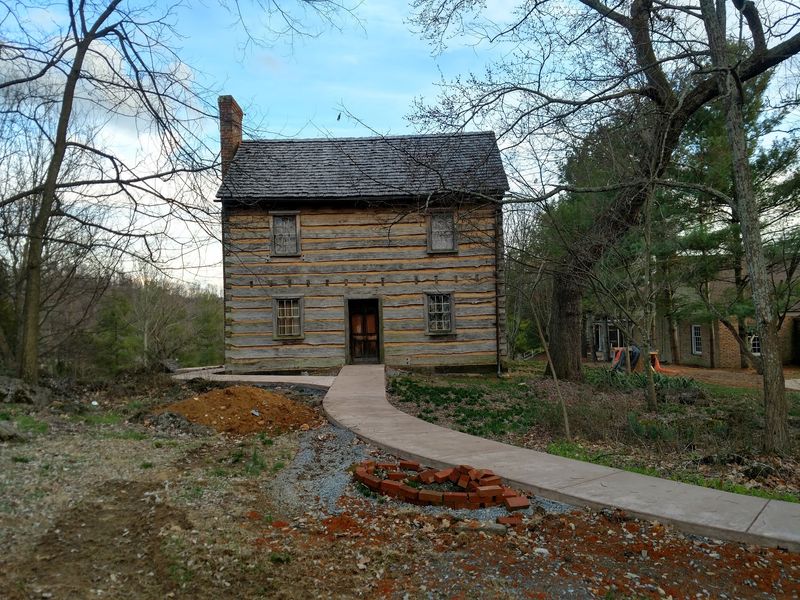
Before Tennessee became a state, it was simply the Southwest Territory, and Rocky Mount served as the territorial capital from 1790 to 1792. This beautifully preserved two-story log home belonged to William Cobb, a successful frontier merchant and planter whose property became the center of early government.
Standing in these rooms where territorial officials debated and made decisions feels like touching the very foundation of Tennessee’s statehood.
The house itself is a masterpiece of frontier architecture, with hand-hewn logs, wide plank floors, and period furnishings that recreate life in the 1790s. Costumed interpreters often demonstrate spinning, weaving, cooking, and other daily tasks, bringing history to life in ways textbooks never could.
You can wander through the separate kitchen building, see the loom house, and explore outbuildings that show how a prosperous frontier household operated.
What really sets Rocky Mount apart is its focus on the complexity of early Tennessee history. Exhibits don’t shy away from difficult topics like slavery, Native American displacement, and the challenges of frontier justice.
The site presents a nuanced picture of territorial life that acknowledges both the ambition of settlers and the costs their expansion imposed on others. It’s history that makes you think rather than just admire.
The property sits on beautiful rolling land with split-rail fences, heritage gardens, and walking paths that let you imagine the frontier landscape before modern development. Spring brings blooming heirloom flowers and vegetables in the kitchen garden, while fall colors paint the surrounding hills.
The peaceful setting makes it easy to spend hours exploring without feeling rushed. Special events throughout the year include living history demonstrations, craft workshops, and lectures by historians who specialize in frontier Tennessee.
Because Rocky Mount doesn’t draw massive crowds, you can actually have meaningful conversations with interpreters and really absorb the experience. For anyone curious about how Tennessee went from wilderness to statehood, this site tells that pivotal story with authenticity and depth.
5. Tipton-Haynes State Historic Site
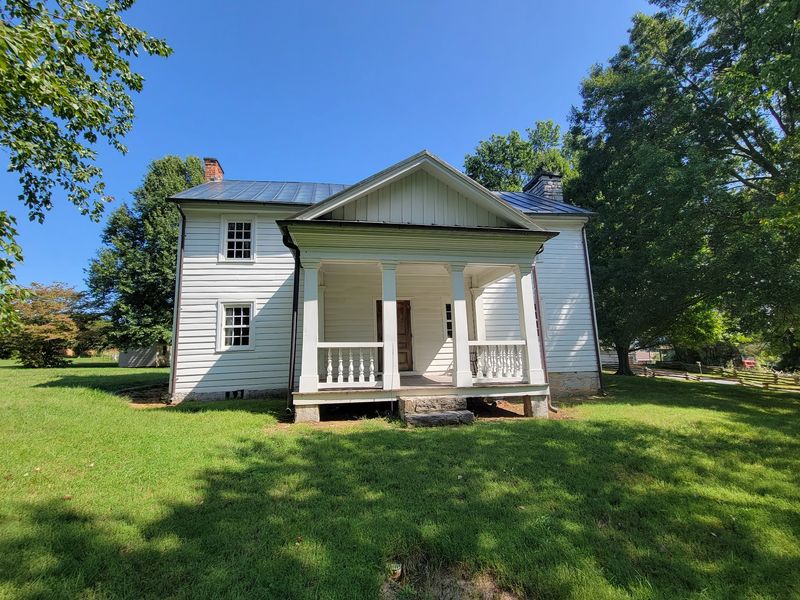
Few places pack as many layers of Tennessee history into one property as Tipton-Haynes. This historic farmstead has witnessed everything from frontier settlement to the Civil War, with stories that span centuries and involve some of the region’s most colorful characters.
The land itself has been occupied for thousands of years, with archaeological evidence of Native American presence long before European settlers arrived.
Colonel John Tipton, a Revolutionary War veteran and early Tennessee political figure, established his home here in the 1780s. His log cabin still stands, expanded over the years into a larger frame house that the Haynes family later occupied.
Walking through these rooms, you encounter furniture, documents, and personal belongings that bring multiple generations to life. Each family left its mark, and interpreters share stories both grand and intimate.
The property includes several outbuildings that show how a working farm operated in the 1800s. A springhouse kept dairy products cool, a smokehouse preserved meat, and barns sheltered livestock and stored crops.
Heirloom gardens grow vegetables and herbs that would have fed the families, and heritage breed animals sometimes graze the fields. It’s a complete picture of agricultural self-sufficiency that most modern visitors find fascinating.
Civil War history runs deep here, with both Union and Confederate forces occupying the site at different times. The Battle of Buffalo Mountain raged nearby, and wounded soldiers recuperated in the house.
Bullet holes and other battle scars remain visible, silent testimony to the violence that swept through East Tennessee. Exhibits explore how families navigated divided loyalties and survived the chaos of war.
Archaeological work continues to uncover artifacts from multiple time periods, and some excavation areas remain visible so visitors can see how researchers piece together the past. From prehistoric projectile points to Civil War bullets to Victorian china, the ground yields a timeline of human occupation.
Special programs often include archaeology demonstrations where you can learn excavation techniques and artifact identification. The site feels alive with ongoing discovery rather than frozen as a static museum, making every visit potentially reveal something new about Tennessee’s rich and complicated history.
6. Sabine Hill State Historic Site
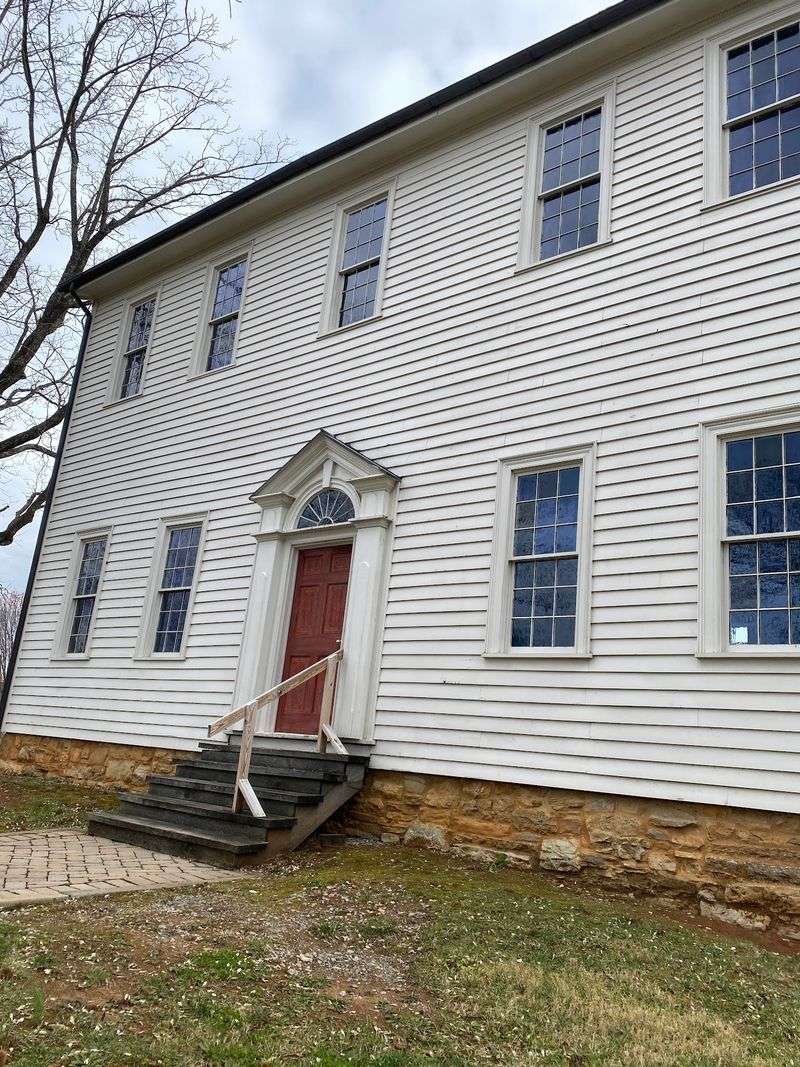
Elegance seems like an unlikely word to describe frontier Tennessee, but Sabine Hill proves that refined taste existed even in the early 1800s. This stunning Federal-style mansion was built around 1818 for Nathaniel Taylor, a wealthy landowner whose family would produce several notable Tennessee politicians and military leaders.
The house stands as a testament to how quickly some frontier families accumulated wealth and adopted sophisticated architectural fashions from the eastern states.
The exterior alone impresses with its symmetrical design, fine brickwork, and classical proportions that reflect Federal-period ideals of balance and restraint. Inside, the craftsmanship gets even more remarkable.
Hand-carved mantels, delicate plasterwork, and original woodwork showcase the skill of early Tennessee artisans. Period furnishings fill the rooms, including pieces that actually belonged to the Taylor family, creating an authentic glimpse into upper-class domestic life two centuries ago.
Guides share stories about the Taylor family’s influence on Tennessee politics and their connections to major historical events. Alfred A.
Taylor and Robert Love Taylor, two of Nathaniel’s descendants, both served as Tennessee governors and famously ran against each other in the 1886 “War of the Roses” campaign. The house witnessed family gatherings where politics, business, and social life intertwined in ways that shaped the region’s development.
The decorative arts collection deserves special attention, with examples of textiles, ceramics, silver, and other household objects that reveal changing tastes and trade connections. You can see how wealthy Tennesseans furnished their homes, what they valued, and how they displayed status through material possessions.
It’s a fascinating window into consumer culture before mass production made luxury goods widely available.
The grounds around Sabine Hill remain peaceful and well-maintained, with mature trees shading the lawn and period landscaping that frames the house beautifully. Visiting feels like stepping onto a movie set, except everything is authentically historic rather than Hollywood recreation.
Because it’s less famous than some Tennessee historic homes, you often have the place nearly to yourself, allowing for quiet contemplation of the architecture and unhurried conversation with knowledgeable staff who genuinely love sharing the site’s stories.
7. Sam Houston Schoolhouse State Historic Site
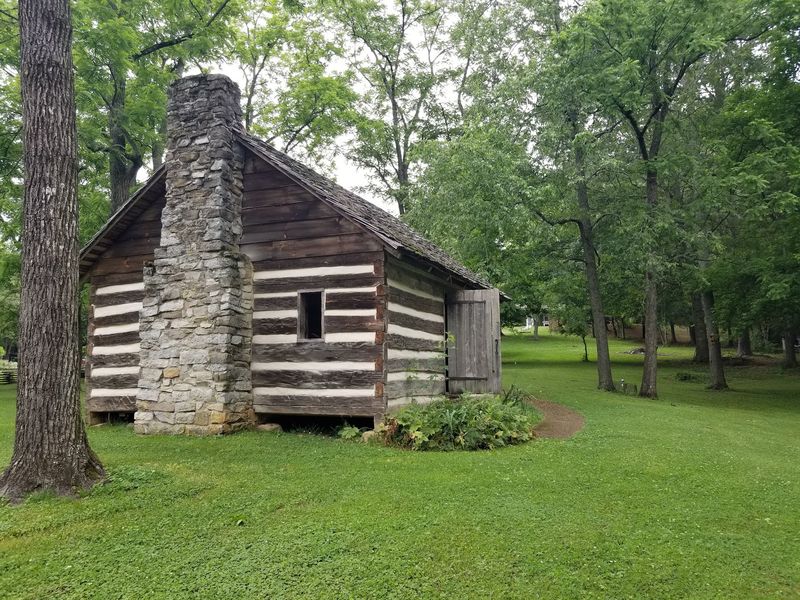
Long before Sam Houston became a Texas legend, he was a young schoolteacher in rural Tennessee trying to figure out what to do with his life. The tiny log schoolhouse where he taught still stands near Maryville, preserved as a monument to his early years and to frontier education in general.
It’s a humble building, but the story it represents is anything but small.
Houston opened his school in 1812 after living with the Cherokee for several years and serving in various odd jobs. He was only 19 years old, barely older than some of his students, and charged families eight dollars per term to teach reading, writing, and arithmetic.
The schoolhouse consists of a single room with a fireplace, rough-hewn benches, and not much else. Standing inside, you realize how basic frontier education was and how much depended on the teacher’s personality and knowledge rather than fancy facilities.
What makes this site compelling is imagining the future hero of the Texas Revolution and president of the Republic of Texas standing at the front of this simple room, drilling students on their letters and sums. Houston’s life would take him through the War of 1812, Tennessee politics, Cherokee advocacy, and ultimately to Texas where he led the fight for independence from Mexico.
But it all started here, in this modest schoolhouse where he discovered his ability to lead and inspire.
Interpretive exhibits trace Houston’s remarkable life trajectory and explain the role of education in frontier communities. Schools were often the only public buildings in early settlements, serving as community centers for meetings, religious services, and social gatherings.
Teachers held respected positions despite low pay and difficult working conditions. The site helps visitors understand how education functioned before public school systems existed.
The schoolhouse sits in a quiet rural area surrounded by farmland and mountains, much as it would have looked in Houston’s day. It’s a quick stop rather than an all-day destination, but the connection to such a famous historical figure and the glimpse into frontier teaching make it worthwhile.
Kids especially enjoy comparing their modern schools to this bare-bones classroom and imagining what learning would have been like without technology, textbooks, or even proper desks.
8. Chester Inn State Historic Site and Museum
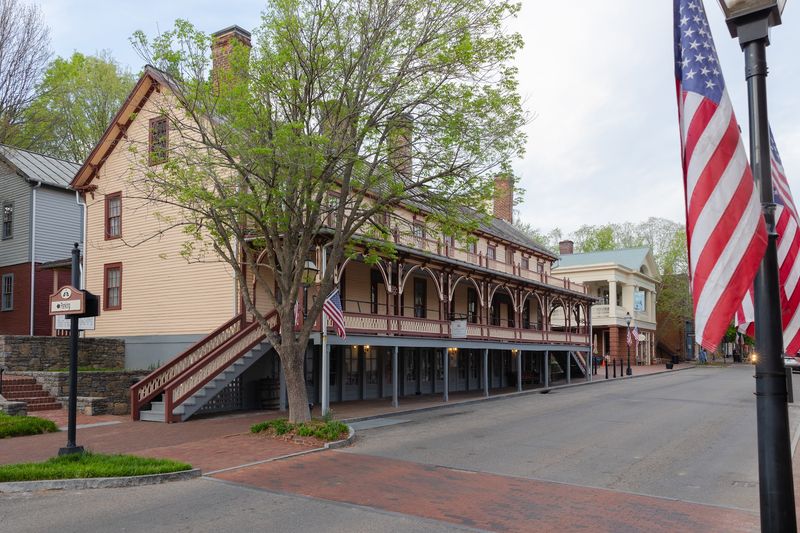
Jonesborough holds the distinction of being Tennessee’s oldest town, founded in 1779, and the Chester Inn stands as one of its most significant surviving buildings. Built in 1797 as a stagecoach inn and tavern, this structure hosted countless travelers passing through East Tennessee during the early republic.
Imagine weary riders dismounting after days on rough roads, grateful for a hot meal, a warm fire, and a bed that didn’t bounce and sway.
The inn’s location made it a natural gathering place for locals as well as travelers. Political discussions heated up in the tavern room, business deals were struck over drinks, and news from distant places circulated through conversations among guests.
Presidents Andrew Jackson, James K. Polk, and Andrew Johnson all stayed at the Chester Inn at various points, along with countless merchants, lawyers, preachers, and ordinary families moving west.
The guest registers, partially preserved, read like a who’s who of early Tennessee.
Today the building functions as a museum interpreting the inn’s history and Jonesborough’s role as an early Tennessee center of commerce and government. Exhibits recreate period rooms showing how the inn operated, what guests could expect, and how innkeepers managed the complex business of feeding and sheltering travelers.
You can see examples of the simple furnishings typical of frontier accommodations and compare them to the fancier items wealthier guests might have brought with them.
The museum also explores Jonesborough’s broader history, including its brief period as capital of the proposed State of Franklin in the 1780s. This short-lived separatist movement tried to create a new state from western North Carolina territory, and though it ultimately failed, the story reveals the political chaos and ambition of the frontier era.
Documents, maps, and artifacts bring this forgotten chapter of Tennessee history back to light.
Walking Jonesborough’s historic downtown after visiting the Chester Inn deepens the experience. Many 19th-century buildings still line the main street, housing shops, restaurants, and galleries.
The town has preserved its character without becoming overly touristy, maintaining an authentic small-town atmosphere. The Chester Inn serves as an ideal starting point for understanding how this community evolved from frontier outpost to the charming historic town it is today.
9. Wynnewood State Historic Site
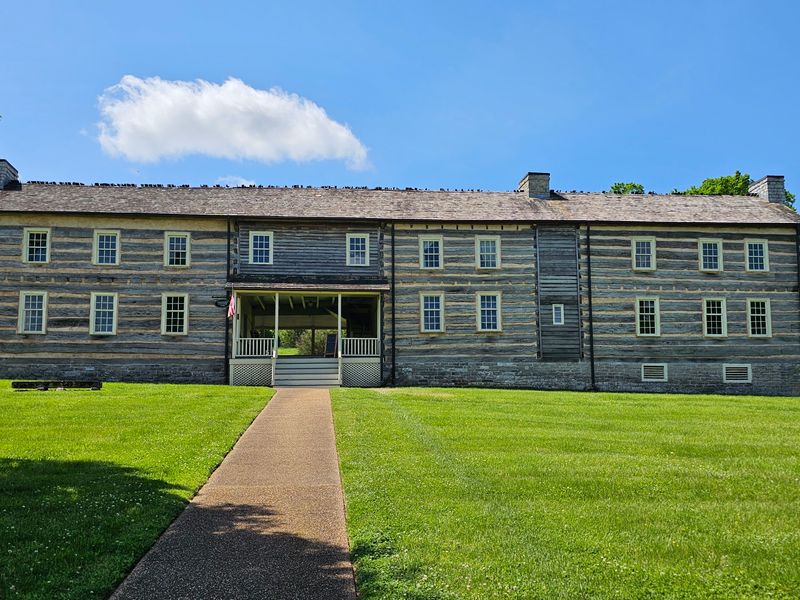
At first glance, Wynnewood doesn’t look like any log building you’ve ever seen. This massive structure stretches 110 feet long, making it one of the largest log buildings in Tennessee and possibly in the entire United States.
Built in 1828 by A. R. Wynne and Stephen Roberts, it originally served as a stagecoach inn and later as a mineral springs resort, capitalizing on the supposed healing properties of nearby Castalian Springs.
The construction technique is fascinating to anyone interested in vernacular architecture. Builders used huge logs, some over 30 feet long, joined with dovetail notches that have held tight for nearly two centuries.
The sheer scale required careful planning and considerable skill, especially given the tools available in the 1820s. Walking through the building, you can appreciate both the ambition of the builders and the craftsmanship that made their vision reality.
Wynnewood’s location along a major stagecoach route made it a profitable venture. Travelers between Nashville and Knoxville needed places to rest, change horses, and eat meals, and inns like Wynnewood filled that need.
Later, when mineral springs became fashionable as health destinations, Wynnewood adapted by catering to visitors seeking the waters’ therapeutic benefits. The building’s evolution reflects changing transportation and leisure patterns in 19th-century America.
Period furnishings and exhibits recreate life at the inn during its various incarnations. You can see the large common rooms where travelers gathered, smaller private chambers for wealthier guests, and the kitchen where staff prepared meals for dozens of people.
Interpreters explain the hard work required to operate such an establishment and share stories about notable guests who passed through, including Andrew Jackson and Sam Houston.
The grounds include other historic structures and walking paths that let you explore the property at your own pace. Castalian Springs still flows nearby, and you can understand why early settlers considered this location special.
The site hosts occasional living history events where costumed interpreters demonstrate period crafts, cooking, and daily activities. Because Wynnewood remains relatively unknown compared to Tennessee’s more famous historic sites, you can explore without crowds and really absorb the atmosphere of this remarkable place that has witnessed nearly two centuries of Middle Tennessee history.
10. Camp Blount Historic State Park
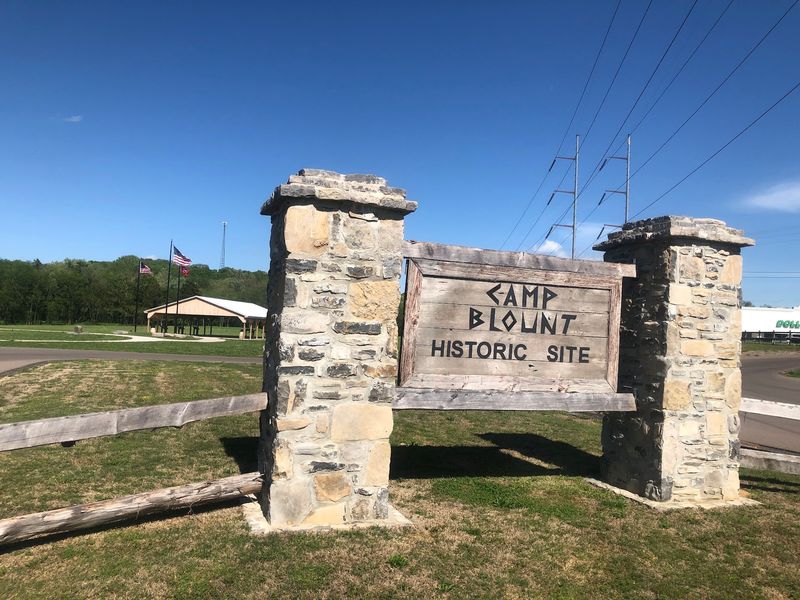
In the fall of 1813, thousands of Tennessee volunteers poured into a field near Fayetteville, answering Andrew Jackson’s call to fight in the War of 1812. Camp Blount served as the assembly and training ground where these citizen-soldiers prepared for the grueling campaign that would eventually lead them to New Orleans and Jackson to national fame.
The site marks a pivotal moment when Tennessee proved its military importance and earned its nickname as the Volunteer State.
Picture the chaos of thousands of men, most with little military training, gathering with whatever weapons and supplies they could muster. Officers struggled to organize units, drill soldiers in basic tactics, and prepare for a march south through hostile territory.
The camp bustled with activity as blacksmiths repaired equipment, quartermasters distributed provisions, and commanders held councils of war. It was a massive logistical undertaking that transformed civilians into an army.
Today, Camp Blount is a quiet park with interpretive markers explaining the site’s significance. You won’t find reconstructed buildings or costumed interpreters, but the markers do an excellent job of helping visitors visualize the encampment and understand the campaign that followed.
Walking the grounds, you can imagine the rows of tents, the drill fields, and the nervous energy of volunteers preparing for their first taste of combat.
The park connects to broader stories about the War of 1812 and Andrew Jackson’s rise to prominence. The campaign that began here would take Tennessee troops through brutal fighting against Creek warriors at Horseshoe Bend and ultimately to the stunning victory at New Orleans that made Jackson a national hero.
Many of the volunteers who trained at Camp Blount became fierce Jackson loyalists, forming the political base that would later carry him to the presidency.
Camp Blount lacks the dramatic scenery or elaborate facilities of some historic sites, but its importance to Tennessee history is undeniable. It’s a place for contemplation rather than entertainment, best appreciated by visitors who enjoy imagining historical scenes and connecting landscape to story.
The park’s quiet atmosphere actually enhances the experience, allowing you to focus on the momentous events that unfolded here without distractions. For anyone tracing Andrew Jackson’s career or exploring Tennessee’s military heritage, Camp Blount represents an essential chapter that deserves recognition alongside more famous battlefields and historic homes.