Texas lakes promise cool relief on scorching summer days, but not every body of water is as inviting as it looks. Some popular swimming spots come with hidden risks that range from water quality issues to dangerous currents and wildlife encounters. Knowing which lakes require extra caution can help you make smarter choices about where to take your family for a safe, enjoyable day on the water.
1. Lake Arlington (Arlington)
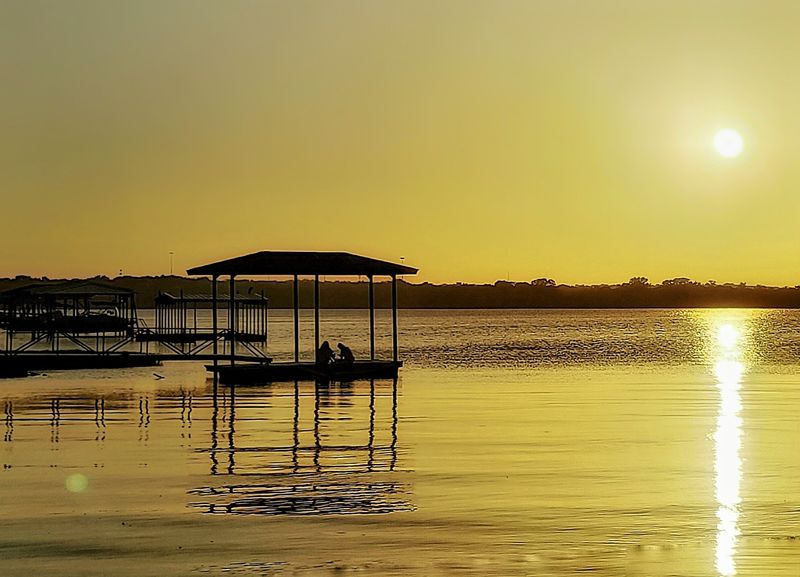
Just a stone’s throw from Dallas-Fort Worth, this 2,275-acre reservoir draws crowds looking to escape the city heat. But before you pack the cooler and grab your floaties, you should know that water quality here can be unpredictable. Algae blooms pop up regularly during warmer months, turning sections of the lake into a green, soupy mess that’s definitely not swim-friendly.
The Texas Commission on Environmental Quality has issued advisories for this lake multiple times over the years. Blue-green algae can produce toxins that cause skin rashes, stomach issues, and respiratory problems. Kids and pets are especially vulnerable because they’re more likely to swallow water while playing.
Beyond the algae concerns, the lake sits in a heavily developed area, which means runoff from streets and neighborhoods flows directly into the water after rainstorms. That urban runoff carries everything from motor oil to fertilizers, creating a chemical cocktail you definitely don’t want touching your skin.
The lake bottom is also notoriously uneven, with submerged stumps, rocks, and debris left over from when the area was flooded to create the reservoir. Swimmers have reported cutting their feet on hidden obstacles lurking just beneath the surface. Visibility is often poor, making it hard to spot these hazards until it’s too late.
Boating traffic adds another layer of risk. The lake is popular with jet skiers and powerboats, and designated swimming areas are limited. If you do decide to get in the water, stick to marked zones and keep a close eye on water quality reports before your visit.
Better yet, consider one of the many municipal pools in Arlington that offer a safer alternative for cooling off.
2. White Rock Lake (Dallas)
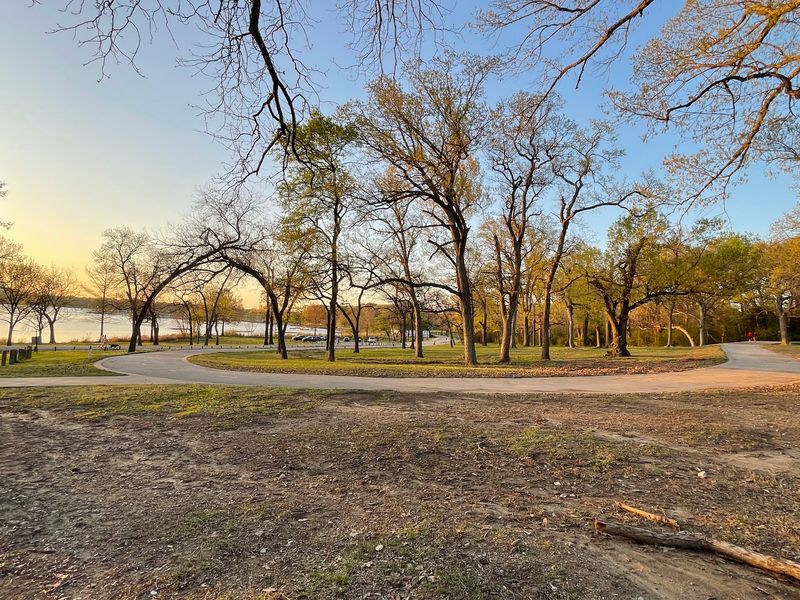
Nestled in the heart of Dallas, this scenic urban oasis is beloved by joggers, cyclists, and picnickers. The 1,015-acre lake offers gorgeous skyline views and miles of trails, but swimming here is actually prohibited. That ban exists for good reason, even though you’ll occasionally spot rule-breakers wading in on hot days.
Water quality testing consistently shows elevated levels of bacteria, particularly after heavy rains when stormwater drains flush contaminants from city streets directly into the lake. E. coli counts frequently exceed safe levels for human contact. The Dallas Water Utilities monitors the lake closely since it was once a drinking water source, and their findings aren’t encouraging for anyone thinking about taking a dip.
The lake’s popularity with wildlife creates additional concerns. Geese, ducks, and other waterfowl call this place home year-round, and their droppings contribute significantly to bacterial contamination. What looks like a peaceful nature scene is actually a recipe for gastrointestinal distress if you swallow even a small amount of water.
Algae growth is another persistent problem, especially during summer months when temperatures climb and water circulation slows. The combination of warm, still water and nutrient runoff from fertilized lawns creates perfect conditions for harmful algal blooms. These blooms can produce toxins that cause allergic reactions, skin irritation, and more serious health issues with prolonged exposure.
Even wading along the shoreline carries risks. Broken glass, fishing hooks, and sharp debris hide in the muddy bottom near popular gathering spots. The city actively enforces the no-swimming rule with fines, so you’re better off enjoying this beautiful lake from the trail or a paddleboard rather than jumping in for a swim.
3. Lady Bird Lake (Austin)
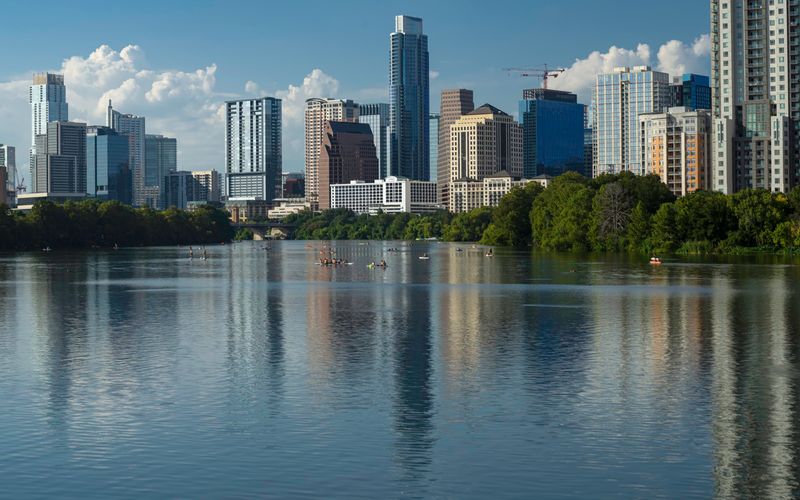
Running through the heart of Austin, this narrow reservoir on the Colorado River is packed with kayakers, paddleboarders, and dragon boat teams. The downtown views are spectacular, but the water itself tells a different story. Swimming has been banned here since 1964, and enforcement is strict with hefty fines for violators.
The ban stems from multiple factors, starting with the fact that this is technically a river, not a lake. Current patterns can be deceptive, with calm surface water hiding stronger flows underneath. Several drownings have occurred over the years, often involving people who underestimated the river’s pull or got tangled in submerged vegetation.
Bacteria levels are a constant concern in this urban waterway. The lake receives runoff from a massive drainage area that includes highways, parking lots, and residential neighborhoods. After rainstorms, bacterial counts spike dramatically as contaminated water rushes into the river.
Testing has repeatedly found fecal coliform bacteria at levels that would make any sensible person think twice about skin contact.
Boat traffic presents yet another hazard. Crew teams practice here daily, and their long racing shells move fast and sit low in the water, making swimmers nearly impossible to see. Tour boats, rental kayaks, and paddleboards crowd the waterway, especially near popular spots like Zilker Park and Auditorium Shores.
Getting hit by a boat or paddle is a real possibility in these congested areas.
The lake bottom is littered with shopping carts, bicycles, scooters, and other urban debris that’s been tossed or fallen in over the years. Visibility is typically poor due to sediment, so you won’t see hazards until you’ve already stepped on them. Austin offers plenty of amazing swimming holes and public pools within a short drive, making Lady Bird Lake a place better suited for boating than bathing.
4. Benbrook Lake (Benbrook)
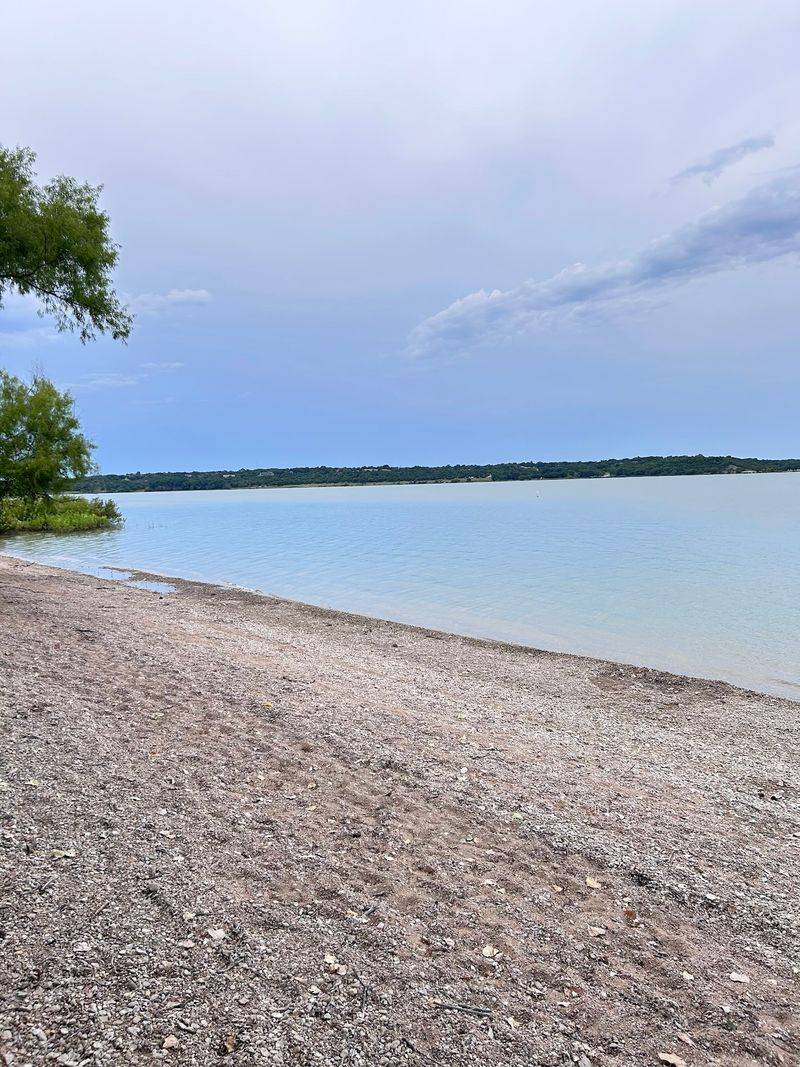
Southwest of Fort Worth, this 3,635-acre lake was created by the Army Corps of Engineers for flood control. That primary purpose means water levels can fluctuate wildly and quickly, creating conditions that catch swimmers off guard. What’s waist-deep one day might be over your head the next, or vice versa, as the Corps adjusts releases based on rainfall and downstream needs.
Rocky terrain defines much of the shoreline, and the lake bottom is equally unforgiving. Sharp limestone chunks and sudden drop-offs make wading treacherous, especially for kids or inexperienced swimmers. Unlike sandy-bottomed lakes where you can ease in gradually, Benbrook often goes from shallow to deep with little warning.
The lack of gradual entry points increases drowning risk, particularly when combined with fluctuating water levels.
Water quality monitoring has flagged this lake for elevated bacteria counts during peak summer months. Heavy boat traffic and concentrated swimming areas during hot weekends mean more people are sharing less water, which concentrates contaminants. The lake’s popularity with campers and picnickers also means more potential for improper waste disposal and runoff from recreational areas.
Zebra mussels have invaded Benbrook Lake, and these tiny mollusks with razor-sharp shells now coat rocks, docks, and the lake bottom in many areas. Walking barefoot is asking for painful cuts, and the mussels make any underwater surface slippery and dangerous. They’ve also altered the lake’s ecosystem in ways that affect water clarity and quality.
Sudden weather changes are common in this part of Texas, and the lake’s open water offers little protection from lightning strikes during afternoon thunderstorms. The Army Corps posts warnings when conditions deteriorate, but storms can develop quickly. If you do swim here, stay close to shore, wear water shoes, check water level forecasts, and have an exit plan for when weather turns nasty.
5. Sam Rayburn Reservoir (Jasper)
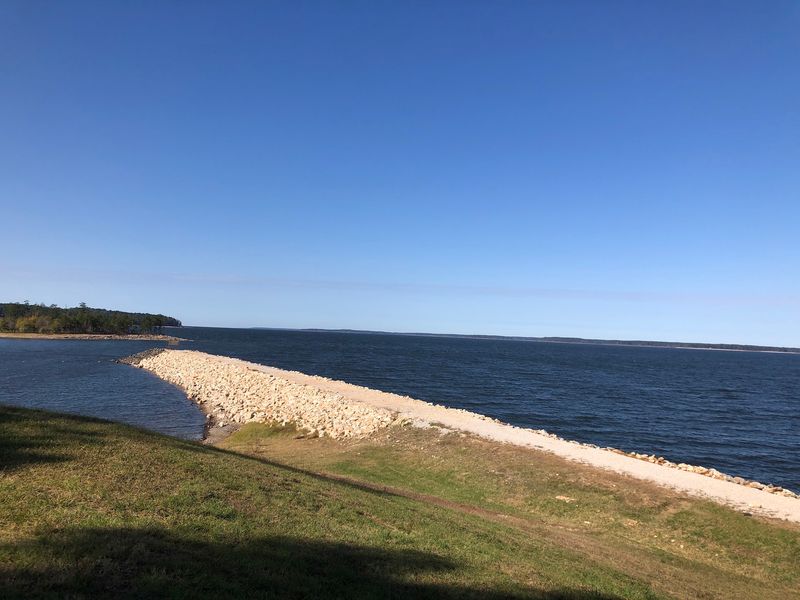
Sprawling across 114,500 acres in East Texas, this massive reservoir is a fishing paradise and the largest lake entirely within Texas borders. But its size and location in alligator country make it a swimming spot that demands serious respect. Gators live here year-round, and while attacks are rare, the possibility is real enough that you should think carefully before getting in.
American alligators thrive in the warm, vegetation-rich waters of East Texas lakes. Sam Rayburn provides ideal habitat with plenty of shallow coves, submerged logs, and aquatic plants where gators hunt and nest. They’re most active during warmer months, which unfortunately coincides with when people most want to swim.
Splashing and erratic movements can attract curious gators, especially in murky water where visibility is limited.
Speaking of murky water, you often can’t see more than a few feet below the surface here. The lake’s tannic, tea-colored water comes from decaying vegetation in the surrounding pine forests. That poor visibility means you won’t spot submerged hazards, including stumps, logs, and abandoned fishing line that can entangle swimmers.
It also means you won’t see a gator until you’re uncomfortably close.
The lake’s remote location and sheer size create another concern. Many swimming areas are far from help if something goes wrong. Cell service can be spotty, and emergency response times are measured in tens of minutes rather than the quick response you’d get at a supervised beach.
The nearest hospital is in Jasper or Lufkin, both requiring significant drive time from most lake access points.
Boating accidents are more common here than at smaller lakes, simply because there’s more water and more traffic. Bass fishing tournaments draw hundreds of boats, and high-speed bass rigs can appear suddenly around points and coves. Swimmers are nearly impossible for boaters to spot in the choppy, dark water.
Stick to designated swimming areas if you must get in, and always wear a brightly colored swim cap for visibility.
6. Lewisville Lake (Lewisville)
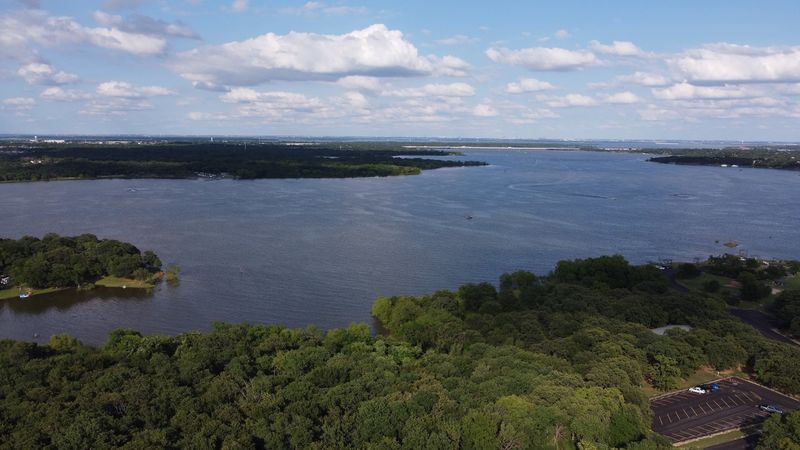
North of Dallas, this 29,000-acre lake is one of the busiest recreational waters in Texas. Summer weekends turn the place into an aquatic traffic jam with boats, jet skis, and swimmers all competing for space. That congestion alone should give you pause, but the lake has earned a reputation for other reasons that make swimming here less than ideal.
The Texas Department of State Health Services has issued multiple advisories for Lewisville Lake due to high bacteria levels. Testing frequently reveals concentrations of E. coli that exceed safe limits for body contact. The problem intensifies after heavy rains when untreated runoff floods into the lake from surrounding suburbs, carrying bacteria from pet waste, failing septic systems, and urban pollution.
Harmful algal blooms have forced beach closures at Lewisville Lake State Park several times in recent years. These blooms produce toxins that can cause rashes, nausea, and breathing problems. The warm, shallow areas where kids like to play are exactly where algae tends to concentrate, putting young swimmers at highest risk.
Park rangers post warnings when blooms are detected, but toxins can linger even after the visible algae dissipates.
The lake’s popularity creates safety issues beyond water quality. Boating accidents happen regularly, with swimmers occasionally getting struck by vessels in crowded zones. Despite marked swimming areas, boats sometimes stray too close, and jet ski operators don’t always respect boundaries.
The noise and chaos can make it difficult to keep track of children in the water.
Underwater hazards include submerged trees from when the valley was flooded to create the lake. These timber snags lurk below the surface, ready to snag swimmers or cause injuries. The lake bottom is uneven and can drop off suddenly, catching inexperienced swimmers by surprise.
Visibility is typically poor due to sediment stirred up by boat traffic and natural turbidity. With so many public pools and splash pads in the surrounding communities, there’s little reason to risk the uncertainties of Lewisville Lake when safer options are readily available.
7. Joe Pool Lake (Grand Prairie)
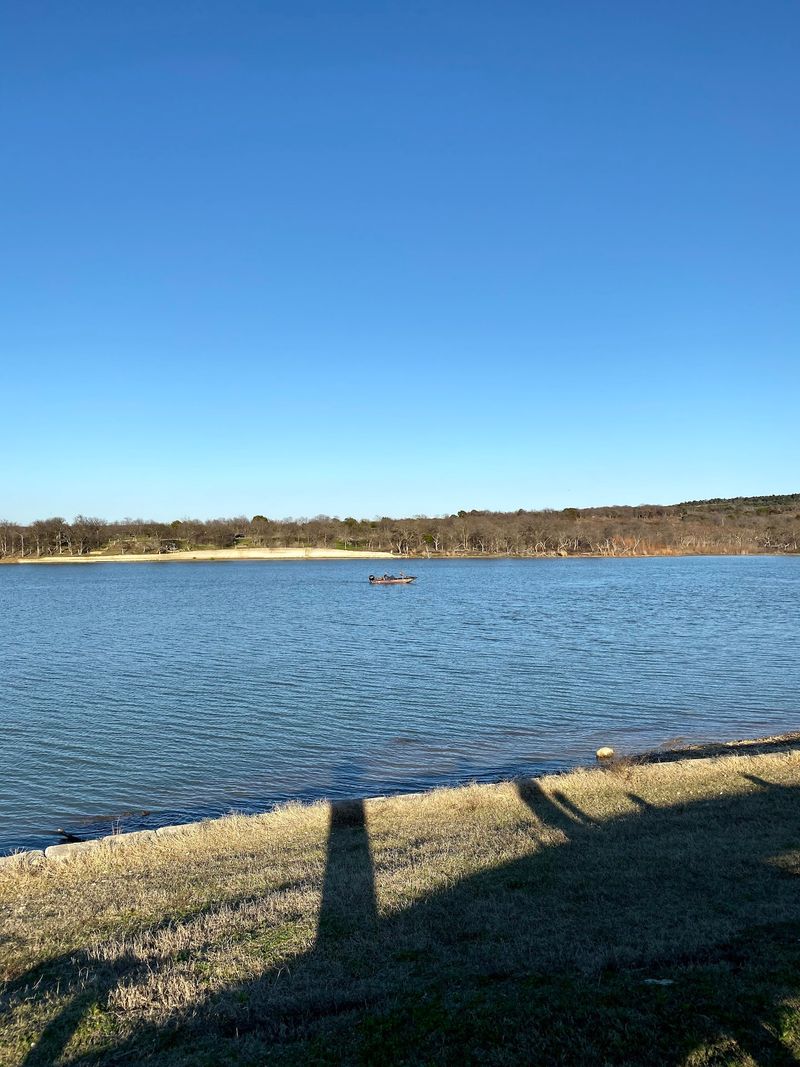
Tucked into the southwestern corner of the Dallas-Fort Worth metroplex, this 7,470-acre reservoir serves as both a water supply and recreation area. That dual purpose creates conflicts, and swimmers often get the short end of the stick. The Trinity River Authority manages water levels for municipal needs, which means recreational conditions take a back seat to utility demands.
Water quality here swings between acceptable and concerning depending on rainfall, temperature, and season. The lake receives drainage from a heavily urbanized watershed, meaning every parking lot, rooftop, and street in a huge area funnels runoff into these waters. That urban drainage carries motor oil, heavy metals, lawn chemicals, and bacteria straight into swimming areas.
Storm events can turn the lake into a toxic soup within hours.
The lake has a history of fish kills, which serve as a visible warning that something’s wrong with water quality. Low dissolved oxygen levels during hot summer months stress the ecosystem and create conditions that aren’t great for human swimmers either. When fish are struggling to breathe, you probably shouldn’t be putting your face in that water.
Designated swimming beaches are limited, and enforcement of swimming zones is inconsistent. This leads to people swimming in areas that weren’t designed or maintained for body contact recreation. Boat ramps, fishing piers, and rocky shorelines become impromptu swimming spots where no lifeguards patrol and hazards abound.
The lake bottom near these areas often contains fishing tackle, broken glass, and sharp rocks.
Power lines cross the lake in several locations, creating obvious dangers during storms but also marking areas where underwater structures and debris are common. The lake was created by damming Walnut Creek, and remnants of the old creek bed include concrete structures, culverts, and other industrial debris that pose entrapment risks. Combine these hazards with inconsistent water quality, limited supervision, and better alternatives nearby, and Joe Pool Lake becomes a swimming spot best avoided in favor of the many excellent public aquatic centers throughout Grand Prairie and surrounding cities.