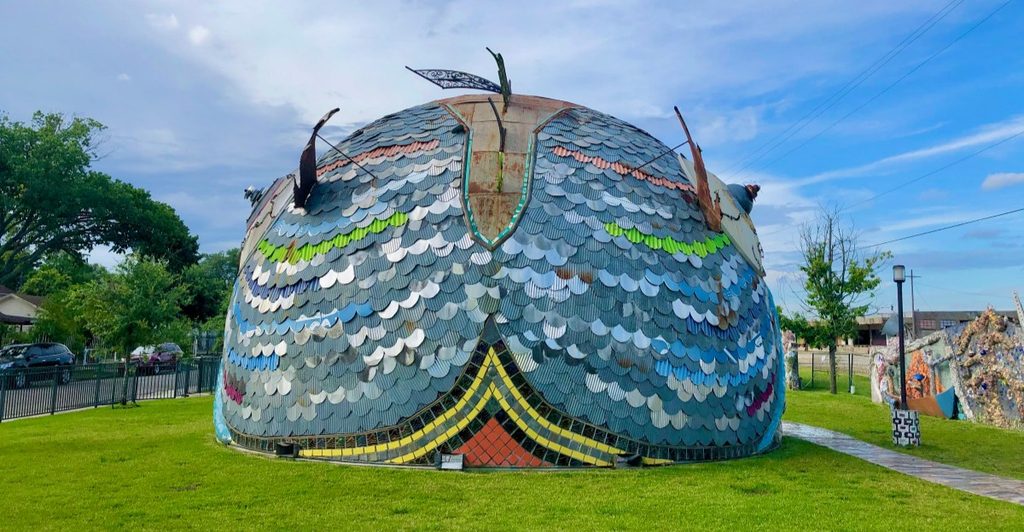
In Houston’s East End, Smither Park turns broken tiles, shattered glass, and discarded ceramics into a colorful outdoor art space that’s completely free to visit. This quirky neighborhood gem stretches along Munger Street, where local artists have spent years covering every available surface with colorful mosaics that tell stories, spark imagination, and prove that trash really can become treasure. Whether you’re hunting for the perfect Instagram shot or just need a peaceful spot to unwind, this whimsical wonderland offers something magical around every corner.
1. A Kaleidoscope of Recycled Materials Covering Every Surface
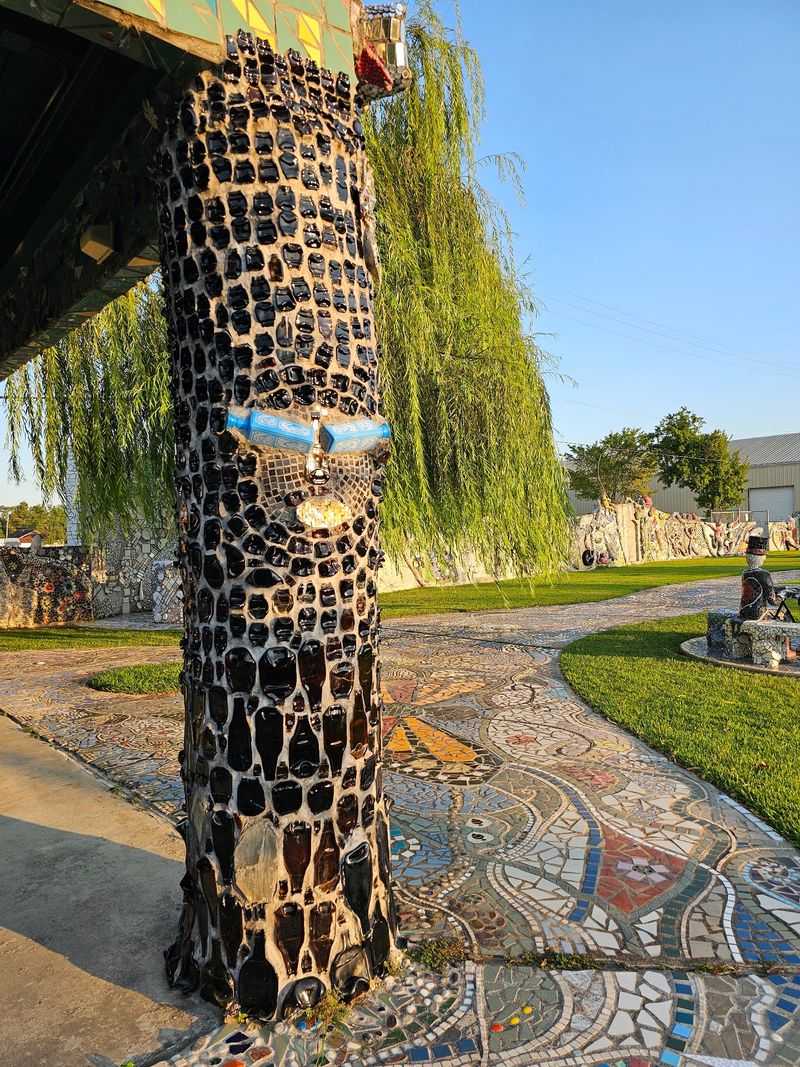
Walking into Smither Park feels like stepping inside a giant kaleidoscope that somebody built using everything from their grandmother’s broken china to old bottles found in alleyways. Artists didn’t just slap random pieces onto walls. They carefully arranged thousands of ceramic shards, glass fragments, and tile bits into intricate patterns that catch sunlight and throw rainbow reflections across the pathways.
The sheer variety of materials makes your eyes dance from one section to another. You’ll spot recognizable pieces like vintage plate edges, colorful bottle glass, mirror shards, and even old pottery that once held someone’s morning coffee. Every single surface tells a different story through its texture and color combinations.
What makes this approach so brilliant is how it gives new life to materials that would have ended up in landfills. Instead of rotting away somewhere, these discarded objects now create beauty that thousands of visitors admire each year. The artists behind these installations spent countless hours sorting through salvaged materials, finding just the right colors and shapes to bring their visions to life.
Kids especially love trying to identify individual pieces within the larger designs. You might catch them pointing out a blue glass chunk that looks like it came from an old medicine bottle, or a ceramic flower that once decorated someone’s kitchen backsplash. This treasure hunt aspect keeps families entertained for hours, making return visits feel fresh because you always notice something new.
2. Towering Sculptures That Make You Feel Like You’ve Shrunk
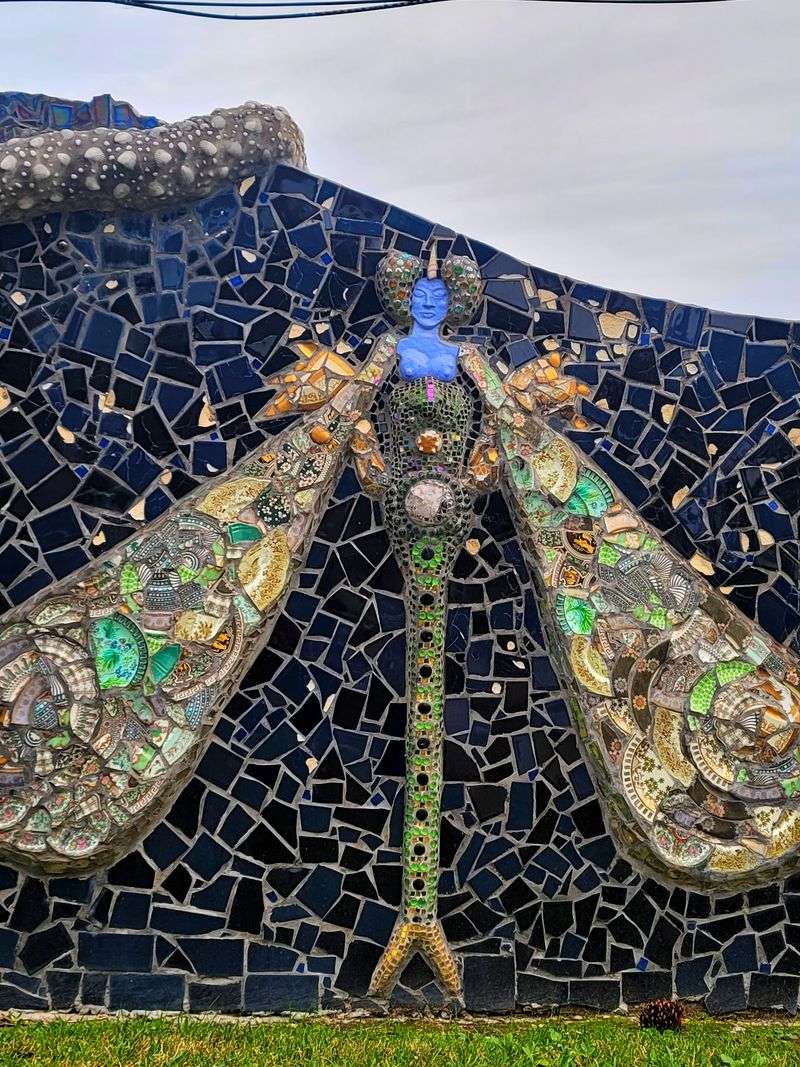
Forget those boring bronze statues you see in most parks. Smither Park features towering mosaic sculptures that look like they escaped from a fever dream and decided to set up permanent residence in Houston. Some reach over ten feet tall, covered head to toe in glittering tiles that form faces, animals, and abstract shapes that defy easy description.
The scale of these installations makes you feel temporarily tiny, like Alice after she drank the shrinking potion. One particularly impressive piece resembles a massive robot figure that dominates the central area, though some visitors have noted its interactive features need occasional repairs. Other sculptures twist and curve in ways that challenge your perception, creating perfect photo opportunities from multiple angles.
Artists clearly weren’t afraid to go big with their creative visions. They built armatures strong enough to support hundreds of pounds of tile and glass, then spent months covering every inch with carefully selected pieces. The construction process alone deserves respect, considering Houston’s brutal summer heat and occasional flooding that could damage lesser works.
These sculptures serve as landmarks within the narrow park, helping visitors navigate and creating natural gathering spots. Families often use them as meeting points, while photographers circle them repeatedly trying to capture the perfect shot. The changing light throughout the day transforms their appearance, making morning visits look completely different from sunset explorations.
3. Bench Swings Perfect for Relaxing Between Art Adventures
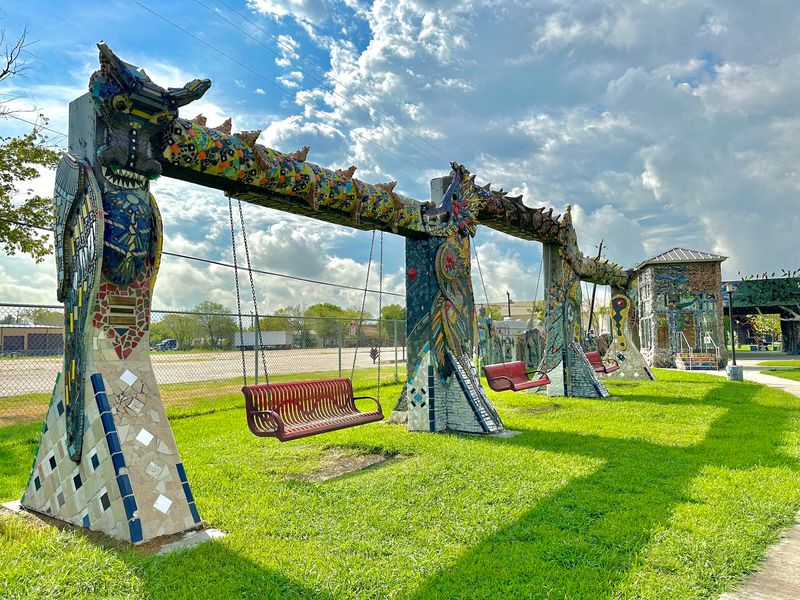
After wandering around gawking at all the visual stimulation, your feet will appreciate the mosaic-covered bench swings scattered throughout the park. These aren’t your standard playground swings. They’re sturdy benches suspended by chains, allowing you to gently rock back and forth while soaking in the artistic atmosphere surrounding you.
The swings themselves feature mosaic decorations that match the park’s overall aesthetic. Sitting on one feels like perching on a piece of functional art, which honestly describes the entire Smither Park experience. They’re positioned strategically to offer good views of nearby installations, so you can rest while still enjoying the scenery.
Couples often claim these swings for quiet conversations or romantic moments, while solo visitors use them for peaceful reflection. There’s something meditative about the gentle swaying motion combined with the visual feast of colors dancing across your field of vision. On cooler days, you might find all the swings occupied by neighbors who treat the park as their outdoor living room.
Parents appreciate having spots where they can sit and supervise while kids explore the safer areas nearby. The swings provide that perfect balance between engagement and rest that makes a park visit sustainable for mixed-age groups. Just remember this is a small neighborhood park, so being considerate about sharing these popular spots keeps everyone happy and maintains the welcoming community vibe.
4. A Little Free Library Tucked Among the Mosaics
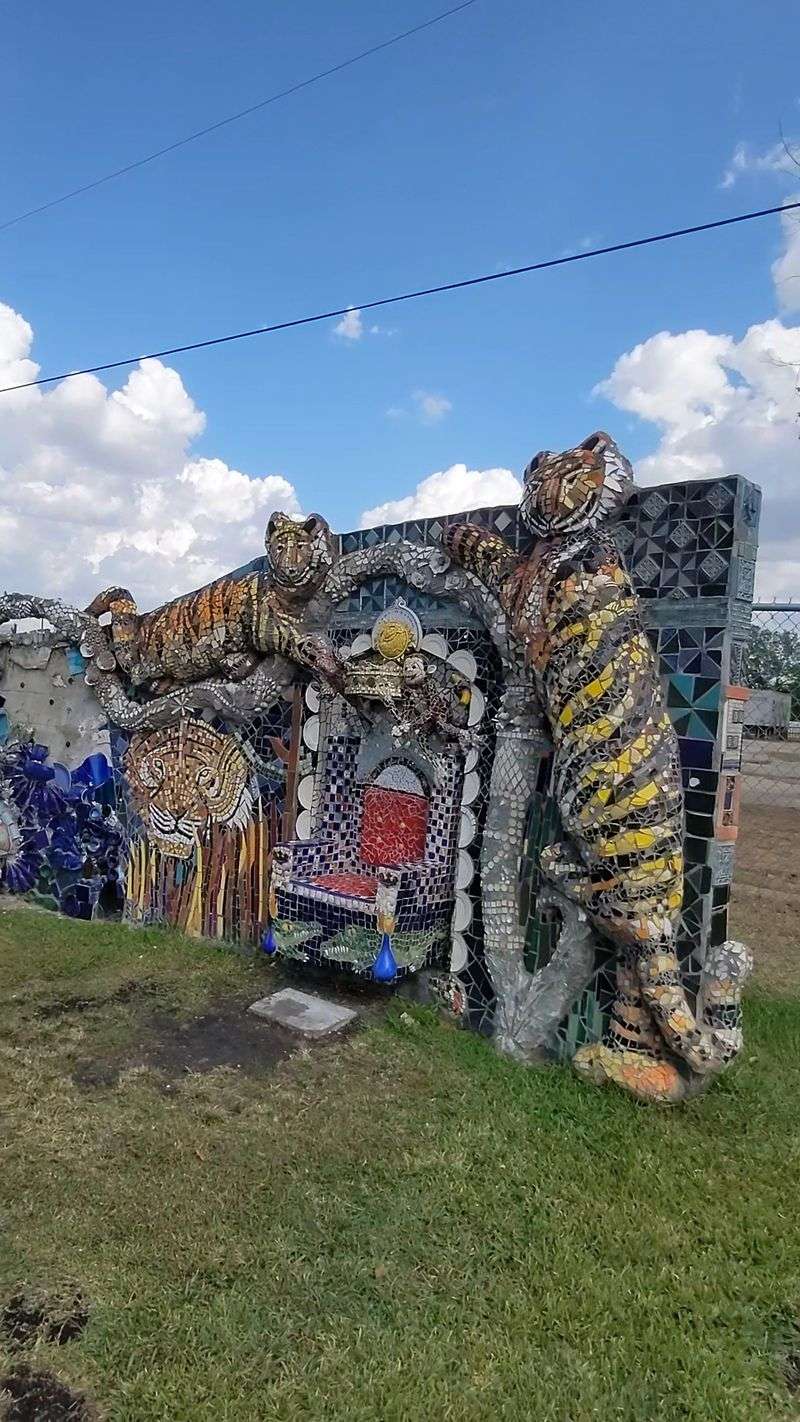
Bookworms get an extra treat at Smither Park thanks to a Little Free Library nestled among the colorful installations. This charming book exchange box follows the take-a-book, leave-a-book philosophy that has created mini libraries in neighborhoods worldwide. Naturally, the Smither Park version comes decorated with mosaics that help it blend seamlessly into its artistic surroundings.
The library adds an interactive element beyond just looking at pretty art. Visitors can browse whatever titles previous guests have left behind, potentially discovering their next favorite read. The selection changes constantly depending on what people donate, creating a revolving collection that might include anything from children’s picture books to mystery novels.
This thoughtful addition reflects the community-focused spirit that makes Smither Park special. It’s not just about showcasing art for art’s sake. The park functions as a genuine neighborhood gathering space where people share resources and connect over common interests like reading and creativity.
Families often make checking the Little Free Library part of their park routine. Kids get excited about the surprise element, never knowing what treasures might be waiting inside. Some regular visitors even make a habit of bringing books specifically to donate, ensuring the library stays stocked with quality options.
The library’s presence also extends visit times naturally. Someone who initially planned a quick photo stop might end up settling on a bench with an unexpected book find, spending an extra hour immersed in both literature and visual art. That’s the kind of spontaneous magic that makes Smither Park memorable.
5. Free Admission That Makes Art Accessible to Everyone

Here’s the best part about this entire mosaic wonderland: it costs exactly zero dollars to experience. No admission fees, no parking charges, no hidden costs that suddenly appear when you’re ready to leave. Smither Park operates as a completely free public space, making it accessible to anyone regardless of their budget situation.
This free admission policy matters more than you might initially think. Many families struggle to afford entertainment options, especially in a city where attractions can quickly drain wallets. Having a place where kids can explore, play, and experience professional-quality art without spending money removes financial barriers that often limit cultural experiences.
The park’s commitment to accessibility extends the original vision of transforming discarded materials into something valuable. Just as broken tiles find new purpose, people from all economic backgrounds find welcome here. You’ll see diverse crowds mixing naturally, from art students sketching installations to neighborhood kids using the space as their after-school hangout.
Free admission also encourages repeat visits that deepen appreciation over time. When you don’t have to justify ticket costs, you’re more likely to stop by casually, maybe just for twenty minutes during an evening walk. These brief but frequent encounters often create stronger connections than single marathon visits to expensive attractions.
The only potential cost involves street parking, though reviews consistently mention finding plenty of available spots in the surrounding residential area. Just be respectful about where you park since this is an active neighborhood where people actually live and need access to their homes.
6. Photo Opportunities Around Every Single Corner
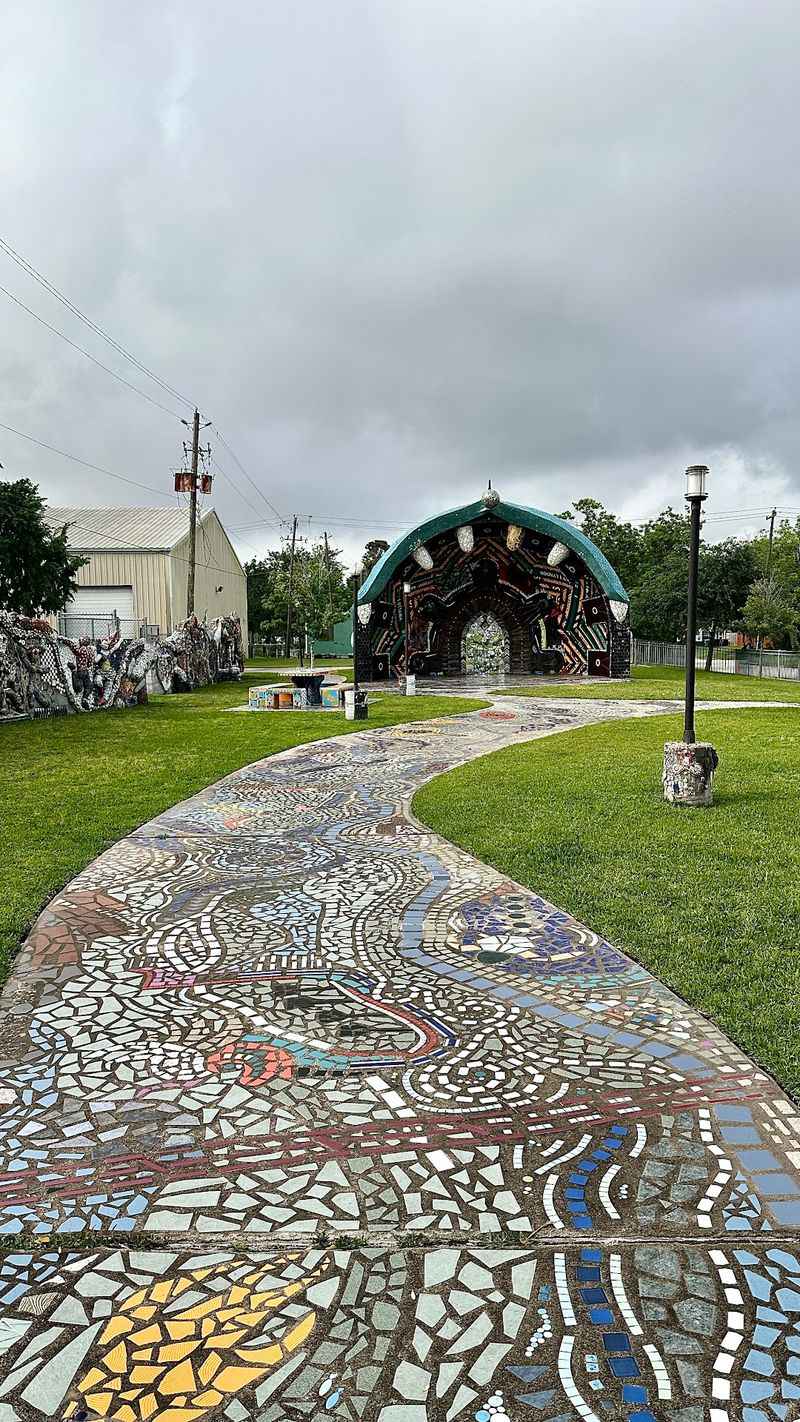
Instagram influencers and casual photographers alike lose their minds over Smither Park’s endless photo opportunities. Seriously, you cannot point your camera in any direction without framing something visually interesting. Every wall, sculpture, pathway, and bench offers a different backdrop bursting with colors and textures that make even smartphone snapshots look professionally composed.
The park’s narrow, linear layout actually works in photographers’ favor. You can systematically work your way from one end to the other, stopping every few feet to capture different installations without missing anything. Natural lighting changes throughout the day create completely different moods, so morning golden hour produces softer, warmer tones while midday sun makes colors pop with intense vibrancy.
What separates Smither Park from typical photo spots is the genuine artistic merit behind every frame. You’re not just taking pictures in front of a painted wall. You’re documenting intricate mosaic work that represents hundreds of hours of skilled craftsmanship.
That depth shows up in your photos, giving them substance beyond simple pretty colors.
Families love using the park for casual portrait sessions without hiring expensive photographers. The varied backgrounds mean you can shoot an entire gallery of images in one location, each looking distinctly different from the others. Engagement photos, birthday pictures, and even graduation shots happen here regularly, with the mosaics adding personality that generic outdoor settings lack.
Just remember to be considerate of other visitors when setting up shots. The park’s small size means your elaborate photo session might block pathways or installations that others want to enjoy. Quick courtesy and awareness keep everyone happy.
7. Artists Actively Creating New Works While You Visit
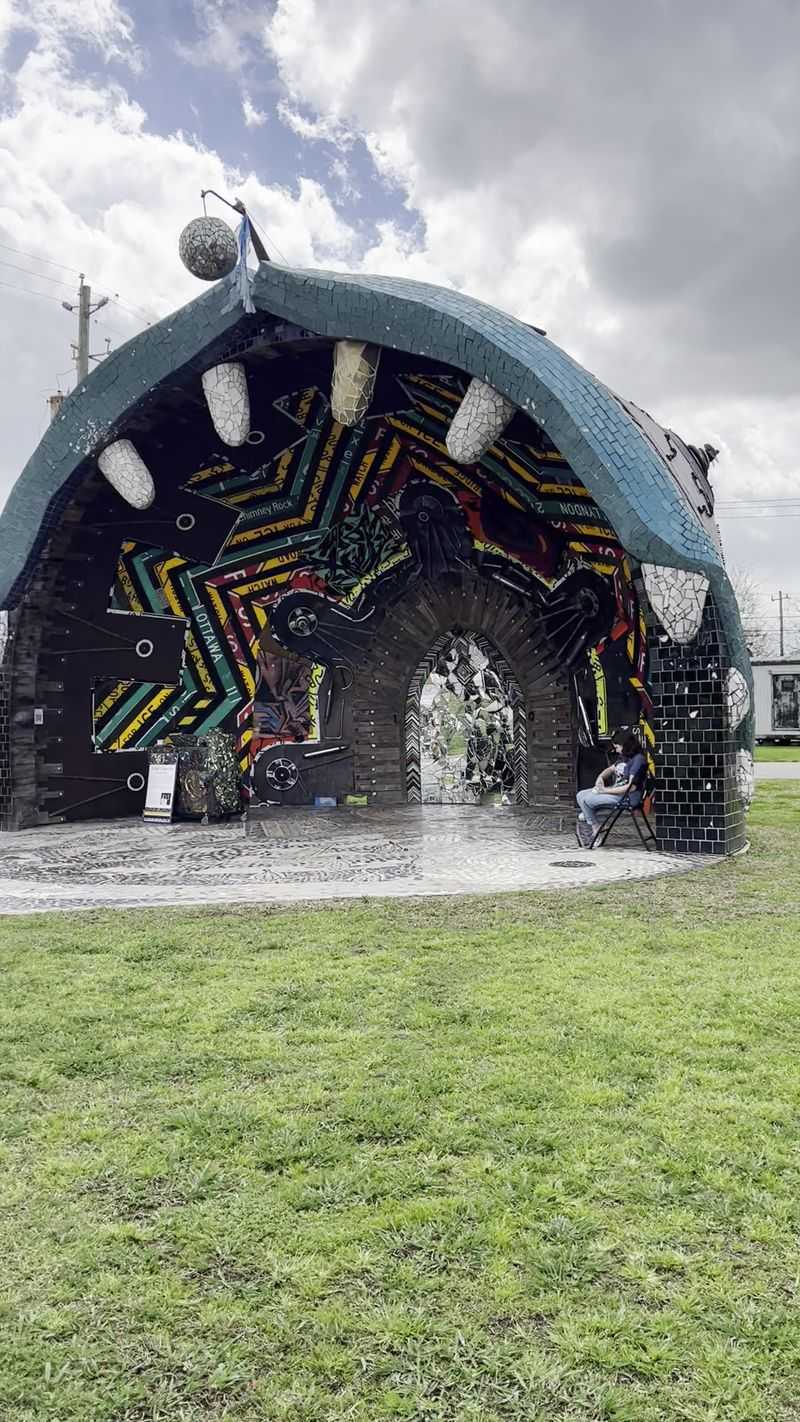
One of the coolest aspects of visiting Smither Park is catching artists in action, actively adding new mosaic elements to existing installations or starting fresh projects. This isn’t a static museum where everything stays frozen in time. The park functions as a living, evolving art space where creation happens continuously.
Watching skilled mosaic artists work provides fascinating insight into the painstaking process behind these beautiful installations. They sort through piles of broken materials, testing different color combinations and shapes before committing pieces permanently with adhesive and grout. The patience required becomes obvious when you see how long it takes to cover even a small section.
Many artists welcome questions from curious visitors, happily explaining their techniques and inspiration. These impromptu conversations add educational value to your visit, especially for kids who might not realize how much planning and skill goes into mosaic work. Seeing the creation process firsthand often inspires young visitors to try similar projects at home.
The park occasionally hosts community mosaic days when regular folks can participate in adding pieces to designated areas. These events strengthen neighborhood bonds while ensuring the park continues growing and changing. Even if you miss organized events, the ongoing presence of working artists reminds you that Smither Park belongs to the community, not just professional creators.
This active creation element also means return visits always reveal something new. That blank wall from your last trip might now explode with colorful patterns. The sculpture that seemed finished could have gained additional details.
The ever-changing nature keeps the park fresh and gives you legitimate reasons to come back repeatedly.
8. A Peaceful Neighborhood Escape from Houston’s Chaos
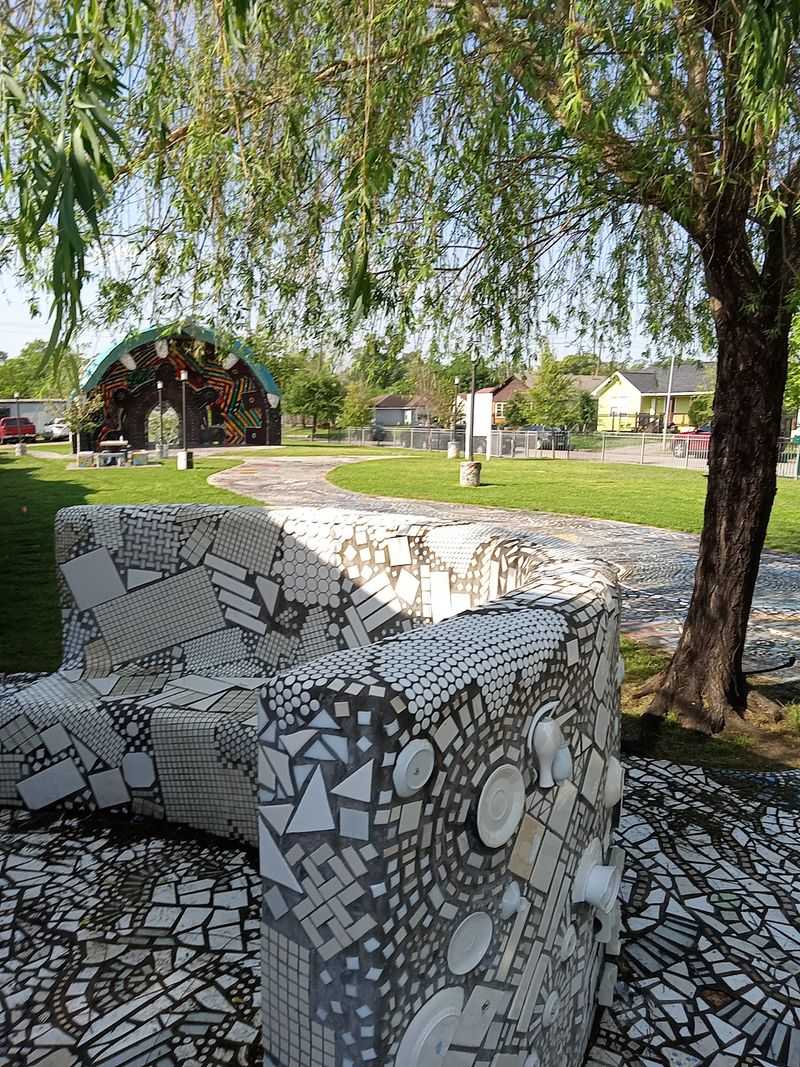
Despite sitting in the middle of a major city, Smither Park manages to create a surprisingly peaceful atmosphere that feels worlds away from Houston’s typical traffic chaos and urban stress. The residential neighborhood location keeps crowds manageable most days, allowing for quiet contemplation that’s hard to find at more popular tourist destinations.
The park’s narrow, elongated shape naturally limits how many people can occupy the space comfortably at once. This built-in crowd control means you rarely deal with the overwhelming masses that can ruin visits to other Houston attractions. Even on busier weekends, the atmosphere stays relatively calm and contemplative rather than chaotic and rushed.
Many reviews mention the almost meditative quality of wandering among the mosaics, with the visual complexity providing a focal point that quiets anxious minds. There’s something healing about seeing broken pieces transformed into beautiful wholes, a metaphor that resonates deeply with visitors working through their own challenges. The art becomes more than decoration; it offers genuine emotional comfort.
Local residents clearly treasure the park as their peaceful refuge, treating it with respect that maintains the tranquil vibe. You’ll often see solo visitors sitting quietly on benches, couples having low-voiced conversations, or individuals slowly walking the pathways while lost in thought. This collective understanding that Smither Park serves as a calm oasis creates an unspoken agreement to preserve that atmosphere.
The lack of commercial elements enhances the peaceful feeling. No vendors shouting, no loudspeakers blaring announcements, no admission gates creating bottlenecks. Just art, nature, and the gentle sounds of a residential neighborhood going about its day around you.