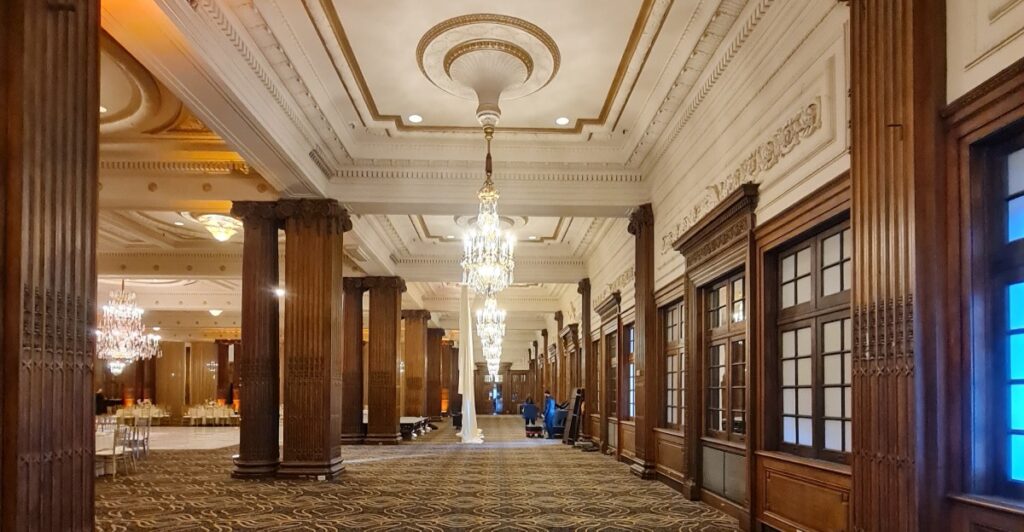
A grand old store in the heart of Philadelphia holds a musical surprise that still amazes visitors. The Wanamaker Building is home to the world’s largest fully operational pipe organ, a giant instrument that can fill the whole space with sound and make an ordinary shopping trip feel like a step back in time. People come for its history, its beloved holiday traditions, and the famous eagle statue inside, which has become one of the building’s most recognizable features.
The impressive architecture and sense of grandeur only add to the experience, making it easy to understand why this place has remained such a memorable part of the city. Even if you only stop in for a short visit, this landmark feels like a piece of Philadelphia’s memory brought to life.
1. A Storefront With a Giant Musical Secret
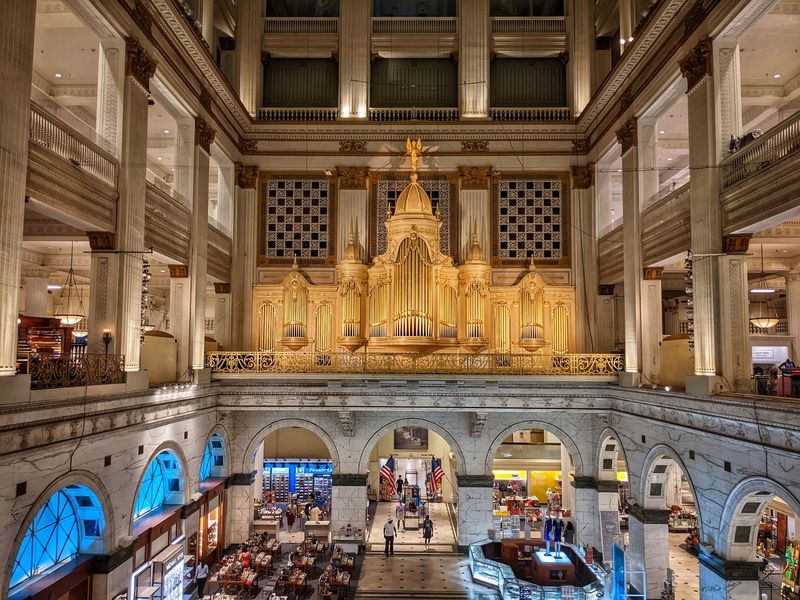
Walk through the doors at 100 E Penn Square, and the space feels too grand to be an ordinary store.
The Wanamaker Building began as a famous department store, but its biggest surprise is the huge pipe organ built into the grand court.
Visitors often look up before they look around.
The organ is not tucked away in a church or concert hall.
It stands inside a historic shopping space, which makes every note feel unexpected and special.
If you visit, give yourself time to stand still and listen.
The building can be busy, but the organ turns the room into a shared experience.
Check current access before going, since the building has been changing.
Even so, the organ, the architecture, and the memories tied to this place remain a rare Philadelphia treasure.
2. The World’s Largest Fully Operational Pipe Organ
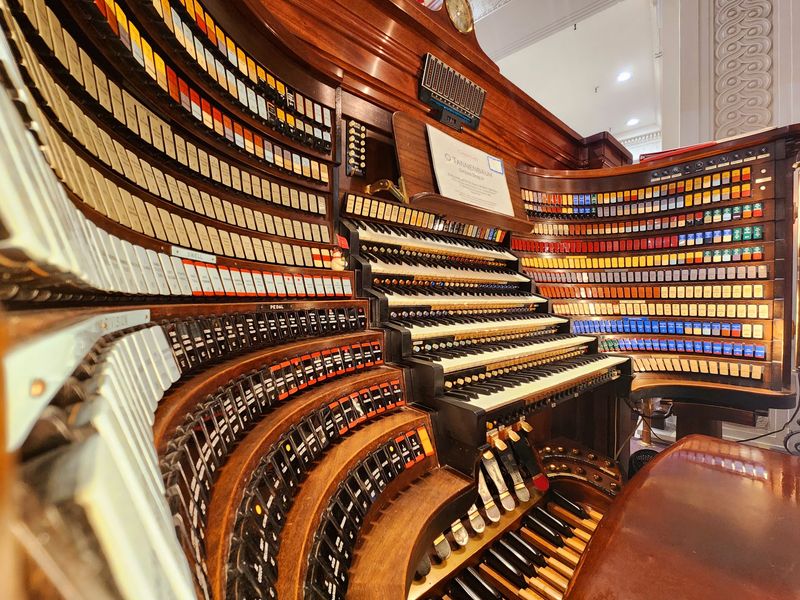
Imagine an instrument so large that it seems to belong to the building itself.
The Wanamaker Organ is known as the world’s largest fully operational pipe organ, with thousands of pipes spread through the structure.
Some pipes are tiny, while others are massive enough to make deep sounds you can feel in your chest.
Reviews often mention different counts, including around 22,000 to 28,000 pipes, because the organ has grown and changed over time.
Either way, its size is hard to picture until you hear it.
For the best visit, look for posted performance times before you arrive.
Daily concerts have long been a favorite feature, though schedules can change.
Stand in the grand court or explore an upper level viewing area if available.
The sound fills the space in a way recordings cannot match.
3. Free Concerts That Stop Shoppers in Their Tracks
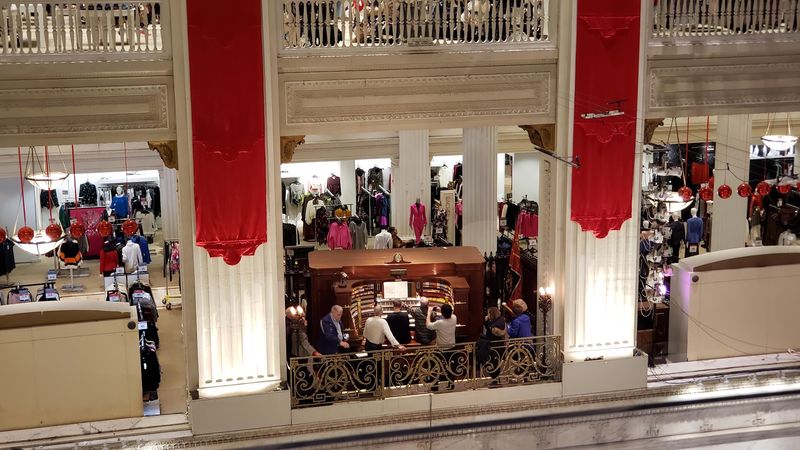
A normal city errand can suddenly feel like a concert when the organ begins to play.
For many years, visitors have timed their trips around the Wanamaker Organ performances, which are often free and open to the public.
The music can be bright, bold, soft, or thunder-like, depending on what the organist plays.
Past visitors have mentioned weekday performances, including noon and late afternoon times, but you should always confirm the current schedule before making plans.
Renovations, holidays, or building changes can affect access.
Arrive early if you want a better spot, especially during the Christmas season.
Upper levels may give a clearer view, and some areas have used screens to show the organist at work.
Even a short concert can make the visit feel meaningful, because few places let you hear history this loudly.
4. Meet Me at the Eagle, a Philadelphia Tradition
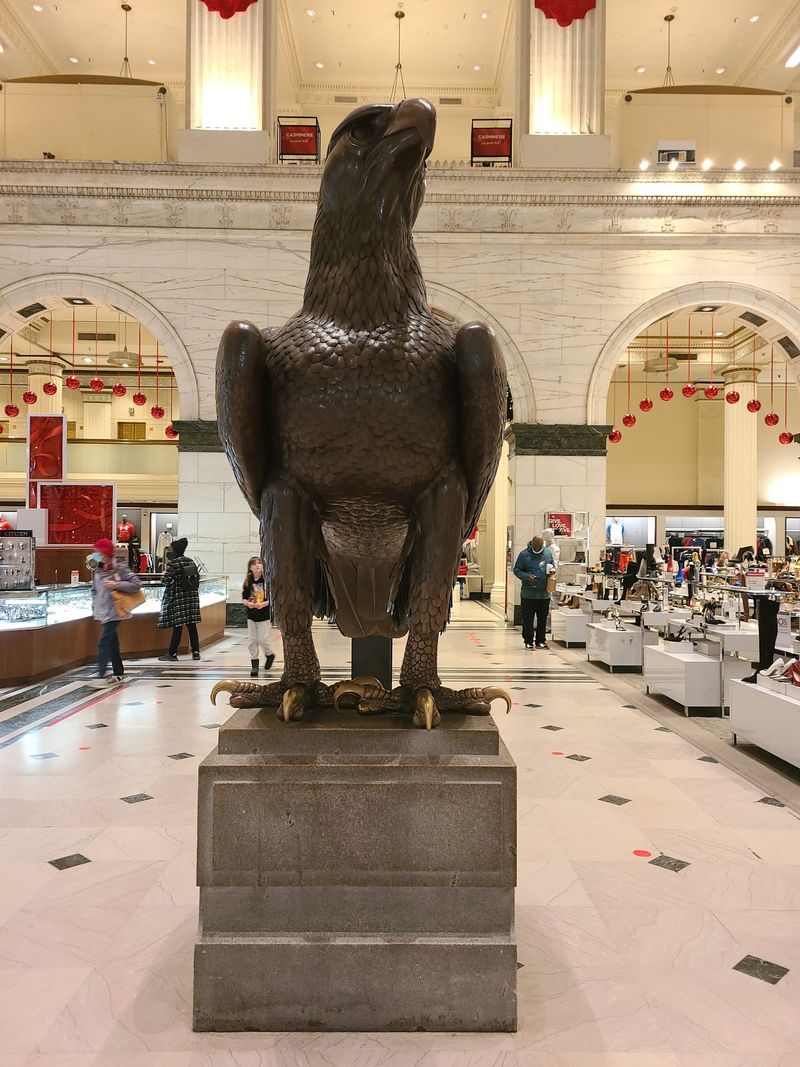
Long before cell phones made meeting easy, Philadelphians had a simple plan: meet at the eagle.
The great bronze eagle statue inside The Wanamaker Building became one of the city’s most loved gathering spots.
Families, friends, shoppers, and holiday visitors have used the eagle as a meeting point for generations.
It is large, easy to find, and surrounded by the building’s grand details.
Many locals connect it with childhood trips, special outings, and December traditions.
When you visit, take a moment to notice how the eagle anchors the space.
It is more than a statue.
It is a public memory marker.
If you are going with a group, the eagle is still a smart place to meet before an organ concert or holiday show.
Snap a photo, but leave room for others doing the same.
5. Holiday Lights, Dickens Village, and Big Memories
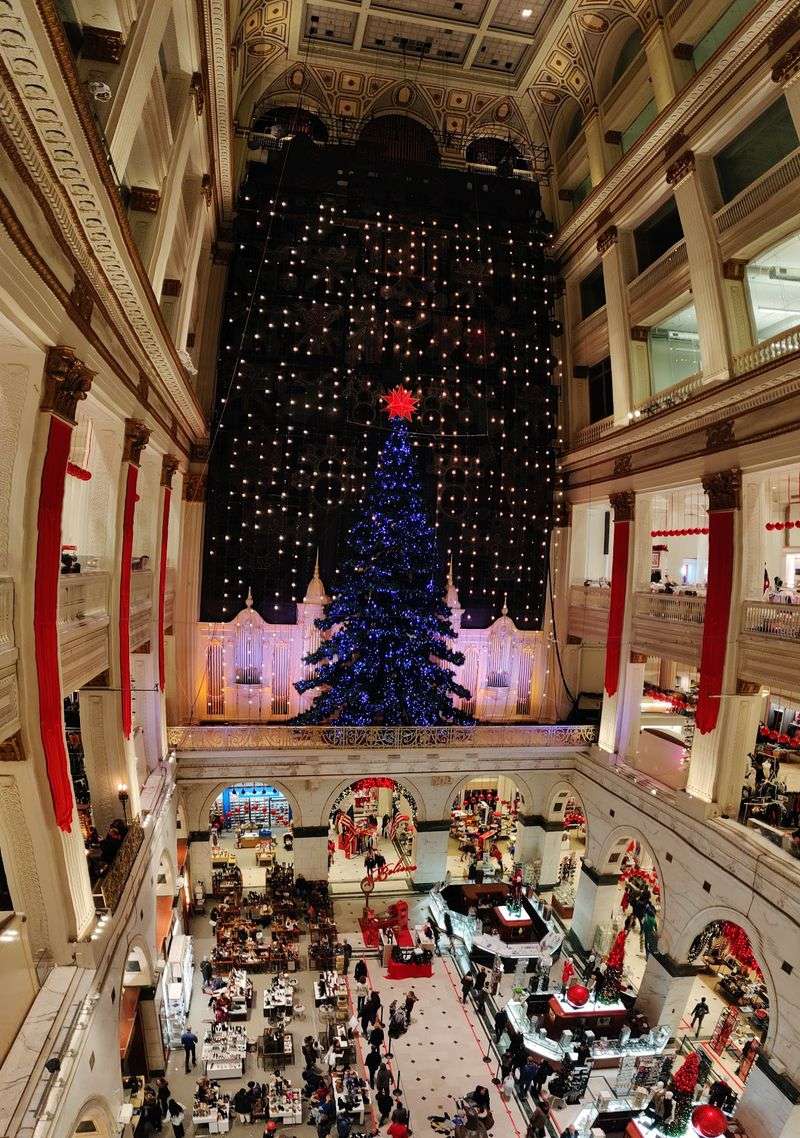
For many families, the Wanamaker holiday show is not just an event.
It is a yearly memory.
Visitors remember coming as children, then returning with their own kids to see lights, music, and festive displays.
The Christmas Light Show and Dickens Village have drawn crowds for years.
Dickens Village brings scenes from A Christmas Carol to life with detailed figures and old-fashioned charm.
The light show adds sparkle to the grand court, often pairing beautifully with organ music.
Holiday visits can get crowded, so plan ahead.
Free tickets or timed entry may be needed for certain displays, and lines can be long during peak hours.
Some visitors say later evening trips are easier.
If you want the full experience, arrive early for a good viewing spot, then leave time to enjoy the eagle, the architecture, and the organ.
6. Architecture That Makes You Look Up
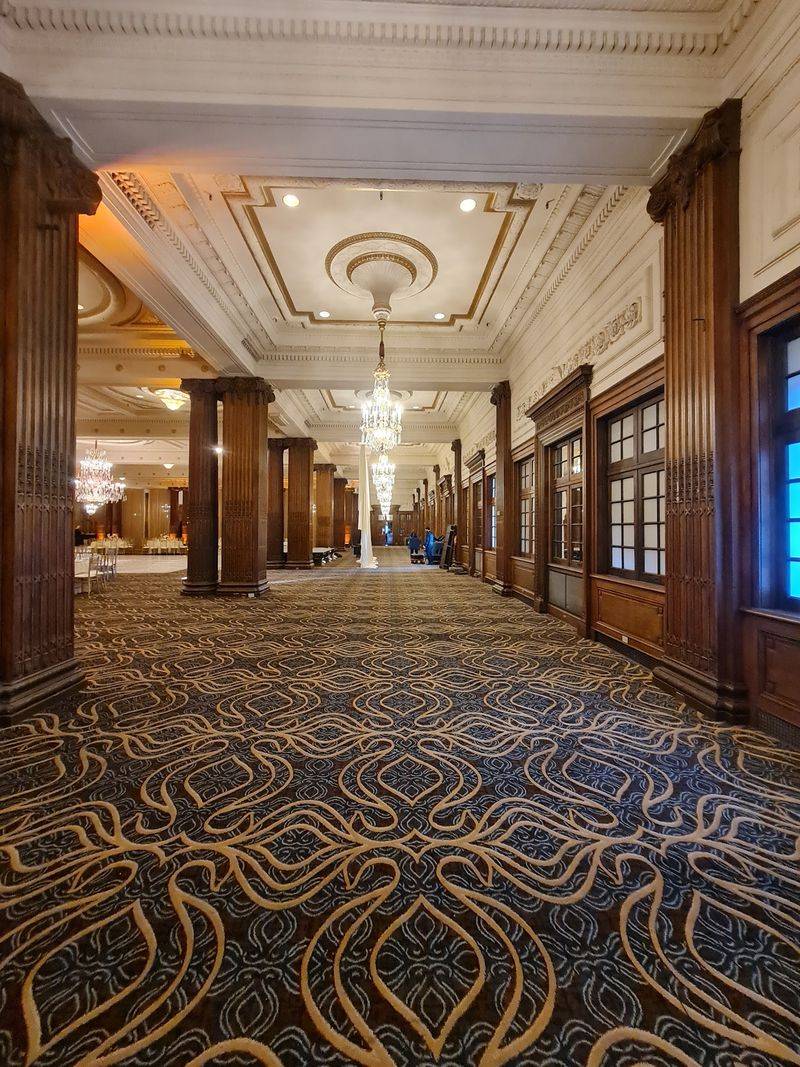
Even without a single note from the organ, the building can make visitors slow down.
The Wanamaker Building has the kind of grand design people often describe with one word: beautiful.
Its high open court, rows of balconies, detailed railings, and large columns show how important department stores once were in American cities.
Shopping was not meant to feel rushed.
It was meant to feel like an outing, with music, meeting places, and eye-catching design all under one roof.
Bring your camera, but also look closely with your own eyes.
Details can hide above doorways, along upper floors, and around the organ area.
Because the building has seen changes in retail use, some spaces may look different from old memories.
Still, the core beauty remains, and it helps explain why people care so deeply about its future.
7. Planning a Visit to 100 E Penn Square
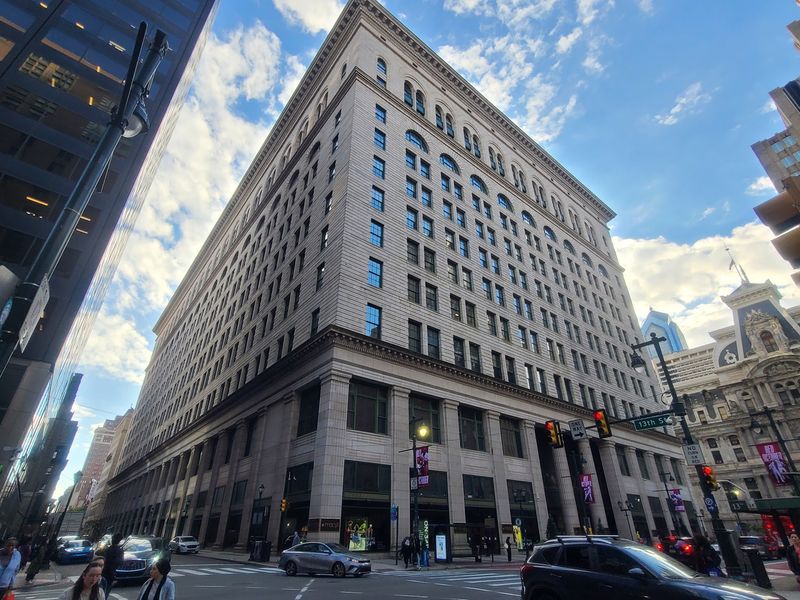
A little planning helps this landmark visit go smoothly.
The Wanamaker Building sits at 100 E Penn Square in Center City Philadelphia, close to City Hall and other major sights, so it is easy to add to a city day.
Public transit is often the simplest choice, especially during busy holiday weeks.
Driving can be stressful, and some visitors have complained about the parking garage being tight and hard to use.
If you must drive, check garage details ahead of time and allow extra patience.
Before leaving home, confirm building hours, organ performance times, and any holiday ticket rules.
The site has gone through changes, including retail closures and renovation plans, so old information may not be accurate.
Call or check the official website when possible.
A short, well-timed stop can reward you with music, history, and a true Philadelphia landmark.