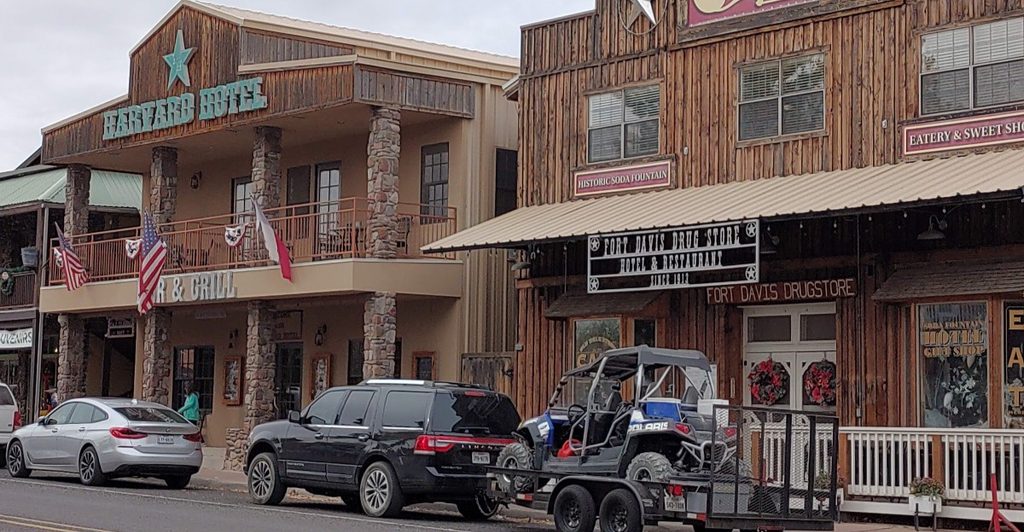
High in the rugged Davis Mountains of West Texas, Fort Davis still feels like one of the state’s most overlooked escapes. With a population barely topping 1,000 residents, this tiny mountain town sits at an elevation where the desert meets the sky, offering cool breezes and star-filled nights that feel worlds away from Texas’s big cities. Most travelers zoom past on their way to somewhere else, never realizing they’ve just missed a genuine slice of Old West charm mixed with natural wonders that rival anything in the state.
1. The Highest Town in Texas
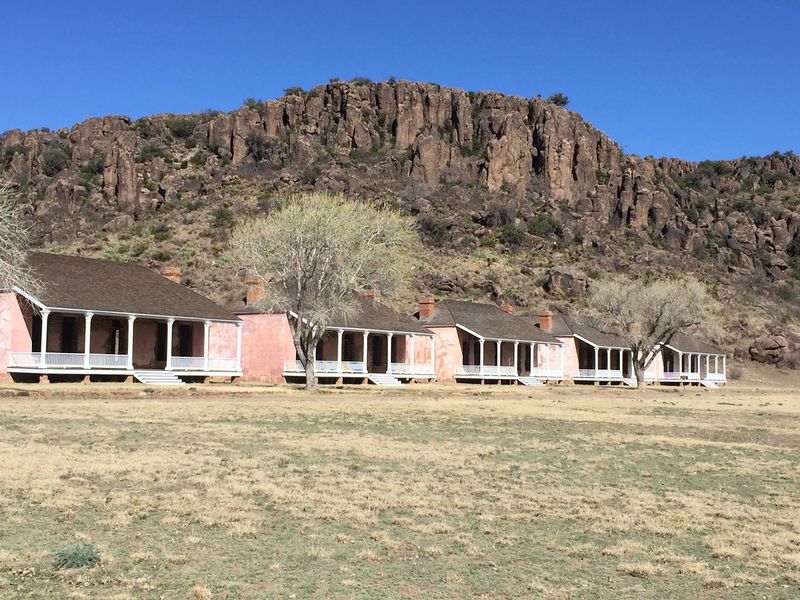
Fort Davis sits at 5,050 feet above sea level, making it the highest town in Texas. That elevation brings something most Texans only dream about during the scorching summer months: actual cool weather. When Houston and Dallas are melting under triple-digit heat, Fort Davis residents are enjoying temperatures 15 to 20 degrees cooler.
The mountain air feels different here. It’s crisp and clean, carrying the scent of juniper and pine instead of humidity. Locals joke that they need a jacket in July while the rest of Texas is running their air conditioners nonstop.
This climate difference isn’t just pleasant, it’s why the town became a military outpost in the first place back in the 1850s.
Walking through the small downtown, you’ll notice the historic stone buildings seem to blend right into the rocky hillsides. The town stretches along a valley with mountains rising on both sides, creating a natural bowl that protects it from harsh winds. It’s the kind of place where you can actually sit outside on a summer evening without sweating through your shirt.
The elevation also means thinner air, so if you’re planning to hike the surrounding trails, take it easy at first. Your lungs will need a day or two to adjust. But once you do, you’ll understand why early settlers chose this spot despite its remote location.
The weather alone makes Fort Davis feel like a different state entirely.
2. McDonald Observatory’s World-Class Stargazing
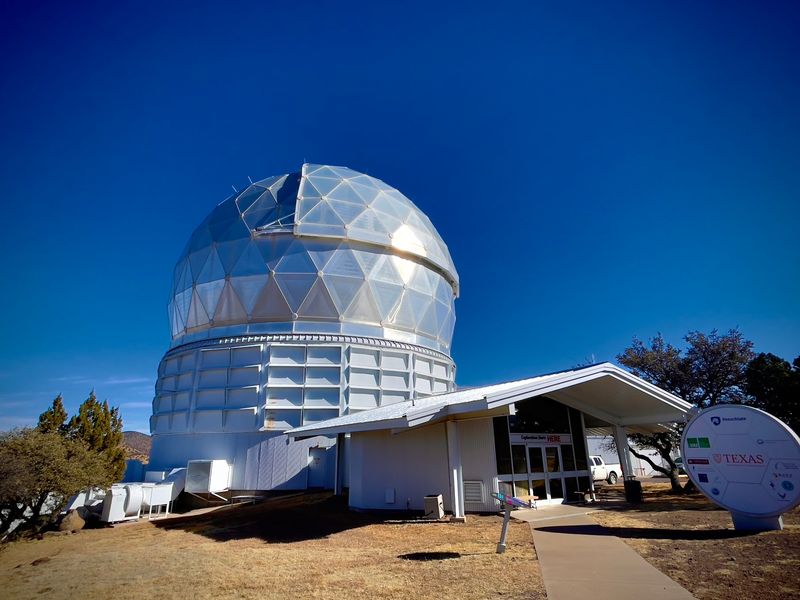
Perched on Mount Locke just 17 miles northwest of Fort Davis, the McDonald Observatory houses some of the most powerful telescopes in the world. The observatory chose this location for one simple reason: the skies here are among the darkest in North America. Light pollution is practically nonexistent, and on a clear night, you can see the Milky Way stretching across the sky like a river of stars.
The observatory offers public star parties several times a week, where visitors can peer through massive telescopes and see planets, nebulae, and distant galaxies with their own eyes. Professional astronomers guide you through the night sky, pointing out constellations and sharing stories about the universe. It’s not some cheesy tourist trap.
This is legitimate scientific research happening in real time, and they’re letting you be part of it.
During the day, you can tour the facility and learn how these enormous instruments work. The Hobby-Eberly Telescope, one of the largest in the world, looks like something from a science fiction movie. Kids especially love seeing the massive dome rotate and learning about black holes and distant planets.
The surrounding area is designated as a Dark Sky Community, meaning local ordinances protect the night sky by limiting artificial light. Street lamps are shielded, businesses dim their signs after hours, and residents take pride in preserving the darkness. When you look up at night in Fort Davis, you’re seeing the same stars pioneers saw 150 years ago.
3. Historic Fort Davis National Historic Site
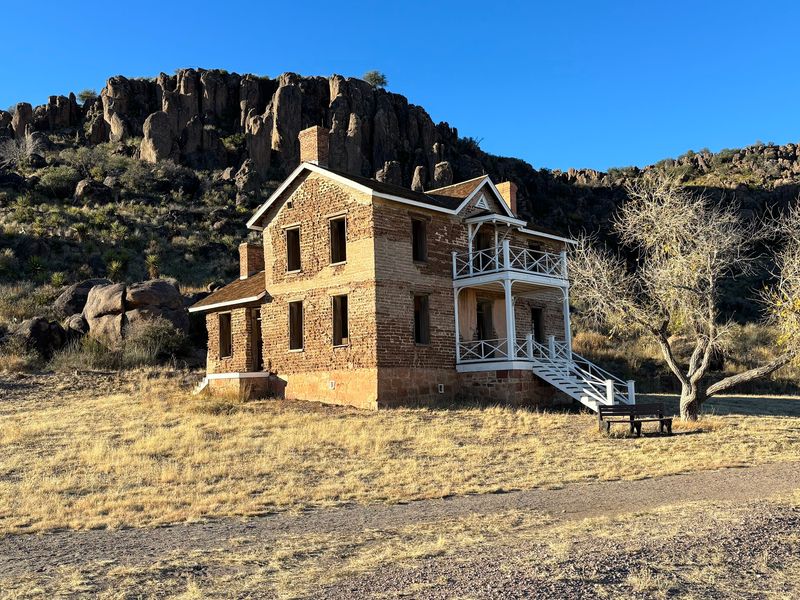
The actual fort that gave the town its name still stands on the northern edge of the community, remarkably well-preserved for a structure built in the 1850s. Fort Davis served as a critical military post protecting travelers and mail coaches on the San Antonio-El Paso Road from Apache and Comanche raids. Walking through the restored buildings feels like stepping back to a time when this was genuinely the edge of civilization.
The National Park Service maintains the site, and they’ve done an impressive job bringing history to life. Several buildings have been fully restored, including officers’ quarters, enlisted men’s barracks, and the hospital. You can peek into rooms furnished as they would have been in the 1880s, complete with period-appropriate furniture, uniforms, and personal items.
It’s not roped off behind velvet barriers. You can actually walk through and imagine what daily life was like for the Buffalo Soldiers who served here.
Speaking of Buffalo Soldiers, Fort Davis was home to several African American cavalry and infantry units after the Civil War. These troops played a crucial role in the Indian Wars and frontier defense, yet their contributions are often overlooked in history books. The fort’s museum does an excellent job telling their stories through artifacts, photographs, and personal accounts.
The surrounding landscape remains virtually unchanged from the 1800s. Mountains rise dramatically behind the fort, and the parade ground stretches out much as it did when soldiers drilled there. On certain days, park rangers in period costume demonstrate military drills and daily routines, bringing the past to life in ways that history books never could.
4. Davis Mountains State Park Adventures
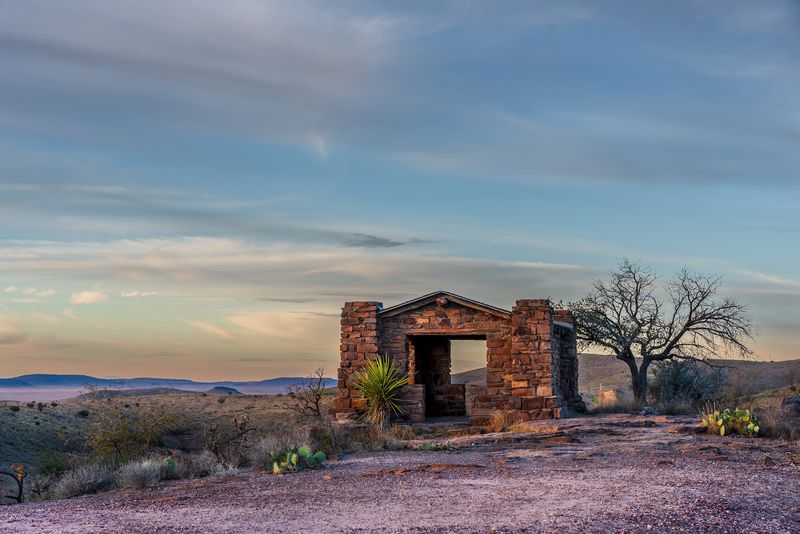
Just four miles west of town, Davis Mountains State Park sprawls across 2,700 acres of rugged mountain terrain that looks nothing like the flat Texas most people imagine. Hiking trails wind through canyons filled with juniper and oak trees, past rock formations that have been sculpted by wind and water over millions of years. The Montezuma quail scurry through the underbrush, and if you’re lucky, you might spot a mule deer or even a mountain lion track.
The park’s centerpiece is the historic Indian Lodge, a pueblo-style hotel built by the Civilian Conservation Corps in the 1930s. The lodge features thick adobe walls, hand-carved furniture, and a swimming pool fed by a natural spring. Staying here feels like sleeping in a piece of living history, except with modern plumbing and air conditioning.
Rooms book up months in advance, especially during peak stargazing season.
Hiking options range from easy nature walks to challenging climbs that’ll test your endurance at high altitude. The Skyline Drive Trail offers panoramic views of the surrounding mountains and valleys, while the Fort Davis Historical Trail connects the park to the national historic site. Early morning is the best time to hike, when the air is coolest and wildlife is most active.
The park also serves as a gateway to the more remote Chihuahuan Desert wilderness beyond. Serious backpackers can obtain permits for multi-day treks into areas where you won’t see another human soul for days. It’s the kind of solitude that’s increasingly hard to find in modern America.
5. Main Street’s Surprising Art Scene
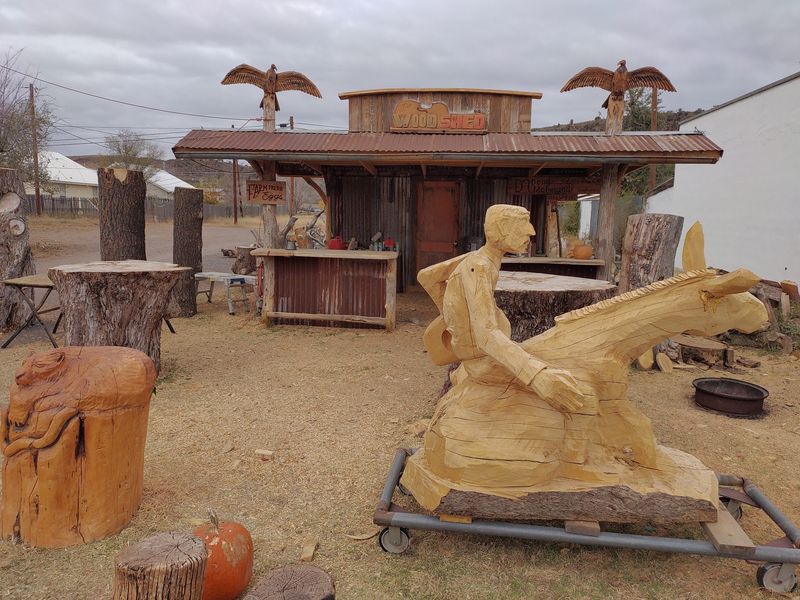
You wouldn’t expect a town of 1,000 people to have a thriving art community, but Fort Davis defies expectations. Main Street hosts several galleries showcasing work by local and regional artists who’ve been drawn to the area’s dramatic landscapes and clear light. Painters, sculptors, and photographers find endless inspiration in the surrounding mountains and big sky country.
The Chihuahuan Desert Nature Center and Botanical Gardens, just a few miles south of town, combines art with natural science. Sculptures dot the walking trails, and the visitor center regularly hosts exhibitions featuring nature-themed artwork. The gardens themselves showcase native plants adapted to the harsh desert climate, proving that beauty thrives even in seemingly inhospitable environments.
Several artists have converted old buildings into working studios where visitors can watch them create. It’s not unusual to strike up a conversation with a painter who left a corporate job in Houston or Dallas to pursue art full-time in this remote mountain town. They’ll tell you the same thing: the light here is different, the pace allows for creativity, and the community supports artistic endeavors in ways big cities never did.
The annual Fort Davis Plein Air event attracts artists from across the country who set up easels outdoors to capture the landscape in real time. Watching a painting emerge over the course of a few hours gives you a new appreciation for both the artist’s skill and the natural beauty surrounding you. Local shops sell everything from affordable prints to investment-quality original works.
6. Hotel Limpia’s Old West Hospitality
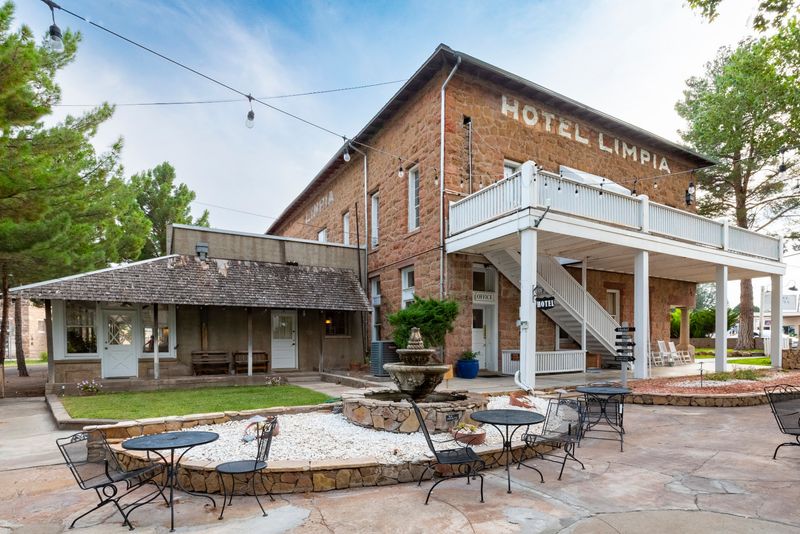
Built in 1912 from pink limestone quarried nearby, the Hotel Limpia anchors downtown Fort Davis with the kind of character modern hotels can’t replicate. The three-story building features wide porches, tall windows, and a lobby that still has the original pressed tin ceiling. Staying here means sleeping in rooms that once hosted ranchers, soldiers, and travelers making the long journey across West Texas.
Current owners have carefully updated the hotel while preserving its historic charm. Rooms feature antique furniture, thick walls that keep things cool even on hot days, and windows that actually open to let in that mountain breeze. There’s no elevator, so be prepared to climb stairs with your luggage.
But that’s part of the authentic experience.
The hotel’s restaurant serves surprisingly sophisticated food for such a remote location. The menu changes seasonally but focuses on regional ingredients and traditional recipes with modern twists. Their steaks come from nearby ranches, and the chef isn’t afraid to incorporate wild game or foraged ingredients.
Breakfast on the veranda, watching the town wake up, might be the most peaceful meal you’ll eat all year.
The hotel also operates several nearby historic buildings that have been converted into additional guest rooms and suites. Each has its own personality and history. Some date back to the 1880s and feature original woodwork and stone fireplaces.
Booking one of these feels like renting your own piece of frontier history for the night, complete with modern bathrooms and comfortable beds.
7. Scenic Loop Drive Through Mountain Passes
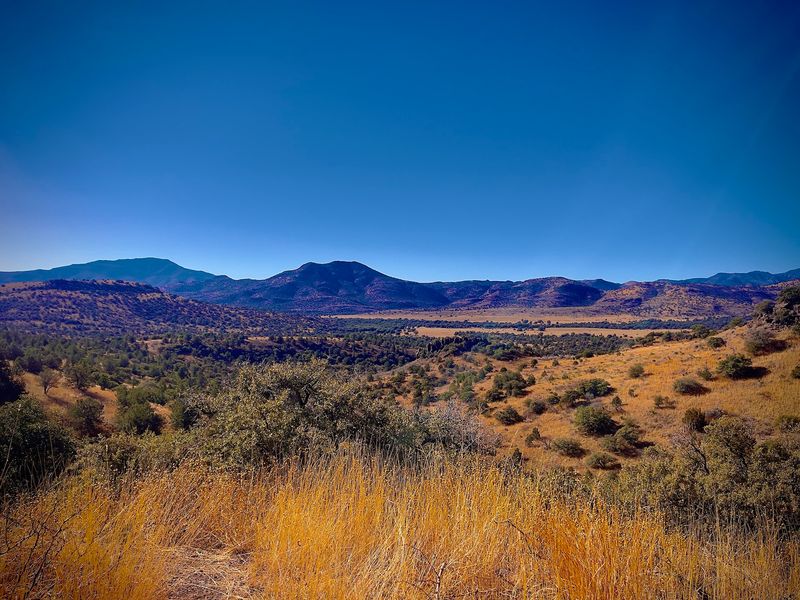
The 75-mile Scenic Loop that starts and ends in Fort Davis ranks among the most beautiful drives in Texas, yet hardly anyone outside the region knows it exists. The route climbs through mountain passes, descends into valleys, and offers pull-offs where you can stand at the edge of cliffs overlooking landscape that stretches to the horizon. This isn’t the Texas of oil wells and flat prairies.
This is genuine mountain country with elevation changes that’ll make your ears pop.
Highway 118 heading north takes you past the McDonald Observatory turnoff and continues climbing toward the highest paved road in Texas. The views from the top are stunning on clear days, with layers of mountains fading into the distance like a watercolor painting. Wildflowers bloom along the roadside in spring, adding splashes of color to the rocky terrain.
The eastern leg follows Highway 166 through Musquiz Canyon, where the road narrows and twists through rock walls that rise on both sides. It’s a bit nerve-wracking if you’re not comfortable with mountain driving, but the scenery makes it worthwhile. Pull over at one of the small turnouts and listen to the absolute silence.
No traffic noise, no sirens, just wind and maybe a bird calling from somewhere in the canyon.
The entire loop takes about three hours if you drive straight through, but you’d be missing the point. Pack a lunch, bring binoculars, and plan to spend the whole day exploring. There are hiking trails, historical markers, and scenic overlooks scattered along the route.
Don’t rush it.
8. Small-Town Life That Actually Works
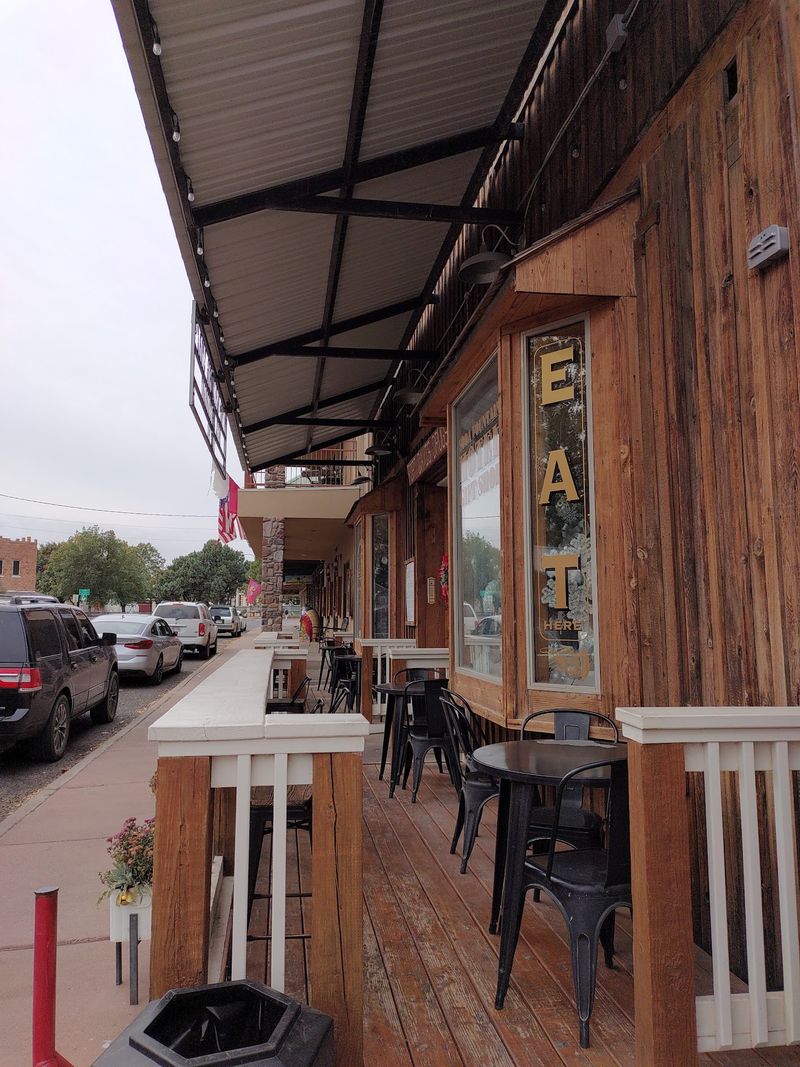
What makes Fort Davis truly special isn’t any single attraction. It’s the way the whole town functions like communities used to before everyone moved to cities. People know their neighbors, local businesses are actually owned by locals, and the pace of life allows for conversations that last longer than a quick transaction.
The post office is still a gathering place where you might spend 20 minutes chatting with folks you haven’t seen in a week.
The town hosts regular community events that bring everyone together. There’s a farmers market in season, outdoor concerts in the summer, and holiday celebrations that involve the entire population. These aren’t manufactured tourist events.
They’re genuine community traditions that happen whether visitors show up or not. You’re welcome to join, but the town doesn’t need your approval or attendance to justify its existence.
Local businesses operate on a refreshingly human schedule. Some close on Sundays because the owners want a day off. Others might shut down for a week when the owners take vacation.
There’s no corporate headquarters demanding 24/7 availability. If a shop is closed, you come back tomorrow. This frustrates some visitors who expect everything to cater to their schedule, but it’s precisely this independence that keeps Fort Davis feeling authentic.
The cost of living remains reasonable compared to Texas cities, which is why artists, retirees, and remote workers have been quietly discovering the area. They’re not trying to change the town into something trendy. They’re embracing what already exists, a functioning small community that prioritizes quality of life over endless growth.