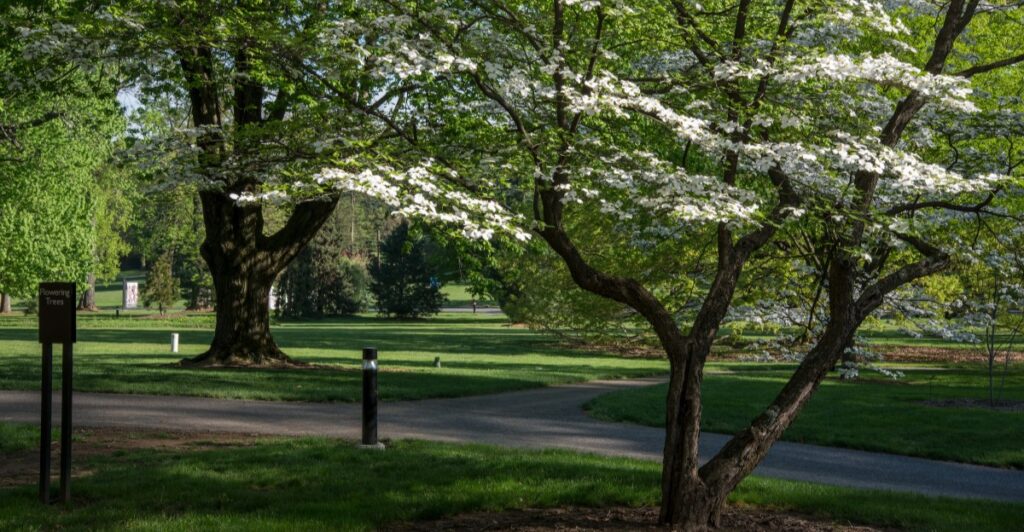
Louise Arnold Tanger Arboretum is a quiet and relaxing outdoor spot located at 230 N President Ave in Lancaster, Pennsylvania. It is free to visit, open 24 hours, and filled with many different kinds of marked trees, giving visitors a chance to explore nature while staying close to the city. As you walk around the arboretum, you can read the labels on the trees, learn about different species, and take in the peaceful surroundings.
The area is a great place to slow down, enjoy some fresh air, or take a break from the noise and activity of everyday life. It can also be a nice spot for a casual walk, spending a little time outdoors, or simply enjoying the scenery. Because it is easy to access and does not cost anything to visit, it is a convenient place for both locals and visitors. If you like nature, history, trees, or simple walks in peaceful surroundings, this hidden arboretum is definitely worth taking some time to explore.
1. A Free Green Escape In The City
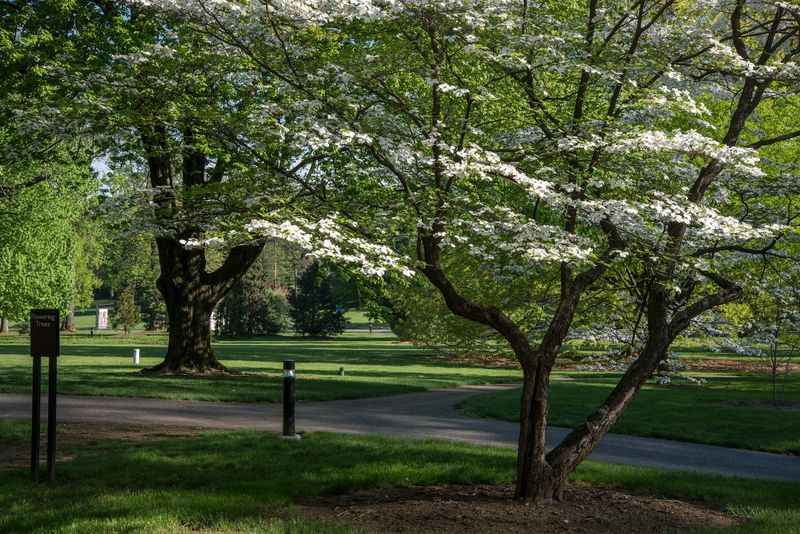
Free outdoor places can feel like small gifts, and Louise Arnold Tanger Arboretum is one of Lancaster’s easiest gifts to enjoy.
The grounds are open to the public at no cost, so visitors can stop by for a short walk, a quiet pause, or a simple look at unusual trees.
The arboretum sits at 230 N President Ave, close to LancasterHistory and the Wheatland area.
Because it is open 24 hours, it can fit into many schedules, though daylight visits are best for reading labels and seeing the plantings clearly.
Bring comfortable shoes, water, and a little curiosity.
The space is not a flashy attraction, but that is part of its charm.
It offers a calm, useful way to spend time outside without buying a ticket or planning a full day trip.
2. Rare Trees That Reward Slow Looking
A tree lover might walk in expecting a small neighborhood garden and leave happily surprised.
Reviews often praise the arboretum’s diverse tree collection, including rare or less common species that make the grounds more interesting than a normal park.
One visitor was excited to spot Franklinia alatamaha, a famous tree with a remarkable story.
Franklinia was first found in Georgia in the 1700s and is no longer known to grow in the wild, so seeing one in cultivation feels special.
Do not rush from tree to tree.
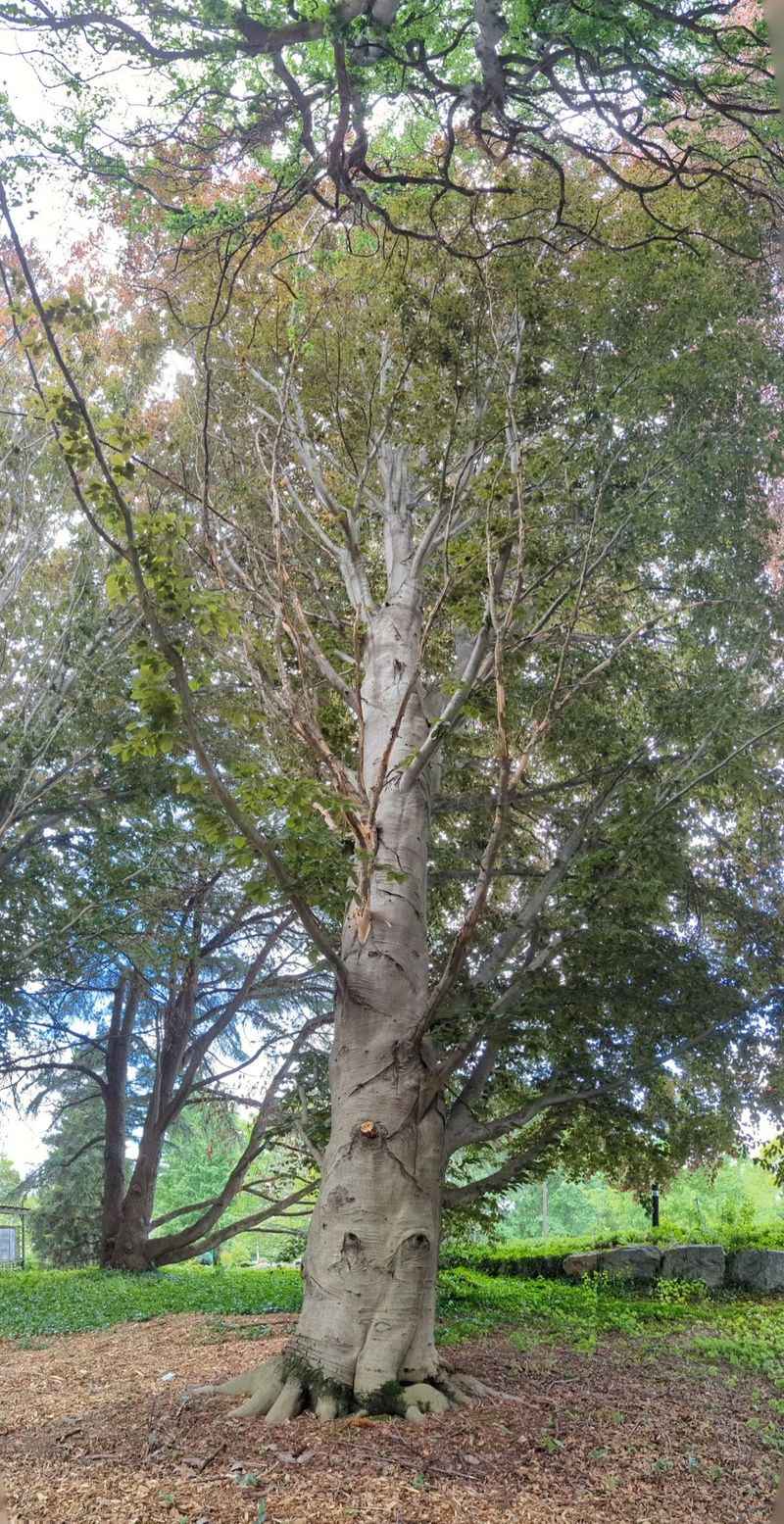
Pause near the trunks, look at the leaves, and notice bark shapes, branch patterns, and size differences.
The collection includes trees at different ages, which helps visitors understand how species change as they grow.
A slow walk turns the visit into a living lesson.
3. Marked Labels Make Learning Simple

Names can turn a pretty walk into a discovery game.
At Louise Arnold Tanger Arboretum, many trees are marked, helping visitors learn what they are seeing without needing a guidebook or plant expert beside them.
The labels are especially helpful for families, students, and anyone who has ever wondered about a tree in their own neighborhood.
You can compare leaf shapes, notice which trees are native or ornamental, and start building a basic plant vocabulary.
A simple tip is to take photos of labels along with the full tree.
Later, you can look up the species and learn more about its flowers, cones, fall color, or home range.
Some reviewers mention that labeling is decent and informative, which makes the arboretum a friendly place for beginners who want nature to feel less mysterious.
4. Peaceful Walks Without A Big Crowd
Some places seem made for lowering your voice.
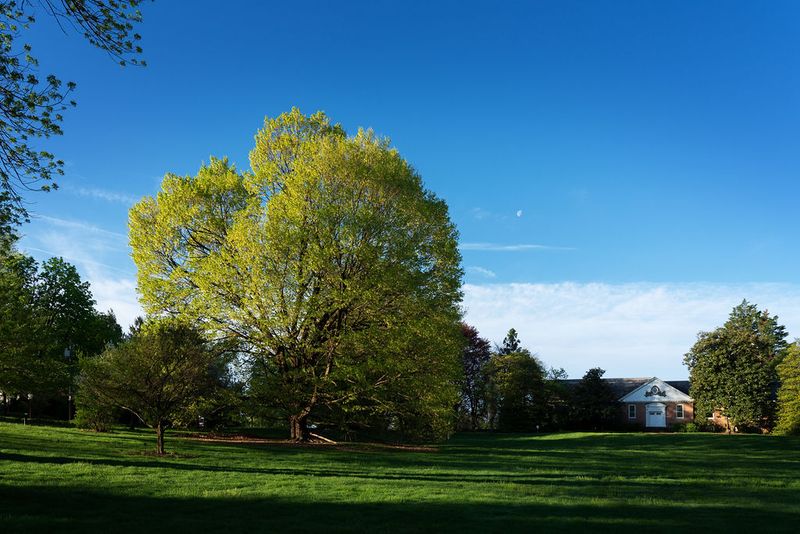
Louise Arnold Tanger Arboretum has earned praise from visitors for its peaceful and tranquil feeling, making it a nice choice when you want fresh air without busy trails or loud crowds.
The walking experience is simple rather than rugged.
You can wander for a while, move at your own pace, and enjoy the shade and open spaces.
It works well for a short break between errands, a quiet morning outing, or a slow stroll after visiting nearby history sites.
Because one reviewer noted that GPS led to a blocked entrance, check the official LancasterHistory information before you go and look carefully for the best access point.
Once there, allow extra time to meander.
The arboretum rewards unhurried visitors who are happy to follow curiosity instead of a strict route.
5. Dwarf Conifers Add A Playful Corner
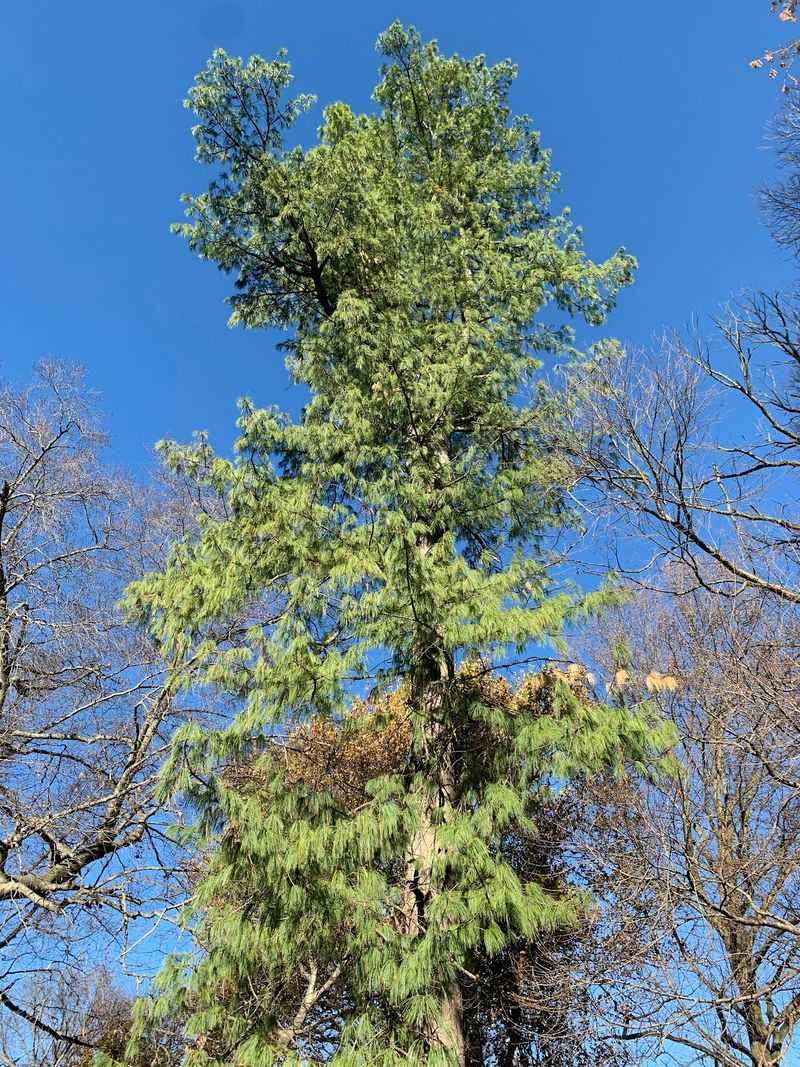
Tiny evergreens can be surprisingly fun.
The arboretum’s dwarf conifer section has been called enjoyable by visitors, and it gives the grounds a playful change of texture from large shade trees and spreading maples.
Dwarf conifers are not baby trees in the usual sense.
Many are special forms that grow slowly or stay compact, creating rounded, spiky, weeping, or cone-shaped habits.
Their needles can look blue, green, yellow, or silver, depending on the type and season.
This area is a good stop for home gardeners who need ideas for smaller yards.
Instead of only noticing flowers, pay attention to shape, color, and year-round structure.
Conifers often look good even in winter, so they can teach visitors how gardens stay interesting when many leafy plants are bare.
6. A Notable Maple And Other Impressive Giants
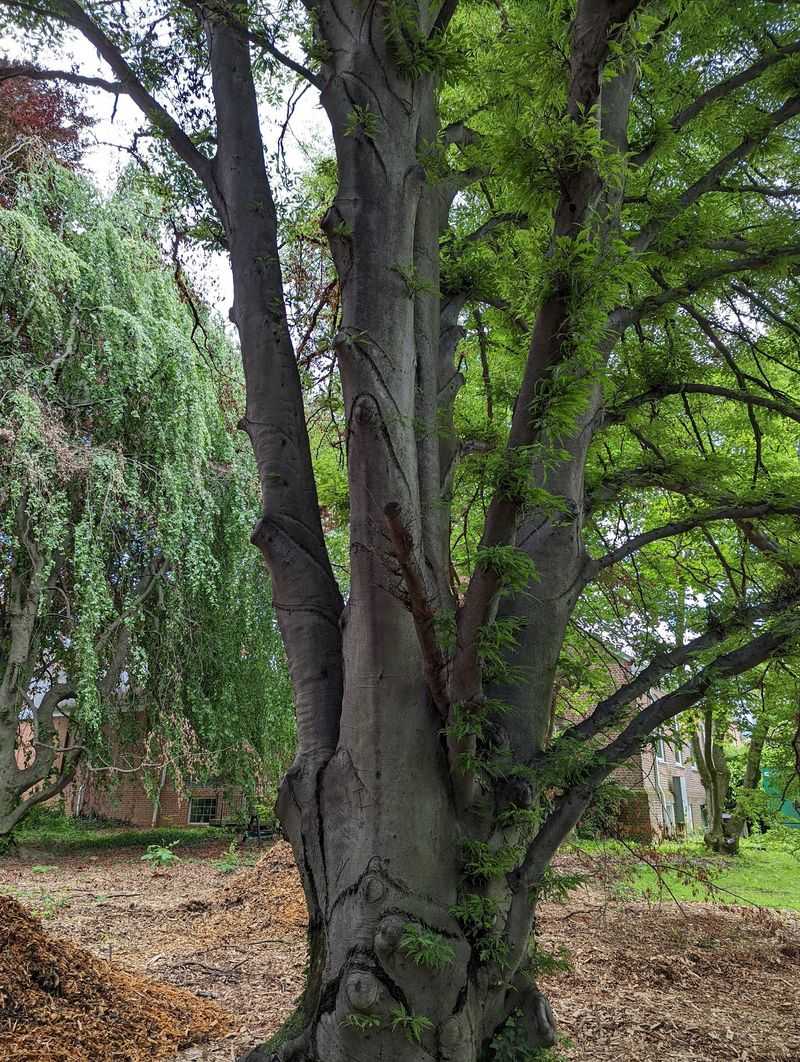
Big trees have a way of making people stop mid-step.
One visitor remembered seeing one of the largest maple trees they had ever seen on the grounds, which says a lot about the size and presence of some plantings here.
Mature trees offer more than beauty.
They cast shade, support insects, cool the air, and give birds places to rest, even if the arboretum is not known as a top bird-watching spot.
Their trunks and canopies also show how much time is needed to grow a living landmark.
When visiting, stand far enough back to see a tree’s full shape.
Then move closer to study the bark and roots without stepping on sensitive areas.
Large trees are best enjoyed with respect, since their health depends on soil, space, and careful treatment over many years.
7. History Nearby Deepens The Visit
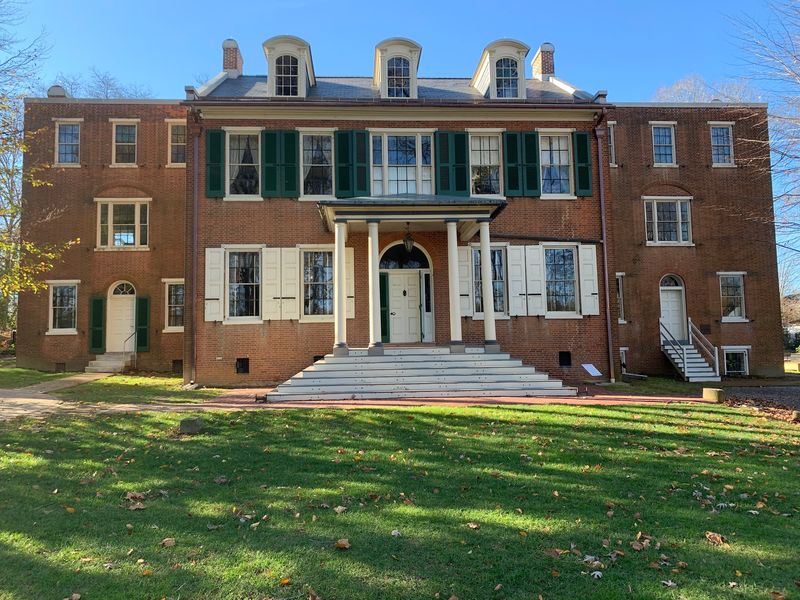
Nature and history share the same neighborhood here.
Louise Arnold Tanger Arboretum is connected with the LancasterHistory campus area, and visitors often mention Wheatland, the home of President James Buchanan, as part of the broader setting.
That mix gives the arboretum a different feel from a stand-alone park.
You can spend time with trees, then think about the people and stories tied to the land around them.
It is a calm way to balance outdoor time with local heritage.
If you plan a visit, check the official website for tour details, programs, or special information, since the arboretum itself is free while other experiences may have separate rules.
For a simple outing, focus on the trees first.
The quiet grounds make Lancaster’s past feel close, but never heavy or hard to approach.