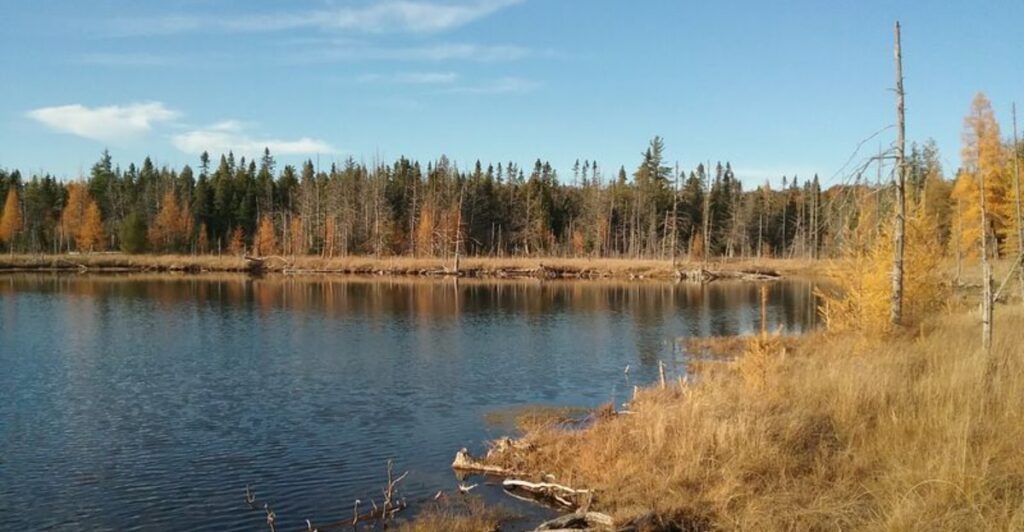
Fall in northern Michigan does not just change the color of the woods; it changes the sound of the forest, too. Near Vanderbilt, the MI DNR Pigeon River Country State Forest Headquarters gives visitors a smart starting point before heading into one of the state’s best places to hear wild elk bugle across the landscape.
The appeal comes from that rare mix of wildlife, autumn color, back roads, trails, rivers, and quiet openings that make the forest feel big and untamed. It is the kind of trip that rewards patience, early starts, and a willingness to slow down and listen.
For anyone looking for a Michigan fall outing with real outdoor drama, this rugged northern stop deserves a place on the list.
Where the Northern Michigan Wildness Begins
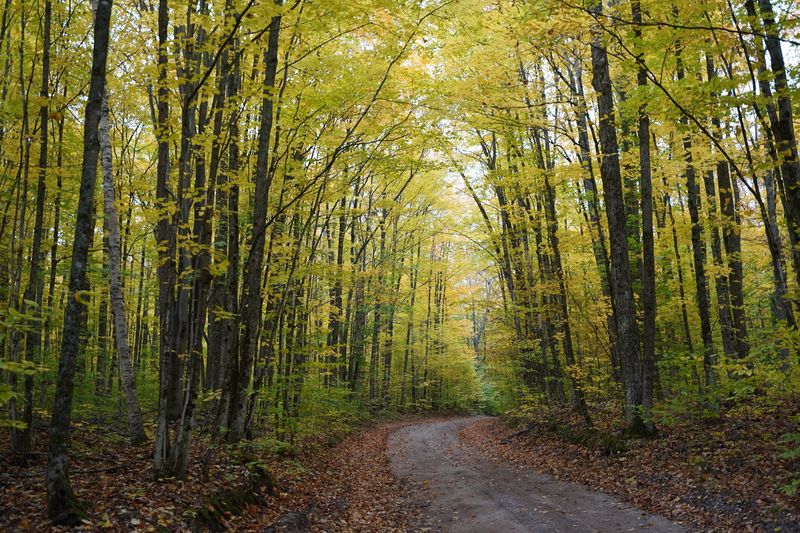
Right away, the setting tells you this is not a polished city park with paved loops and snack stands. MI DNR Pigeon River Country State Forest Headquarters sits at the edge of a broad, working wilderness where dirt roads, thick woods, and changing skies shape the day more than clocks do.
That first impression matters, because the elk experience here depends on the land staying large, quiet, and a little rough around the edges.
Drive in and you are surrounded by the kind of northern Michigan scenery that seems built for fall. Mixed forest, open spaces, rivers, small lakes, and long stretches of backcountry create the room elk need to move and call during the rut.
In autumn, the color shift adds another layer, with gold leaves and dark evergreens making early morning outings look dramatic before the sun fully rises.
The headquarters itself plays a practical role in all of this. It is less about flashy displays and more about helping you understand where you are, where roads go, and how to use the forest safely.
That becomes especially useful in a place where cell service can be weak and road signs are not always enough for a first-time visitor.
Plenty of travelers head straight for scenic overlooks and trailheads, but stopping here first can shape the entire trip. Maps, local guidance, and a clearer sense of the forest layout make it easier to plan a route that matches your time and comfort level.
Instead of wandering aimlessly, you can head out with purpose.
For anyone chasing bugling elk, that combination of wild land and grounded preparation is a huge part of the appeal. The headquarters is your front door to one of Michigan’s most memorable fall soundtracks.
The Sound That Pulls You Out of Bed Before Sunrise
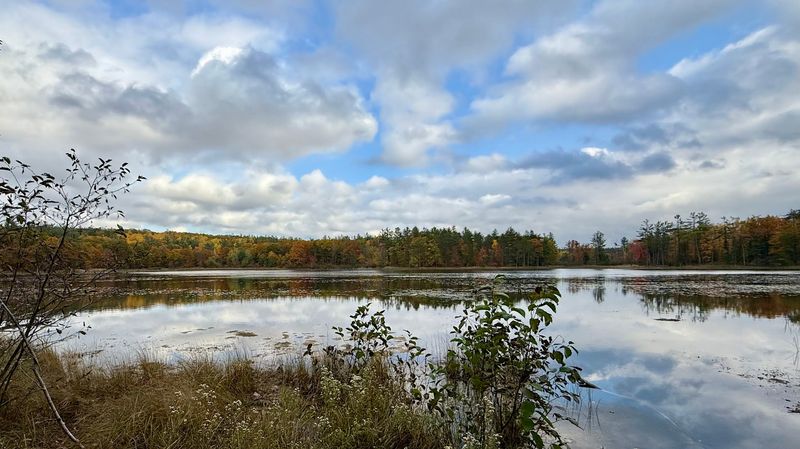
Long before breakfast sounds like a good idea, the forest starts its own performance. Fall is the season when bull elk bugle, sending sharp, haunting calls across open areas and tree lines.
Hearing that sound in the Pigeon River Country is the main event for many travelers, and it turns a chilly morning into something thrilling almost instantly.
Bugling is part of the elk rut, the breeding season when bulls gather cows, challenge rivals, and advertise their strength. The call can begin as a deep tone and rise into a high, eerie whistle that carries through the woods.
On a still morning, it can sound much closer than it is, which adds a little mystery and keeps you listening hard.
The headquarters is useful because this is a big landscape, not a single viewing platform with guaranteed action. Staff and maps can help you understand where roads, trails, and viewing areas fit together so you can choose a smart route before daylight.
That matters when minutes count and you do not want to spend dawn making wrong turns on unfamiliar roads.
Patience is part of the deal. Elk are wild animals, and some trips bring dramatic calls while others offer only a few distant notes or tracks in soft ground.
Even so, the waiting is not empty, because the same quiet hours often include fog over low spots, rustling leaves, and flashes of movement that keep the forest alive around you.
If you go expecting a zoo-style show, you may miss the real reward. The special part is hearing a wild animal announce itself across one of Michigan’s biggest forest settings, with nothing but open air between you and the sound.
Maps, Restrooms, and Real Help Before You Roam
Adventure sounds romantic until you are lost on a seasonal road with weak signal and no clear backup plan. One of the smartest moves at MI DNR Pigeon River Country State Forest Headquarters is to treat it as your planning base, not just a quick photo stop.
That simple choice can make the whole day smoother, safer, and a lot less frustrating.
Recent visitors have highlighted a very practical strength here: helpful staff and useful maps. In a forest known for dirt roads, patchy cell coverage, and a lot of ground to cover, a paper driving map is not old-fashioned at all.
It is one of the best tools you can carry, especially if you want to move between trailheads, camp areas, and likely wildlife zones without guessing.
The headquarters can also offer the kinds of basics that suddenly matter on a long day outside. Clean restrooms, a chance to reset, and a place to get your bearings are easy to overlook until you have been in the woods for hours.
For families, first-time visitors, or anyone arriving before a sunrise elk outing, that comfort is a big advantage.
There is another benefit that is easy to miss. Talking with staff can help you adjust expectations based on current conditions, road access, weather, or trail information.
That kind of local guidance is far more useful than trying to piece everything together from scattered guesses once you are already deep in the forest.
If your goal is to hear elk bugle, hike, explore, or simply enjoy a strong fall drive, start with the place that helps the whole area make sense. The headquarters does not steal attention from the forest.
It quietly prepares you to enjoy it better.
Michigan Fall Color With Room to Breathe
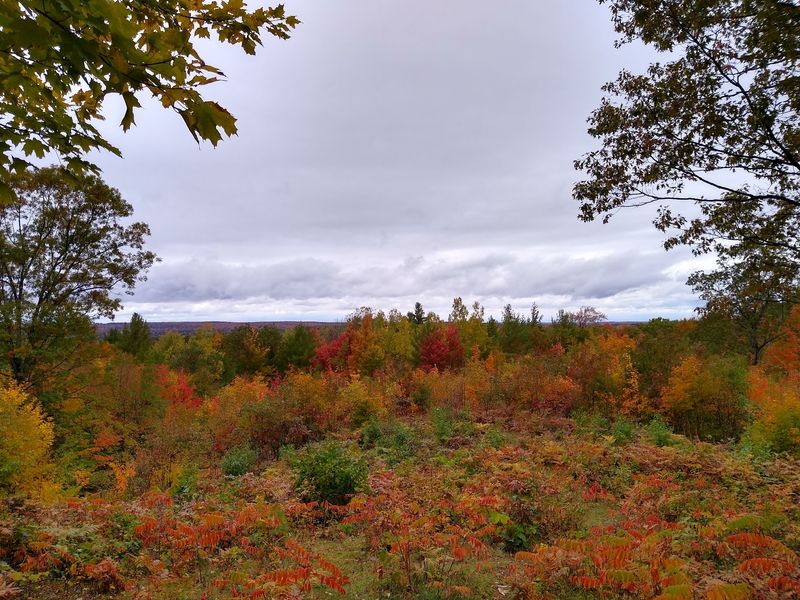
Some fall destinations feel crowded the second the leaves turn bright. Here, the color show comes with elbow room, long sightlines, and enough quiet to hear wind moving through the trees.
Around MI DNR Pigeon River Country State Forest Headquarters, autumn is not packed into one overlook. It spreads across miles of forest, river country, and rough back roads.
The variety of trees helps keep the scenery interesting. Pine stands hold their dark green while hardwoods switch into yellow, orange, and rusty red, creating strong contrast on hikes and drives.
Even a simple stop along the road can give you a layered view of evergreens, leaf drop, and open sky that looks different every hour as the light shifts.
That visual mix pairs especially well with elk season. You are not only listening for bugles.
You are also moving through a landscape that already feels active and changing, with cool air, damp ground, and leaves skittering across boards, paths, and clearings. The season gives the forest a sense of motion even when you are standing still.
Because the area is broad and less built up than many recreation spots, the color experience can feel more natural and less staged. You may pass campgrounds, trailheads, and waterways rather than lined-up attractions.
That makes each scene feel discovered instead of delivered, which suits travelers who want a more outdoorsy kind of autumn trip.
Good footwear matters, especially if leaves are wet and wooden surfaces are slick. Layers help too, since mornings can start cold and afternoons may warm up once the sun breaks through.
Bring binoculars, keep your camera ready, and give yourself more time than you think you need, because the drives between one beautiful patch and the next are part of the experience.
Beyond Elk Calls, Trails, Rivers, and Quiet Corners
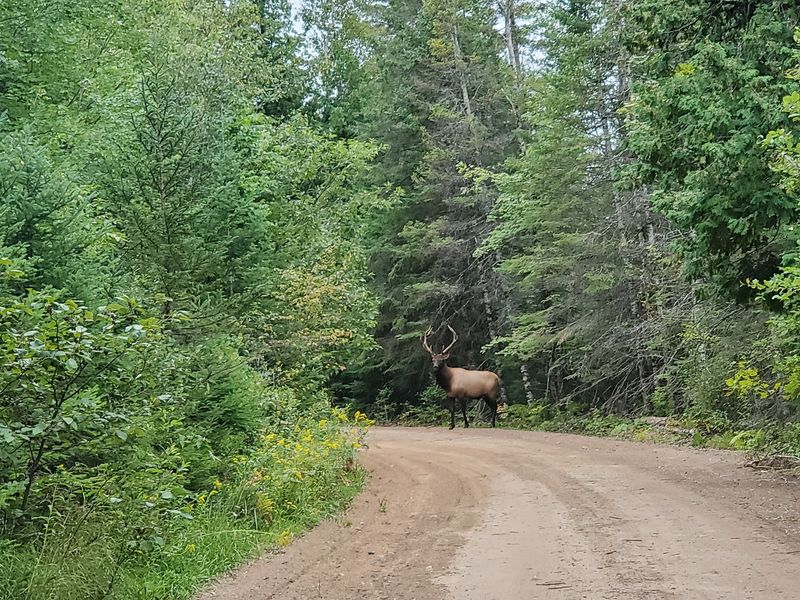
Even if the elk stay out of sight, the forest gives you plenty to do. MI DNR Pigeon River Country State Forest Headquarters opens the door to an area known for hiking, rustic camping, wildlife watching, and trout water that draws anglers who prefer peaceful stretches over busy access points.
That range makes the trip stronger, because one good plan can turn into a full weekend.
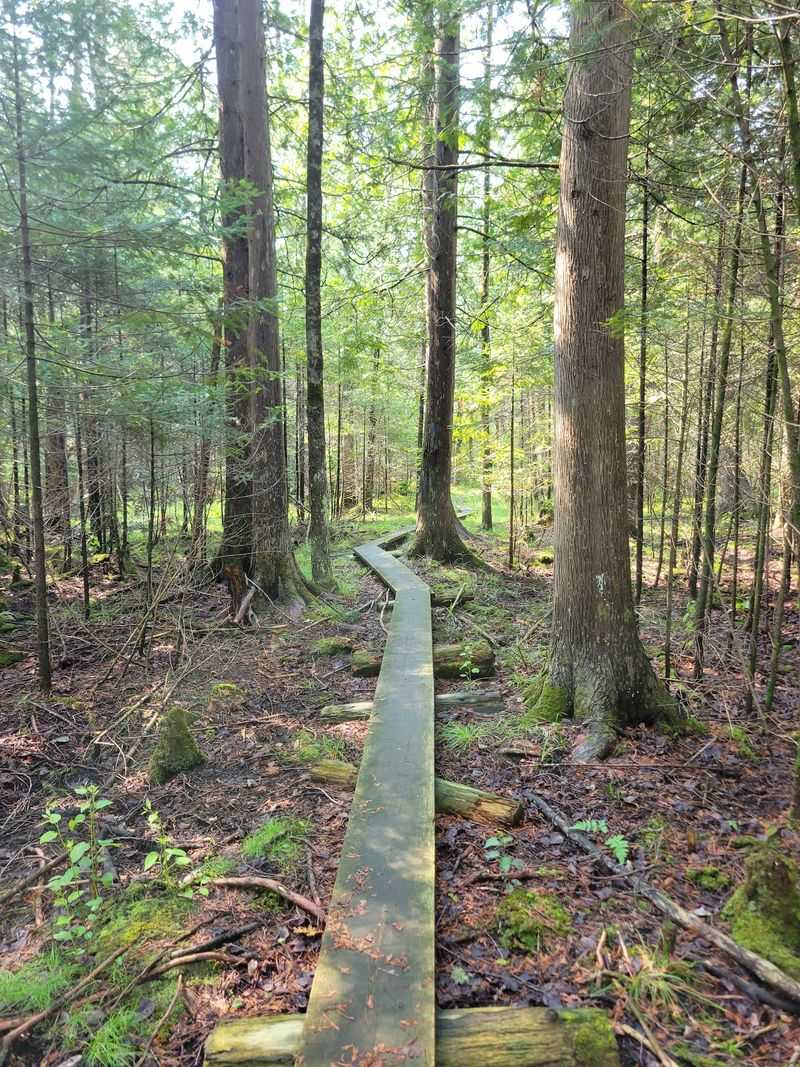
Hikers have a lot to work with here, from pathways through mixed woods to routes near lakes, bridges, and river sections. Not every trail is perfectly groomed, and that is useful to know ahead of time.
Overgrowth, slippery boardwalk sections, and changing conditions can all show up, especially later in the season when wet leaves cover surfaces.
For anglers, the wider Pigeon River Country has a solid reputation for trout fishing, including places with easier wading. The appeal is not just the fish.
It is the space, the quiet, and the feeling that you are far from traffic and daily noise. A calm riverbank after sunrise can be a fine backup plan if the elk morning is slow.
Camping adds another layer, but expectations should match the setting. Rustic campgrounds and dispersed sites are part of the outdoor character here, which means you may trade extra amenities for shade, privacy, and a stronger sense of being in the forest.
If you like a simple camp setup and do not need polished comforts, that trade can work well.
The smart approach is to build a flexible itinerary. Start with elk at dawn, spend midday on a trail or by the river, and use the headquarters to sort out maps and options.
That way, the trip is never resting on one wildlife moment alone, and the forest keeps offering new angles all day.
A Place Shaped for Patience, Not Instant Sightings
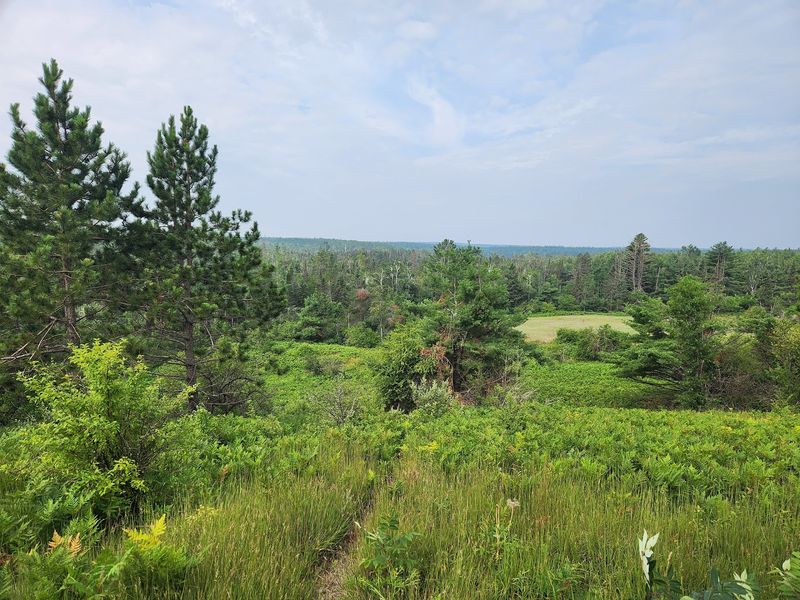
Here is the honest part that makes the experience better, not worse. MI DNR Pigeon River Country State Forest Headquarters leads into true wildlife country, and true wildlife does not perform on command.
Some travelers hear bugling right away, while others drive, wait, and scan open areas without a single dramatic moment.
That unpredictability is built into the place. The forest is large, the roads are spread out, and elk move on their own schedule through habitat that includes woods, openings, and low areas.
If you arrive expecting constant action at every turn, the landscape can seem quiet. If you arrive ready to watch carefully and let the morning unfold, the same landscape becomes far more interesting.
Patience helps in practical ways too. Pulling over safely, lowering voices, and spending time in one area often gives you more than racing from spot to spot.
You may first notice a faint bugle, then a second call farther off, then movement at the edge of a field just as the light changes. Those small steps are often how the best wildlife moments build.
It also helps to see the setting for what it is. This is not only an elk destination.
It is a public forest with back roads, campgrounds, rivers, signs of active land management, and the occasional reminder that wild places can be messy, muddy, and imperfect. That mix is part of its identity.
Bringing the right mindset turns uncertainty into part of the fun. Listen more than you talk, stay longer than your first impulse suggests, and treat any bugle or sighting as a bonus earned through time outdoors.
The headquarters points you in the right direction, but the forest decides the rest.
Plan Smart for Roads, Weather, and Tick Season
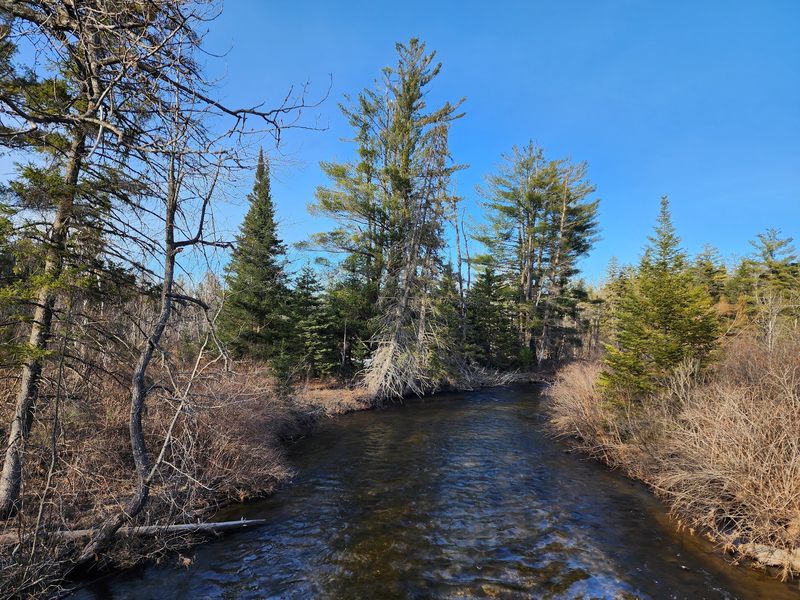
A little preparation goes a long way here. MI DNR Pigeon River Country State Forest Headquarters is the kind of place where small details, like having a paper map or wearing the right boots, can matter just as much as your camera.
The forest is beautiful, but it asks you to think ahead.
Roads are a big part of the story. Many are dirt, some are seasonal, and conditions can change with rain, flooding, or regular wear.
Signage may not always answer every question, so grabbing a driving map at the headquarters is one of the best first steps you can take. It saves time, lowers stress, and helps you avoid a lot of aimless circling.
Cell service may be limited in parts of the forest, which affects both navigation and safety. Downloading directions before arrival is helpful, but paper backup is wiser.
If you are meeting friends, set a clear plan in advance rather than assuming everyone can text updates from the road.
Dress for changing fall weather and uneven ground. Morning elk outings can be cold, while midday hiking may warm you up fast.
Waterproof shoes, layered clothing, and a flashlight for pre-dawn starts all make sense. In warmer stretches of the season, tick protection matters too, especially if you are walking trails or bringing a dog.
Keep food, water, and a full tank of gas in mind before exploring deeper into the area. Rustic campgrounds and remote pull-offs are part of the charm, but they also mean fewer conveniences nearby.
The headquarters works best as your launch point for a self-reliant day, one where you are ready for the rough edges that make this forest such a strong fall destination.
Why This Forest Headquarters Stands Out in Elk Season
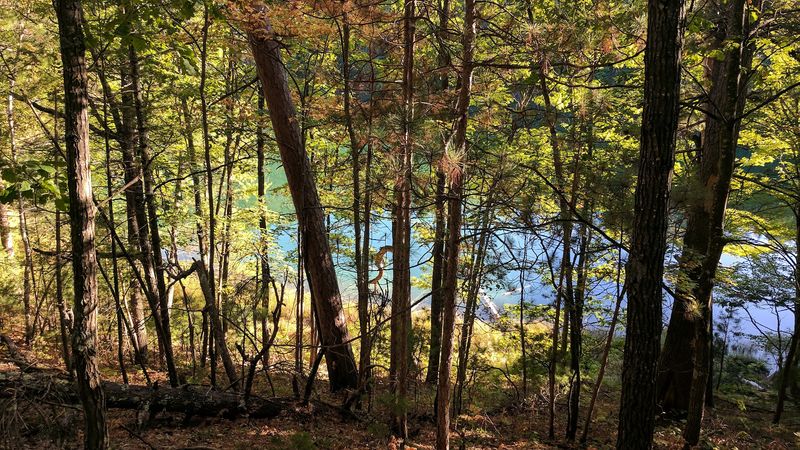
Some places give you scenery. Some give you wildlife.
MI DNR Pigeon River Country State Forest Headquarters stands out because it connects you to both, while also helping you navigate a forest that still asks for attention and respect. During elk season, that combination turns a simple stop into the starting point for one of Michigan’s most distinctive fall outings.
The headquarters is not the attraction in a flashy sense. Its value comes from being useful in exactly the right way.
You can get oriented, gather maps, use basic facilities, and head into the Pigeon River Country with a better understanding of what the day might hold. In a large public forest where roads, trails, and viewing opportunities are spread far apart, that kind of grounding matters.
Then there is the bigger setting. The surrounding country offers room for elk, room for quiet, and room for the kind of autumn trip that does not feel overly managed.
Bugling at dawn, color along the roads, trout streams, rustic camps, and long stretches without much development all add up to a more rugged experience than many casual leaf-peeping destinations provide.
It will not suit everyone equally. Travelers who want paved convenience and guaranteed sightings may prefer something simpler.
But if you like a trip with real texture, dirt roads under the tires, cold air in the morning, and the chance to hear a wild bull elk call across the woods, this place has a strong case.
That is the final pull of the headquarters. It sets you up for a fall day that feels active, unpredictable, and deeply tied to the landscape around Vanderbilt. For many Michigan travelers, that is exactly the point.