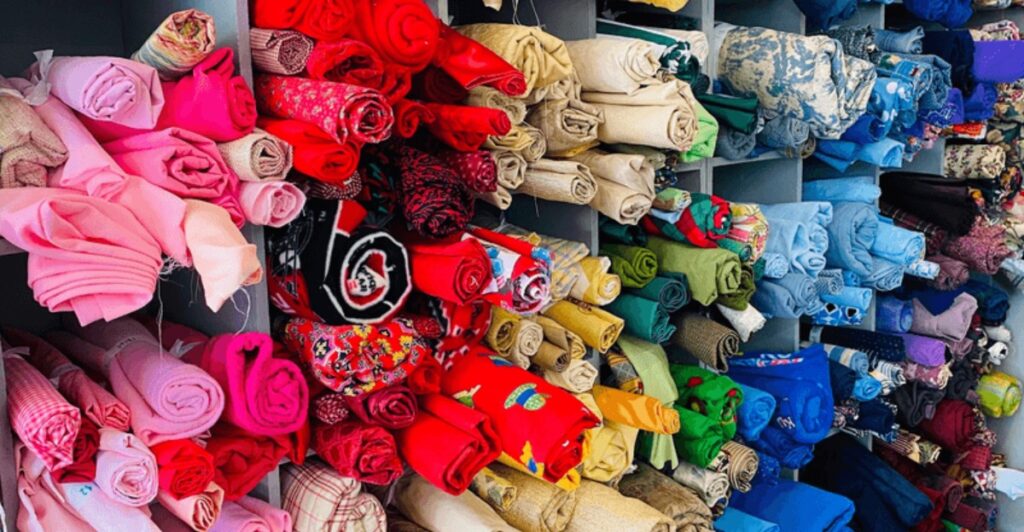
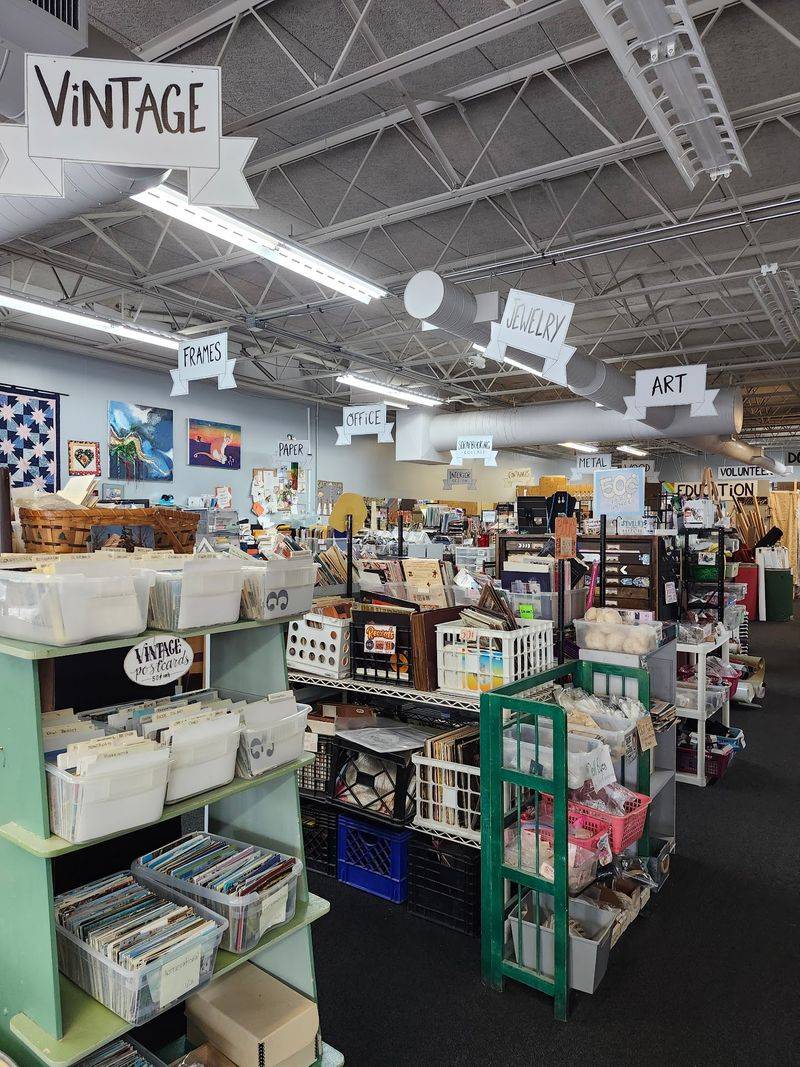
Craft shopping feels a lot more exciting when every bin could hold the start of a completely new idea. In Ann Arbor, Michigan, SCRAP Creative Reuse turns the usual supply run into a treasure hunt, with shelves, barrels, and bins full of donated materials waiting for a second life.
The appeal comes from that mix of creativity, affordability, and surprise, where makers can stretch a budget while finding pieces they would never spot in a standard craft aisle. It works for school projects, art experiments, home fixes, and anyone who likes turning overlooked materials into something useful or beautiful.
For Michigan creatives who love the thrill of the hunt, this reuse shop is easy to get excited about.
A Store Where the Hunt Starts Before You Reach the Aisles
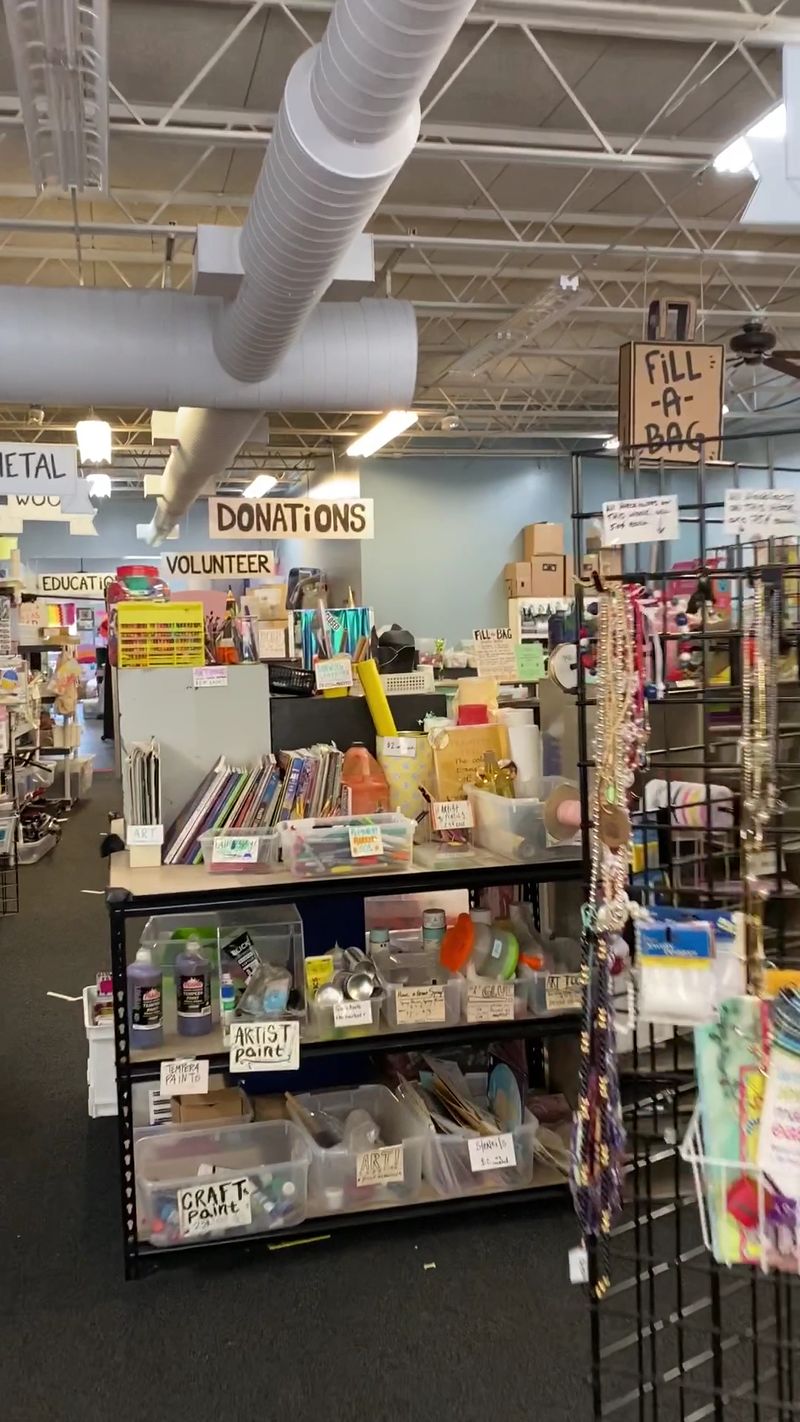
Some stores hand you a shopping list mood. SCRAP Creative Reuse gives you a treasure-hunt mood the second you step inside, and that changes how you shop right away.
Instead of heading for one neat shelf and one exact product, you start scanning for possibilities, colors, textures, and odd little pieces that could become part of a project later.
That is why regular shoppers quickly learn one smart move. Grab a rolling cart near the entrance if one is available, because small finds add up fast, and your hands can fill before you even make it halfway through the space.
A pack of paper here, a frame there, ribbon, buttons, stickers, fabric scraps, old records, boxes, and jars can suddenly become a full load.
The store has a busy, active look rather than a polished chain-store look, yet it is not random chaos. Materials are generally grouped in useful ways, which helps you browse without feeling completely lost.
You can wander by project type, search by category, or simply slow down and let one object lead to the next.
For crafty shoppers, that first lap around the store often works better than marching in with a strict plan. A junk journal maker might spot vintage paper pieces.
Someone planning a classroom project might find binders, cardboard, and colorful paper in one pass. A parent helping with a school assignment can leave with supplies that would cost much more if bought one by one elsewhere.
Even the scale of the selection affects the trip. Big containers of small items invite digging, sorting, and changing your mind.
You may arrive looking for glue sticks and leave thinking about costume making, party decorations, or a handmade birthday card set.
That sense of discovery helps explain the long drives. Filling a trunk here is not only about quantity.
It is about seeing useful potential in things that other places might overlook, then loading up before somebody else spots the same treasure.
Barrels, Bins, and the Joy of Finding the Odd Thing You Needed
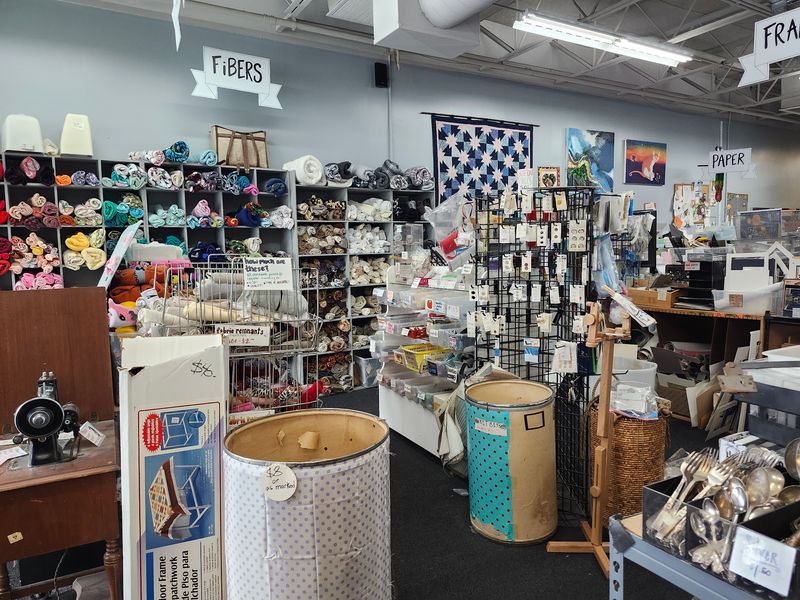
Every creative person knows the problem. Sometimes the piece you need is not a big item at all, but one tiny object with just the right color, shape, or texture, and that is where SCRAP Creative Reuse becomes especially fun.
The store is built for browsing through bins, barrels, and containers that hold the kinds of bits many projects depend on.
Paperclips, plastic gems, stamps, cards, thread, small frames, stickers, trims, and leftover odds and ends can turn into the best part of a visit. One shopper may come for scrapbooking and find a handful of perfect clips.
Another may need pieces for jewelry display, dollhouse details, mixed-media art, or classroom craft tables. The search can be slow, but it rarely feels boring.
That slow pace matters because the inventory changes. Since donated supplies rotate through the store, there is no promise the same item will be there next week.
If you spot a batch of useful postcards, a bin of unusual yarn, or a stack of blank cards that suits your project, picking it up now is usually the better plan.
There is also a practical side to all that digging. The store rewards flexible minds more than rigid shopping lists.
If you come in saying you need one exact branded item, you might leave frustrated. If you come in ready to adapt, substitute, and experiment, you can stretch a small budget much further.
Teachers, scout leaders, card makers, and after-school art helpers all benefit from that approach. Instead of buying expensive supply packs, you can gather an assortment that encourages kids to invent their own solutions.
A random mix of textures often sparks stronger ideas than a perfectly matched set ever could.
At SCRAP, the odd little thing is never just clutter. It is the missing piece for a costume, a school poster, a wedding sign, a model landscape, or a handmade gift sitting in a barrel, waiting for somebody patient enough to notice it.
Michigan Makers Love the Prices Because Projects Get Big Fast
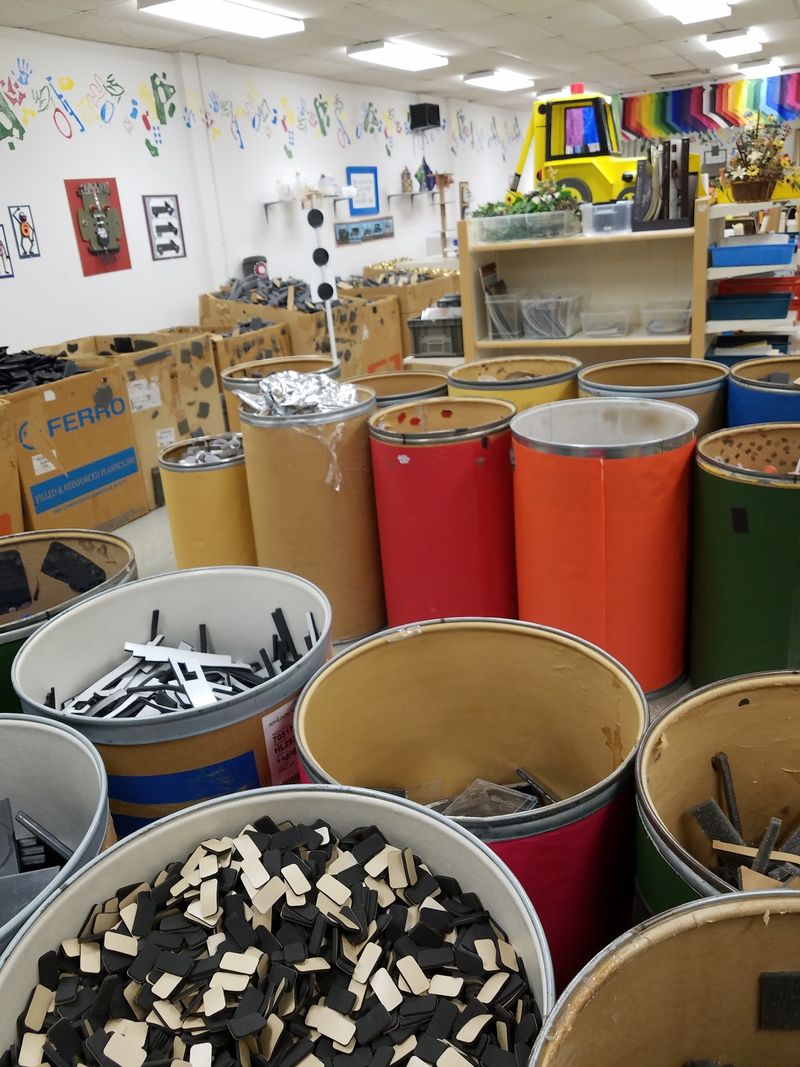
Crafting has a sneaky way of getting expensive. A few sheets of specialty paper, some ribbon, paint, adhesives, and storage pieces can turn a small hobby run into a surprisingly large total.
SCRAP Creative Reuse catches attention because it offers a different path, one that lets Michigan makers collect more supplies without the same kind of checkout shock.
That does not mean every single item will beat every big-box store on every day. What it does mean is that many shoppers can build a large, varied stash for far less than they expected, especially when they are open to reused, donated, or one-off materials.
Bags and carts fill up with ingredients for future projects, not just one planned craft.
The savings become especially helpful for people who create in volume. Teachers prepping class activities, parents helping with repeated school assignments, scrapbookers, card makers, party decorators, and art club leaders all burn through supplies quickly.
A place with lower-cost odds and ends can ease that pressure and make bigger ideas more realistic.
It also changes how you think about experimentation. When materials are more affordable, trying something new feels less risky.
You might test collage, build model scenery, play with stained glass add-ons, sew a beginner project, or make handmade cards without worrying that every failed attempt wasted expensive supplies.
That freedom can be a big reason people drive from outside Ann Arbor. A long trip makes more sense when the trunk comes home packed with enough material to cover several weekends, classroom sessions, or holiday projects.
Instead of buying one pricey kit, you can gather a whole mix of supplies for multiple uses.
Budget shoppers should still browse carefully and compare value by amount, condition, and usefulness. Yet even with that common-sense approach, SCRAP offers a strong draw.
It gives resourceful makers a chance to stock up, stay creative, and keep money available for the next idea instead of spending it all in one aisle.
Not Your Standard Craft Shop – Reuse Is Part of the Thrill
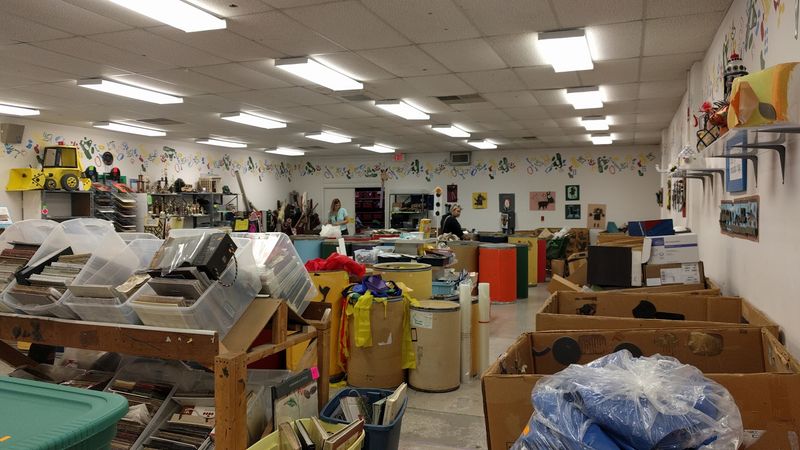
Plenty of stores sell brand-new supplies in neat packages. SCRAP Creative Reuse stands apart because the whole idea centers on giving useful materials another chance before they become waste.
That mission changes the energy of the shopping trip, because you are not only buying craft supplies. You are rescuing perfectly workable items and putting them back into circulation.
For creative people, reuse is more than a good deed. It pushes the imagination in ways standard retail often does not.
A stack of old records might become wall art. A box of postcards could turn into journal pages.
Leftover fabric, frames, binders, jars, and paper scraps can become props, gifts, classroom tools, storage pieces, or mixed-media projects.
The nonprofit identity matters here too. The store is tied to a broader community purpose, which makes the shopping experience feel connected to local creativity rather than only simple consumption.
Supplies arrive through donations, then move back out into studios, kitchens, classrooms, scout meetings, and after-school programs where they keep serving a purpose.
That cycle is part of why the inventory can be surprising. A typical chain store orders the same products again and again.
SCRAP works more like a living stream of materials, shaped by what the community passes along. One week may highlight paper goods and office leftovers.
Another might bring frames, craft kits, sewing supplies, or unusual decorative pieces.
For shoppers, the practical lesson is easy. Come with an open mind and think in terms of possibilities, not perfection.
Reuse shopping works best when you are willing to adapt a plan, swap in a different color, or let a found object shape the project rather than forcing everything to match a prewritten list.
That flexible attitude turns discarded extras into useful stock. It also gives your finished work a story.
A handmade project built from rescued supplies carries texture, history, and a little resourcefulness that a cart full of factory-fresh products cannot always match.
Classes, Community, and the Friendly Help That Keeps Ideas Moving
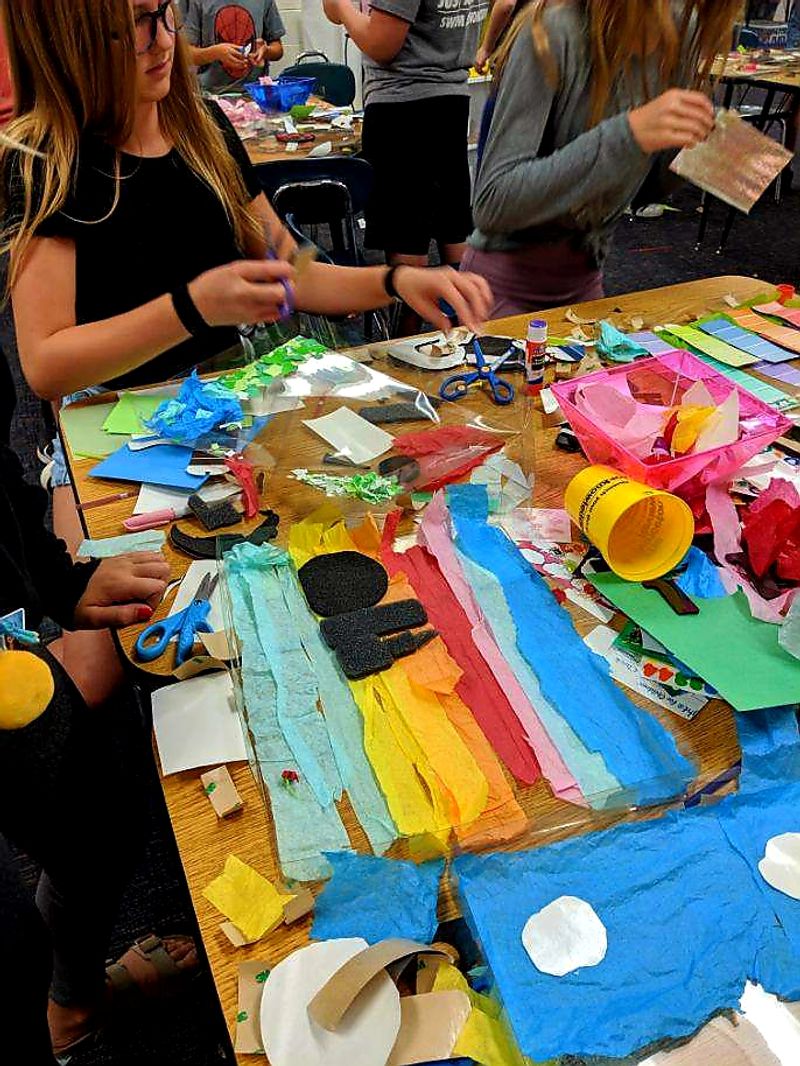
A craft store can sell supplies and still feel distant. SCRAP Creative Reuse has another layer that gives the place more life, because the space connects materials with people who actually want to make, teach, learn, and experiment together.
That community side helps explain why the store attracts not only hobby shoppers but also families, troop leaders, and group organizers.
The setup is useful for more than quick buying. The store has been associated with classes, workshops, parties, and group use, which fits naturally with the mission of creative reuse.
A child who comes for a badge workshop may return later with a parent. An art club leader can browse for low-cost supplies, then imagine how the next session could work with whatever is on hand.
Friendly staff also play a quiet but important role in making the visit smoother. In a place with changing inventory and lots to scan, kind guidance matters.
You may need help locating general categories, understanding how materials are organized, or deciding whether to keep looking deeper into a bin before moving on.
That human touch is especially helpful for first-time visitors who feel a little overwhelmed. Unlike a tiny boutique with only a few products, SCRAP offers abundance, and abundance can be intimidating.
Good staff energy keeps the experience from becoming stressful, especially when the store is busy and carts are moving through narrow decisions every few feet.
The community angle also broadens who the store serves. Serious artists can use it.
So can parents looking for school project pieces, teens testing a new hobby, retirees making cards, and volunteers planning hands-on activities. Everyone enters with a different goal, yet the same shelves can support all of them.
That mix gives the place a working rhythm instead of a staged one. Projects start here, but so do conversations, teaching moments, and sudden bursts of inspiration.
At SCRAP, supplies matter, yet the shared creative momentum around them matters just as much.
How to Shop Smart When the Inventory Changes Every Time
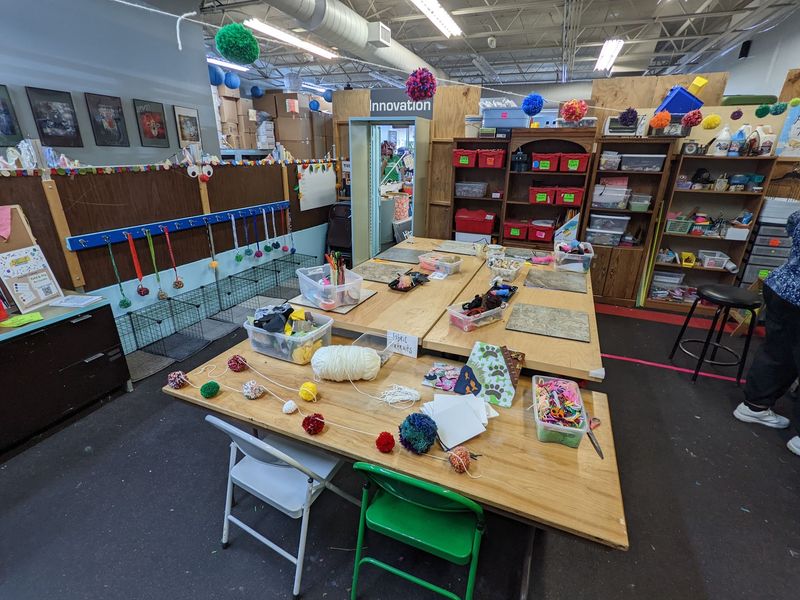
Walking into SCRAP without a strategy can be fun, but a little planning helps you leave happier. The store works best when you treat it like a mix of scavenger hunt and supply run.
If you expect the exact same stock every visit, you will miss the real advantage, which is finding adaptable materials at the right moment.
Start with time. Rushing is the easiest way to overlook useful items, especially smaller pieces tucked into bins or grouped by type.
If you can, give yourself enough room to do one full loop first, then circle back to the sections that match your projects. That quick survey keeps you from filling the cart too early with things you like but may not need.
Next, shop by category rather than by perfect item. Think paper, fasteners, fabric, containers, decorative pieces, teaching tools, or model-building parts.
That approach opens more options and helps you spot substitutes, which is important in a store where donations shape the shelves.
Bringing a simple project list can still help, as long as it stays flexible. Write broad needs such as blue paper, small boxes, trim, card bases, or collage material instead of one exact product name.
You will make better choices and avoid the frustration that comes from hunting only for a single missing brand-name item.
Budget-wise, check usefulness before quantity. A cheap pile is not a bargain if it sits untouched for a year.
On the other hand, if you regularly teach, scrapbook, sew, or build models, stocking up on materials you truly use can save future trips and help justify the drive.
Finally, carry the right mindset. SCRAP rewards curiosity, patience, and imagination more than speed.
When you shop that way, the changing inventory stops being a challenge and starts becoming the whole point, which is exactly why many trunks leave this Ann Arbor store looking delightfully overloaded.
Plan the Trip Right and You Can Turn One Stop Into a Serious Haul
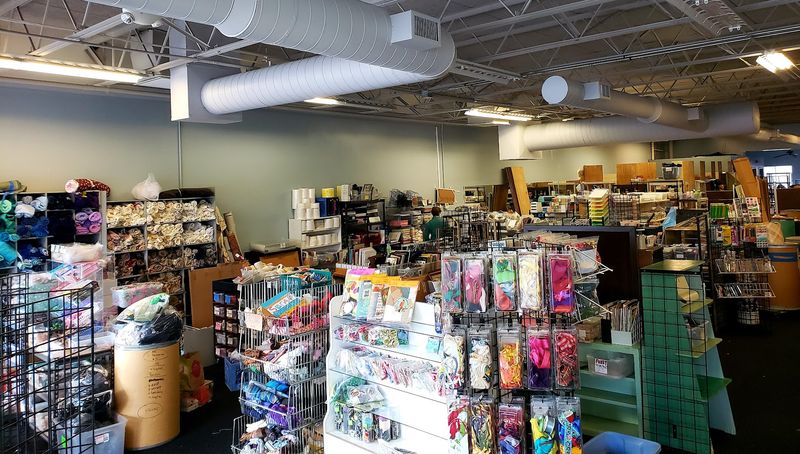
Longer drives call for smart timing, and SCRAP Creative Reuse rewards a little planning. The store keeps steady daytime hours, opening at 11 AM and running through the afternoon and early evening every day of the week.
That consistency makes it easier to build a trip around errands, lunch, or another Ann Arbor stop instead of squeezing it into a narrow window.
If you are traveling from farther away, arriving earlier in the day has clear advantages. You have more energy to browse, more time to move carefully through categories, and a better chance of making a relaxed second pass before checkout.
Since the inventory turns over, an unhurried visit gives you the best shot at spotting unusual pieces before they blend into the background.
The Washtenaw Avenue location is practical too. It sits in a busy retail area, which helps transform a special craft run into a manageable outing rather than a complicated detour.
For families, that can matter a lot. A stop for children’s items, household errands, or food can pair naturally with a supply hunt.
There is also a simple packing tip for serious shoppers. Bring reusable bags, keep the car trunk clear, and expect to carry more than planned.
The appeal of SCRAP is not usually one flashy purchase. It is the gradual build of paper, boxes, frames, trims, tools, and small creative extras that somehow become two bags, then three.
Because the store can feel full of possibility, younger kids may need a bit of guidance to stay focused. Giving them a mission, such as finding card-making pieces or school project materials, can help turn the visit into an activity instead of a slow test of patience.
Handled well, the trip becomes efficient and fun at the same time. You are not simply checking off a supply errand.
You are setting up future weekends of making things, with the trunk acting as proof that one stop can fuel a lot of creativity.
Why Drivers Leave With More Than Supplies in the Back
By the end of a visit to SCRAP Creative Reuse, the full bags are only part of the story. Yes, people travel to load up on affordable materials, but the bigger draw is the sense that one stop can unlock several future projects at once.
A trunk full of supplies means birthday cards, classroom activities, model scenery, scrapbook pages, decorations, and rainy-day ideas are already halfway started.
That is a stronger pull than simple bargain shopping. Plenty of places sell cheap items.
SCRAP offers the excitement of surprise, the usefulness of reuse, and the satisfaction of gathering materials that still have plenty of life left in them. The experience works because practical shopping and creative thinking happen at the same time.
You can see the appeal across different kinds of makers. A parent can solve a school project problem without overspending.
A hobbyist can find odd supplies that chain stores rarely carry. A teacher or club leader can assemble a stash that supports many sessions instead of just one.
Even casual browsers can walk out with the seed of a new hobby.
The store also stands out because it does not push a single style of crafting. Paper arts, sewing, collage, journaling, mixed media, classroom art, party decor, and experimental building projects can all start from the same shelves.
That variety keeps the visit fresh and broadens who the place serves.
For Michigan shoppers willing to drive a little farther, that mix makes the trip easy to justify. You are not only hunting for deals.
You are shopping in a way that is flexible, resourceful, and more connected to the local creative community than a standard big-box run.
So the headline promise holds up for a reason. People really do come from hours away to fill their trunks here, because SCRAP turns affordable craft shopping into a lively, useful, ever-changing hunt where supplies, ideas, and second chances all share the same shelf space.