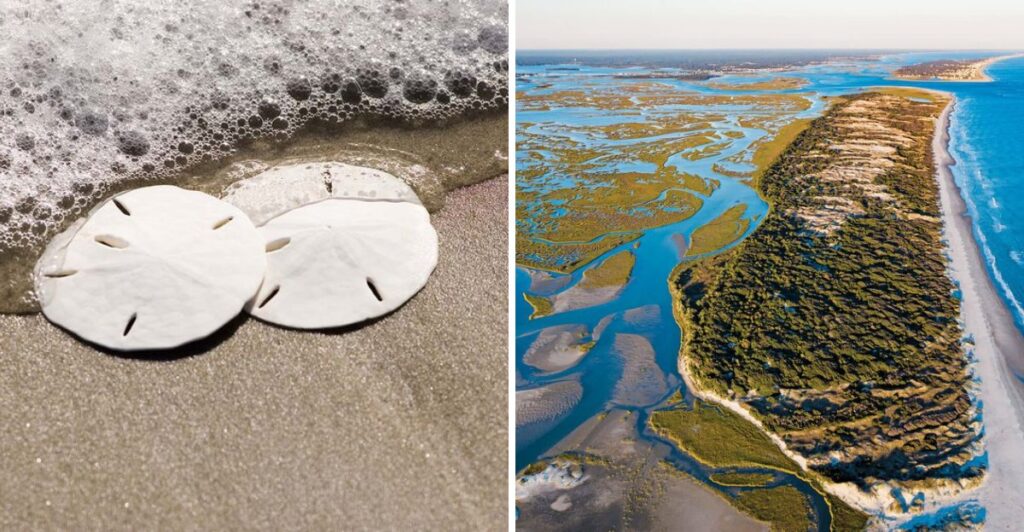
North Carolina has some of the most breathtaking coastline in the entire country, stretching for more than 300 miles along the Atlantic Ocean. Hidden among the waves and washed up on the shore, sand dollars are one of nature’s most magical little gifts, and certain beaches along this coast are known for delivering them in abundance. Whether you are a seasoned shell collector or someone who has never walked a beach at sunrise, finding a sand dollar feels like striking treasure.
The key is knowing where to look, and North Carolina has no shortage of incredible spots that make the search worthwhile. From the wild, undeveloped barrier islands to the charming coastal towns tucked between marshes and ocean, each beach on this list offers something unique.
Sand dollars tend to show up most often during low tide, especially after a storm, so timing your visit can make a big difference. Wear comfortable shoes, bring a bag for your finds, and get ready to explore some of the most beautiful shorelines the Tar Heel State has to offer. These eight beaches are your best bets for coming home with a handful of those iconic flat, round treasures that make North Carolina’s coast so special.
1. Sand Dollar Island
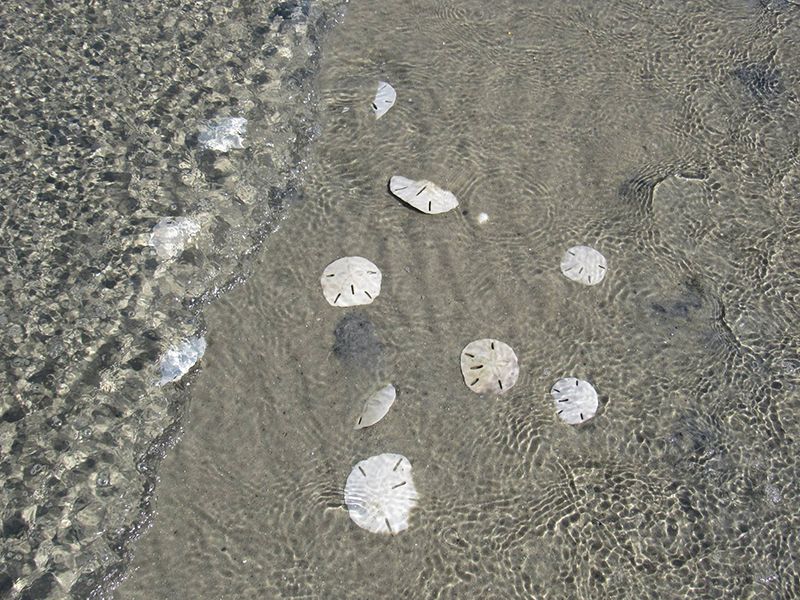
Just off the southern coast of North Carolina, near Holden Beach, there is a tiny sliver of land that practically named itself.
Sand Dollar Island is a small, uninhabited barrier island that has earned a legendary reputation among shell hunters up and down the Carolina coast.
Getting there requires a short boat ride or kayak paddle, but the effort is absolutely worth every stroke of the paddle.
Because the island is so remote and sees far less foot traffic than the more popular beaches nearby, sand dollars have a much better chance of making it to shore intact.
The shallow, calm waters surrounding the island create the perfect conditions for these flat little sea creatures to wash up undisturbed.
Collectors frequently report finding dozens in a single visit, especially during low tide on a calm morning.
The island itself is nothing more than a sandbar with some sea grass and open sky, which means there are no distractions from the main event: hunting for shells.
Bring water, sunscreen, and a sense of adventure, because there are no facilities here whatsoever.
The raw, natural setting is a huge part of what makes it so appealing to people who love unspoiled nature.
One helpful tip is to visit during a morning low tide after a recent storm.
Storms stir up the ocean floor and push shells closer to the beach, and low tide reveals the wet sand flats where sand dollars tend to cluster.
A pair of water shoes is a smart choice since you will likely be wading through shallow water to reach the best spots.
Local boat tour operators around Holden Beach and Ocean Isle Beach often offer guided trips to the island, which is a great option for first-time visitors who want a little guidance.
Whether you go on your own or with a group, Sand Dollar Island delivers an experience that feels completely removed from everyday life and deeply connected to the natural world of coastal North Carolina.
2. Bear Island At Hammocks Beach State Park
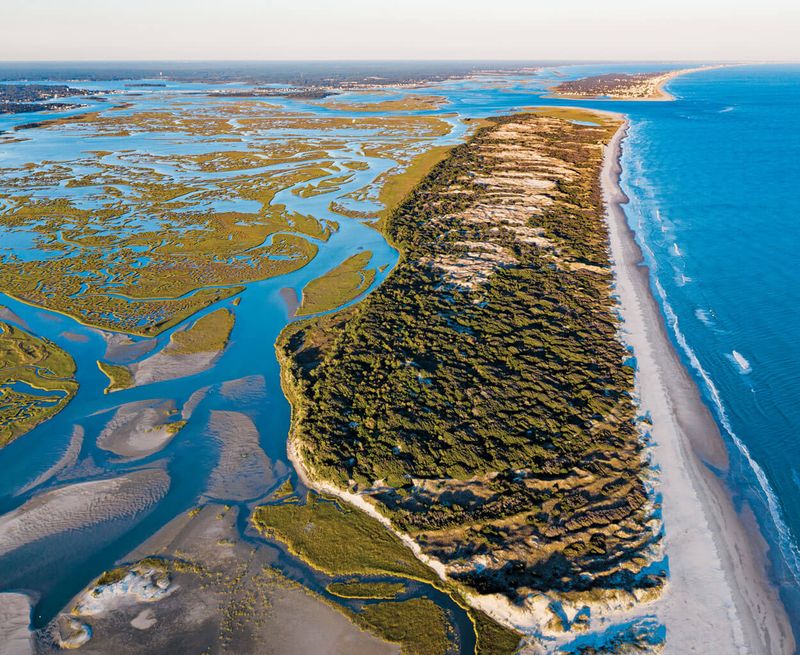
Reaching Bear Island requires a ferry ride from the mainland near Swansboro, and that short trip across the water feels like crossing into a completely different world.
Hammocks Beach State Park protects this stunning barrier island, keeping it free from development and preserving the kind of wild, natural shoreline that has nearly disappeared along much of the East Coast.
The result is a beach that looks almost exactly as it did hundreds of years ago.
Because the island is only accessible by ferry or personal watercraft, the crowds are naturally kept small.
Fewer visitors mean fewer footprints in the sand, and that translates to a much higher chance of finding sand dollars before anyone else does.
The wide, open beach stretches for about three miles, giving collectors plenty of ground to explore without ever feeling rushed or crowded.
Bear Island is particularly well known among shellers for the variety of finds beyond just sand dollars.
Whelks, olive shells, and moon snails are all common here, making every walk along the waterline feel like a treasure hunt with multiple prizes.
The untouched dune system behind the beach adds a dramatic backdrop that makes the whole experience feel cinematic.
Camping is available on the island for those who want to extend their stay, and spending the night means you can hit the beach at first light, which is hands down the best time for finding sand dollars.
Early morning low tides, especially after a storm, are when the ocean tends to deposit the most shells along the wrack line.
Serious collectors know that patience and timing are everything.
The ferry schedule runs seasonally, so checking the state park website before you go is a smart move.
Bringing your own snacks, water, and supplies is essential since there are very limited amenities on the island.
For anyone serious about finding beautiful, whole sand dollars in a setting that feels completely wild and untouched, Bear Island is one of the finest destinations on the entire North Carolina coast.
3. Ocracoke Island
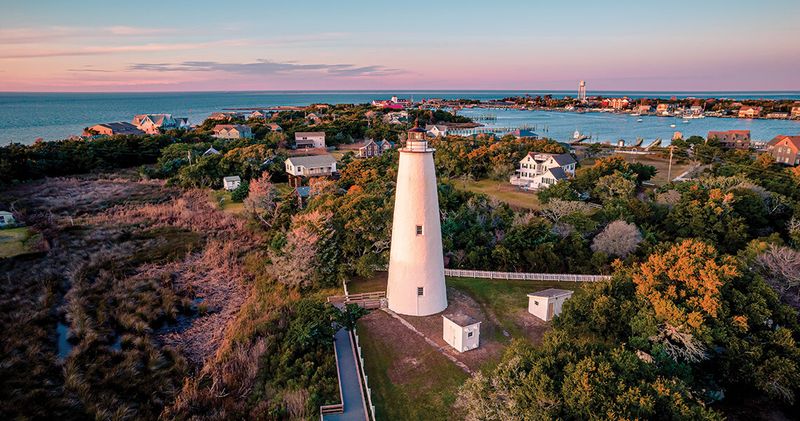
There is a reason Ocracoke Island keeps showing up on lists of the best beaches in the entire country.
Accessible only by ferry, this charming island sits within the Cape Hatteras National Seashore and carries a sense of history and mystery that few other places can match.
The famous pirate Blackbeard met his end near these shores, and the island still holds onto that adventurous spirit in the best possible way.
For sand dollar hunters, Ocracoke offers miles of wide, open beach that receives far less pressure than mainland beaches because of its remote location.
The ferry ride keeps casual day-trippers to a minimum, which means the shells that wash ashore have a better chance of being discovered by those who made the effort to get there.
The southern end of the island, near the inlet, is especially productive for finding whole sand dollars.
The village of Ocracoke itself is one of the most charming small communities on the entire East Coast.
Narrow lanes lined with live oaks, local seafood restaurants, and independently owned shops make the non-beach hours just as enjoyable as the time spent on the sand.
Staying overnight allows visitors to experience the island at its most peaceful, especially in the early morning hours before the day-trippers arrive.
Timing matters a great deal here.
Low tides in the early morning, particularly after a northeast wind has been blowing, tend to bring the best shell deposits to the beach.
Walking the stretch of shore south of the beach access points near the campground often yields impressive results for dedicated collectors.
The National Park Service maintains the beach in its natural state, which means no development, no noise, and no distractions.
Just open sky, crashing waves, and the quiet thrill of spotting a perfect sand dollar half-buried in the wet sand.
Ocracoke rewards those who take their time and approach the beach with curiosity and a willingness to wander far from the parking areas.
4. Shackleford Banks
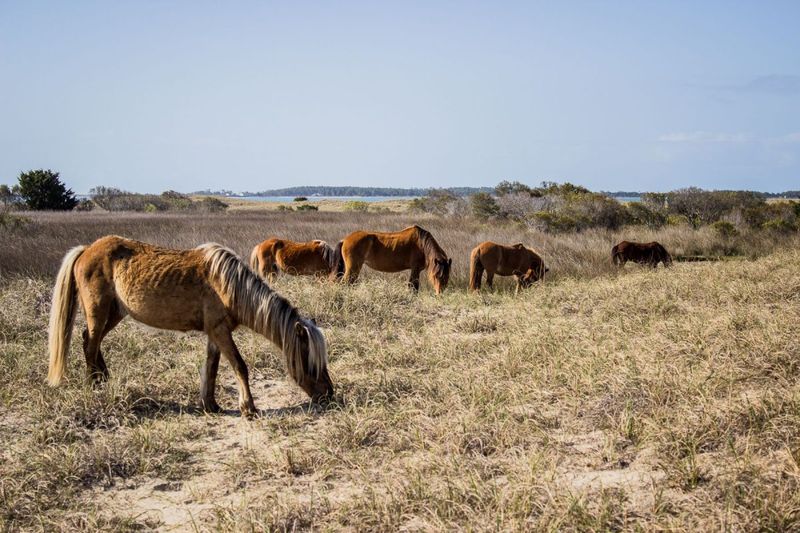
Wild horses roam freely on Shackleford Banks, and that alone makes this barrier island one of the most unforgettable places to visit anywhere in North Carolina.
The horses are descendants of Spanish mustangs that have lived on the island for centuries, and watching them wander the beach while you search for sand dollars is an experience that is hard to put into words.
It feels like stepping into a living painting.
Shackleford Banks is part of the Cape Lookout National Seashore and is only reachable by ferry from Beaufort or Harkers Island.
The lack of a bridge keeps the crowds manageable and preserves the island’s raw, untouched character.
With about nine miles of beach to explore, there is always a quiet stretch of shoreline waiting for those willing to walk a little farther from the ferry landing.
The shell collecting here has a well-earned reputation among serious beachcombers.
The island faces the open ocean without any barriers to slow down the waves, which means shells get pushed up onto the beach with regularity.
Sand dollars are a frequent find, particularly along the southern shore where the currents tend to deposit the most material.
Whelks and other large shells often appear alongside them.
One thing that sets Shackleford Banks apart from other shell-hunting destinations is the combination of wildlife and scenery.
Dolphins are often spotted just offshore, shorebirds pick through the wrack line alongside human visitors, and the dunes stretch up dramatically behind the beach.
Every visit feels like a full sensory experience rather than just a trip to the shore.
Camping is permitted on the island, and spending a night under the stars here is something shell collectors and nature lovers talk about for years.
Waking up before sunrise to walk the beach during a low tide, with the horses grazing in the distance and the first light turning the ocean gold, is about as good as it gets on the North Carolina coast.
Pack light, respect the wildlife, and prepare to be amazed.
5. Emerald Isle
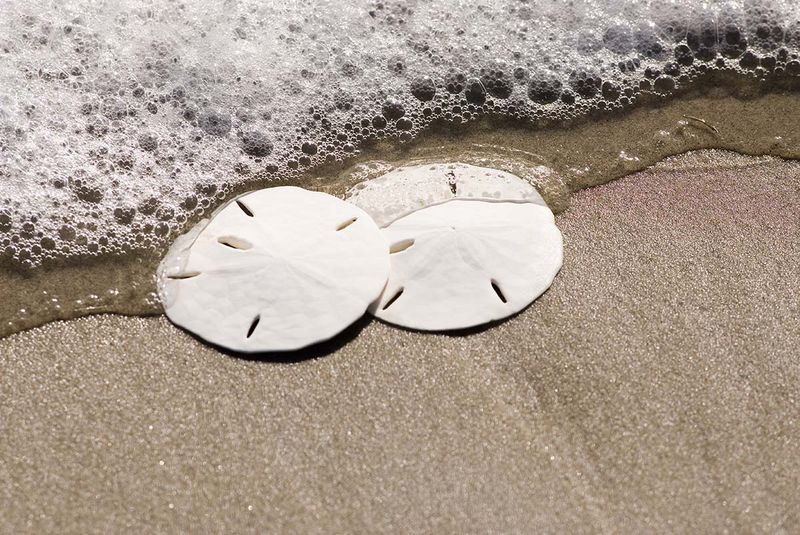
Named for the striking green color of its water on a clear day, Emerald Isle sits at the western end of Bogue Banks and offers a beach experience that balances accessibility with genuine natural beauty.
Unlike some of the more remote islands on this list, Emerald Isle is reachable by car, making it a popular destination for families and weekend visitors from across the state.
But do not let that accessibility fool you into thinking the shelling is second-rate.
The beach here stretches for about 12 miles, and the sheer length of the shoreline means that even on a busy weekend, you can find a quiet spot to walk and hunt for shells.
The eastern end of the beach near the point tends to collect more shells due to the way the currents move along the coast.
Early morning visitors regularly report finding sand dollars, especially during the cooler months when tourist traffic drops significantly.
Emerald Isle has a warm, welcoming community feel that makes it easy to spend multiple days without running out of things to do.
Local shops, seafood restaurants, and ice cream stands are all part of the experience.
After a morning of shell hunting, grabbing a bowl of fresh clam chowder at one of the waterfront spots is a tradition that many visitors look forward to every year.
Fall and winter visits are particularly rewarding for serious sand dollar hunters.
The summer crowds thin out, the water cools down, and the storms that roll through tend to push more shells up onto the beach.
Wearing layers and arriving at low tide during these off-season months can result in some of the most productive shelling sessions of the year.
For families with kids, Emerald Isle is an especially great choice.
The water is generally calm enough for wading, and children love the thrill of spotting a sand dollar in the shallow surf.
Teaching young beachgoers how to identify live versus dead sand dollars, and why it matters to leave live ones behind, turns the hunt into a meaningful outdoor lesson that kids tend to remember for a long time.
6. Cape Hatteras National Seashore
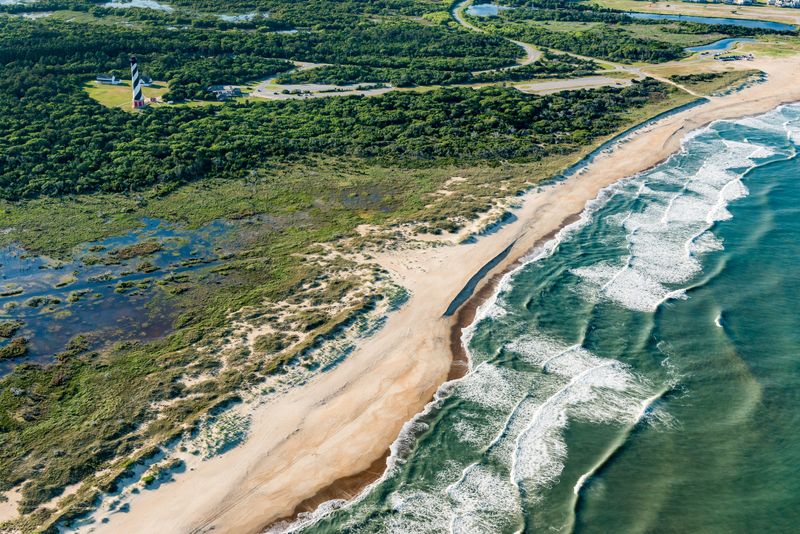
Few places on the East Coast carry the kind of dramatic, windswept energy that Cape Hatteras National Seashore delivers on a daily basis.
Stretching across portions of Bodie, Hatteras, and Ocracoke Islands, this protected stretch of coastline is one of the longest undeveloped barrier island chains in the world.
The iconic black-and-white striped Cape Hatteras Lighthouse stands as a symbol of the power and beauty of this remarkable place.
The geography of Cape Hatteras makes it an exceptional location for finding sand dollars.
The cape itself juts out into the Atlantic at a point where the warm Gulf Stream meets the cooler Labrador Current, creating a churning mix of ocean energy that pushes all kinds of marine life and shells toward shore.
Sand dollars are a regular feature of the wrack line here, particularly after strong winds and rough surf.
Because the National Park Service manages the entire seashore, there is no commercial development along the beach.
No hotels, no restaurants, no boardwalks.
Just miles and miles of open sand, rolling dunes, and the constant rhythm of the ocean.
This natural setting is exactly what serious beachcombers and nature lovers come looking for, and it delivers every single time.
The beach at Cape Point, where the cape curves sharply and faces two different directions, is particularly famous among shell hunters.
The converging currents deposit shells from multiple directions, and a low tide walk along the point can yield an impressive collection.
Surf fishermen also flock to this spot, so expect some company, but there is always plenty of room to spread out.
Visiting in the shoulder seasons, from late September through November or from March through May, tends to offer the best combination of good weather and productive shelling.
The summer months bring more visitors and more competition for shells, though the beach is so vast that finding a secluded stretch is never truly difficult.
Cape Hatteras rewards those who treat it with respect and take the time to explore beyond the main access points.
7. Holden Beach
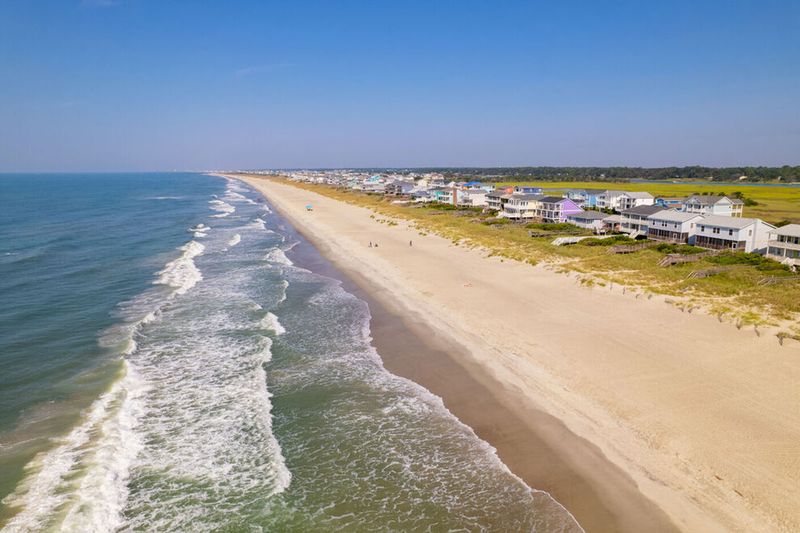
Tucked away in Brunswick County near the South Carolina border, Holden Beach has a reputation as one of the quieter, more laid-back beach towns on the North Carolina coast.
The island is narrow and lined with beach cottages rather than high-rise condos, giving it a nostalgic, old-school vacation feel that many visitors find deeply refreshing.
People come back year after year, and it is easy to understand why once you spend a morning walking the shore.
Holden Beach is one of the best-kept secrets for sand dollar hunting in the state.
The beach faces south and southwest, which means it catches shells pushed up by winds and currents coming from a different angle than the more northerly beaches on this list.
This unique positioning contributes to the variety and quantity of shells that wash up regularly.
Sand dollars, olive shells, and scotch bonnets, the state shell of North Carolina, are all common finds here.
The island is about eight miles long, and the western end near Lockwood Folly Inlet tends to be the most productive for shellers.
Inlets naturally concentrate shells as tidal currents funnel water and debris into a smaller area.
Walking toward the inlet during a low tide, especially after a period of strong winds, is one of the most reliable strategies for finding whole, unbroken sand dollars at Holden Beach.
The community here is small and friendly, and the pace of life on the island matches the easy rhythm of the tides.
There are no large chain restaurants or busy entertainment strips.
Instead, you get local seafood shacks, a small pier, and the kind of quiet that allows you to actually hear the waves.
For families or couples looking for a peaceful getaway with great shelling, Holden Beach checks every box.
Renting a cottage for a week is the most popular way to experience the island, and many rental properties sit right on the beach.
Waking up steps from the ocean and heading out at dawn to walk the tide line before the rest of the world wakes up is one of those simple pleasures that makes a Holden Beach vacation feel genuinely restorative and unforgettable.
8. Bald Head Island
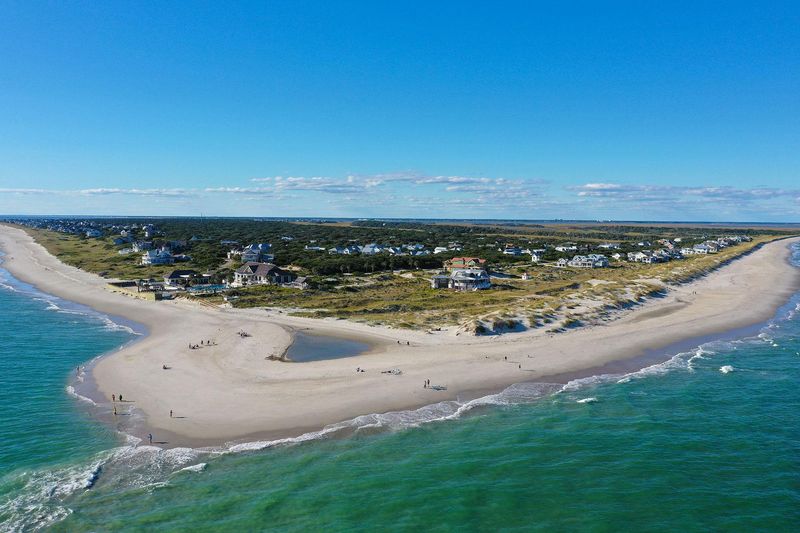
Arriving at Bald Head Island by ferry and stepping off to find that no cars are allowed anywhere on the island is one of the most disorienting and wonderful experiences the North Carolina coast has to offer.
Golf carts and bicycles are the primary modes of transportation here, and that car-free environment gives the entire island a calm, unhurried atmosphere that feels completely unlike anywhere else.
Old Baldy, the oldest standing lighthouse in North Carolina, greets visitors as they come ashore.
The shelling at Bald Head Island is genuinely exceptional, and sand dollars are among the most prized finds.
The island sits at the mouth of the Cape Fear River, where tidal currents from the river and the open ocean converge in ways that push shells onto the beach from multiple directions.
The south-facing beach, known as East Beach, is particularly productive and stretches for several miles in near-total solitude.
Because the island is only accessible by ferry and does not allow private vehicles, the visitor numbers stay naturally low.
Fewer people walking the beach means more shells waiting to be discovered, and the unhurried pace of island life encourages the kind of slow, attentive walking that makes for great shelling.
Early morning low tides are the golden window, and residents and frequent visitors treat that time as almost sacred.
Beyond the beach, Bald Head Island is home to one of the most significant loggerhead sea turtle nesting areas on the East Coast.
The Bald Head Island Conservancy does incredible work protecting both the turtles and the natural environment, and visitors are encouraged to learn about and support their efforts.
Understanding the ecosystem makes the experience of collecting shells feel more connected and meaningful.
Staying overnight is highly recommended, as day-trippers are limited by ferry schedules and miss the best shelling hours.
Rentals range from cozy cottages to larger homes, and waking up on the island with nothing but birdsong and ocean breeze outside your window sets the tone for a truly memorable day of beachcombing along one of North Carolina’s most unique and beautiful shorelines.