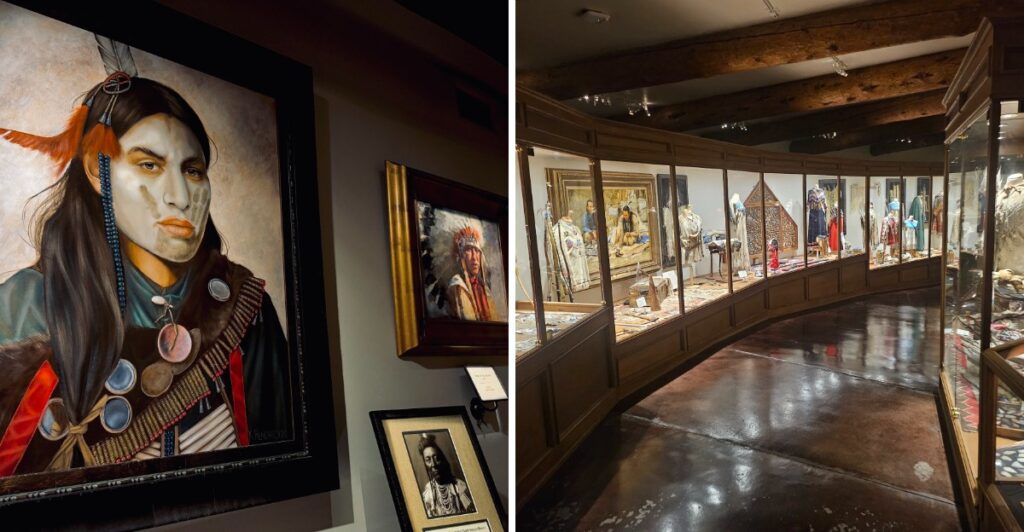
Hidden at Top of the Rock in Ridgedale, Missouri, the Ancient Ozarks Natural History Museum is much bigger than many visitors expect. It sits below the grand lodge area and leads guests through thousands of years of Ozarks history, Native American culture, fossils, weapons, art, and everyday objects.
The museum matters because it helps people see the Ozarks as a place shaped by nature, skill, survival, and deep human stories. If you like places that feel part history lesson and part treasure hunt, this underground museum is full of surprises.
1. A Museum That Feels Like a Hidden World
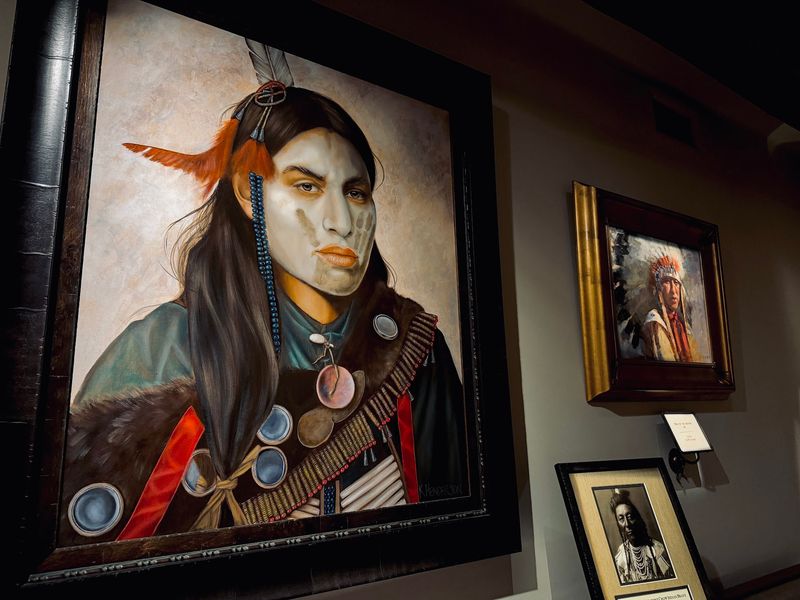
Step inside and the outside world seems to fall away.
The Ancient Ozarks Natural History Museum is set below the Top of the Rock property, giving the visit a secret-room feeling before the first display even appears.
Many guests say the museum is larger than expected, and that is easy to believe once the path begins.
Reviewers have compared its size to several football fields, so comfortable shoes are a smart idea, especially if you want to stop and read signs.
The underground setting adds to the mood without feeling dark or cramped.
Warm lights, wide walkways, polished displays, and carefully placed artifacts make the space feel clean, calm, and easy to follow.
Plan more time than you think you need.
Some visitors move through in about an hour, while others spend two or three hours looking closely at tools, clothing, artwork, weapons, and historical scenes.
A helpful tip is to check the official Top of the Rock website before visiting, since admission details can change and museum entry is sometimes connected with other experiences, such as the Lost Canyon Cave and Nature Trail golf cart tour.
The museum is usually open from 9:30 AM to 7 PM, but calling ahead at 417-339-5306 can save confusion.
For families, history fans, and curious travelers, the first surprise is simple: this place is not a small side attraction.
It is a full afternoon hiding underground.
2. Native American Artifacts With Powerful Stories
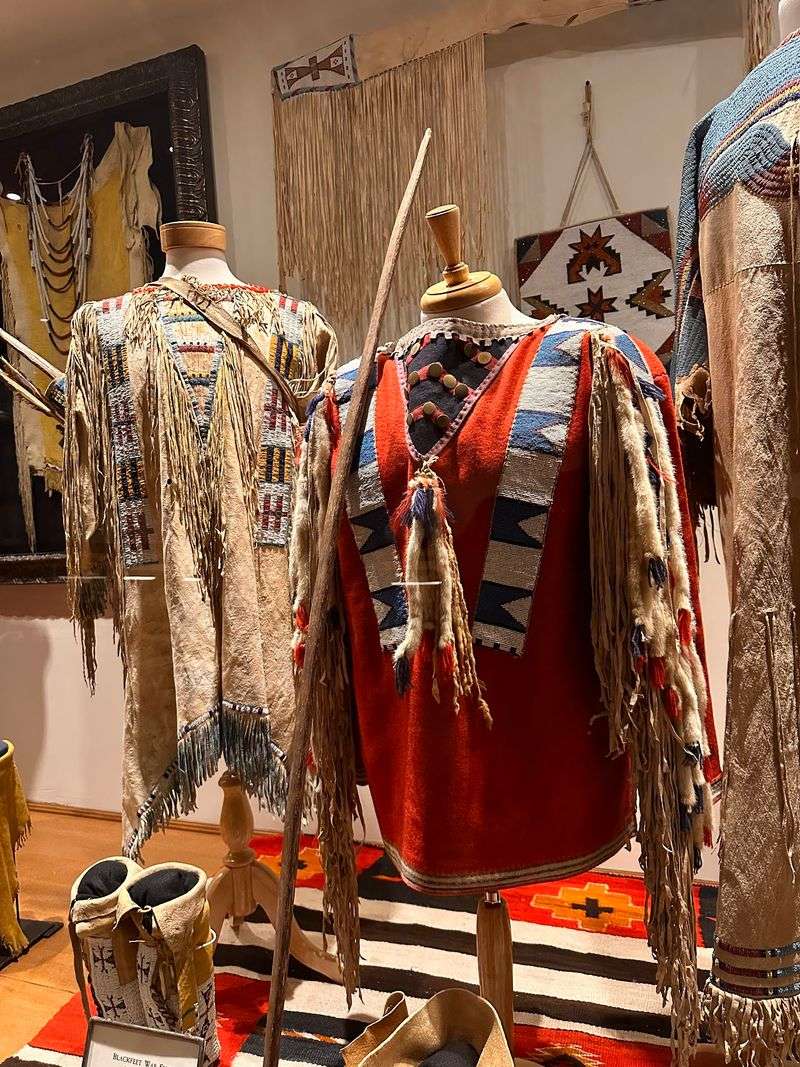
A quiet display case can speak loudly when it holds objects made by real hands long ago.
At the Ancient Ozarks Natural History Museum, Native American artifacts are among the most praised parts of the whole visit.
Guests often mention the clothing, tools, pottery, artwork, and carefully arranged cultural pieces.
The collection helps visitors understand how Indigenous people lived, worked, traveled, cooked, hunted, created, and cared for their communities in and around the Ozarks region.
Instead of feeling like a simple row of old objects, the exhibits show skill and daily life.
A tool can show problem-solving, a pot can show patience, and a piece of clothing can show both beauty and purpose.
The museum also asks visitors to think about harder parts of history.
Some displays remind people that Native communities faced loss, removal, broken promises, and stolen land, which can feel heartbreaking but also deeply important to learn.
Parents visiting with children can use these exhibits to start respectful conversations.
Ask simple questions like, what was this used for, who might have made it, and what does it tell us about life before stores and modern machines?
The best way to see this section is slowly.
Read the labels, notice the materials, and remember that these pieces are not just curiosities.
They are links to people, families, knowledge, and traditions that shaped the story of the Ozarks.
3. Arrowheads That Turn Stone Into Story
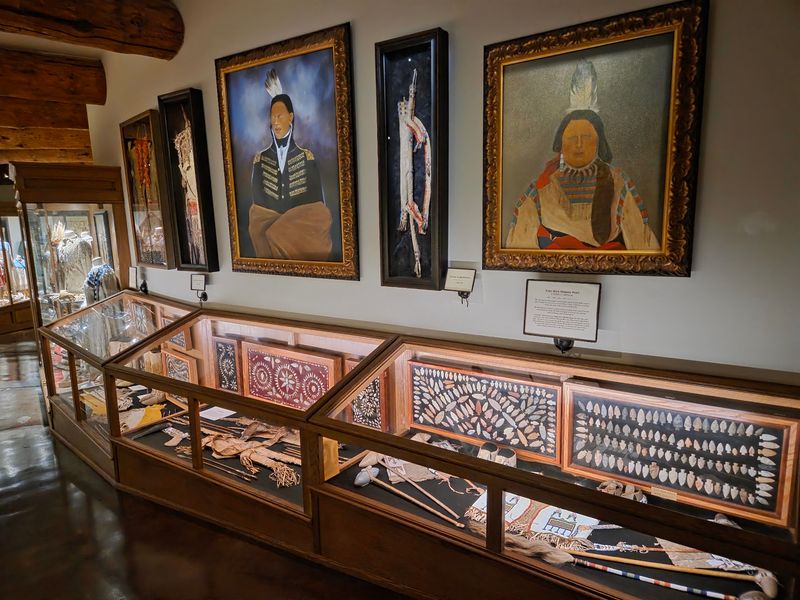
Tiny stone points can stop visitors in their tracks.
The museum has arrowheads and stone tools that show how much care, practice, and knowledge went into making something small enough to fit in a hand.
Arrowheads are popular with guests because they are easy to recognize, but they are more than sharp rocks.
Each one can point to hunting methods, trade routes, local materials, and the patience of the person who shaped it.
Look closely at the edges if the display allows a good view.
The flaked patterns show how stone was chipped away bit by bit, almost like sculpture with a survival purpose.
For younger visitors, this section can be a fun guessing game.
Which points look best for small game, which seem stronger, and which ones might have taken the longest to make?
Adults may enjoy thinking about the science behind the craft.
The maker needed to know which stones would break in useful ways, how to hold the piece, and how much force to use without ruining it.
If you have ever found a strange rock while walking near a creek, the arrowhead cases may make you look at the ground differently after your visit.
They also remind guests not to remove artifacts from protected places.
Seeing these pieces preserved in a museum helps everyone learn from them, instead of letting them disappear into a drawer or private shelf.
4. Cannons, Weapons, and the Weight of Conflict
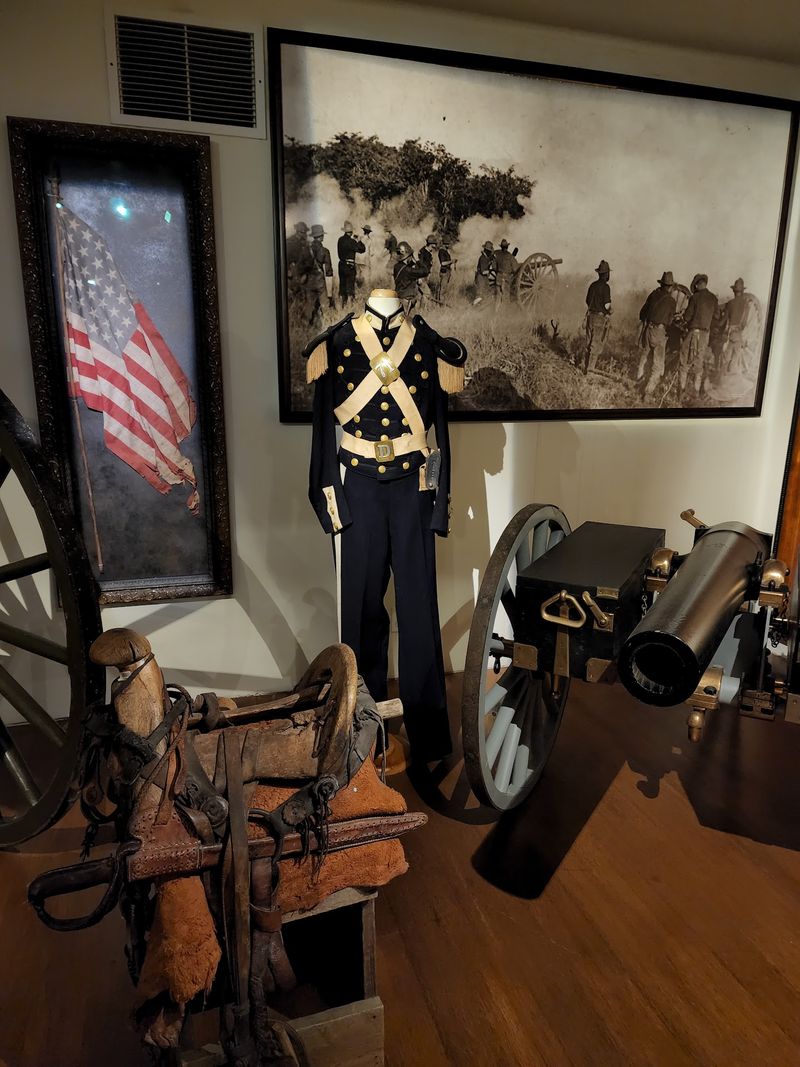
The cannons are hard to ignore.
Large, heavy, and dramatic, they remind visitors that the story of the Ozarks includes conflict as well as nature, craft, and community life.
Many reviews mention the museum displays of weapons, including pieces connected to Civil War history.
For some guests, these objects are exciting because of their size and design, but they also carry a serious message about violence and change.
Missouri held a complicated place during the Civil War, with divided loyalties and tense communities.
Seeing weapons in a museum setting can help visitors picture how national events reached small towns, farms, trails, and families across the region.
Take time to notice more than the metal.
Look for labels that explain dates, uses, makers, or the larger historical setting, since those details turn a weapon from a dramatic object into a teaching tool.
Kids may be drawn to the cannons first, so it helps to guide the conversation.
You might explain that museums keep these items so people can learn what happened, not because war is something to celebrate.
This section works best when visitors balance curiosity with respect.
The weapons show engineering and craftsmanship, but they also point to fear, loss, defense, and power.
In a museum filled with ancient objects, the cannons add a later chapter, showing how the Ozarks kept changing as America changed around it.
5. Fossils and Bones From a Much Older Ozarks
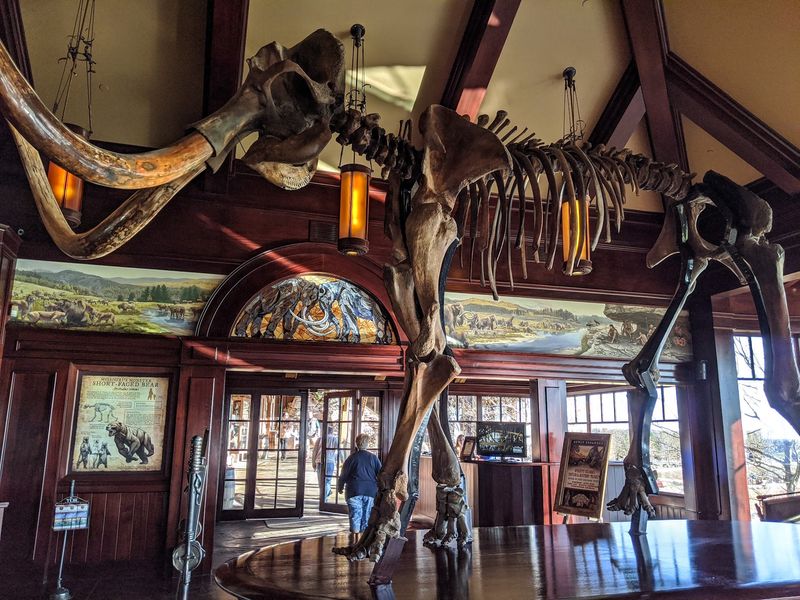
Long before roads, resorts, and lake vacations, the Ozarks held a wild natural story.
The fossil and bone displays help visitors imagine a landscape shaped by animals, climate, water, caves, and time.
Natural history is part of the museum name, and these exhibits give the building its oldest timeline.
Bones and fossils can make the past feel almost unbelievable, especially when you realize they connect to creatures and environments far older than written records.
Children often respond well to this section because fossils feel like clues.
They can imagine scientists asking, what animal was this, where did it live, what did it eat, and how was it found?
Adults may enjoy the reminder that the Ozarks are not only a cultural region, but also a geologic one.
The hills, limestone, caves, springs, and rugged land all helped shape how people and animals lived here.
A good way to enjoy fossil displays is to slow down and compare shapes.
Teeth, jaws, skulls, and leg bones each tell different parts of the story, like pages from a very old book.
Because the museum also focuses on human history, the prehistoric material creates a strong opening chapter.
It shows that people entered a world already full of natural drama.
By the time you leave this area, the Ozarks may feel less like a simple vacation spot and more like a place with deep roots under every trail.
6. Everyday Tools That Make the Past Feel Real
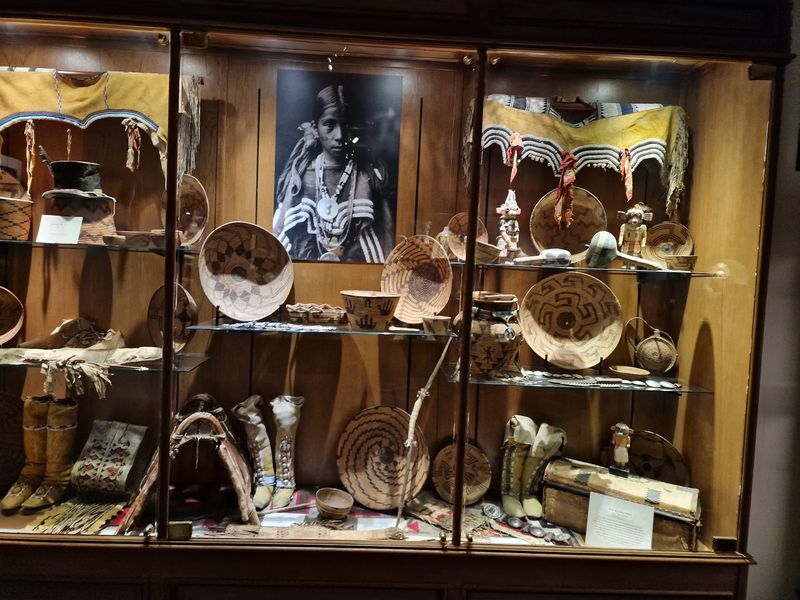
A spoon, a bowl, or a grinding tool may not look flashy at first.
Then you remember that everyday objects often tell the most honest stories about how people actually lived.
Visitors have praised the museum for showing items like utensils, tools, clothing, canoes, and materials used for cooking, building, and daily work.
These displays make history feel less like names and dates and more like chores, meals, families, and problem-solving.
Simple tools can also show how creative people were with what they had nearby.
Before modern stores and delivery trucks, people depended on stone, bone, wood, clay, hide, plant fibers, and careful knowledge passed from one generation to another.
As you walk through this part of the museum, try comparing old tools with objects in your kitchen or garage.
A mortar and pestle, for example, may connect to the same basic job as a blender or spice grinder.
This section is especially useful for kids who think history is only about famous leaders.
It shows that survival depended on farmers, hunters, cooks, builders, artists, parents, and makers who handled ordinary tasks every day.
The displays also make visitors feel grateful for convenience without looking down on the past.
Many of these objects are beautifully made and cleverly designed.
They prove that people in earlier times were not simple.
They were skilled, observant, and able to turn natural materials into things that kept life moving.
7. Artwork and Clothing Filled With Detail
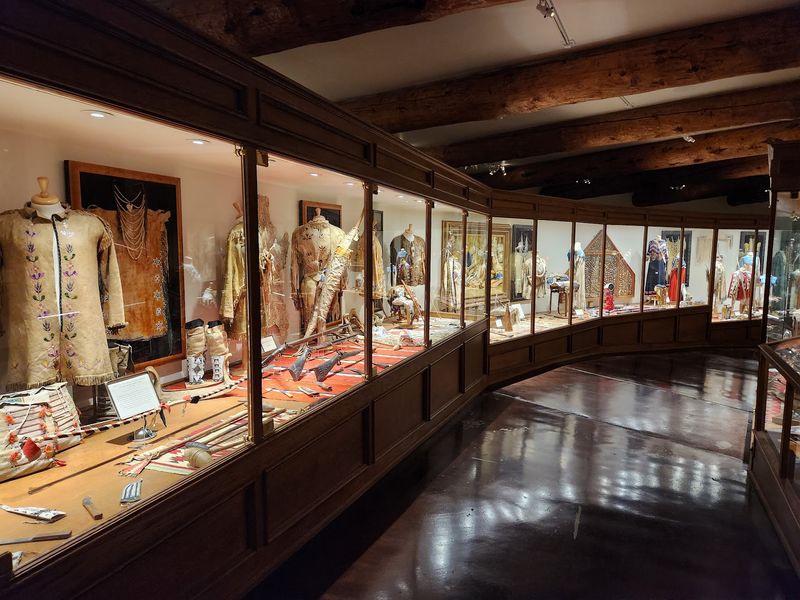
Color and texture bring a different kind of wonder to the museum.
After seeing stone tools and heavy weapons, the clothing and artwork add softness, detail, and personal expression to the underground galleries.
Many visitors mention native clothing, paintings, artwork, and carefully preserved cultural pieces.
These exhibits show that practical items could also be beautiful, meaningful, and tied to identity.
Look for patterns, materials, stitching, beadwork, shapes, and colors.
Even when a piece was made for daily use or ceremony, it may carry information about community, region, belief, skill, or available resources.
Artwork can also help guests connect emotionally with history.
A painting or decorated object may show a scene, an animal, a person, or a symbol in a way that words alone cannot explain.
If you visit with kids, ask them to choose one item and describe what they notice before reading the sign.
This builds observation skills and makes the display feel more active.
There is also a quiet lesson here about preservation.
Fabric, hide, paint, and beads can be fragile, so the museum setting helps protect them for future visitors.
That protection matters because these pieces show the human side of the past.
They remind us that people have always wanted more than shelter and food.
They have also wanted meaning, beauty, memory, and ways to show who they are.
8. A Top of the Rock Stop That Pairs With the Cave Tour
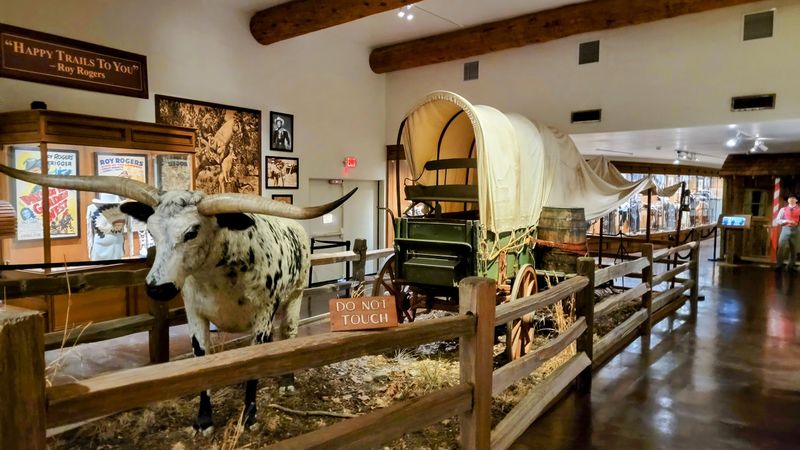
One of the best planning tricks is knowing how the museum fits into the wider Top of the Rock experience.
Many visitors come for the Lost Canyon Cave and Nature Trail, then discover the museum is included or closely connected with their ticket.
Reviews often mention riding a shuttle after the golf cart cave tour or keeping a ticket handy for entry.
Because ticket bundles and policies can change, always check the official site before making plans.
The pairing works well because the cave and nature trail show the Ozarks outside, while the museum explains the region through artifacts and history.
Together, they create a fuller picture of the land and the people connected to it.
Timing matters if you want a relaxed day.
The museum may take longer than expected, so avoid squeezing it between a meal reservation and another timed activity.
Top of the Rock also has restaurants and other attractions nearby, which can make the area feel like a full outing instead of a single stop.
That is helpful for families, couples, and groups with mixed interests.
A practical plan is to do the cave tour, take a short break, then walk through the museum without rushing.
Bring patience, wear good walking shoes, and keep small needs in mind before entering.
Some reviewers note that the route is a stay-until-the-end style path, with restrooms partway through, so planning ahead can make the visit smoother.
9. A Big Collection That Rewards Slow Looking
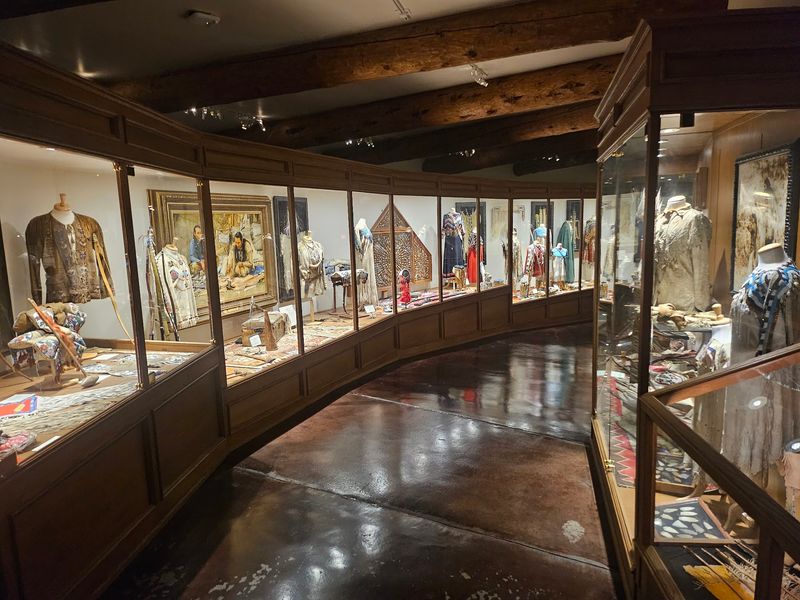
Some museums feel finished after twenty minutes, but this one keeps offering another corner, another case, and another detail.
That is why so many visitors use words like huge, impressive, and outstanding.
The Ancient Ozarks Natural History Museum has a 4.8-star rating from thousands of reviews, and many guests say it went beyond their expectations.
The size is part of the appeal, but the range of objects matters just as much.
You may see Native American artifacts, arrowheads, pottery, weapons, fossils, bones, clothing, artwork, tools, canoes, and Civil War related pieces during one visit.
That variety keeps the walk interesting because each section changes the mood.
The best approach is not to rush every sign.
Pick the topics that interest you most, then give yourself permission to skim some areas and linger in others.
If you are visiting with a group, set a meeting point or pace before starting.
History lovers may want much longer than casual visitors, and children may move quickly until something unusual catches their eye.
Information overload is possible, and that is not a bad thing.
It simply means the museum has more to offer than a quick glance can handle.
Take photos where allowed, pause when you need to, and let the collection surprise you.
The reward is leaving with the feeling that the Ozarks are deeper, stranger, and more layered than they looked from the road.
10. Helpful Details Before You Go
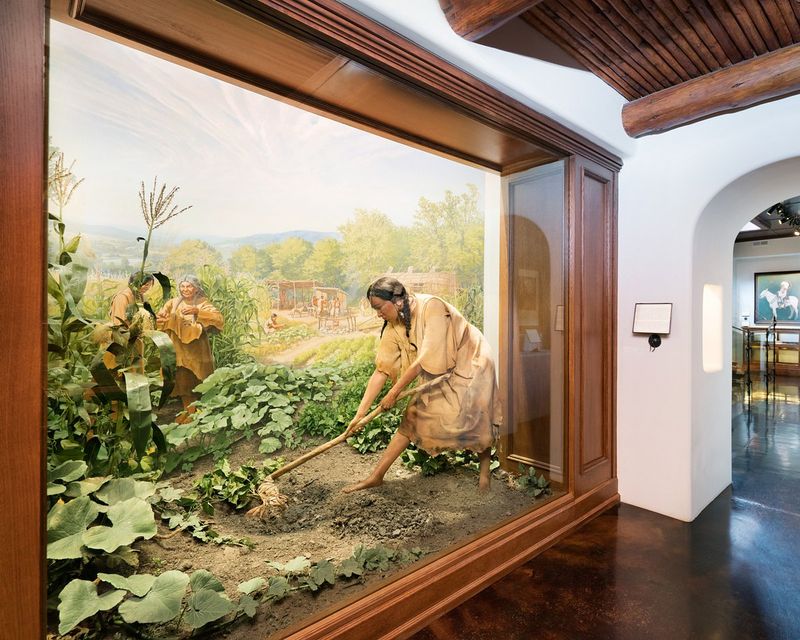
A smooth visit starts before you reach the front desk.
The museum is located at 150 Top of the Rock Road in Ridgedale, Missouri, on the Top of the Rock property near the Branson area.
Regular posted hours show the museum opening at 9:30 AM and closing at 7 PM every day, but hours can shift for weather, holidays, private events, or seasonal changes.
Calling 417-339-5306 or checking the official website is a smart move.
Wear comfortable walking shoes, since the museum is larger than it may appear from outside.
Some visitors spend about an hour, but others take two or three hours because there is so much to read and see.
Families with infants or small children should review bag rules before entering.
One unhappy review mentioned trouble with baby supplies, so it is wise to ask staff about bottles, diaper bags, strollers, and reentry before buying tickets.
There are restrooms partway through, according to visitor comments, which helps on a longer walk.
Still, taking care of snacks, drinks, and bathroom breaks before entering can make the experience easier.
The gift shop and nearby dining can add to the day, though prices may feel high to some travelers.
If you plan for time, walking, and ticket details, the museum can be a standout Ridgedale stop.
It is especially strong for visitors who like artifacts, regional history, Indigenous culture, natural history, and places that feel far bigger inside than expected.