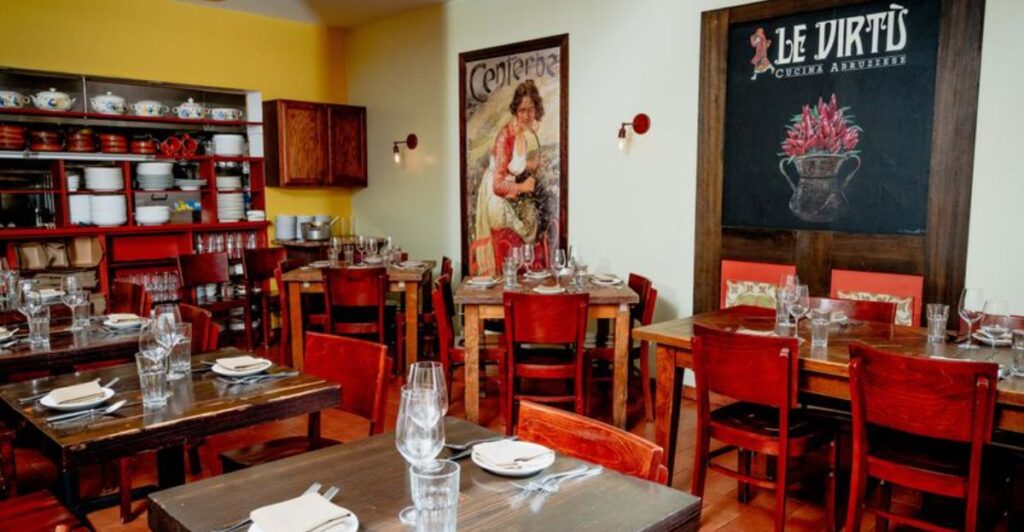
Pennsylvania has a deep love for Italian food, from old red-sauce dining rooms in Philadelphia to cozy pasta spots in Pittsburgh and polished kitchens in Lancaster and Scranton. Italian cooking has become an important part of the state’s dining culture, shaped by generations of families who brought cherished recipes and traditions with them and passed them down over time. These restaurants matter because they help tell the story of Pennsylvania, where family recipes, immigrant traditions, handmade pasta, and local ingredients all share the same table.
Some places are famous for their history and long-standing reputation, while others get people talking because they feel fresh, creative, or simply hard to book. Menus can range from comforting classics to modern interpretations of familiar dishes, giving diners plenty of ways to experience Italian cuisine. If you are planning a meal in Pennsylvania, this ranking gives you a helpful starting point for finding Italian food with character, flavor, tradition, and a real sense of place.
1. Dish Osteria, Pittsburgh
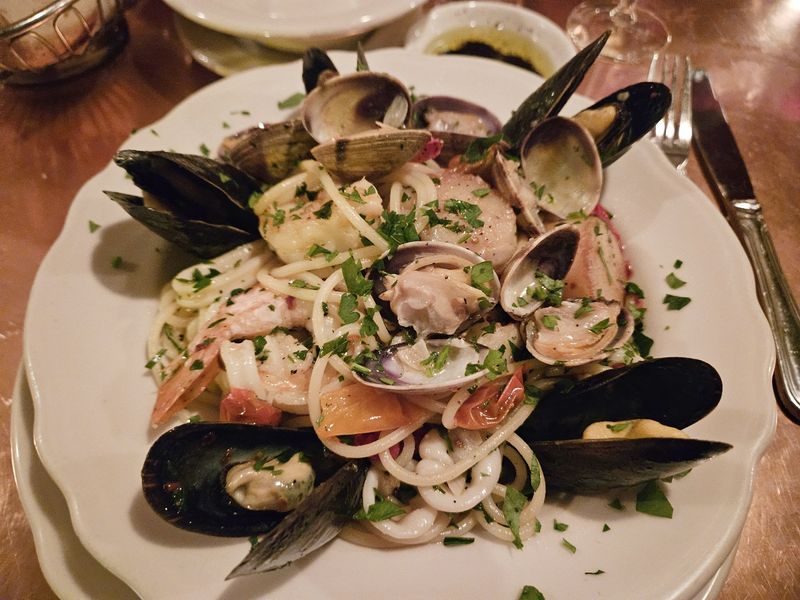
Some restaurants build buzz with loud rooms and flashy plates, but Dish Osteria wins people over in a quieter way.
Its charm comes from warmth, tight service, and Italian cooking that feels personal rather than showy.
Located in Pittsburgh, Dish has long been a favorite for people who love seafood, pasta, and a slower kind of dinner.
The menu often reflects southern Italian and Sicilian flavors, so you may see bright sauces, fresh herbs, shellfish, and simple ingredients treated with care.
The food does not need tricks because the flavors are clear and confident.
The room feels intimate, which is part of the appeal.
It is the kind of place where a conversation can stretch across the evening and a glass of wine feels like part of the experience, not an afterthought.
Because seating can be limited, planning ahead is a wise move.
If you are visiting from another part of Pennsylvania, Dish is a reminder that Pittsburgh has a serious Italian dining scene beyond pizza and sandwiches.
Ask about specials, especially if you like seafood.
Regulars often pay attention to those dishes because they can show the kitchen at its best.
What makes Dish Osteria so talked-about is its mix of restraint and flavor.
Nothing feels overworked, yet the meal can stay in your mind for days.
For diners who want a cozy dinner with a grown-up feel, this Pittsburgh spot deserves its reputation.
It is especially good for a small group that enjoys sharing bites, comparing plates, and letting the night move at an easy pace.
2. Le Virtù, Philadelphia
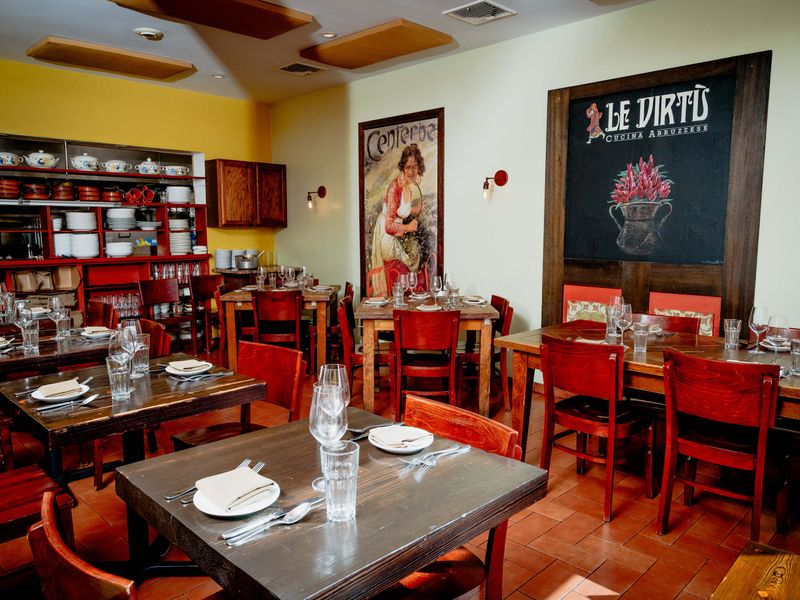
A meal here can feel like a quick trip to Abruzzo without leaving South Philadelphia.
The cooking leans rustic, hearty, and deeply tied to a specific part of Italy, which helps Le Virtù stand out in a city packed with Italian restaurants.
Guests often talk about the handmade pastas, roasted meats, and seasonal specials that feel both comforting and careful.
Instead of trying to please everyone with a giant menu, Le Virtù focuses on regional dishes that show respect for tradition.
That makes it a strong pick for diners who want more than basic spaghetti and meatballs.
The setting is relaxed but still special enough for a birthday, date night, or long dinner with friends.
In warmer months, the outdoor space adds a neighborhood charm that feels very Philadelphia.
Reservations are smart, especially on weekends, because word has spread far beyond the immediate area.
One useful tip is to ask questions if a dish name is unfamiliar.
The staff can usually explain the ingredients in a friendly way, and that can turn dinner into a small food lesson.
Pennsylvania diners who enjoy history may also like knowing that Abruzzese food reflects mountain villages, sheep herding, and simple ingredients used with skill.
Le Virtù earns its high spot because it has a clear identity.
It is not just Italian in a broad sense, it is proudly regional, welcoming, and memorable.
For anyone exploring Pennsylvania through food, this Philadelphia favorite shows how a restaurant can honor the past while still feeling alive today.
Order slowly, share plates, and leave room for dessert if the table agrees.
3. Ralph’s Italian Restaurant, Philadelphia
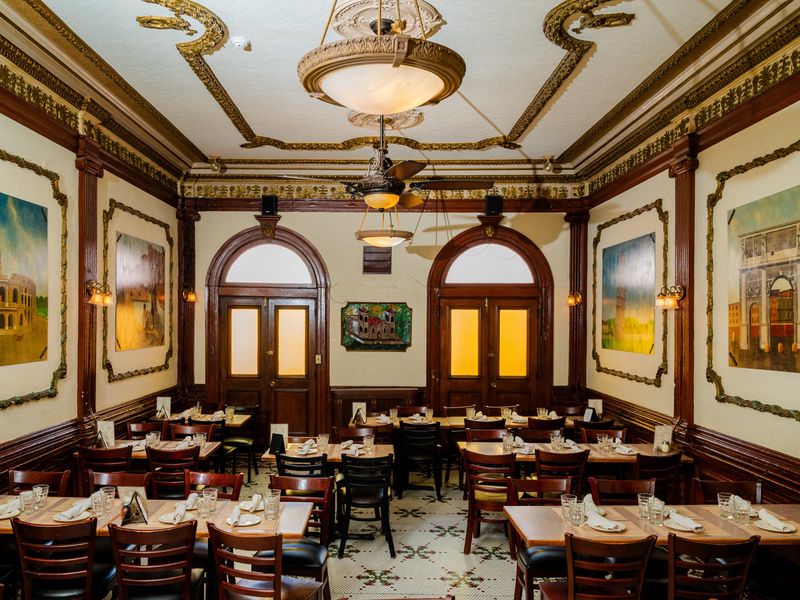
Walking into a place with more than a century of stories changes the mood before the first plate arrives.
Ralph’s Italian Restaurant has that old-school Philadelphia feeling, where history is part of the seasoning.
Known as one of the oldest Italian restaurants in the United States, Ralph’s keeps drawing attention because it connects diners to a classic red-sauce tradition.
People come for dishes like pasta, chicken parmigiana, veal, baked specialties, and rich sauces that feel familiar in the best way.
It is not trying to be modern or trendy, and that honesty is a big reason people keep talking about it.
The restaurant works well for visitors who want a taste of Philadelphia’s Italian-American heritage.
South Philly has long been tied to Italian immigrant families, markets, bakeries, and neighborhood restaurants, and Ralph’s fits right into that larger story.
Families, tourists, and longtime locals can all find something comforting on the menu.
A good strategy is to arrive hungry and lean into the classics.
If you are deciding between lighter and heavier dishes, remember that portions can be filling.
Sharing an appetizer or pasta can help the table sample more without feeling rushed.
Ralph’s earns a strong place in this ranking because it represents memory as much as food.
In Pennsylvania, restaurants like this help preserve family-style dining, Sunday-supper flavors, and the joy of a meal that does not need explaining.
For anyone who wants polished minimalism, another restaurant may fit better.
For anyone craving sauce, history, and a dining room with roots, Ralph’s remains a Philadelphia landmark worth knowing.
4. LUCA, Lancaster
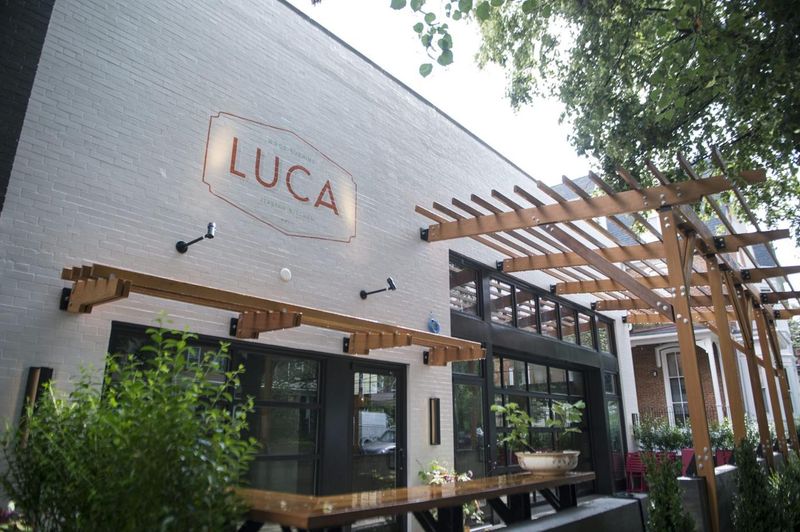
Lancaster may be famous for farmland, markets, and Pennsylvania Dutch food, but LUCA shows another side of the city.
The restaurant brings Italian cooking together with the region’s strong farming culture in a way that feels natural.
The menu often highlights wood-fired cooking, handmade pasta, seasonal vegetables, and carefully sourced meats.
That local focus matters in Lancaster County, where fresh produce and farm products are part of everyday life.
LUCA uses that advantage to make Italian dishes feel connected to Pennsylvania soil.
The atmosphere is lively and stylish without feeling cold.
It is a good match for people who enjoy watching a restaurant buzz, hearing plates land at nearby tables, and smelling the wood-fired oven.
For a smoother visit, book ahead and look over the menu before you go, especially if you are bringing picky eaters.
One fun part of LUCA is how it can please different kinds of diners.
Pasta lovers have plenty to enjoy, but so do people who like vegetables, grilled items, and shared plates.
If the table is open to it, ordering several dishes for everyone to taste can make the meal more exciting.
LUCA ranks highly because it feels very much like Lancaster while still honoring Italian food traditions.
It is not a copy of a big-city restaurant dropped into central Pennsylvania.
Instead, it reflects the area around it, from the ingredients to the friendly energy in the room.
For travelers building a Pennsylvania food trip, LUCA is a smart stop because it adds variety to the usual Philadelphia and Pittsburgh conversation.
It proves that talked-about Italian dining in the state is not limited to the biggest cities.
5. Vetri Cucina, Philadelphia
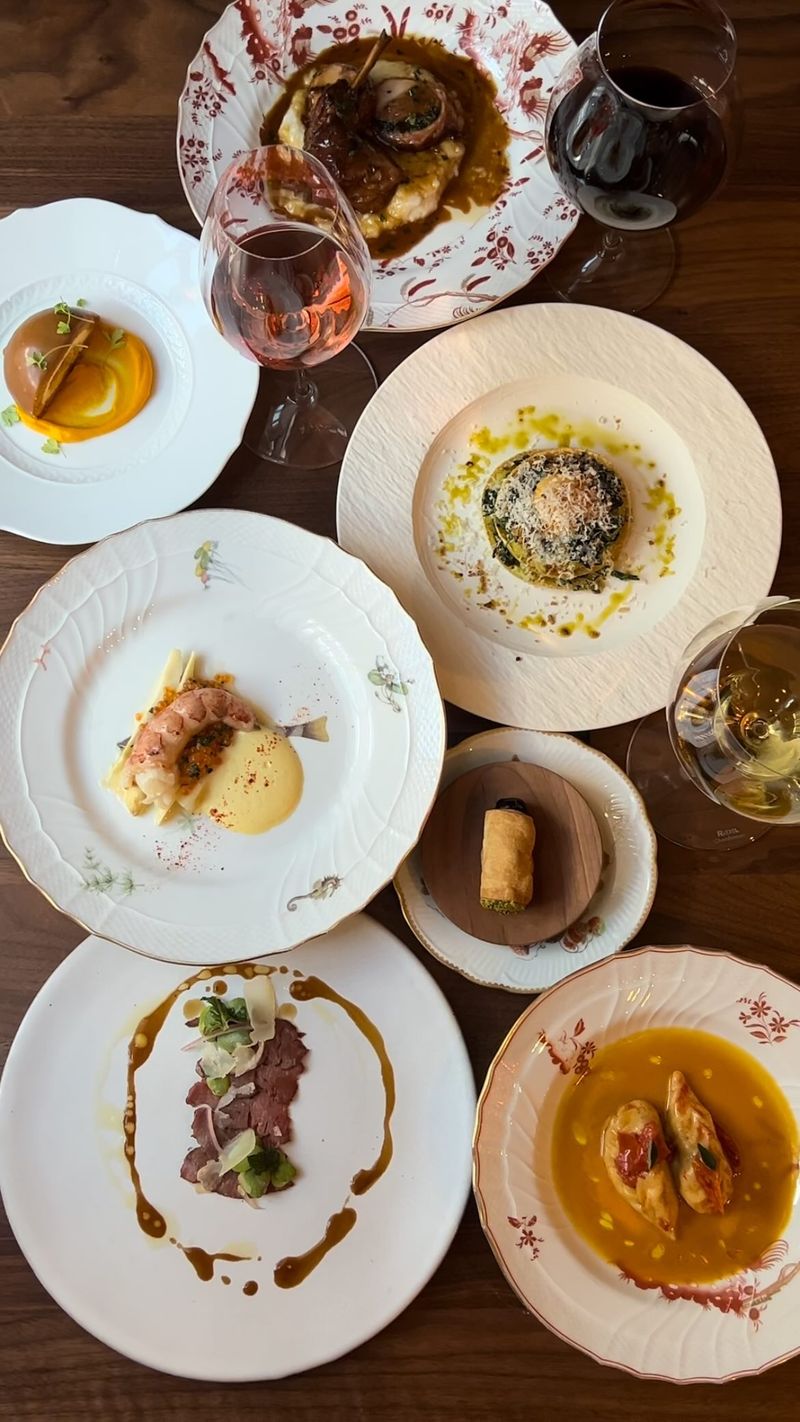
Every food city has a few places that become part of its legend, and Vetri Cucina is one of Philadelphia’s.
The restaurant is often mentioned when people talk about the best Italian dining in Pennsylvania.
Vetri is known for fine dining, handmade pasta, careful service, and a tasting-menu style experience.
That means a visit usually feels more planned than casual.
Diners go there for craft, detail, and a sense that each course has been thought through from start to finish.
The restaurant helped raise Philadelphia’s national food profile, which is one reason it stays so talked-about.
While many Italian places focus on large portions and comfort, Vetri puts the spotlight on technique and balance.
A small pasta course can make a bigger impression than a giant bowl when the texture, sauce, and seasoning all line up.
Because the experience can be expensive, it is best for special occasions or serious food lovers.
Check the current format, price, and reservation rules before you commit.
If wine pairings are offered, they can add to the meal, but they are not required to enjoy the cooking.
Vetri Cucina deserves its ranking because it represents the high end of Italian food in Pennsylvania.
It shows that pasta can be elegant, surprising, and deeply satisfying without losing its soul.
For someone used to casual trattorias, the pace may feel different at first.
Give it time, trust the kitchen, and enjoy the chance to see how refined Italian cooking can be when handled with patience and skill.
In a state full of beloved Italian restaurants, Vetri remains a name people say with respect.
6. DiAnoia’s Eatery, Pittsburgh
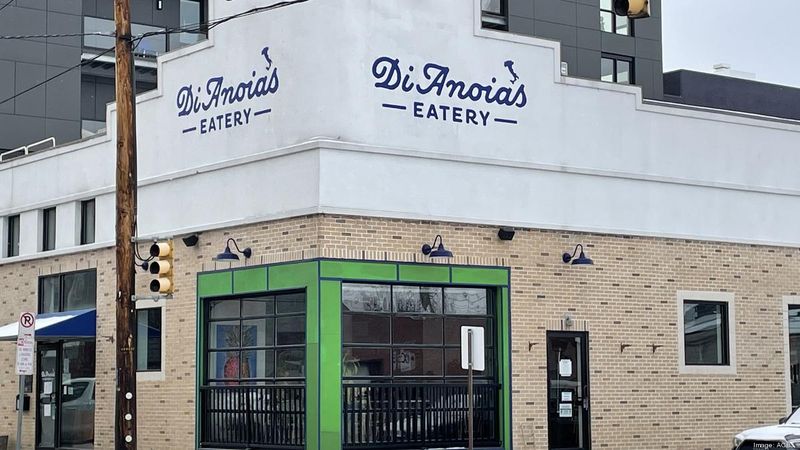
A cheerful plate of pasta can change the whole day, and DiAnoia’s Eatery understands that feeling well.
This Pittsburgh favorite has a bright, friendly style that makes Italian food feel both special and easy to love.
The restaurant is known for handmade pasta, breakfast and lunch options, pastries, coffee, and dinner dishes that bring people back again and again.
Its range is part of the fun.
You might stop by for a casual bite or plan a bigger evening meal, and both choices can feel right.
DiAnoia’s has become especially talked-about because it blends neighborhood comfort with serious kitchen skill.
The famous gnocchi dishes, fresh bread, and rich sauces often get attention, but the appeal goes beyond one plate.
There is a sense of generosity in the food that fits Pittsburgh’s down-to-earth personality.
If you are visiting the Strip District or nearby areas, this is a strong pick to add to your plan.
Timing matters, since popular hours can get busy.
For the best experience, consider going with someone who likes to share, because the menu can tempt you in several directions at once.
Families, couples, and groups of friends can all find something to enjoy here.
That flexibility helps explain why the restaurant keeps coming up in local food conversations.
It feels current but not stiff, fun but not careless.
DiAnoia’s Eatery ranks here because it captures the joy of Italian dining in an approachable way.
Pennsylvania has plenty of formal restaurants, but this one proves that excellent food can also feel sunny, social, and relaxed.
Come ready for carbs, conversation, and maybe a pastry or coffee to stretch the visit a little longer.
7. Alla Famiglia, Pittsburgh
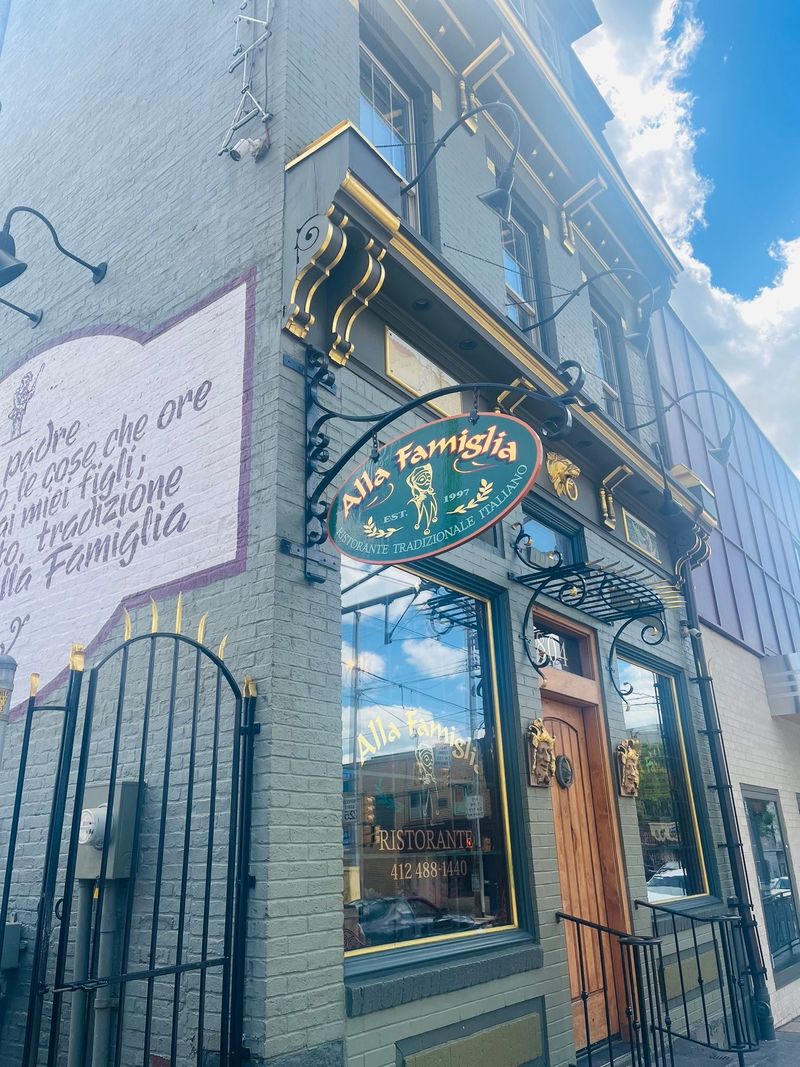
Some dinners feel like events before anyone opens the menu.
Alla Famiglia has that reputation in Pittsburgh, where big flavors, polished service, and a full evening at the table are part of the draw.
The name itself points to family, and the restaurant leans into a generous style of Italian dining.
Guests often talk about rich sauces, pasta courses, steaks, seafood, and meals that feel abundant.
It is the kind of place where you should not schedule anything too soon afterward.
Alla Famiglia is especially popular for celebrations.
Anniversaries, birthdays, work dinners, and special nights out all fit the mood.
The setting feels more formal than a casual pasta shop, so dressing a little nicely can make the experience feel even better.
A helpful tip is to pace yourself.
Multi-course Italian meals can sneak up on you, especially when bread, pasta, mains, and dessert all sound tempting.
If your server offers guidance, take it seriously, because a balanced order can help everyone enjoy the night without feeling overwhelmed.
What sets Alla Famiglia apart in Pennsylvania’s Italian scene is its sense of occasion.
Not every restaurant needs to be light, fast, or modern.
Sometimes diners want a meal that feels grand, old-fashioned in the best way, and built around hospitality.
Its place on this ranking comes from the strong reaction it creates.
People remember the portions, the service, and the feeling of being looked after.
For Pittsburgh visitors who want Italian food with a dressed-up edge, Alla Famiglia is worth considering.
Bring an appetite, give yourself time, and let the meal unfold instead of rushing from course to course.
8. Fiorella, Philadelphia
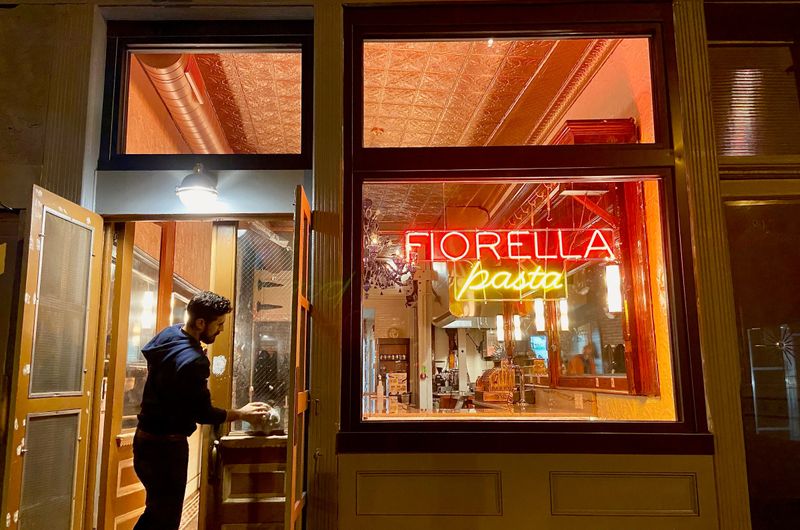
A tiny restaurant can make a huge amount of noise in the food world when the cooking has personality.
Fiorella in Philadelphia is a great example, turning a small space into one of the city’s most discussed pasta destinations.
The restaurant sits in a location tied to a historic sausage shop, and that backstory gives it extra charm.
Instead of feeling like a brand-new concept with no roots, Fiorella carries a piece of South Philly food history into the present.
The menu focuses on pasta, careful sauces, and a close-up dining experience.
Because the space is limited, getting a reservation can take planning.
That challenge is part of why people talk about it so much, but the attention is not only about scarcity.
Diners are drawn to the way the kitchen makes familiar ingredients feel sharp, rich, and exciting.
Fiorella is best for people who enjoy intimate restaurants.
You may be close to other tables, and the energy can feel lively in a compact way.
If you prefer a quiet, roomy dining room, plan your visit with that in mind.
One smart move is to treat the menu as a pasta-focused adventure.
Order with curiosity, and do not be afraid of dishes that sound slightly different from your usual choice.
Philadelphia has many classic Italian-American spots, but Fiorella stands out by feeling rooted and fresh at the same time.
Its ranking comes from that rare mix of story, skill, and buzz.
In Pennsylvania, where food traditions run deep, Fiorella shows how a restaurant can honor an old neighborhood while speaking to modern diners.
It is small, focused, and full of character, which makes it easy to recommend and hard to forget.
9. Casa Bella, Scranton
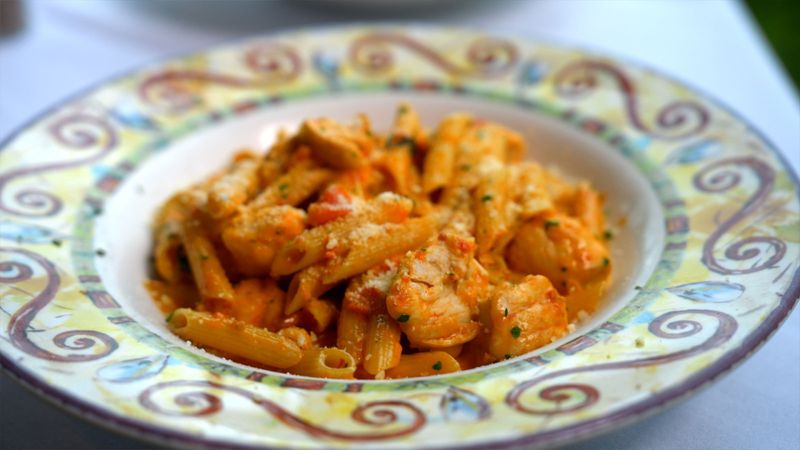
Scranton has its own food personality, and Casa Bella gives northeastern Pennsylvania a place in this Italian restaurant conversation.
It brings the kind of welcoming, familiar dining that makes people feel comfortable right away.
The restaurant is often associated with classic Italian favorites, generous plates, and a warm neighborhood feel.
In a city known for strong community ties, that matters.
A meal here can feel less like chasing a trend and more like sitting down somewhere that understands what regular diners want.
Casa Bella is a good choice for people who enjoy red sauce dishes, pasta, seafood, chicken, and traditional dinner-house comfort.
It works well for families, couples, and groups who want a friendly setting without too much fuss.
If you are traveling through Scranton or exploring Pennsylvania beyond the largest cities, it can be a satisfying stop.
Practical planning helps, especially on busy nights.
Calling ahead or checking hours can save trouble, since local favorites may fill up when families and groups gather.
If portions are large, consider sharing or saving leftovers for the next day.
What makes Casa Bella talked-about is not the same thing that drives buzz at a tiny tasting-menu spot.
Its strength is reliability, comfort, and a sense of place.
Pennsylvania’s Italian dining story would feel incomplete without restaurants like this, where tradition is served in a straightforward and welcoming way.
Casa Bella ranks here because it represents Scranton proudly.
It reminds readers that great Italian meals are not only found in Philadelphia and Pittsburgh.
Sometimes the most memorable dinner is the one where the sauce tastes familiar, the room feels relaxed, and everyone at the table leaves satisfied.
10. Piccolo Forno, Pittsburgh
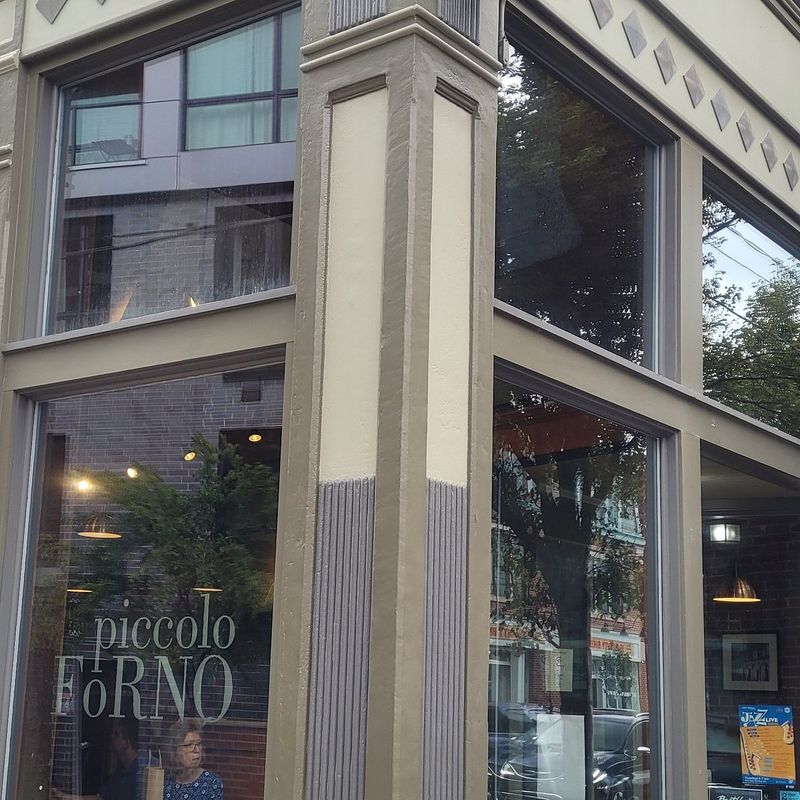
The smell of a wood-fired oven can pull people in from the sidewalk, and Piccolo Forno has used that simple magic for years.
In Pittsburgh’s Lawrenceville neighborhood, it has become a favorite for relaxed Italian meals with character.
The restaurant is known for pizza, pasta, and a cozy feel that suits a casual night out.
Its name means small oven, which fits the warm, rustic mood.
The food often feels unfussy but thoughtful, with crisp pizza crusts, satisfying sauces, and dishes that invite sharing.
Piccolo Forno is a strong option for diners who want something lively without the formality of a white-tablecloth restaurant.
It works well for friends, dates, and neighborhood meals where the focus is good food and easy conversation.
Since Lawrenceville can be busy, allow time for parking and check current reservation or wait policies.
One reason people keep talking about this spot is its balance.
It is casual, but it does not feel careless.
It is popular, but it still has the charm of a neighborhood place.
That combination can be harder to find than it sounds.
If you visit, think about ordering both pizza and pasta for the table.
Comparing the two sides of the menu can make the meal more fun, especially with a small group.
Keep an eye on specials too, since seasonal changes can add variety.
Piccolo Forno closes the ranking because it shows another important side of Pennsylvania’s Italian restaurant scene.
Not every standout needs to be fancy or historic.
Some earn loyalty by being warm, tasty, and dependable.
For Pittsburgh diners, this Lawrenceville favorite remains a place where simple pleasures, like fire, dough, sauce, and good company, still carry plenty of weight.