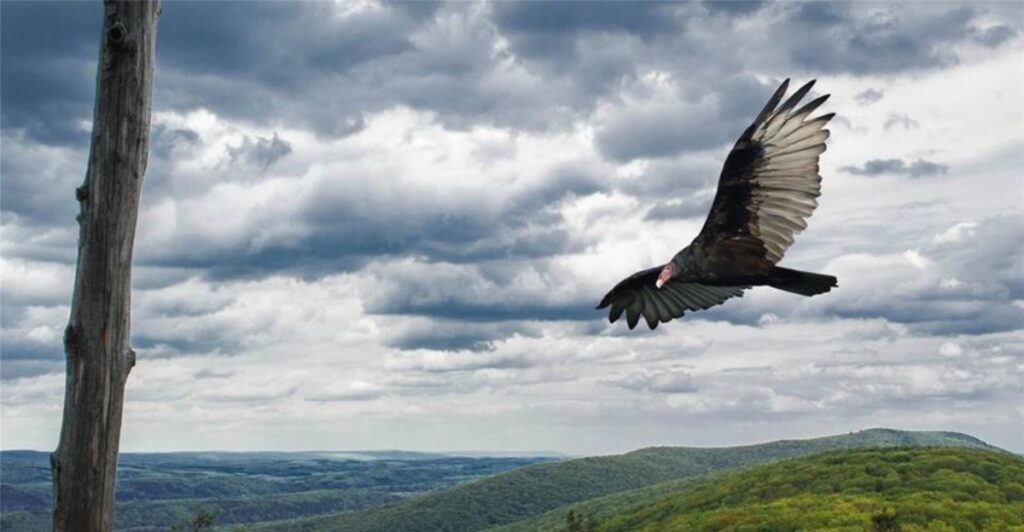
Hawk Mountain Sanctuary in Pennsylvania is the kind of place that makes people slow down, look up, and listen. Set at 1700 Hawk Mountain Road in Kempton, this 2,600-acre wild bird sanctuary has protected raptors and inspired visitors since 1934. Its combination of wooded trails, rocky terrain, open overlooks, and peaceful surroundings makes it a memorable destination for anyone who enjoys spending time outdoors. People come for the hiking trails, wide mountain views, bird watching, rocky paths, and quiet moments that feel far away from busy daily life.
Along the way, there are plenty of opportunities to pause and take in the scenery or watch birds soaring above the ridges. Whether you want an easy walk to South Lookout, a tougher climb toward North Lookout, or a peaceful afternoon with binoculars and a snack, Hawk Mountain gives nature lovers many ways to explore, unwind, and enjoy the outdoors.
1. Peace and Quiet Are Part of the Charm
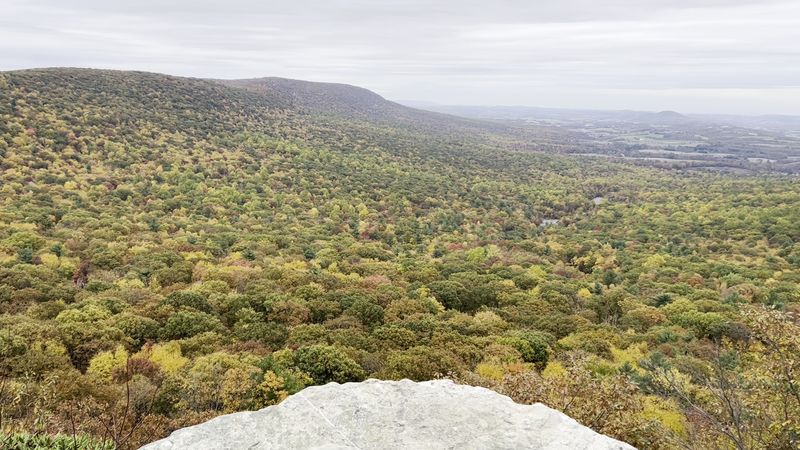
Some places ask you to hurry, but Hawk Mountain Sanctuary seems to do the opposite.
The moment you leave the parking area and move toward the trails, the sounds of traffic and errands start to fade.
Bird calls, wind in the trees, and footsteps on stone take their place.
Many visitors say they come here when they need a reset.
The sanctuary covers about 2,600 acres, so there is room to breathe, pause, and feel small in a good way.
Even on popular trails, quiet corners can be found if you walk slowly and give yourself time.
South Lookout is a good choice if you want peace without a long hike.
It is easier to reach than some other overlooks, and there are places to sit and watch the sky.
Bring binoculars, water, and a light snack, then let the view do most of the work.
The no-pets policy also helps keep the grounds calm and cleaner for wildlife.
That rule may surprise some visitors, but it supports the sanctuary mission and protects birds, native plants, and other animals.
It also means fewer distractions for people hoping to watch raptors.
For the quietest visit, try arriving soon after opening at 9 AM or choose a weekday if you can.
Move at a relaxed pace instead of treating the trail like a race.
Hawk Mountain rewards patient visitors with small details, like leaves shifting, vultures circling, or sunlight landing on a ridge.
Peace here is not empty or boring.
It feels alive, steady, and refreshing.
For nature lovers who need a break from noise, Hawk Mountain offers a simple gift: a place where stillness feels easy to find.
2. Photographers Have Plenty of Moments to Capture
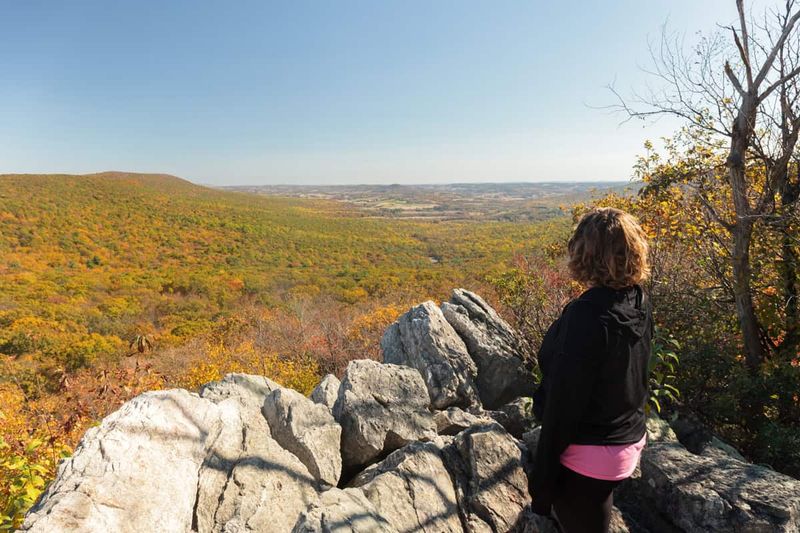
A camera feels right at home at Hawk Mountain Sanctuary.
Around nearly every bend, there is something worth saving, from rough stone steps and twisted tree roots to wide valley views that change with the light.
Even a phone camera can come away with strong memories.
Photographers often head for the overlooks because the scenery opens up in a big way.
North Lookout is especially popular, with broad views of forested ridges and sky.
On clear days, the layers of Pennsylvania mountains can look almost painted, especially in early morning or late afternoon.
Wildlife photography is another major reason to visit.
Hawks, vultures, osprey, eagles, and other birds of prey may pass overhead, especially during migration seasons.
A zoom lens helps, but patience matters just as much as equipment.
Smaller scenes can be just as interesting.
Look for lichens on boulders, native plants near the visitor center, bright leaves in fall, and shadows falling across the rocky trail.
These close-up photos tell the quieter side of the sanctuary.
Good preparation makes the day smoother.
Wear shoes with strong grip so you can move safely on rocky sections, and keep both hands free when scrambling over stones.
A small backpack is better than a loose shoulder bag if you plan to hike beyond the easier paths.
Respect is part of taking good photos here.
Stay on marked trails, avoid crowding birds or other visitors, and never step into protected areas for a better angle.
The sanctuary exists to protect wildlife, so the best photos are the ones taken with care.
Every season brings new colors, skies, and bird activity.
For photographers, Hawk Mountain is not a one-shot stop.
It is a place that keeps offering fresh frames.
3. The Visitor Center Makes Your Visit Easier
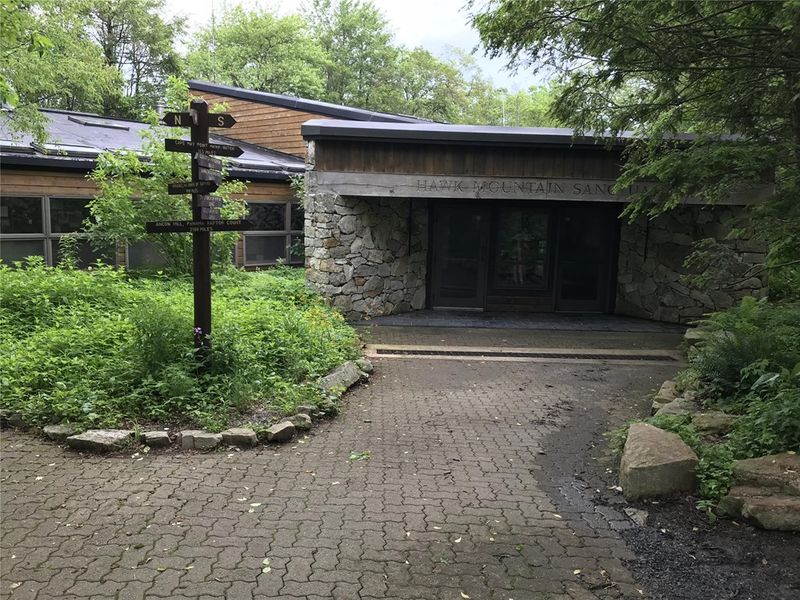
A good outdoor trip often starts before your boots hit the trail.
At Hawk Mountain Sanctuary, the visitor center gives you the tools, maps, and background you need to enjoy the place with more confidence.
It is located close to the trail entrance, which makes planning simple.
Visitors can purchase admission, ask questions, and learn what to expect before heading out.
This matters because the sanctuary has trails that range from easy to very challenging.
Knowing the difference between a short walk to South Lookout and a rockier route toward River of Rocks can save time and stress.
The exhibits help explain why Hawk Mountain is special.
Since 1934, the sanctuary has been known for raptor conservation, research, and education.
Seeing that story before hiking makes the birds overhead feel even more meaningful.
The gift shop is also worth a few minutes.
It can be a fun place to find field guides, bird-themed items, souvenirs, or gifts for someone who loves nature.
A small purchase can also support the nonprofit work of the sanctuary.
Families may appreciate the indoor stop, especially before or after a hike.
Kids can learn about birds of prey, migration, and the local environment in a way that feels more hands-on than reading a trail sign.
The nearby native plant area adds another easy learning stop when the season is right.
Practical visitors should use the center as a final checklist point.
Confirm trail conditions, restroom access, hours, and any bird activity updates.
The sanctuary is generally open from 9 AM to 5 PM, but checking the official website before going is smart.
Instead of feeling like a basic entrance building, the visitor center acts like a friendly launch pad.
It helps turn a pretty hike into a more informed and rewarding visit.
4. Helpful Staff and Volunteers Add to the Experience
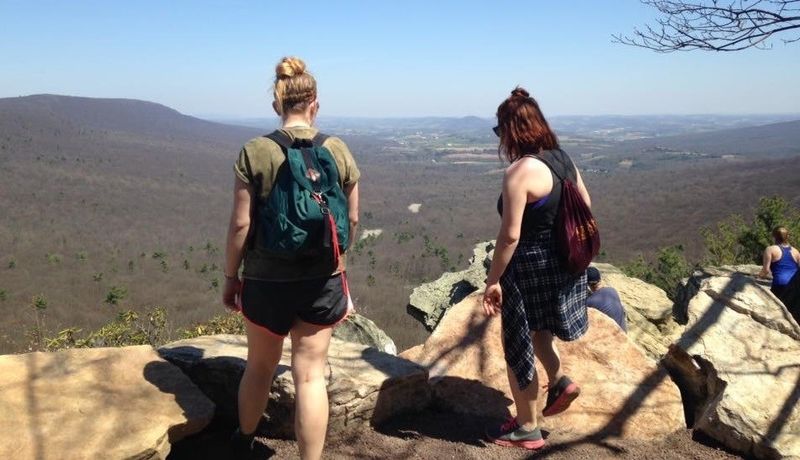
Friendly guidance can turn a nice hike into a day you remember.
At Hawk Mountain Sanctuary, staff members and volunteers are often part of what visitors praise most.
Their knowledge helps guests understand both the trails underfoot and the birds overhead.
If you are new to raptor watching, the sky can feel confusing at first.
A dark shape circles high above, and you may wonder if it is a vulture, hawk, osprey, or eagle.
Experienced observers can point out wing shape, flight style, and other clues in plain language.
That kind of help is especially valuable at the overlooks.
During busy birding periods, you may find people calling out sightings and helping others spot birds through binoculars.
It creates a shared excitement, almost like everyone is cheering for the same wild show.
Staff can also help with trail choices.
Some routes are short and easier, while others include rock scrambling, steep sections, or longer loops.
If you are visiting with children, older relatives, or someone with limited mobility, asking first can make the day safer and more enjoyable.
Reviews often mention the helpful attitude of the people working there.
That matters because nature sites can be intimidating when you do not know the area.
A clear suggestion, a map tip, or a simple warning about rocky footing can prevent problems.
Do not be shy about asking questions.
You might learn which lookout fits your schedule, which birds have been seen recently, or whether the Golden Eagle Trail is right for your group.
These conversations can add depth to the visit.
The human side of Hawk Mountain supports its wild side.
Volunteers and staff help protect the sanctuary mission while making guests feel welcome.
For many visitors, that mix of kindness and knowledge becomes one more reason to return.
5. Trails Offer Options for Different Skill Levels
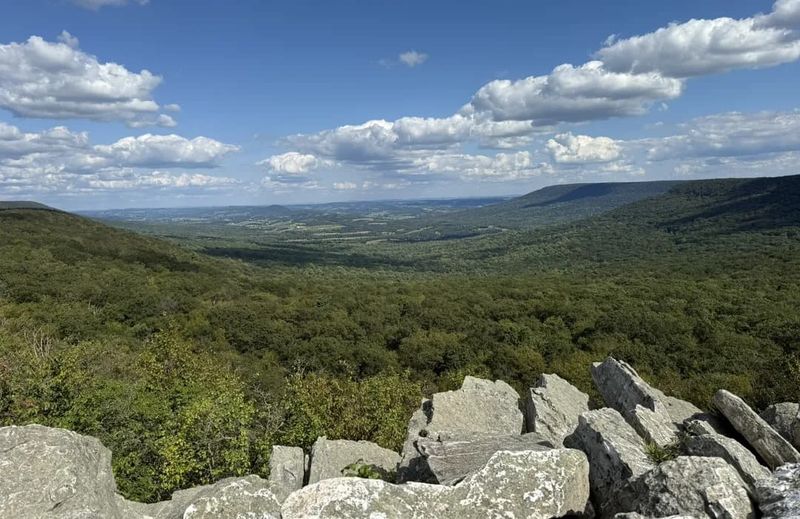
Not every nature lover wants the same kind of hike, and Hawk Mountain understands that.
Some visitors want a short walk with a view, while others want a long, rocky challenge that leaves their legs tired.
The trail system gives both groups something to enjoy.
South Lookout is one of the easiest and most popular goals.
The route is shorter, and there is also an accessible trail option with a gentler grade for people who need an easier approach.
That makes the sanctuary more welcoming than many mountain viewpoints.
North Lookout asks for more effort.
The trail includes rocky areas, stairs, and uneven footing, but the reward is a sweeping view and a famous place to watch migrating raptors.
Many visitors find this route manageable if they wear good shoes and take their time.
For hikers who want a bigger test, routes like River of Rocks and the Golden Eagle Trail can feel much more rugged.
Reviews mention rock scrambling, balancing across stones, and loops that can take several hours.
These trails are fun, but they should not be treated casually.
Trail maps are important here.
Read the difficulty ratings before choosing a route, and be honest about your group.
A trail that feels exciting to a regular hiker may feel stressful to someone who is not used to rocky ground.
Pack based on the hike you choose.
Water, snacks, sturdy footwear, and enough time are basic needs, even for shorter routes.
If you plan a longer loop, start early and avoid rushing near closing time.
The best part is that you do not have to do everything in one visit.
Hawk Mountain lets you match the day to your energy.
Easy walk or bold climb, the mountain still offers beauty.
6. Rocky Terrain Brings an Extra Sense of Adventure
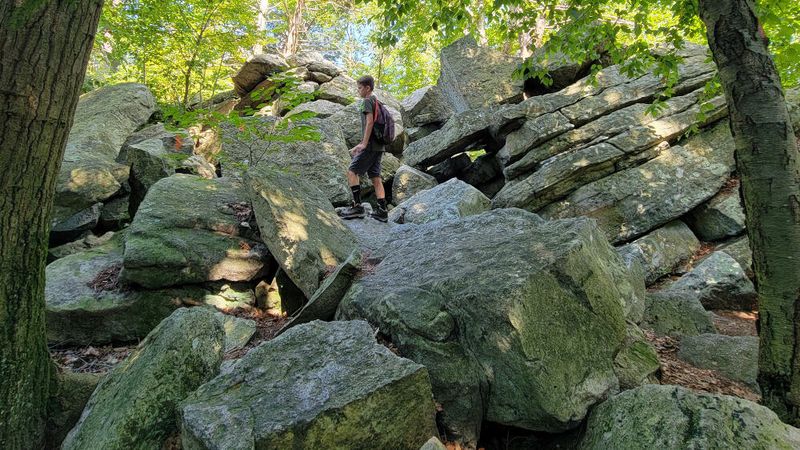
There is a certain thrill in hearing a trail described as rocky, then discovering it truly means rocky.
Hawk Mountain Sanctuary is known for stone-filled paths, uneven footing, and sections that make you pay attention.
For adventurous hikers, that texture is part of the fun.
The rocks make the trails feel wild and memorable.
Instead of walking on a smooth path the whole time, you step, balance, climb, and choose your route carefully.
It turns a hike into a small puzzle, especially on more difficult trails.
River of Rocks is one area that gets plenty of attention.
Visitors often mention the amount of stepping and balancing required, and some say the loop can take the full estimated time.
If a sign says a route may take three to four hours, believe it.
Good footwear is not optional for these tougher sections.
Hiking shoes or boots with strong traction are much safer than smooth sneakers.
After rain, the stones can become slippery, so slow down and use extra care.
Rock scrambling can be exciting, but it is not for everyone.
People with knee, ankle, balance, or heart concerns should think carefully before choosing the hardest trails.
There is no shame in enjoying the easier overlooks instead.
Families with older kids may find the rocky paths exciting if everyone is prepared.
Talk about staying together, using hands when needed, and not jumping between boulders.
A fun challenge should still be handled with respect.
The rocky terrain also gives Hawk Mountain its rugged character.
The sanctuary does not feel like a polished city park, and that is part of its appeal.
For hikers who like a little grit with their scenery, the stones make the adventure feel earned.
7. The Overlooks Reveal Sweeping Mountain Views
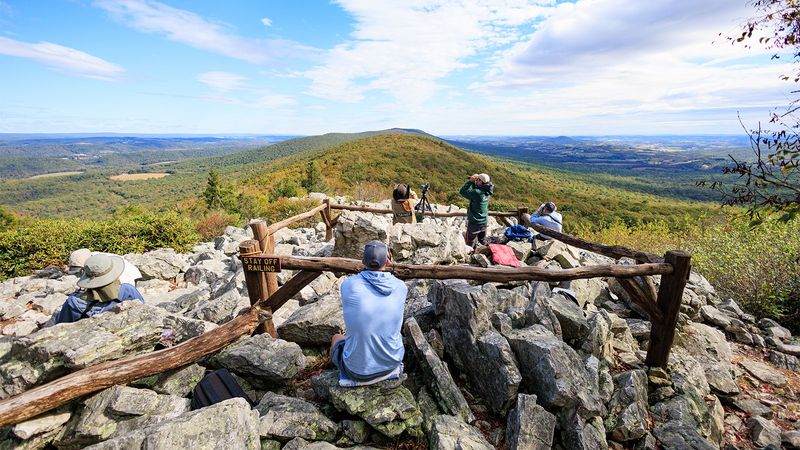
Few rewards feel better than reaching a lookout and seeing the land open wide below you.
Hawk Mountain Sanctuary is loved for its overlooks, and they are a major reason people call the hike worth it.
The views can stop conversation for a moment.
South Lookout is a smart first stop.
It is easier to reach and still gives visitors a beautiful place to sit, scan the sky, and enjoy the ridges.
If your time is limited, this overlook can deliver a strong taste of the sanctuary.
North Lookout is the classic prize for many hikers.
The route is rockier, but the scene from the summit boulders is unforgettable.
On a clear day, the forested hills seem to roll out in every direction.
Other lookout areas, including Sunset and viewpoints along connecting trails, add variety.
Each one frames the mountain in a slightly different way.
Moving from one overlook to another helps you understand why this area is so special for bird migration.
Bring binoculars even if you are not a serious birder.
They make distant ridges, circling raptors, and valley details easier to see.
A light lunch can also make the overlook experience better, as long as you pack out every bit of trash.
Safety matters near rocky edges.
Stay aware of your footing, especially when taking photos or shifting around on large boulders.
Children should be closely watched, and everyone should respect posted signs and natural boundaries.
The overlooks are not just pretty spots.
They help visitors feel the scale of the Kittatinny Ridge and the movement of birds through the landscape.
At Hawk Mountain, a view is more than scenery.
It is the heart of the whole experience.
8. Raptor Watching Is a Truly Memorable Experience
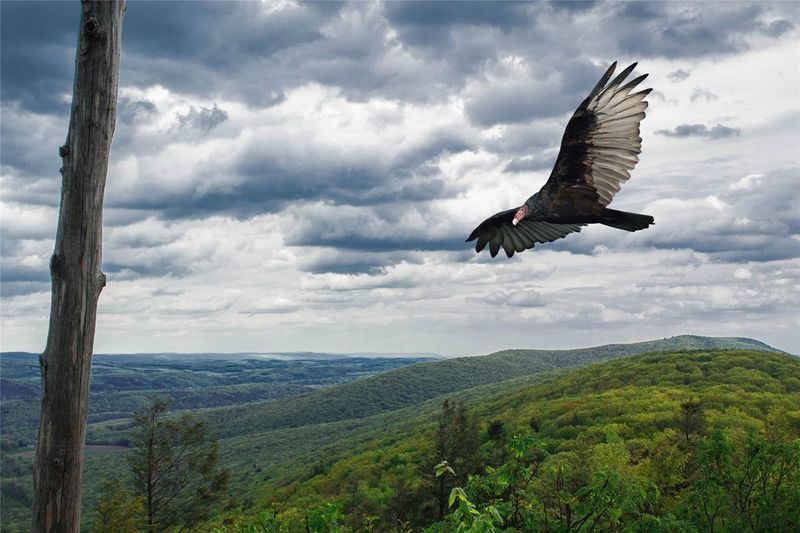
A shadow glides across the sky, and suddenly everyone at the overlook looks up.
That shared moment is part of the magic at Hawk Mountain Sanctuary.
Raptor watching here can feel quiet one minute and thrilling the next.
The sanctuary is famous for birds of prey, including hawks, eagles, vultures, and osprey.
During migration periods, many birds follow the ridge, using air currents to travel long distances.
Hawk Mountain became a protected sanctuary in 1934 because people recognized how important this flight path was.
You do not need to be an expert to enjoy the experience.
Bring binoculars and watch how different birds move.
Vultures may rock gently in the air, while hawks can pass with sharper wingbeats or steady glides.
Staff, volunteers, and experienced birders can make the day more exciting.
They may help identify species, point out birds you missed, or explain what makes a golden eagle different from other raptors.
Learning in real time makes the sky feel alive.
Check the sanctuary website before visiting if bird activity is your main goal.
Migration timing, weather, wind, and season can affect what you see.
Some days bring many sightings, while others are slower, but the view and trails still make the trip worthwhile.
Patience is part of bird watching.
Sit on a boulder, keep your binoculars ready, and give your eyes time to adjust.
Scanning the same patch of sky again and again can suddenly reveal movement you missed before.
Raptor watching teaches visitors to notice.
It slows the mind and sharpens attention.
At Hawk Mountain, seeing even one eagle or hawk from a high overlook can become the memory you talk about long after the hike is over.
9. Every Season Brings Its Own Unique Beauty
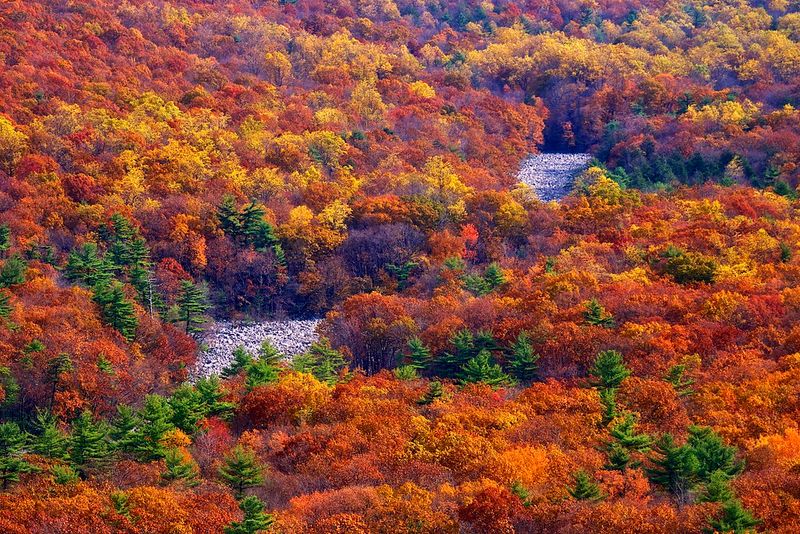
Hawk Mountain Sanctuary never looks exactly the same twice.
A trail that feels green and shady in summer can turn bright gold in fall, crisp and open in winter, or fresh and blooming in spring.
That changing character keeps visits interesting.
Spring brings new growth and a feeling of renewal.
Native plants begin to wake up, birds become active, and the forest floor gains color.
It is a pleasant time for visitors who enjoy mild weather and quieter trails before peak summer travel.
Summer offers deep shade, full trees, and long daylight hours.
It is a good season for families with school breaks or hikers who want more time outdoors.
Start early, bring extra water, and remember that rocky trails can feel harder in heat.
Fall may be the most famous season at Hawk Mountain.
Color spreads across the ridges, and raptor migration can bring exciting activity overhead.
Overlooks become especially beautiful when the forest below shifts into red, orange, and yellow.
Winter has its own quiet power.
With leaves down, views through the trees can open up, and the rocky landscape feels more dramatic.
Cold weather requires careful planning, warm layers, and extra attention to ice or slippery stones.
Seasonal change also affects the native plant garden and wildlife sightings.
A visitor who comes in May may notice totally different details than someone who returns in October.
That makes the sanctuary feel like a living classroom.
Before any trip, check hours, trail updates, and weather conditions.
The sanctuary is generally open daily from 9 AM to 5 PM, but conditions can shape the best plan.
Nature lovers who visit across the year get a fuller picture of Hawk Mountain and its many moods.
10. It Gives You Plenty of Reasons to Return
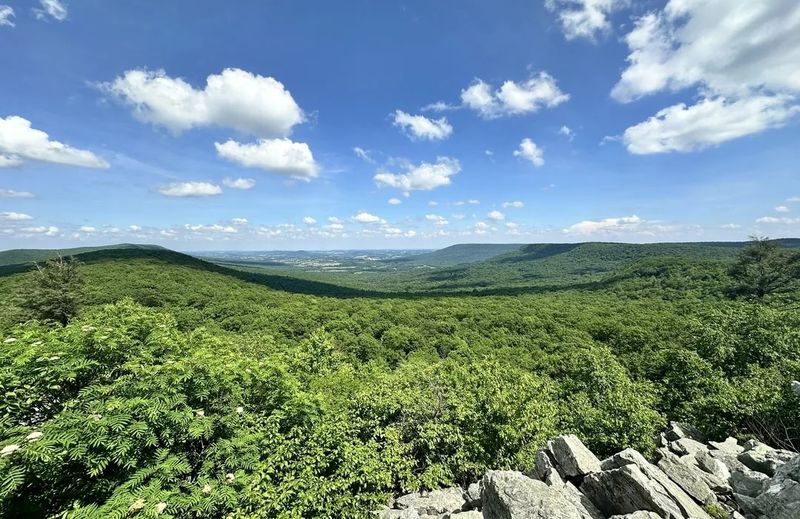
One visit to Hawk Mountain Sanctuary often feels like a beginning, not a finished story.
Many guests leave already planning what they want to do next time.
That is because the sanctuary offers more than one route, one view, or one kind of experience.
Maybe your first trip is a simple walk to South Lookout.
On another day, you might continue to North Lookout, try a longer loop, or spend more time watching raptors.
Each choice changes the pace and focus of the visit.
The trails alone create return value.
Some people want to slowly build up to more difficult routes, while others enjoy repeating favorite paths in different weather.
Rocky trails can feel completely different after rain, in fall color, or under a clear winter sky.
Bird activity also changes.
Migration seasons, wind direction, and time of day can all shape what appears overhead.
A day with only a few distant birds can still be beautiful, but it may make you eager to come back during a busier flight.
Membership can make sense for people who live close enough to visit often.
Reviews mention annual passes as a good choice for local nature lovers.
Returning also helps you learn the trails, overlooks, and best sitting spots more deeply.
There are practical reasons to repeat a visit too.
You may want more time in the visitor center, a better look at the native garden, or a calmer photography session.
A first trip can teach you what to pack next time.
Hawk Mountain stays interesting because it does not give everything away at once.
The place invites you to come back with better shoes, sharper eyes, or a new hiking partner.
For nature lovers, that invitation is hard to resist.