Texas holds more than cowboy legends and wide-open skies. Scattered across the state are crumbling missions, abandoned forts, and ghost towns that whisper stories of soldiers, settlers, and indigenous peoples who shaped the Lone Star State. These historic ruins offer a tangible connection to the past, where you can walk through doorways that once sheltered pioneers and stand on ground where battles were fought.
Whether you’re a history buff or just looking for an adventure off the beaten path, these sites promise unforgettable glimpses into Texas’s rich and complex heritage.
1. Terlingua Ghost Town
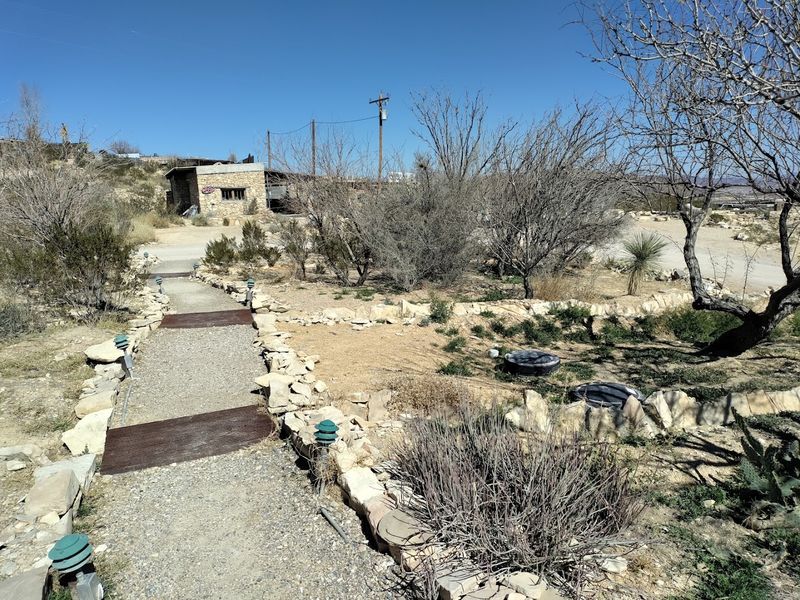
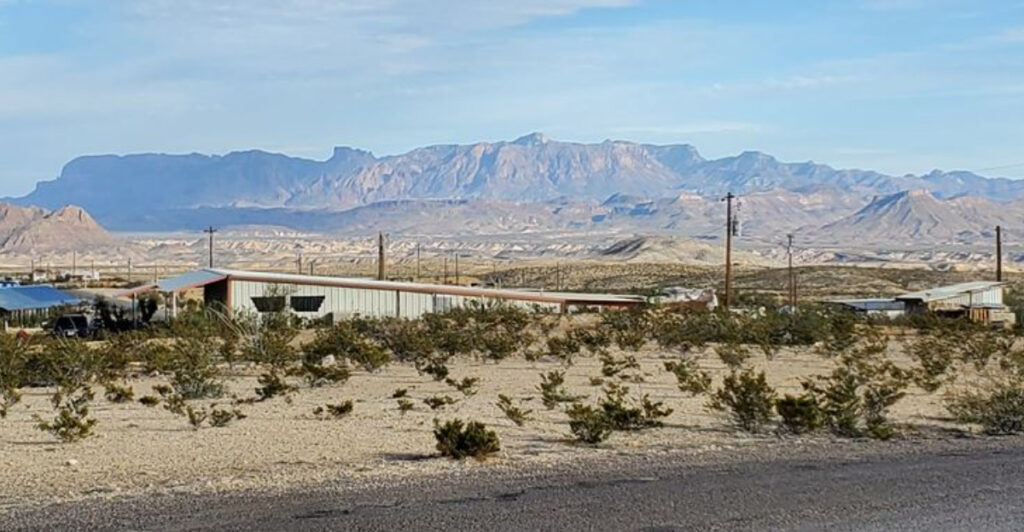
Tucked away in the Chihuahuan Desert near Big Bend, Terlingua feels like stepping onto a movie set frozen in time. Once a booming quicksilver mining town in the early 1900s, it now sits quietly under the relentless West Texas sun, its adobe walls slowly returning to dust. You can wander freely among the ruins of the old company store, the crumbling cemetery, and the roofless theater where miners once gathered for entertainment.
What makes Terlingua special is how accessible it is. There are no ropes or guided tours required—just park and explore. The contrast between the rust-colored ruins and the bright blue sky creates incredible photo opportunities, especially during golden hour.
Bring water and sturdy shoes because the terrain is rocky and shade is scarce.
The town isn’t completely dead, though. A small artist community has breathed new life into the area, with quirky shops and a famous chili cook-off every November. You’ll find a blend of history and bohemian charm that’s uniquely Texan.
The nearby Starlight Theatre Restaurant operates in one of the old buildings, serving up cold drinks and live music.
Visiting Terlingua offers more than ruins—it’s a chance to feel the isolation and determination that defined frontier life. The silence here is profound, broken only by desert winds and the occasional raven’s call.
2. Fort McKavett State Historic Site
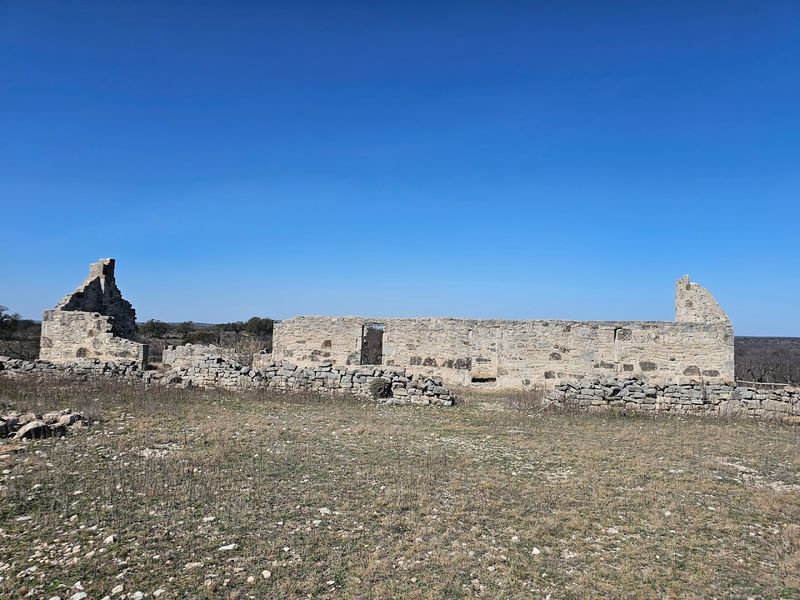
Perched on a hilltop in Menard County, Fort McKavett once guarded the Texas frontier against raids and protected travelers heading west. Established in 1852, this military post housed the famous Buffalo Soldiers and served as a critical link in the chain of frontier defenses. Today, you can explore over twenty restored and ruined structures that paint a vivid picture of military life in the 1800s.
The fort’s limestone buildings have weathered time remarkably well. Walking through the officers’ quarters, barracks, and hospital gives you a genuine sense of how soldiers and their families lived in isolation. The interpretive center provides context with artifacts, photographs, and stories that bring the ruins to life.
Unlike some historic sites, Fort McKavett encourages exploration—you can peek into windows and imagine the daily routines of frontier soldiers.
The surrounding landscape is quintessential Hill Country beauty, with live oaks dotting rolling hills and the San Saba River flowing nearby. Spring wildflowers transform the grounds into a colorful canvas. Pack a picnic and enjoy lunch on the parade grounds where soldiers once drilled in formation.
Fort McKavett isn’t crowded, which adds to its charm. You might have entire buildings to yourself, creating an intimate experience with history. The combination of well-preserved structures and atmospheric ruins makes this one of Texas’s most complete frontier fort sites.
3. Mission San José
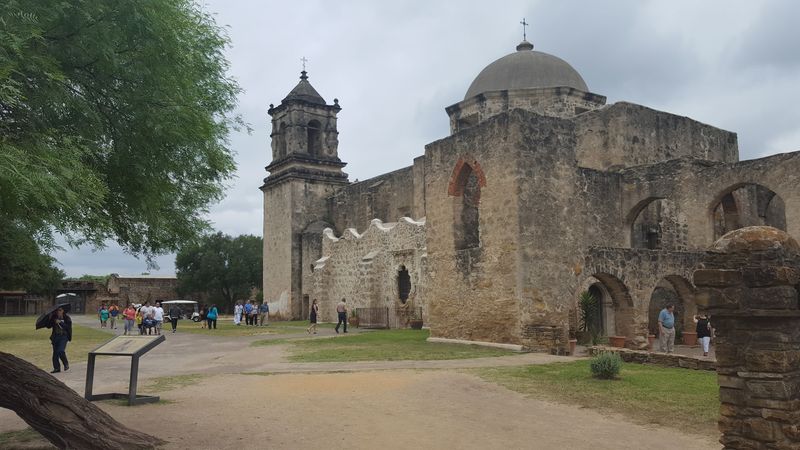
Known as the “Queen of the Missions,” San José stands as the largest and most ornate of San Antonio’s mission churches. Founded in 1720, this Spanish colonial masterpiece showcases stunning baroque architecture that has survived nearly three centuries. The famous Rose Window, carved from a single piece of limestone, remains one of the finest examples of Spanish colonial art in North America.
What sets San José apart is how complete it feels. The church, granary, and portions of the outer walls still stand, giving visitors a comprehensive view of mission life. You can walk through the convento where priests lived, peer into Native American living quarters built into the walls, and explore the restored grist mill.
The National Park Service maintains the site beautifully, offering ranger-led tours that reveal fascinating details about daily life, conflicts, and cultural exchanges.
The mission wasn’t just a church—it was a self-contained community where Spanish missionaries attempted to convert and “civilize” indigenous peoples. This complex history is thoughtfully presented, acknowledging both the architectural achievement and the cultural disruption missions caused. The grounds remain peaceful, with ancient trees providing shade and birds nesting in the bell tower.
San José is part of the San Antonio Missions National Historical Park, a UNESCO World Heritage Site. Visiting here means walking where Coahuiltecan people learned European farming techniques and where Spanish culture took root in Texas soil.
4. Indianola Ghost Town
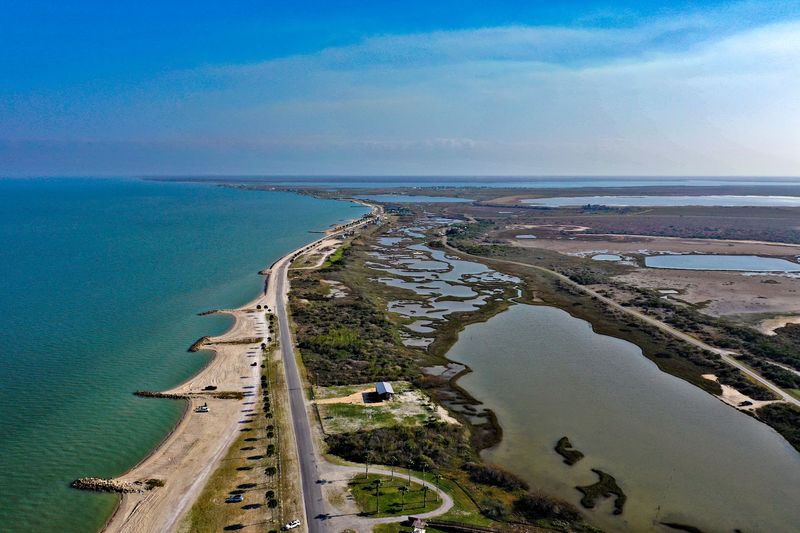
Few ghost towns have a story as dramatic as Indianola’s. Once Texas’s second-largest port in the 1870s, this thriving coastal city was completely erased by devastating hurricanes in 1875 and 1886. Today, only a few scattered foundations and historical markers remain along Matagorda Bay, where waves lap at what used to be busy streets lined with warehouses and homes.
Finding Indianola requires some detective work—there’s no grand entrance or visitor center. Drive to Indianola County Park and follow the markers that tell the town’s tragic tale. At low tide, you might spot remnants of old pilings and building foundations emerging from the sand.
It’s haunting to realize that thousands of people once lived, worked, and dreamed where now only seabirds gather.
The site offers a powerful lesson about nature’s force and human vulnerability. Indianola was a major immigration port where European settlers first touched Texas soil. Its destruction changed the region’s entire trajectory, redirecting commerce to Galveston and Houston.
Interpretive signs share photographs of the bustling port before the storms, creating a stark contrast with the empty landscape today.
Bring binoculars for birdwatching—the bay is excellent for spotting pelicans, herons, and migrating waterfowl. The solitude here is profound. Standing where an entire city vanished reminds you how quickly prosperity can crumble and how thoroughly time can erase human ambition.
5. Caddo Mounds State Historic Site
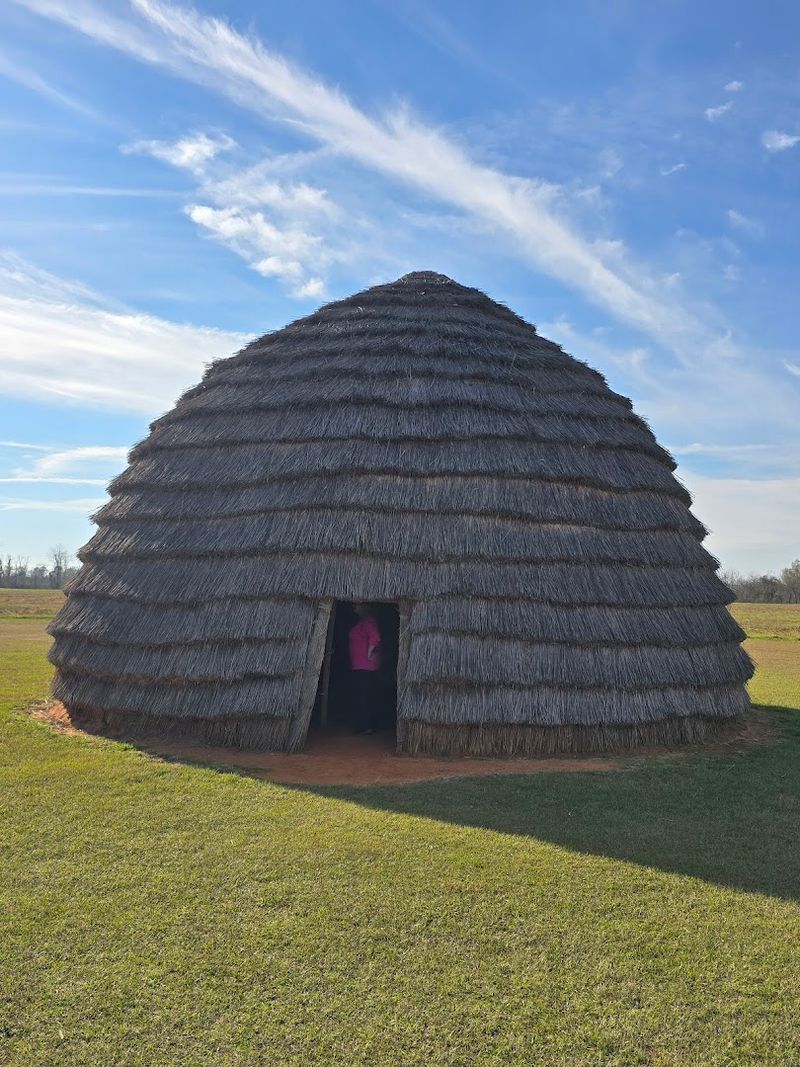
Long before Spanish missions or American forts, the Caddo people built sophisticated communities across East Texas. At Caddo Mounds near Alto, you can visit the remains of a ceremonial center that thrived between 800 and 1300 AD. Three earthen mounds still rise from the pine forest floor, silent monuments to a complex Native American society that most Texans know little about.
The site challenges common misconceptions about pre-Columbian Texas. The Caddo weren’t nomadic—they built permanent villages, practiced advanced agriculture, and participated in trade networks stretching from the Gulf Coast to the Great Lakes. The mounds served different purposes: one for burials, another as a platform for the chief’s house, and a third for ceremonies.
Walking the interpretive trail, you’ll learn how archaeologists pieced together daily life from pottery shards, tools, and building patterns.
A devastating tornado in 2019 destroyed the visitor center, but rebuilding efforts continue, and the mounds themselves remain accessible. The wooded setting feels appropriately reverent—dappled sunlight filters through tall pines, and the quiet encourages reflection. This isn’t dramatic ruins in the traditional sense, but these grass-covered mounds represent centuries of indigenous culture that predates everything else on this list.
Visiting Caddo Mounds expands your understanding of Texas history beyond cowboys and settlers. It’s a reminder that this land has a much deeper human story, one that deserves recognition and respect.
6. Shafter Ghost Town
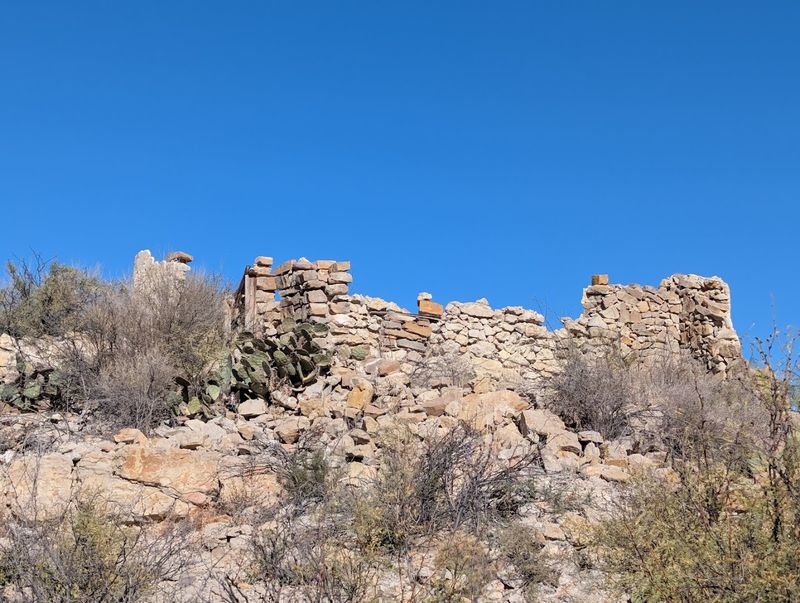
In the stark landscape near Presidio, Shafter’s crumbling adobe buildings tell the story of a silver mining boom that went bust. Founded in the 1880s when silver was discovered in the Chinati Mountains, the town once supported thousands of residents and a thriving mining operation. Now, weathered walls and empty window frames stand as monuments to dreams of wealth that didn’t pan out for most who came here seeking fortune.
Shafter feels more remote and untouched than Terlingua, with fewer visitors and less commercial development. The ruins spread across a wide area—you’ll find the remains of the old smelter, company buildings, workers’ homes, and even a cemetery where simple wooden crosses mark forgotten graves. The adobe construction is slowly melting back into the desert, creating organic shapes that photographers love.
Sunset casts long shadows that emphasize the textures of deteriorating walls.
Getting to Shafter requires commitment—it’s miles from major highways on roads that can be rough. But that isolation is part of the appeal. You’ll likely have the place to yourself, free to explore and imagine what life was like when ore trains rumbled through and the smelter’s fires lit up the night sky.
The surrounding desert landscape is beautiful in its harshness, with distant mountains and endless sky. Bring plenty of water and check your gas tank before heading out—services are sparse in this corner of Texas.
7. Fort Davis National Historic Site
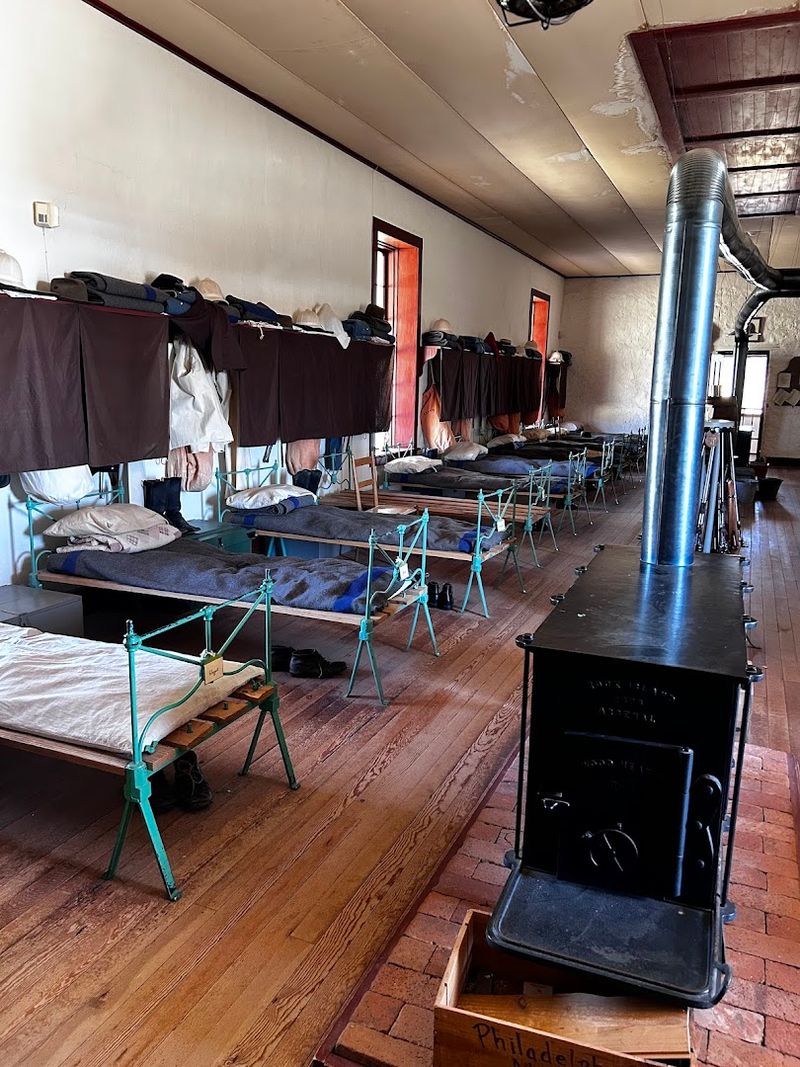
Nestled in the Davis Mountains at nearly 5,000 feet elevation, Fort Davis protected the San Antonio-El Paso road from 1854 to 1891. This is one of the best-preserved frontier military posts in the Southwest, with over twenty original and reconstructed buildings that create an authentic picture of cavalry life in the Wild West. The mountain setting alone makes it worth visiting—cool pines replace desert scrub, and dramatic rock formations surround the valley where the fort sits.
Buffalo Soldiers, African American cavalrymen who served with distinction, were stationed here for many years. Their story is prominently featured in exhibits that challenge old Western movie stereotypes. You can tour furnished officers’ quarters, peek into enlisted men’s barracks, visit the hospital, and explore the commissary where supplies were stored.
Audio programs at various buildings share soldiers’ voices describing their experiences, bringing personal dimension to the ruins.
The parade ground still echoes with imagined sounds of drilling troops and bugle calls. Behind the fort, a trail leads to the old post cemetery where soldiers and their families rest under simple headstones. The contrast between the harsh duty these men faced and the stunning natural beauty surrounding them is striking.
Fort Davis works beautifully as part of a larger West Texas adventure—nearby you’ll find McDonald Observatory for stargazing and Davis Mountains State Park for hiking. The town of Fort Davis offers charming accommodations and restaurants, making this an easy historic site to build a weekend around.
8. Fort Phantom Hill
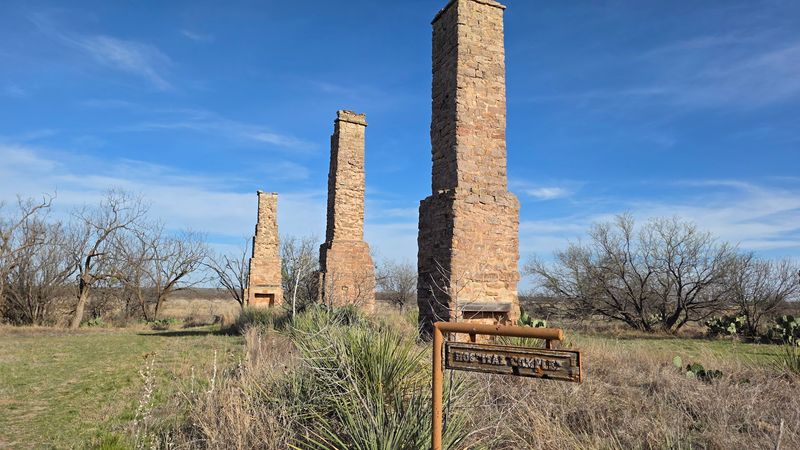
Rising from the prairie north of Abilene, the haunting chimneys of Fort Phantom Hill create one of Texas’s most photographed ruin scenes. Established in 1851 to protect settlers moving westward, the fort earned its eerie name from mirages that made distant hills appear and disappear in the heat. The post was abandoned after just three years—soldiers hated the isolation, scorching summers, and lack of good water.
What makes Fort Phantom Hill special is its atmospheric decay. Three tall stone chimneys stand like sentinels over scattered foundation ruins, their limestone blocks glowing golden in late afternoon light. The powder magazine, built partially underground, remains largely intact with its vaulted stone ceiling.
You can walk freely among the ruins, following interpretive signs that explain each structure’s purpose. The post cemetery sits on a nearby hill, weathered headstones marking graves of soldiers who died from disease, accidents, and occasional conflicts.
Locals whisper about paranormal activity here—glowing lights, phantom sounds, mysterious figures. Whether you believe in ghosts or not, there’s definitely an otherworldly quality to these ruins, especially at dawn or dusk when shadows stretch long across the prairie grass. The isolation that made soldiers miserable creates a contemplative experience for modern visitors.
Fort Phantom Hill sits on private property but is open to the public during daylight hours. Respect the site by staying on marked paths and leaving artifacts undisturbed. The surrounding landscape is classic Texas prairie—endless sky, windswept grass, and a profound sense of solitude.
9. Mission Espada
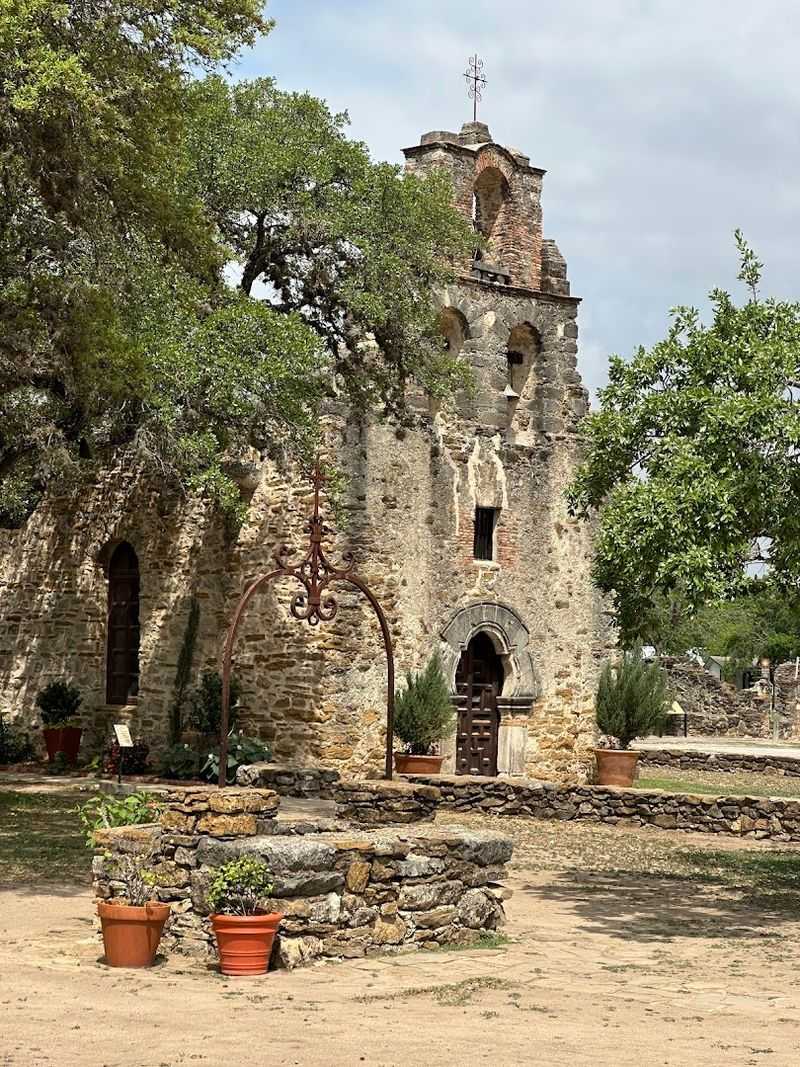
The most remote of San Antonio’s missions, Espada offers a quieter, less-crowded experience than its famous neighbors. Founded in 1690 in East Texas and moved to San Antonio in 1731, Mission Espada became known for its innovative water system that still functions today. The mission church, with its distinctive Moorish-influenced architecture and three-bell tower, remains an active parish serving the surrounding community.
Espada’s greatest treasure isn’t the church itself but the aqueduct carrying water across Piedras Creek. Built by Spanish engineers and Native American laborers around 1745, this stone aqueduct is the only one still in use from the Spanish colonial era. Walking across its weathered stones connects you directly to the ingenuity that made mission agriculture possible in semi-arid South Texas.
The acequia system, a network of irrigation ditches, demonstrates how missions transformed the landscape.
The mission grounds feel authentically lived-in rather than museum-like. Chickens might wander the courtyard, and you’ll often see local families visiting. The compound walls show various stages of decay and restoration, with some sections reduced to low foundations while others stand strong.
This mix of ruin and ongoing use creates interesting visual contrasts.
Espada works well as part of a mission trail bike ride—a paved path connects all four southern missions, offering a great way to experience multiple sites in one day. The neighborhood surrounding Espada maintains strong cultural traditions, with families who have lived in the mission’s shadow for generations.
10. Fort Lancaster and Battlefield State Historic Site
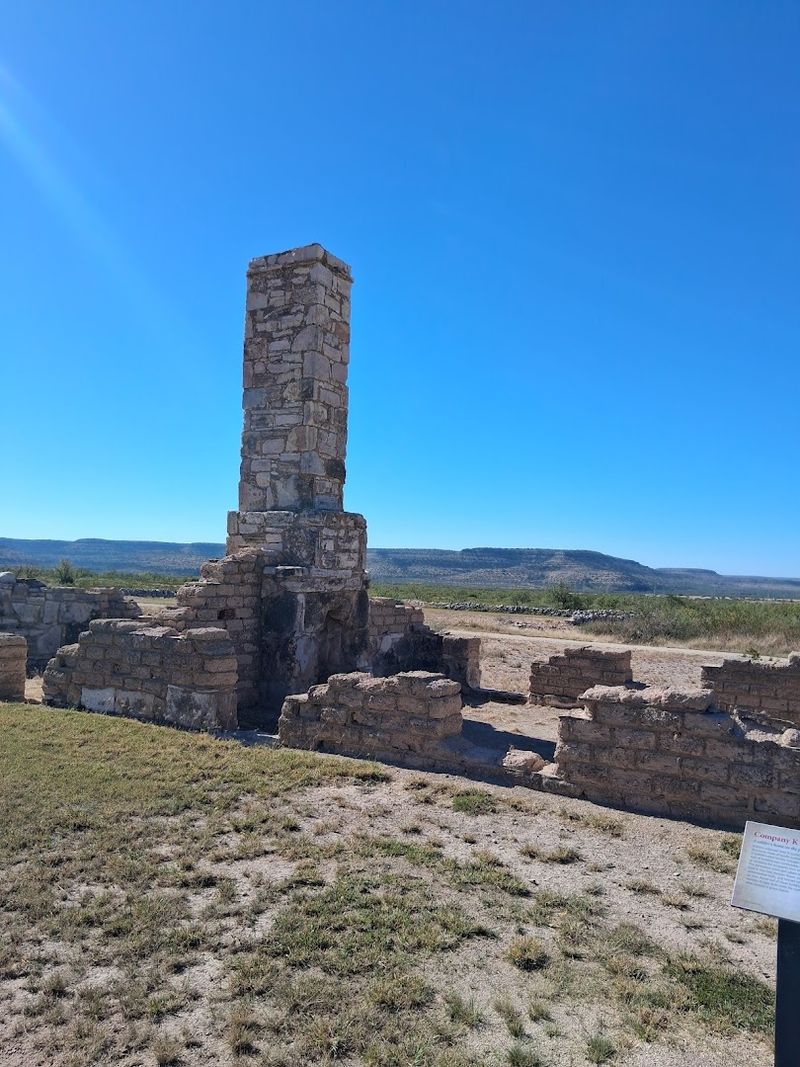
Perched on a bluff above the Pecos River, Fort Lancaster occupies one of the most strategic and beautiful spots on the old Comanche War Trail. Built in 1855 to protect the San Antonio-El Paso road, the fort saw constant tension between soldiers and Comanche warriors who had used this river crossing for generations. Today, stabilized ruins and interpretive signs tell stories of frontier conflict, military hardship, and cultural collision.
The fort’s remote location means it sees few visitors, giving you space to explore and reflect without crowds. Stone foundations outline the hospital, barracks, officers’ quarters, and other structures arranged around a central parade ground. Information panels feature soldier testimonies describing brutal heat, inadequate supplies, and the constant threat of raids.
The site doesn’t romanticize frontier military life—it presents the reality of young men stationed in hostile territory far from civilization.
A trail leads to the overlook where you can see the Pecos River winding through desert canyons below. This vantage point explains the fort’s placement—soldiers could spot approaching travelers or raiders from miles away. The landscape remains wild and largely unchanged, helping you imagine how isolated this posting must have felt.
The visitor center houses artifacts recovered from archaeological digs, including military buttons, pottery fragments, and tools. Fort Lancaster is managed by the Texas Historical Commission, which has done excellent work preserving and interpreting the site. Bring binoculars for wildlife watching—golden eagles, roadrunners, and desert bighorn sheep inhabit the surrounding hills.