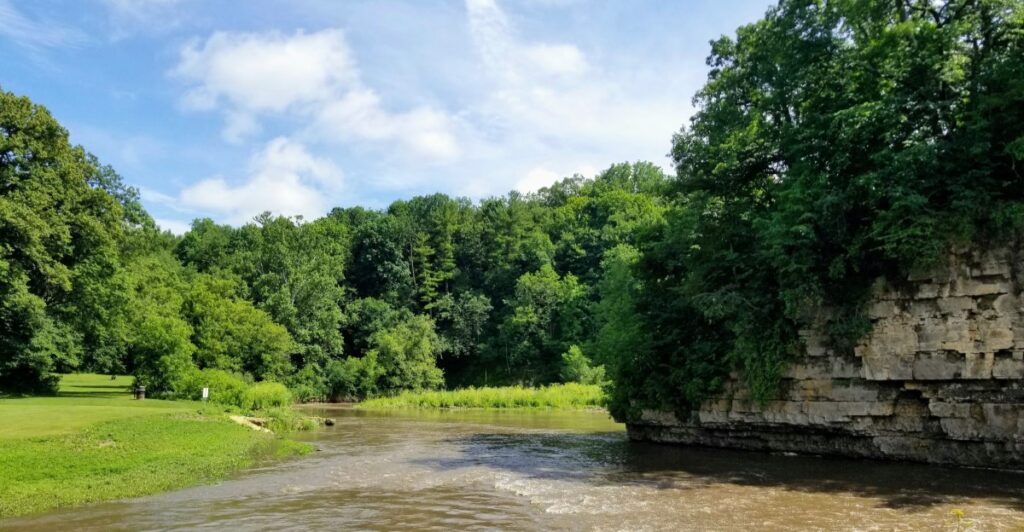
Northwestern Illinois holds a rugged surprise that looks nothing like the flat landscapes many travelers associate with the state. Apple River Canyon State Park unfolds through wooded hills, rocky bluffs, steep trails, and a winding river that gives the scenery a wonderfully untamed feel.
Its quieter setting makes it especially appealing for hikers who would rather hear rushing water and rustling leaves than traffic or crowded attractions. Every turn reveals another reminder that Illinois scenery can be far more dramatic than expected. For anyone craving a peaceful outdoor escape with a little edge to it, this overlooked park is well worth discovering.
A Canyon Scene Most People Do Not Expect
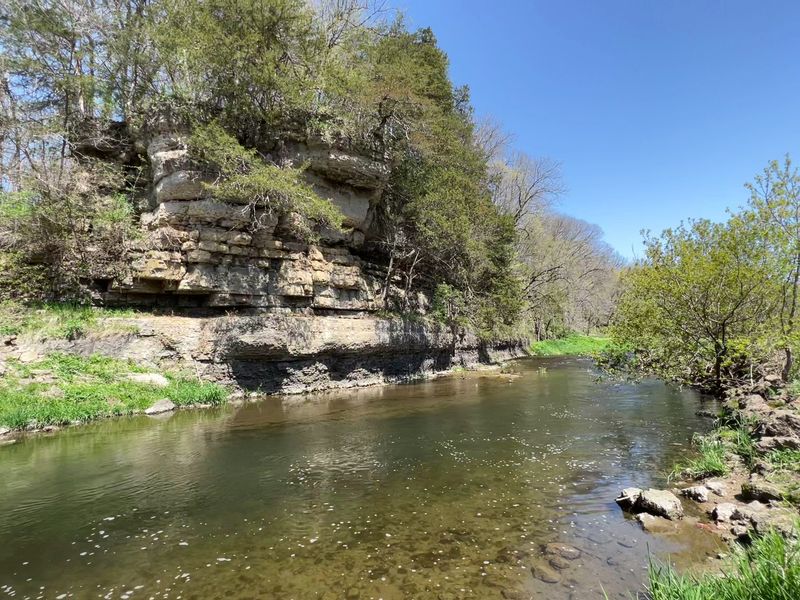
Roads through farm country do not prepare you for what happens here. One minute the land seems open and gentle, and the next it folds into wooded slopes, rocky ledges, and a river valley that looks far more rugged than many people expect from Illinois.
Apple River Canyon State Park covers a hilly stretch of ground shaped by water and time. The change in elevation is the first big surprise. Instead of flat paths and broad lawns, the park offers ravines, bluff edges, and steep routes that make the scenery feel active rather than still.
That terrain gives the place its strongest visual punch. Trees crowd the hillsides, exposed stone breaks through the greenery, and the Apple River adds movement at the bottom of the scene. In some spots, the view opens just enough to show the curve of the canyon and the layered shape of the land.
Because the park is not huge, the drama arrives quickly. There is no long wait before the landscape starts showing off. Short trails can lead to overlooks, river access points, and rocky sections that make the area feel more remote than its map size suggests.
Photography works especially well here when light hits the slopes from the side. Early morning and late afternoon bring out texture in the bluffs and shadows in the trees. Even a simple walk along the trail can turn up strong angles, fallen stone, and bright pockets of water between the woods.
For travelers who think Illinois nature is mostly prairie, this park offers a sharp correction. It is compact, yes, but the setting has real depth. Apple River Canyon stands out by delivering a rough, folded landscape that catches people off guard in the best possible way.
Trails That Pack Plenty Into a Short Hike
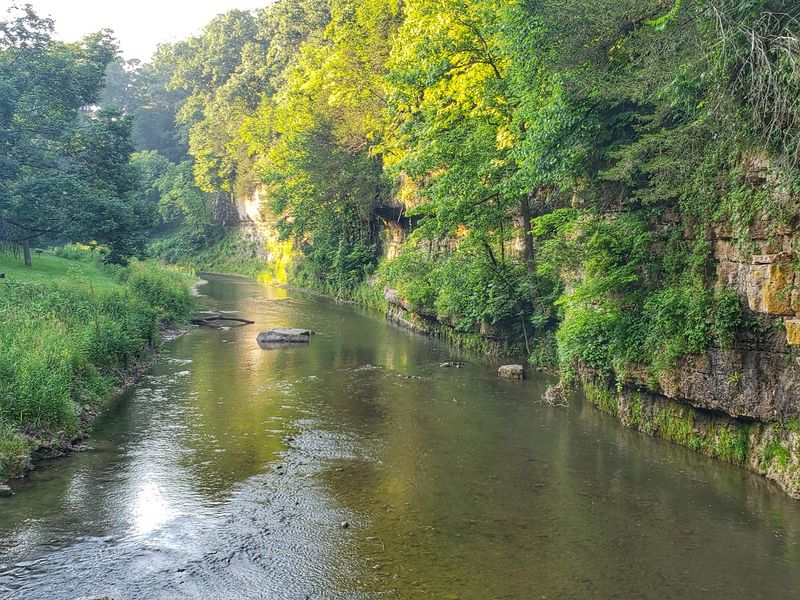
Short does not mean easy at Apple River Canyon State Park. A trail that looks modest on paper can still ask for solid footing, careful steps, and a little extra breath on the climbs, which is part of why hiking here feels more rewarding than many first-time visitors expect.
Several of the park trails are around a mile or so, but they use the land well. Instead of stretching out across flat ground, they move through hills, woods, and uneven surfaces. That design creates a hike with rhythm.
You go down toward the river, back up toward higher ground, then around bends where the setting keeps changing.
River Route often gets attention because it brings hikers close to the water and delivers some of the best canyon views. Primrose Nature Trail adds variety with a stream crossing area and a different look at the forest floor. Pine Ridge changes the mood again, trading river scenes for higher wooded terrain.
Good shoes matter here. Rocky patches, mud after rain, and narrow sections can slow down anyone who arrives in slick sneakers. Families can still enjoy the trails, but it helps to choose a route that matches energy level and comfort with hills.
Another smart move is downloading a map before arriving. Cell service can be limited in the park, and that can make quick checks harder than expected. Trail signs are present, but having an offline map adds confidence, especially for people trying to fit multiple loops into one outing.
The best part is the efficiency. In a single afternoon, hikers can get woods, elevation, river scenery, and bluff views without covering huge mileage. That makes the park a strong option for people who want a real hike instead of a long, flat walk.
Where the Apple River Steals the Show
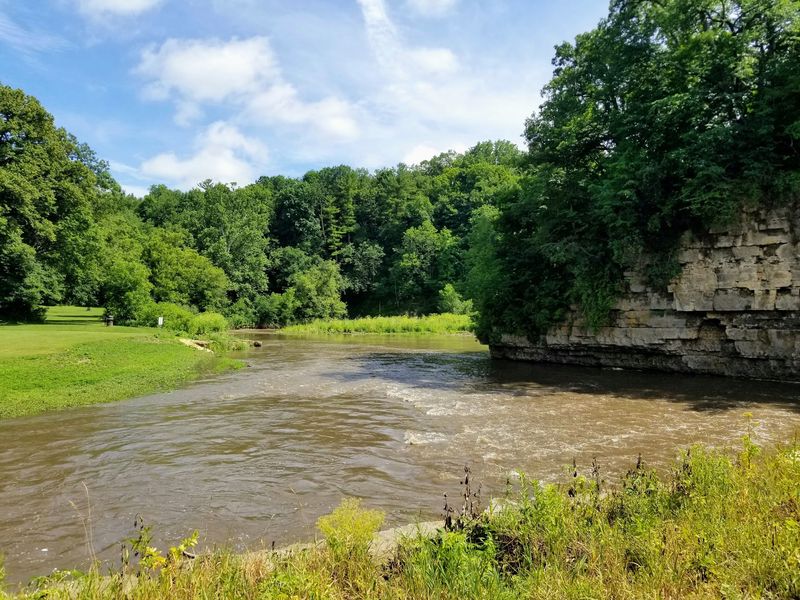
Water changes the whole mood of this park. The Apple River is not just a background feature on a map. It gives the canyon its shape, adds sound to the hike, and creates the kind of scene that makes people stop talking for a minute and just look.
Along the river stretches, the land narrows and the park starts to feel more enclosed. Trees lean toward the water, rocky banks break up the shoreline, and the current adds motion even on a quiet day. The river is beautiful in a way that is simple and active at the same time.
Fishing is part of the draw here, especially for people interested in species connected to moving water. Just as important, though, is the river as a viewing spot. It gives hikers a destination.
After a steep section through the woods, reaching the water feels like arriving somewhere rather than merely passing through.
Not every part of the shoreline is easy to access, which actually shapes the experience in a useful way. It keeps the river from turning into a crowded, wide-open edge. The pockets that are reachable feel more tucked in, more personal, and often better for quiet sitting or careful photos.
Season matters a lot. After wet weather, the current can look stronger and the banks can be muddier, so caution is smart. During warmer months, the river brightens the landscape and draws attention to the contrast between cool water, pale stone, and deep green leaves.
Anyone planning time here should give the river more than a quick glance. Build the outing around it. Walk down, stay awhile, and notice how the water pulls the park together. The hills are impressive, but the Apple River is the thread that makes the whole canyon scene work.
Northwest Illinois Brings the Bluffs and Cliffs
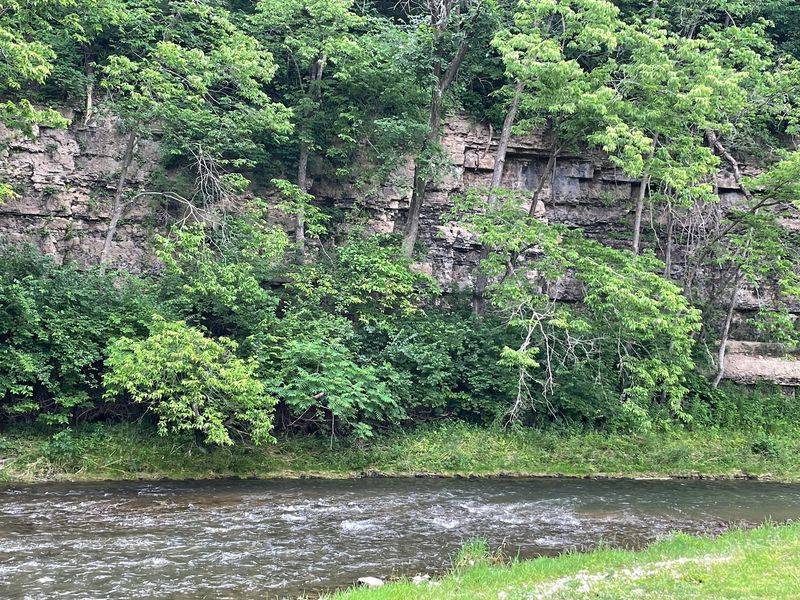
Plenty of parks have trees. Far fewer have rock formations that give the landscape real structure, and that is one reason Apple River Canyon State Park stands apart. The bluffs and cliff-like edges add shape, texture, and a sense of age that turns an ordinary walk into a more dramatic outing.
Northwest Illinois has a different personality from the flatter parts of the state, and this park shows it clearly. Here, the terrain rises and breaks. Stone appears along trails, near slopes, and beside river sections, giving hikers repeated reminders that the canyon was carved, not simply planted.
These rocky features do more than look nice in photos. They create overlooks, tighter trail corridors, and sudden visual contrasts between hard stone and soft forest cover.
A path can feel shaded and enclosed one minute, then open toward a bluff line the next. That constant change keeps even shorter hikes interesting.
For kids and adults alike, the geology adds a small sense of discovery. A bend in the trail might reveal stacked rock, rough walls, or outcrops peeking through leaves. In cooler seasons, when the foliage thins, the stone becomes even more noticeable and gives the park a stronger, sharper profile.
Care is important around these areas. Loose footing, steep grades, and wet surfaces can make rocky sections trickier than they first appear. Slow steps and attention to the trail matter more here than at a park built around paved loops and level ground.
Visually, the bluffs are one of the park’s strongest features because they prove Illinois can deliver bold landforms without giant mountains or huge distances. Apple River Canyon succeeds by using every fold, ledge, and rocky edge to build a setting that looks richer and tougher than many people expect.
Camping Here Is More Quiet Than Crowded
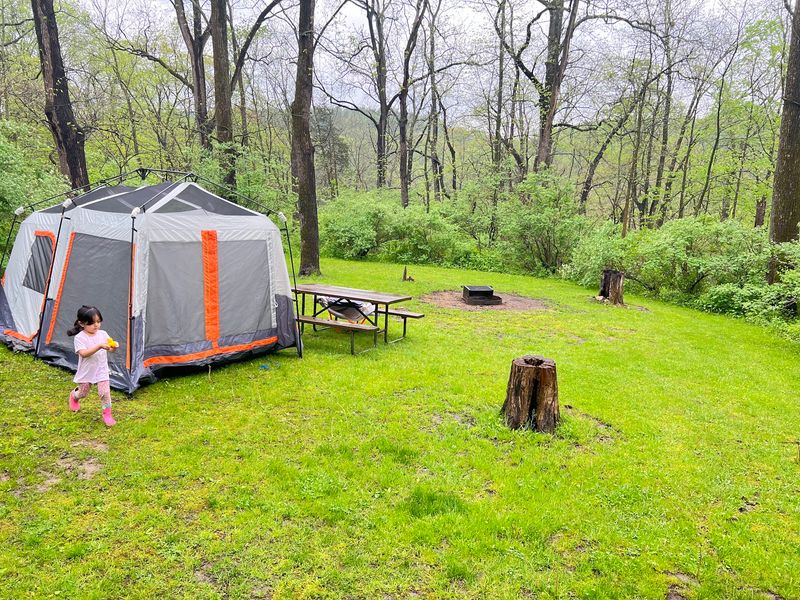
Some campgrounds feel like outdoor neighborhoods with tents and campers packed side by side. Apple River Canyon State Park heads in a different direction. Its camping area has a more tucked-away character, with tree cover and spacing that can make a night outside feel calmer and less hectic.
That quieter setup matches the park itself. Since the site is smaller and more rustic than major destination parks, the campground often attracts people looking for a low-key base instead of nonstop activity. Fire rings, simple facilities, and easy access to trails keep the focus on the landscape rather than extra entertainment.
Privacy is one of the strongest points. Many sites have enough brush or woods between them to soften the usual campground bustle.
You may still hear nearby campers, of course, but the setting tends to offer more separation than places built for large crowds and big loops.
The practical side matters, too. This is the kind of park where preparation improves the trip. Supplies are not right around the corner, and cell service can be limited, so it helps to arrive with food, water, layers, and anything needed for the night.
In colder months, available amenities may be more basic. For first-time campers, the biggest advantage may be the park’s size.
Trails are close, the campground layout is manageable, and the overall setting encourages a simple routine of hiking, cooking, and sitting by the fire. That makes it easier to settle in without the stress of navigating a giant recreation area.
People chasing luxury will want a different experience. Campers who enjoy wooded sites, rustic comfort, and a little breathing room should pay attention to this spot. Apple River Canyon turns camping into a quieter, more grounded stay, where the dark trees and nearby hills do most of the talking.
Smart Timing Makes the Whole Visit Better
A little planning goes a long way at Apple River Canyon State Park. The park is open all day, but the easiest, most enjoyable visit usually comes from matching your timing to the terrain, weather, and kind of outing you want rather than simply showing up at random.
Morning works well for hikers who want cooler air, softer light, and a better chance at a quieter trail. The hills can feel more demanding once the day warms up, especially in late spring and summer. Early starts also give more flexibility if you want to combine more than one trail loop.
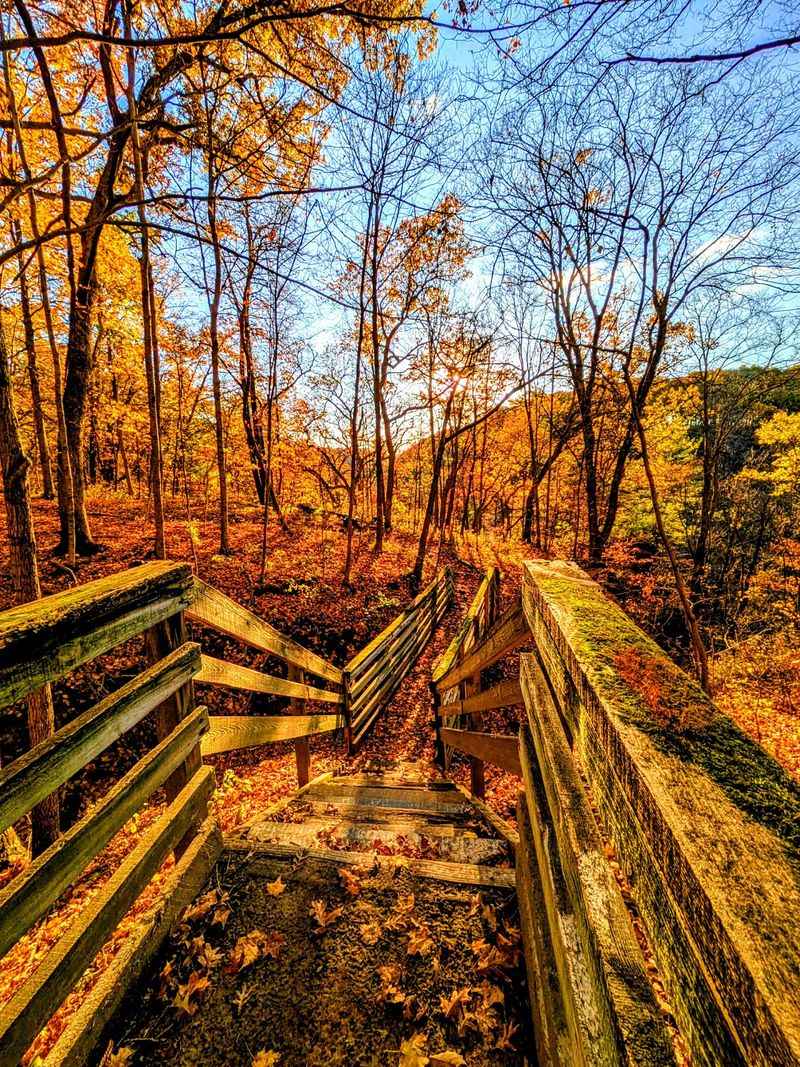
Fall is especially appealing because the elevation changes and wooded slopes make leaf season stand out. Color on the hillsides adds contrast to the bluffs and river views. Spring can also be beautiful, though muddy stretches and active ticks make sturdy shoes, long pants, and basic bug awareness smart choices.
Summer brings full greenery and longer daylight, but it also calls for water, rest breaks, and patience on steeper sections. Winter can be peaceful and visually striking, yet conditions may be more limited, and footing can change quickly if snow or ice settles on the trails.
Navigation deserves attention before arrival. Some travelers find the park less obvious than expected, so using the full address, checking the route ahead of time, and saving directions offline can prevent frustration. The same goes for trail maps.
Limited service means a quick download at home can save time later. One final tip is to respect the park’s pace. This is not a race-through stop where every minute needs to be packed.
Give the hills time, stop at the river, and leave room for a slower walk back. With the right timing and a little preparation, the entire place becomes easier to appreciate.
Why This Park Earns a Spot on an Illinois Travel List
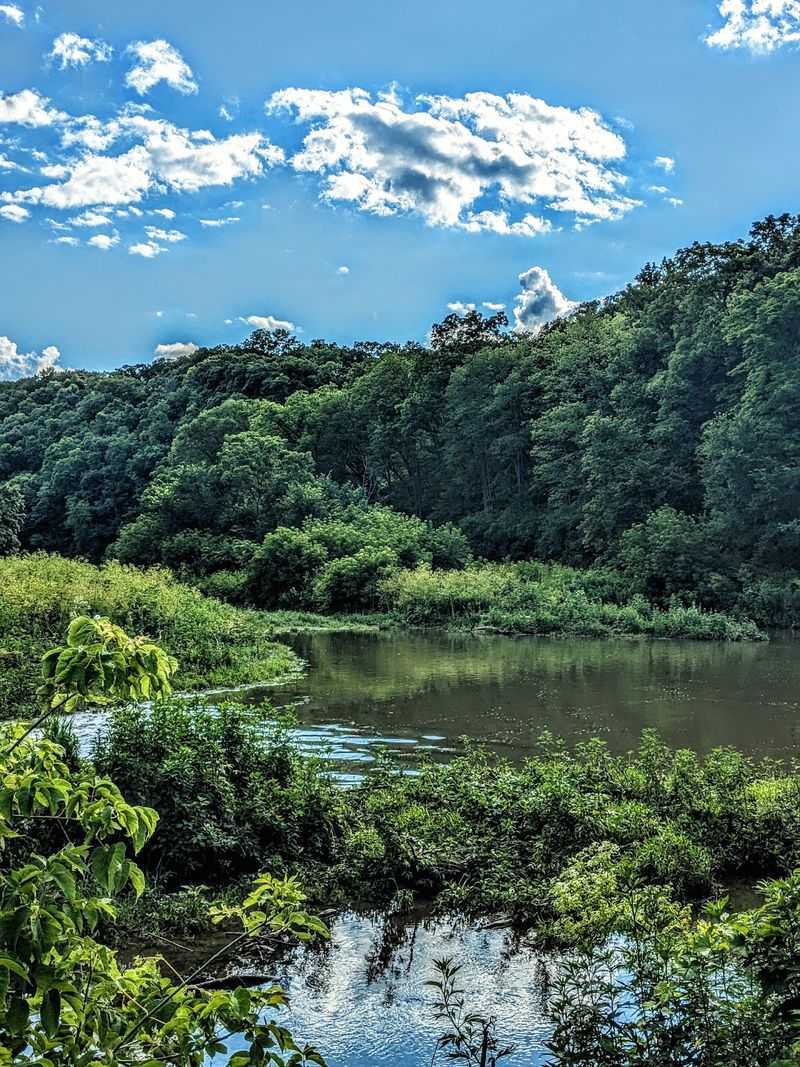
Big-name parks usually get the attention, but Apple River Canyon State Park makes a strong case for looking beyond the usual list. Its appeal is not about giant visitor centers or endless attractions. The draw comes from how much variety and rugged scenery fit into one compact corner of Illinois.
Start with the basics and the park already has range. There are steep hiking trails, wooded hills, rock formations, river views, picnic areas, and camping. That mix gives different kinds of travelers a reason to stop, whether the goal is a half-day walk, a relaxed campsite, or an afternoon with a camera.
Then there is the mood. Because the park is smaller and set away from big-city traffic, it can feel quieter than more famous outdoor destinations. Quiet does not mean dull here.
It means more room to notice details, from the sound of moving water to the change in light across the canyon walls.
The park also works well as proof that memorable scenery does not always require extreme distance or huge elevation. Apple River Canyon shows how a river valley, strong topography, and good trail design can create an outing that feels active and visually rich without demanding a full vacation schedule.
For Illinois travelers, that matters. It broadens the map. Instead of driving past northwest Illinois on the way to somewhere else, this park gives the region its own reason to visit.
For out-of-state travelers already exploring the Galena area or nearby countryside, it adds a nature stop with real character.
Apple River Canyon State Park earns attention because it breaks expectations in a grounded, believable way. It is not flashy, oversized, or overbuilt. It is a place where hills, stone, trees, and water come together neatly, creating one of the most surprising outdoor settings in the state.