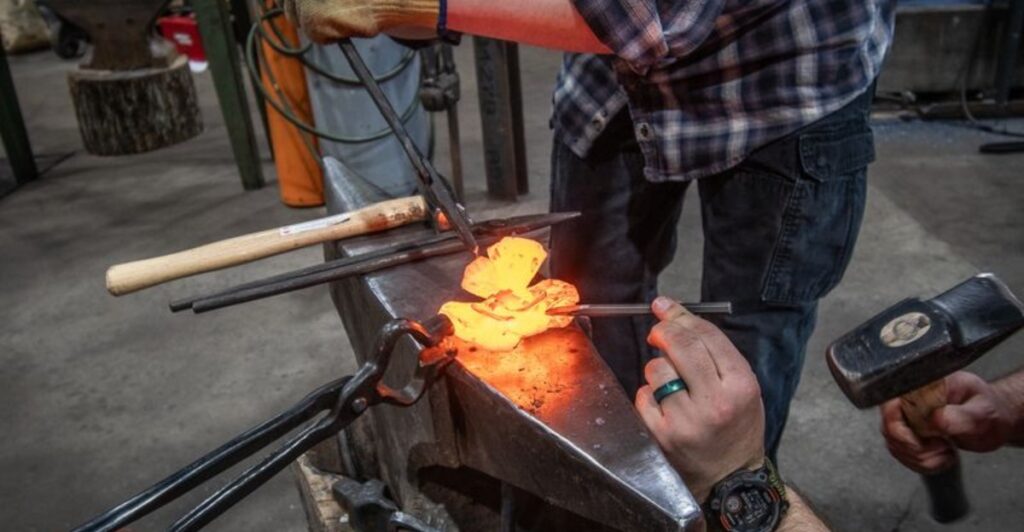
Creative energy hits differently when you can shape, cut, paint, carve, stitch, or build something with your own hands. Across Michigan, craft schools and art centers give beginners and experienced makers a place to slow down, learn real skills, and turn raw materials into something personal.
The appeal comes from how many directions you can take, from clay, glass, and wood to fiber, paint, and mixed-media projects, all without needing a fully stocked studio at home. These places make creativity feel practical, social, and much easier to start.
For anyone ready to trade screen time for hands-on time, these Michigan craft schools offer plenty of ways to get making.
1. Artfire Michigan – Leslie
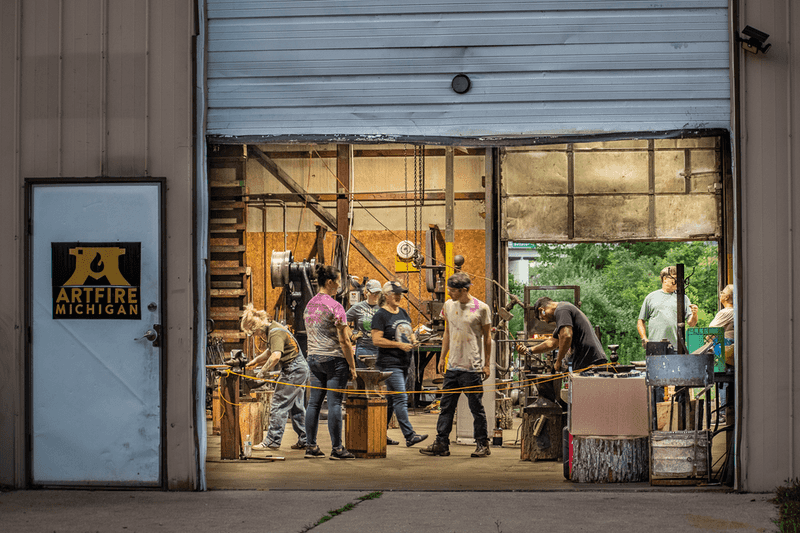
Some places make you want to put your phone away and use your hands, and Artfire Michigan in Leslie fits that mood. The draw here is simple: a creative setting where making art can feel less intimidating and more doable, even when you are still figuring out what kind of maker you want to be.
Instead of worrying about being perfect, you can focus on trying a process and seeing where it goes.
A smart way to approach a class here is to pick one medium and give it your full attention for a day. That might mean clay, painting, drawing, or another workshop-style project, depending on what is offered when you visit.
Bringing an old shirt, a notebook, and a willingness to ask questions can make the whole experience smoother.
Beginners often do better when they choose projects with clear steps, like a small tile, bowl, painting, or decorative piece. Finishing one manageable item teaches more than starting a huge project and getting stuck halfway through.
You also get the nice reward of leaving with something you actually made.
Leslie adds to the appeal because a smaller-town setting can make a creative outing feel relaxed instead of rushed. You can treat the class as a break from errands, screens, and busy schedules.
That change of pace matters more than many people expect.
If you are helping a child, teen, or hesitant adult pick a first craft class, look for sessions that stress exploration over polished results. A place like Artfire Michigan can work well because the goal is not to impress anyone.
The goal is to learn a tool, understand a material, and get comfortable making mistakes. That is usually where the fun begins, and it is often where new hobbies start growing into real skills over time.
2. ClaySpaceTC – Traverse City
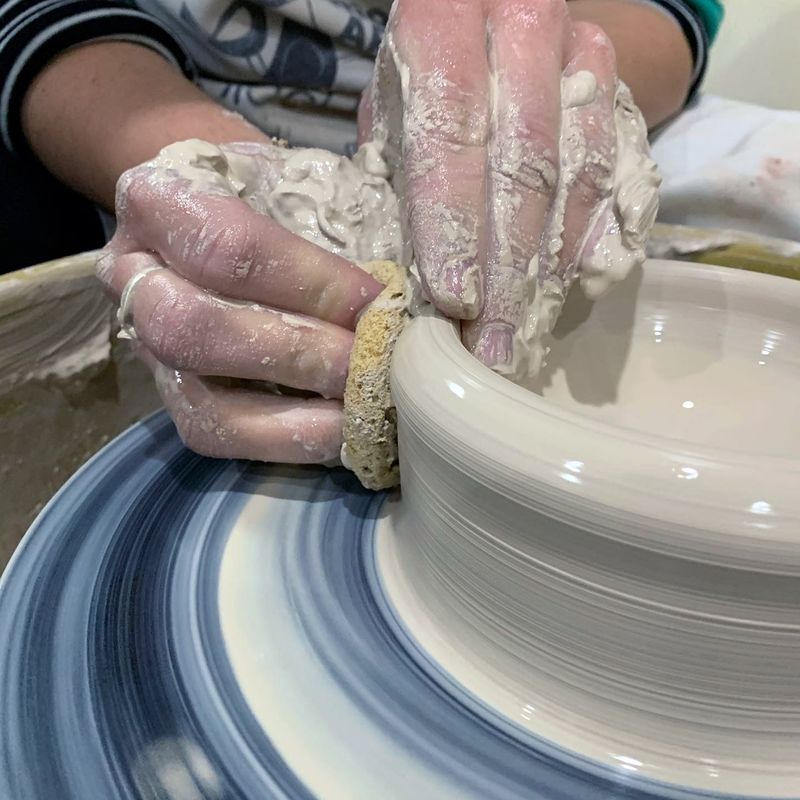
Clay has a way of teaching patience fast, and that is part of the fun at ClaySpaceTC in Traverse City. A lump of mud does not care if you are in a hurry.
You have to slow down, pay attention, and work with the material instead of forcing it.
That makes this kind of school a strong pick for anyone curious about pottery but nervous about trying it. Clay offers quick lessons in pressure, balance, and timing, and even a simple cup can show you a lot.
If a wheel class sounds tricky, handbuilding can be a great starting point because it lets you understand form without managing a spinning surface.
One helpful tip is to wear clothes you do not mind getting dusty and keep your nails fairly short. Clay slips under long nails, and that can get annoying in a hurry.
It also helps to arrive with one project idea in mind, like a mug, spoon rest, planter, or small dish.
Traverse City gives the whole experience a fresh, creative backdrop. A pottery session can fit nicely into a weekend outing, especially if you want an activity that leaves you with more than photos.
Handmade ceramic pieces also become useful reminders of the time you spent learning, which gives them extra meaning once they are fired and ready.
At a place like ClaySpaceTC, progress often shows up in small ways. Maybe the rim looks smoother on your second try, or maybe your handles finally attach without slumping.
Those little wins matter. Pottery is full of trial and error, but that is exactly why it pulls people in.
You work, adjust, and try again. By the end of a class, you are not just carrying home clay.
You are carrying home proof that practice changes what your hands can do.
3. Michigan Folk School – Ann Arbor

Not every craft class needs to be trendy to be exciting, and Michigan Folk School in Ann Arbor leans into that idea in a smart way. Folk schools often center practical, hands-on skills that connect creativity with everyday life.
That could mean fiber work, home crafts, seasonal projects, or skill-based workshops that teach you how to make useful things from basic materials.
For beginners, that practical angle can be a relief. You are not expected to arrive with a polished artist identity or a perfect eye for design.
You can simply show up ready to learn a process, follow instructions, and see how a traditional skill still fits into modern life.
A good plan is to choose a class tied to something you would actually use or enjoy at home. Maybe that is a handmade textile item, a simple wooden object, or a kitchen-related craft.
When the project has a clear purpose, it is easier to stay motivated through the slower parts.
Ann Arbor is a fitting place for a school like this because curiosity and learning already shape the city’s energy. Taking a craft class here can feel like joining a wider culture of making, sharing knowledge, and trying new skills without a lot of fuss.
You do not need a long résumé in art to belong in that kind of room.
If you have ever wanted a hobby that feels grounding, a folk school can be a strong place to begin. Projects often move at a human pace, and that matters when so much of daily life happens on screens.
Working step by step with your hands can make a weekend feel fuller. Michigan Folk School stands out as a place where craft is connected to usefulness, tradition, and plain old curiosity.
That mix can help you leave with more than an object. You leave knowing a little more about how things are made, and how capable you are of learning them.
4. Holland Area Arts Council – Holland

A community arts council can be one of the easiest doors into making art, and Holland Area Arts Council has that approachable appeal. You do not need fancy gear or years of training to join in.
The main advantage is variety, since centers like this often give you more than one path into creative work.
That flexibility matters when you are not fully sure what you want to try. Maybe painting catches your eye one month, then a mixed-media workshop or seasonal craft sounds better the next.
Sampling different classes can teach you what materials you enjoy, how much structure you want, and whether you like working quietly or in a group.
One useful strategy is to start with a short-format class before signing up for anything longer. A one-day or beginner-friendly session can show you how the teachers guide projects and how comfortable the space feels.
It also lowers the pressure, which helps many first-timers enjoy the process more.
Holland brings a lively local backdrop that can make an art outing feel easy to fold into the day. You can treat a class as a creative errand, not a giant commitment.
That simple framing helps when life is busy and your free time is limited.
For families, couples, or friends, an arts council setting can work especially well because the environment often welcomes a mix of ages and skill levels. One person can be confident with a brush while another is trying art for the first time, and both can still have a good experience.
Holland Area Arts Council fits the list because it offers a practical starting point for making something from scratch without overcomplicating the idea. Sometimes the best creative move is not chasing a grand masterpiece.
It is taking one class, using real materials, and discovering that an ordinary evening can turn into a painted canvas, a handmade gift, or the beginning of a new routine.
5. Birmingham Bloomfield Art Center – Birmingham
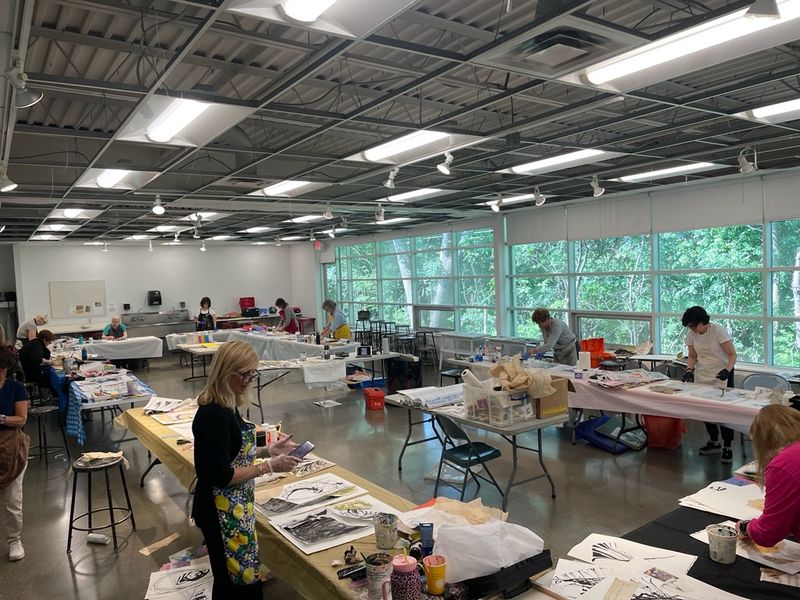
Clean tables, serious supplies, and room to experiment can make a big difference when you are trying to learn a craft. Birmingham Bloomfield Art Center in Birmingham gives off that steady, skill-building energy.
It is the kind of place where you can focus on process, pay attention to technique, and still enjoy yourself without the setting feeling stiff.
Art centers like this are useful for people who want structure. Maybe you have tried making things at home and ended up with a pile of half-finished projects.
A class environment can help because it gives you time on the calendar, access to materials, and an instructor who can catch mistakes before they turn into frustrating habits.
Choosing the right course matters. Drawing and painting can sharpen observation, while ceramics and other studio classes build confidence through repeated steps and physical materials.
If your goal is to improve, not just pass time, look for a class series where each session builds on the one before it.
Birmingham adds a polished, easy-to-reach setting for a creative outing. That can appeal to busy adults who want a hands-on class that still fits neatly into a weeknight or weekend routine.
You do not have to disappear into the woods for a craft experience to feel meaningful.
Another smart tip is to keep your first project modest, even if the studio work around you looks impressive. A small still life, a simple clay form, or a basic print can teach more than a giant ambitious piece.
Birmingham Bloomfield Art Center belongs on this list because it can support both curiosity and discipline at the same time. You can walk in wanting a creative break and walk out realizing you also enjoy learning technique.
That mix is powerful. It turns art from a vague idea into a real practice, one class and one handmade object at a time.
6. Pentwater Artisan Learning Center – Pentwater
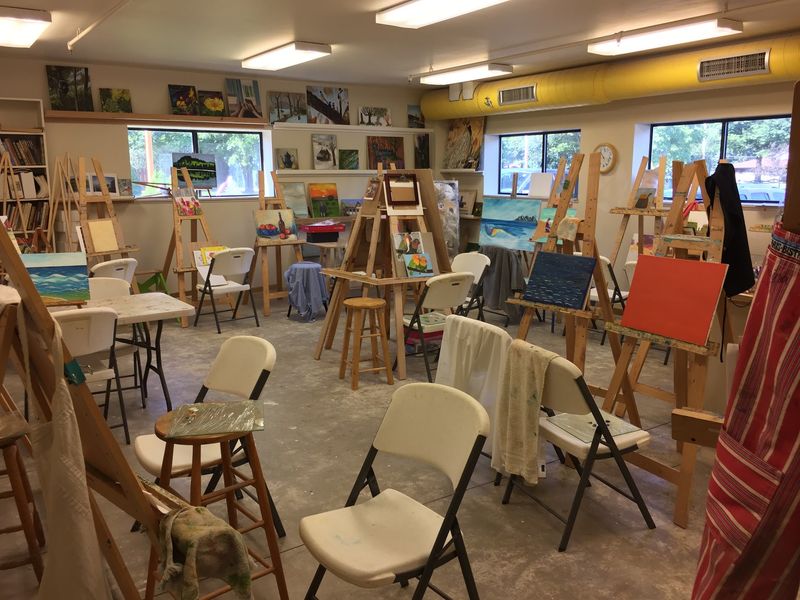
Pentwater has the kind of name that already sounds creative, and Pentwater Artisan Learning Center matches that expectation well. An artisan learning center suggests hands-on classes with a practical twist, where skill and personal style both matter.
That balance can be great for someone who wants more than a quick craft and less than a formal art-school setup.
In a place like this, the best approach is to stay open to materials you have never used before. You might arrive thinking you want one type of project and leave interested in something totally different.
That shift happens often when you see tools in action and realize a craft is more approachable than it looked online.
Because artisan classes can vary, it helps to read descriptions closely before signing up. Look for clues about project size, time needed, and whether beginners are welcome.
A small class with a clear finished piece can be ideal when you want a satisfying first experience without a huge learning curve.
Pentwater itself adds a calm, small-town rhythm that pairs well with creative work. Making something by hand in a lakeside community can turn a normal outing into a memorable one, especially when the day includes both learning and time to wander afterward.
The setting can help you slow down and notice details, which is useful in almost every craft.
One more tip: bring patience for the awkward middle stage. Many projects look rough before they look good, and that stage is where plenty of beginners decide too quickly that they are bad at making things.
Usually, they are just in the middle. Pentwater Artisan Learning Center earns its spot because it offers a chance to practice that lesson in a welcoming way.
You try a skill, work through the messy part, and end up with something built by your own effort. That kind of result sticks with you longer than most souvenirs ever could.
7. Glass Academy – Dearborn
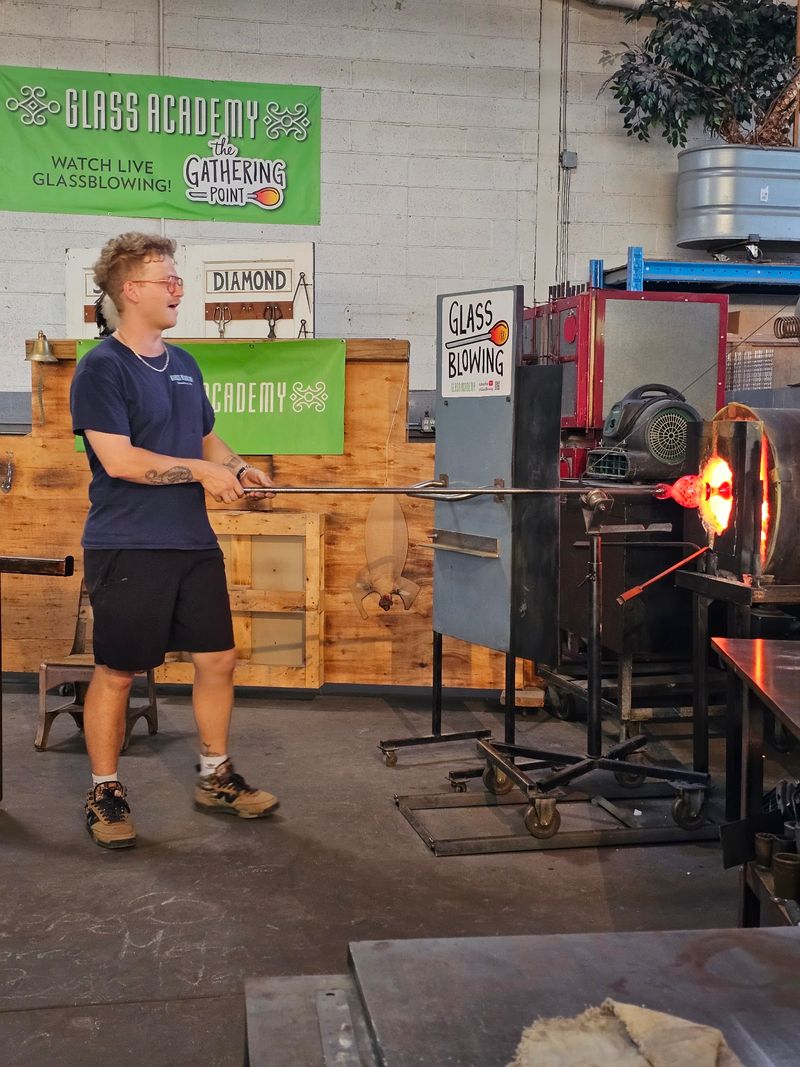
Fire, heat, and glowing color bring a whole different level of drama to a craft class, which is why Glass Academy in Dearborn grabs attention fast. Glassmaking looks intense because it is.
Yet that is also what makes an introductory experience so memorable when you get to see how teamwork, timing, and careful movement shape a finished piece.
For many beginners, glass is not the first medium they expect to try. It can seem too technical or too advanced.
In a guided class, though, the process becomes easier to follow because each step has a clear purpose, from gathering material to shaping, turning, and cooling.
Safety matters more here than in many other craft spaces, so it helps to arrive ready to listen closely and follow directions without rushing. Closed-toe shoes and simple clothing are usually smart choices for any hot-shop environment.
You will also want to pay attention to how instructors position hands and tools, since small movements can change the final shape.
Dearborn is a strong home for a place with this kind of industrial-art energy. The setting suits a craft that mixes old-world technique with a bold visual payoff.
Few handmade projects create the same kind of wow moment as a piece of glass that began as a glowing blob and slowly turned into something useful or decorative.
A glass class can be especially good for people who like action and visible transformation. You are not waiting weeks to understand the point of the material.
You can see it shift in real time. Glass Academy belongs on this list because it offers one of the clearest reminders that craft is both skill and chemistry, both beauty and control.
You leave with more respect for the process, plus a sharper sense of how much planning goes into objects that often look effortless once they are finished and cool enough to hold.
8. Glen Arbor Arts Center – Glen Arbor
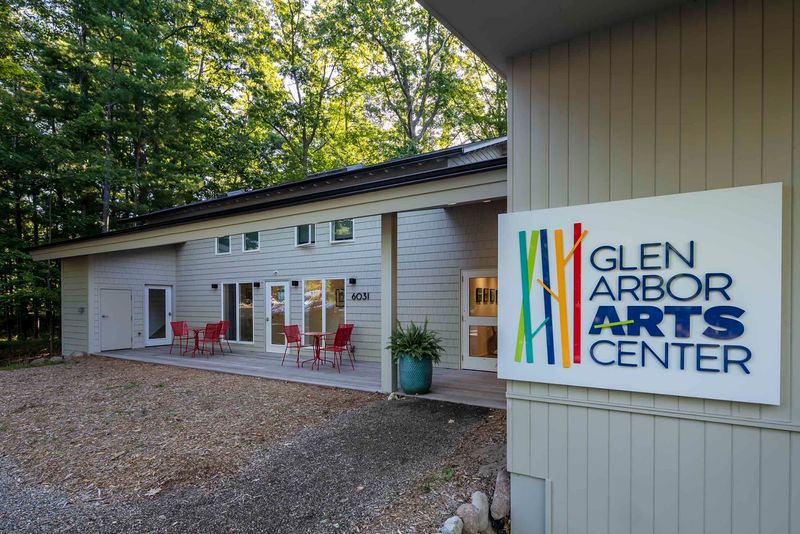
Some art centers make landscape and creativity seem like natural partners, and Glen Arbor Arts Center has that kind of appeal. In a northern Michigan setting, it is easy to imagine classes that connect making with close observation, color, texture, and the outdoors nearby.
Even if you are not painting scenery, being in a visually rich place can sharpen the way you notice shapes and details.
That can help beginners more than they realize. Often, the hardest part of starting art is not the tool.
It is learning how to look carefully. A class in drawing, painting, or mixed media gives you a reason to slow down and study what is in front of you rather than rushing past it.
One useful trick is to bring a small notebook and jot down colors, patterns, or project ideas before class starts. Those notes can help when you are staring at a blank page or canvas and need somewhere to begin.
Inspiration sounds fancy, but many times it is really just observation plus a few rough notes.
Glen Arbor itself makes the creative outing easy to picture as part of a larger day. You can pair studio time with exploring the town and the surrounding scenery, which gives the whole experience a pleasant rhythm.
That combination can be especially good for travelers or weekend visitors who want an activity with substance.
At Glen Arbor Arts Center, the most useful goal may be simple: make one thing with attention. That could be a painting study, a print, a collage, or another class project built step by step.
You do not need to leave with a masterpiece to gain something real. You might leave with a better eye for color, a new comfort with materials, or the surprise of discovering that art helps your brain settle down.
That is a strong reason to seek out places like this, where the project in your hands becomes a way to notice the world more clearly.
9. Sam Beauford Woodworking Institute – Adrian

Woodworking has a no-nonsense charm, and Sam Beauford Woodworking Institute in Adrian speaks directly to that. Boards, tools, measurements, and joinery give you a craft where progress is easy to spot.
A rough piece of lumber starts changing shape in front of you, and each cut matters.
That directness is part of the appeal for beginners. Wood does not ask you to guess what is happening.
You can feel resistance in the grain, hear the difference between a clean cut and a rough one, and see quickly whether your measurements line up. It is a craft that teaches accuracy without turning every lesson into a lecture.
If you are new, start small. A box, stool, cutting board, or simple shelf can teach layout, cutting, sanding, and finishing without burying you in complexity.
Bigger projects sound exciting, but early success often comes from repeating basic skills until your hands and eyes begin to work together better.
Adrian gives this pick a grounded, practical flavor that suits woodworking well. It is easy to imagine a class here focusing on real tools and real technique rather than flashy trends.
That can be refreshing when so much online craft content is edited to look easier than it really is.
One strong habit to bring into a woodworking class is patience with preparation. Measuring carefully, checking square edges, and listening during safety instructions may not be the thrilling part, but they save a lot of frustration later.
Sam Beauford Woodworking Institute earns its place on this list because woodworking can be deeply satisfying in a plain, solid way. You make decisions, adjust mistakes, and end up with an object that has weight and usefulness.
Even a simple project can change how you look at tables, cabinets, frames, and other everyday items. Once you understand how much thought and skill go into them, you never quite see them the same way again.
10. Paint Creek Center for the Arts – Rochester
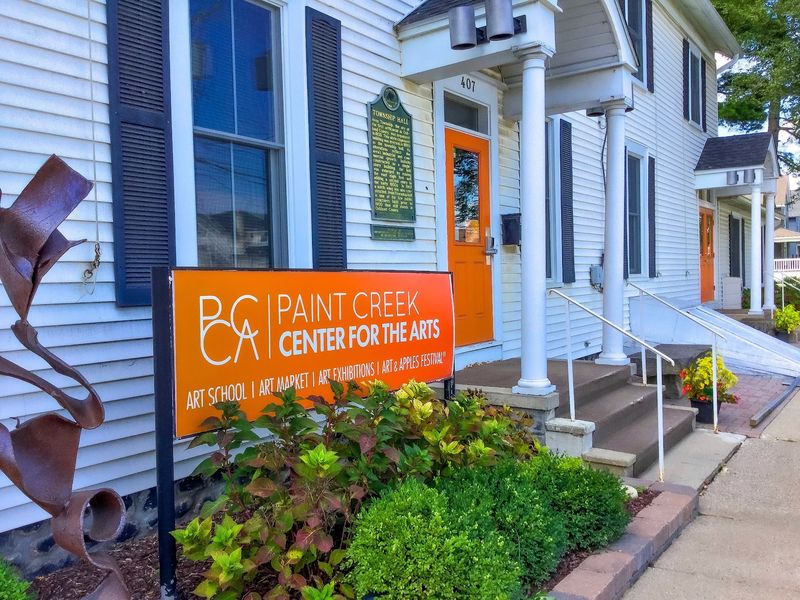
Some creative spaces are best when you want options, and Paint Creek Center for the Arts in Rochester looks like that kind of place. A broad community arts center can help you test different forms of making without locking yourself into one identity right away.
One season you might want paint. Another season, clay or drawing could make more sense.
That freedom is useful because many people do not discover their favorite craft on the first try. Sometimes the material you expect to love ends up feeling fussy, while the class you joined on a whim becomes the one you cannot stop thinking about.
A center with variety makes those surprises more likely.
To make the most of it, think about your energy level before choosing a course. Painting and drawing may ask for focus and observation, while some mixed-media or beginner craft projects can feel looser and more playful.
Picking a class that matches your mood helps you stick with it long enough to enjoy the learning curve.
Rochester adds a convenient, everyday feel that can turn art-making into a realistic part of life instead of a once-a-year event. That matters.
Hobbies last longer when they fit your schedule, not just your fantasy version of free time.
Another good move is to save your class notes, supply lists, or sketches after the session ends. Many people forget how much they learned once they leave the building.
Looking back at those materials later can help you continue at home, even if it is just with a small corner table and a few basic tools. Paint Creek Center for the Arts belongs in this lineup because it offers a strong middle ground between casual fun and real skill-building.
You can experiment, practice, and slowly figure out which kinds of making hold your attention. That is often the smartest way to begin, because a lasting creative habit usually starts with curiosity, not perfection.
11. Pewabic Pottery – Detroit

Tile, glaze, and clay carry a special kind of weight at Pewabic Pottery in Detroit. Even without knowing every detail of its background, you can tell this is the sort of place where ceramics are taken seriously.
That can be inspiring for a beginner because it shows how a humble material like clay can become both useful and beautifully designed.
Pottery classes here would likely appeal to anyone interested in surface, pattern, and the small decisions that change an object’s character. A mug can be plain or striking.
A tile can be simple or richly textured. Learning how those choices happen is one of the best reasons to spend time in a ceramic studio.
When trying pottery, it helps to accept that wet clay and finished clay are basically two different worlds. Pieces shrink, glazes shift, and kiln results can surprise you.
Instead of expecting total control right away, use the experience to understand the chain of steps that turns soft material into something durable.
Detroit is a fitting setting for a pottery school with a strong visual identity. The city’s creative energy and design history make handmade objects feel right at home there.
Taking a class can also deepen your appreciation for ceramic details you might normally overlook in buildings, dishes, or decorative work around town.
If you want the most satisfying first project, choose an item you can imagine using often, like a small bowl, tray, or tile. Everyday contact with a handmade object helps the lesson stick.
Pewabic Pottery makes this list because it offers more than a quick craft afternoon. It points you toward the long story behind ceramic making, where touch, heat, pattern, and patience all meet.
Even a simple beginner piece can teach you that clay is not plain at all. In the right hands, and with enough time, it becomes one of the most expressive materials around.
12. Lansing Makers Network – Lansing
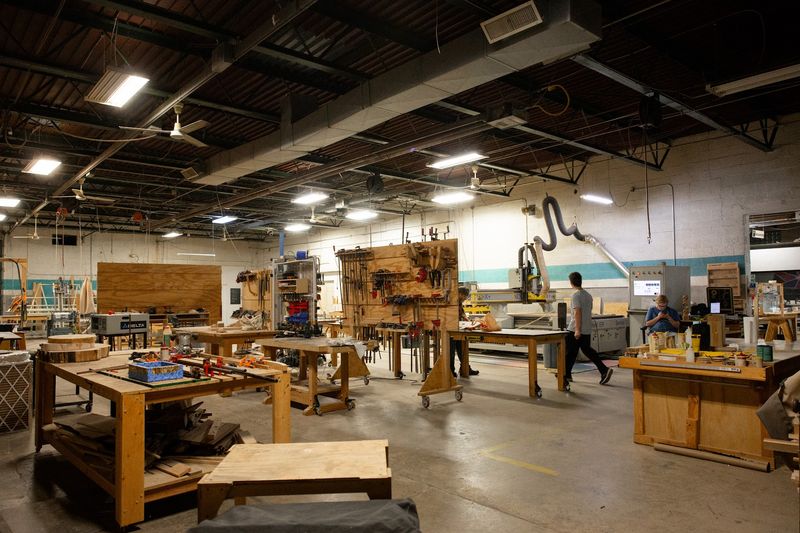
Not every craft school sticks to paintbrushes and pottery wheels, and that is exactly why Lansing Makers Network stands out. A makerspace can open the door to a wider idea of making, one that includes tools, fabrication, repair, design, and hands-on problem solving.
For curious people who like to tinker, that wider mix can be a great fit.
You might find yourself drawn to sewing, digital tools, simple woodworking, electronics, or project-based building, depending on what is available. That range is useful because creativity does not always arrive in the same form.
Some people want to decorate. Others want to engineer, customize, or invent.
A good first move in a makerspace is to choose one machine or process and learn it well enough to complete a small project. Trying everything at once can get overwhelming fast.
A single finished item, even a basic one, teaches more than bouncing between five tools with no clear plan.
Lansing gives this pick a practical, modern energy. A makers network in a capital city suggests a space where community knowledge, experimentation, and real-world skills can mix together.
That can be especially appealing if you enjoy learning by doing rather than by sitting through long explanations.
Bring a notebook, ask questions, and take photos of settings or steps when allowed. In tool-heavy spaces, details matter, and you will remember more if you record them.
Lansing Makers Network deserves a place in this article because making from scratch is not limited to traditional art forms. Building a useful object, customizing a part, or learning a machine can be just as creative as shaping clay or painting a canvas.
The key is the same in every case: you start with raw material, learn a process, and end with something that did not exist before your effort. That is the maker mindset in a nutshell, and it can be surprisingly addictive once you begin.