In the forests near Lumberton, Village Creek State Park delivers one of Texas’s most magical paddling experiences in a storybook setting. Picture gliding beneath towering cypress trees draped in Spanish moss, their roots creating natural sculptures in the dark water below. This 1,090-acre treasure combines ancient forest ecosystems with blackwater creek paddling that reveals a side of Texas many visitors never knew existed, making it a must-visit destination for nature lovers and adventure seekers alike.
1. The Blackwater Creek Experience
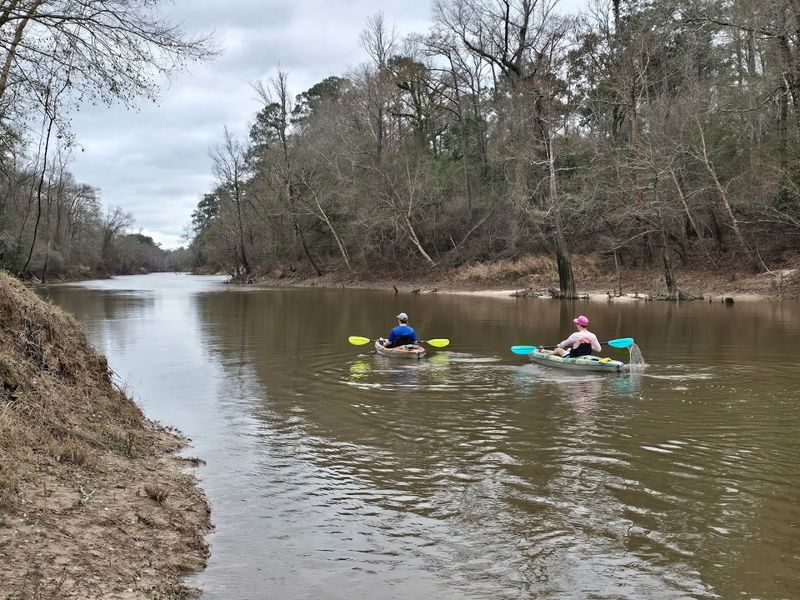
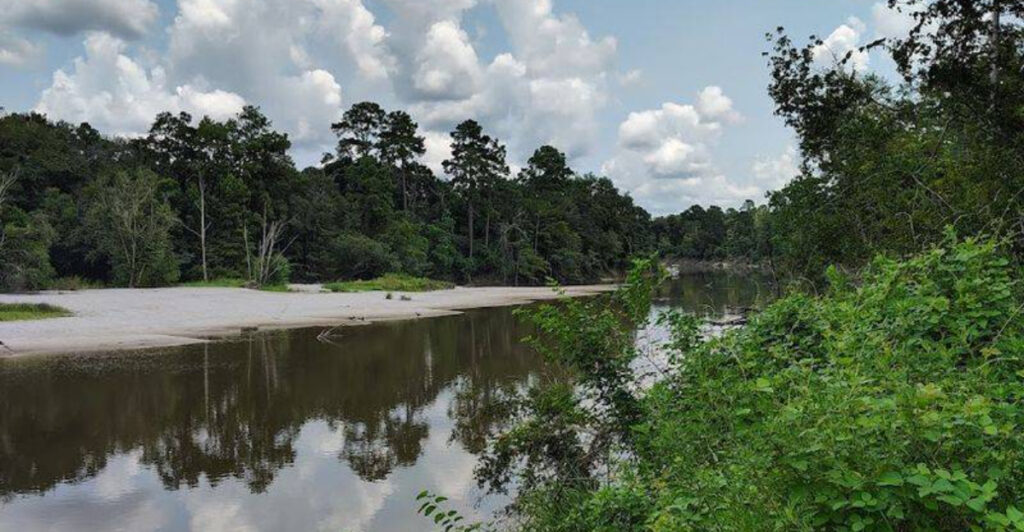
Village Creek gets its distinctive dark tea-colored water from tannins released by decaying vegetation, creating what paddlers call a blackwater creek. The color might look unusual at first, but it’s completely natural and actually indicates a healthy ecosystem teeming with life beneath the surface.
Paddling along this waterway feels like entering a different world where time slows down. The creek winds gently through dense forest, offering calm conditions perfect for beginners while still providing enough natural obstacles and scenery to keep experienced paddlers engaged and exploring.
Canoe rentals are available directly at the park when staffing allows, making it easy to launch a spontaneous adventure without hauling your own boat. The park staff can recommend the best put-in and take-out spots depending on water levels and your skill level.
Water levels fluctuate throughout the year, affecting navigability and the overall paddling experience. Spring typically offers higher water that makes paddling easier, while summer and fall might reveal more sandbars and require occasional portaging around shallow sections or fallen trees.
Wildlife sightings happen frequently along the creek, with turtles sunning on logs, wading birds fishing in shallow areas, and occasional deer coming to drink at the water’s edge during quieter morning or evening hours.
2. Ancient Cypress Swamp Forest
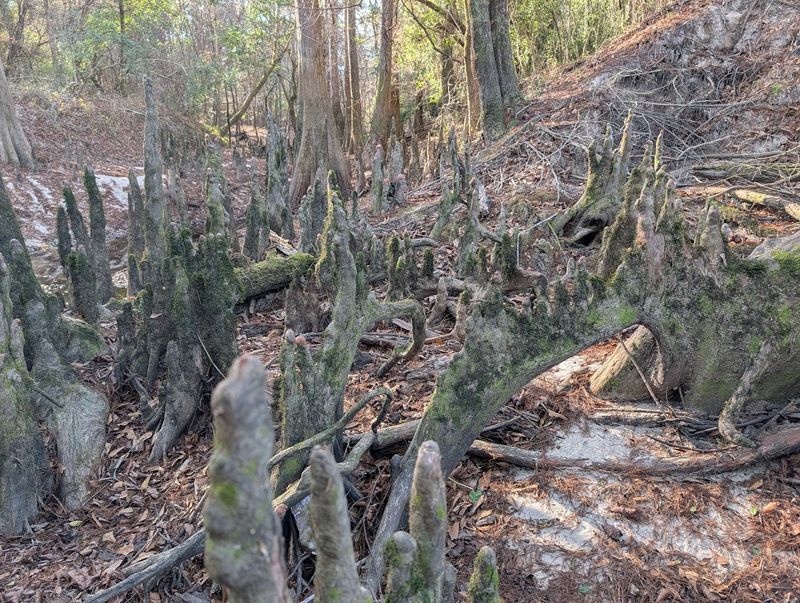
Walking among the massive cypress trees at Village Creek feels like stepping into a prehistoric landscape where giants still roam. These trees have stood for hundreds of years, their enormous buttressed trunks flaring out at the base to provide stability in the waterlogged soil that would topple most other tree species.
The cypress swamps here represent one of the westernmost extensions of this ecosystem type in the United States. You’re experiencing a slice of Louisiana or Florida-style wetland forest right here in Southeast Texas, complete with knobby cypress knees poking up from the water like wooden stalagmites.
Spanish moss drapes from branches overhead, adding to the mystical atmosphere especially on foggy mornings when visibility drops and every sound seems amplified. This isn’t actually moss at all but an air plant related to pineapples that harmlessly uses trees as a perch.
The forest floor stays wet much of the year, creating unique growing conditions that support plants you won’t find in drier Texas habitats. Ferns, palmetto, and moisture-loving wildflowers thrive in the filtered light beneath the canopy.
Photographers absolutely love this environment for the incredible textures, reflections, and natural light filtering through the forest layers at different times of day.
3. Miles of Hiking Trail Networks
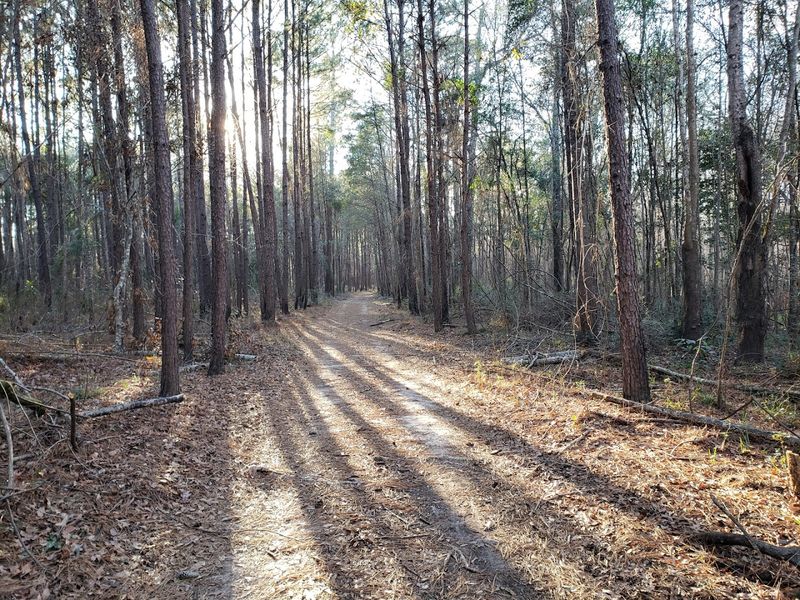
Water Oak Trail earns consistent praise from visitors as a favorite hiking route that showcases the park’s forest diversity beautifully. The trail winds through different habitat types, offering constantly changing scenery that keeps your interest engaged throughout the journey rather than feeling repetitive.
Longleaf Loop provides another excellent option where you might spot ongoing restoration efforts aimed at bringing back native longleaf pine ecosystems. Watching this ecological recovery process unfold gives hikers a deeper appreciation for the conservation work happening in Texas state parks.
Trail conditions generally stay well-maintained with clear markings, though some routes remain closed following Hurricane Harvey damage from years past. Always check with the park office about current trail status before planning your route to avoid disappointment or getting turned around.
Some trails lead toward swimming areas along the creek, though access depends on water levels and seasonal conditions. The walk to reach swimming spots can stretch about a mile from parking areas, so pack light and bring plenty of water for the round trip.
Mountain biking enthusiasts will find a dedicated trail that offers fun technical challenges without being overwhelming. The combination of roots, turns, and modest elevation changes creates an engaging ride through beautiful forest scenery.
4. Exceptional Primitive Camping Sites
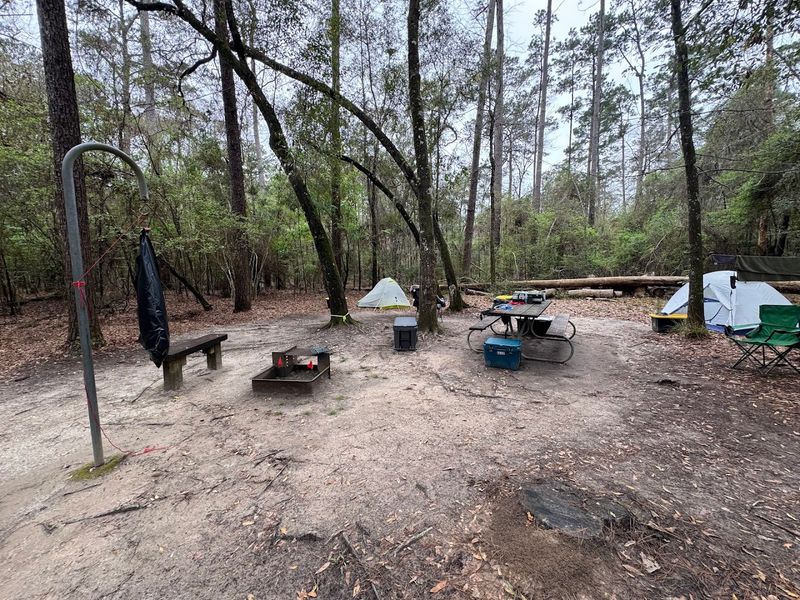
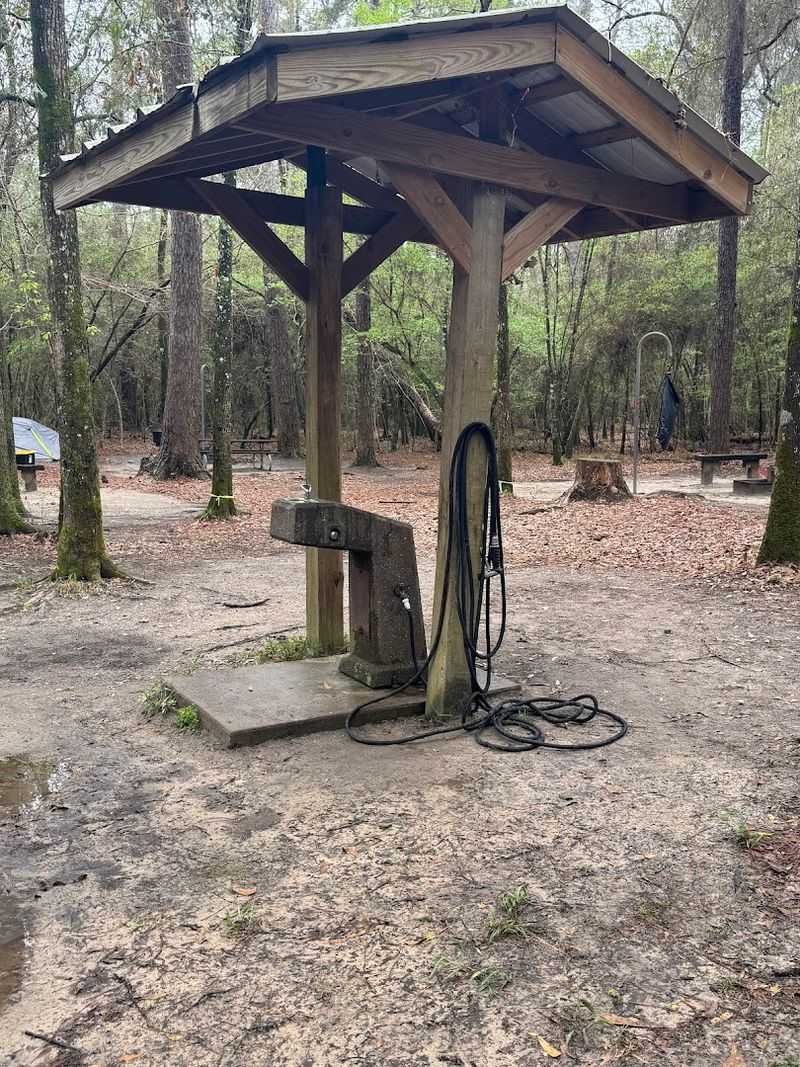
The primitive camping area at Village Creek has earned a reputation as some of the best you’ll find anywhere in the Texas state park system. Sites are thoughtfully laid out almost like a small village, each with its own character while maintaining convenient access to water spigots scattered throughout the area.
Some sites offer extra roominess perfect for groups, while others provide more intimate privacy tucked back into the vegetation. Sites 31 and 33 get specifically mentioned by tent campers as standout options worth requesting if available during your visit dates.
Beach access to Village Creek sits remarkably close to the primitive camping zone, making it easy to fish, explore, or launch a canoe without hauling gear long distances. Multiple trails also branch out from this area, putting hiking adventures right at your doorstep.
The trade-off for choosing primitive camping means hiking your gear from the parking area to your campsite. Bringing a wheeled cart or buggy makes this process much easier, especially if you’re packing in coolers and other heavy supplies for multiple nights.
Restroom facilities for primitive campers consist of port-a-potties rather than flush toilets, so plan accordingly. The main bathhouse with showers requires driving or a longer walk to reach from the primitive area.
5. Modern RV and Developed Camping
RV campers get access to developed sites with electrical and water hookups at very reasonable rates that won’t strain vacation budgets. Sites come equipped with picnic tables and fire rings, providing the essential amenities for comfortable outdoor living with modern conveniences nearby.
The campground layout places sites fairly close together in a staggered arrangement, which some visitors find too cozy while others appreciate the social camping atmosphere. The proximity means you’ll likely chat with neighbors and make new camping friends, but privacy outside your rig is limited.
Site sizes vary considerably, so if you’re pulling a large trailer with multiple slide-outs, study the site map carefully before booking. Some spots work perfectly for van campers or smaller rigs but would feel cramped for bigger setups.
Weekend visits see much heavier use than weekdays, with the campground filling up with families, scout troops, and outdoor enthusiasts. If you prefer quieter camping experiences, planning a midweek visit gives you more space and tranquility to enjoy the natural surroundings.
The bathhouse serving the developed camping area consistently receives high marks for cleanliness and maintenance. Hot water flows reliably, the facilities stay well-stocked, and the spacious shower stalls include plenty of hooks for your belongings.
6. Secluded Rental Cabin Option
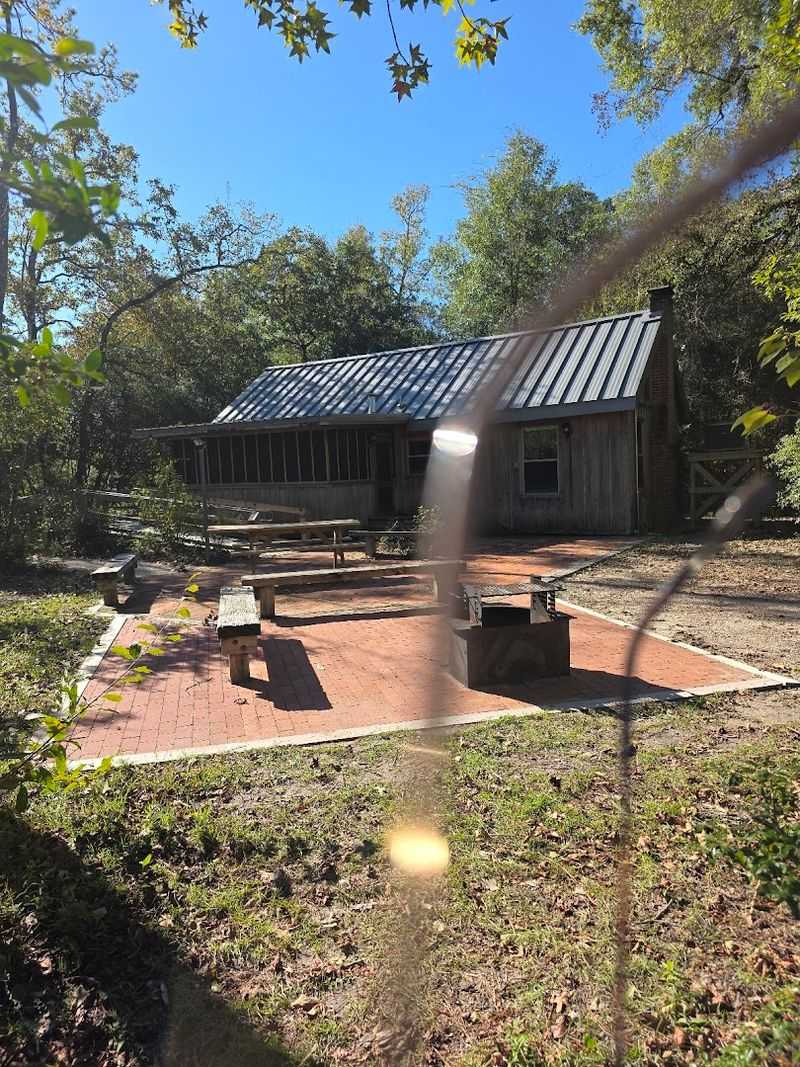
A single rental cabin sits tucked away in its own private section of the park, offering a sweet middle ground between tent camping and staying in a hotel. The cabin provides enough space to comfortably accommodate a large family or group of friends wanting to share the experience together.
Inside you’ll find a well-equipped kitchen that makes meal preparation easy, plus a nice-sized common area where everyone can gather. The setup works wonderfully for families with young children who aren’t quite ready for tent camping but still want the state park experience.
Hot water flows plentifully for showers, and the bathroom facilities feel spacious and well-maintained according to visitor reports. Having these modern conveniences while still being surrounded by nature creates a perfect balance for many visitors.
The cabin’s location provides quick access to trails and creek activities while maintaining a peaceful, removed-from-the-crowds feeling. You get the sense of having your own private nature retreat without sacrificing the ability to explore everything the park offers.
Booking the cabin requires advance planning since there’s only one available and it fills up quickly, especially during peak seasons and holiday weekends. Check the Texas Parks and Wildlife reservation system early if this accommodation style appeals to your group.
7. Excellent Birding and Wildlife Watching
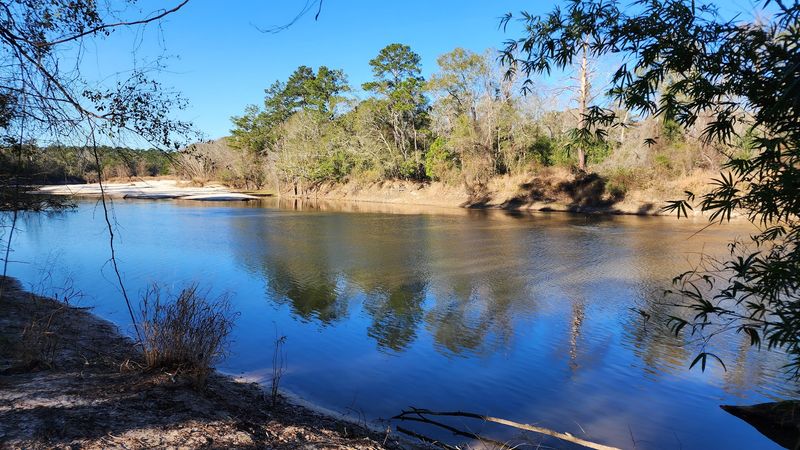
The combination of creek habitat, cypress swamps, and upland forest creates exceptional conditions for spotting diverse bird species throughout the year. Wading birds like herons and egrets work the shallow creek edges hunting for fish, while woodpeckers hammer away on dead trees throughout the forest.
Spring and fall migration periods bring waves of colorful warblers, tanagers, and other songbirds passing through on their journeys. Patient observers with binoculars can rack up impressive species counts during these peak movement times.
Turtles appear frequently, sunning themselves on logs jutting from the creek or crossing trails between wetland areas. Several species call the park home, from tiny mud turtles to larger sliders that plop into the water when they sense your approach.
White-tailed deer browse through the forest and occasionally visit the creek to drink, especially during early morning or evening hours when human activity decreases. Moving quietly and watching clearings often rewards you with sightings of these graceful animals.
Alligators do inhabit East Texas waterways including this area, though sightings in the park remain relatively uncommon. Always maintain appropriate distance from the water’s edge and never approach or feed any wildlife you encounter during your visit.
8. Family-Friendly Day Use Amenities
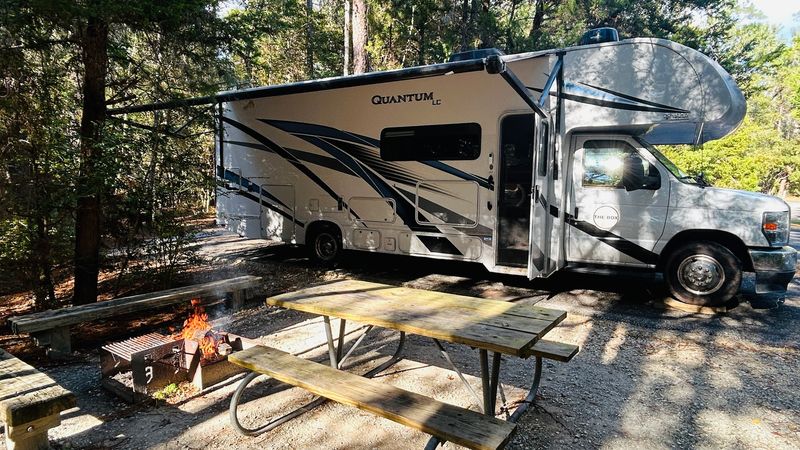
Day visitors who aren’t camping overnight still get plenty of value from Village Creek with designated day-use areas perfect for picnicking and short nature explorations. The park maintains a small playground where kids can burn energy while parents relax at nearby picnic tables.
Fishing access along the creek gives anglers opportunities to wet a line without committing to an overnight stay. Success varies with seasons and water levels, but the peaceful setting makes even slow fishing days feel worthwhile.
Trail parking areas provide convenient access points for hikers wanting to knock out a few miles through the forest. You can easily visit for a morning hike, grab lunch at your car, then head home the same day.
The park office staff consistently earns praise for friendliness and helpfulness, answering questions and providing current information about trail conditions, wildlife sightings, and activity recommendations. Don’t hesitate to stop in and chat before heading out.
Special programs occasionally run through the park including guided hikes, nature talks, and even telescope viewing events. The park ranger leading the winter solstice stargazing program particularly impressed visitors with knowledge and enthusiasm for sharing the night sky.
9. Peaceful Escape Near Beaumont
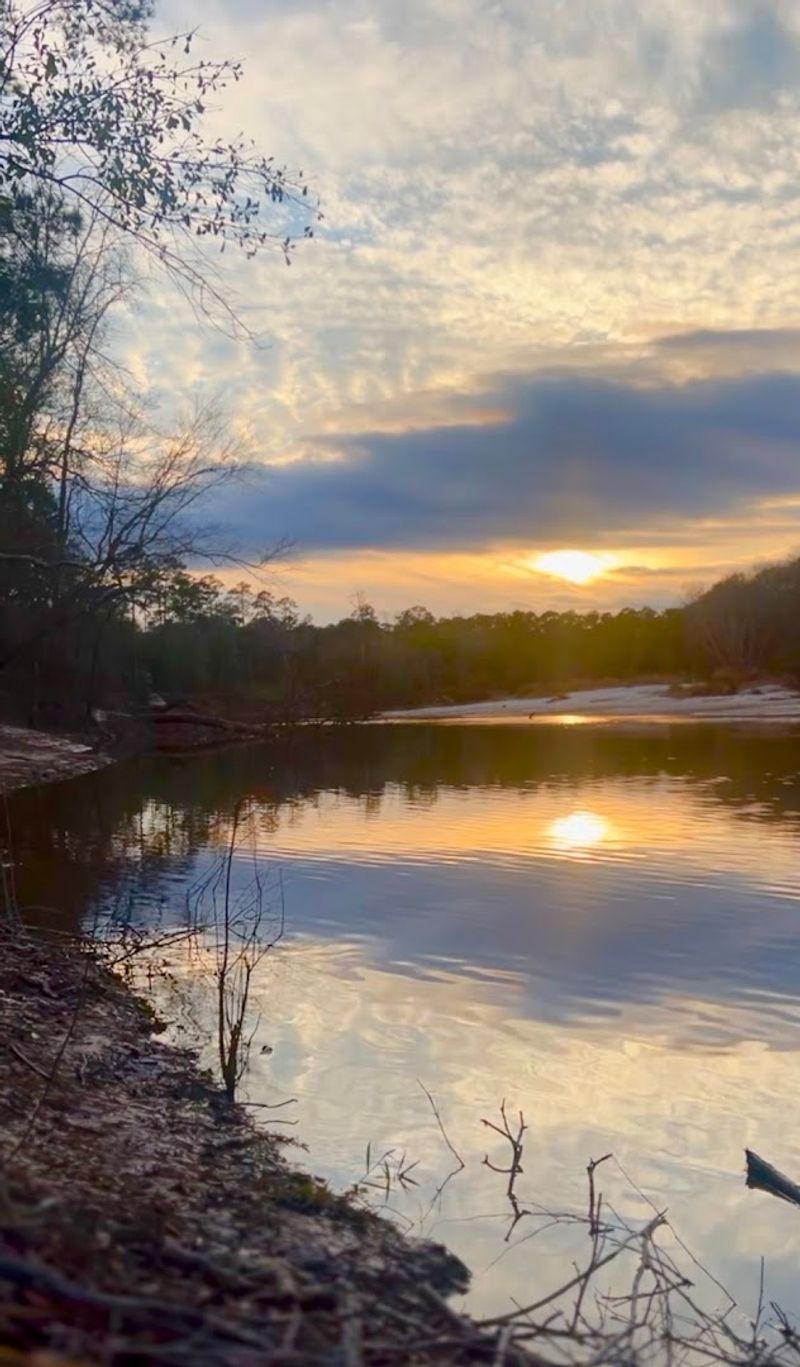
Located just outside Lumberton and a short drive from Beaumont, Village Creek provides a remarkably quick escape from city life into genuine wilderness. The transformation happens almost immediately once you enter the park boundaries and forest closes in around you.
Train noise does filter into the park periodically since railroad tracks run nearby, which some visitors find disruptive while others barely notice. Awareness of this helps set realistic expectations, though most agree the natural beauty far outweighs occasional train whistles.
The park operates from 8 AM to 10 PM daily, giving plenty of daylight hours for activities while also accommodating campers who want evening campfire time. Gates close overnight, so plan your comings and goings accordingly.
Affordability stands out as a major selling point with camping rates staying under $25 per night including vehicle entry. This makes Village Creek accessible for families on tight budgets who still want quality outdoor experiences.
Cell phone service can be spotty depending on your carrier, which many visitors actually appreciate as a forced digital detox. Let friends and family know you might be unreachable, then enjoy the rare opportunity to truly disconnect and immerse yourself in nature.
Share this story