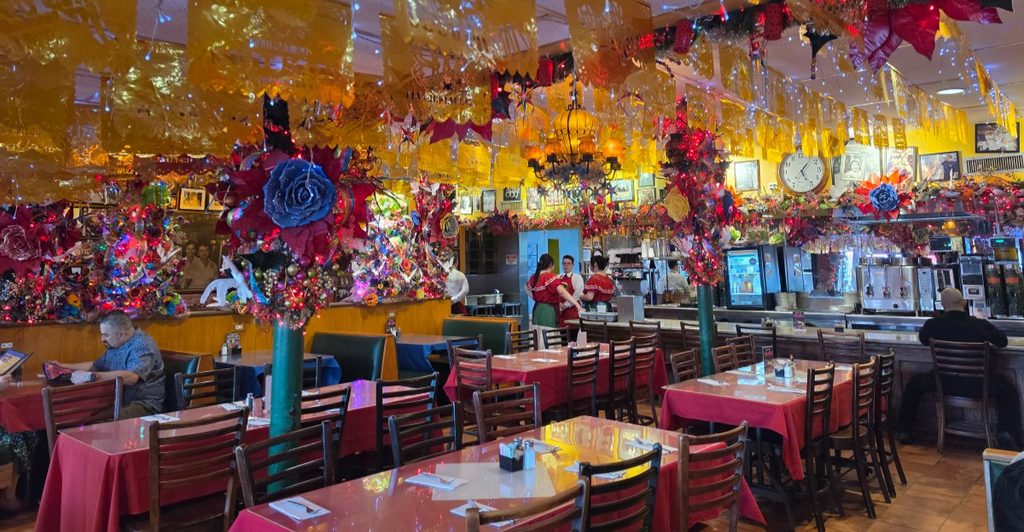
Texas has a food history as big and bold as the state itself. From smoky barbecue pits that have been burning for generations to family-run Mexican cafes serving recipes passed down through the decades, these old-school spots tell the story of Texas better than any textbook. Walking through their doors means stepping back in time to taste the flavors that built this state, served by folks who’ve been doing it the same way for fifty, seventy, even a hundred years.
1. Scholz Garten (Austin)
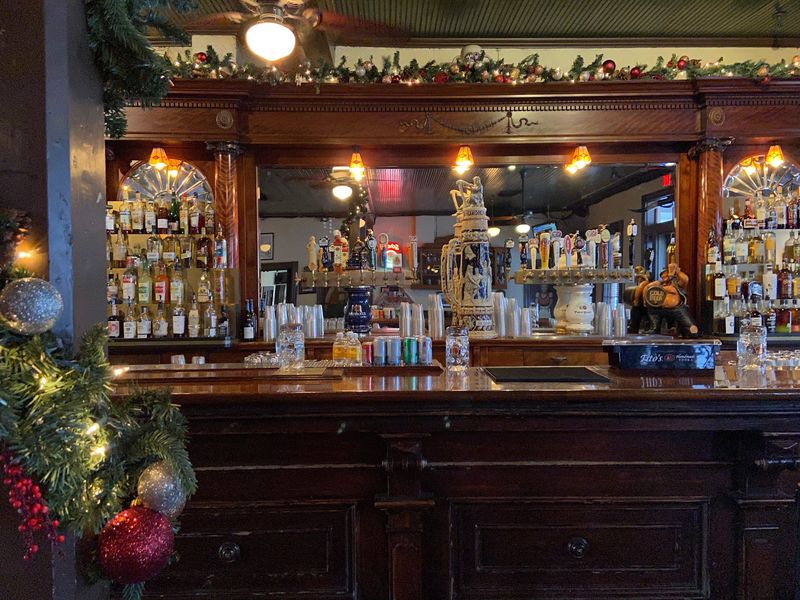
Founded in 1866, this German beer garden stands as Austin’s oldest operating business and a living piece of Texas history. August Scholz opened the doors just after the Civil War, creating a gathering spot that would witness more than 150 years of Austin’s transformation from frontier capital to booming tech hub. The pecan trees shading the outdoor beer garden have watched countless political debates, celebrations, and everyday Texans just looking for a cold one.
Walking into Scholz Garten feels like visiting your eccentric great-uncle’s backyard party. The indoor dining room keeps things simple with wooden tables and walls covered in vintage photographs and memorabilia that document Austin’s wild ride through the decades. Outside, picnic tables spread beneath those ancient trees, strung with lights that turn evening gatherings into something magical.
The menu honors its German roots without getting too fancy about it. Bratwurst, schnitzel, and pretzels share space with Texas comfort classics, because after a century and a half, this place knows its crowd. The beer selection runs deep, with German imports sitting alongside Texas craft brews, proving old traditions and new ideas can share the same cooler.
Politicians still plot campaigns here, University of Texas fans still celebrate victories, and musicians still gather after gigs. That continuity matters. Every scratch on those wooden tables, every faded photograph on the walls tells a story about Austin before it became weird, back when it was just a scrappy capital city with big dreams.
Scholz Garten survived wars, depressions, and countless trend cycles by staying exactly what it always was: an honest place serving good food and cold beer to anyone who walks through the door.
2. Kreuz Market (Lockhart)
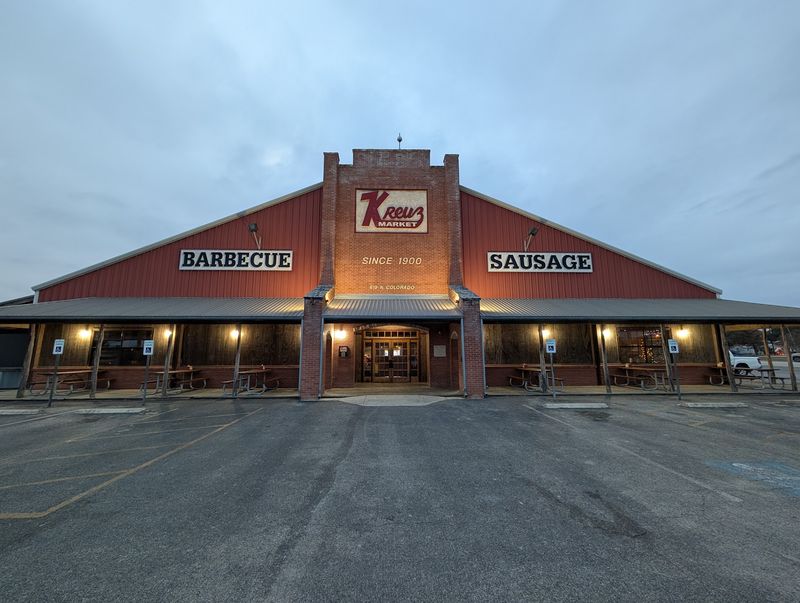
Since 1900, this barbecue institution has been smoking meat the old-fashioned way, and they mean it. No forks, no barbecue sauce, no nonsense. Just perfectly smoked beef, pork, and sausage served on butcher paper with saltine crackers and maybe some cheese if you’re feeling fancy.
The Schmidt family started this operation when Lockhart was barely a dot on the map, and their descendants still run the pits today.
The current building opened in 1999, but don’t let that fool you. They brought the same massive brick pits from the original location, the ones that had been smoking meat for nearly a century. Those pits know their job, burning post oak around the clock to create the perfect environment for transforming tough cuts into tender, smoky perfection.
The smell hits you in the parking lot and doesn’t let go.
Order at the counter where pit masters slice your meat right off the block. Brisket comes with a dark, peppery bark that shatters under your teeth before giving way to pink, juicy meat underneath. The sausage snaps when you bite it, releasing a flood of spices and smoke.
They’ll look at you funny if you ask for sauce, and they should. This meat spent sixteen hours in those pits earning its flavor.
Eating here means following their rules, and those rules exist for good reasons learned over twelve decades. Sit at long communal tables in a dining room that seats hundreds but somehow still feels intimate. Watch families who’ve been coming here for generations teach their kids the proper way to eat barbecue.
Notice how quiet it gets when people take their first bites, too busy experiencing heaven to make conversation.
3. Gaido’s (Galveston)
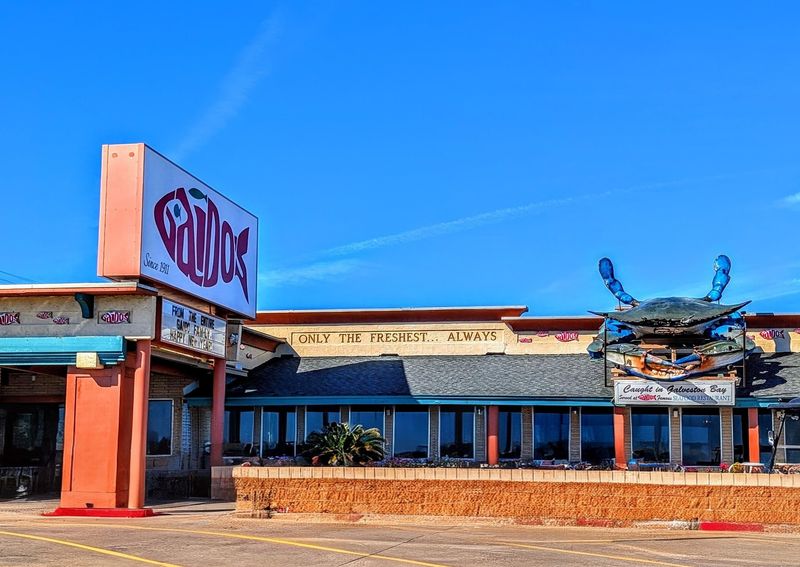
The Gaido family started selling seafood on Galveston’s seawall in 1911, back when the island was still recovering from the devastating 1900 storm. What began as a small seafood stand grew into a Galveston landmark that’s fed generations of families, survived hurricanes, and became synonymous with Gulf Coast dining. The current restaurant, with its distinctive neon sign, has been a seawall fixture since the 1940s.
Step inside and you’re transported to a more elegant era of dining. White tablecloths, attentive service, and floor-to-ceiling windows overlooking the Gulf create an atmosphere that’s fancy without being stuffy. The dining room buzzes with the happy noise of families celebrating birthdays, anniversaries, and summer vacations.
Kids press their noses against the glass watching waves roll in while parents enjoy a rare moment of relaxation.
Seafood here comes straight from the boats that dock nearby, prepared with recipes the Gaido family perfected over eleven decades. The snapper Gaido, topped with lump crabmeat and shrimp in a rich sauce, has been making people close their eyes and smile since the 1950s. Fried shrimp arrives golden and crispy, the kind that makes you understand why people drive hours for good Gulf seafood.
Even the gumbo tastes like somebody’s grandmother made it, because essentially, she did.
Hurricane Ike tried to destroy this place in 2008, flooding the restaurant with eight feet of water. The Gaido family rebuilt, restoring every detail to preserve what their ancestors created. That determination runs deep in Galveston, where people understand the value of holding onto good things.
Eating at Gaido’s means supporting that stubborn island spirit, the one that refuses to let storms or time wash away what matters.
4. Blue Bonnet Cafe (Marble Falls)
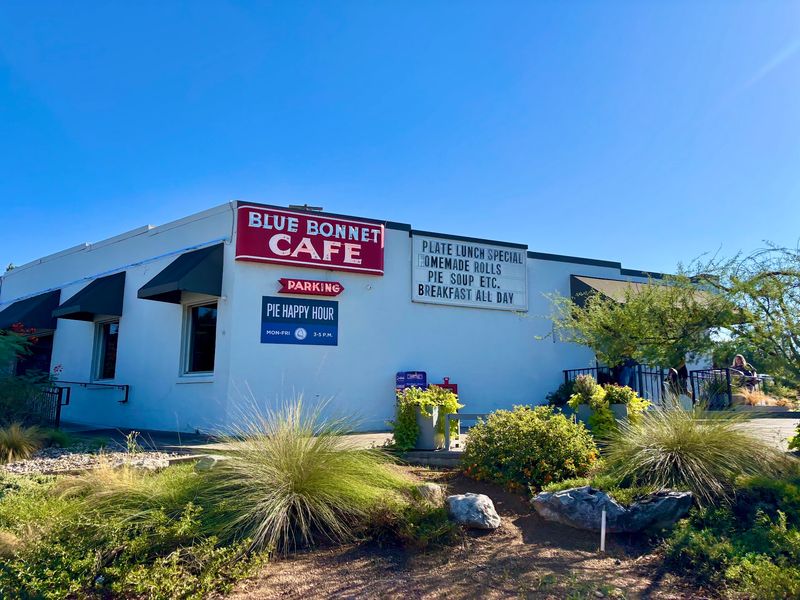
John Kemper opened this cafe in 1929, the same year the stock market crashed and the Great Depression began. While the economy crumbled, Kemper served affordable, filling meals to Hill Country folks who needed them most. That spirit of generous portions and honest cooking still defines the place, now famous across Texas for pies that regularly win awards and create traffic jams in tiny Marble Falls.
The building looks exactly like a small-town Texas cafe should: modest storefront, neon sign, booths filled with locals who’ve been coming here since childhood. Waitresses know regulars by name and remember how they take their coffee. The kitchen operates with the efficiency of a place that’s served millions of chicken-fried steaks over nine decades, every plate leaving the pass looking identical to the thousands before it.
Breakfast draws crowds that spill into the parking lot on weekends. Biscuits arrive hot and flaky, begging for butter and gravy. The pancakes could double as frisbees, covering entire plates with fluffy, golden goodness.
Eggs come cooked exactly how you ordered them, accompanied by hash browns that achieve the perfect ratio of crispy edges to tender centers.
But let’s talk about those pies. The display case near the entrance holds twenty-plus varieties on any given day, from classic pecan and coconut cream to seasonal specialties that change with the harvest. Meringue towers high and proud on the lemon pie.
The chocolate cream could make a grown person weep with joy. People buy whole pies to take home, planning their week around having a slice waiting in the refrigerator.
Eating here connects you to generations of Hill Country residents who celebrated good news and weathered bad times in these same booths. The cafe survived the Depression, multiple wars, and every economic downturn since by doing one thing exceptionally well: feeding people food that tastes like home.
5. Joe T. Garcia’s (Fort Worth)
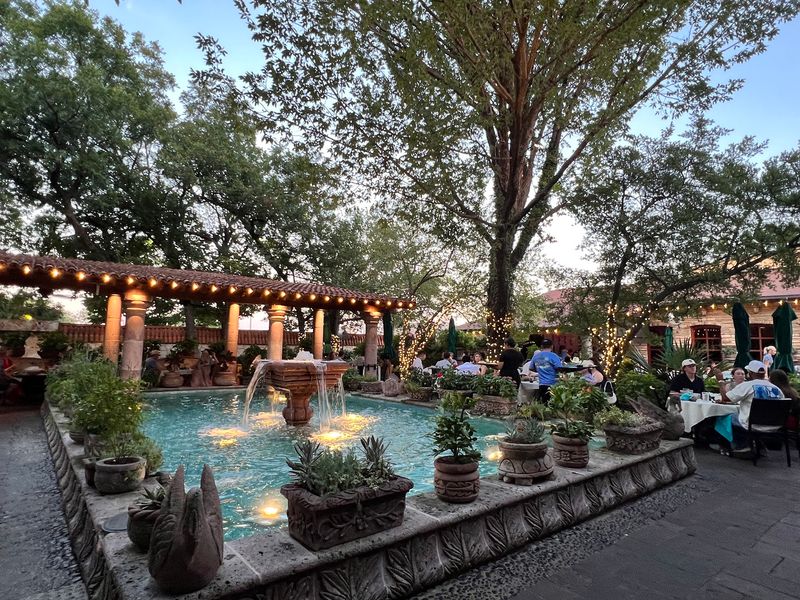
Joe T. Garcia opened a small cafe in Fort Worth’s Northside neighborhood in 1935, serving Mexican food to local families from recipes his wife perfected. The menu hasn’t changed much since then, and neither has the neighborhood’s loyalty to this family-run institution.
What started as a modest storefront now sprawls across an entire city block, with gardens and patios that transport diners far from Fort Worth’s urban hustle.
The outdoor garden patio is legendary, especially on warm evenings when string lights twinkle overhead and fountains provide soothing background music. Families pack the picnic tables, mariachi bands stroll between them, and the scent of sizzling fajitas fills the air. Even in the middle of Fort Worth, sitting here feels like visiting a Mexican hacienda where time moves slower and worries fade with each margarita.
Here’s the thing about the menu: there basically isn’t one. You get fajitas or enchiladas, and you’ll be happy with either choice. The fajitas arrive on sizzling platters, beef and chicken perfectly seasoned and charred.
Flour tortillas come warm and fresh, ready to wrap around meat, grilled onions, and peppers. The enchiladas, smothered in rich chili gravy and melted cheese, represent Tex-Mex at its most comforting.
Joe T.’s keeps things simple because simple works. They’ve been making the same dishes the same way for nearly ninety years, and changing now would be like rewriting history. The Garcia family still runs the operation, maintaining standards their grandparents established when Fort Worth was a smaller, grittier cattle town.
Come on a Friday night and watch Fort Worth gather in one place. Lawyers sit next to construction workers, society folks mix with students, everyone united by appreciation for consistent, delicious food served in a setting that feels like a mini-vacation. That democratic spirit, where everyone’s welcome and everyone eats the same great food, defines the best of Texas hospitality.
6. Mi Tierra Cafe y Panaderia (San Antonio)
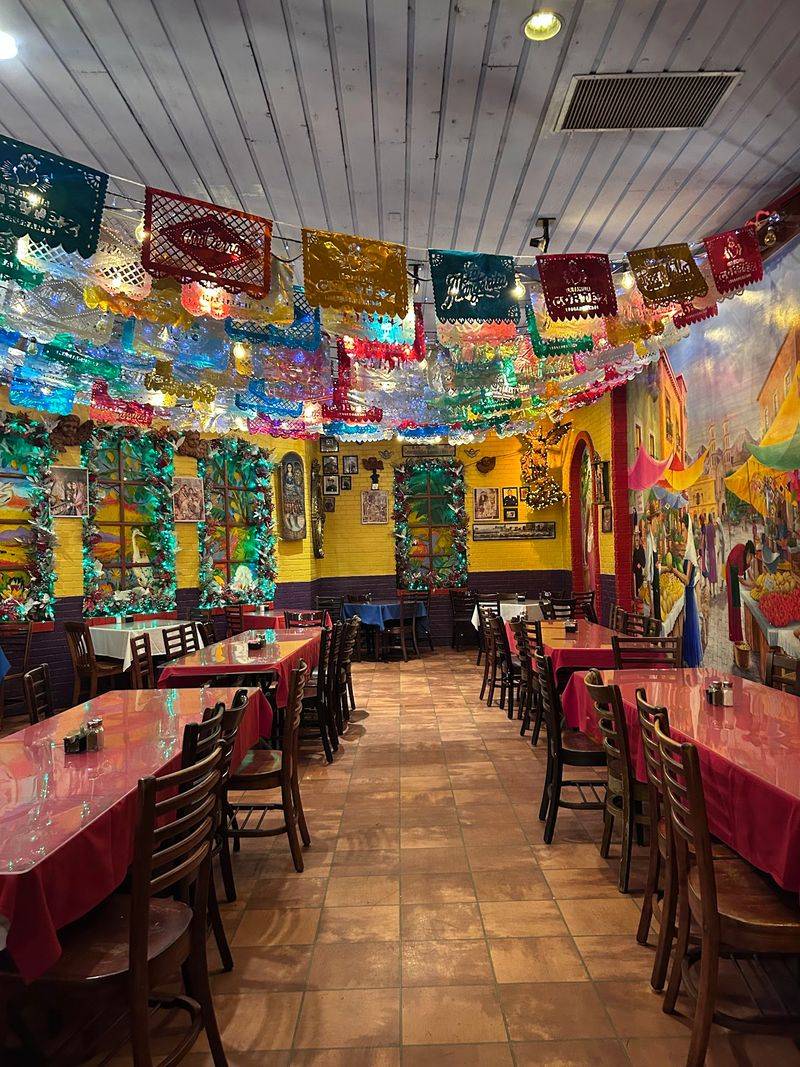
Pete and Cruz Cortez opened a three-table cafe in San Antonio’s Market Square in 1941, serving the farmers and vendors who worked the area’s bustling markets. The cafe never closed, staying open twenty-four hours a day, every single day, for more than eight decades. That round-the-clock commitment to feeding San Antonio has made Mi Tierra a cultural landmark where celebrations happen at midnight and breakfast tastes just as good at three in the morning.
Walking inside assaults your senses in the best possible way. Thousands of papel picado banners flutter from the ceiling in every color imaginable. Mariachi music fills the air, sometimes from the sound system, often from live bands working the room.
The bakery counter near the entrance displays hundreds of pan dulce, conchas, and pastries that draw customers even when they’re not staying to eat. Christmas decorations cover every surface year-round because why should December have all the fun?
The menu runs dozens of pages, offering everything from simple breakfast tacos to elaborate mole dishes. Enchiladas come swimming in sauce, topped with fried eggs if you want the full San Antonio experience. Menudo bubbles in huge pots, ready to cure hangovers or just warm souls on chilly mornings.
The tortillas, made fresh throughout the day, arrive at your table still steaming.
What makes Mi Tierra special isn’t just the food or the over-the-top atmosphere. It’s knowing that for more than eighty years, this place has been here whenever San Antonio needed it. After Fiesta parties, before early shifts, during family emergencies, in moments of celebration or grief, Mi Tierra stays open with hot coffee and warm food.
The Cortez family could have expanded into a chain, franchised the concept, or sold to corporate buyers. Instead, they kept it family-owned and Market Square-based, understanding that some things matter more than maximum profit. That decision preserved not just a restaurant but a piece of San Antonio’s heart.
7. Cattlemen’s Steak House (Fort Worth)
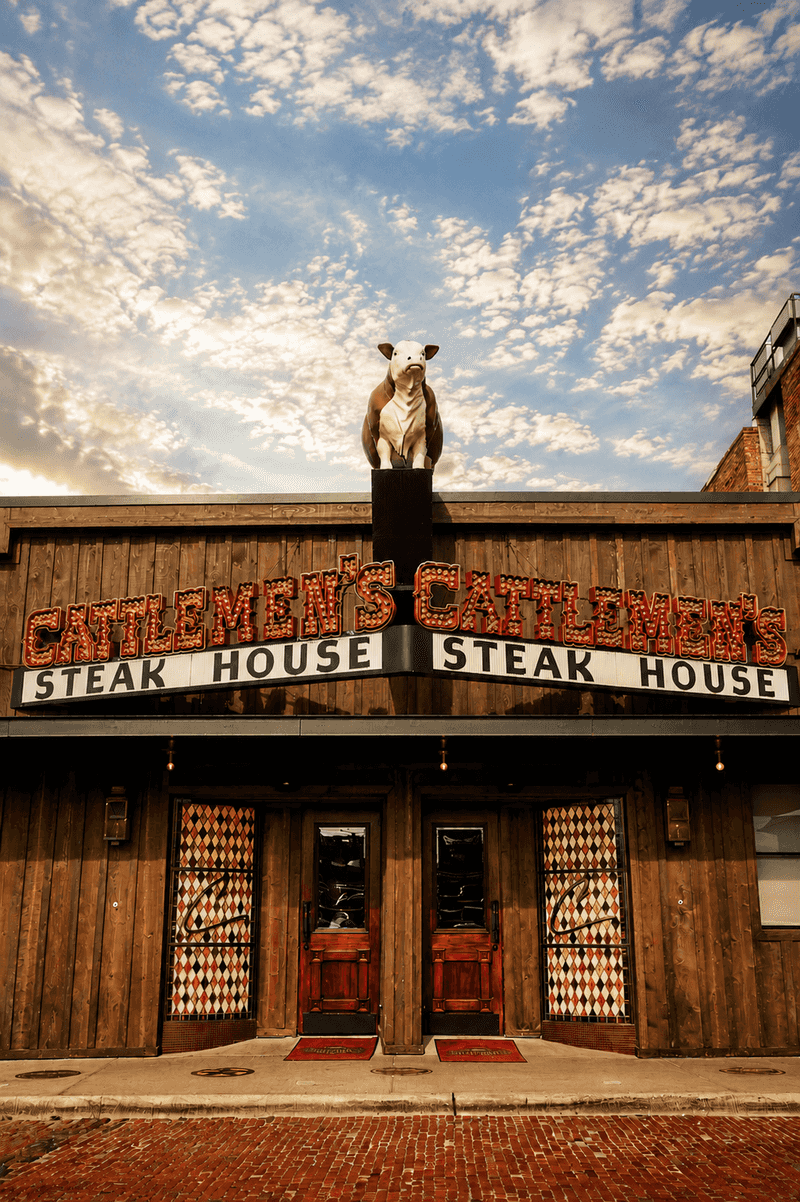
Located in the Fort Worth Stockyards since 1947, this steakhouse sits where cowboys actually brought cattle to market. The building started life as a livestock exchange office before H.D. Posey transformed it into a restaurant serving the ranchers, buyers, and workers who made Fort Worth the beef capital of the Southwest.
Walking through the door means stepping into authentic Western history, not some theme-park version invented for tourists.
The dining room doesn’t apologize for being exactly what it is: a no-frills steakhouse where the beef does the talking. Wooden tables, Western artwork, and dim lighting create an atmosphere more interested in substance than style. Waitresses who’ve worked here for decades take orders with efficient professionalism, knowing most customers came for one thing and expecting it cooked right.
Steaks arrive exactly as ordered, from rare to well-done, seasoned simply to let the meat’s quality shine through. The ribeye comes marbled with fat that renders during cooking, creating a crust on the outside while keeping the inside tender and juicy. T-bones arrive so large they hang off the plate, challenging even the hungriest rancher’s appetite.
These aren’t fancy steaks with complicated preparations. They’re straightforward beef cooked over high heat, the way cowboys have preferred it for generations.
The chicken-fried steak deserves special mention. Pounded thin, breaded, fried golden, and smothered in cream gravy, it represents Texas comfort food at its finest. Each bite delivers the satisfying crunch of the crust giving way to tender beef underneath, all enhanced by rich, peppery gravy.
It’s the kind of meal that sticks to your ribs and makes you understand why Texans get defensive when outsiders criticize their cuisine.
Eating here during the Fort Worth Stock Show feels especially right, when the Stockyards fill with actual working ranchers instead of just tourists. Listen to their conversations about cattle prices and weather patterns while cutting into your steak, and you’ll understand why this place has lasted seventy-five years without changing much.
8. Louie Mueller Barbecue (Taylor)
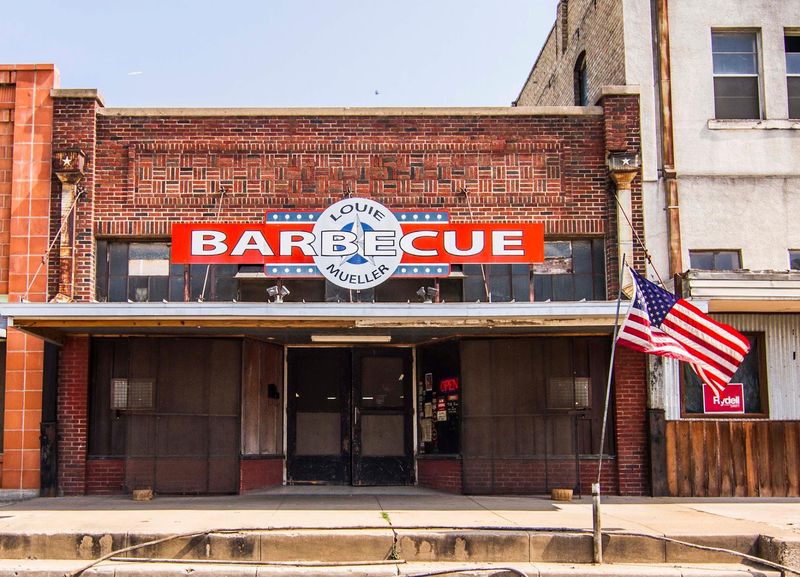
Louie Mueller opened a barbecue joint in an old gymnasium in Taylor in 1949, joining the Central Texas barbecue tradition that German and Czech immigrants established generations earlier. The building’s high ceilings and large windows were perfect for ventilating smoke from the brick pits that still operate today. Those pits have been burning continuously for seventy-five years, their bricks seasoned with smoke and grease that create flavors no modern equipment can replicate.
The dining room looks like nobody’s touched it since Eisenhower was president, and that’s exactly the point. Smoke-blackened walls, fluorescent lights, and simple tables create an atmosphere focused entirely on the barbecue. The smell of post oak smoke permeates everything, soaking into your clothes and hair, marking you as someone who made the pilgrimage to Taylor for the real thing.
Brisket from Louie Mueller’s achieves a level of perfection that makes barbecue fanatics weep. The bark develops a deep mahogany color and peppery crust that contrasts beautifully with the pink smoke ring visible when it’s sliced. Fat renders into the meat during the long smoking process, creating brisket so tender it barely needs chewing.
Each bite delivers layers of smoke, beef, and seasoning that prove why Central Texas barbecue earned its reputation.
The beef ribs are massive, prehistoric-looking bones with meat that pulls away cleanly, leaving that satisfying clean bone behind. Sausage made from family recipes snaps with each bite, releasing juices flavored with garlic and spices. Even the sides, simple affairs like beans and potato salad, taste better here because they’re not trying to compete with the main attraction.
Bobby Mueller, Louie’s grandson, runs the place now with the same dedication to quality his grandfather established. James Beard Awards and national recognition haven’t changed the fundamental operation. They still smoke meat the same way, serve it on butcher paper, and close when they run out.
That integrity, that refusal to compromise tradition for convenience or profit, defines what makes historic Texas restaurants worth preserving.
9. The Big Texan Steak Ranch & Brewery (Amarillo)
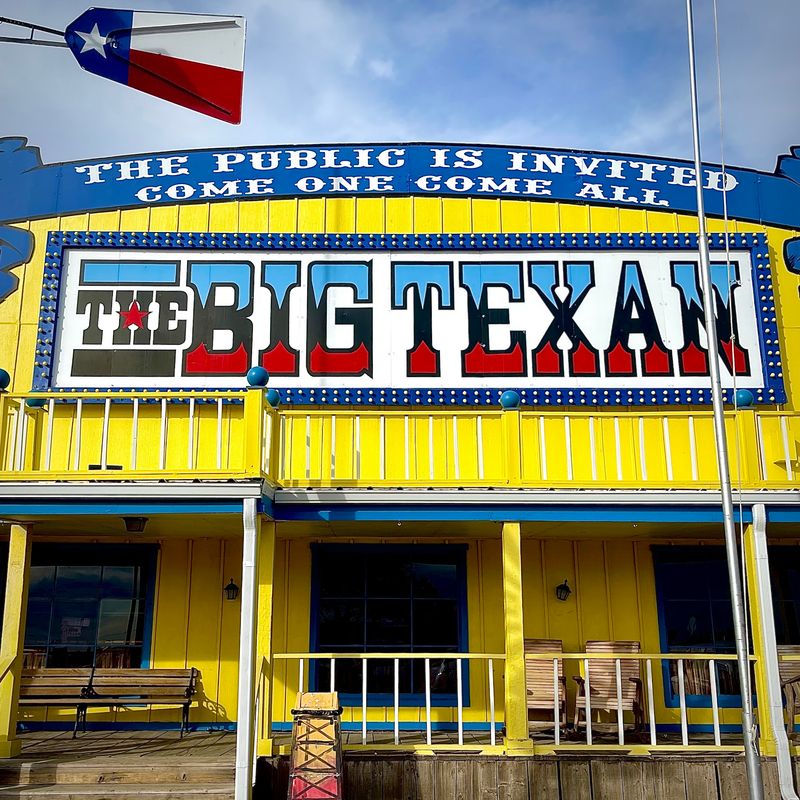
R.J. Lee opened The Big Texan in 1960 along Route 66, when that legendary highway still carried cross-country travelers through the heart of Amarillo. He created something bigger and bolder than a typical steakhouse, building a Texas-sized attraction complete with a famous 72-ounce steak challenge that’s tested thousands of appetites over six decades.
The restaurant moved to Interstate 40 in 1970 when the new highway bypassed the old route, bringing its outrageous Western hospitality to a new generation of travelers.
Everything about this place embraces excess in the most Texan way possible. A giant cowboy statue guards the entrance. The dining room sprawls across multiple sections decorated with Western memorabilia, taxidermy, and enough neon to light a small city.
Live country music fills the air while waitresses in Western wear deliver platters of beef that would feed small armies. Tourists love it, locals defend it, and everyone agrees it’s an experience.
The 72-ounce steak challenge has achieved legendary status. Finish the massive steak plus all the sides within one hour, and your meal is free. Fail, and you pay around seventy dollars for your ambition.
Contestants sit at a raised platform where the whole restaurant can watch their struggle. Some succeed through sheer determination. Most tap out somewhere around the third pound of beef, learning an important lesson about the difference between hunger and hubris.
Regular menu items prove The Big Texan knows how to cook beef beyond the gimmick. The 16-ounce ribeye arrives perfectly seasoned and cooked, large enough to satisfy without requiring a stomach pump afterward. Chicken-fried steak covers the entire plate.
Even the burgers qualify as serious meals, stacked high with toppings and served with mountains of fries.
Critics dismiss it as touristy, and sure, it leans into that role. But The Big Texan has been feeding travelers and locals since 1960, surviving every trend and economic shift by being exactly what it promises: big, bold, and unapologetically Texan. Sometimes that’s exactly what people need.
10. The Salt Lick BBQ (Driftwood)
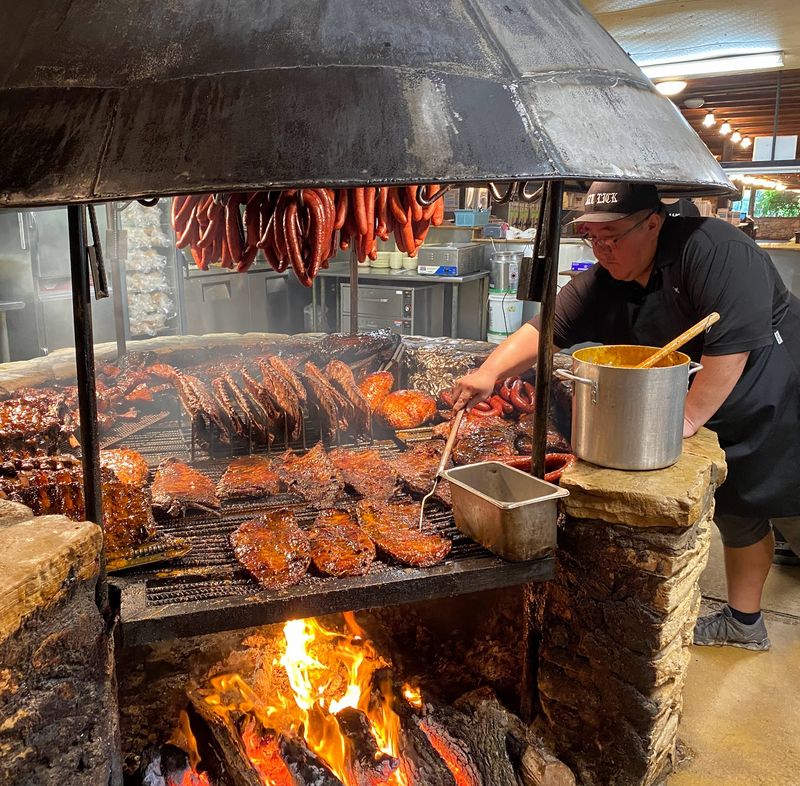
Thurman Roberts Sr. built The Salt Lick in 1967 on family land in the rolling hills outside Austin, creating a barbecue destination that feels more like visiting a friend’s ranch than going to a restaurant. The location, miles from anything resembling a city, seemed crazy at the time. But Roberts understood that people would drive anywhere for great barbecue served in a beautiful setting, and fifty-seven years of packed parking lots proved him right.
The main dining room centers around a massive open pit where flames lick at chicken, sausage, and ribs throughout service. Smoke rises through vents in the ceiling while diners watch their meal cook over live fire, the same method Hill Country settlers used generations ago. Stone walls, wooden beams, and long family-style tables create a rustic atmosphere enhanced by Hill Country views through large windows.
Barbecue here tastes different from Central Texas traditions. The sauce, a tangy vinegar-based recipe developed by Roxanne Roberts, coats the meat rather than serving as an optional condiment. Ribs arrive glazed and sticky, the sauce caramelizing over slow-cooked pork that falls off the bone.
Brisket gets the same treatment, creating a style that splits barbecue purists into passionate camps. Some insist sauce masks the smoke. Others argue this sweet-tangy combination creates its own delicious tradition.
The outdoor seating area, shaded by ancient oak trees, might be the best place to eat barbecue in Texas. Families spread across picnic tables, kids run through the grass, and the only sounds are conversation and laughter mixing with cicadas. Bring your own beer since the restaurant doesn’t have a liquor license, making it feel even more like a family gathering than a commercial venture.
The Salt Lick expanded to airport locations and grocery store products, but the Driftwood original remains the heart of the operation. Coming here means making the drive, waiting for a table, and accepting that sometimes the best things require a little effort. That’s very Texas, and very much worth it.