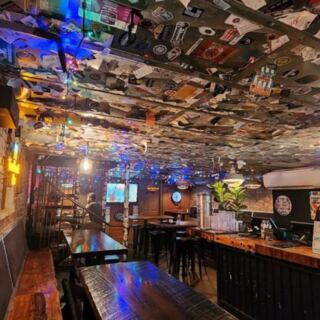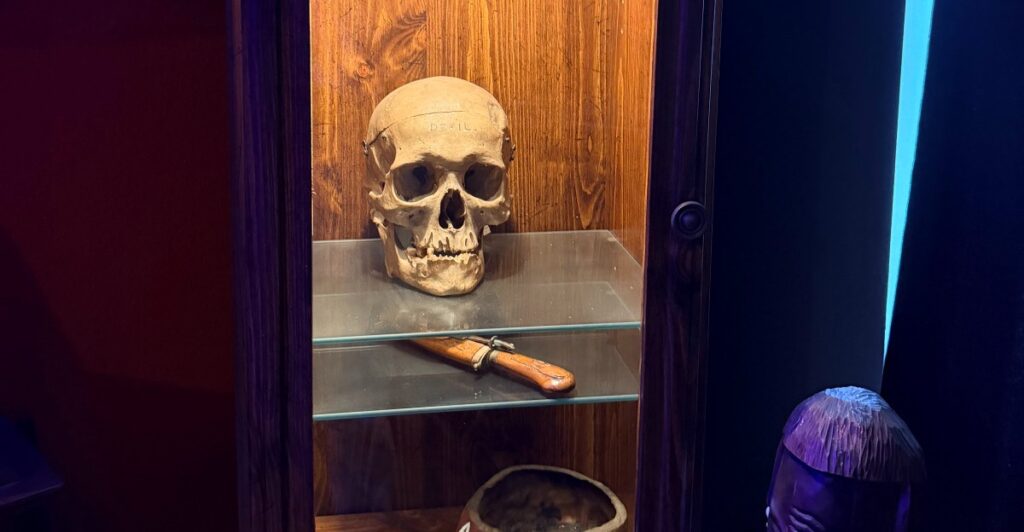
A couch that supposedly sings is strange enough. Put it in a room with haunted dolls, Ouija boards, crime-related relics, and a lock of Abraham Lincoln’s hair, and a routine museum afternoon begins to feel wonderfully off-kilter.
That is the idea behind The Paranormal Museum in Asbury Park, where the displays do not rely on flashing lights or costumed performers to raise goosebumps.
Many look almost ordinary until a guide explains who owned them, what reportedly happened nearby, and why somebody eventually decided the object should no longer remain at home.
Established in 2008, the museum occupies an intimate historic space inside Paranormal Tower on Cookman Avenue, sharing the building with Paranormal Books & Curiosities. Its collection mixes supernatural claims, unsettling history, folklore, and ongoing research, leaving visitors to decide how much they believe.
Skeptics are welcome here, too. After all, you do not have to believe a couch is haunted to want to know why people say it sings.
A Curious Little Museum Hiding in Downtown Asbury Park
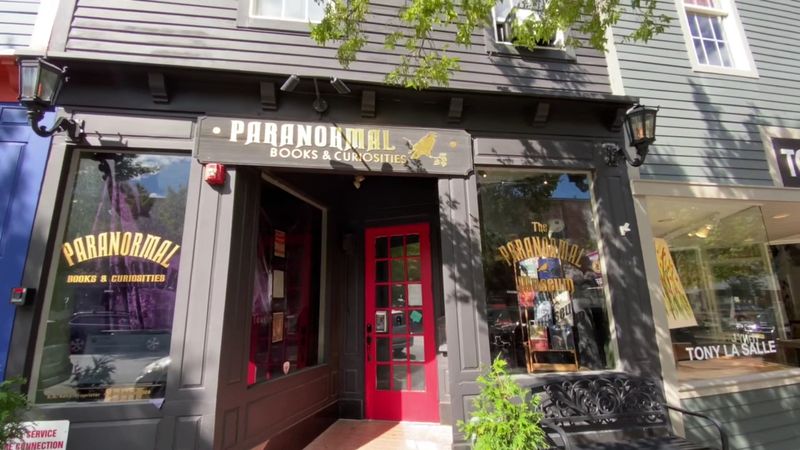
Cookman Avenue usually puts visitors in the mood for dinner, drinks, record hunting, or a slow browse through downtown Asbury Park’s independent shops. Then, at 621 Cookman Avenue, the neighborhood takes a decidedly stranger turn.
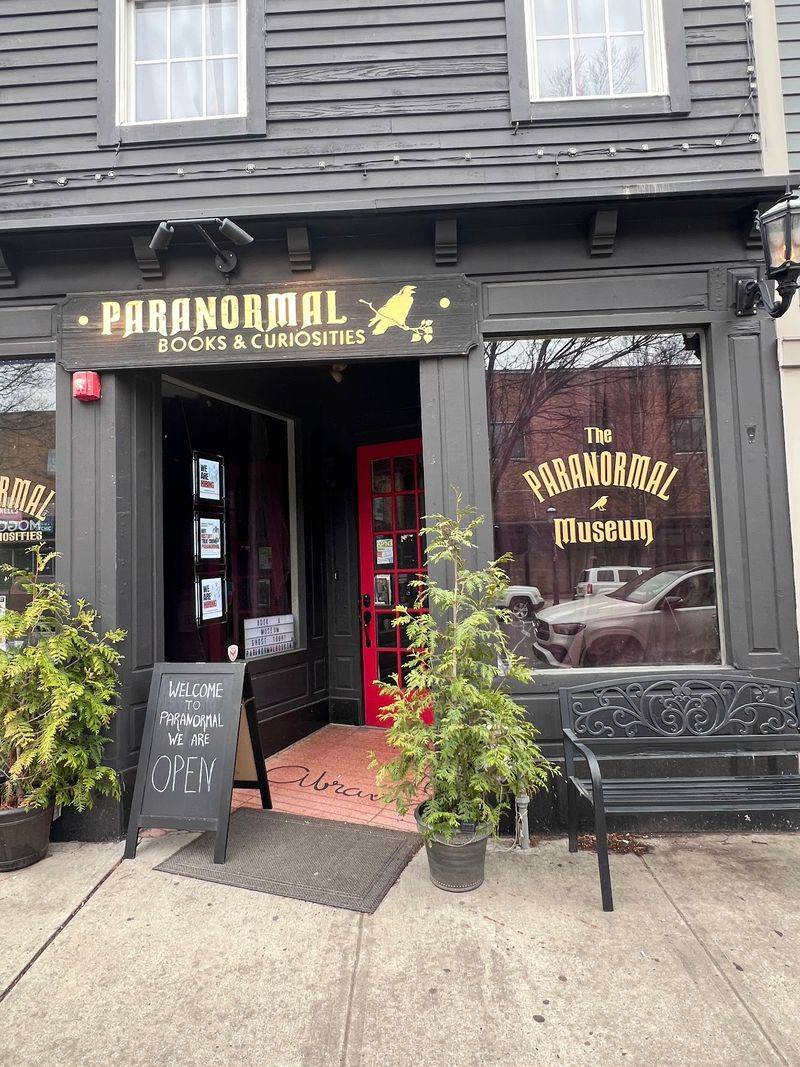
Paranormal Tower is home to both Paranormal Books & Curiosities and The Paranormal Museum, creating a combination that feels perfectly suited to a city where polished restaurants, music history, beach culture, and unapologetic weirdness comfortably share the same few blocks.
The museum is not a sprawling institution with multiple wings and a map that requires strategic planning.
Its appeal comes from the opposite direction. The historic setting is intimate, the collection is densely packed, and every visit is guided.
That smaller scale makes the experience feel less like wandering through an exhibit hall and more like being invited into someone’s carefully organized cabinet of curiosities. The museum opened in 2008 and has continued adding artifacts, supernatural objects, and obscure relics ever since.
It also functions as a research facility, so the collection is not treated as a finished display frozen in time. New stories, visitor experiences, and donated objects can become part of its evolving archive.
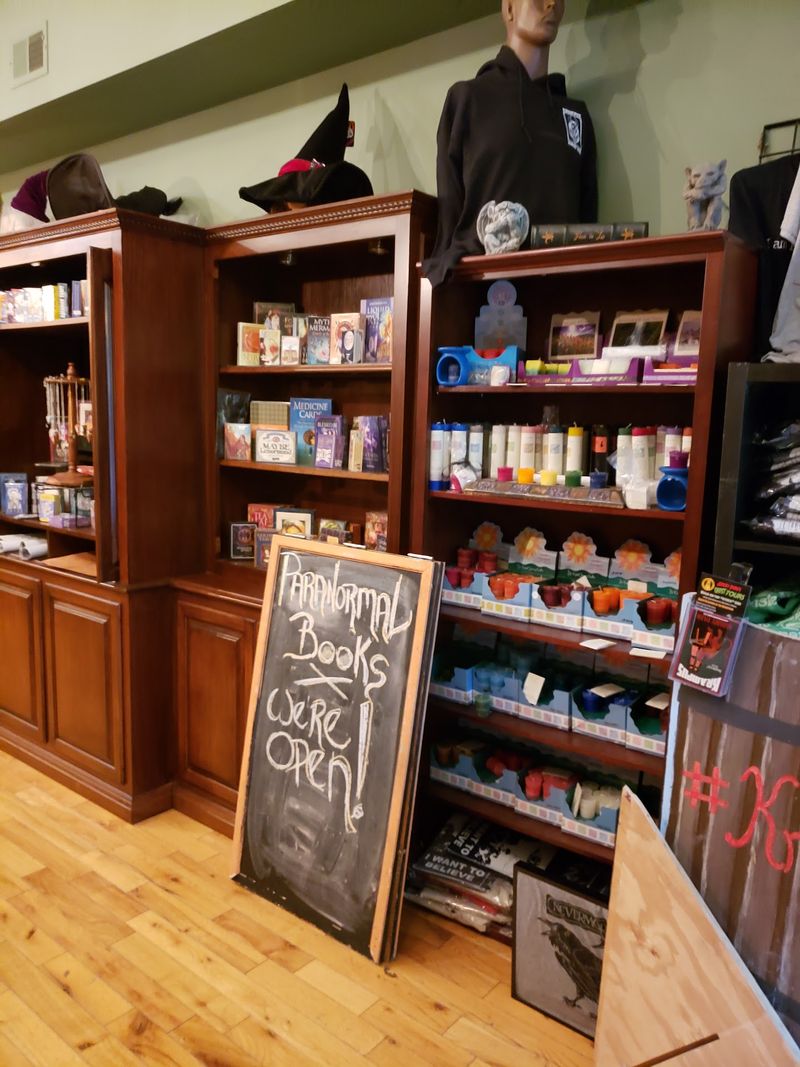
Before or after a tour, visitors can browse Paranormal Books & Curiosities, where the shelves extend the theme with books, unusual gifts, and items for people whose interests lean toward ghosts, cryptids, psychic phenomena, or unexplained history. The location makes the museum easy to build into a larger Asbury Park day.
Cookman Avenue’s restaurants and shops are right outside, while the boardwalk is roughly a mile away. You can spend the afternoon by the ocean, have dinner downtown, and still find yourself discussing haunted furniture before the night is over.
Haunted Dolls and Ordinary Objects Carry Unsettling Stories
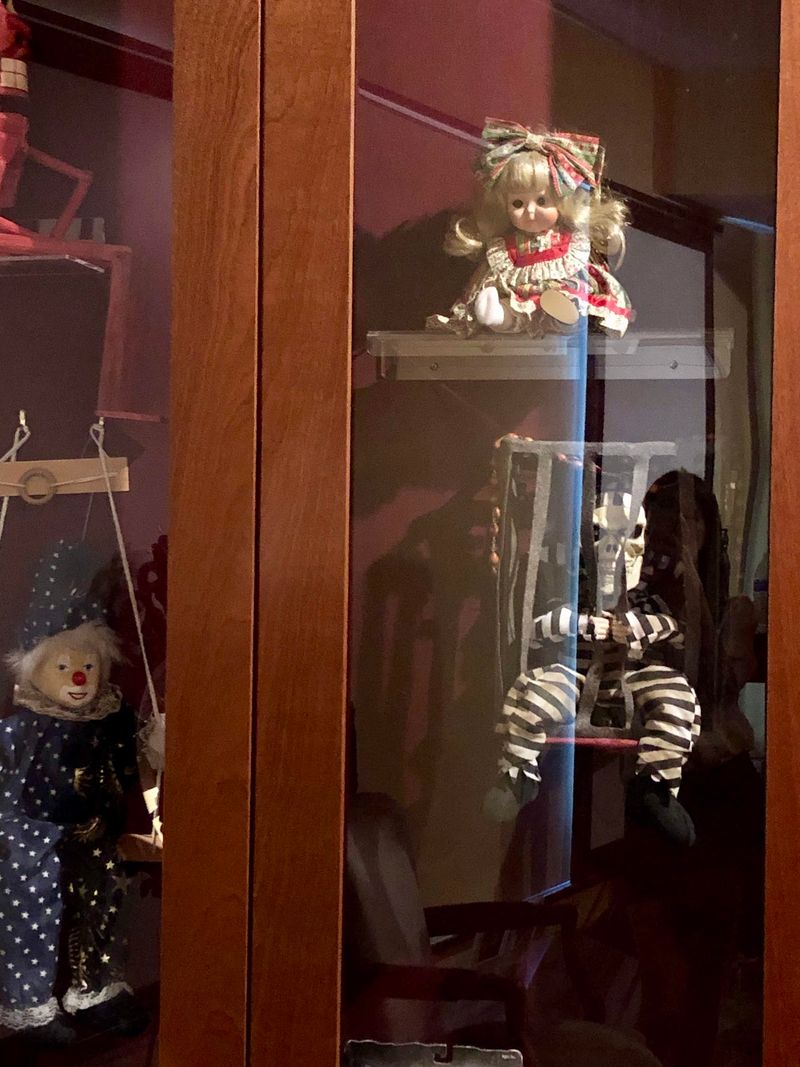
A doll does not need cracked porcelain or a missing eye to make a room uncomfortable. Sometimes the neat hair, fixed smile, and perfectly intact face are more than enough, particularly after someone tells you that a former owner reported whispers, unexplained movement, or changes in its position.
The museum’s haunted-doll collection explores the many stories people have attached to human-shaped objects over the centuries. Some accounts involve ordinary toys believed to be connected to children or previous owners.
Others reach further back, touching on funerary figures, spiritual traditions, and objects created for purposes far removed from playtime. Dolls may attract the quickest nervous glance, but they are only part of the collection.
Ouija boards, masks, personal belongings, crime-related artifacts, and items connected to prisons or psychiatric institutions broaden the experience beyond the familiar haunted-house lineup. Some pieces are tied to reports of unusual activity, while others feel eerie because of the documented human events surrounding them.
That distinction gives the museum more substance than a room full of scary props. An object may look dull or harmless in isolation, yet become difficult to dismiss once its ownership, age, and alleged history are explained.
The displays also leave room for doubt. Visitors are not required to accept every supernatural claim as fact, and debating possible explanations is part of the fun.
Was a sound caused by something ordinary? Did a story grow more dramatic as it passed between owners?
Can a deeply unsettling history change the way people react to an otherwise unremarkable object? The museum does not need to settle those questions to make them interesting.
Its smartest trick is turning attention toward things most people would normally walk past, then supplying just enough context to make looking away surprisingly difficult.
The Singing Couch Is the Exhibit Everyone Remembers
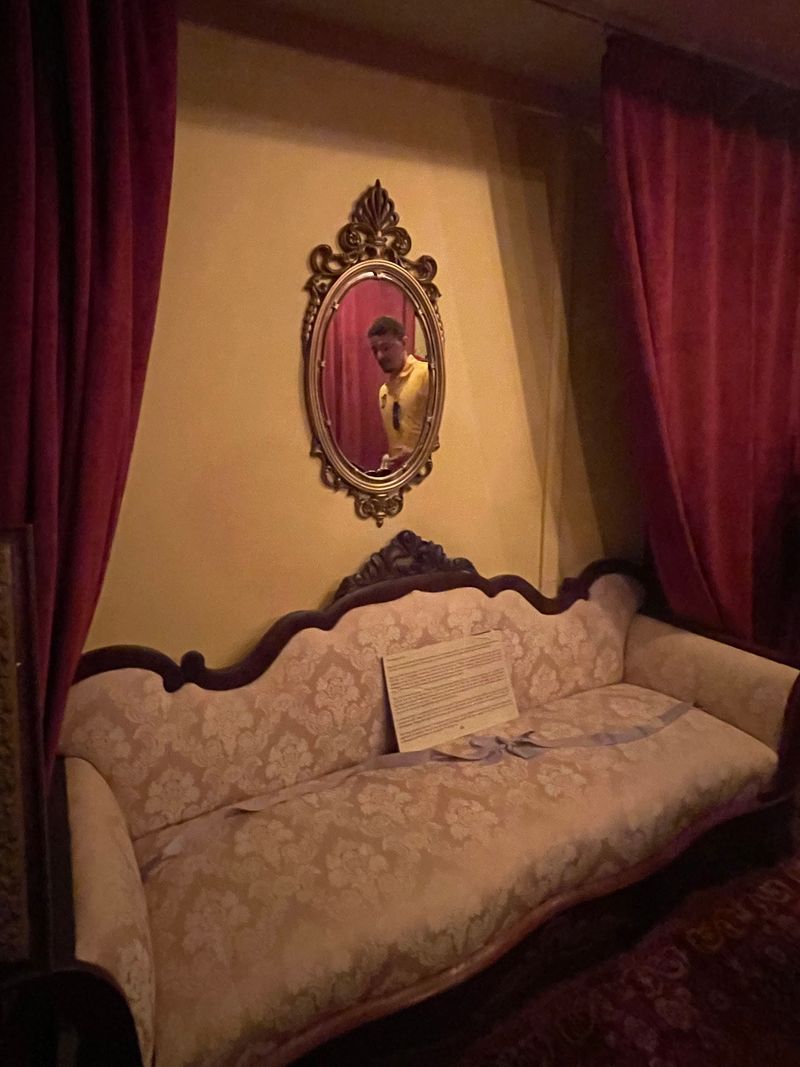
Furniture rarely becomes the star attraction, but the Singing Couch has managed it. At first glance, it appears less threatening than a shelf of staring dolls or an artifact associated with a violent crime.
It is, after all, a couch—the sort of everyday object most people connect with television, afternoon naps, and losing the remote between the cushions. Its reputation changes that comfortable picture quickly.
The couch is said to produce a mournful, songlike sound, giving it a story peculiar enough to stick in visitors’ minds long after the tour ends. The museum presents it among a larger collection of objects surrounded by reports, legends, and personal testimony.
That context matters because nobody is promised a perfectly timed paranormal performance. The couch may not hum on command, a doll may remain exactly where it was placed, and every light in the building may behave itself.
This is a guided museum tour, not a carnival attraction with hidden switches designed to guarantee a scare every few minutes. The tension comes from standing near the object while hearing why it developed such a reputation.
That approach can be more effective than an obvious jump scare. A loud noise startles you once; an unexplained story follows you home.
The Singing Couch also captures what makes this collection entertaining for believers and skeptics alike. One person may interpret its reported sounds as evidence of something supernatural.
Another may immediately begin considering old springs, shifting upholstery, acoustics, or the power of suggestion. Both reactions lead to the same result: everyone listens a little more carefully.
In a museum filled with visually dramatic objects, it is the large, familiar piece of furniture that best demonstrates how quickly an ordinary item can become unsettling once a strange history settles around it.
Guided Tours Bring Every Mysterious Artifact to Life
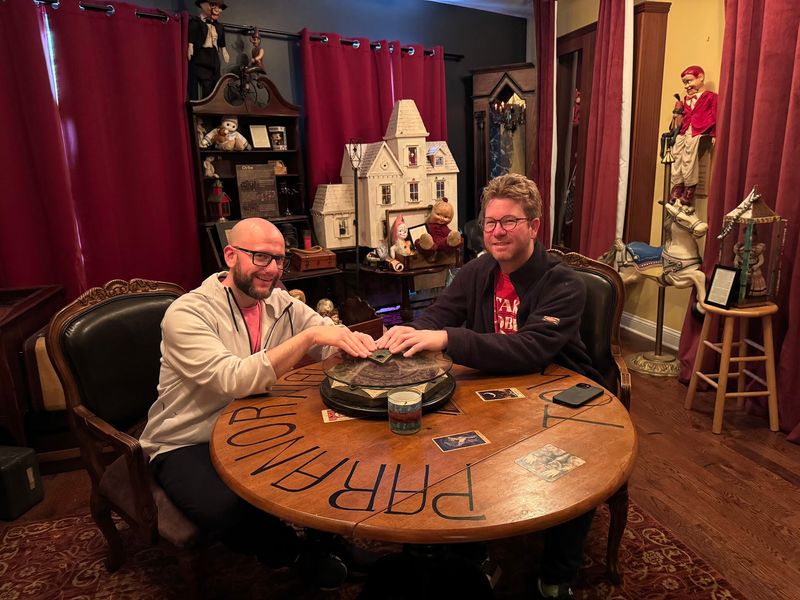
There are no aimless laps around display cases here. Every museum visit takes the form of a fully guided tour, generally lasting about 60 minutes, and reservations are required.
That format suits the collection because the objects cannot tell their own histories on a small printed card. A guide provides the ownership stories, reported phenomena, historical background, and unanswered questions that explain why each artifact earned a place in the room.
Without that narration, an old newspaper clipping might be just faded paper and a battered object might resemble something found at an estate sale. With the right context, both become pieces of a much stranger puzzle.
Tours can also be shaped around different interests. Some guests arrive eager to hear traditional ghost stories, while others are drawn to haunted objects, paranormal history, or attempts to investigate unexplained phenomena.
A good guide can adjust the emphasis, answer questions, and give skeptical visitors space to examine the claims without draining the experience of its fun. The atmosphere is conversational rather than theatrical.
You are close enough to notice small details, ask about an artifact’s origin, and hear how particular reports became part of the museum archive. Visitors may even share experiences of their own, which the museum can document as part of its continuing research.
Public tours are open to all ages, making this an unusual option for families with older children or teenagers who have outgrown standard rainy-day activities. Private paranormal experiences are available as well, currently starting at $300 for groups of up to six people.
The collection changes and grows, so returning visitors may not hear precisely the same stories or encounter exactly the same arrangement. What remains consistent is the central role of the guide, who turns a crowded room of curious belongings into an hour of connected, increasingly eerie stories.
Local History and Paranormal Lore Share the Same Room
Asbury Park already brings plenty of dramatic material to the table. Its past includes devastating fires, violent storms, shipwrecks, rum-running tales, notorious crimes, grand buildings, and decades of reinvention along the Jersey Shore.
The Paranormal Museum does not separate that history from its supernatural subject matter. Instead, it examines the hazy area where recorded events, personal memories, local legends, and ghost stories begin to overlap.
Some artifacts reach well beyond New Jersey. Among the historical pieces is a lock of Abraham Lincoln’s hair, reportedly associated with the lingering presence of the assassinated president.
Another exhibit involves a 1693 newspaper account connected to the Salem witch trials. These are compelling historical objects before any paranormal claims enter the conversation, and that factual foundation makes the eerie layer more interesting.
Other displays explore subjects such as crime, incarceration, psychiatric institutions, and the belief that belongings can retain energy from traumatic events. The museum presents these objects as more than spooky decorations, keeping their human histories central to the discussion.
Outside the building, that same approach continues through the Original Asbury Park Ghost Tours. Downtown tours connect stories to historic buildings, forgotten tragedies, and reported spirits, while boardwalk tours delve into shipwrecks, deadly storms, fires, and legends along the oceanfront.
Those walks typically run 60 to 75 minutes and cover about half a mile at a leisurely pace. More than 30,000 guests have taken the company’s tours over the years.
Pairing a museum visit with one of the walks creates a fuller picture of the city: first the supposedly haunted objects inside, then the streets and buildings that have accumulated stories of their own. Asbury Park supplies the history, and the guides reveal where the unexplained has attached itself.
What to Know Before Booking Your Museum Tour
Planning ahead is essential because admission does not work like a conventional walk-in museum visit. All tours require reservations, and advance booking is strongly recommended; same-day spaces cannot be guaranteed.
The standard public experience lasts one hour, is fully guided, and welcomes all ages. Visitors should arrive on time, since tours begin promptly and cannot be delayed for late arrivals.
Public-tour ticket sales are final, nonrefundable, and nontransferable, while private tours follow separate rescheduling rules. Current dates, times, and prices are listed through the museum’s online reservation calendar, which is worth checking before committing the rest of an Asbury Park itinerary.
Paranormal Books & Curiosities lists regular shop hours of noon to 6 p.m. on Saturday and noon to 5 p.m. on Sunday, with other visits available by appointment, but the tour calendar is the reliable source for actual museum availability.
The building stands at 621 Cookman Avenue in the downtown district, close to restaurants, bars, galleries, and independent stores.
Street parking and municipal lots serve the surrounding area, though summer weekends and major events can make spaces harder to find. Allowing extra time is sensible, especially because a missed tour is not refundable or transferable.
The indoor museum tour is an easy choice for a rainy afternoon, while those adding a downtown or boardwalk ghost walk should wear comfortable shoes and dress for the weather; outdoor tours operate rain or shine unless severe conditions force a cancellation.
Most importantly, visitors should arrive with curiosity rather than expecting a staged fright show.
The experience works through close observation, careful storytelling, and the nagging possibility that the harmless-looking object across the room has a history nobody has fully explained.
Share this story