A pair of amber eyes locks onto yours, four enormous paws cross the enclosure, and suddenly the animal you came to admire from a polite distance is leaning in for attention. That possibility is what makes a tour of Howling Woods Farm in Jackson Township unlike the average afternoon at an animal attraction.
This nonprofit rescue and education center cares for wolfdogs, the striking and frequently misunderstood hybrids produced through wolf and domestic-dog ancestry. During a guided visit, guests learn how the animals communicate, why they require specialized care, and what can happen when an unprepared owner brings one home.
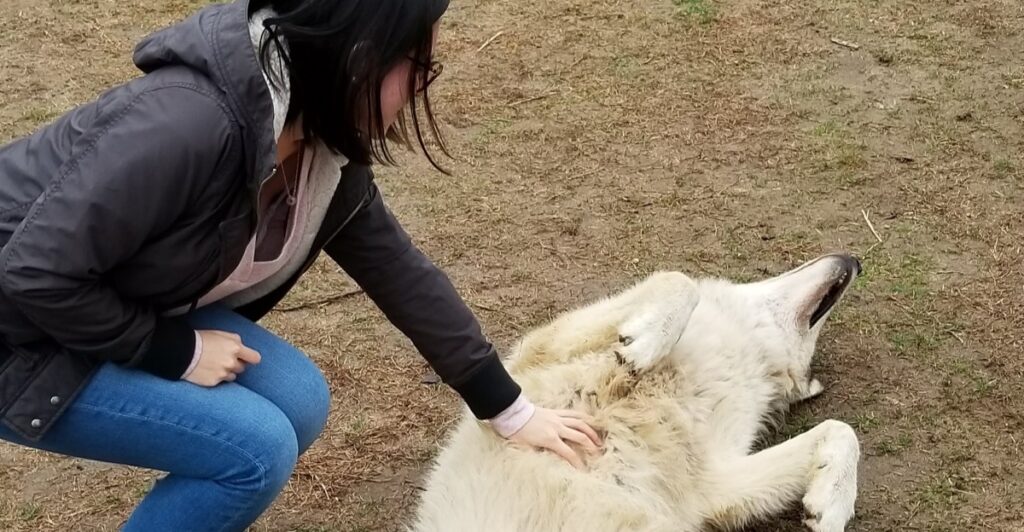
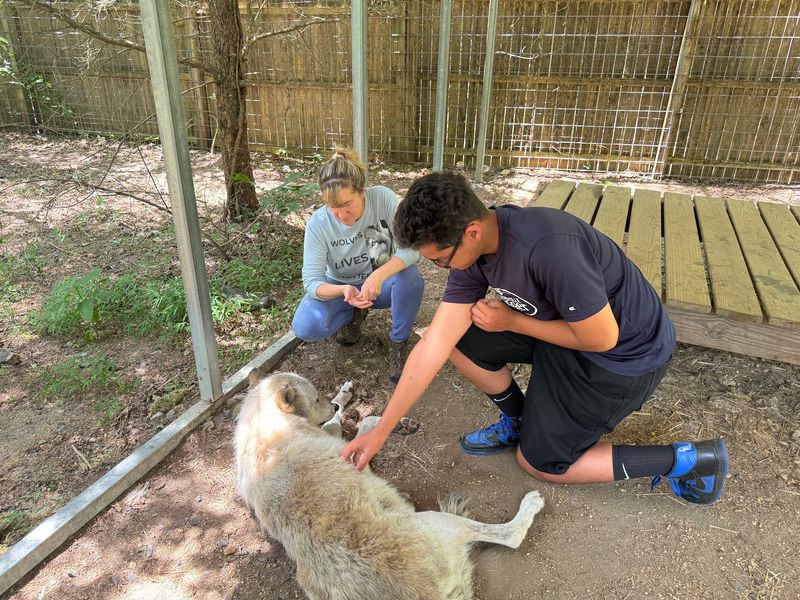
Then comes the moment everyone secretly hopes for: a sociable resident may approach for photographs, scratches, or even a belly rub. Nothing is forced, and no interaction is guaranteed, which makes a friendly greeting feel all the more special.
It is an up-close New Jersey encounter built around curiosity, clear boundaries, and respect for some seriously impressive animals.
Howling Woods Farm Gives Rescued Wolfdogs a Safe Home
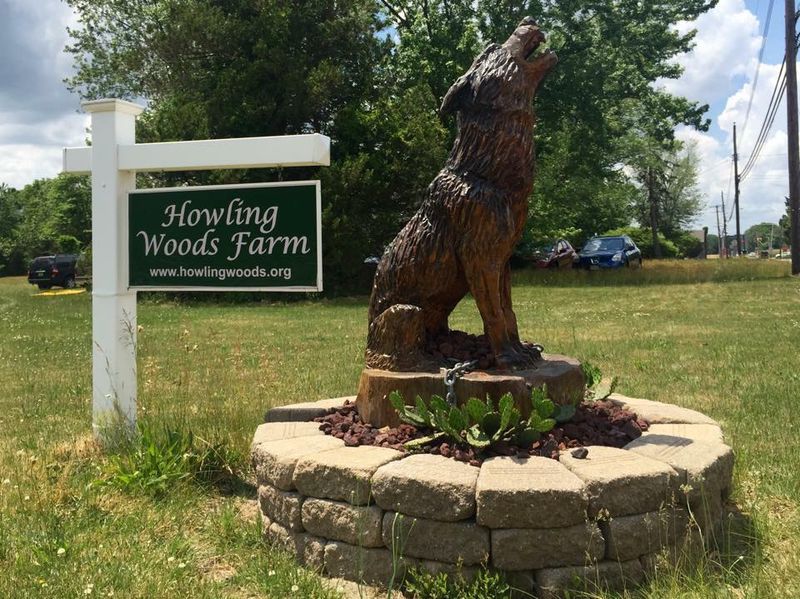
Down a quiet stretch of West Veterans Highway in Jackson Township, Howling Woods Farm provides a landing place for animals that do not fit comfortably into the usual shelter system. Wolfdogs can be challenging to rehome because their needs, behavior, strength, and legal status differ from those of the typical family dog.
When ownership goes wrong, finding someone equipped to take over is rarely simple. That is where this Ocean County nonprofit steps in.
The farm cares for wolfdogs and other domestic-bred animals with wolf-like characteristics, offering them the space, routine, and knowledgeable handling they need.
Its residents have arrived through different circumstances, but many share a familiar story: someone was captivated by the idea of owning a wolfdog without fully understanding the commitment.
These animals may require secure enclosures, careful socialization, specialized diets, and humans who know how to read behavior that does not always resemble that of an ordinary pet. Howling Woods Farm is not designed as a polished zoo or a casual petting farm.
It feels more like a working rescue, and that distinction gives the visit its meaning. Guests see beautiful animals up close, but they also hear why beauty alone is a terrible reason to bring one home.
The farm uses those conversations to replace movie-fed myths with practical information about wolf ancestry, canine behavior, and responsible ownership.
Located at 1371 West Veterans Highway, the property sits within the broader Pine Barrens landscape, a fittingly wooded setting for animals that look as if they belong much farther from suburban New Jersey.
Yet the real story is not about wilderness. It is about giving complicated animals a stable home after human decisions have left them with few alternatives.
Guided Tours Reveal What Makes Wolfdogs So Fascinating
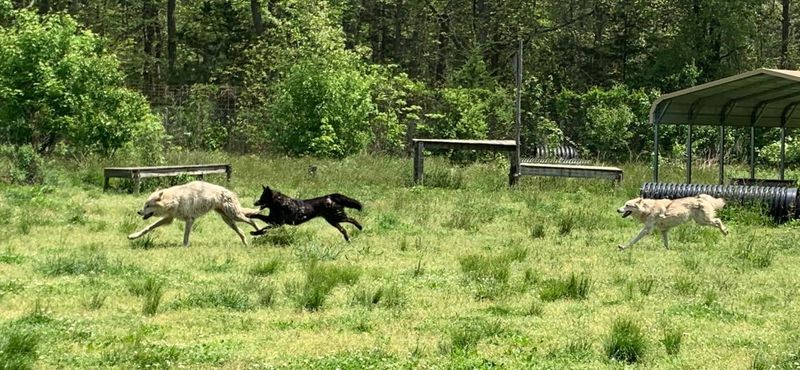
The visit begins with instructions, not a self-guided map. Every tour is led by someone who understands the animals and can explain both what visitors are seeing and how they should behave around it.
Over roughly one hour, guests meet members of the farm’s pack while learning what the term “wolfdog” actually means. The label covers animals with varying amounts of wolf ancestry, so two wolfdogs can look and behave very differently.
Some display obvious wolf-like traits, while others resemble northern dog breeds closely enough to confuse anyone making a quick judgment from appearance alone. Guides discuss physical features, body language, social behavior, and the many misconceptions surrounding wolves.
A raised tail, cautious approach, lowered posture, or sudden burst of energy means more when someone is there to translate it. The conversation also separates wolfdogs from the fantasy versions seen in television and social media.
They are not oversized huskies with a mysterious streak, nor are they accessories for people who want the wildest-looking animal in the neighborhood. Depending on ancestry and temperament, they can be intensely independent, skilled escape artists, wary of unfamiliar situations, and difficult to manage in a conventional home.
That serious information never turns the hour into a gloomy lecture. Residents such as Orion, Lyra, Raven, Luna, Jack, Oberon, Sayen, Aristos, Eluoan, Tawny, and Amae supply plenty of unscripted entertainment simply by being themselves.
One may patrol the fence while another sprawls comfortably nearby, utterly unimpressed by the attention. Questions are encouraged, and photographs are welcome when the guides say the moment is right.
By the end, visitors have seen more than a collection of handsome canines. They have watched individual animals communicate, make choices, and demonstrate why “part wolf” is far more complicated than it sounds.
The Wolfdogs Decide When It Is Time for a Belly Rub
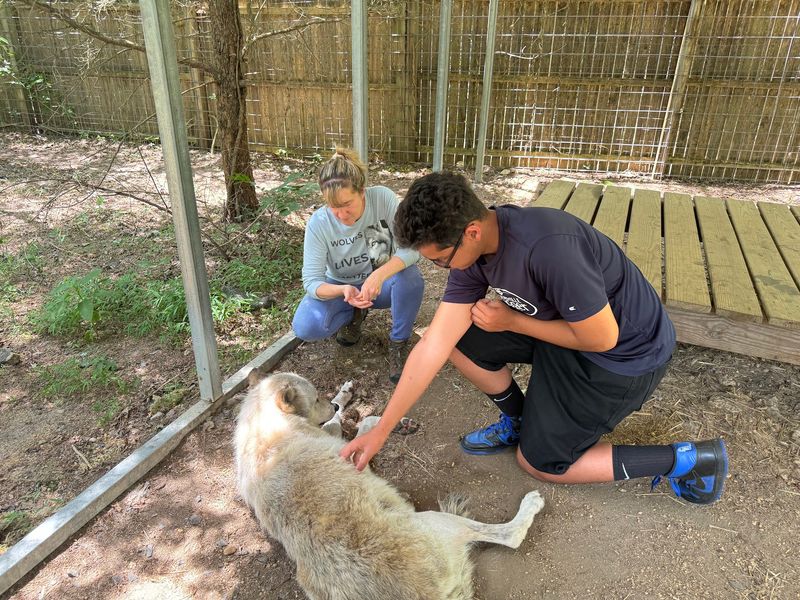
Here is the rule that makes every close encounter better: the animal gets the final vote. Visitors may enter designated enclosures under supervision, but nobody chases a wolfdog around demanding a photograph.
Guests wait, follow directions, and allow each resident to decide whether it feels social. If one wanders over for a scratch, leans against a leg, or flops down in a shameless request for a belly rub, that interaction happens on its terms.
The result feels wonderfully spontaneous. One minute you are listening to a guide explain canine behavior; the next, an impressively large set of ears is directly beside you and your camera suddenly seems much less important than expected.
Some residents enjoy attention and may linger with a group. Others keep their distance, observe from a comfortable spot, or decide they have better things to do.
That variety is part of the experience rather than a flaw in it. A visit does not come with a guaranteed cuddle, and the animals are never treated like props waiting to perform.
Guides show guests where to stand, how to offer attention safely, and when to give a resident more room. Running, shouting, and loud behavior are prohibited inside the pens, helping the encounter remain calm for both humans and animals.
There is also a practical reason to listen carefully: wolfdogs are powerful, alert creatures that notice loose fabric, dangling accessories, unfamiliar smells, and sudden movements. Respecting those details allows genuine curiosity to replace nervous guesswork.
When contact does happen, it can be surprisingly affectionate. A wolfdog asking for hip scratches or rolling over like an enormous family pet creates quite the mental snapshot.
Still, the memorable part is not simply being able to say you petted one. It is realizing that the best interaction began when everyone stopped trying to control the moment.
Knowledgeable Volunteers Introduce Every Animal’s Personality
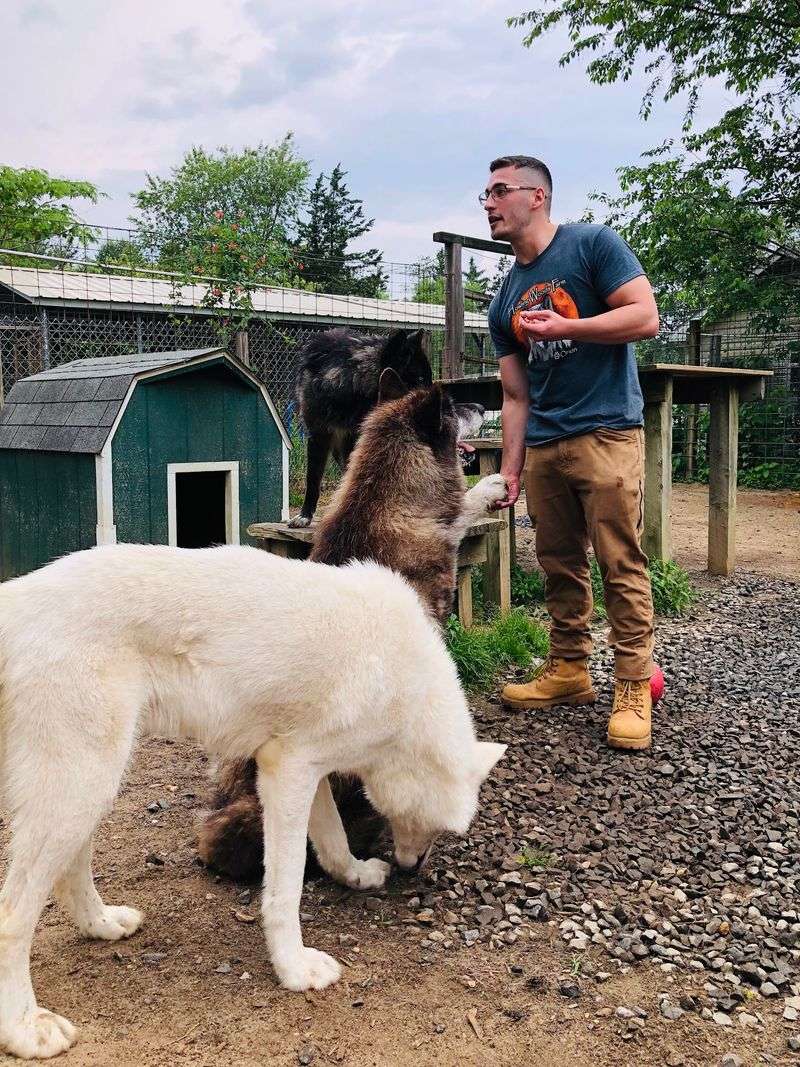
Ask about one resident and you will probably get a full biography rather than a name and a breed label. The volunteers know which wolfdog likes attention, which one approaches cautiously, who tends to steal the spotlight, and who would rather assess the group before moving closer.
Those individual details turn the tour from a general animal presentation into a visit with a cast of distinct personalities. Luna, Orion, Raven, Lyra, Jack, and the other residents are not interchangeable examples of the same hybrid.
Their appearances, ancestry, histories, confidence levels, and social habits vary, sometimes dramatically. A volunteer might use an animal’s response to explain the difference between curiosity and unease or point out a physical trait associated with wolf ancestry.
Because the lessons unfold alongside real behavior, the information sticks far better than a string of facts on a sign. The guides are also refreshingly direct.
They answer questions about ownership, breeding, surrender, enclosure requirements, and the daily work involved in caring for animals that most people have never encountered. That honesty matters because wolfdogs attract plenty of romantic ideas.
Their looks can inspire instant fascination, but fascination is not the same as readiness to provide years of specialized care. Volunteers bring the conversation back to what each animal actually needs rather than what humans want it to represent.
Their relationship with the residents is visible in smaller moments, too: a familiar animal responding to a voice, a guide anticipating who may approach, or a quick explanation of why one wolfdog is hanging back that day. Tours never feel as though someone has memorized a script and started a stopwatch.
The people leading them understand that live animals set their own rhythm. That combination of knowledge, patience, and genuine familiarity gives guests a chance to meet the pack as individuals rather than reducing them to a thrilling photo opportunity.
The Experience Comes With an Important Rescue Mission
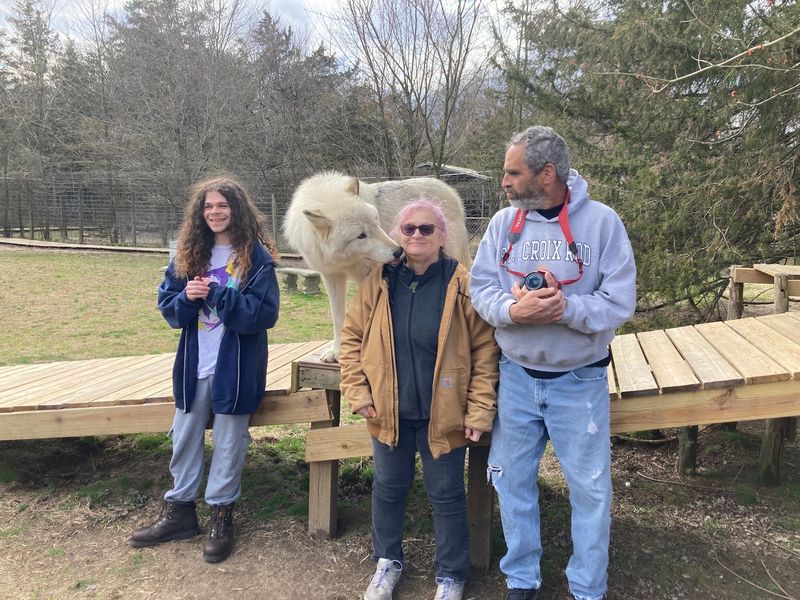
A close-up photograph may be the souvenir, but responsible ownership is the message that follows visitors home. Howling Woods Farm exists in part because wolfdogs are too often acquired for their appearance and surrendered when reality arrives.
They can be clever, athletic, destructive, independent, and startlingly good at escaping. Standard fences, busy households, close neighbors, small yards, or inexperienced owners may create problems that enthusiasm cannot solve.
Even finding veterinary care or emergency placement can be more complicated than it is for an ordinary dog. The rescue addresses that problem from both directions.
It provides care for animals in need while educating people before another impulsive decision is made. During tours, guests learn why wolfdog content can vary, why temperament cannot be predicted from looks alone, and why these animals should never be treated as status symbols.
That context changes the meaning of the hands-on experience. Petting a friendly resident is exciting, but meeting one within a rescue makes it impossible to ignore the work happening behind the photograph.
Secure enclosures must be maintained, food must be purchased, veterinary needs must be handled, and experienced people must show up day after day. Howling Woods Farm operates as a nonprofit public charity, and its officers and directors receive no salary.
Tour donations and purchases from the small gift shop help support the animals and facility. The organization also takes its educational mission beyond Jackson through presentations at schools, libraries, scout meetings, senior centers, and other community venues across New Jersey.
Those programs introduce audiences to wolf conservation, natural history, and wolfdog care, sometimes followed by a supervised meet-and-greet with one or two animals. It is serious work wrapped inside an unforgettable outing.
Visitors come face to face with wolfdogs, but they also see why admiration should begin with understanding rather than ownership.
What to Know Before Booking Your Wolfdog Encounter
A smooth wolfdog day starts before you reach Jackson because tours, access rules, prices, age limits, and available dates may change with staffing, weather, and animal needs throughout each season.
Use the rescue’s official website or contact channel to confirm current details, reserve properly, and learn whether walk-ins, photography, or physical interaction are permitted for your visit on that date.
Choose closed, comfortable shoes and simple clothing suited to outdoor conditions, while skipping dangling accessories, strong fragrances, and anything staff identifies as distracting or unsafe near enclosures during the tour.
Arrive early enough to park, check in, use the restroom, and settle excited children, since rushing can make instructions harder to hear and follow carefully at first near unfamiliar animals.
Set expectations before leaving home: contact is never promised, voices should stay calm, and every gate, rope, sign, and volunteer direction must be respected without debate for everyone’s safety onsite.
Finally, check cancellation policies, accessibility options, weather updates, and rules for phones, food, service animals, and young guests, then bring patience plus genuine curiosity instead of assumptions about rescued wolfdogs.
Share this story