A box of familiar cereal, an organic snack, and a package of frozen appetizers can all land in the cart for prices that make you check the shelf tags twice. That is a fairly normal start to a Grocery Outlet run.
The discount chain’s Hamilton Township store does not follow the predictable supermarket formula, and that is precisely why shopping there can be so rewarding. Its shelves are filled through a mix of closeouts, surplus inventory, packaging changes, and other deals negotiated with producers.
The result is a grocery store where recognizable brands often cost considerably less than expected, though the selection can change in a hurry. One week’s brilliant discovery might be gone by the next visit.
Alongside those wildcard bargains, shoppers can still pick up produce, meat, milk, eggs, pantry staples, and household necessities. For Mercer County families watching every dollar, this is not merely a place to chase markdowns.
It can handle a surprisingly large portion of the weekly grocery list.
Grocery Outlet Brings Bargain Shopping to Hamilton Township
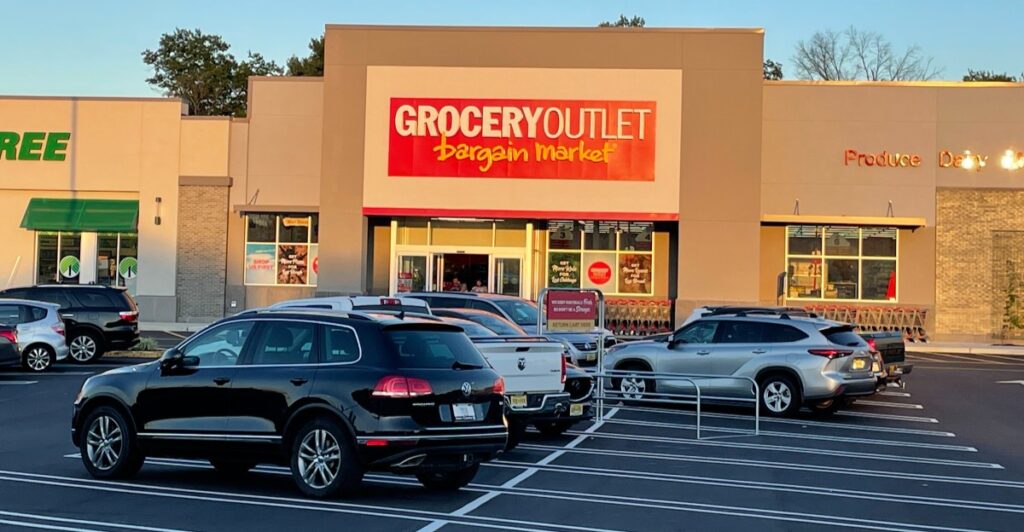
New Jersey’s first Grocery Outlet opened in Hamilton Township, giving Mercer County shoppers a different option from the region’s conventional supermarkets and warehouse clubs. The store occupies part of the former Kmart space at Hamilton Plaza on White Horse Mercerville Road, a familiar retail stop near the center of the township.
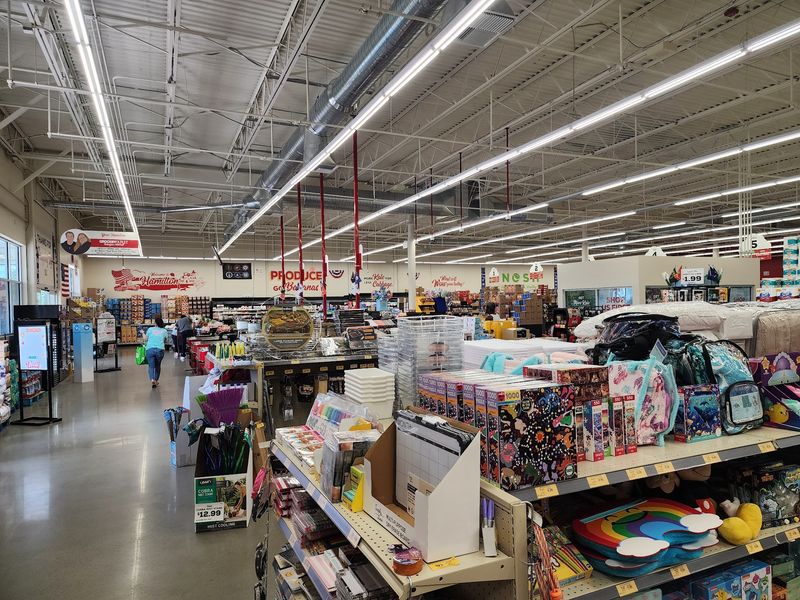
With roughly 14,000 square feet of selling space, it is substantial enough for a proper weekly shop without feeling like an expedition through an aircraft hangar. The layout covers the basics in recognizable supermarket fashion.
Shoppers will find produce, refrigerated goods, meat, frozen foods, canned products, snacks, drinks, health and beauty items, and household supplies. What changes is the buying model behind those aisles.
Grocery Outlet is an extreme-value retailer, meaning much of its appeal comes from products acquired through closeouts and other opportunistic deals. Manufacturers might have extra cases after producing too much, introduce new packaging while the old design is still perfectly usable, or discontinue a flavor that still has plenty of fans.
Grocery Outlet purchases those goods at a discount and passes a portion of the savings along. The Hamilton location is independently operated, following a company model designed to give local operators a direct stake in their stores.
That helps distinguish it from a faceless clearance warehouse where boxes simply appear on pallets. Shelves are organized, fresh departments are part of the mix, and the store is designed for everyday grocery shopping rather than occasional bulk buying.
Its location also makes it practical for residents of Hamilton, Trenton, Lawrence Township, and nearby Mercer County communities. Regular hours have generally run from morning through evening seven days a week, though checking the current schedule before a holiday visit is wise.
For nearby shoppers, the real advantage is simple: a bargain hunt can double as the week’s grocery run.
Rotating Deals Turn Every Visit Into a Treasure Hunt
The most useful thing to bring through the doors may not be a coupon. It is flexibility.
Grocery Outlet’s inventory shifts more frequently than the selection at a standard supermarket, so walking in determined to buy one exact brand, size, and flavor can miss the point. A better approach is to arrive with categories in mind.
Instead of writing down a specific frozen pizza, leave room for whichever premium pie happens to carry the best price. Rather than insisting on one granola bar, compare the closeout choices sitting in front of you.
That willingness to improvise is where the fun begins. One visit might uncover imported pasta, restaurant-style sauces, seasonal coffee, or an expensive-looking frozen entrée at a weekday-lunch price.
The next could bring a completely different lineup. Products marked as especially deep bargains can fall well below conventional supermarket prices, with Grocery Outlet advertising select name-brand finds at discounts of 40 to 70 percent.
Those numbers will not apply to every item in the building, so experienced shoppers still compare shelf tags and remember what staples cost elsewhere. The thrill lies in finding the genuine standouts.
Rotating inventory does come with one important rule: do not assume today’s discovery will wait around. Closeout goods are limited by nature, and a popular snack or pantry staple can disappear once the available shipment sells through.
If the price is excellent and the item is something the household regularly uses, buying an extra package or two may make sense. Just check dates, consider available storage, and resist turning a bargain into waste.
A flexible list also helps keep impulse purchases under control. Start with the essentials, allow a little room in the budget for unexpected finds, and treat anything beyond that amount as a discovery for another shopper.
That keeps the treasure hunt entertaining without letting it quietly hijack the grocery bill.
Name-Brand Groceries Come With Surprisingly Small Price Tags
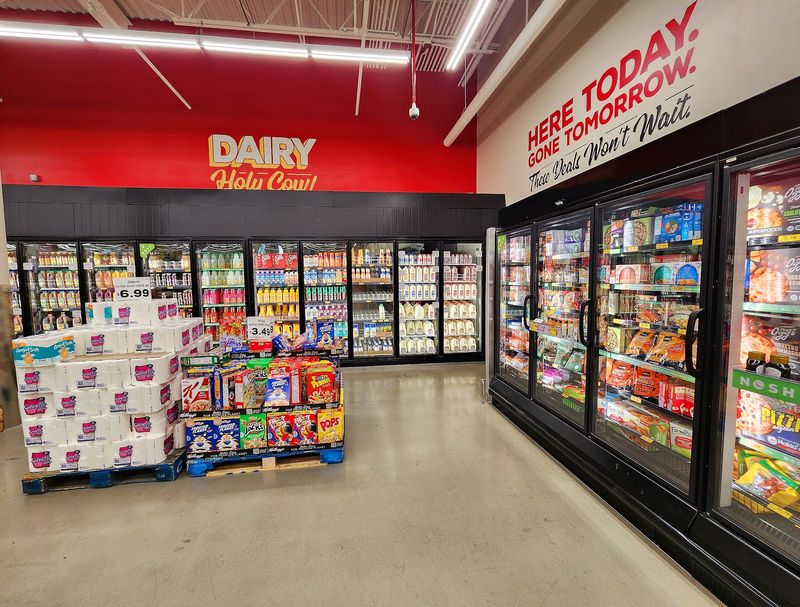
A bright new box design can make the previous version look outdated overnight, even when the crackers inside have not changed at all. That gap between marketing and actual food is one of the reasons Grocery Outlet can put recognizable brands on its shelves at striking prices.
The chain buys from thousands of producers, often stepping in when manufacturers have surplus inventory, discontinued varieties, short-dated goods, or packaging left behind after a redesign. For shoppers, that can mean paying less for products they already know rather than gambling on an unfamiliar substitute.
The strongest finds tend to appear throughout the store rather than in one clearance corner. Cereal, coffee, sauces, canned goods, chips, cookies, drinks, frozen meals, and refrigerated products can all carry markdowns.
Some are everyday pantry basics; others are oddball flavors or limited releases that never quite found a national audience. Those unusual items are part of the charm.
A premium snack that felt too expensive at its original price becomes much easier to try after a substantial discount. Still, the shelf tag deserves a thoughtful look.
Grocery Outlet can offer exceptional bargains, but no retailer is automatically cheapest on every product. Package sizes matter, and a smaller box may not beat a weekly promotion elsewhere.
Comparing unit prices is the quickest way to separate a true deal from a merely exciting sticker. Dates deserve attention as well.
Closeout food is safe to sell, but some items may have less pantry life remaining than products in a conventional supermarket. That is rarely a problem for something the family will eat next week; it matters more when buying six bottles of salad dressing for the distant future.
The smartest cart usually combines deeply discounted discoveries with store-brand staples and fresh necessities. Shoppers do not need to abandon favorite labels or build dinner around mystery ingredients.
They simply gain more chances to buy familiar groceries without paying the familiar full price.
The NOSH Aisle Makes Organic and Specialty Foods More Affordable
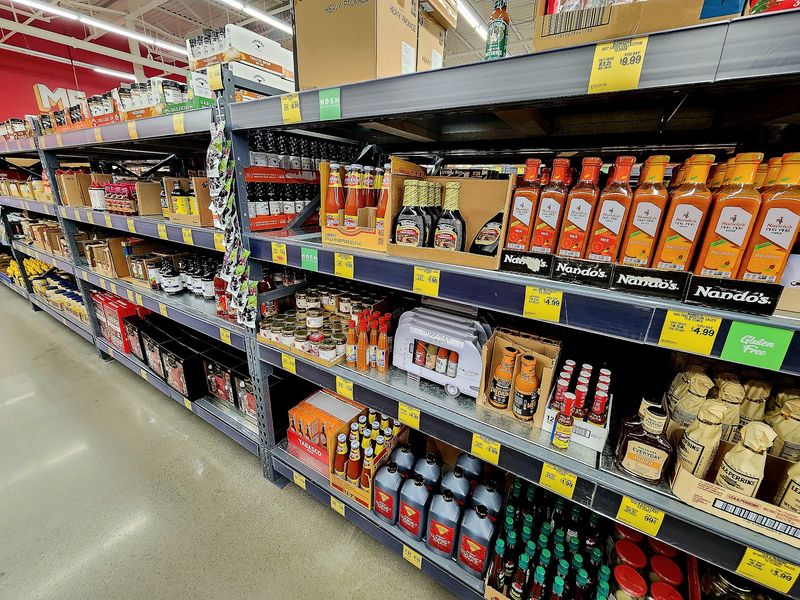
Gluten-free cookies and organic pantry staples have a habit of turning a modest shopping list into a luxury purchase. Grocery Outlet’s NOSH selection is meant to soften that blow.
The name stands for Natural, Organic, Specialty, and Healthy, gathering products that would normally be scattered through a supermarket’s premium aisles.
Depending on the week, the assortment may include plant-based foods, organic sauces, protein snacks, alternative flours, specialty drinks, dairy-free items, or products made for gluten-free and keto-friendly diets.
This is one of the store’s most interesting areas because specialty brands are especially vulnerable to overproduction and changing trends. A company launches a new flavor, updates its label, or produces more cases than retailers ultimately need.
Grocery Outlet can acquire the remainder at a lower cost, putting foods that once carried intimidating price tags within reach of curious shoppers. The tradeoff is inconsistency.
NOSH is not a dependable replacement for a specialty market when someone needs one exact allergen-safe product every week. A favorite granola, soup, or dairy alternative may appear several times and then vanish without ceremony.
Anyone shopping for a medical dietary requirement should also read the package carefully rather than relying on where an item is shelved. “Natural” is a broad marketing term, while allergen statements and certified labels provide the details that matter. For shoppers who can tolerate the changing lineup, however, NOSH is an easy place to experiment.
Trying a new organic pasta sauce feels less risky when it costs less than a mainstream jar. A discounted box of plant-based burgers can become dinner without requiring a major commitment.
When a household favorite appears, checking the date and buying a sensible backup is often the right move. The aisle will not make every specialty diet inexpensive, but it can take some of the sting out of products that usually demand a premium.
Fresh Meat, Produce and Dairy Help Complete the Weekly Shop
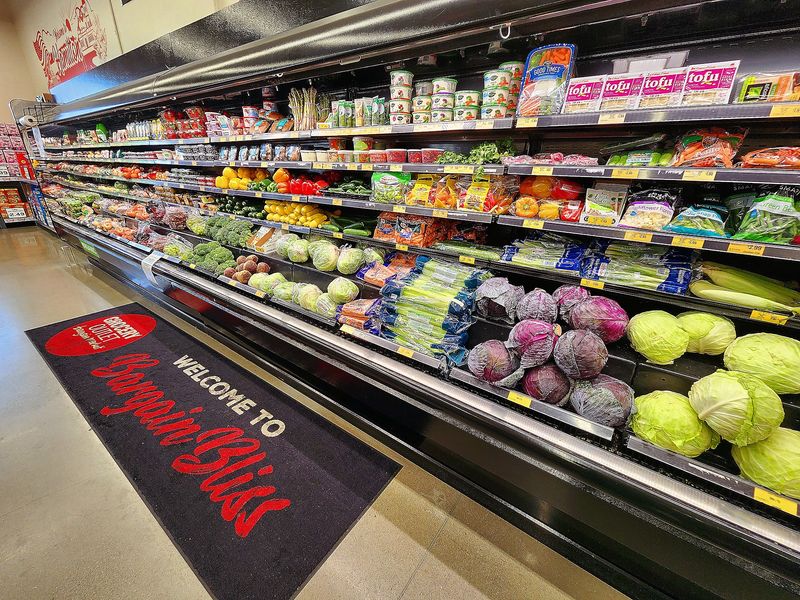
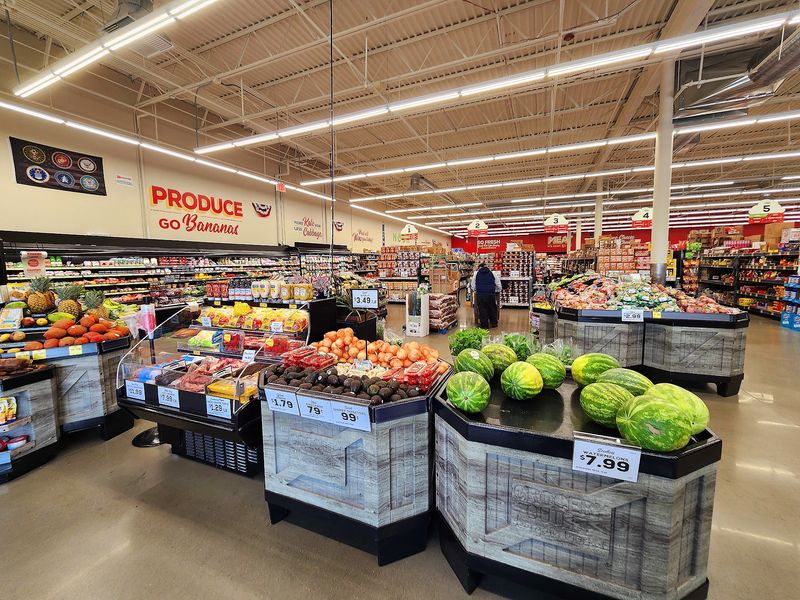
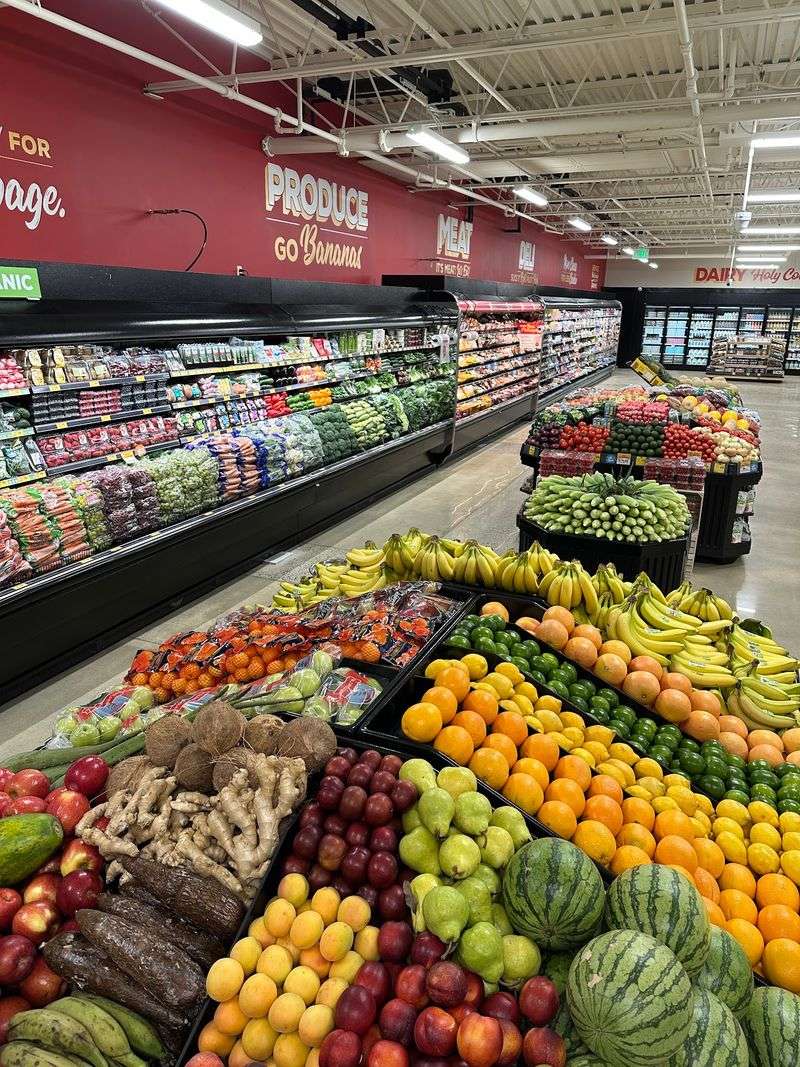
Discount stores are easy to picture as rows of dented cans and discontinued candy, but the Hamilton Grocery Outlet is set up to cover dinner as well as the snack drawer. Its fresh departments include fruits, vegetables, meat, milk, eggs, cheese, and other refrigerated basics.
That matters because a low-priced haul loses some of its shine if shoppers must make three additional stops to turn it into actual meals. Seasonal produce and weekly meat promotions can provide the starting point for a practical menu.
Chicken drumsticks can become a sheet-pan dinner with potatoes and vegetables. A pork loin stretches from Sunday supper into sandwiches or rice bowls.
Apples cover lunchboxes, oatmeal, and the inevitable snack eaten while deciding what to cook. The selection will not always match the enormous range at a full-service supermarket, yet there is usually enough to connect the store’s bargain pantry goods with the fresh ingredients a household needs.
This is also where sensible comparison shopping pays off. Produce prices change with growing seasons and supply, while meat specials can vary from one shipment to the next.
Inspect fruits and vegetables, check use-by dates on refrigerated items, and consider whether a family can finish a large package before buying it simply because the price looks good. Freezing meat in meal-sized portions is one of the easiest ways to preserve a worthwhile deal.
Milk, butter, yogurt, and eggs add another layer of convenience, particularly for shoppers who came in expecting only closeout products. Frozen foods can fill any remaining gaps, from vegetables and breakfast items to quick entrées for busy nights.
The best version of a Grocery Outlet trip is not a cart packed with random bargains. It is a cart where marked-down pasta has a sauce, discounted chicken has a side, and an inexpensive specialty snack does not replace everything needed for breakfast.
Fresh departments make that balanced shop possible without surrendering the savings that brought people through the door.
Smart Shopping Tools Make the Savings Go Even Further
Before heading to Hamilton Plaza, a few minutes on the Grocery Outlet Bargain Market app can give the trip some useful structure. The app highlights local offers and digital savings, helping shoppers see part of the current deal mix before reaching the aisles.
That preview is particularly valuable at a store with fast-changing inventory. It can shape a meal plan around this week’s meat or produce promotion while leaving enough flexibility for unadvertised finds.
The weekly ad serves a similar purpose. Checking it before writing the list helps identify genuine stock-up opportunities and prevents an appealing shelf tag from automatically winning space in the cart.
A simple price list on a phone can sharpen that judgment further. Keeping track of what the household normally pays for eggs, coffee, cereal, olive oil, and other repeat purchases makes the best discounts easy to recognize.
Unit pricing is equally important when package sizes differ. Ten cents less is not a bargain if the package is half the size.
Grocery Outlet also offers online ordering and delivery in participating areas, giving shoppers another way to compare products and cover a busy week. Availability and service fees can vary, so delivery is more about convenience than squeezing out the absolute lowest total.
In-store shoppers have a better chance of catching limited closeouts and seeing dates firsthand. Regardless of how the order is placed, the most effective strategy stays pleasantly low-tech: plan core meals, set an amount for spontaneous discoveries, and avoid buying more than the household can use.
Frequent shoppers may benefit from stopping in regularly rather than attempting one enormous monthly haul, since new deals cycle through the store and the most attractive items can sell quickly. Grocery Outlet rewards attention more than brand loyalty.
At the Hamilton store, the shoppers who save the most are usually the ones who know their usual prices, remain open to substitutes, and understand when an excellent bargain deserves a place in the pantry.
Share this story