Living on Social Security doesn’t mean you have to sacrifice quality of life or settle for boring surroundings. Texas is home to dozens of charming small towns where the cost of living is refreshingly low, the pace is relaxed, and your monthly check can cover a comfortable lifestyle. From historic downtowns to friendly neighbors who still wave from their porches, these communities offer retirees a chance to stretch their dollars while enjoying genuine Texas hospitality.
1. Gonzales
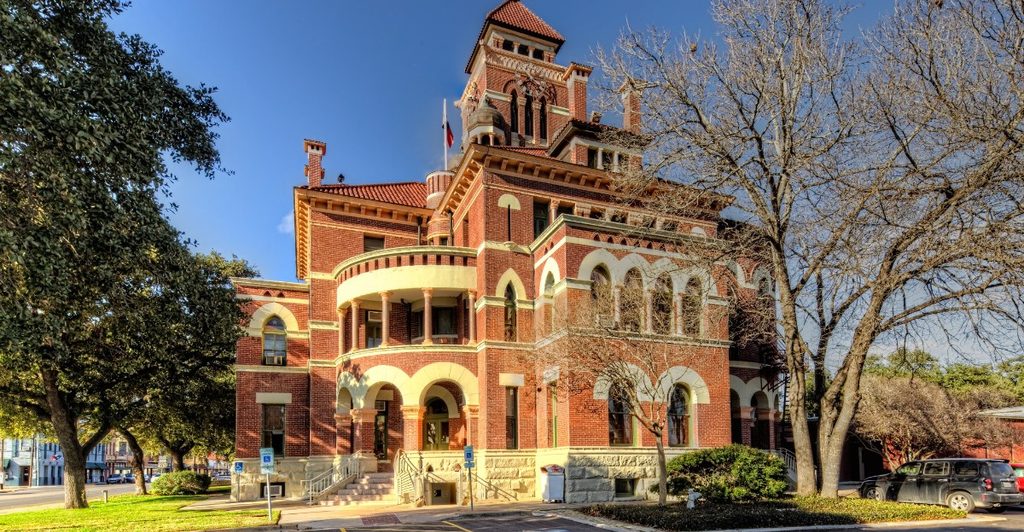
Your Social Security check goes surprisingly far in this historic community where the median home price hovers around $120,000 and monthly expenses rarely exceed $1,500 for a comfortable lifestyle. The town’s claim to fame as the birthplace of Texas independence adds a layer of pride to everyday life without the tourist trap prices you’d find in bigger historical destinations.
Healthcare access is solid for a town this size, with a local hospital and several clinics serving the community of roughly 7,500 residents. You won’t need to drive an hour for a doctor’s appointment or prescription refill. The grocery stores are independently owned, which means better prices on basics and meat that’s often sourced from nearby ranches.
Downtown has that classic Texas square layout where you can park once and walk to the bank, post office, and a handful of local restaurants without breaking a sweat. The library hosts free activities throughout the week, and the community center offers exercise classes specifically designed for seniors at no charge. Property taxes are reasonable compared to urban areas, typically running between $1,500 and $2,500 annually for a modest home.
The climate is mild enough that you won’t spend a fortune on heating bills, though summers do require air conditioning. Most retirees find their utility bills average around $150 monthly. Local farmers markets operate year-round, offering fresh produce at prices that make eating healthy actually affordable.
The slower pace means less temptation to spend money on entertainment, and neighbors tend to look out for each other in ways that feel increasingly rare.
2. Mineral Wells
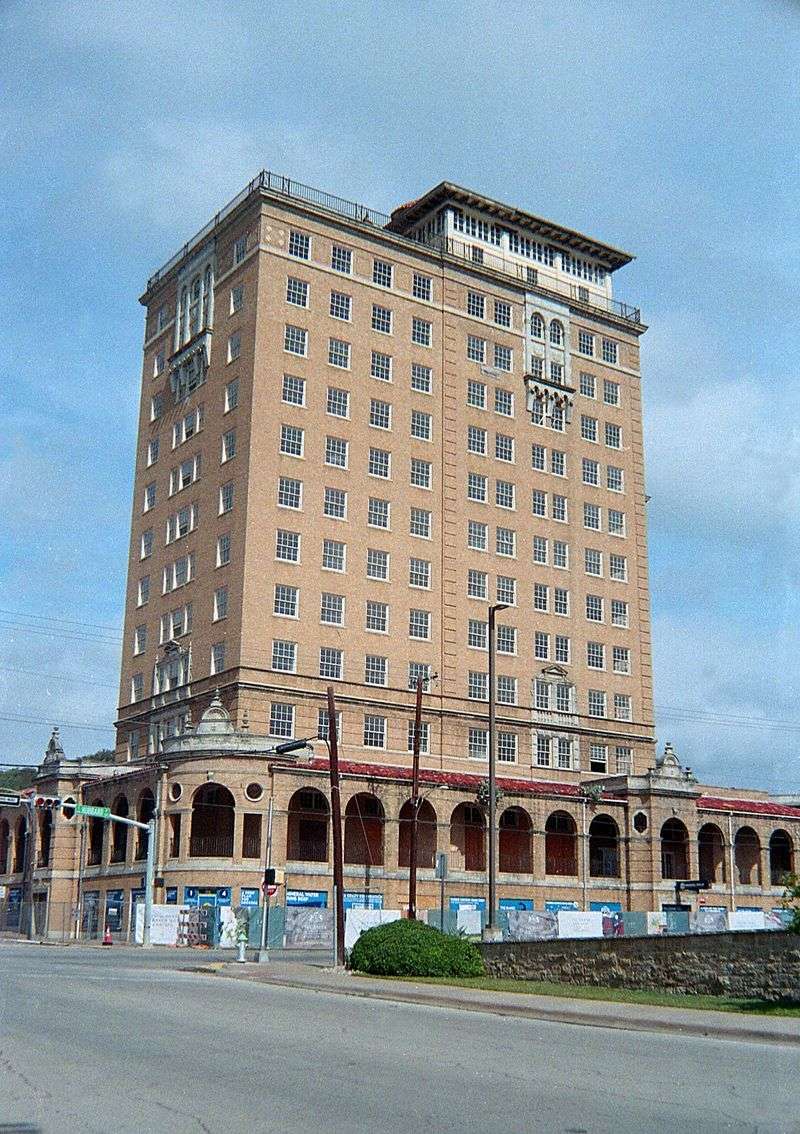
Once a booming resort destination in the early 1900s, this town of about 15,000 has transformed into one of the best-kept secrets for retirees watching their budgets. Housing costs are impressively low, with decent homes available in the $100,000 to $150,000 range and apartments renting for under $800 monthly. The historic downtown district still has that vintage charm, complete with the famous Baker Hotel looming as a reminder of grander days.
The local hospital provides essential services, and you’re only an hour from Fort Worth if specialized care becomes necessary. Grocery options include both chain stores and local markets, giving you flexibility to shop sales and stretch your food budget. Most retirees report spending between $1,200 and $1,600 monthly on all expenses excluding housing, which is remarkably manageable on Social Security alone.
State parks surround the area, offering free or low-cost recreation for anyone who enjoys nature without the country club fees. The community has a strong veterans presence, which means excellent support services and social opportunities for former military members. Local restaurants serve generous portions at prices that won’t shock you, and several offer senior discounts without you having to ask.
The town hosts regular events in the downtown area, from farmers markets to live music, all free to attend. Property taxes remain reasonable, and the slower pace of life means your car will last longer with less daily wear and tear. Winters are mild enough that heating costs stay low, and the tight-knit community atmosphere means people genuinely care about their neighbors’ wellbeing.
3. Paris

Not the French version, but this East Texas city of 25,000 offers something arguably better for retirees: affordability with personality. The town’s quirky replica Eiffel Tower topped with a red cowboy hat sets the tone for a community that doesn’t take itself too seriously while maintaining solid practical amenities. Housing costs average around $130,000 for a home, and rental options are plentiful under $900 monthly.
Medical facilities include a full-service hospital and numerous specialists, which is rare for a town this size and eliminates the need for constant trips to Dallas. The cost of living index sits about 20% below the national average, meaning your Social Security dollars simply buy more here. Grocery stores compete for business, keeping food prices competitive, and local produce stands offer seasonal bargains.
The downtown area has undergone revitalization in recent years, bringing in new locally-owned shops and restaurants without pricing out the longtime residents. You’ll find coffee for two bucks, not six. The community college offers free or low-cost classes for seniors, from fitness to computer skills, and the public library system is surprisingly robust with programs specifically designed for older adults.
Property taxes are manageable, typically $1,800 to $2,800 annually for an average home, and homestead exemptions reduce that burden further. Utility costs run about $140 monthly on average, and the city maintains good infrastructure without constantly raising rates. The social scene includes active senior centers, volunteer opportunities, and community events that foster genuine connections rather than just killing time.
You’re close enough to bigger cities for occasional outings but far enough away to avoid their cost pressures and traffic headaches.
4. Brownwood
Situated in Central Texas with a population around 19,000, this college town offers retirees an unusual combination of small-town pricing with access to cultural amenities thanks to Howard Payne University. Housing remains affordable at median prices near $125,000, and the rental market offers solid options between $700 and $900 monthly. The presence of students keeps several affordable restaurants and entertainment options viable year-round.
Healthcare infrastructure is excellent for a community this size, featuring a regional medical center and specialists in most common fields. The cost of living runs approximately 15% below the national average, and most retirees find they can live comfortably on $1,400 to $1,800 monthly excluding housing. Multiple grocery chains compete locally, and a thriving farmers market operates spring through fall with prices that actually reflect what food should cost.
The lake nearby provides free recreation, from fishing to simply enjoying the scenery, and the state park charges minimal day-use fees. Downtown has maintained its historic character while adding modern conveniences, and parking is always free and abundant. The community center offers senior programs including exercise classes, game days, and educational workshops at no cost.
Property taxes are reasonable for Texas, generally falling between $1,600 and $2,600 annually depending on home value. Utility bills average around $135 monthly, helped by the area’s moderate climate compared to extreme South or North Texas locations. The university brings in speakers, performances, and sporting events that are either free or very low-cost for community members.
Local churches are active and welcoming, providing social connections and support networks that genuinely function when needed rather than just existing on paper.
5. Palestine

This East Texas town of about 18,000 residents flies under the radar despite having one of the most charming historic downtowns in the region. Housing costs are gentle on fixed incomes, with homes typically priced between $110,000 and $140,000 and apartments available under $850 monthly. The town’s location in the Piney Woods provides natural beauty without the premium prices of more publicized destinations.
Medical care is accessible through a local hospital and clinic network that handles most routine and urgent needs without requiring drives to larger cities. The overall cost of living sits comfortably below state and national averages, with most retirees managing total monthly expenses around $1,300 to $1,700 excluding mortgage or rent. Local grocery stores offer competitive pricing, and the town’s farmers market provides seasonal produce at prices that make eating fresh vegetables actually affordable.
The downtown district features antique shops, local eateries, and the historic Redlands Hotel, all maintaining the area’s character without the inflated tourist pricing you’d find in Hill Country towns. Free parking is abundant, and everything is walkable once you arrive. The Carnegie Library hosts regular programs for seniors, and the community center provides exercise classes and social activities at minimal or no cost.
Property taxes typically range from $1,500 to $2,500 annually, and various exemptions can reduce that further for seniors. Utility costs average about $145 monthly, reasonable given the need for air conditioning during summer months. The town celebrates its railroad heritage with affordable events and a scenic train ride that’s popular with visitors but priced for locals.
Social opportunities abound through churches, civic organizations, and volunteer groups that welcome newcomers and provide genuine community connections.
6. Brady
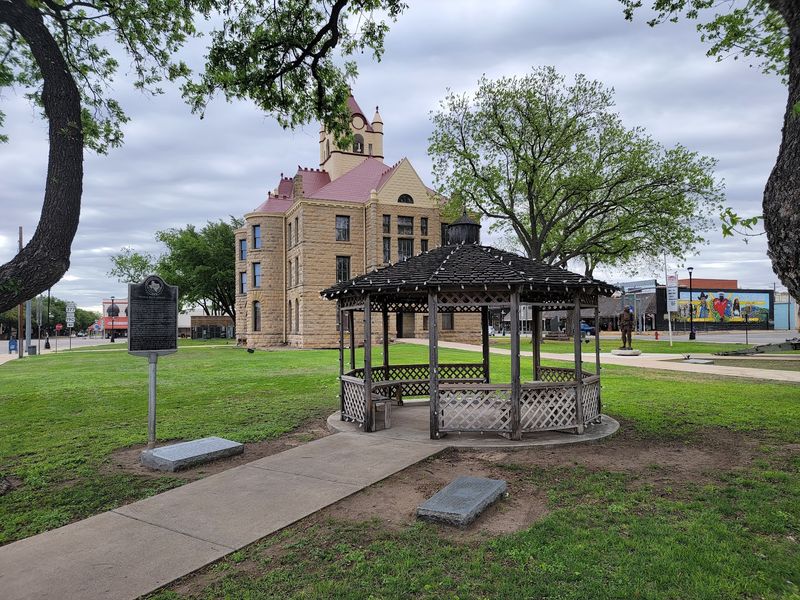
Claiming the title of Heart of Texas due to its central geographic location, this town of 5,500 offers retirees peace, affordability, and surprisingly good amenities for its size. Housing is exceptionally affordable with median prices around $110,000, and rental options exist below $750 monthly. The cost of living is roughly 18% below the national average, making Social Security stretch considerably further than in urban areas.
The local hospital provides essential services, and the community has attracted enough medical professionals to cover basic specialties without constant trips to bigger cities. Monthly living expenses excluding housing typically fall between $1,200 and $1,500, which is manageable on even modest Social Security payments. The grocery store selection is adequate, and local ranchers often sell meat directly to residents at prices that beat supermarket rates.
Downtown retains its authentic small-town character with locally-owned businesses that remember your name and your usual order. The town square hosts community events throughout the year, all free to attend, and the public library offers more than just books with regular programming for adults. Nearby lakes provide free fishing and outdoor recreation, and the landscape offers scenic drives without spending money on admission fees.
Property taxes are quite low, generally $1,200 to $2,200 annually for typical homes, and senior exemptions can reduce them further. Utilities run about $130 monthly on average, and the moderate climate means heating costs are minimal. The pace of life is genuinely slow here, which naturally reduces spending on entertainment and impulse purchases.
Community connections form easily, and neighbors still practice the old-fashioned habit of checking on each other, creating a safety net that doesn’t cost anything but means everything.
7. Lufkin
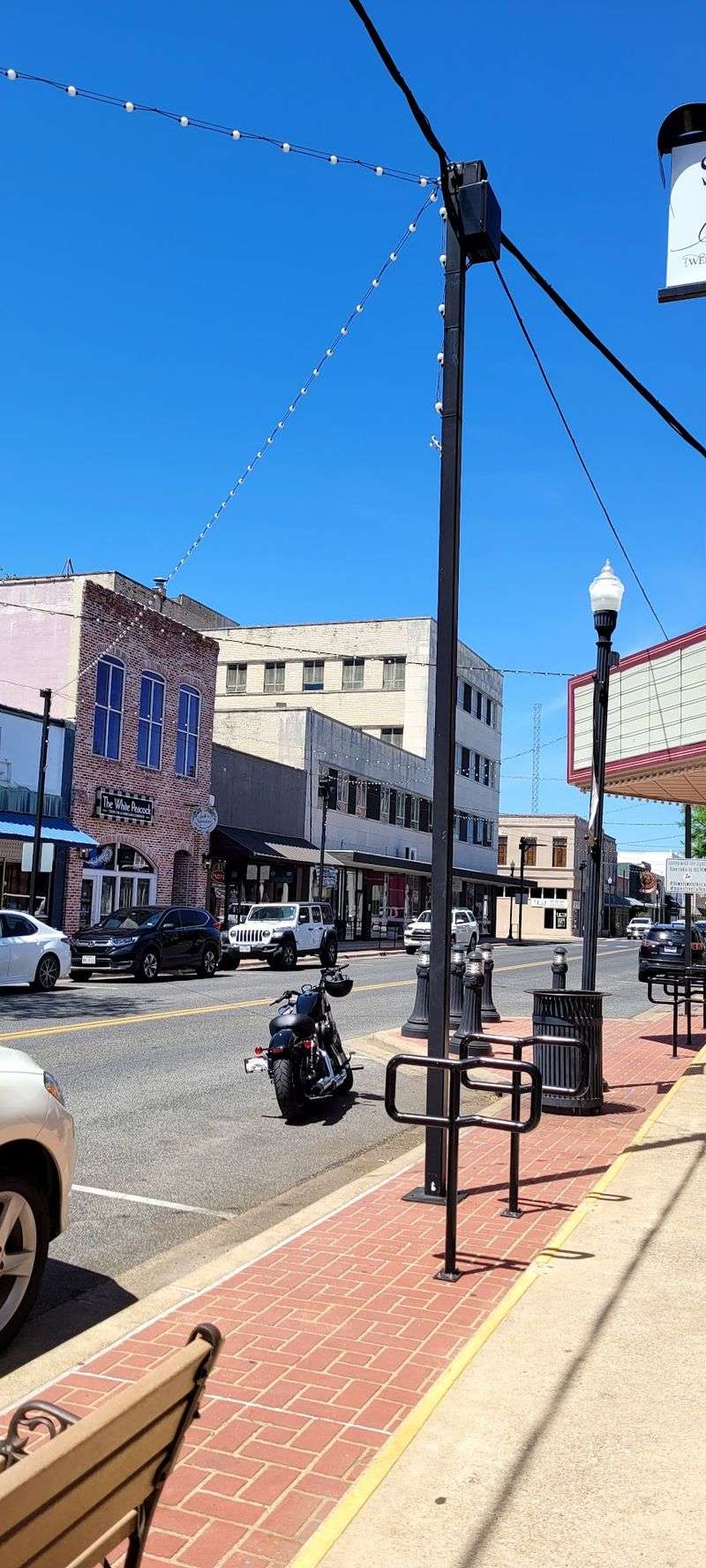
As the largest city on this list with about 35,000 residents, Lufkin offers the best of both worlds: small-town affordability with enough population to support varied services and amenities. Housing costs remain reasonable at median prices near $140,000, and the rental market provides options from $800 to $1,100 monthly depending on preferences. The East Texas location means you’re surrounded by pine forests and natural beauty without paying resort prices.
Healthcare infrastructure is robust, featuring multiple hospitals, specialty clinics, and a wide range of medical professionals. This eliminates the anxiety many small-town retirees face about accessing quality care. The cost of living index sits about 12% below the national average, and most retirees report monthly expenses between $1,500 and $2,000 excluding housing, which is achievable on Social Security with careful budgeting.
The city has maintained its downtown while also developing modern shopping areas, giving you choices without forcing you into expensive boutiques. Chain restaurants and local diners coexist, and competition keeps prices reasonable across the board. The community college offers senior education programs at reduced or no cost, and the public library system is extensive with multiple locations and robust programming.
Property taxes fall in the $2,000 to $3,200 range annually for average homes, higher than tiny towns but still manageable and offset by the increased services and amenities. Utility costs average around $155 monthly, reasonable given the need for climate control in the humid East Texas environment. The city parks system is well-maintained and free to use, and nearby national forests provide endless low-cost recreation opportunities.
The larger population means more social opportunities, volunteer options, and special interest groups for retirees seeking community connections beyond just the senior center.
8. Llano
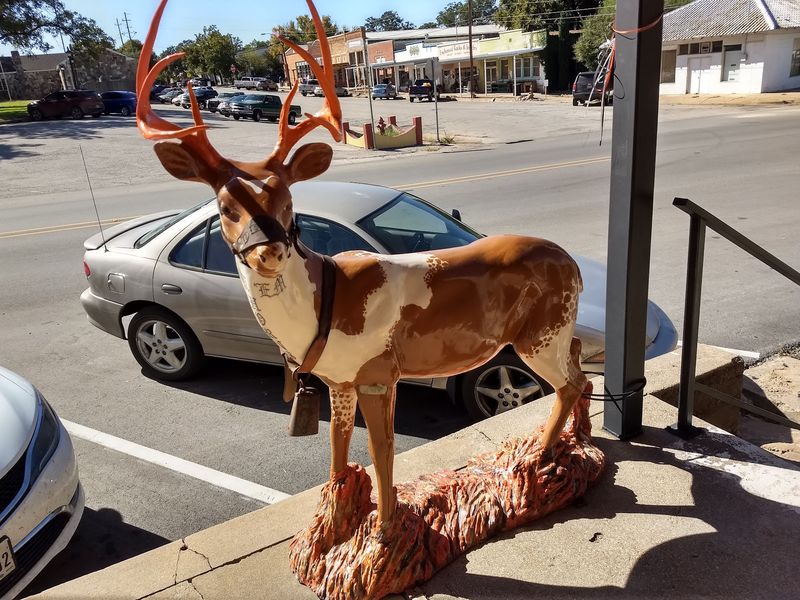
Nestled in the Hill Country along the Llano River, this town of about 3,500 residents offers stunning scenery without the tourist prices that plague nearby Fredericksburg or Marble Falls. Housing costs are surprisingly affordable given the location, with median prices around $135,000 and rentals available under $850 monthly. The natural beauty surrounding the area provides entertainment that costs nothing but gasoline to explore.
Medical facilities are adequate for routine care, with a local clinic and hospital access in nearby communities for anything more serious. The cost of living is about 10% below the national average, and retirees typically spend $1,300 to $1,700 monthly on expenses excluding housing. The local grocery store is supplemented by a farmers market during growing seasons, and the river provides free fishing for those who enjoy it.
Downtown is compact and walkable, featuring local businesses that have served the community for decades alongside newer additions. The town square hosts regular events, and the courthouse lawn is a gathering spot that costs nothing to enjoy. The public library is small but active, and the community center offers programs specifically designed for older residents at minimal cost.
Property taxes run between $1,800 and $2,800 annually, reasonable for Hill Country property, and senior exemptions help reduce the burden. Utility bills average about $140 monthly, and the climate is generally mild compared to other parts of Texas. The river access provides year-round recreation, from swimming to simply sitting by the water, and the surrounding landscape offers scenic drives that rival any paid attraction.
The community is tight-knit, and newcomers are welcomed genuinely rather than viewed as outsiders, which matters more than people realize when living on a fixed income far from family.
9. Uvalde
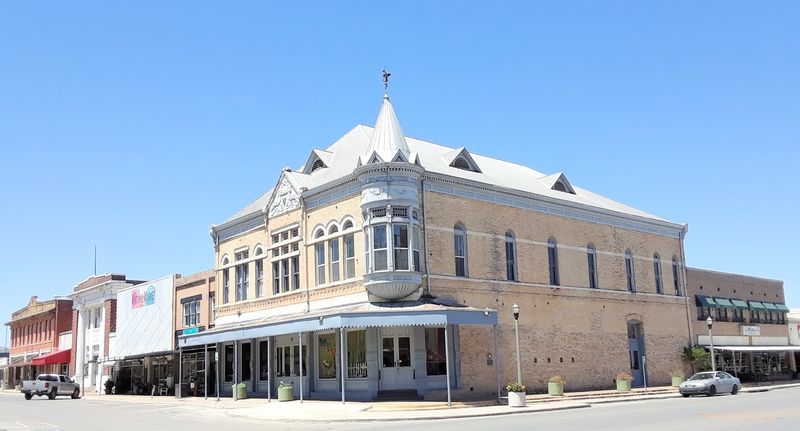
Located in Southwest Texas with a population around 16,000, this community offers a blend of Hispanic and ranching culture that creates a unique, welcoming atmosphere. Housing is affordable with median prices near $125,000, and rental options exist between $750 and $950 monthly. The cost of living is approximately 15% below the national average, allowing Social Security recipients to maintain comfortable lifestyles without constant financial stress.
Healthcare access includes a regional hospital and various clinics serving the area, adequate for most needs without requiring long drives. Monthly expenses excluding housing typically range from $1,300 to $1,700, achievable on modest Social Security payments with reasonable budgeting. Grocery stores offer competitive pricing, and local vendors sell fresh produce and authentic Mexican food at prices that reflect the community rather than tourist expectations.
The downtown area maintains its historic character while supporting local businesses that cater to residents rather than visitors. The town square provides a gathering place for community events, all free to attend, and the parks system is well-maintained without charging admission. The library offers programming for adults, and several community organizations provide social opportunities and volunteer work for those seeking connections.
Property taxes generally fall between $1,600 and $2,600 annually for typical homes, and exemptions can reduce that burden for qualifying seniors. Utility costs average around $150 monthly, necessary given the hot Southwest Texas summers. The area’s natural beauty includes access to nearby rivers and canyons that provide free recreation and scenic beauty.
The slower pace and genuine community spirit mean people still help neighbors, creating a support system that provides security beyond what money can buy, which matters tremendously when living on fixed income.
10. Corsicana
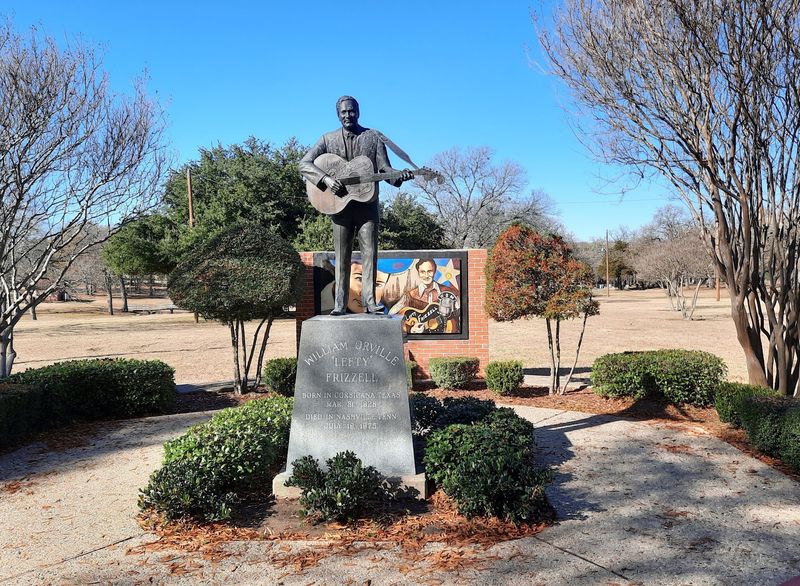
About an hour south of Dallas with roughly 24,000 residents, this town offers affordable living within reasonable reach of big-city amenities when needed. Housing costs are gentle on budgets, with median prices around $130,000 and rental options available under $900 monthly. The proximity to Dallas means you can visit family or access specialized services without actually paying Dallas prices to live there.
Medical care is solid with a local hospital and numerous clinics covering most specialties, eliminating constant drives to the metroplex for routine appointments. The cost of living sits about 13% below the national average, and most retirees manage monthly expenses between $1,400 and $1,800 excluding housing. Multiple grocery chains compete locally, keeping food prices reasonable, and the town’s size supports enough restaurant variety to prevent boredom without breaking the bank.
The historic downtown has been revitalized in recent years, bringing in new businesses while maintaining the area’s character and affordable pricing. The community college offers senior programs at reduced rates, and the public library system provides robust services and programming. Free parking is abundant throughout town, and the layout makes most errands manageable in a single trip.
Property taxes typically range from $1,800 to $2,800 annually for average homes, reasonable given the services provided and proximity to larger cities. Utility bills average about $145 monthly, and the climate is moderate enough that heating costs stay minimal. The town celebrates its fruitcake heritage with annual events that are more charming than they sound, and the community maintains active civic organizations that welcome participation.
The combination of affordability, accessibility, and genuine community makes this an underrated option for retirees seeking to maximize their Social Security income without sacrificing quality of life or proximity to urban resources.