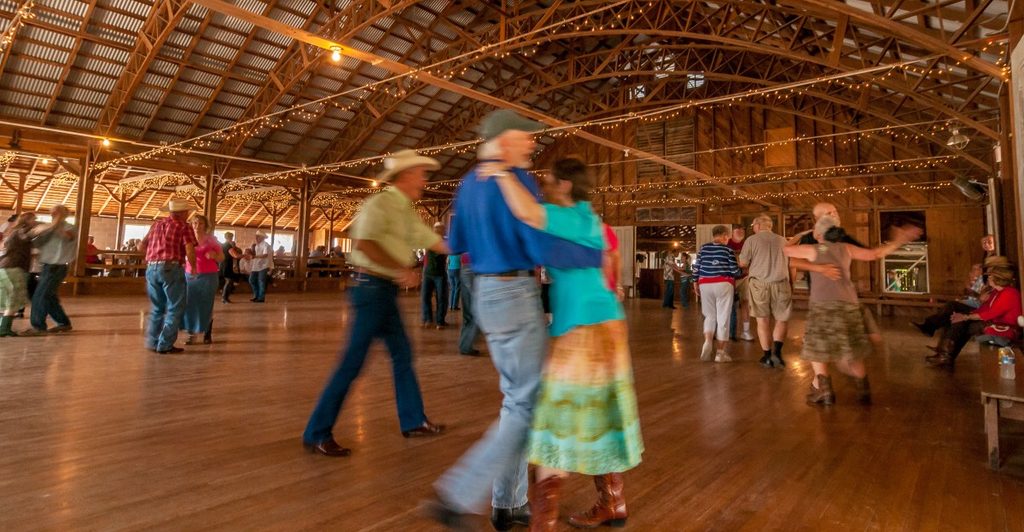
Texas dance halls have been the heartbeat of small-town communities for over a century, keeping traditions alive through live music, two-stepping, and wooden floors worn smooth by generations of boots. These aren’t just buildings with stages and bars. They’re living monuments where grandparents met, parents learned to waltz, and today’s couples still spin under the same tin roofs that have sheltered dancers since the 1800s.
Step inside any of these legendary halls on a Saturday night, and you’ll feel the magic that makes Texas dance culture something truly special.
1. Anhalt Hall (Spring Branch)
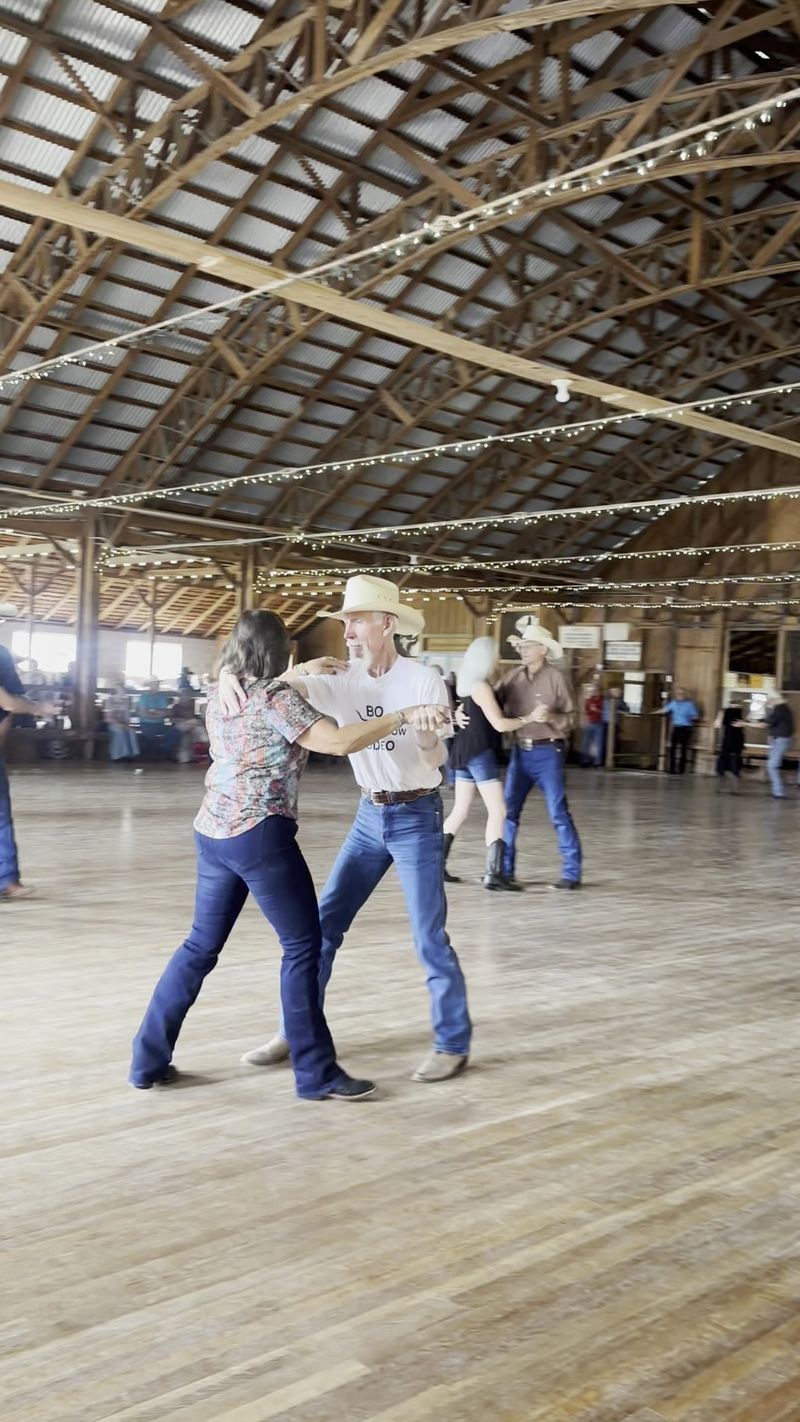
Built by German immigrants in 1879, this dance hall sits in the Hill Country like a time capsule with a heartbeat. The building’s simple white exterior gives no hint of the countless Saturday nights that have unfolded inside, where polka and waltz rhythms have echoed off the walls for nearly 150 years. Local families still gather here just like their great-great-grandparents did, proving that some traditions refuse to fade.
The hall’s original pine floors tell stories through every scuff mark and groove. Dancers glide across boards that have supported generations of boots, from work-worn leather to polished Sunday best. Natural light streams through tall windows during afternoon events, but Saturday evenings transform the space with string lights and the warm glow of conversation mixing with fiddle tunes.
What makes this place remarkable is its resistance to change in the best possible way. There’s no fancy sound system or light show, just acoustic instruments and dancers who know the steps by heart. The beer stays cold in old-fashioned coolers, and the community potluck tables groan under homemade German sausage and potato salad recipes passed down through families.
Volunteers keep the hall running, organizing dances and maintaining the building with the same care their ancestors showed. Kids learn traditional dances from older generations right on the same floor where those elders first learned as children. The circle continues, unbroken and beautiful.
You won’t find this spot advertised on billboards or plastered across social media. Word of mouth and community newsletters spread the word about dance nights, keeping things local and authentic. When the band strikes up a schottische and couples fill the floor in perfect rhythm, you’ll understand why some treasures are worth preserving exactly as they are.
2. Broken Spoke (Austin)
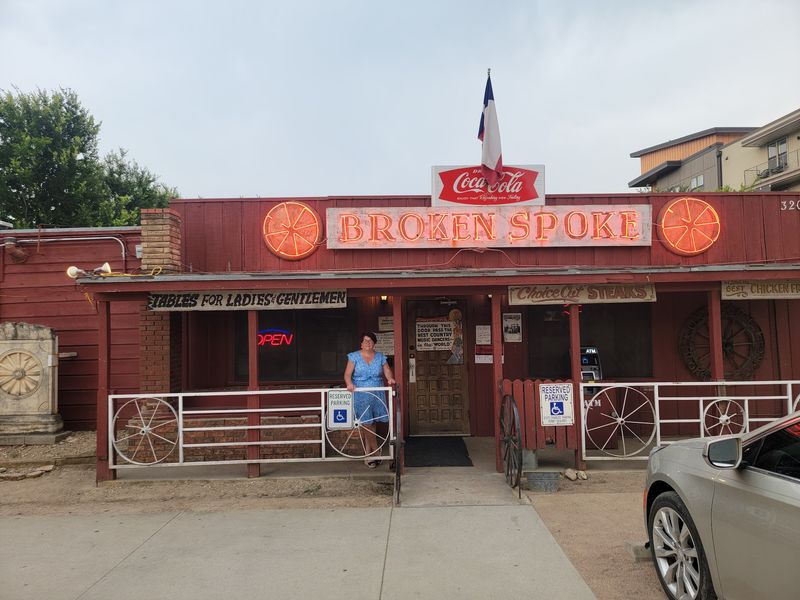
Since 1964, this Austin landmark has stood firm against the city’s explosive growth, refusing to trade authenticity for trendy cocktails or Instagram-worthy decor. Owner James White opened the doors when Austin was still a sleepy college town, and he’s kept the same no-nonsense approach to country dancing ever since. Willie Nelson, George Strait, and countless other legends have graced the small stage, but the real stars are the regular folks who show up every week to dance.
Walk through the door and you’re immediately transported to an era when country music meant steel guitars and heartfelt lyrics, not stadium rock production. The walls are plastered with autographed photos, vintage posters, and memorabilia that document decades of Texas music history. Chicken-fried steak served in the attached cafe tastes exactly like it should, crispy and generous, fueling dancers for hours on the floor.
The dance floor itself isn’t large or fancy, but it’s perfectly sized for the kind of close-quarters spinning and dipping that makes Texas two-step so romantic. Beginners mix with experts, and nobody minds when someone misses a step or bumps into another couple. Free dance lessons before the main event help newcomers learn the basics, taught by patient instructors who remember their own first awkward attempts.
Austin has transformed into a tech hub with soaring rent and constant construction, but the Broken Spoke remains defiantly unchanged. Developers have circled like vultures for years, offering millions for the valuable land. White keeps turning them down, insisting that some things matter more than money.
His stubborn dedication means Austin still has one genuine honky-tonk where working folks can afford a night out and tourists can experience real Texas culture instead of a polished imitation.
3. Twin Sisters Dance Hall (Blanco)
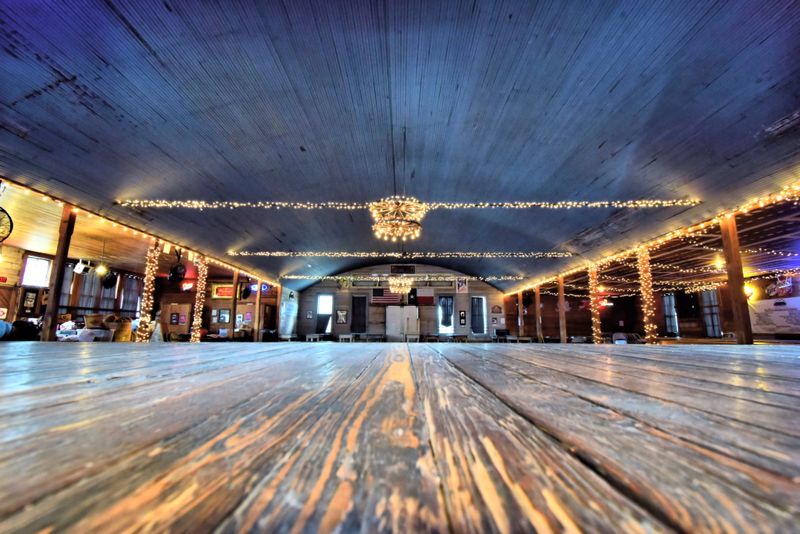
Tucked away in tiny Blanco, this unassuming hall proves that size has nothing to do with atmosphere. The intimate space means every dancer shares the experience together, no VIP sections or roped-off areas dividing the crowd. When a talented band takes the stage, the music fills every corner, and the energy becomes almost tangible as boots hit the floor in synchronized rhythm.
The hall’s history stretches back over a century, though the exact founding date gets fuzzy depending on who’s telling the story. What matters more than dates is the continuous thread of community gathering that has never been broken. Families have celebrated weddings, anniversaries, and simple Saturday nights here for generations.
The building has been lovingly maintained, with repairs done carefully to preserve original character rather than modernize away the charm.
Outside, the Hill Country landscape provides a stunning backdrop, especially during sunset when golden light bathes the surrounding hills. Dancers often step onto the porch between sets to cool off and enjoy the view, sipping cold drinks and swapping stories with neighbors. The stars come out brilliantly clear on cloudless nights, reminding everyone how far removed this place feels from city life despite being less than an hour from Austin or San Antonio.
Live music happens regularly, featuring both established Texas country acts and up-and-coming bands trying to make their mark. The acoustics work surprisingly well for such a simple structure, letting vocals and instruments blend naturally without electronic enhancement. Dancers respond to good music instinctively, filling the floor when the tempo picks up and swaying close during slower numbers.
There’s something deeply satisfying about dancing in a space where your grandparents might have danced, where the same walls have absorbed decades of laughter, music, and the shuffle of countless boots across worn wood.
4. Gruene Hall (New Braunfels)
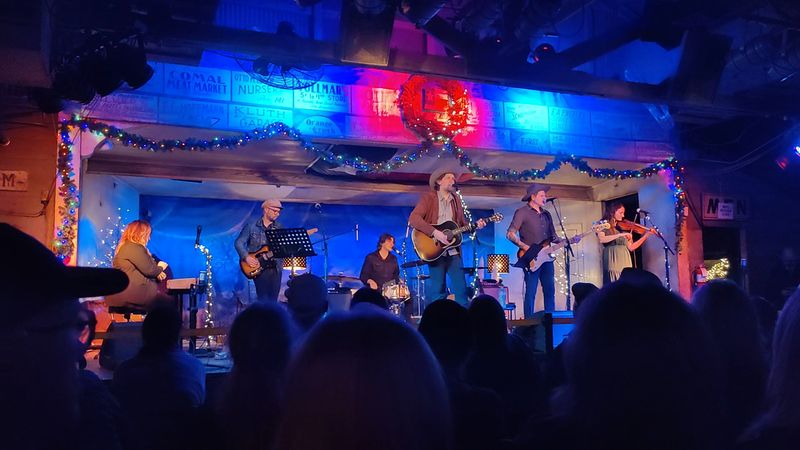
Claiming the title of Texas’s oldest continually operating dance hall since 1878, this New Braunfels institution wears its age proudly. The building’s weathered exterior and vintage signage look like they belong in a Western movie, but this is no Hollywood set. Every nail, board, and beam is authentic, preserved through careful maintenance that respects the structure’s historical integrity while keeping it safe and functional for modern crowds.
Inside, the atmosphere hits you immediately. High ceilings, exposed rafters, and walls covered in band stickers and carved initials create a visual timeline of Texas music history. The dance floor has absorbed so much boot leather over 145 years that it’s developed a particular spring and give that dancers swear makes two-stepping easier.
No air conditioning means summer nights get steamy, but that’s part of the authentic experience, along with cold beer and fans that stir the humid air without really cooling it.
The stage has hosted an incredible roster of talent over the decades, from early country pioneers to modern Americana artists. Willie Nelson, Lyle Lovett, George Strait, and hundreds of others have played here, drawn by the hall’s legendary reputation and intimate setting. Even major stars performing at Gruene Hall experience something different than arena shows, connecting with audiences in a space where everyone can see and feel the music up close.
The surrounding Gruene Historic District adds to the overall experience, with shops, restaurants, and the Guadalupe River nearby offering plenty to explore before or after dancing. But the hall itself remains the main attraction, drawing visitors from around the world who want to experience authentic Texas dance culture in its most historic setting.
Weekend nights pack the place with a mix of locals and tourists, all united by love of good music and dancing. The beer garden outside provides overflow space and a chance to cool down between sets, with live oaks providing shade and atmosphere.
5. Albert Dance Hall (Stonewall)
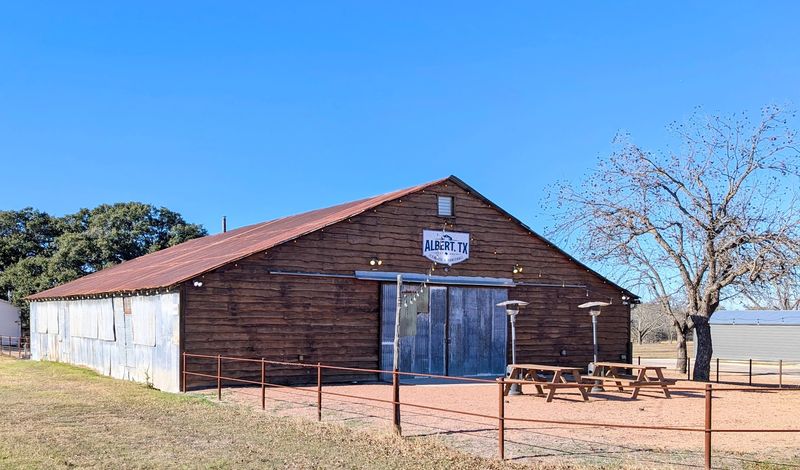
In the heart of LBJ country near Stonewall, this 1922 dance hall represents the German heritage that shaped so much of the Hill Country’s culture. The Albert community built this gathering place during an era when rural dance halls served as the primary social hub for miles around. Families would arrive by horse and wagon, later by Model T, and eventually by pickup truck, but the purpose remained constant: music, dancing, and community connection.
The building’s construction reflects German craftsmanship, with solid stone and wood materials designed to last generations. Large windows on all sides allow cross-breezes to cool dancers naturally, a crucial design feature in the days before electric fans. The layout follows traditional German dance hall patterns, with the stage at one end, bar area to the side, and a spacious floor dominating the center.
What sets Albert apart is its strong connection to polka and waltz traditions that German immigrants brought to Texas. While many dance halls have shifted primarily to country music, Albert still celebrates its roots with regular polka nights that draw enthusiasts from across the state. Watching skilled polka dancers spin and hop across the floor with precision and joy offers a glimpse into Texas’s multicultural musical heritage.
The hall operates mainly on weekends and special occasions, run by volunteers dedicated to preserving this piece of local history. Potluck dinners often accompany dances, with tables loaded down with German sausage, sauerkraut, potato salad, and homemade desserts. These communal meals reinforce the sense that you’re not just attending an event but joining a tradition that values fellowship as much as entertainment.
Peach orchards and vineyards surround the area, making a trip to Albert Dance Hall easy to combine with Hill Country wine tasting or fruit stand stops. But once the music starts and dancers take the floor, the outside world fades away, leaving only the timeless rhythm of boots on wood and accordion melodies filling the air.
6. Coupland Dancehall (Coupland)
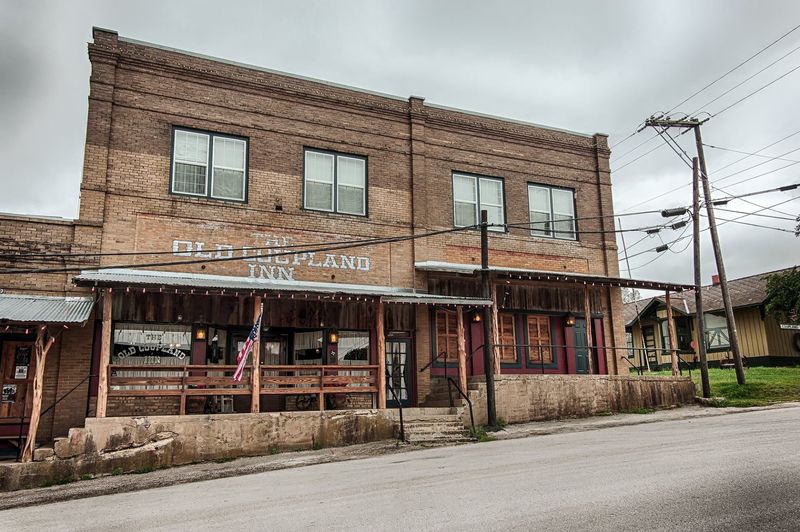
This tiny town northeast of Austin guards a dance hall treasure that dates back to the 1880s, though the current building was constructed in 1905 after fire claimed the original. Coupland itself barely qualifies as a dot on the map, but the dance hall puts it on the radar for anyone serious about experiencing authentic Texas dance culture. The building’s simple beauty comes from honest construction and decades of careful preservation rather than fancy decoration or modern upgrades.
Saturday night dances draw crowds from Austin, Round Rock, and beyond, with regulars making the pilgrimage weekly to dance to live bands in a space that feels frozen in time. The wooden floor shows its age in the best way, smooth and slightly uneven from countless boots wearing grooves into particular paths around the room. Dancers instinctively know where the floor dips slightly or where a board creaks, incorporating these quirks into their movement without conscious thought.
The stage hosts a rotating lineup of Texas country, swing, and honky-tonk bands, with musicians appreciating the room’s natural acoustics and enthusiastic dancers. Between sets, people spill out onto the front porch and surrounding grounds, socializing under the stars and enjoying the peace of rural Texas nights. Conversations happen easily here, strangers becoming friends over shared appreciation for good music and traditional dancing.
Food trucks often set up outside during busy nights, offering barbecue, tacos, and other Texas favorites to keep dancers fueled. The hall itself keeps things simple with cold beer and basic setups, focusing energy on the music and dancing rather than elaborate amenities. This stripped-down approach feels refreshing in an age of over-produced entertainment experiences.
Community volunteers maintain the building and organize events, continuing a tradition of collective stewardship that has kept the hall alive through economic ups and downs. Their dedication ensures that future generations will have the chance to experience Saturday nights in Coupland, dancing to live music in a space their great-grandparents would instantly recognize and feel at home in.
7. Sons of Hermann Hall (Dallas)
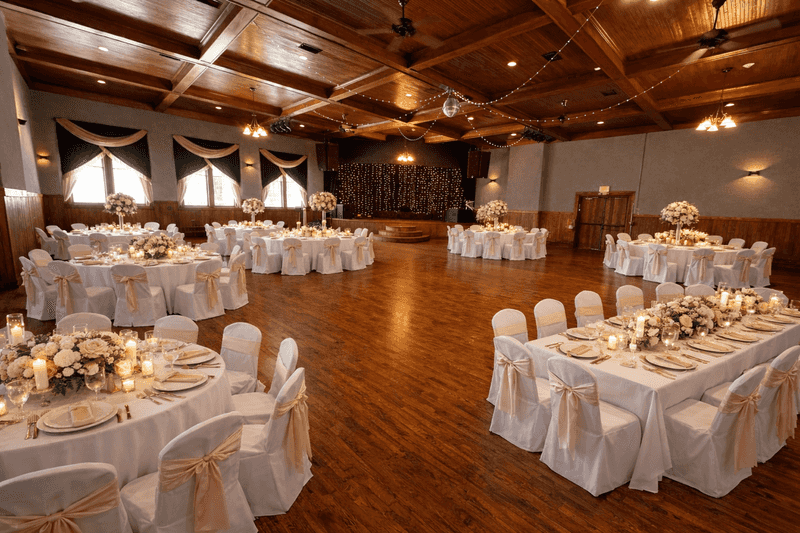
Right in the middle of Dallas’s Deep Ellum neighborhood, this 1911 fraternal lodge building has survived urban renewal, economic decline, and the constant pressure to demolish historic structures for shiny new development. The Sons of Hermann, a German-American fraternal organization, built this hall as a community gathering place, and it has served that purpose continuously for over a century despite the neighborhood transforming dramatically around it.
The building’s architecture reflects early 20th-century lodge design, with high ceilings, large windows, and a spacious second-floor ballroom that serves as the main dance space. Original details like ornate woodwork and vintage light fixtures remain intact, carefully preserved through renovations that respected historical character. Walking up the stairs to the dance hall feels like stepping through a portal to another era, especially when live music fills the room and dancers crowd the floor.
Unlike rural dance halls that focus mainly on country music, Sons of Hermann embraces diverse musical traditions reflecting Dallas’s urban culture. You might find swing dancing one night, conjunto another, vintage country western the next, and rockabilly or blues on weekends. This variety attracts different crowds throughout the week, but all share appreciation for live music, partner dancing, and the hall’s unique atmosphere.
The bar serves cold beer and simple drinks, maintaining the no-frills approach that keeps prices reasonable and atmosphere authentic. Tables and chairs line the edges of the dance floor, providing spots to rest between dances or watch others show off their skills. The crowd skews younger than many rural dance halls, with Deep Ellum’s artistic community mixing with dancers who travel from across the metro area specifically for Sons of Hermann events.
What makes this place special in Dallas’s context is its resistance to gentrification pressures that have transformed Deep Ellum from gritty arts district to trendy nightlife zone. While craft cocktail bars and upscale restaurants multiply around it, Sons of Hermann stays true to its working-class roots, offering affordable entertainment and preserving a piece of Dallas history that might otherwise have been bulldozed decades ago.
8. John T. Floore’s Country Store (Helotes)
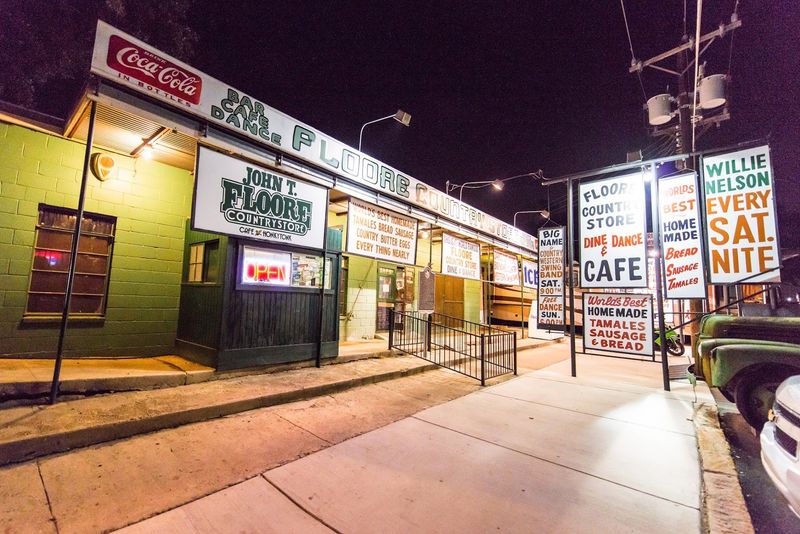
Just northwest of San Antonio in Helotes, this legendary venue has been serving up cold beer and hot country music since 1942, when John T. Floore opened a country store with a dance floor out back. What started as a modest operation grew into one of Texas’s most beloved outdoor dance halls, with massive oak trees shading the grounds and a stage that has hosted virtually every major name in country music history.
The outdoor setting makes Floore’s unlike any other dance hall on this list. Dancers two-step under the stars, with string lights and stage lights providing illumination while Hill Country breezes keep things comfortable even on warm nights. The giant oaks create a natural canopy, and during the day, their shade turns the grounds into a pleasant retreat from Texas heat.
Willie Nelson practically made this place his second home in the early days, performing countless times and cementing Floore’s reputation as a must-play venue for country artists. Hank Williams, Patsy Cline, Bob Wills, and generations of stars followed, drawn by the venue’s authenticity and enthusiastic audiences. Modern country and Americana acts continue the tradition, with the outdoor stage allowing for larger crowds than enclosed dance halls can accommodate.
The country store still operates, selling cold drinks, snacks, and Floore’s merchandise to visitors. Picnic tables scattered around the grounds encourage people to arrive early, grab food from nearby restaurants or food trucks, and settle in for an evening of music and dancing. The casual, come-as-you-are atmosphere means everyone feels welcome, whether you’re wearing boots and pearl snaps or jeans and sneakers.
Weekend nights can draw substantial crowds, especially when popular bands are scheduled, but the spacious grounds prevent the cramped feeling that sometimes affects smaller venues. Dancers have room to move, and those who prefer to listen can find spots to sit and soak in the music without being in the way. After eight decades, Floore’s continues proving that some formulas don’t need improvement, just preservation and respect for what made them special in the first place.