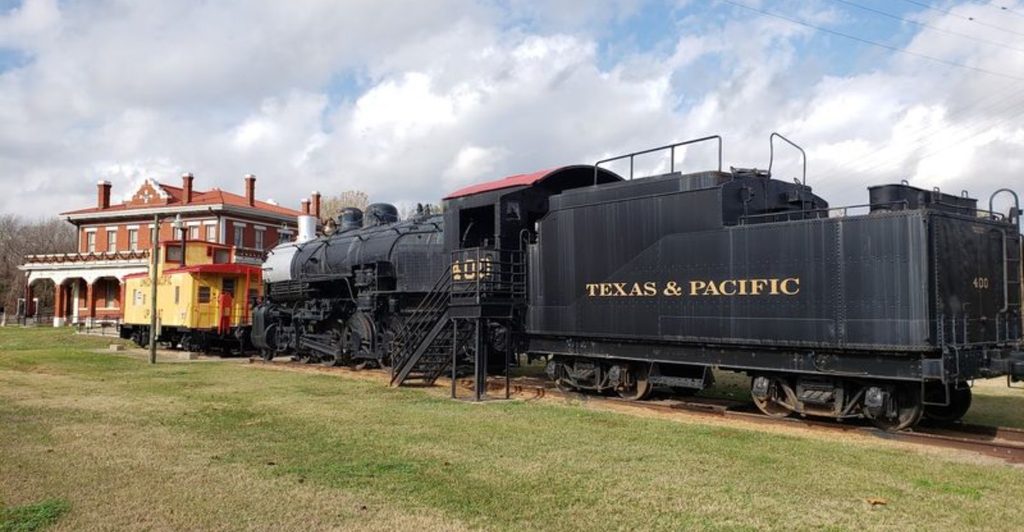
Marshall sits tucked in the piney woods of East Texas, and most folks driving through on Interstate 20 have no idea they’re passing one of the most important railroad towns in American history. Back when steam engines ruled the landscape, this small city served as a critical junction where major rail lines crossed, bringing wealth, culture, and countless stories that still echo through its historic streets today. What makes Marshall truly special is how carefully it has preserved that heritage, from restored depots to museums packed with artifacts that bring the golden age of railroading back to life.
1. T&P Depot Museum and Visitor Center
Step inside this beautifully restored 1912 depot and you’ll feel like you’ve walked straight into the heyday of American railroading. The building itself tells a story, with its sturdy brick walls and classic station architecture that once welcomed thousands of passengers heading east to Shreveport or west toward Dallas. Today it houses an impressive collection of railroad memorabilia, vintage photographs, and artifacts that paint a vivid picture of when Marshall was a bustling rail hub.
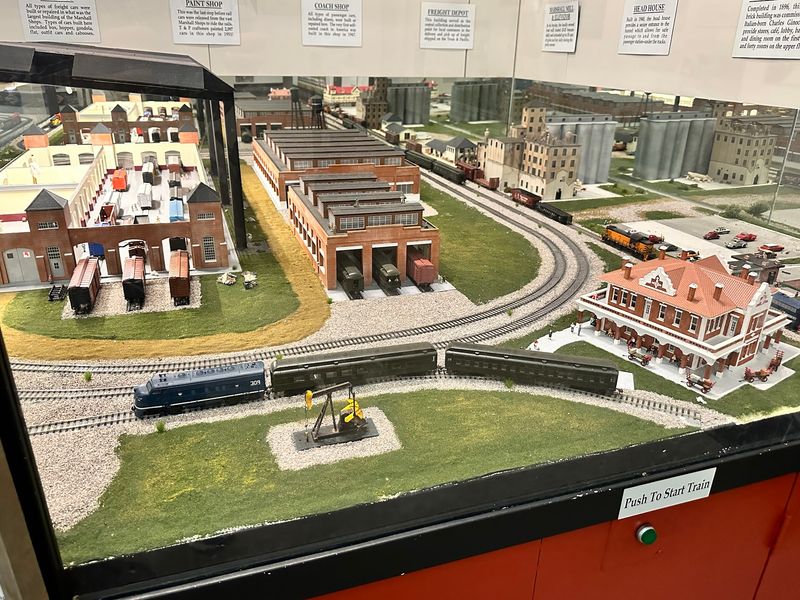
Walking through the exhibits, you’ll discover how the Texas and Pacific Railway transformed this small town into a regional powerhouse. Old ticket windows, baggage carts, and conductor uniforms give you a real sense of what daily life looked like for the workers who kept the trains running on time. The detailed model train displays are particularly captivating, showing exactly how the rail yards were laid out across town.
What really brings the experience to life are the personal stories preserved here. Letters from railroad families, old schedules, and photographs of workers pose proudly beside their locomotives. The museum doesn’t just show you objects behind glass, it helps you understand how deeply the railroad shaped every aspect of life in Marshall, from the economy to the social fabric of the community itself.
2. Harrison County Historical Museum Railroad Collection
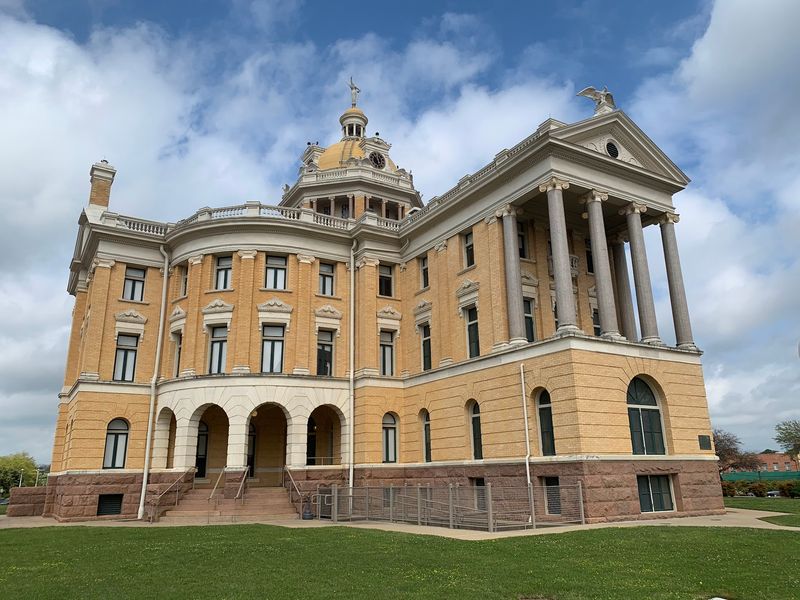
Housed in the stunning 1901 courthouse, this museum goes beyond what you’d expect from a typical county history collection. Sure, you’ll find pioneer artifacts and Civil War relics, but the railroad exhibits here offer something truly special. They’ve gathered an incredible array of items that show how railroads didn’t just pass through Marshall, they built it from the ground up.
The collection includes everything from massive railroad construction tools to delicate china that once graced dining cars on luxury trains. You can examine signal lanterns that warned engineers of danger ahead, study intricate track maps that reveal the complexity of Marshall’s rail network, and read through payroll ledgers that list the names of hundreds of local workers. Each piece connects you to real people who lived and worked in the railroad era.
One of the most fascinating aspects is how the exhibits link railroad history to broader social changes. You’ll learn how the arrival of different rail lines brought new immigrant communities to Marshall, how the depot became a social gathering place, and how World War II transformed the local rail yards into vital military supply routes. The curators have done remarkable work connecting individual objects to larger historical narratives that help visitors understand Marshall’s unique place in Texas railroad history.
3. Historic Ginocchio Hotel and Railroad Heritage
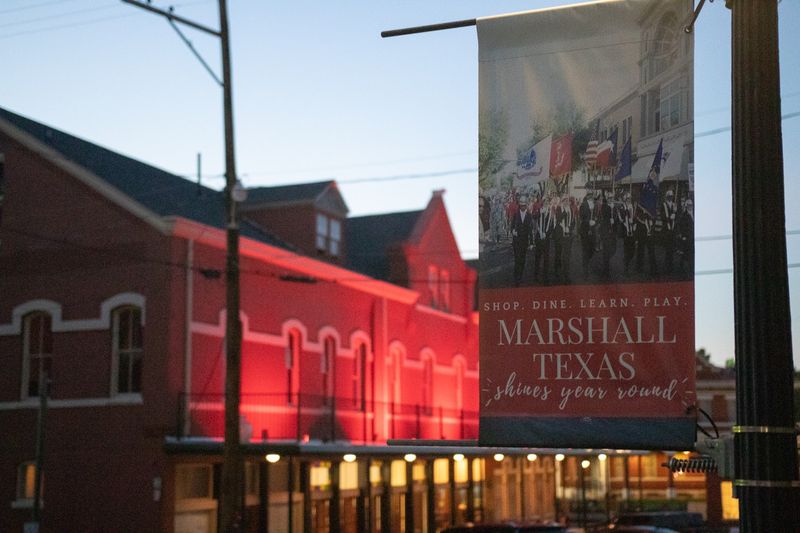
This magnificent 1896 hotel stands as living proof of the prosperity railroads brought to Marshall. Built by Italian immigrant Joseph Ginocchio specifically to serve railroad passengers and workers, the building’s elegant architecture reflects the confidence and wealth flowing through town during the railroad boom years. Walking past its ornate facade, you can almost hear the bustle of travelers arriving by train, checking in for the night before continuing their journeys.
The Ginocchio wasn’t just any hotel. It catered to railroad executives, traveling salesmen riding the rails, and families relocating to Marshall because of railroad jobs. The building featured modern amenities that were cutting-edge for its time, all made possible by the economic engine of the railroads.
Today, though it no longer operates as a hotel, the structure remains a powerful reminder of how railroad money transformed Marshall’s downtown into something far grander than a typical small Texas town.
Local preservationists have worked hard to maintain the building’s historic character, and it now serves as office space while retaining much of its original charm. The connection between this architectural gem and railroad history runs deep, because without those train lines bringing commerce and people to Marshall, such an ambitious hotel would never have been built in the first place.
4. Marshall Railroad Festival Annual Celebration
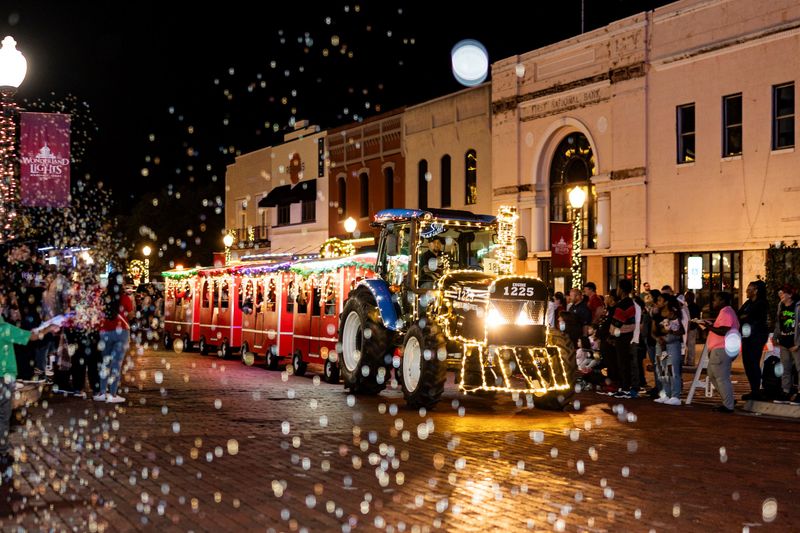
Every year, Marshall throws a party that brings its railroad past roaring back to life. The Railroad Festival isn’t some small affair, it’s a full-blown celebration that draws railroad enthusiasts from across the country. Vintage locomotives roll into town, model train clubs set up elaborate displays, and the streets fill with people eager to celebrate the iron horses that built this community.
What makes this festival special is how it balances education with pure fun. You can watch blacksmiths demonstrate how railroad spikes were forged, listen to historians explain the engineering marvels that allowed trains to cross Texas terrain, and talk to retired railroad workers who share firsthand stories from their careers. Kids get to climb aboard actual train cars, ring authentic locomotive bells, and experience what it felt like to be an engineer in the cab.
The festival also highlights how Marshall’s railroad heritage connects to larger American history. Special exhibits often focus on topics like how railroads enabled westward expansion, the role of African American workers in building and maintaining the lines, and how refrigerated rail cars revolutionized Texas agriculture. It’s not just nostalgia, it’s a serious effort to help younger generations understand why these steel rails mattered so much to the development of their hometown and their state.
5. Preserved Railroad Worker Neighborhoods
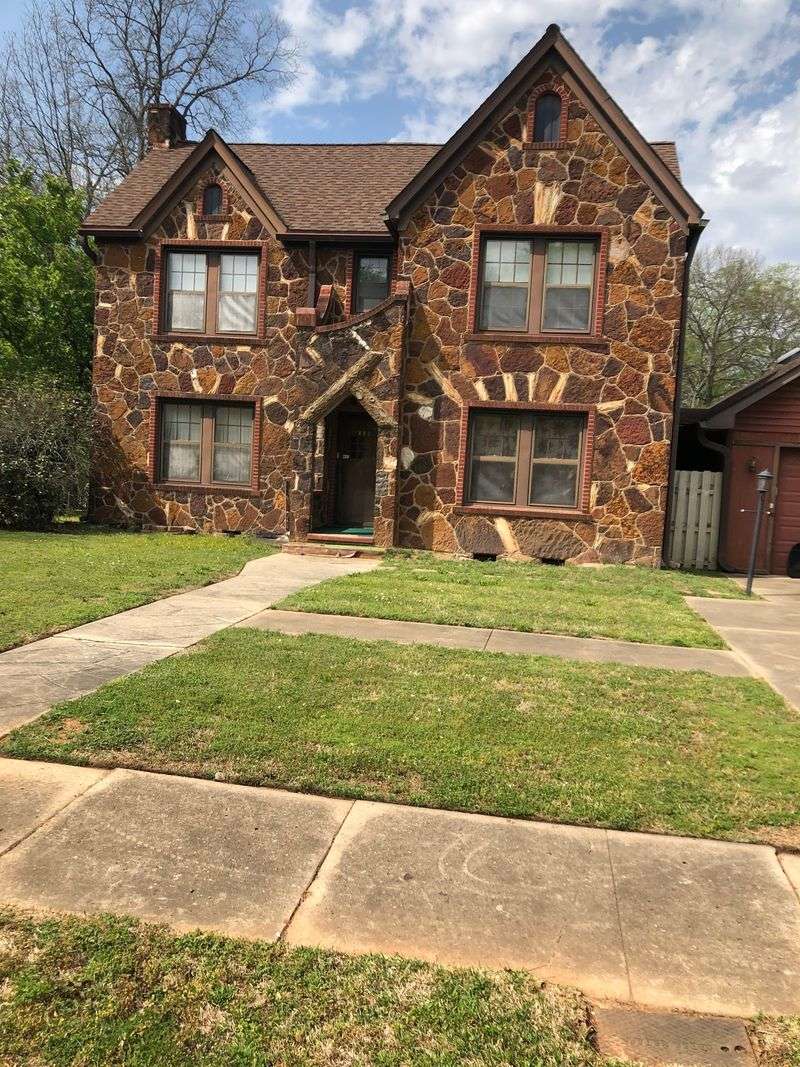
Wander through certain Marshall neighborhoods and you’ll notice something interesting about the houses. Blocks of similar-sized homes, built around the same time, often located within walking distance of the old rail yards. These aren’t random developments, they’re purpose-built communities created specifically for railroad workers and their families during Marshall’s peak railroad years.
These neighborhoods tell a story that museum exhibits can’t quite capture. The modest but well-built homes reflect the solid middle-class living that railroad jobs provided. Many feature front porches where workers would gather after long shifts, small yards perfect for family gardens, and layouts designed for the large families common in that era.
Some streets still bear names connected to railroad history, subtle reminders of the community’s roots.
What’s remarkable is how many of these homes remain occupied and loved by current residents who take pride in their neighborhood’s heritage. Walking these streets, you’re literally following the same paths that conductors, engineers, track maintenance crews, and depot workers took to and from their jobs over a century ago. The physical layout of these communities reveals how the railroad didn’t just provide employment, it shaped the entire social geography of Marshall, creating tight-knit neighborhoods where railroad families lived, worked, and built lasting community bonds.
6. Original Railroad Right-of-Way Trails
Some of Marshall’s old railroad corridors have found new life as walking and biking trails, but these aren’t just recreational paths. They’re linear history lessons where you can literally follow the routes that trains once traveled. As you walk along these former rights-of-way, you’ll spot remnants of the railroad past: old grade crossings, weathered mile markers, and spots where spur lines once branched off to serve local industries.
These trails offer a unique perspective on how railroads shaped the physical landscape of Marshall. You’ll notice how the routes were engineered to minimize steep grades, how they curved around natural obstacles, and how they connected different parts of town in ways that still influence traffic patterns today. Interpretive signs along some sections explain what you’re seeing, pointing out where water towers once stood or where freight platforms served local businesses.
For history buffs, walking these corridors is like reading the landscape itself. You can identify where warehouses clustered near the tracks, see how certain neighborhoods developed only after rail access arrived, and understand why Marshall’s downtown sits exactly where it does. The trails preserve not just the physical space the railroads occupied, but the logic behind how those routes connected Marshall to the wider world, making the town a vital link in Texas commerce and transportation.
7. Railroad-Era Commercial District Architecture
Marshall’s downtown looks nothing like newer Texas towns built around highways and strip malls. Instead, you’ll find block after block of substantial brick buildings, ornate storefronts, and solid construction that speaks to serious money flowing through town during the railroad era. These weren’t thrown up quickly, they were built to last by merchants and businessmen who believed Marshall’s railroad connections guaranteed long-term prosperity.
Each building tells part of the story. The banks are particularly impressive, with their heavy stone facades and architectural details designed to project stability and permanence. Wholesale houses that once distributed goods arriving by rail still stand, their large loading docks now repurposed but still visible.
Even the smaller retail buildings feature quality craftsmanship rarely seen in structures of that scale, because railroad wealth meant local builders could afford to do things right.
What you’re seeing is the physical manifestation of how railroads created economic ecosystems. Merchants set up shop in Marshall because trains could bring inventory from eastern manufacturers and carry Texas products to distant markets. The architectural ambition visible in these buildings reflects genuine confidence that Marshall would continue growing as a railroad hub.
While some structures now house different businesses or stand empty, together they form a remarkably intact example of a railroad-era commercial district, preserved almost by accident because Marshall never boomed quite enough to tear everything down and rebuild.
8. Marshall’s Role in Transcontinental Railroad Development
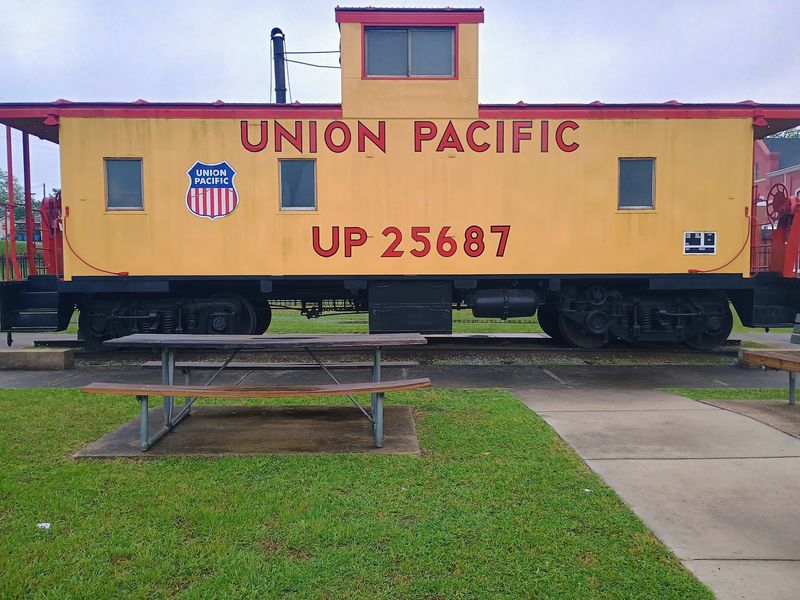
Here’s something that surprises most visitors: Marshall wasn’t just a local railroad town, it played a genuine role in connecting America coast to coast. When the Texas and Pacific Railway pushed westward from Marshall in the 1870s and 1880s, this small East Texas city served as a critical staging point for one of the transcontinental routes that would eventually link the Gulf Coast to the Pacific Ocean. That’s not small-town boosterism, that’s documented history.
The scale of this undertaking is hard to grasp today. Marshall became a major supply depot and organizational center for the massive construction effort pushing rails across hundreds of miles of Texas prairie and desert. Workers, materials, and equipment flowed through town in staggering quantities.
Local businesses boomed supplying the railroad crews, and Marshall’s population swelled with people drawn by construction jobs and the promise of prosperity that transcontinental connections would bring.
Understanding this bigger picture helps explain why Marshall invested so heavily in railroad infrastructure and why so much of that infrastructure survives today. The town wasn’t just serving local needs, it was part of a nation-building project that reshaped America. Museums and historical markers throughout Marshall reference this transcontinental connection, helping visitors appreciate that this small Texas town genuinely mattered to one of the most important technological and economic developments in American history.
That legacy deserves preservation, and Marshall has done the work to make sure it isn’t forgotten.