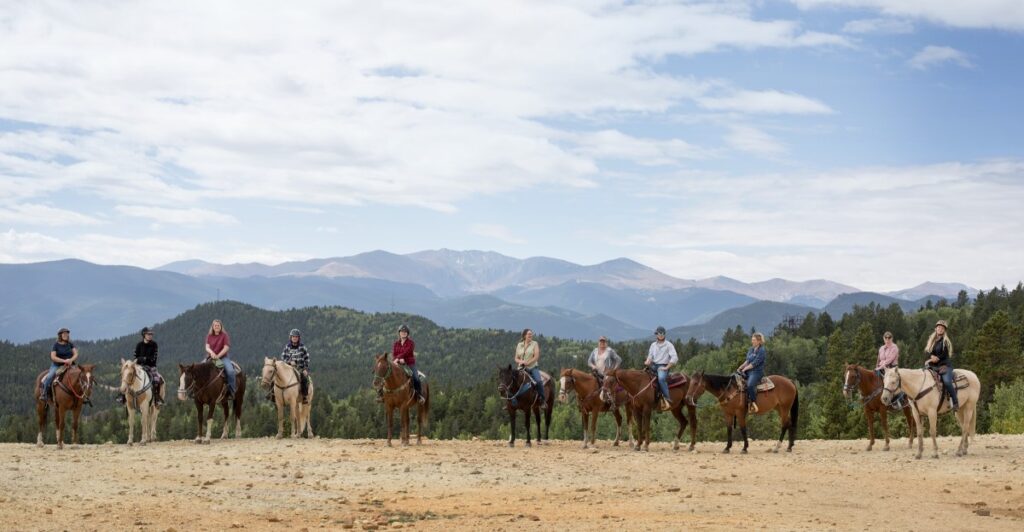
Climbing into the saddle above Central City puts Colorado’s mining past much closer than any glass museum case. A & A Historical Horseback Riding leads riders through rugged mountain country where remnants of the region’s prospecting days add a dose of history to the sweeping scenery.
Along the way, old mining features and stories help connect the landscape to the people who once searched these hills for fortune. The horses provide a fittingly old-fashioned way to experience it all while soaking up the views at trail pace. For anyone craving a Colorado adventure with some Gold Rush character, this ride delivers history one hoofbeat at a time.
Old Mining Trails With Real Colorado Texture
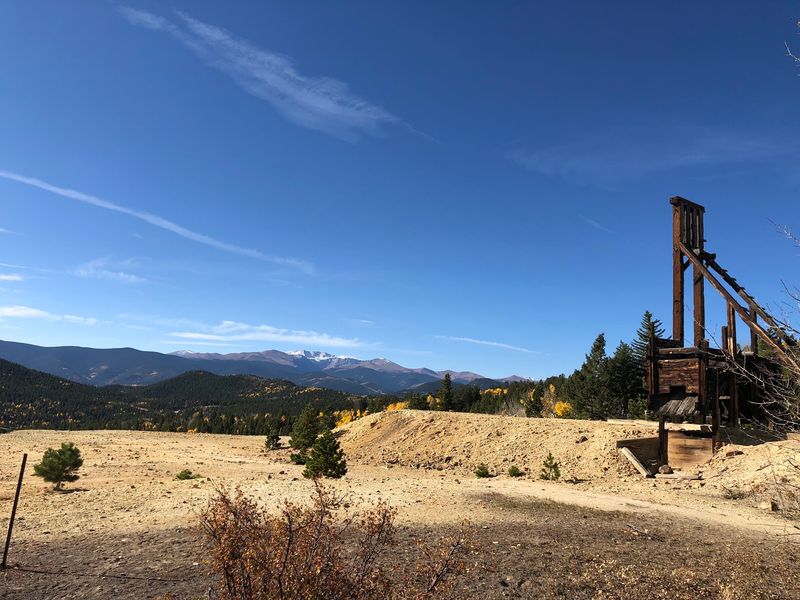
Dust, pine, and weathered timber set the tone before the ride even settles into its rhythm. At A & A Historical Horseback Riding, the trail is more than a path through the hills.
It carries riders across ground shaped by Colorado mining days, where old routes and scattered remains give the outing a stronger sense of place than a standard scenic loop.
As horses move uphill, the setting shifts from open mountain views to pockets of rough historic detail. Riders may pass mining remnants, old structures, and traces of the area’s hardworking past tucked into the landscape.
Those details matter because they turn the ride into a moving history lesson without making it feel stiff or classroom-like.
Instead of reading a sign and walking away, you see how the mountains held both beauty and labor. The roads and trails around Central City were built for movement, work, and survival long before they became recreation routes.
On horseback, that older purpose becomes easier to picture, especially when the trail bends around rocky grades and climbs toward overlooks.
The pace helps, too. A horse ride naturally slows the day down, giving riders time to notice timber frames, uneven slopes, and the shape of old cuts in the hillsides.
That slower travel suits the story of the place. Mining history was never neat, and the land still shows that. For anyone drawn to Colorado’s Gold Rush past, this is the strong hook. A & A does not just offer a mountain ride with a few facts added on top.
The historic trail itself is part of the experience, and that gives the whole outing a more vivid, prospector-style edge.
Horses That Keep The Ride Calm And Enjoyable
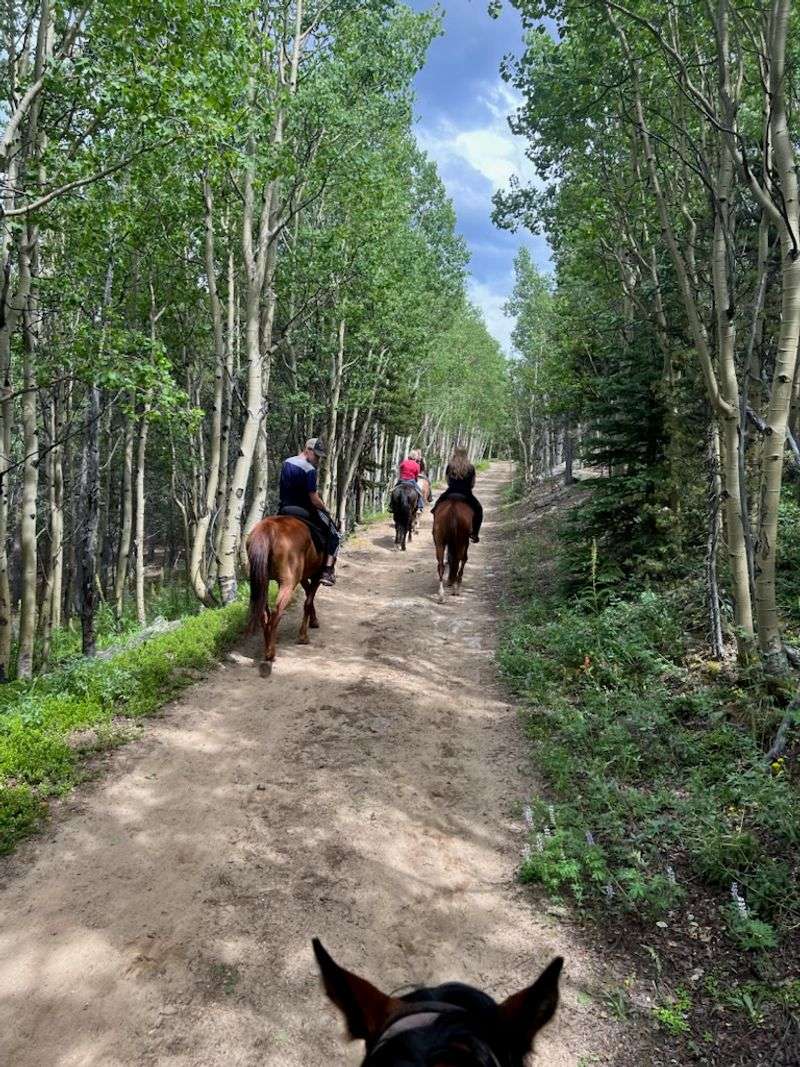
Nervous first-timers do not need to fake confidence here. A big reason A & A Historical Horseback Riding works so well is the steady nature of the horses used on the trails.
The riding experience is built around animals that know the route, respond well, and let beginners focus on the mountains instead of worrying through every step.
That changes the whole mood of the outing. When a horse is calm and sure-footed, riders can relax their shoulders, listen to the guide, and actually look around.
Mountain views, old mining sites, and forested hills become easier to enjoy when the ride does not feel like a test of skill.
Families, older adults, and people with little or no riding background often look for exactly that kind of setup. A & A has a reputation for matching riders with suitable horses, which is a practical detail that matters more than fancy extras.
A smart horse-and-rider match helps everyone feel more comfortable from the start. The terrain around Central City also makes that trust important.
Trails in mining country can include grades, turns, and uneven ground, so a horse that handles the route with experience can make the ride feel smoother and more approachable.
Riders are able to settle into the saddle and follow the group at a natural pace instead of feeling tense. For beginners, the best move is simple. Wear comfortable long pants, listen closely during the safety talk, and let the horse do its job.
There is no need to overcorrect or grip too hard. At A & A, the horses are one of the strongest parts of the outing, and their steady trail sense helps turn a historic mountain ride into something welcoming instead of intimidating.
Mountain Overlooks Above Central City, Colorado
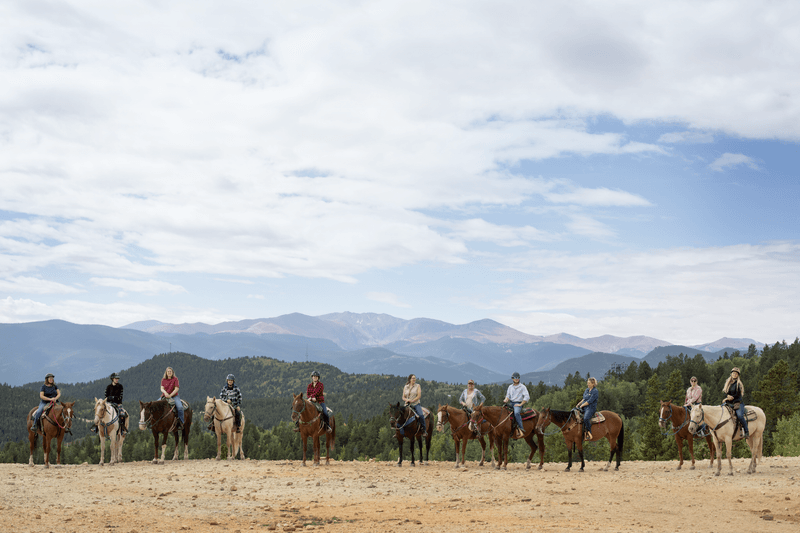
Then the trees open, and the ride suddenly goes wide. One of the biggest rewards at A & A Historical Horseback Riding is the view from higher ground, where Central City’s mountain country stretches out in layers of ridges, timber, and sky.
The climb gives the outing a real sense of buildup, so the overlooks feel earned rather than handed over at the parking lot.
These panoramic spots do more than provide a nice photo stop. They help riders understand the steep, folded landscape that shaped the mining history below.
Looking across the slopes, it becomes easier to imagine why routes were carved where they were and how isolated these hills once felt.
The scenery changes with the season, which gives repeat visits extra appeal. Summer brings strong greens and bright light across the ridgelines, while fall can light up the area with yellow aspens and deeper contrast against the evergreens.
Even on a simple one-hour ride, that high-country view can become the moment everyone talks about on the drive back down.
A practical tip makes the stop even better. Keep a phone or small camera easy to reach, but secured well before mounting.
Good viewpoints can arrive after a steady climb, and it helps to be ready without fumbling through pockets while balancing in the saddle.
Riders who want the fullest visual payoff should consider morning or early-day timing, when light is often cleaner and the mountains look crisp. The best part is that the overlook is tied to the journey, not separated from it.
At A & A, you do not drive to a scenic turnout and step out for two minutes. You ride into the view, and that makes the landscape hit harder.
Guides Who Add Stories, Safety, And Local Context
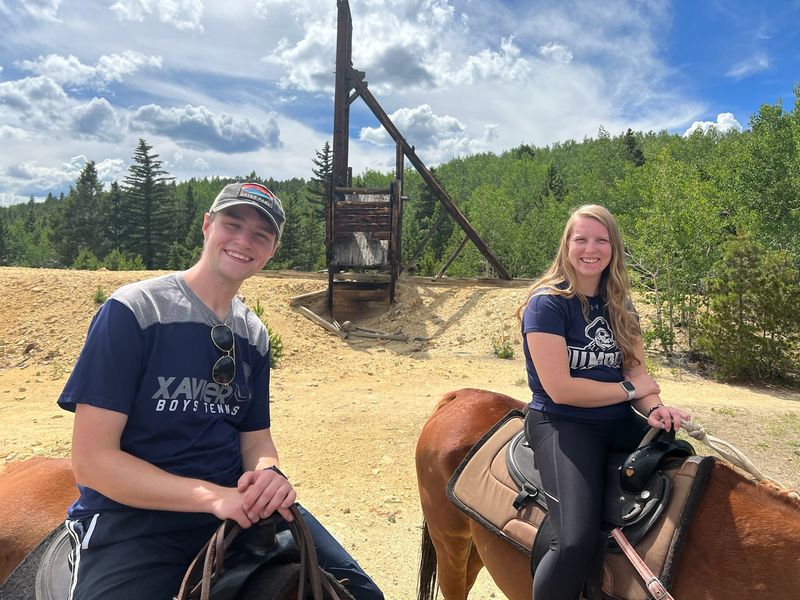
A trail ride gets much better when the person leading it knows more than the route. At A & A Historical Horseback Riding, guides help connect the ride’s different parts, from basic horse handling to local mining history to the best moments for stopping and taking in the view.
That combination gives the outing shape and keeps it from feeling like a silent line of horses heading up a hill. Clear instruction matters most at the beginning.
New riders usually need simple, calm guidance on mounting, posture, reins, and how to stay relaxed in the saddle. When that information is delivered in an easygoing way, the group settles faster, and the ride starts with less tension.
Once the horses are moving well, the guide’s local knowledge begins to stand out. Historical notes about old mining areas, structures, and trails give the landscape a storyline.
Instead of seeing random remains in the woods, riders understand that the area around Central City once ran on hard labor, extracted ore, and mountain travel.
Good guides also read the group. Some riders want history details. Others mostly want reassurance, photo help, or a little space to enjoy the scenery. A balanced guide can do all of that without making the ride feel over-scripted.
That skill is especially useful on mixed rides where one person may be highly confident and another is still getting used to the movement of the horse.
For families and beginners, this human element is one of the strongest reasons to choose A & A. Horses and scenery matter, but the guide shapes how people experience both.
A well-timed tip, a short story about the trail, or a pause at the right overlook can turn a pleasant ride into a richer Colorado outing with a stronger sense of place.
A Laid-Back Stable With A Little Extra Charm
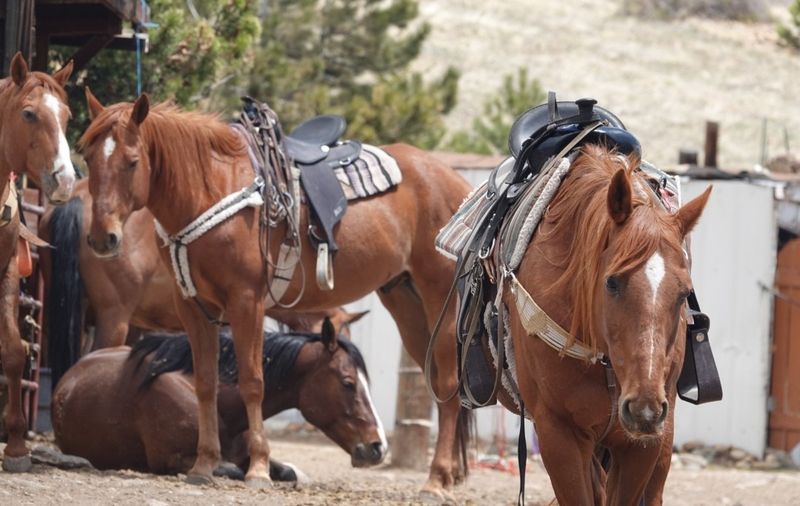
Not every memorable detail on a horseback outing comes from the trail itself. At A & A Historical Horseback Riding, the stable setting adds a casual, friendly energy that helps people settle in before the ride starts.
The place is a horse operation first, but it also has a warm, lived-in ranch character that softens first-day nerves. One small feature gets noticed quickly: the dogs.
Their presence around the stable and, at times, along the ride adds a playful side to the experience without stealing attention from the horses.
It is the kind of detail that makes the place feel active and personal rather than polished into something overly staged.
That relaxed atmosphere matters more than it might seem. Many beginners show up unsure about mounting, balance, or how the horses will react.
A setting that feels welcoming instead of formal can make those worries shrink before the group ever leaves the corral. Friendly staff, visible animal care, and a calm pre-ride routine all help create that effect.
There is also a practical side to the stable experience. Arriving a little early gives riders time to check in, use the restroom if needed, adjust helmets or gear, and get comfortable around the horses.
Rushing into a trail ride is rarely fun, especially at altitude, where even simple tasks can feel more tiring if you are flustered.
A & A’s stable personality suits the location. Central City has old mountain-town history, and the ranch atmosphere fits naturally with that setting.
Nothing needs to be overexplained. You arrive, hear horses shifting in place, catch the mountain air, and see animals that look ready for the trail. Before the ride even begins, the place has already started telling you what kind of day it plans to be.
Choosing The Right Ride Length For Your Day
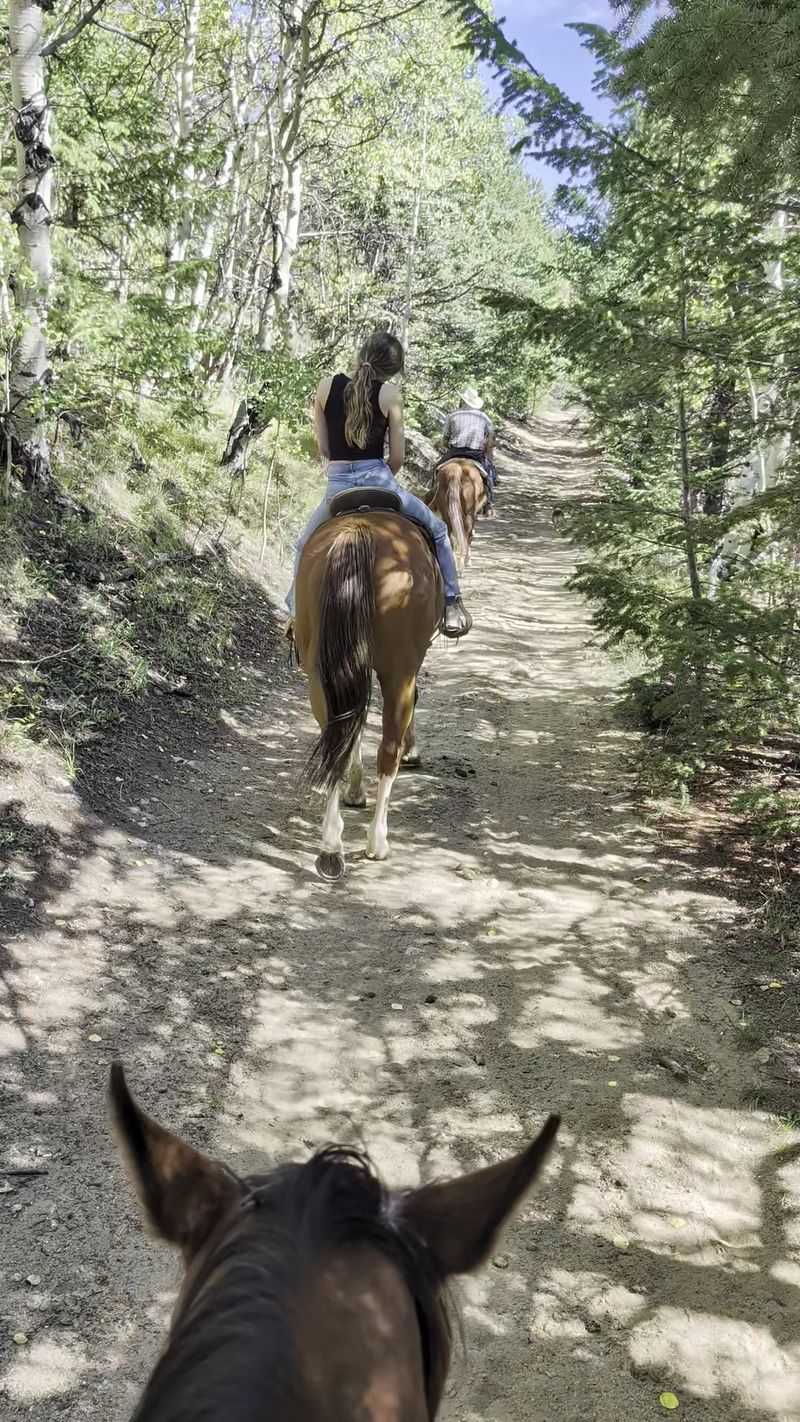
Picking the right ride length can shape the whole day more than people expect. At A & A Historical Horseback Riding, shorter and longer outings appeal to different kinds of travelers, and choosing well can mean the difference between finishing happy and finishing sore.
The key is to match the ride to experience level, group age range, and how much mountain time sounds fun before it starts to feel like work.
For many beginners, an hour on horseback is a smart introduction. It gives enough time to learn the rhythm of the horse, enjoy the views, and experience the old mining trail setting without overdoing it.
Families with younger children or riders who are still unsure in the saddle may find that this length keeps the outing exciting from start to finish.
Longer rides can offer a fuller sense of the terrain and more time to settle into the route. Once the body adjusts, horseback riding can become surprisingly peaceful, especially in a mountain setting where the scenery keeps changing.
Riders who already know they enjoy being in the saddle may appreciate the extra time for overlooks and historic details.
Comfort should guide the decision. Long pants, closed-toe shoes, sunscreen, and a light layer are useful in this high-country area, where sunshine can be strong and weather can shift.
It also helps to be realistic about fitness and flexibility. Even a calm horse ride works muscles that many people do not use every day.
A good rule is simple. If the group includes several first-timers, younger kids, or anyone worried about the ride, choose the shorter option and leave wanting more.
If everyone is comfortable outdoors and ready for a deeper look at the Central City trails, a longer ride can provide a broader slice of the mountain landscape.
Why The Prospector Fantasy Actually Works Here
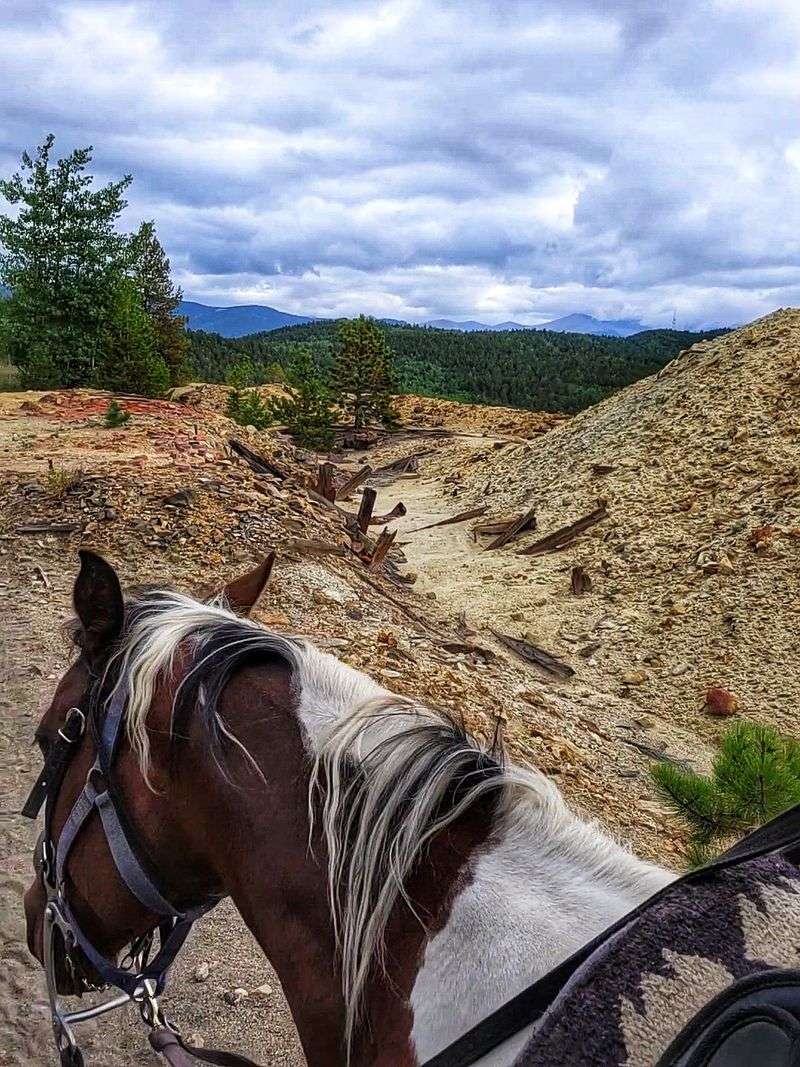
Some travel titles promise an old-time adventure and then deliver a basic activity with a themed name. A & A Historical Horseback Riding comes closer than most to making the prospector idea actually click.
The reason is simple: the setting, the route, and the pace all support the story instead of forcing it. Central City is not a random backdrop dressed up with mining talk. This part of Colorado carries real ties to mountain extraction history, and the trails reflect that past in visible ways.
When riders move past old mining features and up through rugged terrain, the experience has a believable connection to the region’s older working landscape.
Horseback travel helps sell that connection. A car would rush the details, and a short walk would cover too little ground.
Riding puts people in a middle space where they can travel through the hills at a measured speed, notice the route underfoot, and imagine how movement through these mountains once felt before modern roads changed everything.
There is also a strong contrast that makes the ride interesting. Prospectors worked under pressure, chasing ore through difficult country.
Modern riders get to absorb those same mountain contours in a calmer, safer way, with trained horses and knowledgeable guidance. The old setting stays present, but the experience is accessible enough for newcomers.
That balance is why the outing stands out. It is scenic, yes, but the scenery comes with context. It is historical, but not trapped behind glass. And it is adventurous without demanding expert riding skills.
For travelers near Central City who want a Colorado activity with more personality than a standard trail loop, A & A offers a ride where the local past is not decoration. It is built into the trail itself, hoofprint by hoofprint.