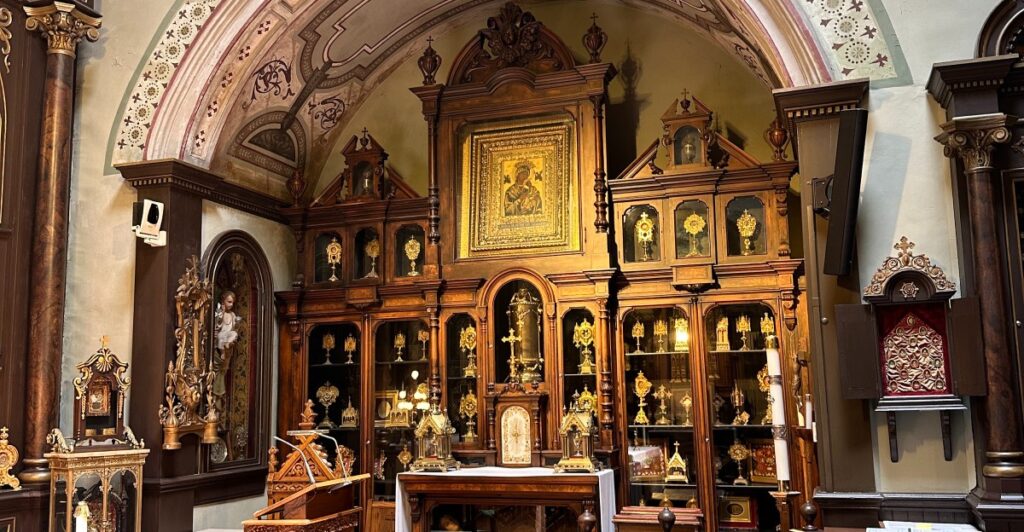
Saint Anthony Chapel in Pittsburgh looks quiet from the outside, but inside it holds one of the most amazing religious collections in the world. Located in the Troy Hill neighborhood, this Catholic chapel is known for thousands of relics, beautiful art, and a powerful story of faith. Visitors come to pray, learn, and see objects connected to Christian history, making the chapel feel both peaceful and fascinating.
The collection and the carefully preserved interior give visitors a chance to experience a place that is very different from the city’s more familiar attractions. Whether you visit for religious reasons, historical interest, or simple curiosity, the chapel offers a quiet opportunity to slow down and reflect. If you enjoy hidden places with deep meaning, this chapel is a memorable stop.
1. A Relic Collection Nearly Beyond Belief
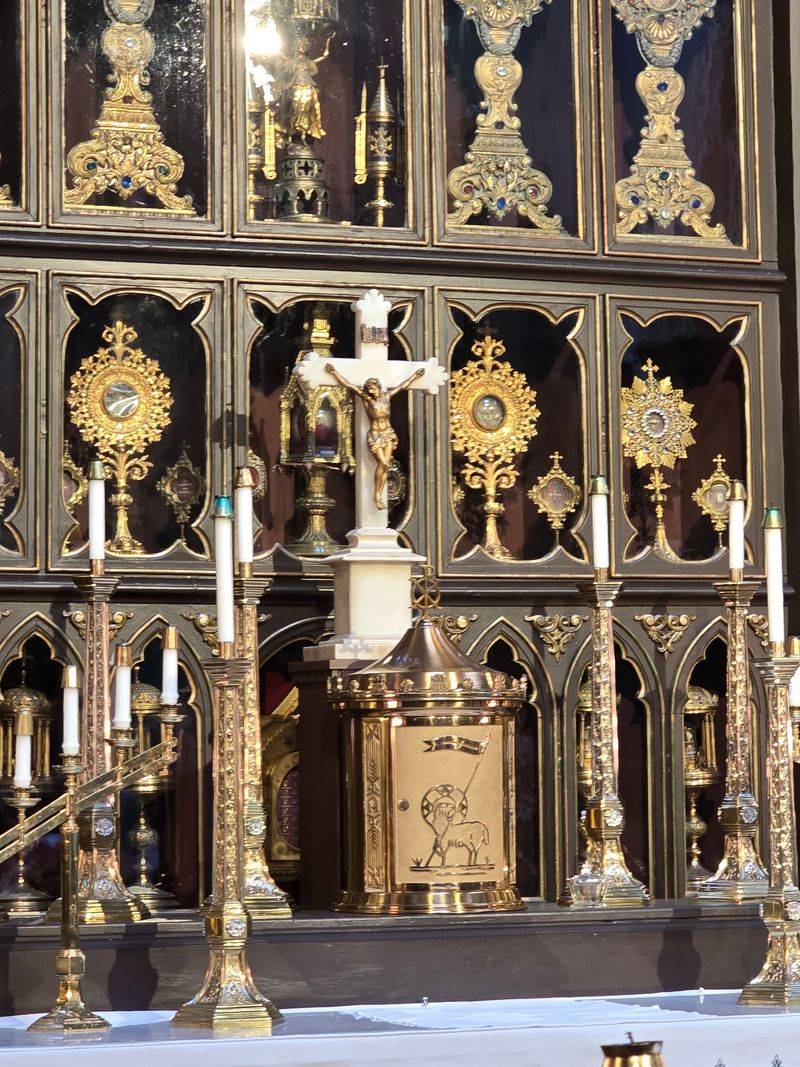
More than 4,000 religious relics make Saint Anthony Chapel feel like a small treasure house tucked into Pittsburgh.
Many visitors are surprised to learn that its collection is often described as the largest outside the Vatican, which gives this quiet chapel worldwide importance.
The relics are displayed in cases around the chapel, and they include items connected to saints, apostles, and major moments in Christian tradition.
Some guests come with deep faith, while others visit because they love history or unusual museums.
Plan to move slowly, because there is a lot to see in a small space.
A catalog may help, but asking a docent is often the best way to understand what you are viewing.
Keep your voice low, since people may be praying nearby.
Whether you believe, wonder, or simply want to learn, the collection leaves a strong impression.
2. Father Mollinger’s Remarkable Mission
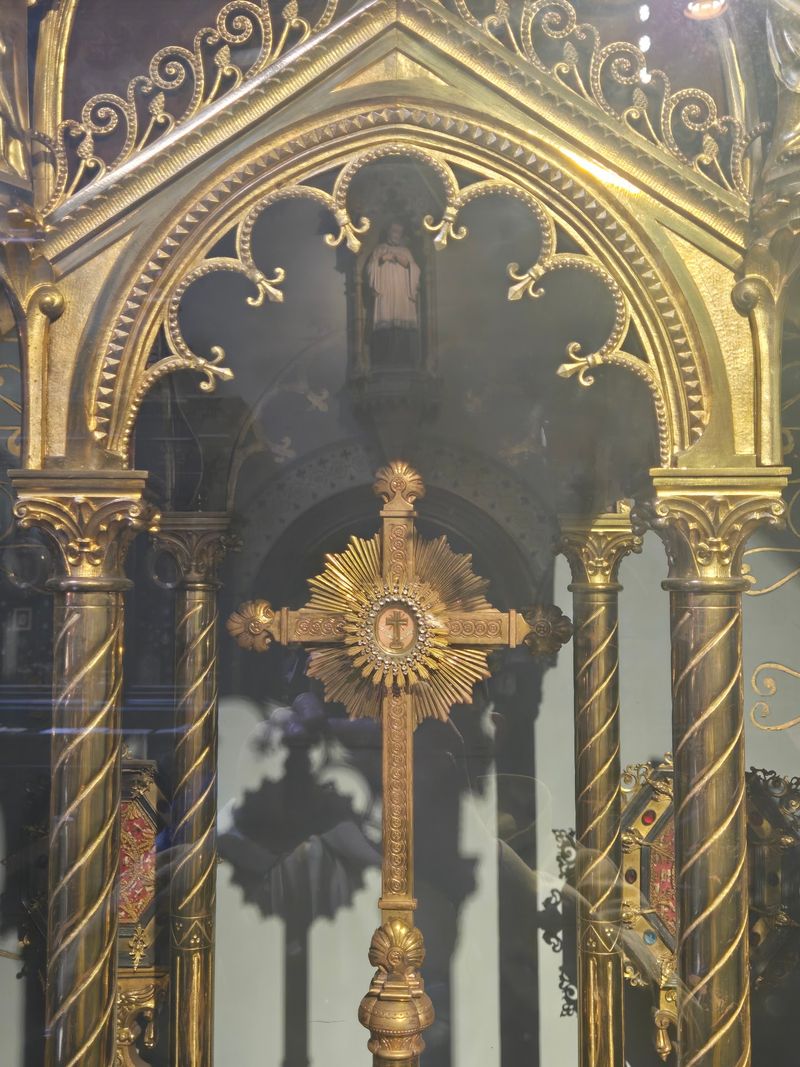
Behind the chapel’s famous collection stands Father Suitbert Mollinger, a priest with a bold idea and the will to make it real.
In the late 1800s, he used his own family money to gather and protect sacred relics during a time when Europe faced political change and unrest.
His work was not just collecting for display.
He wanted these items to be safe, honored, and available to people who came seeking prayer, comfort, or a closer connection to the saints.
Knowing his story makes the chapel feel more personal.
Visitors are not only seeing glass cases filled with old objects.
They are seeing the result of one man’s lifelong effort.
Built in the Troy Hill neighborhood, the chapel still carries his dream today.
Before you go, read a little about him so the visit feels richer and easier to understand.
3. Life-Sized Stations That Stop Visitors In Their Tracks
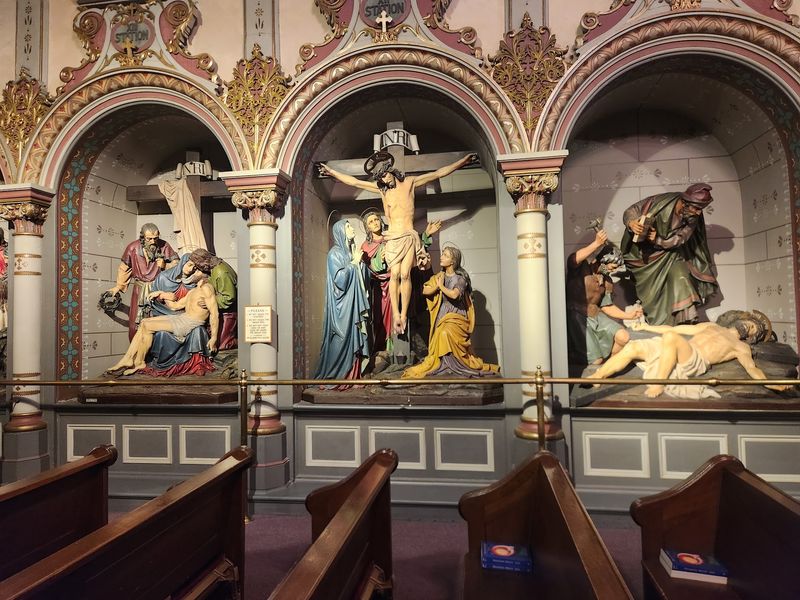
Around the chapel, the life-sized Stations of the Cross bring the story of Jesus’ final hours into a space visitors can almost step inside.
These carved wooden scenes are large, detailed, and deeply emotional, which is why many guests mention them long after leaving.
The figures show sorrow, movement, and care in a way that feels different from smaller wall plaques seen in many churches.
Even children can understand the story because the scenes are clear and human.
Give yourself time at each station instead of rushing from one to the next.
Notice faces, hands, clothing folds, and the way each scene is arranged.
For people of faith, the stations can support prayer.
For art lovers, they show careful craftsmanship.
For first-time visitors, they help explain why Saint Anthony Chapel is more than a relic room.
It is also a place of strong visual storytelling.
4. Relics Of Saints And Apostles
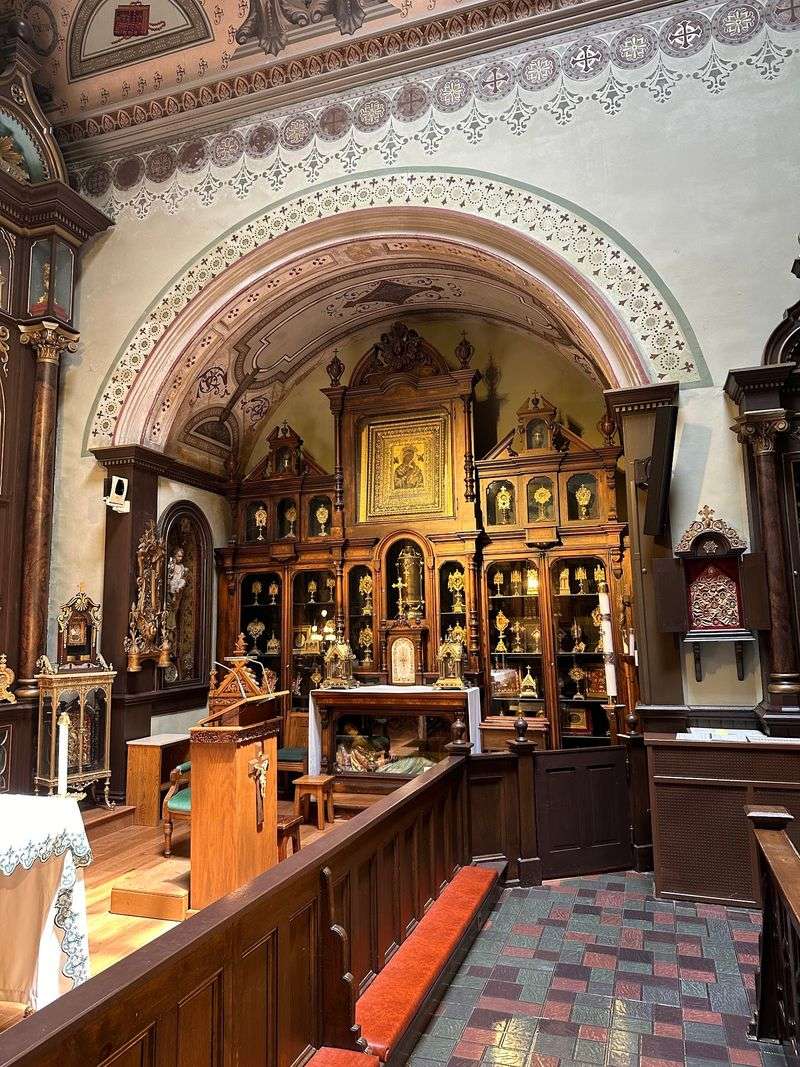
Names that usually appear in Bible lessons or church calendars feel close at Saint Anthony Chapel.
The collection is known for relics tied to many saints, and visitors often mention that there are relics connected with each of the twelve apostles.
For Catholics, relics are not magic objects.
They are reminders of holy people who lived with courage, service, and faith.
Seeing so many together can feel like walking through a family album of Christian history.
If you visit with young people, try choosing a few saints to look up before or after the trip.
That simple step turns the chapel into a learning adventure instead of a confusing room full of names.
Adults can do the same.
Pick one saint, learn their story, and then look for their relic.
The experience becomes more meaningful when a name turns into a real person with a life worth remembering.
5. A Quiet Troy Hill Setting With Easy Access
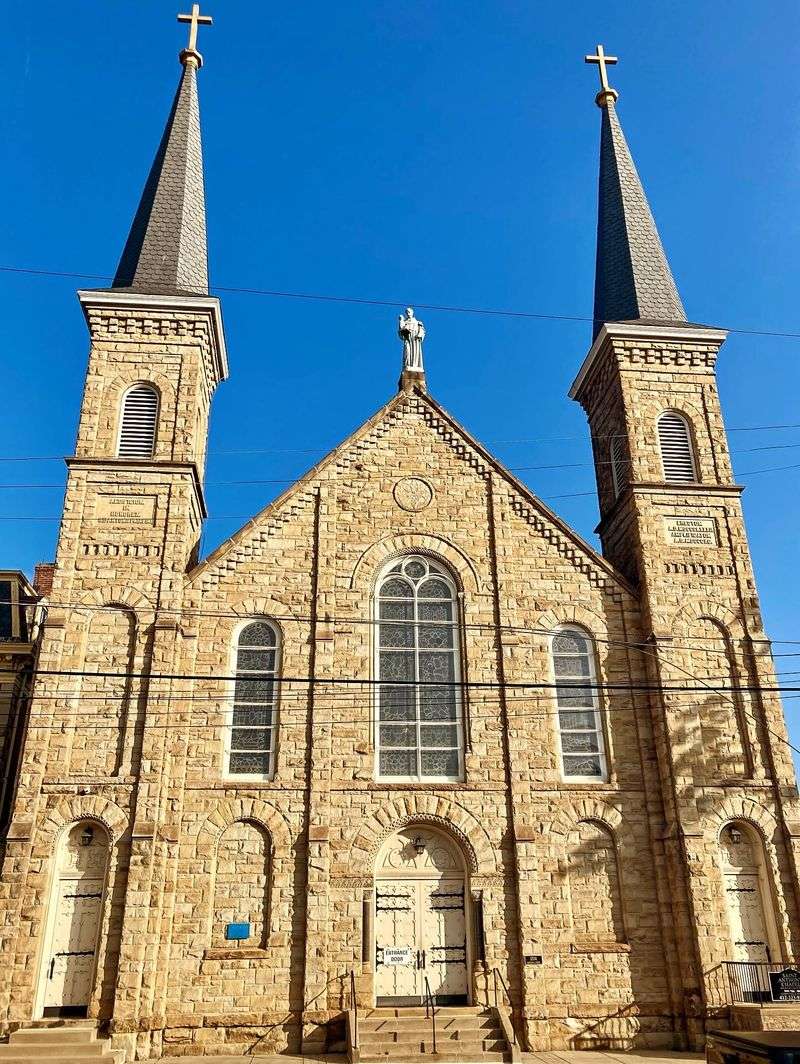
Perched in Pittsburgh’s Troy Hill neighborhood, Saint Anthony Chapel feels like a secret hiding in plain sight.
The address is 1704 Harpster Street, and many visitors say the trip is worth it even if the chapel is not on the city’s busiest tourist path.
Parking is often described as easy and free nearby, which helps families, older visitors, and anyone who does not want a stressful arrival.
The chapel is small enough to feel personal, yet full enough to reward a careful visit.
Hours can be limited, commonly around noon to 3 PM on several days, so check the official website or call before going.
Volunteers help keep the chapel open, and schedules may change.
Arriving early in the open window gives you time to pray, look around, speak with docents, and cross the street to the gift shop and small museum.
6. Historic Art That Rewards A Slow Look
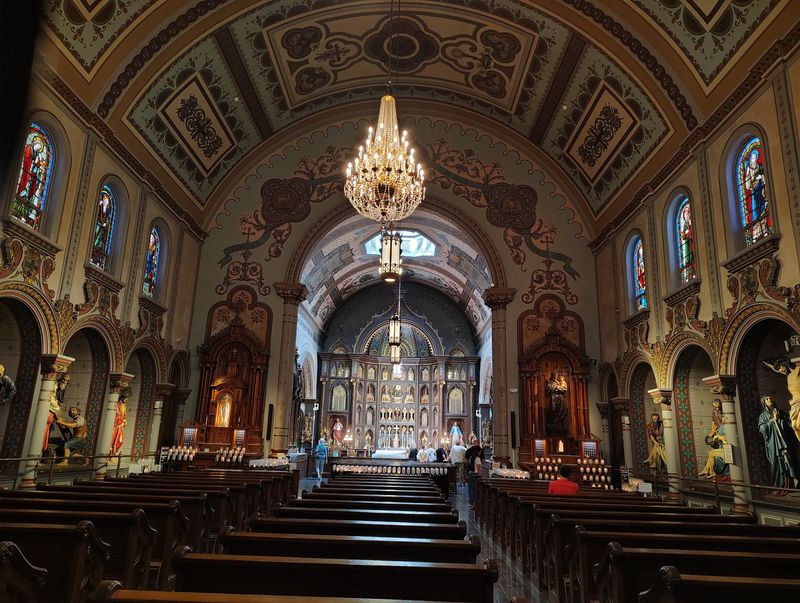
Color, carving, statues, and sacred symbols fill Saint Anthony Chapel with more than famous relics.
The building itself dates to the 1880s, and its interior shows the kind of care and detail that makes older churches feel special.
Look up, look sideways, and take in the smaller features around the altar and walls.
The chapel’s beauty is not loud or flashy.
It works through layers, with artwork, devotional objects, and architecture all sharing the same room.
Visitors who enjoy photography should first check any posted rules and stay respectful.
Even without a camera, try to remember one detail that catches your eye, such as a carved face, a statue, or a pattern near a display case.
That small habit helps you slow down.
In a world full of quick scrolling, the chapel invites people to notice, pause, and appreciate patient craftsmanship.
7. A Gift Shop And Small Museum Across The Street
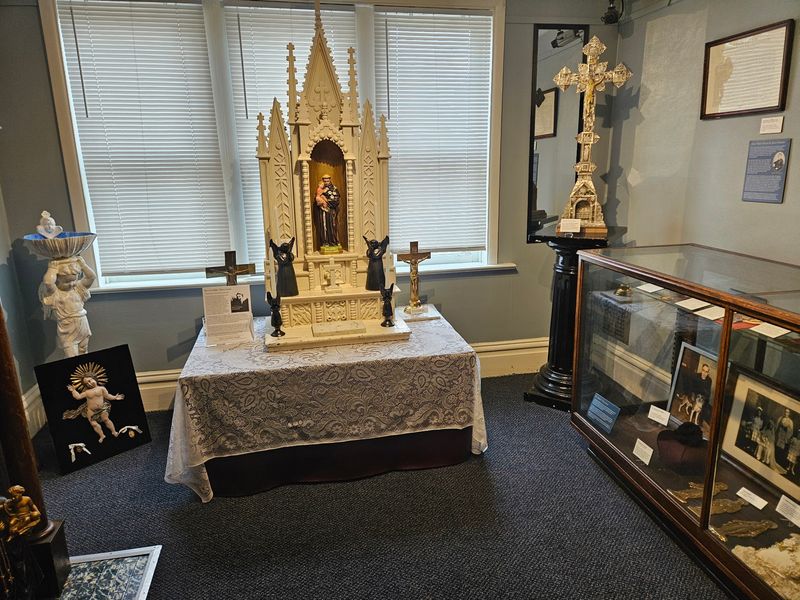
Across the street from the chapel, a small gift shop and museum add another layer to the visit.
Many guests recommend stopping there before or after seeing the relics, especially if you want a keepsake or more background.
The shop often includes religious items such as medals, cards, books, rosaries, and devotional gifts.
For visitors who came to pray for someone, it can be a meaningful place to choose a small reminder.
The museum area helps stretch the experience beyond the chapel itself.
It is also a good spot to ask practical questions, learn about preservation needs, or find out how to support the site.
Bring a little extra time and a few dollars if you like supporting historic places.
Purchases and donations can help maintain a chapel that does not have the same income as a regular parish.
A small stop can do real good.
8. A Sacred Space That Still Feels Alive
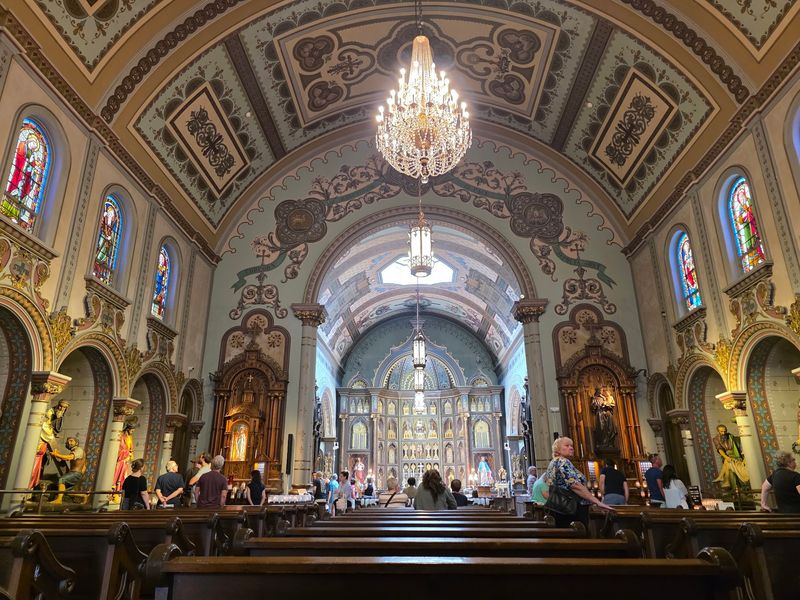
Even with its rare collection, Saint Anthony Chapel is not only a place to look at old things.
People still come here to pray, light candles, attend Mass when offered, and sit quietly in a space that feels set apart from daily noise.
That living spiritual purpose shapes how visitors should behave.
Speak softly, silence your phone, and give space to anyone praying.
Children are welcome, but it helps to explain before entering that the chapel is both historic and holy.
Some guests describe feeling peace as soon as they walk inside.
Others are drawn by art, history, or curiosity.
All of those reasons can fit, as long as the visit is respectful.
Saint Anthony Chapel remains powerful because it connects the past with the present.
Its relics are old, but the care, devotion, and wonder around them are still very much alive.