If you think cat museums are just cute trinkets and fluffy photos, prepare to be surprised. The Feline Historical Museum in Alliance, Ohio packs real history, rare artifacts, and unexpected delights into a charming, quiet space.
You will find trophies, artwork, and a massive research library that make feline culture feel alive and personal. Bring curiosity and an hour or two, because you will want to linger.
1. Where Cat History Comes Alive
Walk into the Feline Historical Museum, and you step into a timeline of whiskers, artistry, and human fascination. Tucked at 260 E Main St in Alliance, this cozy museum rewards curiosity with stories, trophies, and delightful oddities.
You feel the care in every curated shelf, like a friend guiding you through a beloved scrapbook.
Exhibits trace cat shows, art across centuries, and everyday objects that prove our obsession is nothing new. There is a non-lending library with thousands of books, plus a playful nook that keeps kids captivated while grownups browse.
Tickets are inexpensive, parking is easy, and weekdays feel blissfully unhurried, so you can linger and soak it all in. Consider this your purr-friendly detour that actually teaches you something.
2. Cat Show Heritage Gallery
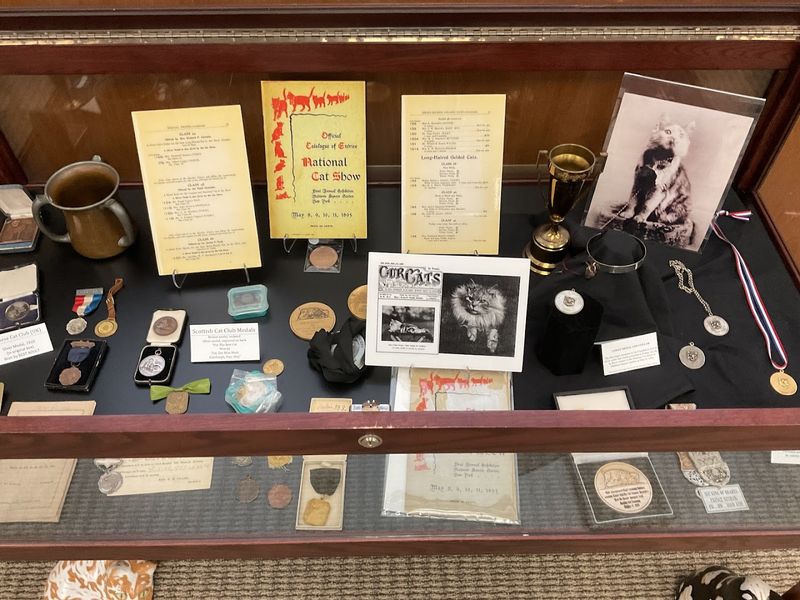
If cat shows sound niche, wait until you see how grand the heritage really is. Gleaming trophies, satin rosettes, and black-and-white portraits celebrate champions and the people who adored them.
You can trace the evolution of standards, grooming tools, and judging culture right there in the cases.
What makes it engaging is how accessible the storytelling feels. Labels explain why a certain pedigree surged, how shows shaped breeding ethics, and where trends began shifting.
Even skeptics find themselves rooting for a long-ago winner with a marvelous ruff. You are not just looking at medals.
You are watching a social scene grow from parlors to international stages, then back to a quiet Ohio room where it all connects.
3. The Maneki-neko Room
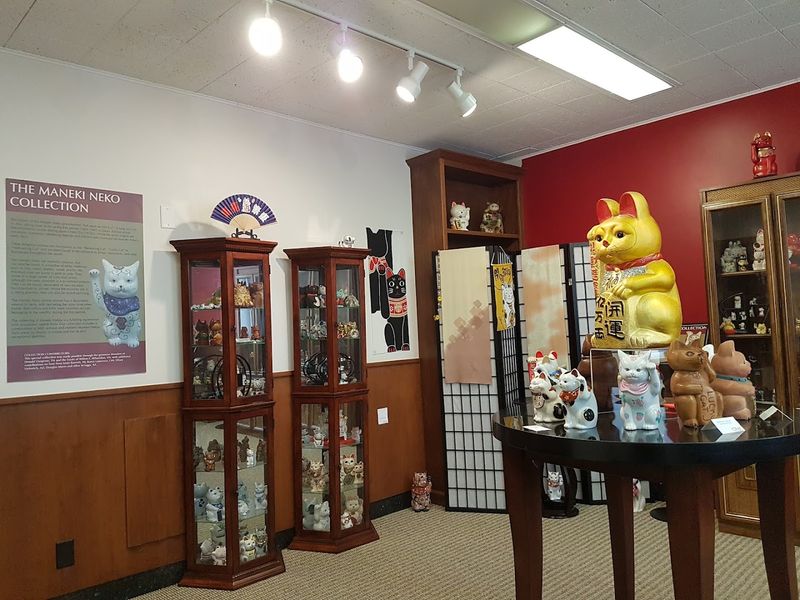
The museum’s maneki-neko collection is like stepping into a chorus of beckoning paws. Rows of lucky cats in porcelain, plastic, and lacquer greet you with raised arms and shimmering coins.
Each one whispers a small story about fortune, trade routes, and how symbols travel farther than we do.
Look closer and details pop. Collars, bells, colors, and paw positions each carry layered meanings that docents are happy to explain.
You learn quickly that kitsch can be cultural shorthand, and that souvenirs can become archives. It feels joyful rather than cluttered.
If you collect anything, you will recognize the thrill of variations that add nuance. By the end, you catch yourself picking a favorite and hoping it rubs off.
4. The Non-Lending Cat Library
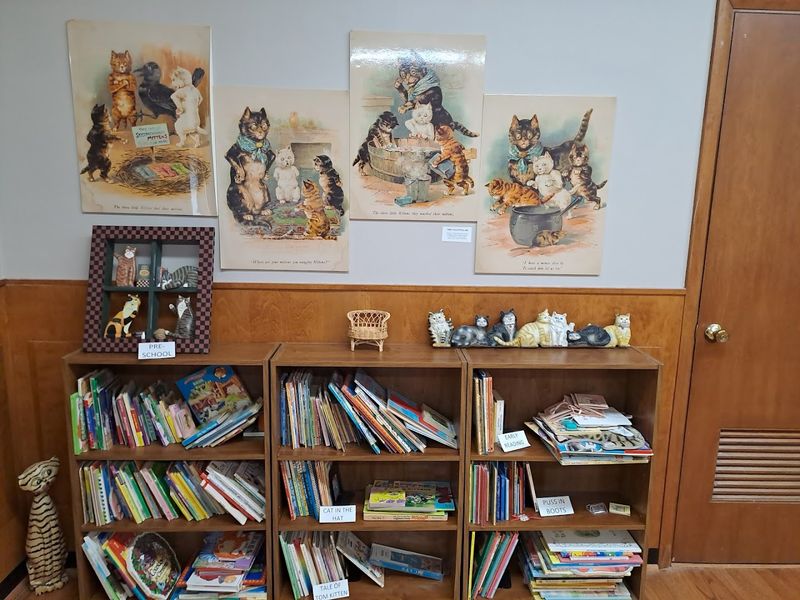
This library is the heartbeat for serious cat readers. Floor-to-ceiling shelves hold breed histories, veterinary references, children’s picture books, folklore, training guides, and rare out-of-print treasures.
You cannot check them out, but you can settle into a chair and let a single topic unravel your afternoon.
Researchers love the depth, and casual visitors are shocked by the breadth. One minute you are flipping a 1960s show catalog, the next you are reading about medieval cat lore.
Staff keep the stacks tidy and approachable, so it never feels intimidating. Bring a notebook.
You will discover something you did not know, whether it is a grooming technique, a myth, or a forgotten illustrator. Honestly, it is worth the trip alone.
5. Architecture and Atmosphere
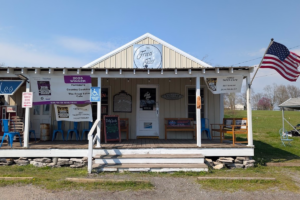
Part of the charm is the building itself. The exterior fits neatly into Alliance’s Main Street rhythm, with brick textures, clear signage, and easy parking close by.
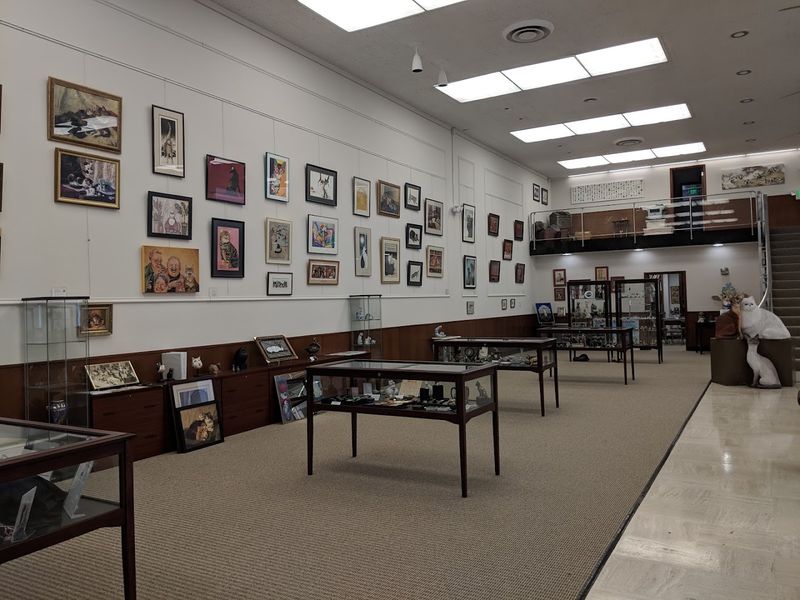
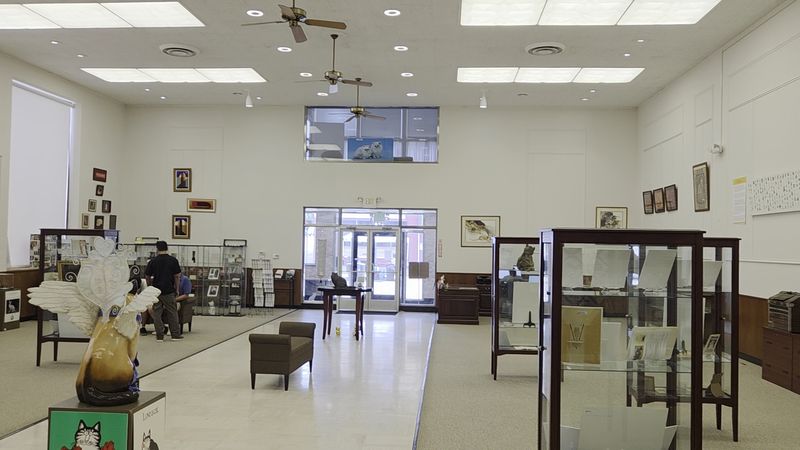
Inside, the rooms feel bright and organized, letting the artifacts breathe without overwhelming first-time visitors.
Weekdays are often quiet, which pairs perfectly with the contemplative exhibits. You notice clean displays, thoughtful sightlines, and tidy labels that gently guide your route.
It is the kind of place where you lower your voice without being told. That calmness helps you focus on details that might otherwise blur.
From trophy engravings to delicate teapots, everything benefits from the museum’s unhurried pace and surprisingly cozy atmosphere that encourages you to stay longer.
6. Family-Friendly Nooks
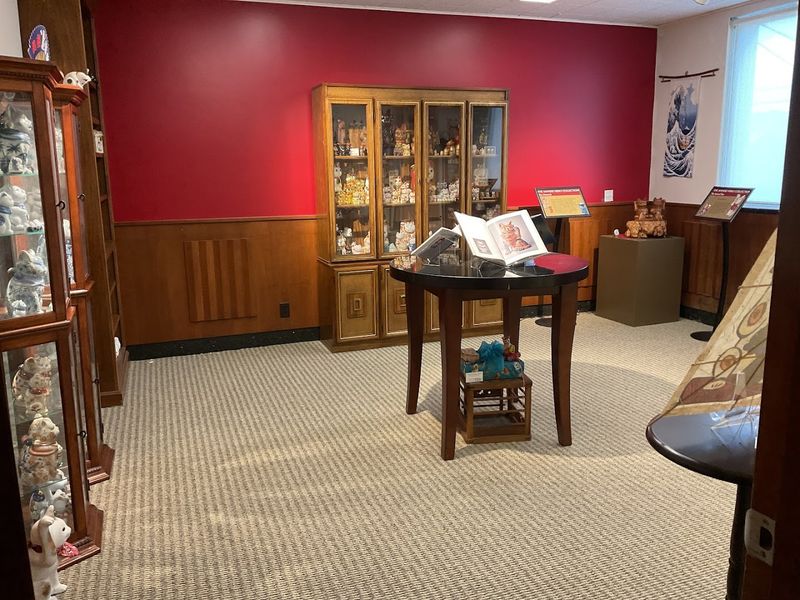
Bringing kids along is totally doable here. The children’s corner gives restless paws a place to play while grownups soak up the exhibits.
Picture coloring pages, picture books, and soft seating that make quick visits feel successful and longer visits manageable.
Because the museum is compact, you are never far from the little ones. That lowers stress and encourages curiosity, letting you point out a funny cookie jar or a vintage poster without losing momentum.
Staff are patient, and the vibe is laid-back, so families feel welcome instead of hurried. If your kid loves cats, the space will feel magical.
If you are the cat person, consider this gentle compromise that keeps everyone happy and learning together.
7. Rare Artifacts and Oddities
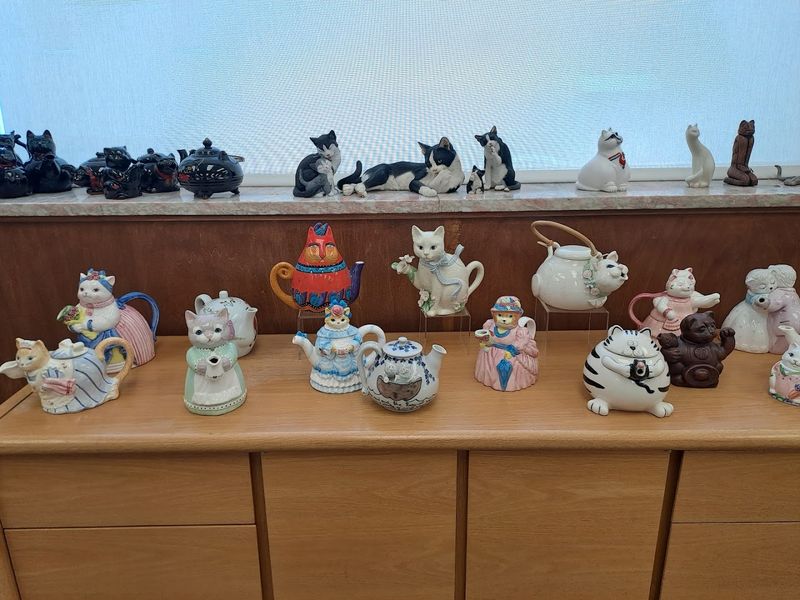
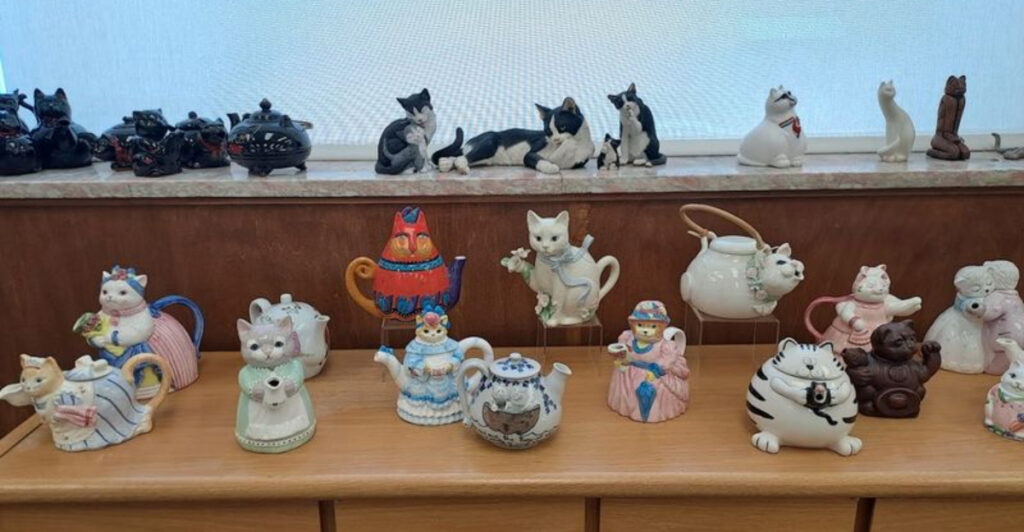
Do not sleep on the quirky stuff. Teapots shaped like mischievous tabbies, midcentury cookie jars, carved figurines, and early 1900s photographs tell stories you will not find on streaming documentaries.
These pieces show how everyday homes turned felines into muses.
Look for unusual design collaborations and prototypes alongside humble souvenirs that became time capsules. The variety keeps you guessing, then smiling.
When a label connects an object to a broader trend, it feels like a lightbulb moment. You realize domestic culture is an archive too.
If you collect anything at home, you will relate to the thrill of a perfect find. Here, those finds are gathered, polished, and ready to share their nine lives with you.
8. Planning Your Visit
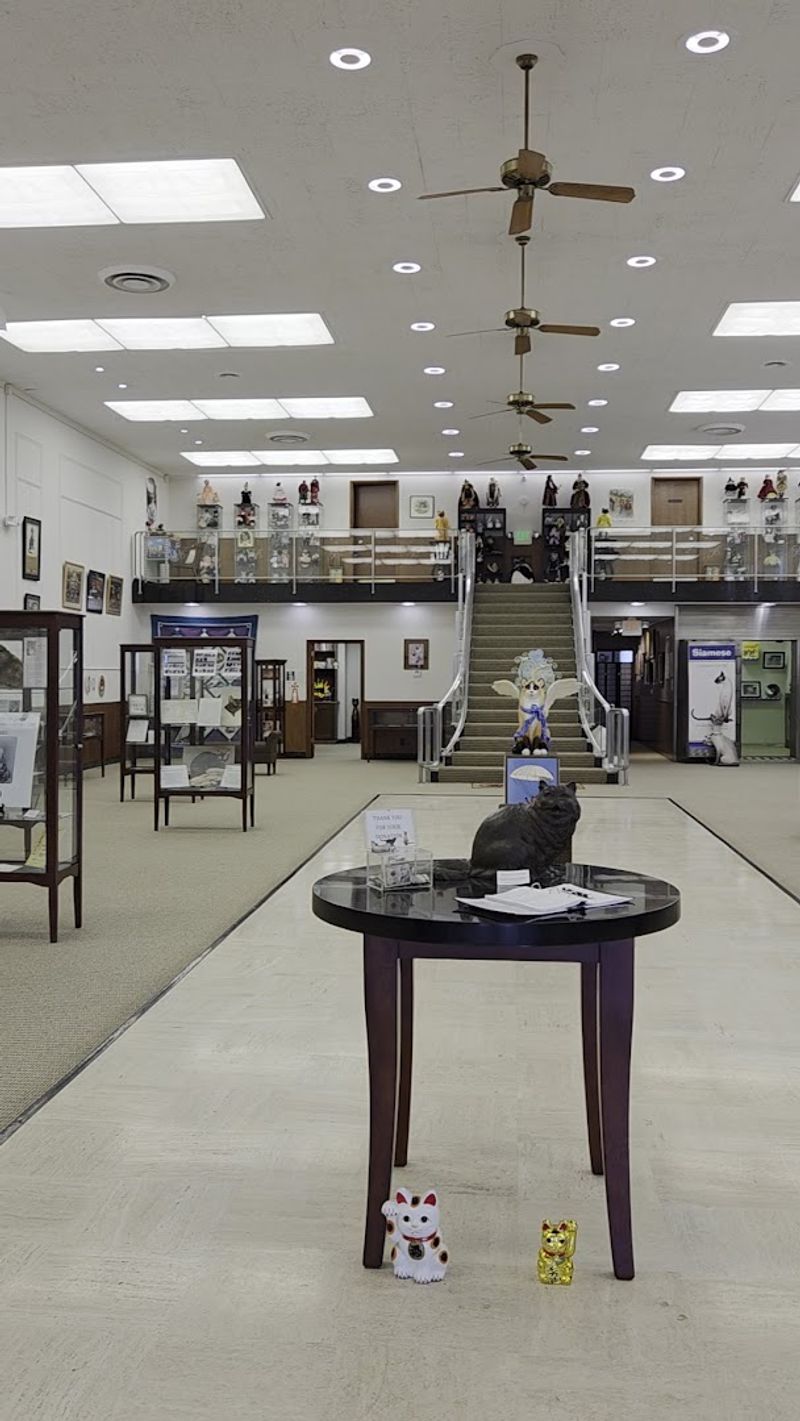
A little planning goes a long way. Check the official website and call ahead for hours, especially if you are visiting during event weekends.
A quick confirmation saves you from disappointment and guarantees plenty of time to explore the galleries and library.
Parking is close, tickets are budget-friendly, and weekdays are pleasantly uncrowded. Bring a camera for detail shots, plus a notebook for book titles you might hunt down later.
If you are road-tripping, pair your stop with coffee nearby to make it a relaxed afternoon. The museum’s size is perfect for a one to two hour visit that feels full but not exhausting.
You will leave satisfied, curious, and maybe a little more cat-obsessed.
9. Conversation and Community
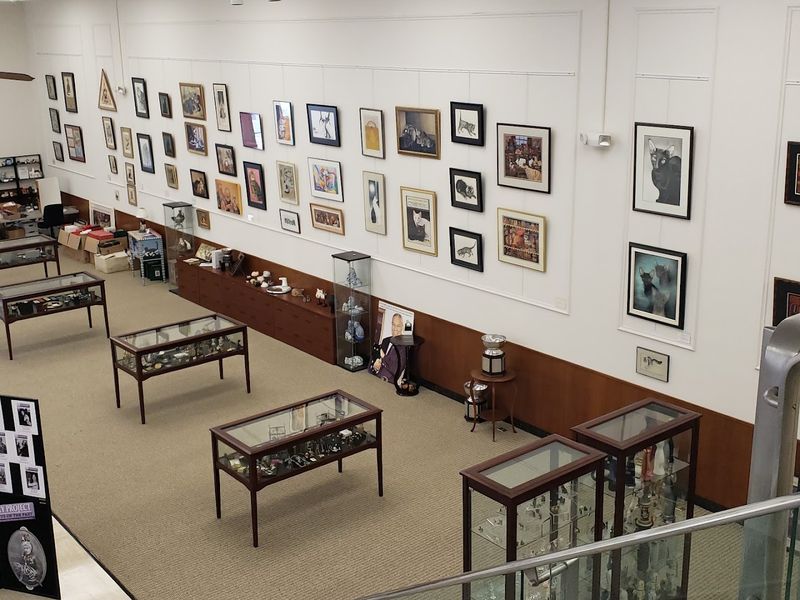
Small museums live or die by conversation, and this one excels when you chat. Staff and volunteers are happy to point out hidden gems, explain exhibit choices, or share reading suggestions from the library.
That personal touch turns a quick look into a meaningful visit.
You will meet other cat lovers too, from lifelong show aficionados to families on a rainy-day outing. Swapping recommendations is half the fun.
The quiet rooms suddenly feel like a club where everyone speaks the same language. Ask questions.
You may uncover backstories, recent improvements, or upcoming displays that reward a return trip. Community is the secret exhibit here, and it makes the Feline Historical Museum feel wonderfully alive.
Share this story